REVIEW · GDANSK
Gdansk European Solidarity Centre Guided Tour
Book on Viator →Operated by todo.travel · Bookable on Viator
It’s a museum tour with real emotional weight. In Gdansk, the European Solidarity Centre turns the fight for freedom into something you can follow step-by-step, not just read about. I really like that you get both the museum entry and a professional guide, so the time feels focused and guided rather than random wandering.
Second, I like the pace and how the guide explains the story in a way that sticks. The visit runs about 2 hours 30 minutes, which is long enough to understand what mattered without dragging your feet for the whole afternoon. One thing to consider: the experience depends on good weather, and if conditions are poor, your date could be changed or refunded.
In This Review
- Quick highlights before you go
- Where the tour starts: the 1970 shipyard monument sets the tone
- The main event: Europejskie Centrum Solidarności (European Solidarity Centre)
- What you’ll feel (and what you might miss without a guide)
- How the guide makes the story click in English
- Time on the clock: planning your day around 2 hours 30 minutes
- Price and value: what $39.32 buys you (and what it saves you)
- Meeting logistics that actually matter on museum days
- Weather and minimum-group realities
- Who this tour is best for
- Should you book the Gdansk European Solidarity Centre guided tour?
- FAQ
- How long is the Gdansk European Solidarity Centre guided tour?
- What’s included in the tour price?
- Is transportation or food included?
- Where does the tour start and end?
- Is the tour offered in English?
- What happens if the weather is poor or you need to cancel?
Quick highlights before you go
- Entry to the European Solidarity Centre included—you’re not hunting for tickets or figuring out timing.
- English-guided for clear explanations—helpful if you want context without slowing down at every display.
- Small group size (max 25)—you’ll get a more human, question-friendly feel.
- Starts at the Monument to the Fallen Shipyard Workers of 1970—it gives the museum visit instant context.
- About 2.5 hours—a strong length for history without feeling like a half-day assignment.
Where the tour starts: the 1970 shipyard monument sets the tone
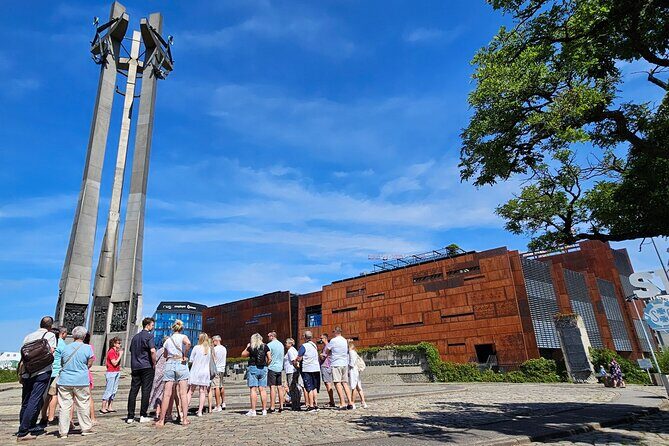
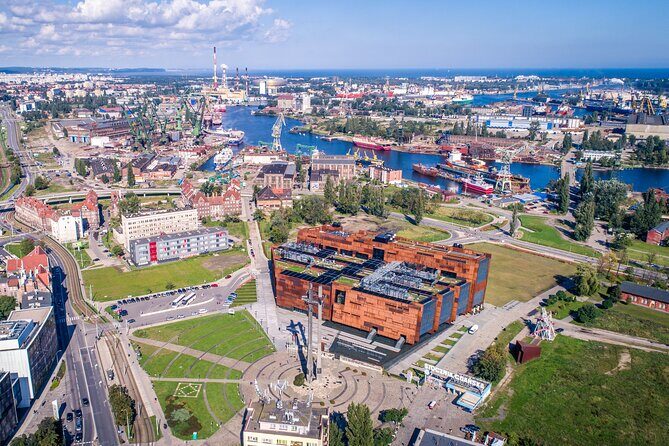
Your tour meets at the Monument to the Fallen Shipyard Workers of 1970, at Plac Solidarności, 80-001 Gdańsk. That choice matters. It grounds the visit in the place where the story begins to hit home—industrial, local, and tied to real people who paid the price.
You also get a simple finish plan: the activity ends back at the meeting point. That’s practical in Gdansk, where you might otherwise spend time re-routing yourself after a museum stop.
You can also read our reviews of more guided tours in Gdansk



The main event: Europejskie Centrum Solidarności (European Solidarity Centre)
The heart of this experience is the European Solidarity Centre, a modern museum designed to bring the Solidarity movement story to life. This isn’t a museum where you just glance at text panels and move on. The set-up pushes you to understand the sequence of events and why they mattered—socially, politically, and personally.
What I especially like is how a guided visit changes the quality of your attention. Left to your own devices, it’s easy to see exhibits and feel like you’re collecting facts. With a guide, you get a route through the story—what to notice first, what to connect, and what details are worth slowing down for.
The tour includes admission, so once you arrive you can focus on the experience itself. You’re not stuck trying to time ticket lines, interpret confusing entry steps, or figure out where to go inside. The guide leads you through the museum experience during the tour window of about 2 hours 30 minutes, which is a sweet spot for a topic this heavy.
What you’ll feel (and what you might miss without a guide)
The Solidarity story is not light subject matter. A museum like this can either become a blur of dates—or a clear, human narrative. A good guide helps you avoid the blur.
With a professional guide, you’re more likely to catch the meaning behind exhibits—how moments connect, how the movement grew, and why the fight for freedom resonated beyond one city. If you’re the type who wants context before you start reading, this format works well.
How the guide makes the story click in English
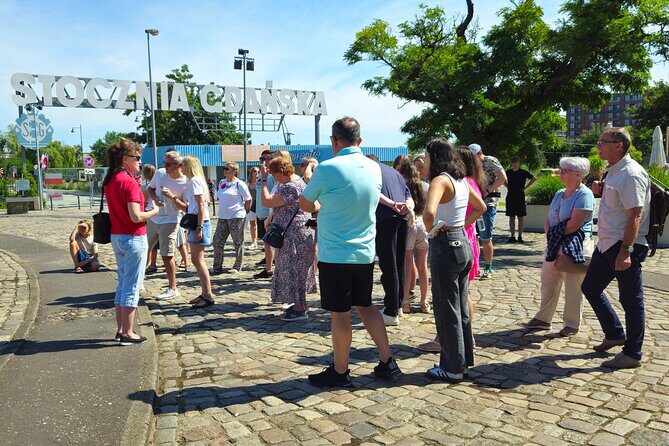
This tour is offered in English, which is a big deal for visitors who want clarity but don’t want to spend their trip translating everything in their heads. The guide’s job here isn’t just to recite dates. It’s to help you understand what you’re looking at.
I like the way the explanations stay interesting instead of turning into a lecture you can’t follow. The strongest part of this kind of tour is when the guide spots your likely questions and answers them before you even think to ask.
Also, the group size stays limited—up to 25 travelers. That helps the guide keep the energy steady and gives you a better chance to hear everything, even if the museum areas get busy.
Time on the clock: planning your day around 2 hours 30 minutes
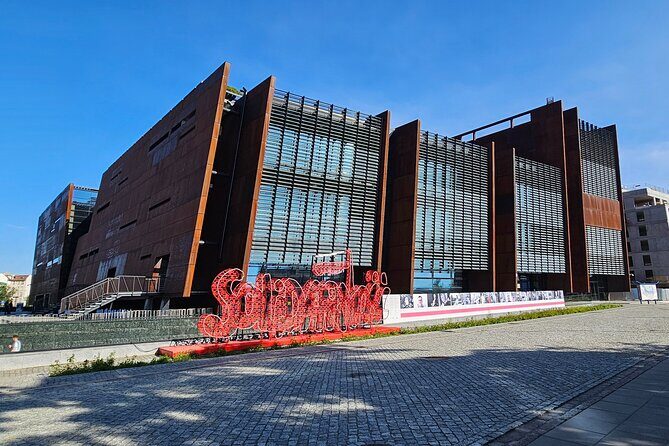
The visit runs about 2 hours 30 minutes. That length is long enough to make the museum meaningful, but short enough that you can still do other things in Gdansk the same day.
Here’s how I suggest you plan it:
- Aim to arrive a little early at the Plac Solidarności meeting point so you don’t feel rushed before the museum starts.
- Build in time after the tour to walk the area at an unhurried pace. Since you end right back at the start point, you’re not forced into a complicated transit puzzle.
If you’re pairing this with other activities, consider scheduling it earlier in your day. A guided history visit like this benefits from a clear head, not a sleepy rush between attractions.




Price and value: what $39.32 buys you (and what it saves you)
At $39.32 per person, this doesn’t feel like a bargain-by-default type of price. But the value is pretty clear once you see what’s included.
You’re paying for:
- Entry to the European Solidarity Centre
- A professional guide
- A planned 2.5-hour structure with a small group cap
That means you’re not paying separately for admission and then adding your own guesswork. The guide is the real cost-saver here, because a museum about Solidarity can be emotionally and historically complex. Having the explanation built into the ticket makes the price easier to justify.
What’s not included:
- Transportation
- Food and drinks
So, plan to handle meals around the tour. If you want a smooth day, grab a snack or a coffee before you go, or plan a proper sit-down after. Since the tour ends where it starts, it’s simple to continue your day nearby.
Meeting logistics that actually matter on museum days
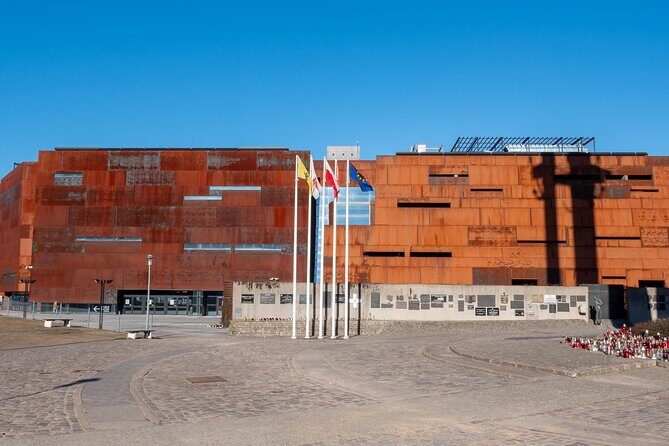
This tour is designed to be straightforward. You’ll meet at a known monument and return there at the end. It’s also near public transportation, which helps if you’re coming from your hotel without wanting to coordinate taxis.
Two other practical notes:
- Service animals are allowed.
- Most travelers can participate, so this is generally not an overly restrictive activity.
That said, it’s still a museum experience tied to weather conditions, so if you’re visiting in a season with messy conditions, you’ll want flexibility in your schedule.
Weather and minimum-group realities

The experience requires good weather. If it’s canceled due to poor conditions, you’ll be offered a different date or a full refund. That’s important because museums can sometimes run regardless of weather, but this one explicitly treats conditions as part of the operation.
It also runs only if a minimum number of travelers is met. If it doesn’t meet that threshold, you’ll be offered a different date/experience or receive a full refund.
So if this is a “must-do” for your trip, I’d book it sooner rather than later. Waiting until the last day gives you less room to recover if schedules change.
Who this tour is best for
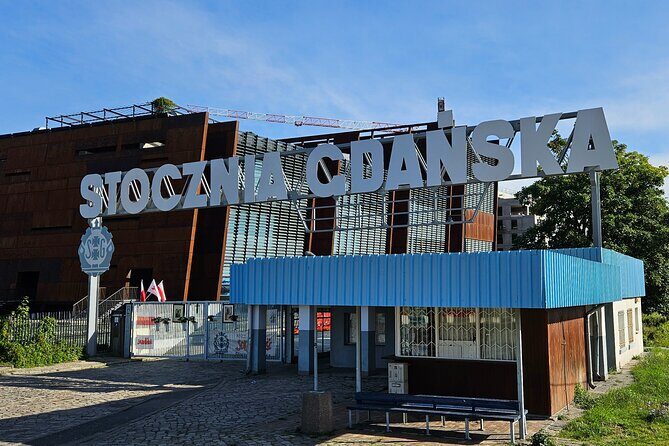
This is a great fit if you want:
- A guided entry into a serious topic without having to research every detail first
- An English explanation of what you’re seeing inside the museum
- A time-efficient experience that still feels substantial
You’ll likely enjoy it most if you like museums, political and social history, or you’re already curious about how Solidarity shaped modern Europe. It’s also a strong choice if you prefer structured tours—this one has a clear start, museum-centered pacing, and a predictable end point.
If you’re hoping for a purely casual walk-through with minimal structure, you might find the subject matter intense. But if you like context and meaning, you’ll probably feel more satisfied than with a self-guided stop.
Should you book the Gdansk European Solidarity Centre guided tour?
Yes—if you want the Solidarity story explained in a way that makes the museum feel coherent and human. I especially like that you’re not doing this as a solo ticket purchase; you’re getting a guide and a structured 2.5-hour plan, and the small group size helps keep the experience engaging.
Skip it only if you:
- Don’t want a guided museum visit and prefer totally self-paced wandering
- Need a perfectly weather-proof plan (since it depends on good conditions)
- Are trying to cram too many activities right around it
If you’re in Gdansk for a short time and you want one museum experience that gives you context quickly, this is a smart pick.
FAQ
How long is the Gdansk European Solidarity Centre guided tour?
The tour is about 2 hours 30 minutes.
What’s included in the tour price?
Your ticket includes entry to the European Solidarity Centre and a professional guide.
Is transportation or food included?
No. Transportation and food and drinks are not included.
Where does the tour start and end?
It starts at the Monument to the Fallen Shipyard Workers of 1970, Plac Solidarności, 80-001 Gdańsk, Poland, and ends back at the same meeting point.
Is the tour offered in English?
Yes, it’s offered in English.
What happens if the weather is poor or you need to cancel?
The experience requires good weather, and if it’s canceled due to poor conditions you’ll be offered a different date or a full refund. You can cancel for a full refund up to 24 hours in advance; after that window, the amount you paid isn’t refunded.