REVIEW · GDANSK
Gdansk: Private Old Town Tour
Book on GetYourGuide →Operated by Poland By Locals · Bookable on GetYourGuide
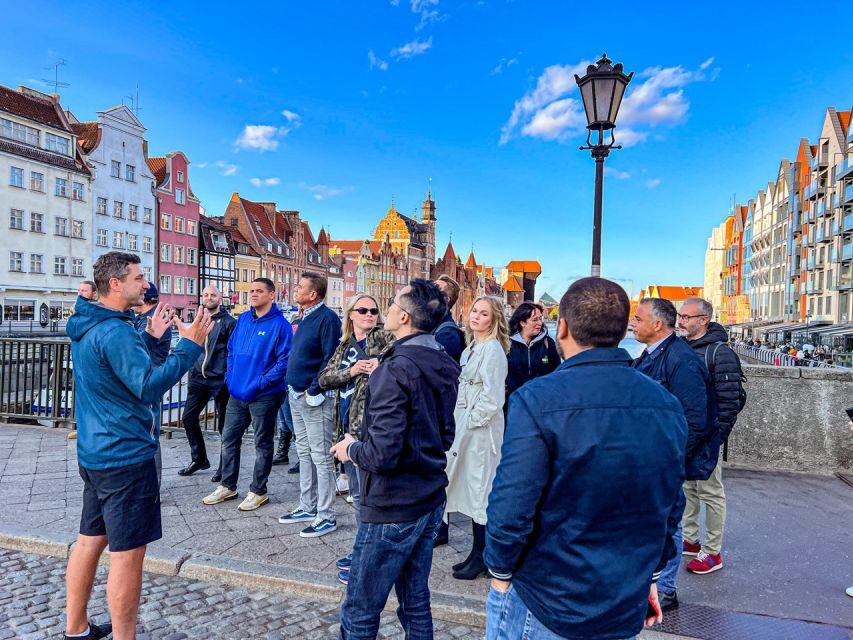
Gdansk has a story you can walk. This private Old Town tour turns famous sights like Neptune’s Fountain and St. Mary’s Basilica into a clear, human timeline—so you’re not just seeing places, you’re understanding how the city got shaped. You’ll cover the Royal Way streets and other key corners in a single, well-paced route with a live local guide.
I love the climb to St. Mary’s Basilica tower. From up there, the Old Town and the Gulf of Gdańsk make immediate sense. I also like that you don’t get stuck on the usual postcard line; you’ll end up at the Museum of the Polish Post, where communication and power feel surprisingly connected. The main consideration: it’s not suitable for people with mobility impairments, and sports shoes aren’t allowed—plus you’ll want about 10 PLN for the basilica entrance fee.
Expect about 150 minutes of walking on mostly flat Old Town streets. It’s a private group, and guides like Ulla and Bozena are specifically noted for answering questions and adapting to the group’s interests, which makes the stories much easier to remember later.
In This Review
- Key things I’d plan around
- Meeting at the Millennium Tree: the tour’s tone and pace
- The Royal Way and Golden Gate: getting Gdansk’s map in your head
- Neptune’s Fountain and Piwna: quick landmark, then real city texture
- Mariacka Street and the church square: why this area matters
- St. Mary’s Basilica tower: the skyline moment (and the 10 PLN fee)
- Stary Żuraw port crane: where the port story becomes real
- Museum of the Polish Post: communication as history
- WWII origins, Solidarity, and the Great Arsenal route
- Off-the-beaten-track feel without sacrificing big landmarks
- Price and group size: when $192 per group makes sense
- Who should book this private old town tour
- Should you book this Gdansk private old town tour?
- FAQ
- How long is the Gdansk: Private Old Town Tour?
- Where does the tour start?
- What sights are included?
- Is the tour private?
- What languages is the guide available in?
- Is there an entrance fee during the tour?
Key things I’d plan around
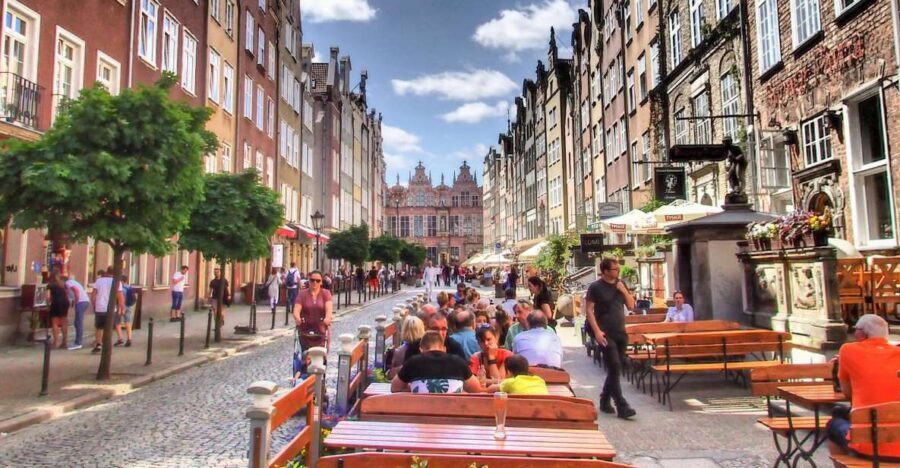
- Tower panoramas from the roof space of the largest brick church in the world
- WWII origin-to-Street-corners storytelling tied directly to where you stand
- A route with variety from Golden Gate through Long Market and Longshore areas
- Off-the-beaten-track moments, including a hangout-style spot for local bohemians
- Polish Post Museum to connect everyday life with huge political change
- Private-group feel (up to 20 people) so your guide can adjust to your questions
Meeting at the Millennium Tree: the tour’s tone and pace
The tour starts at the Millennium Tree, which is an easy anchor point for meeting and for getting your bearings. From there, your guide takes you into the Old Town on a route that doesn’t just list landmarks. The goal is orientation: where the city’s main movements were, how power showed up in architecture, and why certain streets mattered more than others.
Because the total time is about 150 minutes, you get enough time for real explanations without turning it into a whole-day event. It also means you can combine this tour with other Gdansk plans later in the day.
One practical point: wear real walking footwear. The activity says sports shoes aren’t allowed, so I’d treat this as a “comfortable but not athletic” day—think sturdy, supportive shoes you can move in for the whole route.
You can also read our reviews of more private tours in Gdansk



The Royal Way and Golden Gate: getting Gdansk’s map in your head
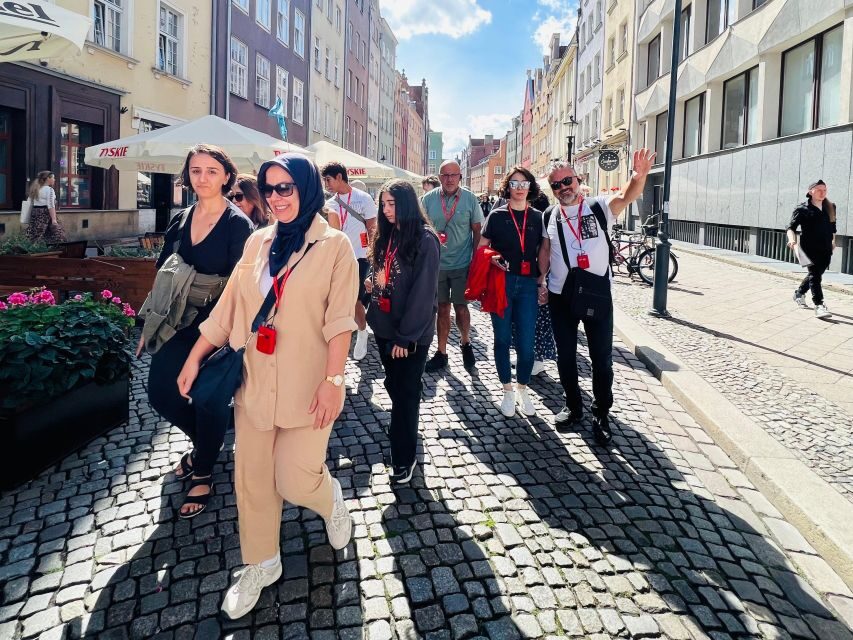
You’ll begin with the Royal Way segment (around 20 minutes), which is a smart opener. Instead of jumping right to the biggest photo spot, the guide frames what you’re about to see: how the Old Town developed, how people used these streets, and how the city’s identity formed through centuries of contact and conflict.
Soon after, you’ll move through the areas tied to the old city defenses and ceremonial routes—think Golden Gate and the nearby Old Town streets where the city’s “main spine” runs. This is where the tour earns its value for first-timers. Even if you’ve visited Gdansk before, you’ll likely pick up a clearer mental model of how the parts connect: gate → market street → waterfront → church power centers.
You also get story context around the turn-of-the-century period and the idea that so much of modern trouble starts in Gdańsk. That framing matters because, later, WWII and Solidarity won’t feel like random political history. They’ll feel like something that grew from daily life and local power structures.
Neptune’s Fountain and Piwna: quick landmark, then real city texture
Next comes Neptune’s Fountain (about 15 minutes). It’s an iconic stop, but the tour doesn’t treat it like a selfie wall. The guide uses it as a shortcut into what the city celebrated, how public spaces worked, and why certain symbols kept returning through different eras.
Then you head into Piwna (around 20 minutes). This is the kind of Old Town street where the vibe shifts from grand to everyday fast. You’re in a zone that helps you feel the city’s rhythm—where locals used to gather, where life pressed up against old architecture, and where you can spot the contrast between “history as buildings” and “history as people.”
A highlight here is that the tour includes a stop off the main tourist stream—something described as a place where local bohemians hang out. The value isn’t that you get a secret name for bragging rights. It’s that your guide uses it to show how Gdansk’s personality still lives in the street level, not only in museums.
Mariacka Street and the church square: why this area matters
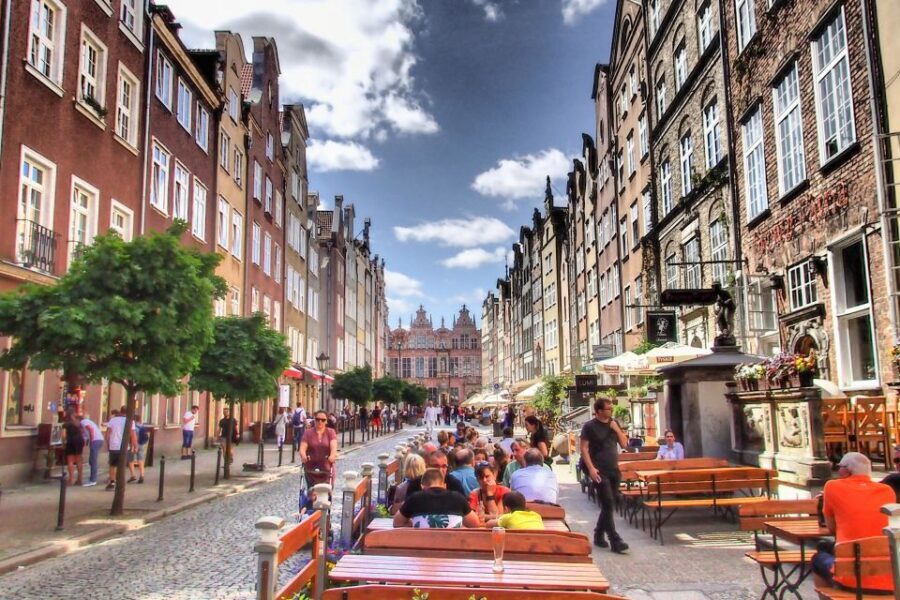
You’ll then move to Mariacka (about 10 minutes) and the church square area around it. This segment is short on paper, but it’s not empty. The guide uses the setting to explain how central this part of town was—religion, civic pride, and community life all orbiting the same visual center.
From there, you’ll spend time at St. Mary’s Church (about 20 minutes). This isn’t just a look-and-go stop. The guide ties the basilica to the city’s identity, so it doesn’t feel like you’re only absorbing architectural trivia.
One reason I like this structure is that it prevents the usual “checklist touring” problem. You’re not bouncing between unrelated highlights. You’re building a connection: a major church isn’t just a landmark—it becomes a viewpoint, a symbol, and later, a physical part of the story.
St. Mary’s Basilica tower: the skyline moment (and the 10 PLN fee)
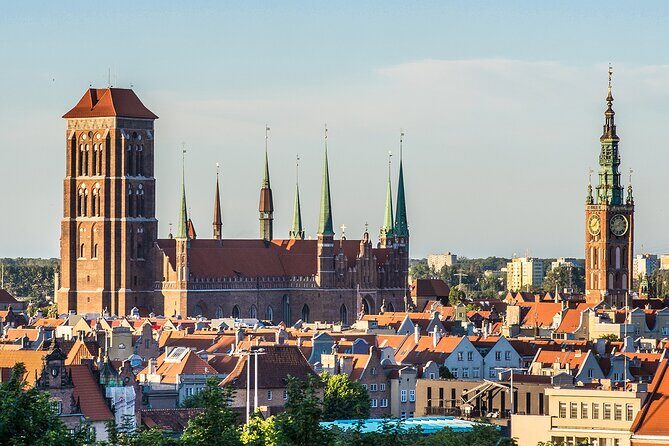
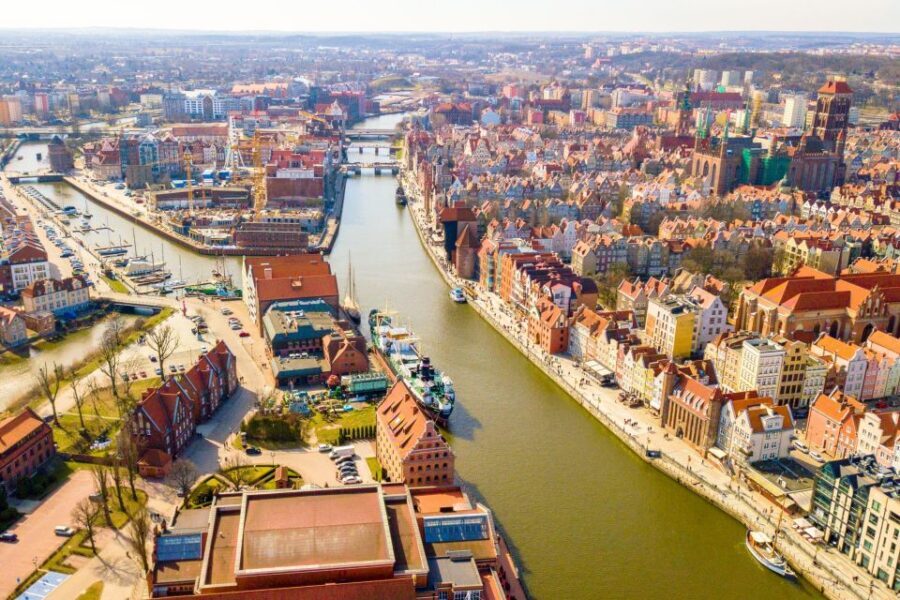
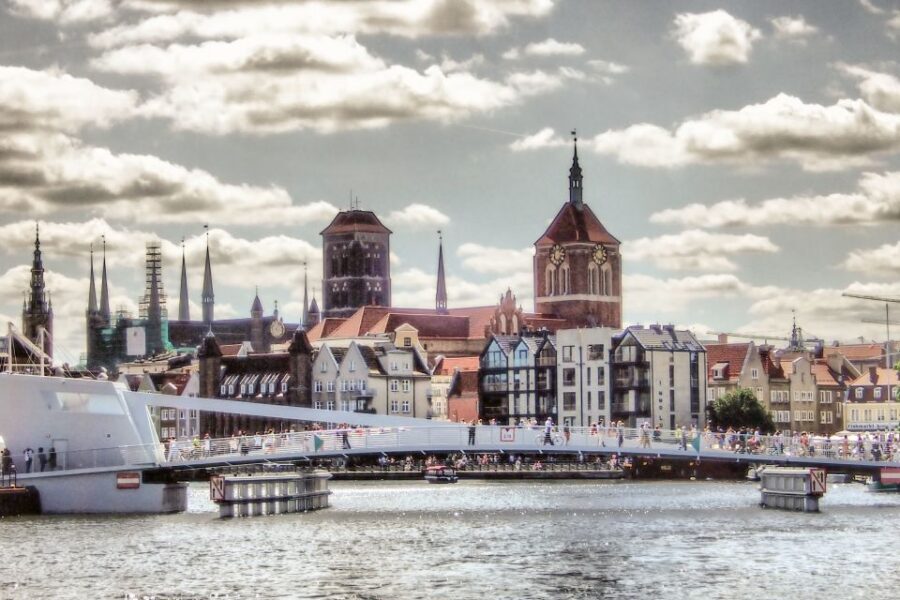
The tour’s big visual payoff is the climb to the tower of St. Mary’s Basilica, described as the tower of the largest brick church in the world. From up there, you get panoramas over the Old Town and toward the Gulf of Gdańsk.
Plan for this as your “aha” moment. From ground level, the Old Town can feel like a maze of beautiful streets. From the tower, you start seeing the city like a map—where the waterfront relates to the churches and where the main routes run. That makes the rest of the stories land better because you’re holding a bird’s-eye reference in your mind.
There’s an entrance fee you should budget for: 10 PLN for access to St. Mary’s Basilica. Bring cash if you can. And since the tour runs about 150 minutes total, don’t expect a long linger time at every stop. The tower is worth prioritizing without overthinking it.
Also remember the practical note: sports shoes aren’t allowed. For a tower segment, you’ll want footwear you trust on stairs and stone.




Stary Żuraw port crane: where the port story becomes real
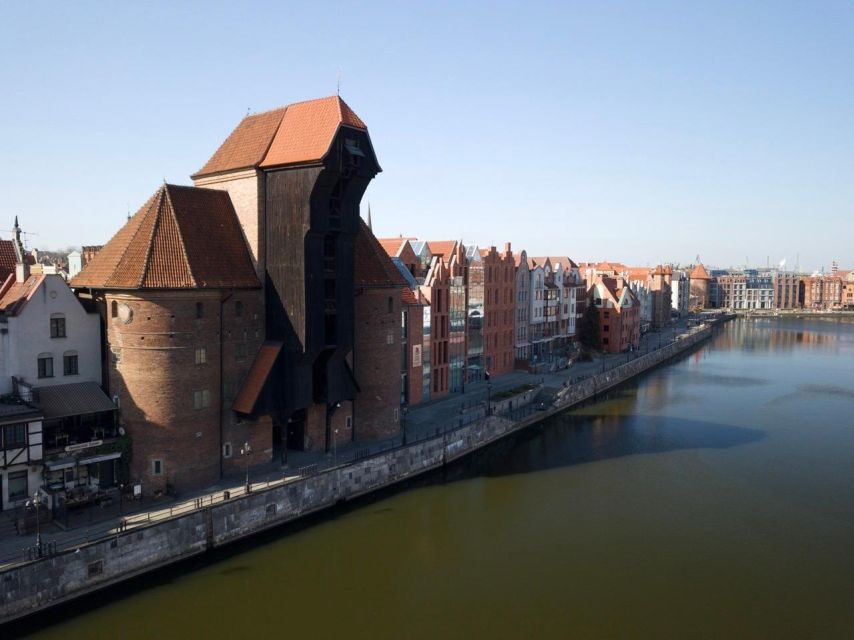
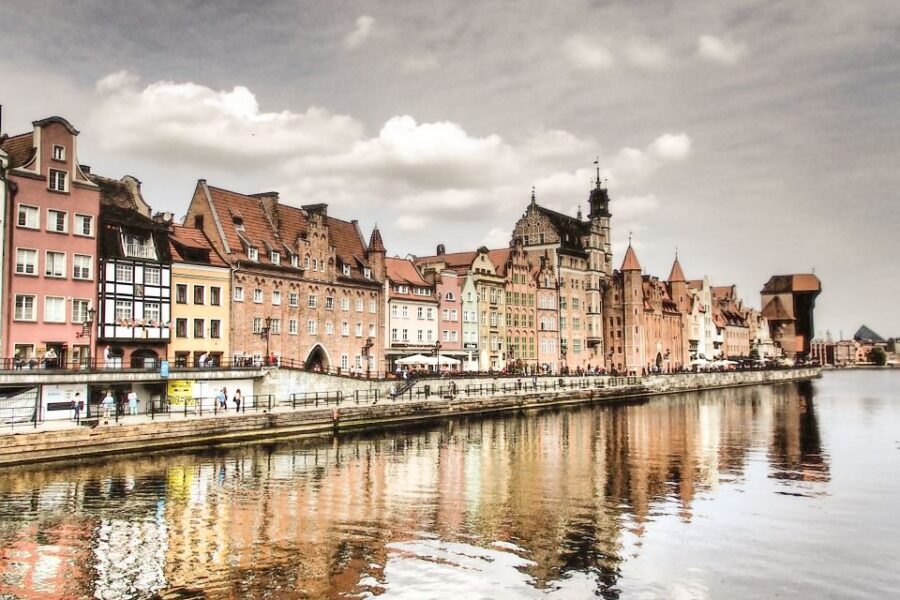
You’ll next reach Stary Żuraw portowy (about 15 minutes). This is one of those Gdansk spots that makes the city’s wealth make sense. The guide uses the crane and port setting to talk about how the waterfront economy worked, how trade moved, and how the city’s position shaped its fate.
Even if you’re not a “shipping history” person, this stop is useful. It gives you context for why later political shocks mattered so much. When a city’s economy is tied to its port and trade, conflicts and changing regimes don’t stay abstract—they show up as local disruptions.
Stary Żuraw also breaks up the schedule with a different kind of atmosphere. Instead of moving only through church and market street areas, you get a more maritime feel, which helps the stories stay fresh rather than repetitive.
Museum of the Polish Post: communication as history
The tour’s most thought-provoking museum stop is the Museum of the Polish Post (about 30 minutes). This is where the political story becomes personal. Instead of WWII and protest showing up only as dates and slogans, you get a bridge to everyday life—messages, systems, and the way information moves.
For me, this kind of stop is a strong value-add because it changes your perspective. When history is told through daily infrastructure, it feels less like something that happened “to other people,” and more like something that grew out of the choices and limits faced by locals.
Because you spend half an hour here, it’s not rushed. You can ask questions without the guide needing to sprint to the next corner. And since the tour is private, that question time is often where the tour becomes memorable. (Guides like Bozena and Ulla are specifically noted for being responsive to questions and for adjusting to what a group wants to know.)
WWII origins, Solidarity, and the Great Arsenal route
As the walk progresses, the guide connects the city’s difficult 20th-century story to the streets around you. WWII is presented as something that began in Gdańsk, not as a far-off event. That framing helps you understand why the city experienced such deep disruption and why local memory can feel so present in the built environment.
You’ll also hear about the history of Solidarity and the struggle of Poles under the communist regime. The key is that you’re not just receiving a political lecture. The guide routes the story through places like Tkacka Street and landmarks along the way, including the Great Arsenal area. Even when you aren’t fully familiar with the timeline, the guide’s explanations help you place what you’re seeing into a bigger picture.
Along the route, you’ll pass through the areas linked with Old Town life and commerce—Long Market Street and Longshore Street—which matters because it shows the city’s dual identity. Gdańsk could be civic, commercial, and cultural, and it could also be a stage for major political conflict.
If you like travel that turns architecture into cause-and-effect, this is the section to pay attention to. Ask questions here. This is where your guide’s “in a nutshell” style pays off, because you’ll remember the street-to-story connections later even after you’ve left.
Off-the-beaten-track feel without sacrificing big landmarks
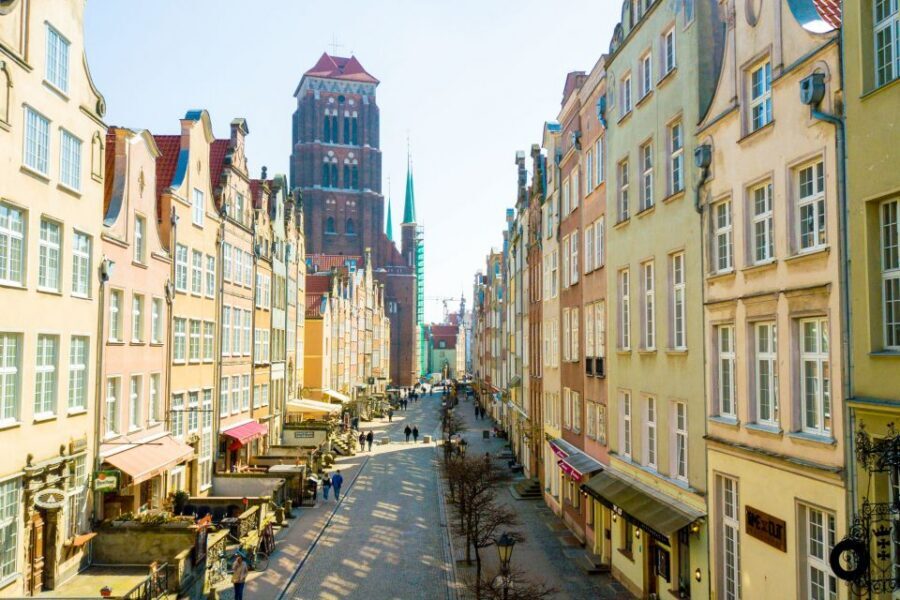
A lot of Old Town tours feel either too generic or too secretive. This one tries to find the middle. You still get the major hitters: the fountain, the basilica, and the port crane. But you also get time spent in less obvious corners, including that spot where local bohemians hang out.
What I like about this approach is that it doesn’t force you into pretending to know local life. It simply lets you experience a slice of how people occupy the city day to day. That’s what makes the Old Town feel lived in rather than staged.
This also means the tour works well if you’re traveling with a mix of interests: one person may care about the churches and views, while another focuses on Solidarity and WWII. The route gives both angles enough time to feel satisfied.
Price and group size: when $192 per group makes sense
The price is $192 per group for up to 20 people, for about 150 minutes. That pricing model can feel confusing until you do the math for your group size.
- If your group is 2 people, you’re paying about $96 per person.
- If your group is 4 people, it’s about $48 per person.
- If you’re closer to 10 people, it’s roughly $19 per person.
So the “value” depends on whether you’re traveling as a small crew or a bigger party. But the private-group structure helps either way, because you’re not sharing your questions with a huge crowd.
For me, the tour is most worth it if you want meaning, not just movement. You’re paying for a guide who connects places to events: WWII beginnings in Gdańsk, the Solidarity story, and how those themes show up in exactly where you’re walking. Add the fact that the route includes a basilica tower viewpoint and a full museum stop, and the price starts to feel like you’re buying time with someone who knows the city well and can keep the stories tight.
One more cost note: budget the 10 PLN for the basilica entrance.
Who should book this private old town tour
This tour fits best if you want three things at once: Old Town beauty, a guided route with variety, and a clear narrative that connects history to real street corners. It’s also a good pick if you like asking questions and getting answers in plain language—something guides like Ulla and Bozena are praised for.
It’s probably not a great fit if mobility is limited, because the tour is not suitable for people with mobility impairments. And because sports shoes aren’t allowed, you’ll want to plan your footwear early.
If you’re visiting with teens or friends who think history is boring, this is one of the better formats. The tower views and port stop help keep it visual, while the WWII and Solidarity parts give it stakes.
Should you book this Gdansk private old town tour?
I’d book it if you want a guide-led Old Town walk that feels purposeful. The big reason is the mix: tower panoramas, a major church presence, a port landmark, and the Museum of the Polish Post, all tied to WWII and Solidarity in a way that stays tied to where you’re standing.
Skip it if you’re mainly interested in a self-guided checklist or if mobility constraints or shoe restrictions would make the day stressful. But if you’re the kind of traveler who likes understanding how a city got to be what you see today, this one is a strong match.
FAQ
How long is the Gdansk: Private Old Town Tour?
It lasts about 150 minutes.
Where does the tour start?
The meeting point is the Millennium Tree.
What sights are included?
You’ll visit highlights including Neptune’s Fountain, Piwna, Mariacka area, St. Mary’s Church (including the tower viewpoint), Stary Żuraw port crane, the Museum of the Polish Post, and you’ll also pass through streets and areas like Golden Gate, Long Market Street, Longshore Street, Tkacka Street, and the Great Arsenal.
Is the tour private?
Yes, it’s a private group tour.
What languages is the guide available in?
The live guide speaks English and Polish.
Is there an entrance fee during the tour?
Yes. There is an entrance fee of about 10 PLN for St. Mary’s Basilica.