REVIEW · KRAKOW
Private Guided Tour to Auschwitz & Birkenau from Krakow
Book on Viator →Operated by Your Krakow Journey - Transfers & Tours · Bookable on Viator
This day trip hits hard fast. You get a private, guided visit from Krakow to Auschwitz I and Birkenau, with time managed so you’re not lost in ticket lines and schedules. What makes it especially compelling is the way the day connects the camp’s arrival points, the buildings, and the larger Birkenau area in a single route.
I like the door-to-door pickup approach and how it removes the usual headaches of getting there and back. I also really appreciate that the Auschwitz admissions are included, so you can focus on the experience instead of paperwork and payment steps.
The main drawback to plan for is emotional and physical: it’s heavy and there’s walking, and one past traveler felt the visit was a bit rushed and hard to hear at times. If that’s your concern, wear comfortable shoes, keep expectations realistic, and know that the on-site museum guides are assigned by the Auschwitz State Museum.
In This Review
- Key highlights you’ll feel on the day
- Wawel Hill first: a Polish starting point before Auschwitz
- Private Krakow transfer: the value of not getting stuck
- Auschwitz I (about 2 hours): why this part hits differently
- Birkenau (about 1.5 hours): the scale shock
- The Judenrampe stop: arrival and selection, in minutes
- Rudolf Höss residence: why leadership matters in the setting
- Timing, walking, and sound: make the day work for your body and mind
- Price and value: paying for fewer headaches
- Who this tour suits best (and who should plan differently)
- Should you book Private Guided Tour to Auschwitz & Birkenau from Krakow?
- FAQ
- How long is the Auschwitz & Birkenau tour from Krakow?
- Is pickup included, and where do you meet?
- Is the tour private or shared?
- Does the price include admission tickets?
- How long do you spend at Auschwitz I and Birkenau?
- Are the guides available in English?
- Is there flexibility for starting points in Krakow?
- Is service animals allowed?
Key highlights you’ll feel on the day
Hotel pickup from Krakow and back so you’re not wrestling buses on a long day.
A tight Auschwitz time plan with about 2 hours in Auschwitz I and about 1.5 hours in Birkenau.
Tickets handled for you with admissions included for the main Auschwitz parts.
A visit to the arrival-selection area (Judenrampa) for a fast, chilling stop between Auschwitz I and Birkenau.
Rudolf Höss residence visit to place the Holocaust leadership right in the camp’s orbit.
Strong drive-side support: one driver (Oskar) was praised for efficient ticket-line handling and an easy, helpful vibe.
Wawel Hill first: a Polish starting point before Auschwitz
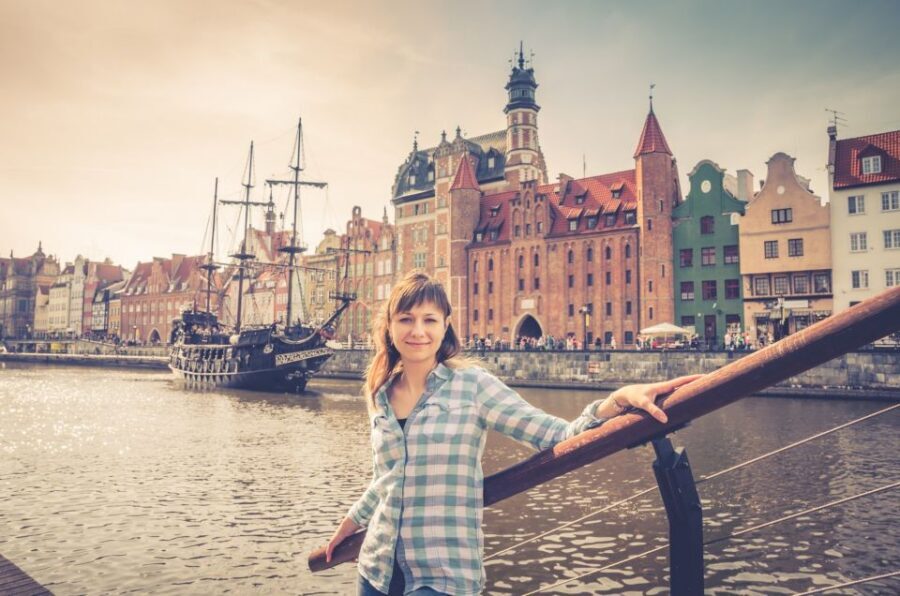
Most Auschwitz days start the same way: grab transit, fight logistics, arrive stressed. This one starts calmer. After pickup, you begin with a stop at the historic castle complex on Wawel Hill, overlooking the Vistula River—one of Poland’s most important cultural landmarks and a symbol of national pride.
That matters more than it sounds. Before you step into Auschwitz, you get a human-scale reminder that you’re in Poland—history older than the Holocaust, pride rooted in place. It also breaks up the travel into the kind of pace that helps you handle what comes next.
You won’t treat Wawel as a full-day museum here. Think of it as orientation: a quick, meaningful reset before the weight of the camps.
You can also read our reviews of more guided tours in Krakow
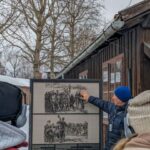
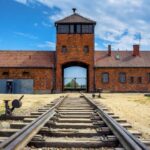
Private Krakow transfer: the value of not getting stuck
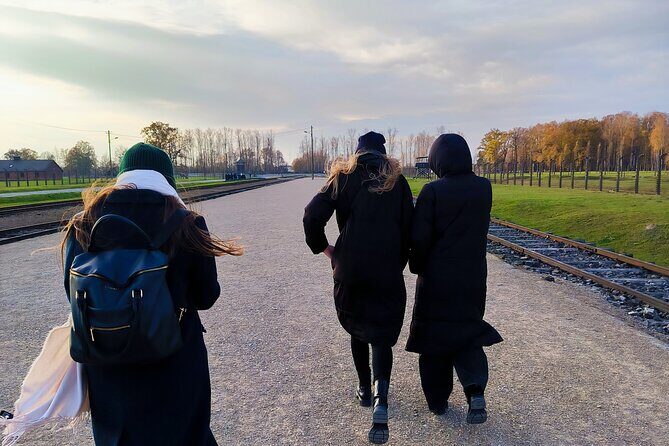
The biggest practical win is the private nature of the day. This tour is private, meaning only your group participates, with a group size of up to 3. That makes a real difference for an Auschwitz visit: less waiting around, fewer awkward timing issues, and a plan that’s built around your group’s start time.
Pickup is offered directly from your hotel or any other place, which is a huge convenience if you don’t want to figure out meeting points and public transport after a long ride. The driver also handles the “how do we get in without chaos” problem—something several people praised.
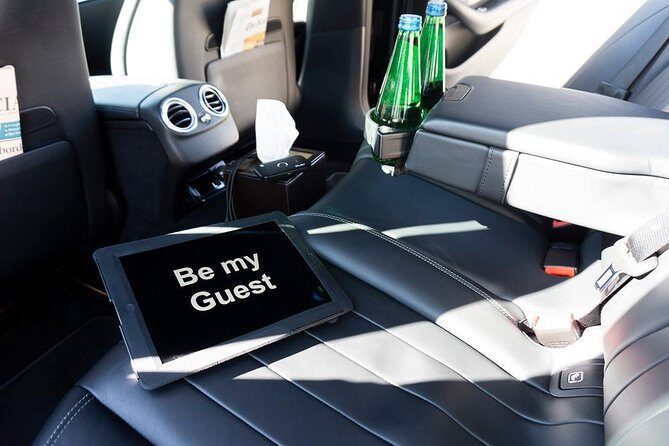
One example from a past experience: Oskar was described as an excellent driver who helped get through ticket lines efficiently, had a clean car, and even provided drinks. Another detail that can make the day feel less frantic: the driver was also flexible, including stopping along the way when it made sense.
Just note the division of labor: your driver focuses on transportation and coordination, while the in-camp guiding is done by official museum guides assigned by the state museum. That’s normal for Auschwitz. It also means the inside commentary can vary by guide and by your position in the group.
Auschwitz I (about 2 hours): why this part hits differently
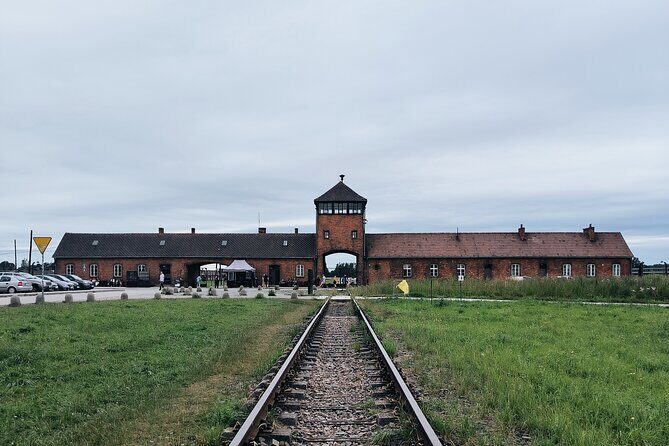
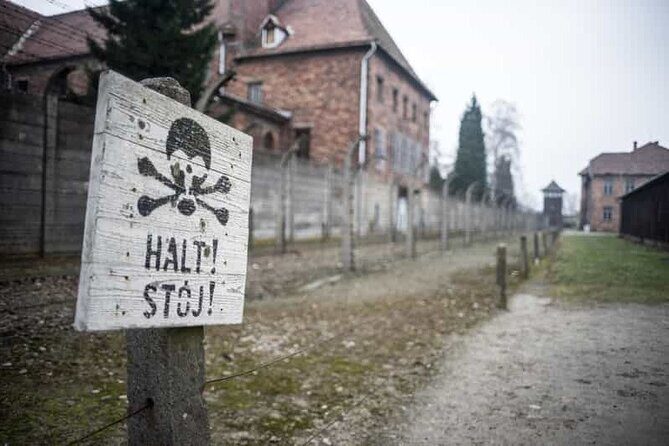
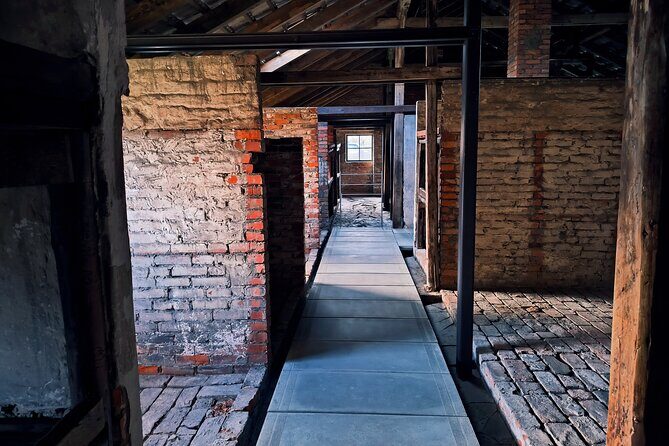
Auschwitz I is the “main camp” section, and it’s where the story becomes very specific and very close. This part began as a concentration camp for Poles under German occupation and later expanded for people from other nationalities. You’ll understand the machinery of persecution as it was built and run.
You’ll have about 2 hours here, with admissions included. That’s a reasonable amount of time to move through the key areas without feeling like you’re rushing every single exhibit. Still, Auschwitz isn’t laid out for speed. If you try to read every label, you’ll go slowly. If you only skim, you’ll still feel the weight—just in a different way.
One thing I’d plan for: the camp is structured, but your emotions will do the unpacking. Expect moments where you stop without meaning to. If you’re the kind of person who needs a moment to regroup, build that into your pacing.
Birkenau (about 1.5 hours): the scale shock
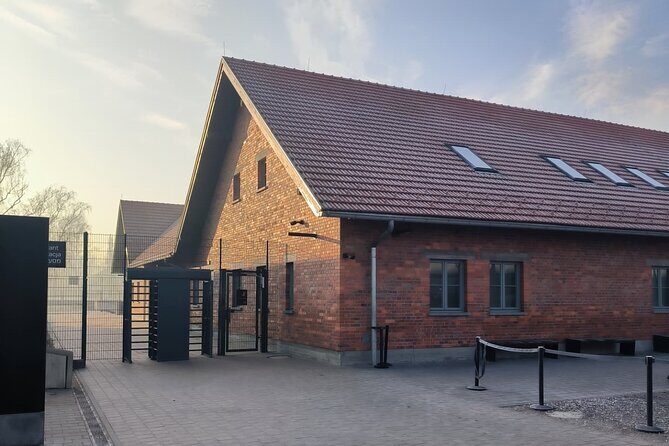
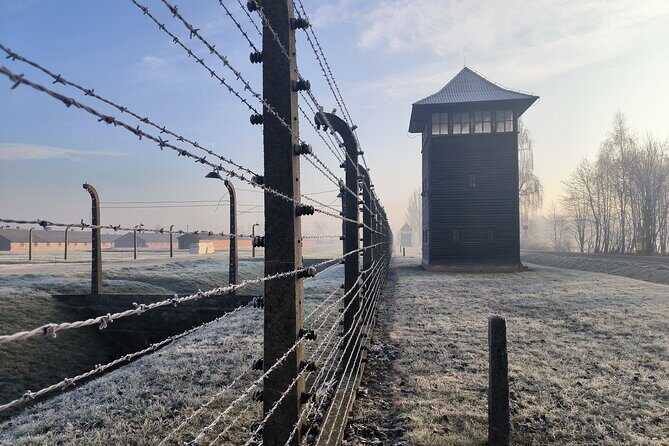
Birkenau, also called Auschwitz II-Birkenau, is where the scale hits. This second camp was larger and more focused on mass killing, with gas chambers and crematoria used to murder people brought from across Europe. It’s estimated that about 1 million people died in Birkenau, mainly Jews, but also Roma, Poles, prisoners of war, and other victims persecuted by the Nazi regime.
You’ll typically spend about 1 hour 30 minutes here, again with admissions included. That time feels short when you’re thinking about how much there is to see—but it’s honestly one of the best balances for a day trip from Krakow.
Birkenau is also where the open space and layout make it easy to feel the system’s cold logic. The long rows and remnants are hard to process because they don’t read like a single “thing.” They feel like a place designed for repetition—arrival, selection, suffering, death—then repetition again.
If you’re sensitive to heat, cold, or wind, Birkenau’s outdoors can matter a lot. Check the weather before the day and wear layers you can manage.
The Judenrampe stop: arrival and selection, in minutes
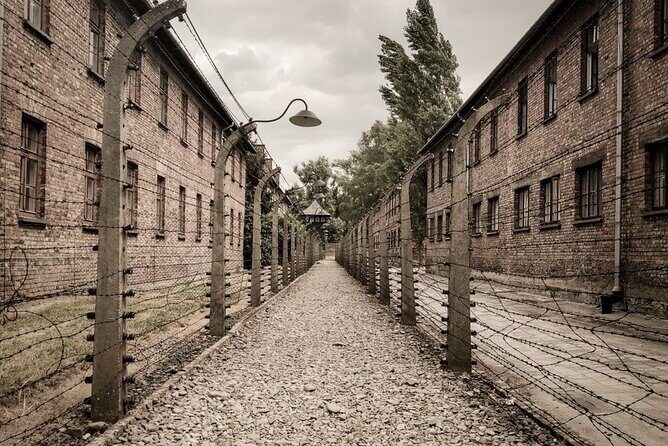
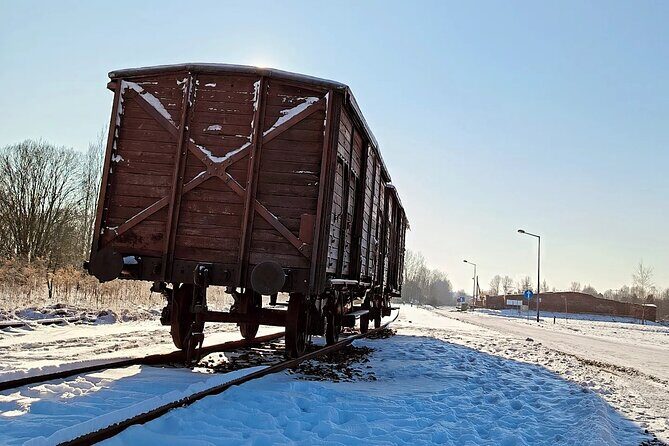
Between Auschwitz I and Birkenau sits a smaller but crucial point: Auschwitz-Birkenau, the Judenramp. It served as an initial arrival point from 1942 until May 1944. At this place, SS officers carried out the infamous selections, dividing arriving prisoners into those deemed fit for forced labor and those sent directly to the gas chambers.
You only spend a very short stop (about 3 minutes) here, and the ticket for this particular area is listed as free. The quick timing can feel jarring, but it also keeps the day moving so you don’t lose your total time at Auschwitz I and Birkenau.
I’d treat Judenramp as a moment to let your brain catch up. Don’t use it to speed-read; use it to understand the concept: arrival wasn’t a beginning. It was a funnel.
You can also read our reviews of more private tours in Krakow



Rudolf Höss residence: why leadership matters in the setting
Another powerful stop on the route is the building used as the residence of Rudolf Höss and his family from 1940 to 1944. Höss was one of the key architects of the Holocaust at Auschwitz. He introduced the system of mass murder using gas, starting with shower rooms filled with Zyklon B, and later developing gas chambers and crematoria.
This is one of those places where you can feel the cruelty in the ordinary. The horror isn’t only in the camps’ remnants. It’s also in the fact that the people running it lived nearby.
You won’t spend a full museum-length visit here as part of the schedule, but it’s an important bridge. It helps you connect the human decision-making behind the machinery.
Timing, walking, and sound: make the day work for your body and mind
Auschwitz days are built around 6 to 7 hours total. That total time includes the travel from Krakow, the Wawel stop, the major camp visits, and the shorter stops in between. It’s a long day, and it’s not the kind of trip where you can casually take breaks every few minutes.
From a practical standpoint, do what you can to make the walking easier: comfortable shoes, a water plan (the driver may provide drinks), and a mindset that the route can feel tight. One past traveler specifically mentioned feeling rushed and having trouble hearing the guide at times.
If you worry about hearing, position yourself where you can actually see and listen, especially during museum guide moments. And remember: the museum guides are official employees assigned by the Auschwitz State Museum, while your tour provider’s role is transportation and ticket coordination. If something feels off inside, it’s best to address it with the museum guide during the visit.
Price and value: paying for fewer headaches
The price is $461.96 per group, up to 3 people, for an experience around 6 to 7 hours with pickup and admissions included for the main Auschwitz parts.
Per person, the value can be strong if you’re traveling as a small group (two or three people). The math is simple: you’re buying private logistics plus transport convenience, and you’re also getting admissions handled. For Auschwitz, that reduces stress and wasted time—two things you’ll appreciate once you’re there.
Also, this is one of those trips where a good driver can change the feel of the day. Efficient handling of ticket lines and clear coordination can keep the schedule from turning into a scramble. In at least one experience, the driver was praised for being friendly, engaged, and flexible—also stopping along the drive to point out something worth noticing.
Who this tour suits best (and who should plan differently)
This is a great fit if you want:
- Private, door-to-door pickup from Krakow
- A guided visit with English commentary
- A manageable schedule that still covers Auschwitz I and Birkenau
It’s also a solid choice for travelers who don’t want to piece together transport and timed entry on their own.
Consider a different approach if:
- You struggle with long walking or emotional overwhelm and you need a slower pace
- You rely heavily on hearing everything perfectly and you’re worried about sound in larger spaces
Either way, treat this as a day for respect and presence, not a sightseeing marathon.
Should you book Private Guided Tour to Auschwitz & Birkenau from Krakow?
Yes, if you want the biggest “less stress, more meaning” payoff. With pickup in Krakow, a private setup for up to 3 people, and included admissions for Auschwitz I and Birkenau, you’re paying for a smoother route and less time wasted before the visit.
I’d book it if you can handle heavy material and you’re ready for a long, intense day. And I’d go in with realistic expectations: about 2 hours in Auschwitz I, about 1.5 hours in Birkenau, plus shorter but important stops like the Judenramp and the Höss residence. The schedule is designed to help you see the core story without turning your visit into a nonstop sprint.
If you want a day that’s emotionally serious but logistically straightforward, this is a strong option.
FAQ
How long is the Auschwitz & Birkenau tour from Krakow?
The total experience runs about 6 to 7 hours.
Is pickup included, and where do you meet?
Yes. Pickup is offered and the driver picks you up directly from your hotel or any other place. You’ll connect through your booking or WhatsApp app.
Is the tour private or shared?
This is a private tour/activity. Only your group will participate.
Does the price include admission tickets?
Yes, the admissions are included for the main Auschwitz I and Auschwitz II-Birkenau museum parts listed on the schedule. The Judenramp stop is noted as free.
How long do you spend at Auschwitz I and Birkenau?
You’ll spend about 2 hours in Auschwitz I and about 1 hour at Birkenau, with a schedule that also includes shorter stops in between.
Are the guides available in English?
The tour is offered in English.
Is there flexibility for starting points in Krakow?
Pickup is available from your hotel or another place, so you can usually choose a convenient starting location in Krakow.
Is service animals allowed?
Yes. Service animals are allowed, and most travelers can participate.