REVIEW · POZNAN
Poznan: Private Jewish Heritage Tour
Book on GetYourGuide →Operated by PT Team · Bookable on GetYourGuide
Poznań’s Jewish story lives in street corners. This private 3-hour heritage walk connects you to synagogues, squares, memorials, and cemeteries that explain how Polish Jewish life shaped the city for centuries. I especially love how the tour makes names and places feel personal, not just historical.
I also like that you get a guide who can answer questions and put the Holocaust era into clear, local context, including the forced labour camp story. One drawback to plan for: not everything is intact today, so you’ll rely on interpretation and careful walking rather than expecting a “full” museum-style site.
In This Review
- Key takeaways before you go
- Why Poznań’s Jewish Heritage Feels Like a Citywide Puzzle
- Meeting at the New Synagogue on Stawna 10: The First Lesson Is About Getting Oriented
- The Former Jewish Quarter Walk: Where Community Life Had Its Center
- Wolności Square and the Idea of Eternal Rest in Poznań
- City Stadium and the Occupation Story: Turning Tragedy Into a Location
- Square of the Righteous Among the Nations: A Reminder That Choices Existed
- Monument to the Victims of the Labor Camp for Jews in Poznań
- Akiva Eger’s Grove and the New Jewish Cemetery
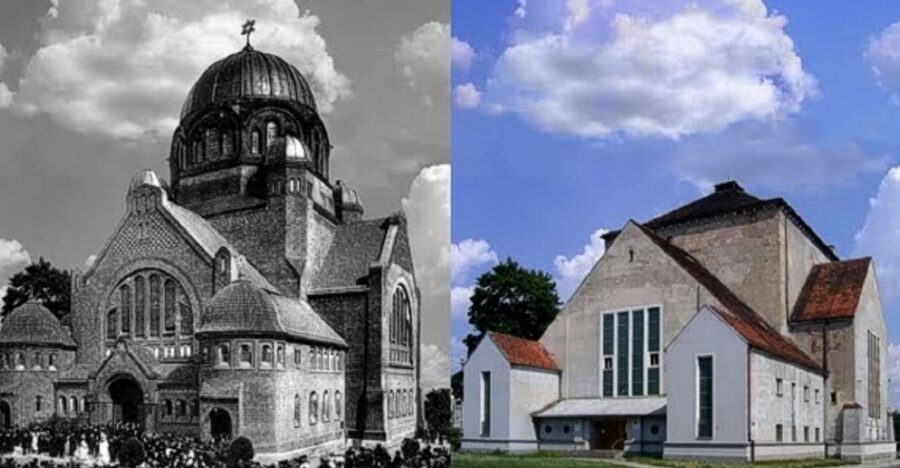
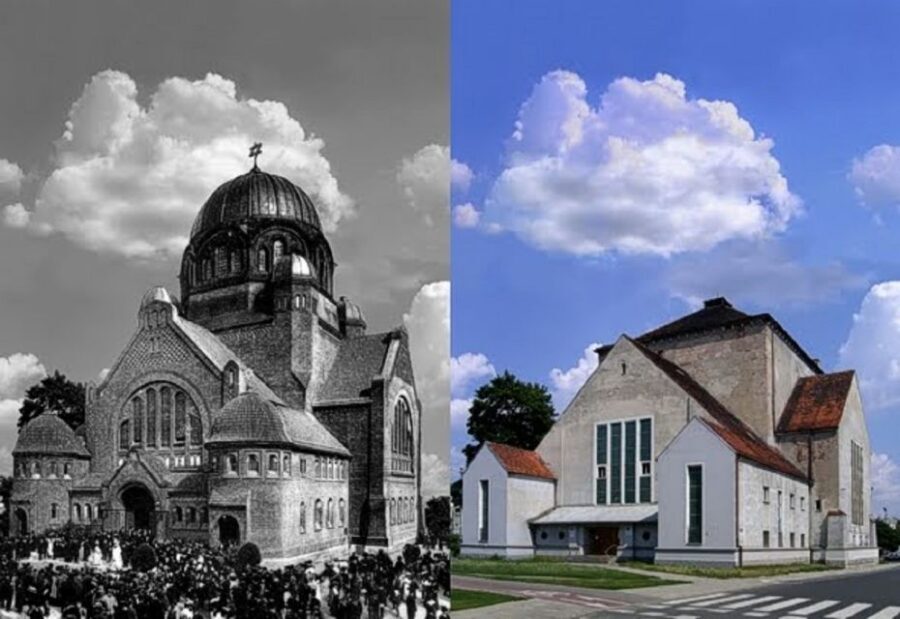
- The Synagogue Destroyed by Germans During WWII: Learning to Read What’s Missing
- Price and Logistics: Is $16 a Smart Value for a 3-Hour Private Tour?
- What I’d Ask Your Guide (So the Tour Stays Personal)
- Who This Tour Fits Best
- Should You Book the Poznań Private Jewish Heritage Tour?
- FAQ
- Where does the tour meet?
- How long is the Poznan Jewish Heritage tour?
- Is this tour private?
- What’s included in the price?
- Are there multiple language options?
- Is the tour wheelchair accessible?
- How much does it cost?
- Can I cancel for a refund?
Key takeaways before you go
- Private pace: you can ask questions and slow down where you care most.
- Start at the New Synagogue area: you get grounded fast with the right meeting point.
- Holocaust local landmarks: the forced labour camp memorials give the story a specific place in Poznań.
- Akiva Eger connection: you’ll learn who he was and find his grove in the Jewish cemetery.
- Destroyed synagogue history: you’ll see where Germans destroyed a synagogue during WWII and learn what that means.
- Expect walking: the Jewish heritage isn’t all in one block, so comfortable shoes matter.
Why Poznań’s Jewish Heritage Feels Like a Citywide Puzzle
Poznań doesn’t give you one giant, tidy Jewish district where you can tick boxes in an afternoon. Instead, the traces are scattered—some are visible, some are gone, and some live on through squares, street names, and memorials. That’s exactly why a guided walk is such good value: your guide helps you connect the dots between the places you might otherwise miss.
What I like about this setup is that it feels like real urban history. You’re not just looking at buildings; you’re learning how a community organized life—religion, social institutions, education, and eventually how it was crushed during German occupation. If you enjoy “reading” a city as you walk, you’ll get a lot from this.
You can also read our reviews of more private tours in Poznan


Meeting at the New Synagogue on Stawna 10: The First Lesson Is About Getting Oriented
Your guide meets you at the New Synagogue on Stawna 10 street, with your name. This matters more than you’d think. Poznań’s Jewish landmarks are distributed, and if you’re a few streets off, you can lose time and context right at the start.
There’s also a practical heads-up: in one guide experience, the meeting point description didn’t match where people expected to stand, with the real rendezvous a short distance away. My advice is simple: arrive a few minutes early, check the immediate area around the New Synagogue, and be ready to confirm with your guide on the spot.
Once you’re together, the guide frames the walk as a connected story of Poznań’s Jewish quarter, then moves outward to the places tied to occupation, persecution, and remembrance.
The Former Jewish Quarter Walk: Where Community Life Had Its Center
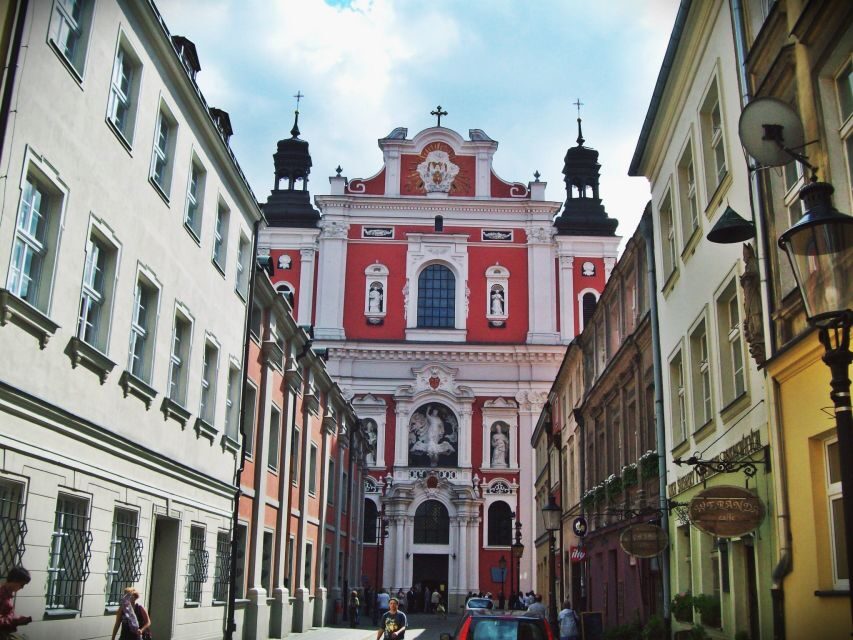
The tour begins by returning you to the former Jewish quarter, once the social and religious heart of Poznań Jews. You’ll see the headquarter of the Jewish community, along with stops connected to the New Synagogue and Akiva Eger Square.
This is where the tour does its best work: it explains why these locations mattered. You’re not just told that a community existed. You learn what it organized, how it functioned, and why particular squares and institutions mattered day to day. That’s the kind of context that changes how you see old stones and street layouts.
If you’re traveling with family, this part can hit extra hard. One review described how the walk gave more meaning to family connections to the area and surrounding region. Even without a personal link, you’ll likely feel the same shift from abstract history to lived reality.
Wolności Square and the Idea of Eternal Rest in Poznań
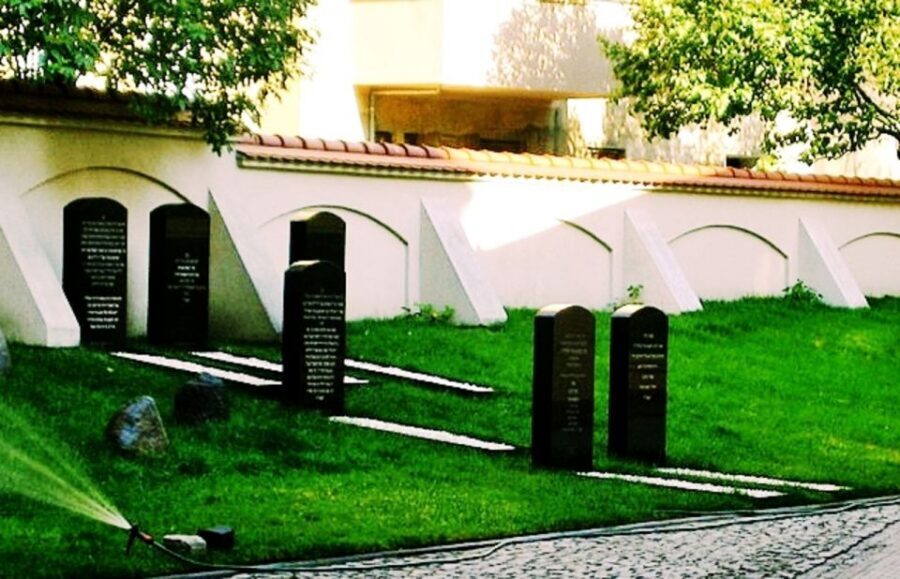
Next comes a stop at Wolnośći Square, which is tied to the eternal rest of Poznań Jews. Memorial landscapes can feel “quiet,” but a good guide prevents that quiet from turning into vagueness.
What I look for in this type of stop is clarity: what’s being remembered, how the space functions as remembrance, and what you should notice as you look around. Your guide is there to point out what the site communicates, and that’s especially valuable when you’re not sure what you’re seeing at first glance.
This is also a good moment to ask questions. If you’re wondering how Jewish mourning and memory were handled historically in this city, this stop is the right place to bring it up while the walk is still “in theme.”
City Stadium and the Occupation Story: Turning Tragedy Into a Location
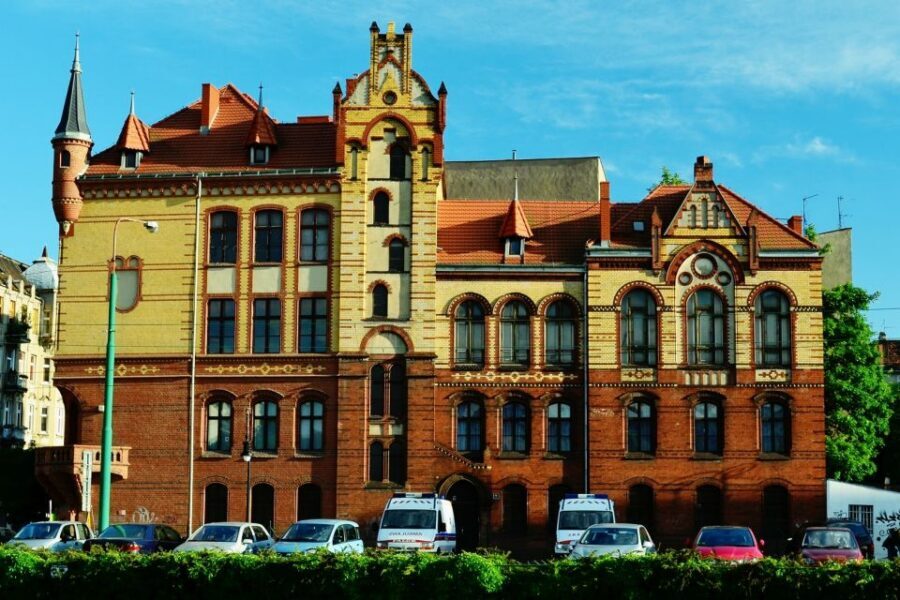
The tour then moves to the City Stadium, which witnessed a tragic fate of Jews during the German occupation. This kind of location can feel odd at first. A stadium is easy to picture for sports, not for atrocity—so your guide’s job is to make the timeline and human story click.
This is also where the tour becomes more sobering. The goal isn’t shock. It’s understanding how occupation used public spaces and how local decisions translated into real suffering for real people. If you’ve ever wondered how Holocaust history can feel “too far away,” the local anchoring here is the antidote.






Square of the Righteous Among the Nations: A Reminder That Choices Existed
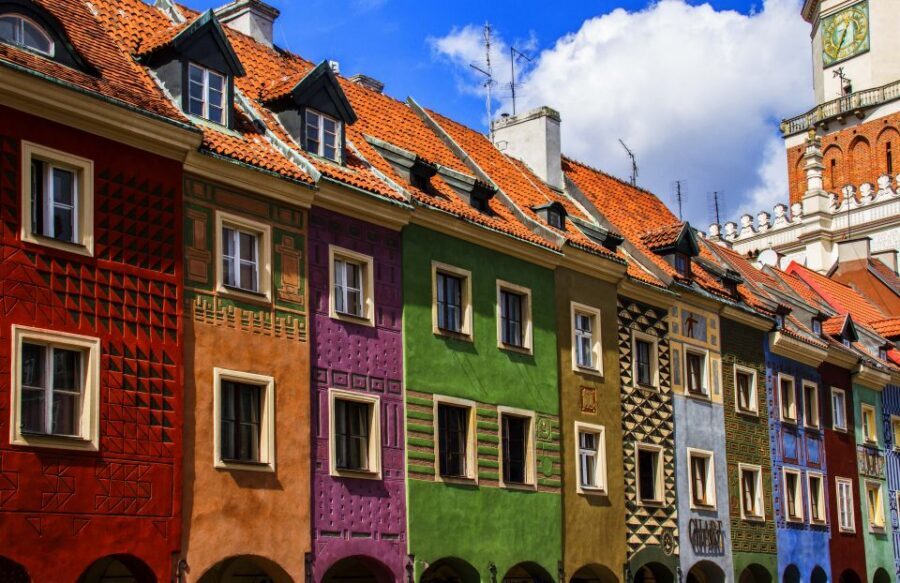
You’ll also visit the Square of the Righteous Among the Nations. It’s a different kind of historical lesson than the memorials tied directly to suffering, and it adds balance to the day.
This stop matters because it refuses to make the story only about victimhood. It points you toward the idea that some people helped others even under severe risk. Whether you already know about the Righteous Among the Nations concept or you’re learning from scratch, the way a guide connects the memorial to the broader story of wartime choices makes the stop more meaningful.
Monument to the Victims of the Labor Camp for Jews in Poznań
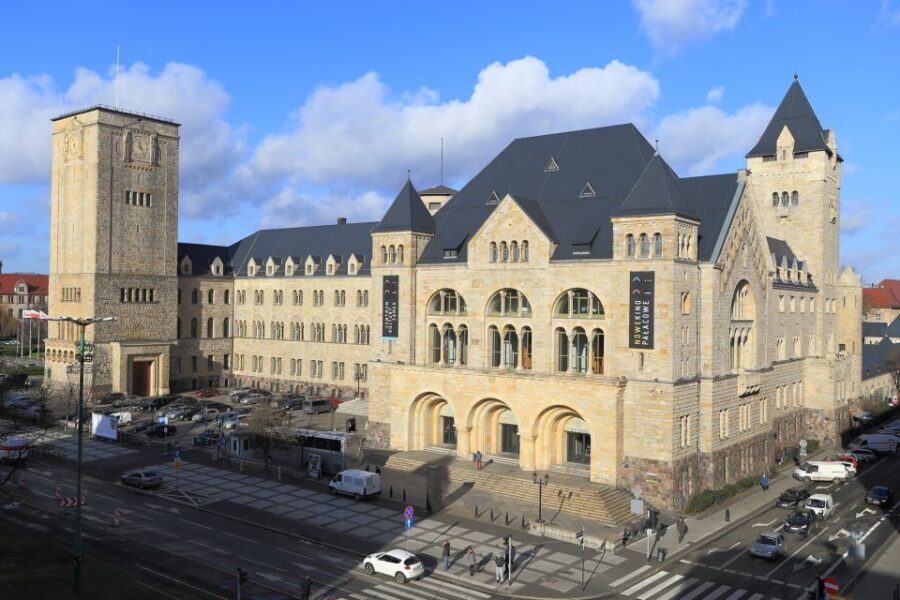
The tour highlights a forced labour camp for Jews and includes a visit to the monument remembering the victims of that labour camp. This is the heart of the Holocaust-era section in the walk, and it deserves your attention.
Here’s what makes this stop valuable: it’s not abstract. Your guide ties the labour camp story to specific memorial placement in Poznań. That kind of specificity helps you remember the story correctly later, because you can picture the location, not just the general event.
Also, if your preference is learning through place rather than through a classroom, this is the best match. You’re effectively building a mental map of what happened, where it happened, and how the city remembers it.
Akiva Eger’s Grove and the New Jewish Cemetery
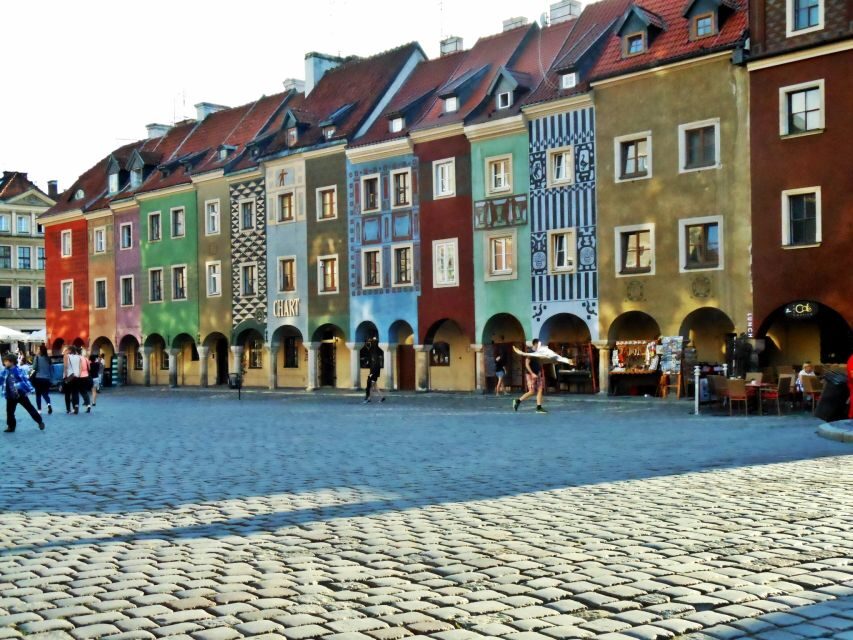
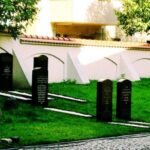
One of the tour’s most distinctive features is the Akiva Eger connection. You’ll learn who Akiva Eger was and find his grove on the Jewish cemetery grounds.
This stop is powerful because it turns a name into something physical. When you walk through a cemetery with a guide explaining the significance of particular sections, it changes the experience from “looking at old graves” into honoring individual legacy and tradition. It’s also a chance to understand how Jewish community leaders and scholars were remembered within the community.
If you’re a fan of historical figures, you’ll probably enjoy this more than you expect. And if you’re not, the guide’s explanation usually does the work of making the name matter in context.
The Synagogue Destroyed by Germans During WWII: Learning to Read What’s Missing

In the highlights, the tour includes seeing a synagogue destroyed by Germans during II World War. This type of stop can be tricky to process because you’re dealing with absence—what was here, what’s gone, and what the destruction represented.
The value here is in your guide’s interpretation. When the building itself isn’t standing, your understanding has to come from what you can observe plus what you’re told about the history and the impact on the community. This isn’t the kind of “ruins sightseeing” where you leave with pretty photos. It’s the kind where you leave with a better understanding of loss.
One more reason this matters: your eye changes. After learning how this destruction fit into occupation policies, you’ll start seeing other signs of wartime disruption around the city—not as random history, but as part of a connected narrative.
Price and Logistics: Is $16 a Smart Value for a 3-Hour Private Tour?
At about $16 per person for a 3-hour private walking tour, the value is strong—especially because what you’re buying is interpretation. You’re not paying for a pile of entrance fees (those aren’t included). You’re paying for someone to make scattered sites make sense.
The main tradeoff is that since entrances aren’t included, if you want to go into specific buildings or paid sites, you’ll need extra budget. Also, because it’s mostly a walking route, good shoes are not optional.
On timing: three hours is a sweet spot. It gives enough time to cover the former quarter, memorials, and cemetery without turning into a marathon. Since it’s private, you’re also not stuck with the pacing of strangers who don’t care about the same details you do.
What I’d Ask Your Guide (So the Tour Stays Personal)
Your guide will explain what else you can discover on your own after the walk. To make sure you leave with a plan, I’d come prepared with a couple of questions like these:
- Which remaining landmarks in Poznań best explain Jewish community life before WWII?
- If I visit on my own later, where should I look for plaques, street names, or memorial markers?
- Are there particular sites tied to the labour camp story that are easiest to understand without a guide?
- If I’m traveling with family, how can I frame the story for kids or for older relatives?
In at least one review, a guide named Matteusz had a passion for Poznań and the subject, answered questions readily, and even shared a surprise drone-style video of the area at the end. That kind of personal touch is exactly what you want from a private tour: more connection, not just facts.
Other feedback highlighted guides like Martin, who helped create meaning for family connections and pointed out sites people probably wouldn’t find alone. That’s the big practical takeaway: you’re not just visiting places; you’re learning how to see the city.
Who This Tour Fits Best
This is a great match if you:
- want place-based history rather than a museum lecture
- care about the Holocaust story in a local, human scale
- enjoy walking with a guide who can answer questions and adapt
- appreciate learning about specific figures like Akiva Eger
It’s also a solid option for first-time Poznań visitors who feel overwhelmed by what to focus on. The route naturally covers the “why” behind the city’s Jewish heritage, so you leave with direction for self-guided exploring.
Should You Book the Poznań Private Jewish Heritage Tour?
Yes, I’d book it if your priority is understanding Poznań’s Jewish heritage through actual sites and memorials, including the forced labour camp remembrance and the synagogue destruction during WWII. The private format makes it feel more tailored, and the $16 price is a reminder that good history doesn’t have to be expensive.
If you only want intact, ticketed attractions and zero walking, this may feel less satisfying—because much of what you learn comes from interpretation and what remains. But for most people, that’s the point. This tour helps you see what’s there, explain what’s gone, and connect the dots across the city.
FAQ
Where does the tour meet?
The guide meets you by the New Synagogue on Stawna 10 street, and they will be waiting with your name.
How long is the Poznan Jewish Heritage tour?
It lasts 3 hours.
Is this tour private?
Yes. It’s a private group experience.
What’s included in the price?
A live guide is included. Entrances are not included.
Are there multiple language options?
Yes. The live guide is available in English, Spanish, German, Russian, Polish, French, and Italian.
Is the tour wheelchair accessible?
The activity is listed as wheelchair accessible.
How much does it cost?
The price is $16 per person.
Can I cancel for a refund?
Yes. Free cancellation is available up to 24 hours in advance for a full refund.