REVIEW · POZNAN
From Golden Age to Fall and Rebirth of Poland
Book on GetYourGuide →Operated by Poznań Guide · Bookable on GetYourGuide
Poznań history walks fast. In three hours, you trace the city’s story from the Golden Age of the 15th/16th centuries through disaster, war, and lost independence, using the center’s real buildings as your timeline. It starts at Poznań’s Town Hall and keeps moving through the Old Market, the Royal Castle area, and the Imperial District, so you’re not just reading about the past—you’re walking beside it.
I love two things most here. First, the architecture range is excellent: you get Gothic, Renaissance, Baroque, and Classical landmarks in a compact route. Second, the tour includes Imperial Castle tickets, so you’re not left hunting for admissions or guessing what to prioritize in a short visit.
One possible drawback: it’s a walking tour, so weather matters. One recent booking noted the guide adapted the route when rain came in hard, which is great—but you’ll still want to be ready for wet streets and slower pacing.
In This Review
- Key Highlights You’ll Feel Right Away
- Why This 3-Hour Poznań History Route Works
- Starting at Town Hall: Where Pride, Power, and Legends Begin
- The small trade-off
- Old Market Square: Fast Orientation, Real Atmosphere
- Royal Castle on Przemysł Hill: Forgotten Battles and Royal Drama
- What to watch for
- St Stanislaus Church: Baroque Beauty with a Purpose
- Wolności Square: The 19th and 20th Century Fight for Control
- Imperial District and Mickiewicz Park: A Walking Gallery of Styles
- How to make this section click
- Anders Square Finish at Stary Browar: Modern Poznań After Old Stones
- Price and Value: Is $58 Worth It?
- What the Guide Quality Looks Like (and Why It Matters)
- Who This Tour Is Best For
- Quick Practical Tips for Your Walk
- Should You Book This Private Poznań History Tour?
- FAQ
- Where does the tour start?
- How long is the tour?
- Is the group private?
- What’s included in the price?
- What languages are offered?
- Is it good if I already saw Cathedral Island or a Roots of Poznań tour?
- What if it rains?
- Is it okay for kids or very elderly visitors?
Key Highlights You’ll Feel Right Away
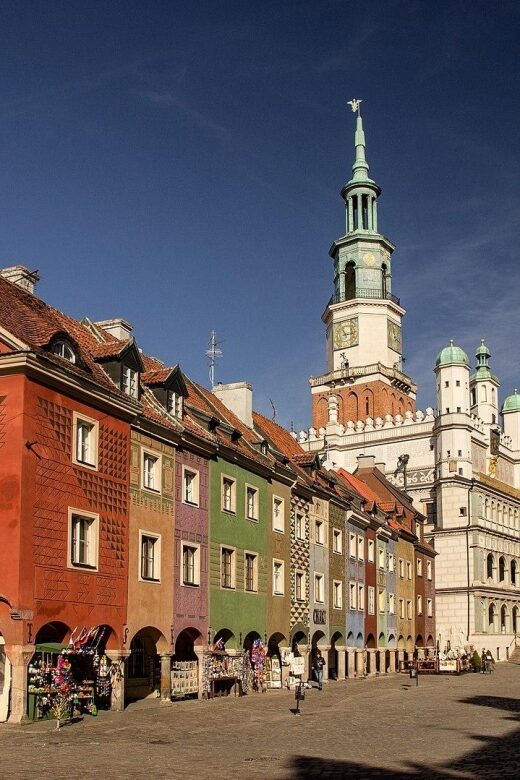
- Town Hall Clock Tower Legend: You’ll hear the story connected to the clock and goats.
- Przemysł Hill Power Points: The Royal Castle area gets put in historical context, not just seen.
- Baroque Church Time: St Stanislaus Church is a strong visual stop on the route.
- Imperial District as an Architecture Gallery: Styles from multiple eras show up around Mickiewicz Park.
- Short-Visit Coverage That Still Makes Sense: The route is designed for a first-time feel without feeling rushed.
Why This 3-Hour Poznań History Route Works
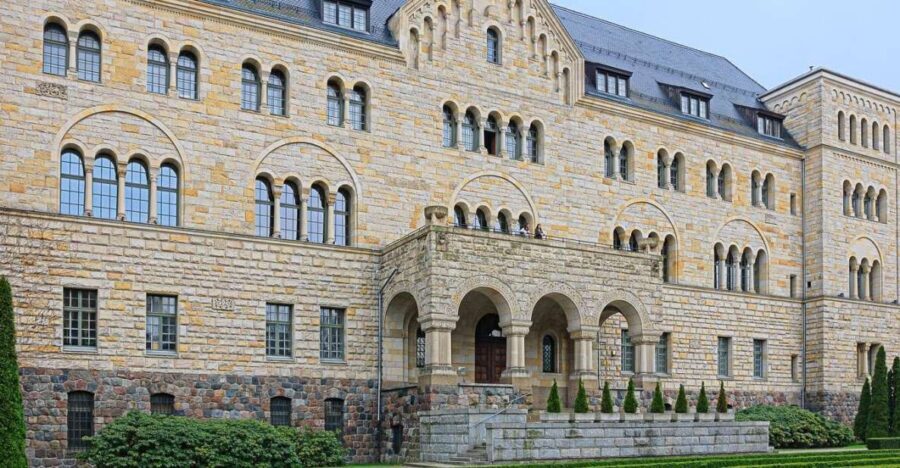
If you want Poznań in a short window, this tour is built for that job. You cover the core sights between Old Town and the Imperial District, but the real payoff is the way the guide uses those stops to tell a single story: Poznań’s rise, its fights, its cultural identity, and the way history keeps pushing back.
The structure also helps your brain. Instead of random monuments, you get a timeline you can walk through. That matters because Poznań can feel like a patchwork at first—churches here, grand squares there, different styles everywhere. This experience puts those pieces into order.
And yes, it’s private. That means fewer “group herding” moments and more time for questions, especially if you like history with detail.
You can also read our reviews of more tours and experiences in Poznan.



Starting at Town Hall: Where Pride, Power, and Legends Begin
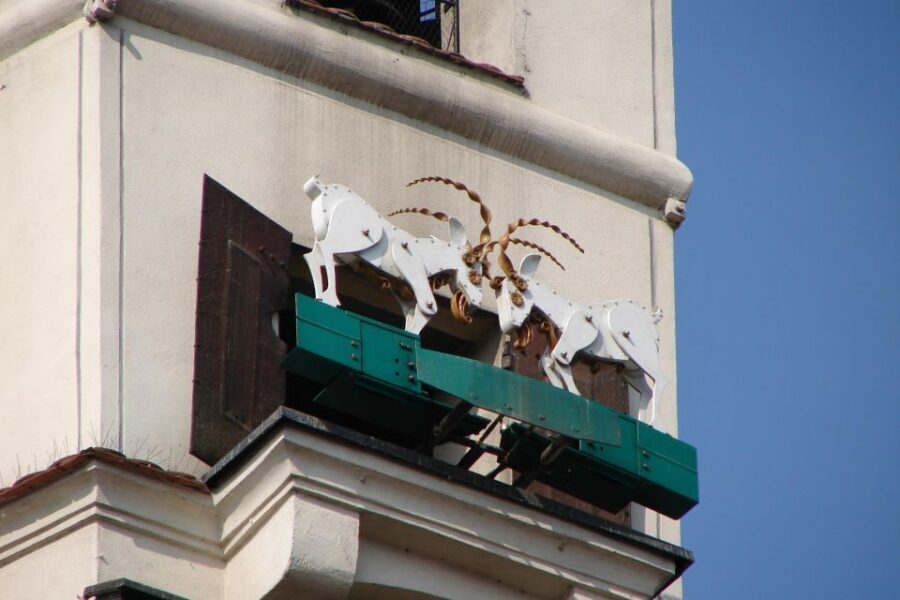
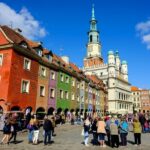
The tour starts at Poznań Town Hall, right in front of the main entrance. It’s an easy meeting point because this is the big presence in Old Town Square, including the tower that’s a signature of the area.
This stop matters because the Town Hall isn’t just a pretty building. It’s a symbol of city pride and prosperity, and the guide uses that idea to set the tone for everything that follows. If you like to understand why places matter, you’ll appreciate how the tour connects civic power to architecture.
Also, you’ll hear the clock tower story—specifically the legend involving goats. It’s the kind of local detail that makes a landmark feel lived-in, not museum-like. After this, the rest of the route doesn’t feel like a checklist; it feels like chapters.
The small trade-off
You’ll spend a short stretch here in a busy central area. If you hate crowds or narrow sidewalks, you’ll still manage, but early arrivals help.
Old Market Square: Fast Orientation, Real Atmosphere
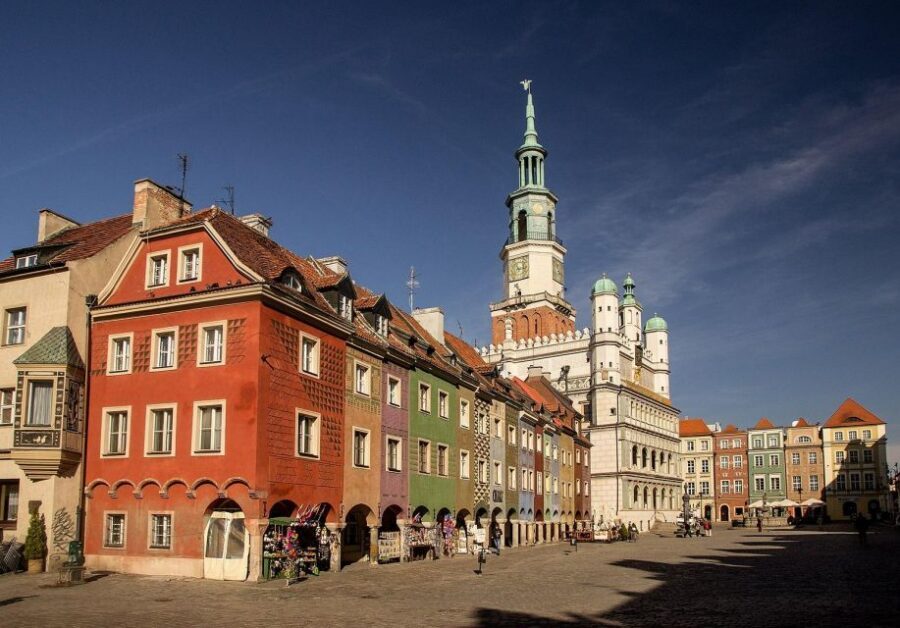
Next up is the Old Market Square area, with a short sightseeing window. This is where you get your bearings quickly: the scale of the space, the flow between buildings, and how the Old Town is laid out.
A tour like this is useful even if you’ve seen photos. In person, you notice how squares “work” for daily life—where people stop, where the sightlines pull you, and how the buildings frame the open areas. Even in a brief 20-minute look, you start to understand why this district mattered to merchants and city life.
Royal Castle on Przemysł Hill: Forgotten Battles and Royal Drama
Then you shift to the Royal Castle area on Przemysł Hill. The tour doesn’t treat this as a generic “castle stop.” You get stories about forgotten battles and royal history, which changes the mood. The castle stops being just a landmark and becomes a setting for conflict, ambition, and leadership.
This is one of the points where a guide’s style really shows. You’ll likely find yourself listening harder here because the tour frames royal power in a way that feels connected to real events, not vague “important times.”



What to watch for
Look closely at how the setting communicates authority. Even if you don’t go into every room, the outdoor viewpoints and surrounding context help you understand why the location mattered.
St Stanislaus Church: Baroque Beauty with a Purpose
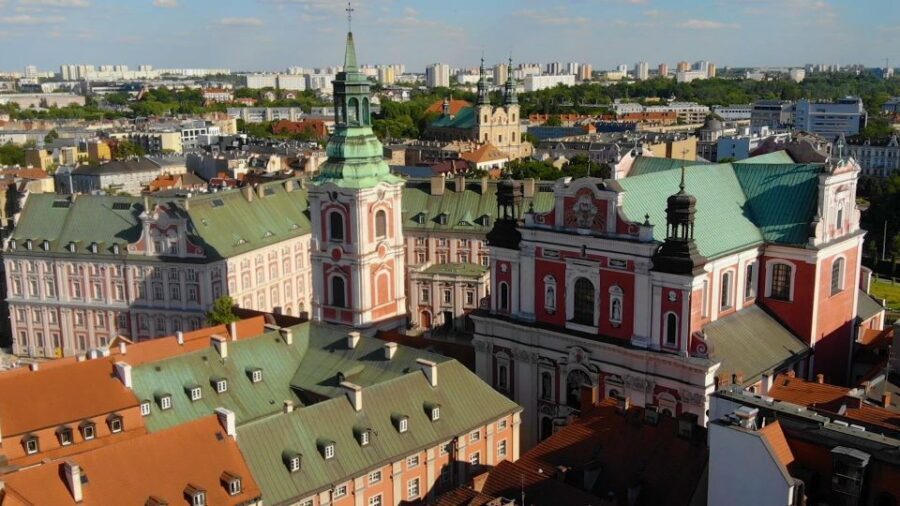
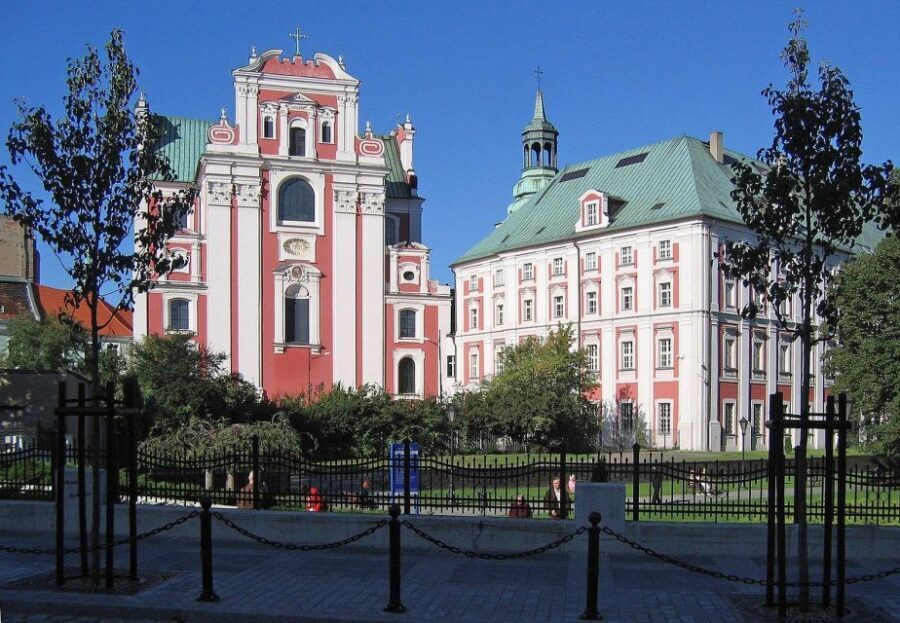
After that, you reach St Stanislaus Church for another short sightseeing stop. In the tour’s logic, it’s part of the same “power and identity” thread, linking what people built with what they wanted to show.
What I like about this kind of stop is that it gives your eyes a break. You’ve just been in the political story of the castle. Now you get something more emotional—Baroque-style energy and detail—while still understanding that churches in this era weren’t only about worship. They also expressed public taste, confidence, and status.
Wolności Square: The 19th and 20th Century Fight for Control
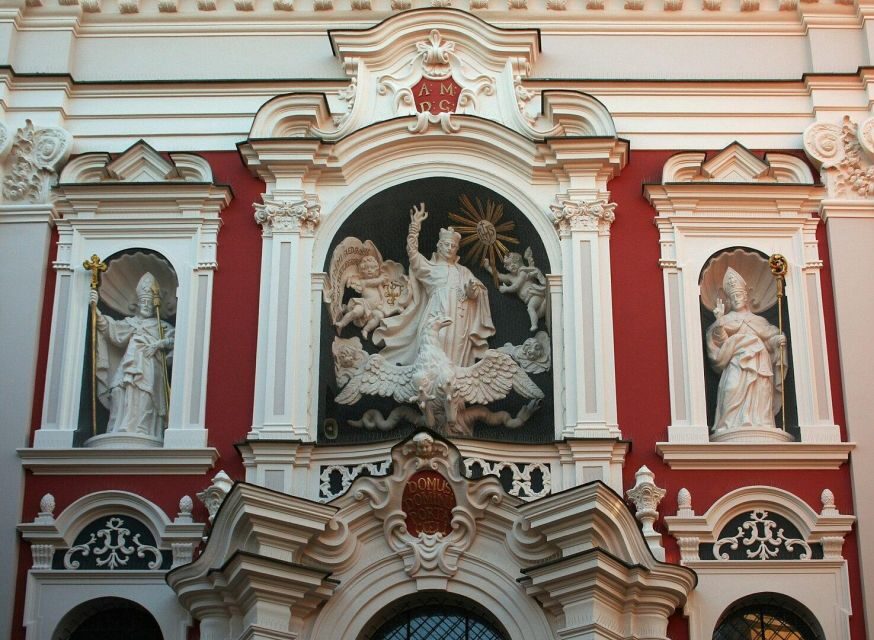
Then comes Wolności Square, where the tone changes. This is where the tour shifts from old-world prosperity and royal authority into the strain of the 19th and 20th century: struggles for dominance and independence.
One practical benefit here: you’ll hear how many famous people are tied to Poznań. That’s not just trivia. It helps you see the city as a creator of culture and influence, not only a location that witnessed events.
If you’re the type who likes to connect history to real people, this is a great moment. It turns big political themes into something more human.
Imperial District and Mickiewicz Park: A Walking Gallery of Styles
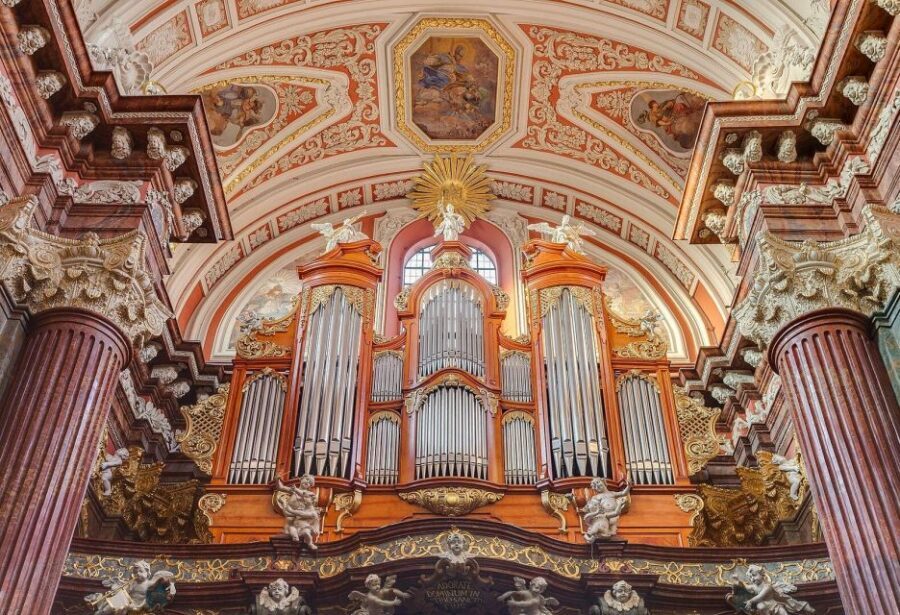
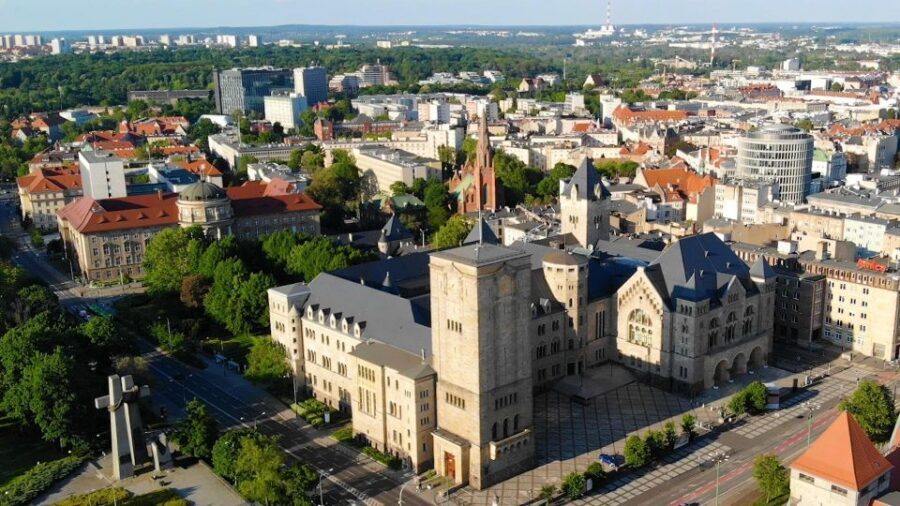
Next, you move into the Imperial District, designed like a gallery of architecture. This is the part where you’ll really start spotting the layers: Romanesque, Gothic, Renaissance, Baroque, and Classical forms around Mickiewicz Park.
This is one of the reasons I recommend this tour for first-time visitors who want value. You can’t easily absorb all those styles on your own in 3 hours without a plan. Here, you get context for what you’re seeing, which makes the architecture feel intentional rather than accidental.
How to make this section click
Take a moment to look for contrasts. When the tour points out a style, try to notice how it changes the building’s feel—shape, details, and how light lands on surfaces. Even short stops become easier to remember because you can connect each style to a moment in the story.
Anders Square Finish at Stary Browar: Modern Poznań After Old Stones
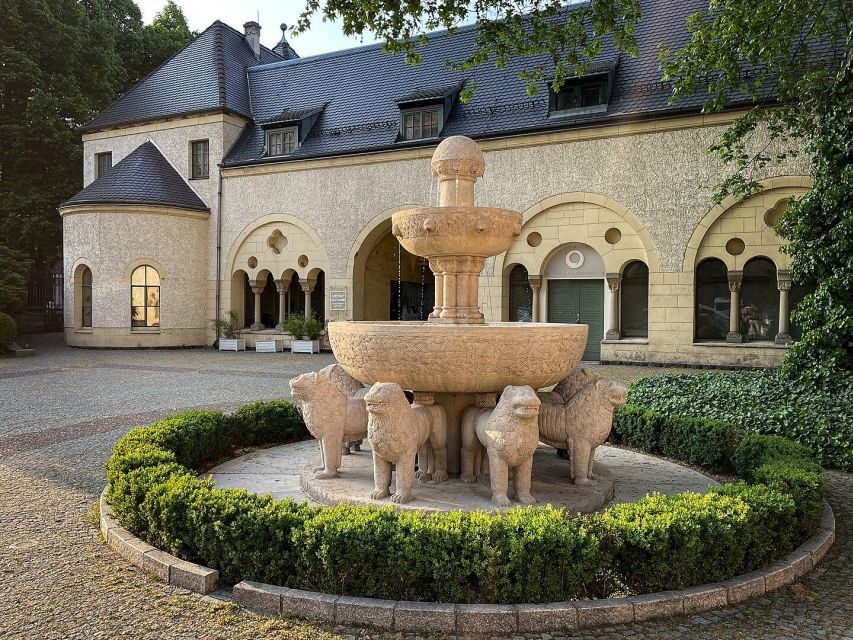
The tour ends at Anders Square, the modern financial center area with the city’s higher buildings. It’s a clever finish because it shows you that Poznań didn’t freeze in time. After walking through centuries, you step into the modern city’s rhythm.
From there, you reach Stary Browar, a popular shopping and dining spot. Even if you don’t plan to shop, it’s a practical way to end: cafes and restaurants make it easy to continue your day without a complicated transport plan.
And if you’re hungry, this is where the tour’s food guidance can pay off. The experience includes recommendations for the best St. Martin croissants and local cuisine, which is great for turning the tour into a full mini-adventure.
Price and Value: Is $58 Worth It?
At $58 per person, the price looks reasonable for a 3-hour private tour with paid admission included and skip-the-ticket-line convenience. You’re not only paying for the guide. You’re paying for efficient use of time and the fact that admissions are handled for the Imperial Castle portion.
If you’re comparing alternatives, think about what you’d do otherwise:
- You’d still have to plan a route through multiple eras.
- You’d still need to decide what to pay for.
- You’d likely spend time figuring out history on your own while walking.
Here, the guide gives you the connecting thread and cuts down your guessing. For a short visit, that’s where the money tends to make sense.
What the Guide Quality Looks Like (and Why It Matters)
A big theme in the experience is the guide’s ability to answer questions clearly and in detail, not just recite a script. In one case, the guide handled heavy rain by adjusting the tour plan, which is a real comfort—nobody wants a shortened experience when they booked history on purpose.
You might also hear that Mateusz—mentioned by name in recent feedback—has a talent for making the day feel informative and friendly. There’s also a small bonus story: one guest noted they had a chance to take drone-style video during the walk. That’s not something to count on, but it shows there’s some flexibility when rules and safety allow.
Who This Tour Is Best For
This experience is ideal if:
- You already visited Cathedral Island and/or did a Roots of Poznań style tour and want the next layer.
- You want an architecture-heavy route without needing to research each building on your own.
- You like history told as story, with time periods connected to what you’re seeing right now.
- You travel in a small group or solo and prefer private pacing.
It may feel like overkill if you’re only interested in one or two “top photo” monuments and nothing else.
Quick Practical Tips for Your Walk
A few smart moves make the day smoother:
- Wear comfortable shoes. You’ll be walking through the center for about 3 hours.
- Bring a light layer. Polish weather can change fast, and rain adjustments happen.
- If you love food, save your appetite. Stary Browar is a convenient end point with plenty of choices.
- If you have questions about Polish history or art styles, this tour is set up for that—use the pauses at stops to ask.
Should You Book This Private Poznań History Tour?
If you want a structured, story-driven way to see the best of Poznań’s center, I’d book it. It’s not just a tour of buildings. It’s a timeline you can follow through real architecture, from the Town Hall and the Royal Castle area to the Imperial District and the finish at Anders Square and Stary Browar.
I’d skip or reconsider if you hate walking, or if you’re only looking for a very light taste of the city. Also, if you’re very sensitive to weather changes, plan for rain and shorter comfort breaks.
FAQ
Where does the tour start?
The meeting point is Poznań Town Hall, in front of the main entrance, in Old Town Square.
How long is the tour?
The tour lasts 3 hours.
Is the group private?
Yes. It’s a private group tour.
What’s included in the price?
The tour includes Imperial Castle tickets, and you’ll also skip the ticket line for that stop.
What languages are offered?
The live tour guide speaks English and Polish.
Is it good if I already saw Cathedral Island or a Roots of Poznań tour?
It’s described as perfect if you’ve already seen Cathedral Island and Roots of Poznań. This one traces additional Poznań history through the city center.
What if it rains?
The route can be adjusted. One recent booking specifically noted that the guide adapted well when there was strong rain.
Is it okay for kids or very elderly visitors?
It’s not suitable for children under 3 years or people over 95 years.