REVIEW · KRAKOW
Krakow: Into the Darkness Exhibition with a Blind Guide
Book on GetYourGuide →Operated by Centrum Nauki i zmysłów WOMAI · Bookable on GetYourGuide
One hour of darkness changes how you see. At WOMAI Science and Senses in Krakow, Into the Darkness puts you into total darkness with a blind guide so your ears, hands, and nose do the work instead of your eyes.
I love how much this experience leans on real-world skills: you’re guided through everyday situations while you learn what people who are blind often rely on. I also like that the group stays small, so your blind guide can actually answer questions instead of rushing past them.
One thing to plan for: the rules are strict, with no flash photography and no electronic devices or flashlights allowed, so you’ll need to trust the dark.
In This Review
- Key highlights at a glance
- Krakow’s WOMAI Center: what you’re really walking into
- Pawia 34 and the first steps: arriving ready for the dark
- The one-hour flow: from guided entry to total darkness
- What you sense instead of sight: sounds, textures, and smells
- Guided by blind experts: how the teaching actually lands
- Rules in the dark: what’s not allowed and why it helps
- Who should go to Into the Darkness (and who might not love it)
- Price and value in Krakow: is $10 worth it?
- The best time to book: fit it into your Krakow day
- What you take home: why it changes you
- Should you book Into the Darkness in Krakow?
- FAQ
- Where is the Into the Darkness exhibition in Krakow?
- How long is the experience?
- How much does it cost?
- Is there an English-speaking guide?
- How big is the group?
- Is flash photography allowed?
- Can I bring a backpack or bag?
- Are electronic devices or flashlights allowed?
- What time should I arrive before the start?
- Is it suitable for children and people with disabilities?
Key highlights at a glance
- One hour in total darkness with a live blind guide
- Small group (max 8) so the guide can slow down for your questions
- Senses over sight: sounds, textures, and smells are part of the learning
- Hands-on empathy for daily situations that many people ignore
- You can meet guides like Sylwia, Martyna, and Pawel, known for calm, kind hosting
Krakow’s WOMAI Center: what you’re really walking into

This isn’t a movie. It’s a sensory training space inside the WOMAI Science and Senses Center in Krakow. The idea is simple and honest: if you remove sight, you start noticing things you normally skip.
You’ll be entering the Into the Darkness exhibition with a guide who knows the route and the pace. That matters. In an experience like this, you’re not just being entertained. You’re being coached through a new way of paying attention.
The biggest value here is the shift in perspective. You don’t have to understand everything intellectually right away. Your body learns first.
You can also read our reviews of more guided tours in Krakow


Pawia 34 and the first steps: arriving ready for the dark
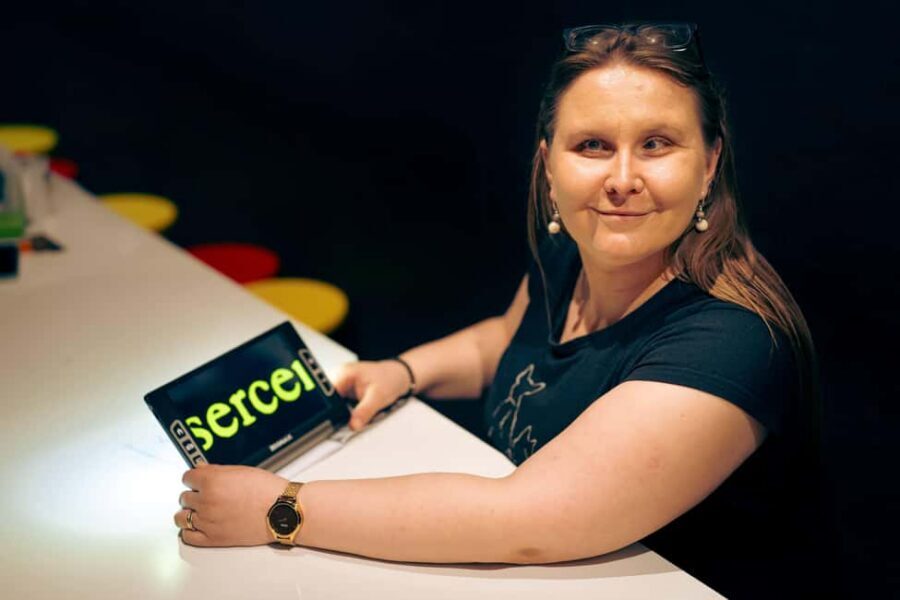
You’ll meet at Pawia 34 at the WOMAI Science and Senses Center entrance, with access directly from the street. Show up early—at least 10 minutes before your scheduled start—so you’re not rushing right when the rules begin.
Because you’ll be in darkness soon, your job is to arrive mentally prepared for a slower rhythm. No scanning the room. No instant visual orientation. You’ll rely on what your guide cues for you.
Also, keep your wardrobe and items in mind. Avoid light-emitting footwear or clothing, since you’re asked not to wear light-up shoes or anything that glows. If you hate feeling unprepared, this is the one place where planning ahead pays off fast.
The one-hour flow: from guided entry to total darkness
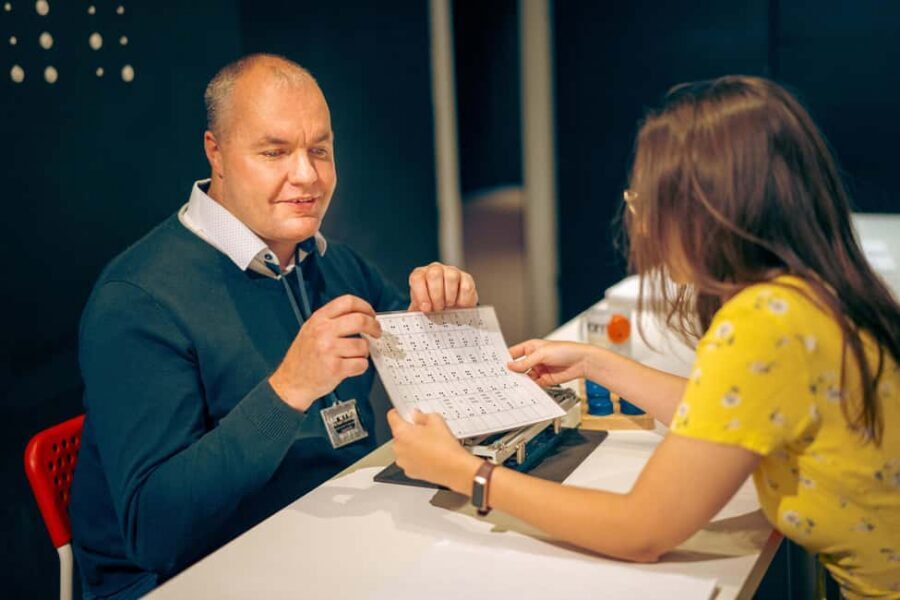
The core experience lasts about 1 hour, and it’s structured around moving through different parts of the exhibition while your guide helps you make sense of what you’re encountering.
At the start, expect orientation and instructions you must follow before you lose the visual world. This is where you’ll understand how the experience is meant to work: you’ll be allowed to explore, but you won’t be allowed to disrupt the dark with light or devices.
Then comes the main act: you enter total darkness and your guide starts prompting your attention. In this setting, even small details feel big. A change in sound becomes a landmark. A texture under your hand becomes a map.
There are likely different scenes, each designed to highlight something you can sense without sight. One review notes there are multiple different moments and that the time flies. That tracks with the way these exhibitions are usually paced: you’re kept busy enough that you stay focused, but calm enough that you don’t panic.
What you sense instead of sight: sounds, textures, and smells

The exhibition is built around the senses beyond vision. You’ll be surrounded by sounds, textures, and smells, and the point is to see how quickly your brain adapts once it can’t use eyes.
What I find most useful as a visitor is that the experience doesn’t just say, pay attention. It gives you a reason. If you want to orient yourself or understand what’s happening next, you have to listen and feel.
For example, you may learn how small audio cues can help you track movement or location. You may also notice how touch becomes more precise when your hands are searching for information. Even scent can act like a context clue.
One of the more memorable moments is that you may have quiet pauses during the dark—one guide-hosted experience described sitting down and chatting in the dark. That kind of break isn’t just sentimental. It reinforces what the whole exhibition is teaching: communication still works, and connection doesn’t require eye contact.
Guided by blind experts: how the teaching actually lands
A blind guide doesn’t just lead you. They interpret the space for you. Their job is to help you understand what you can’t see, and to do it in a way that feels safe and respectful.
What stands out in the feedback is the hosting style. Guides such as Martyna, Pawel, and Sylwia are specifically praised for being calm, kind, and welcoming. That matters because the emotional tone is part of the lesson. If you’re tense, you miss the point. If you feel cared for, you can relax into the learning.
The best part is that you’re encouraged to ask questions. The experience is built for curiosity. If something bothers you—how someone navigates, what tools help, what’s hard day to day—this is the moment to ask instead of letting it sit as vague concern.
You’ll also get exposure to assistive tools and everyday technologies that support people with visual disabilities. Even without going into a technical lecture, it helps you connect what you’re feeling in the dark with what exists outside it.
You can also read our reviews of more museum experiences in Krakow





Rules in the dark: what’s not allowed and why it helps
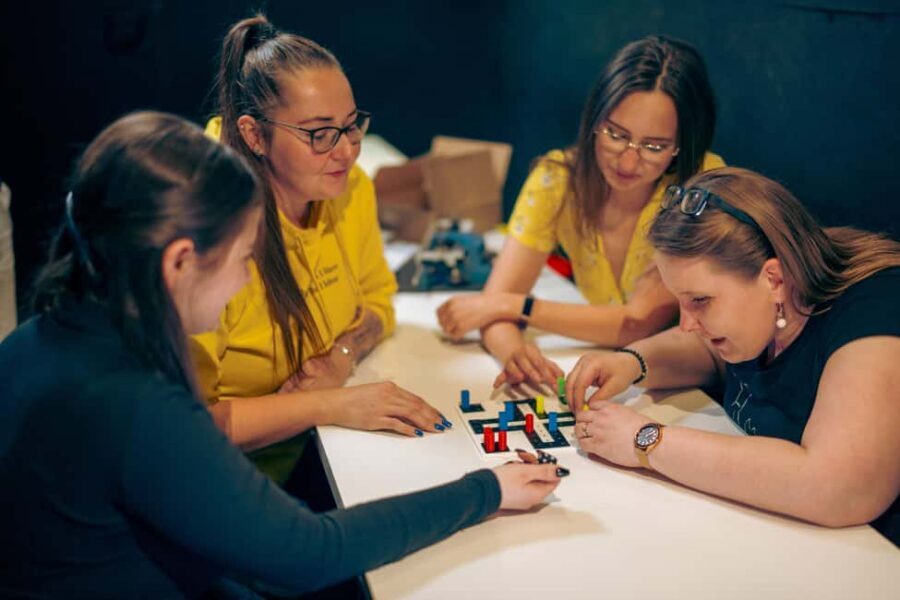
You’ll need to follow a clear set of rules:
- No flash photography
- No backpacks or bags
- No electronic devices
- No flashlight
They also request that you don’t wear light-emitting shoes or clothing.
These aren’t picky add-ons. They protect the integrity of the darkness and keep the experience smooth for everyone. Flash breaks immersion. Electronics can emit light, buzz, or distract you from listening and feeling. Bags and backpacks can create clutter and safety issues in a space designed for movement without sight.
In other words, you’ll get a better experience when you treat these rules as part of the design, not obstacles.
Who should go to Into the Darkness (and who might not love it)
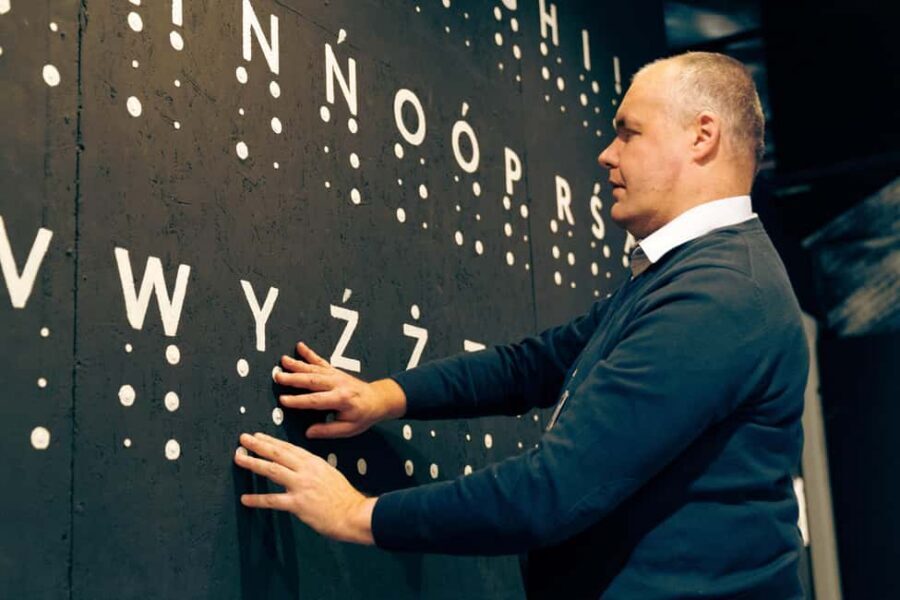
This is not suitable for children under 9. It’s also not suitable for people with mobility impairments and not suitable for hearing-impaired people. Those limits are important. The experience relies on your ability to participate fully in sensory exploration and guided movement.
If you’re a curious adult, though, you’re exactly the target. I’d especially recommend it if you:
- like practical experiences over passive attractions
- want a new lens for empathy
- enjoy science-and-senses style museums
- like asking questions when something matters to you
It’s also a strong solo activity, even though it’s guided. You can focus on your own pace, and the guide can adjust attention based on your questions.
Price and value in Krakow: is $10 worth it?
At around $10 per person, this feels like good value for what you get: a full hour-long guided experience with a specialized guide and sensory setup that you can’t DIY on your own in the city.
The key is not the low price. The value is the combination:
- A live guide
- A controlled environment
- A structured total-darkness experience
For comparison, many Krakow activities in this price band give you an entry ticket and a self-guided wander. This one gives you coaching, interaction, and the chance to ask questions in real time.
If you’re short on time but still want something meaningful, the one-hour length makes it doable. If you’re a budget traveler, it’s one of those “pay once, benefit for a long time” experiences.
The best time to book: fit it into your Krakow day
Because the experience runs for 1 hour, you’ll want to place it when you can arrive rested and not rushed. You also need time to comply with the “no light-up items / no electronics / no bags” vibe, which works best when you’re not juggling other stops right before.
Plan around it like you would a museum tour. Arrive early. Then treat the hour as its own pocket of attention. Don’t schedule it as a last-minute dash right before dinner without buffer.
If you prefer small-group experiences, this one hits that too, with limited group size (max 8 participants). That tends to create a calmer atmosphere than large tours, especially in a setting that relies on close guidance.
What you take home: why it changes you
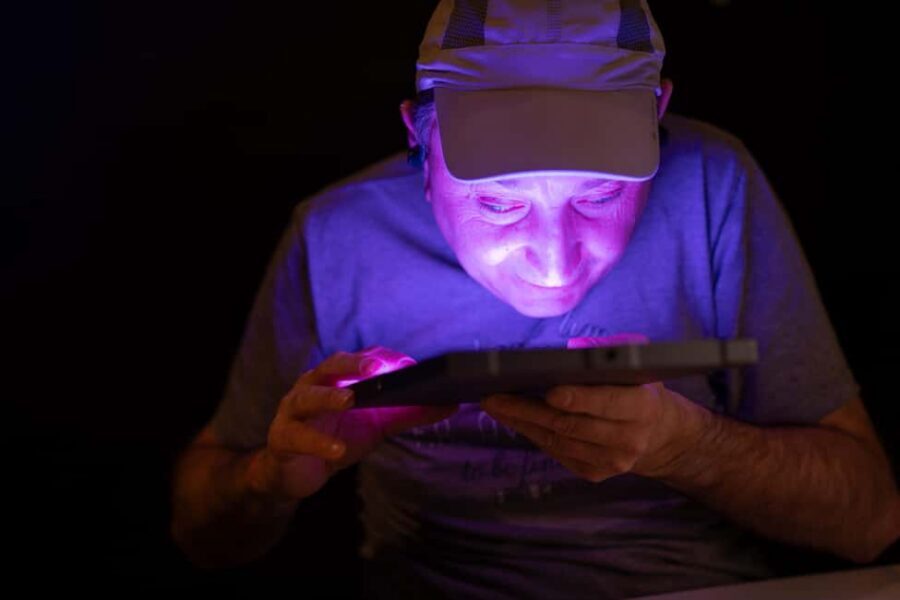
You don’t leave with a “cool trick.” You leave with a different habit of noticing.
The exhibition is designed to build empathy for everyday situations. When you remove sight, you realize how much you depend on it without thinking. That can make you kinder to people who navigate differently and more aware of barriers in daily life.
It can also sharpen your understanding of communication. In darkness, the usual shortcuts fall away. The point is that humans still manage: by listening, by asking, by adapting.
And since you can ask questions during the experience, you don’t have to wonder what you felt. You can connect the sensation to the real world—especially when it comes to accessories and technologies that support people with visual disabilities.
Should you book Into the Darkness in Krakow?
I think you should book it if you want more than a standard Krakow attraction. This is a hands-on total darkness experience with a guided focus on senses and everyday life, and it’s paced for a small group.
You should probably skip it if any of these are true:
- you need mobility support that the experience doesn’t accommodate
- you rely heavily on hearing in a way that can’t be covered here
- you’re bringing children under 9
If you’re curious, open-minded, and ready to follow the light-free rules, this is one of those rare experiences that turns a big city trip into a real personal lesson.
FAQ
Where is the Into the Darkness exhibition in Krakow?
It’s at the WOMAI Science and Senses Center, with the entrance directly from the street at Pawia 34.
How long is the experience?
The guided portion lasts 1 hour.
How much does it cost?
The price is $10 per person.
Is there an English-speaking guide?
Yes. The tour includes a live guide in English.
How big is the group?
The group is limited to 8 participants.
Is flash photography allowed?
No. Flash photography is not allowed.
Can I bring a backpack or bag?
No. Backpacks and bags are not allowed.
Are electronic devices or flashlights allowed?
No. Electronic devices and flashlights are not allowed.
What time should I arrive before the start?
You should arrive at least 10 minutes early.
Is it suitable for children and people with disabilities?
It’s not suitable for children under 9, not suitable for people with mobility impairments, and not suitable for hearing-impaired people.