REVIEW · KRAKOW
Nowa Huta – a guided tour of a utopian socialist city
Book on GetYourGuide →Operated by BestKrakowWalks · Bookable on GetYourGuide
Steel, ideology, and a very human story. This guided stroll through Nowa Huta turns post-war planning into something you can actually see and walk through. I especially like the contrast between monumental Stalinist neo-classical buildings and the stubborn religious and labor history woven into the streets.
You’ll also get a clear sense of how the communist government tried to design everyday life, down to the symbolic street names and public spaces. The main drawback: this tour is political and symbolic by design, so if you want scenery-only history, you may find it heavy.
In This Review
- Quick takeaways before you go
- Walking Into Nowa Huta’s New Steel Mill Story
- The Solidarity Monument Start: Context in One Place
- Central Square and Lenin’s Old Name: When Planning Gets Political
- Avenue of Roses: A Pretty Street With an Agenda
- IS-2 Tank Monument: Cold War Authority, Up Close
- Our Lady Queen of Poland Church: Faith vs. the Official Plan
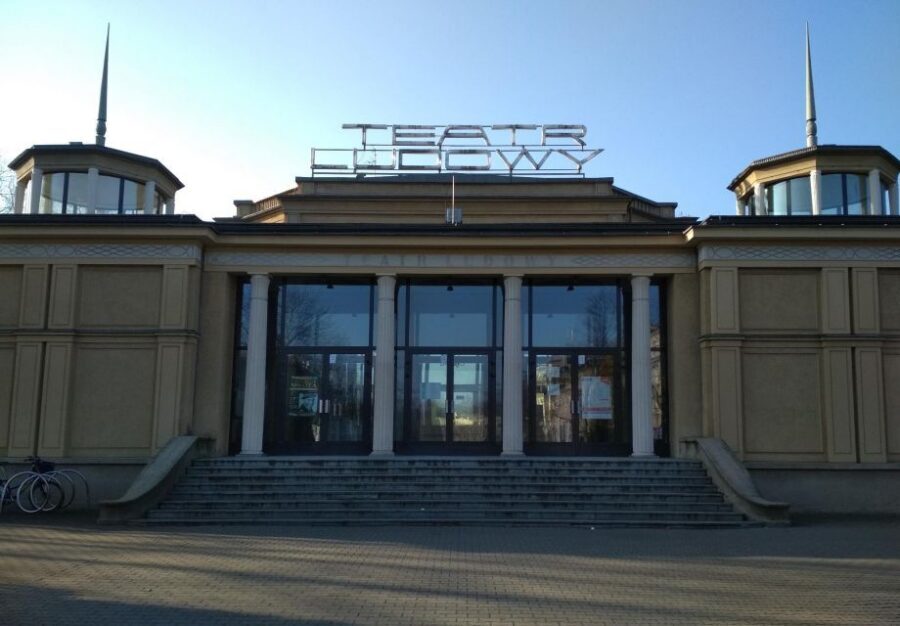
- Ludowy Theatre: Socialist Culture in a Monumental Shell
- How Good Guides Turn Symbols Into Meaning
- Price and Value for a 2-Hour Nowa Huta Walk
- Who This Tour Fits Best (and Who Might Want Something Else)
- Should You Book Nowa Huta for $69? My take
- FAQ
- How long is the Nowa Huta walking tour?
- What is the price per person?
- Is the tour offered in English?
- Where do I meet the guide?
- What is included in the tour?
- Is transportation to Nowa Huta included?
- Is free cancellation available?
- Can I reserve without paying right away?
Quick takeaways before you go
- Start at Pomnik Solidarności for the labor-and-faith side of the story
- Central Square (Lenin’s old name) shows how ideas got stamped into space
- Avenue of Roses is a neat reminder that even beauty had a political role
- IS-2 Tank monument makes the Cold War tone impossible to miss
- Our Lady Queen of Poland Church captures the clash between official atheism and real belief
- Ludowy Theatre adds an artistic layer to the city’s socialist blueprint
Walking Into Nowa Huta’s New Steel Mill Story
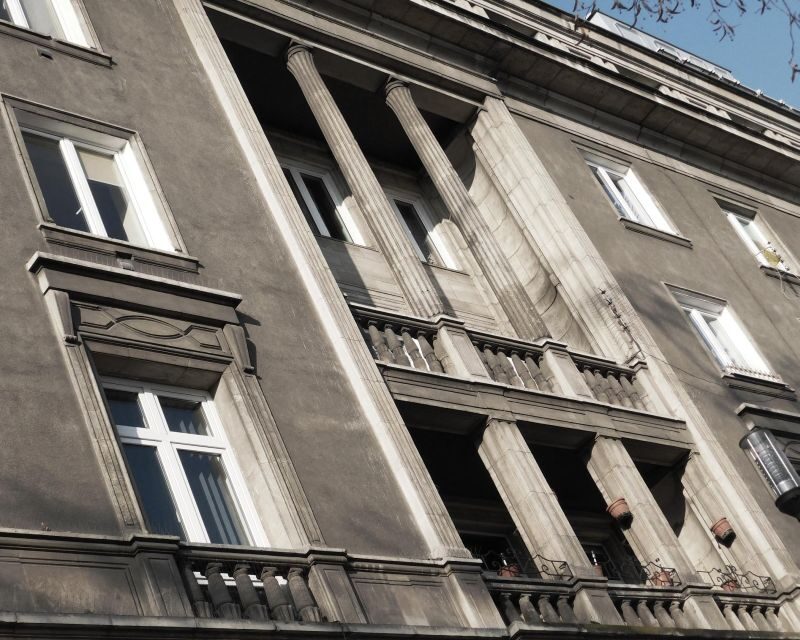
Nowa Huta means new steel mill, and that name is not metaphorical. This district was built after the war on the initiative of the communist government, centered on a huge manufacturing plant and housing for the workers. The idea was to create a whole new kind of city—one meant to contrast with older Kraków’s religiosity, traditions, and anti-socialist mood.
What I like here is that you don’t just hear about ideology. You watch it show up in urban design: in how streets are framed, what monuments get placed where, and how monumental styles were used to communicate authority. The walk is also a practical way to understand Kraków’s socio-political heritage, because Nowa Huta is where the national story of communism, labor conflict, and faith gets written in concrete.
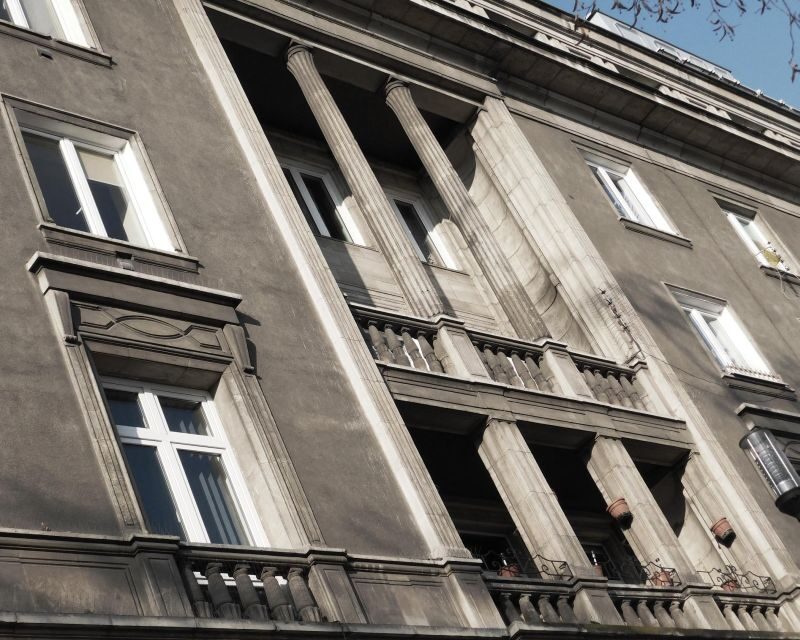
And yes, you’ll notice the Stalinist architecture right away. It’s neo-classical and monumental in scale. That scale can feel impressive, and it can also feel a bit unnerving—like the buildings are telling you what to think. That tension is part of the point.
You can also read our reviews of more guided tours in Krakow

The Solidarity Monument Start: Context in One Place
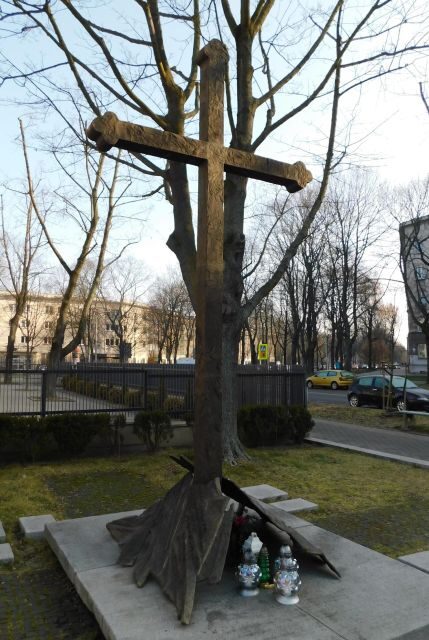
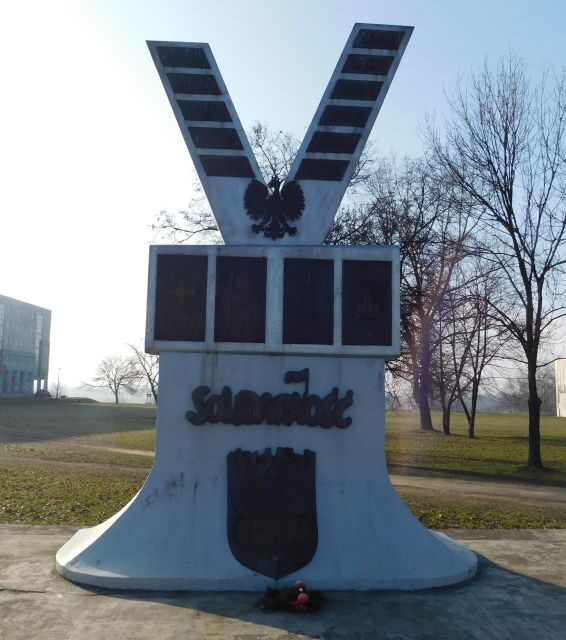
The tour begins at Pomnik Solidarności Bądź wierny, idź. That meeting point matters. Solidarność is tied to worker resistance and social change, and starting there sets your frame before the walk even really begins.
You’re getting a guided English tour with a licensed private guide, and that’s a big advantage for this kind of subject. Nowa Huta’s symbols can be hard to read if you arrive cold. With a guide, you’re not just looking at statues—you’re learning what those symbols meant in the push-and-pull between the communist state and the people living under it.
If you’re coming from Krakow city center, plan your timing carefully. Transportation to Nowa Huta is not included, so you’ll want to sort out how you’re getting there ahead of time. The meeting point is where the tour work starts; it’s not where logistics are handled for you.
Central Square and Lenin’s Old Name: When Planning Gets Political
Central Square is the longest stop at 40 minutes, and it earns that time. This is where you begin unpacking Nowa Huta’s original promise: a city meant for the new people, the ones the communist system wanted living without God and trusting in communist ideals.
A detail that really sharpens your understanding: Central Square once carried the name of Lenin. Even if you don’t know much about communist-era symbols, this kind of rename tells you the political project was not subtle. The state wanted its heroes and its worldview stamped into everyday maps.
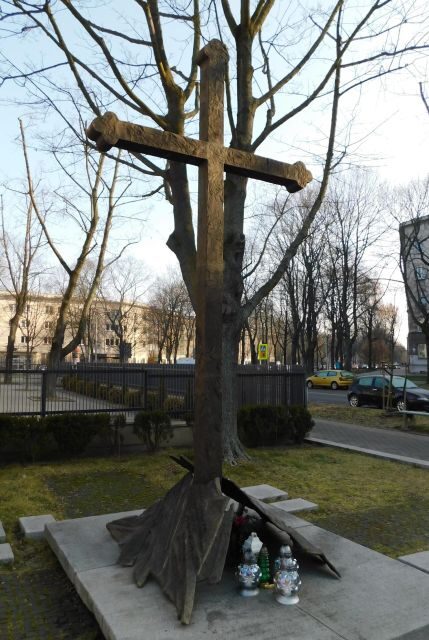
This area is also where the story of confrontation shows up in physical form. You’ll move through concepts tied to the battle for the cross and the first church in the so-called godless city. Those phrases might sound like slogans, but on the ground they’re about something simple: people wanted a visible religious presence even when the official plan was to remove it.
A good guide also helps you notice the emotional temperature of the place. Neo-classical grandeur can look “official” and “orderly,” but the story behind it is anything but calm. You start to see the city as a compromise that never really held.
Avenue of Roses: A Pretty Street With an Agenda
Next comes aleja Róż, Avenue of Roses, for about 15 minutes. The name is gentle, almost romantic. That’s what makes it so useful for this tour. It shows how socialist planning tried to wrap ideology in pleasant surfaces.
You’re not supposed to read everything as propaganda all the time. Places like this are where you see how a government could try to sell a life plan as normal, even attractive. In other words: it’s not just about who won. It’s also about how the system tried to win your everyday habits.
For me, Avenue of Roses is one of those spots where you learn to pay attention to contrasts. If you only walk past the name and architecture, you miss the point. With context from the guide, you start noticing how a street can feel designed, curated, and managed—like the city itself is part of the ideology.
IS-2 Tank Monument: Cold War Authority, Up Close
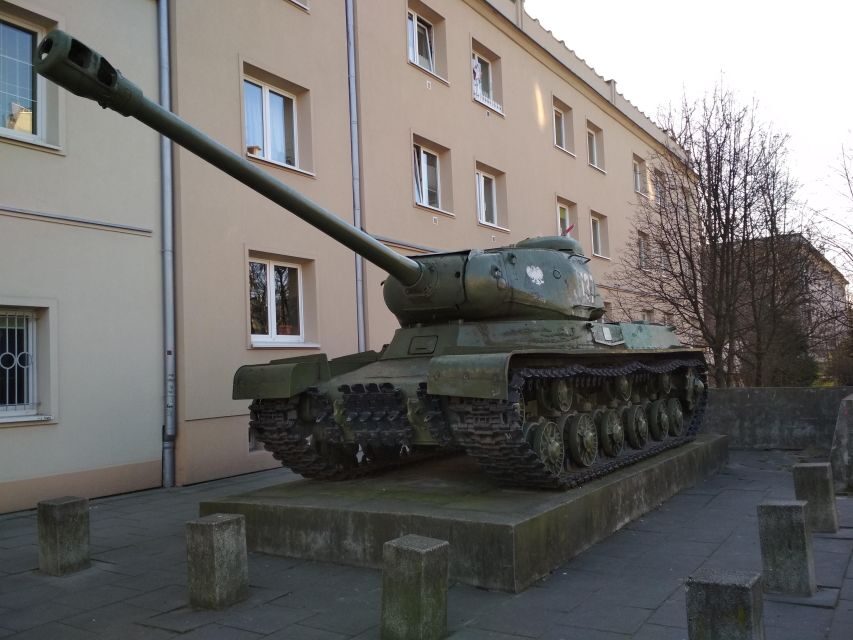
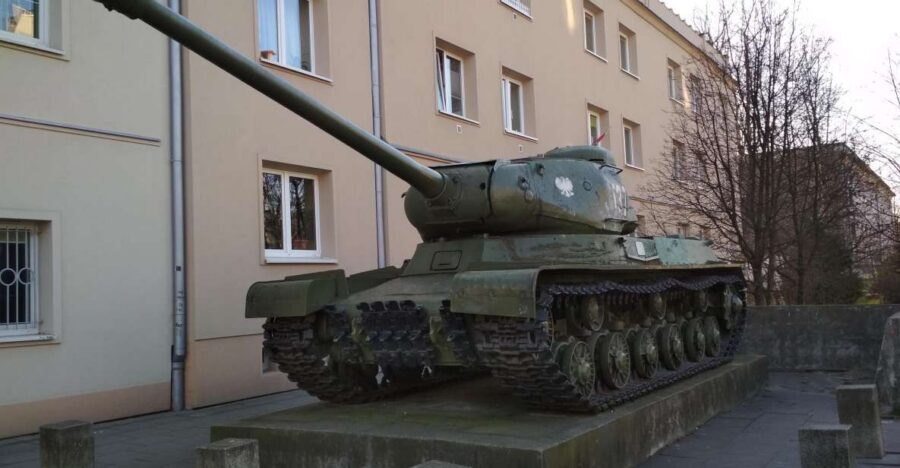
The Monument of IS-2 Tank takes about 10 minutes, but don’t rush it. A tank monument isn’t subtle. It’s a loud piece of messaging, and it fits the overall tone of the district’s public spaces.
Here’s the practical value: this is where the political story turns from civic design into power and force. Even if you’re not a military history person, you get the emotional meaning fast. Tanks don’t get monuments unless a society wants to remember strength—and it wants the next generation to remember it in the same way.
In a walking tour format, this stop works like a reset button. You’ve been thinking about churches, crosses, and labor conflict. The tank pulls the conversation back to the state’s worldview: control, deterrence, and the idea that the system could back up its plans.
You can also read our reviews of more city tours in Krakow


Our Lady Queen of Poland Church: Faith vs. the Official Plan
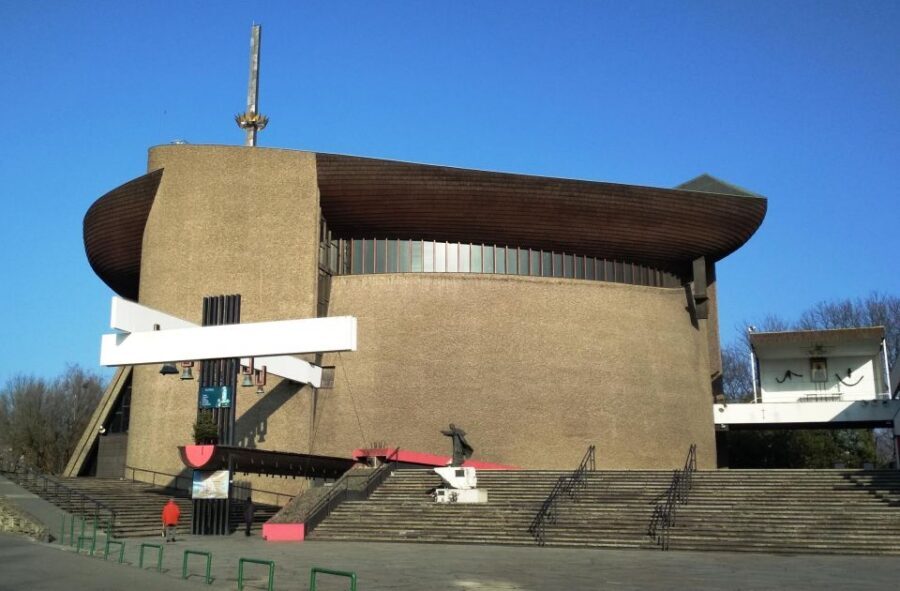
Then you go to Our Lady Queen of Poland Church for about 20 minutes. This stop is one of the most important in the whole route because it connects directly to the earlier idea of the battle for the cross and the first church in the godless city.
What I find powerful here is the shift in tone. The earlier parts of the walk talk about a state trying to create a godless life model. The church is the real-world answer: people wanted worship, and they fought to keep it visible.
The church visit also makes the city feel less like an abstract political exhibit. It turns the story into lived experience. Even if you don’t share the same religious background, you can understand the underlying human need: meaning, community, and continuity.
If you’re the type who likes to understand a place through lived tension, this is your moment.
Ludowy Theatre: Socialist Culture in a Monumental Shell
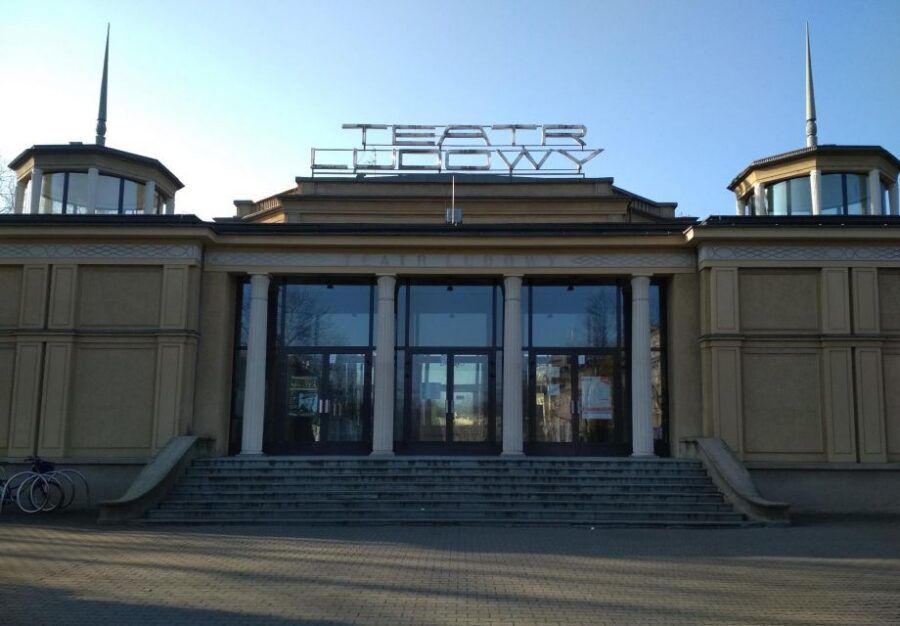
Ludowy Theatre is next, with about 35 minutes. If you only think of socialism as factories and political posters, a theatre stop can surprise you—in a good way.
This is where you see the cultural side of the communist-era city-building concept. The guide’s framing helps you understand that culture wasn’t left to chance. It was part of the plan to form the new mindset of society, where the state’s version of life was meant to feel normal and inspiring.
Also, theatre buildings often come with a certain kind of gravitas, and Nowa Huta’s broader architecture gives that gravitas a very specific look. You get more of that neo-classical Stalinist monumental feel, but now it’s tied to performance and public life rather than just street-level control.
For me, this stop helps explain something key: the conflict wasn’t only political. It was cultural, spiritual, and social. People fought over what kind of community a city should create.
How Good Guides Turn Symbols Into Meaning
One of the reasons this tour earns a top rating is simple: it depends on the guide doing their job well. In the feedback, the guide is described as great, and that makes sense for a place where details matter. Nowa Huta isn’t a museum where every label is obvious. It’s a working neighborhood shaped by decades of struggle and ideology.
A strong guide helps you connect the dots between stops. You’re not just collecting sights. You’re learning the logic of how the communist government tried to contrast itself with older Kraków, then how people pushed back through faith and labor.
You also get the locations connected with the legacy and strikes of Solidarność, which is the human engine behind much of the area’s modern identity. Even if you only know the broad outline of Solidarność, the walk gives you a sharper, more specific map of what happened in this part of Kraków.
Price and Value for a 2-Hour Nowa Huta Walk
The price is $69 per person for a 2-hour guided walking tour. That’s not “cheap,” but it also isn’t out of line for an English-language, licensed guide-focused experience that covers multiple major landmarks in one tight route.
Where the value really comes from is not the sights alone. It’s the interpretation. Without guidance, you’d likely appreciate the architecture but miss the ideological contrasts: godless city plans, the battle for the cross, Solidarność-linked legacy, and the symbolic street naming. With the guide, those details become understandable and memorable.
The other value factor is how concentrated the time is. You’ll hit the key nodes—Central Square, Avenue of Roses, the IS-2 Tank, the church, and Ludowy Theatre—without wasting half a day sorting logistics. Just remember: transportation from Krakow city centre to Nowa Huta isn’t included, so factor that into your real cost and timing.
Who This Tour Fits Best (and Who Might Want Something Else)
This is a great fit if you like social history, politics, and architecture that has a story behind it. It’s also a smart choice if you want Kraków beyond the postcard Old Town. Nowa Huta gives you a different lens: how a city can be built with an ideology and then challenged by real people.
You might want to skip it if your ideal day is all about relaxed sightseeing with minimal context. This walk is made to explain clashes—between official atheism and religious life, between a planned city identity and labor resistance. That’s the point, and it can feel intense.
If you’re curious, though, this tour has a way of making history feel less like a lecture and more like a walk through competing visions of society.
Should You Book Nowa Huta for $69? My take
Book it if you want a guided, English explanation of how communist-era city planning collided with faith and labor in Kraków. The best reason is that you’re not just looking at buildings—you’re learning what those buildings were meant to do.
Pass (or at least consider another option) if you prefer quiet streets and un-messy history. This route doesn’t hide the ideological conflict; it walks you straight into it.
Finally, be ready for a focused 2-hour timeline and plan your own route to the meeting point area. If you do that, you’ll leave with a much clearer picture of Kraków’s full socio-political footprint, not just its old-town beauty.
FAQ
How long is the Nowa Huta walking tour?
It lasts 2 hours.
What is the price per person?
The price is $69 per person.
Is the tour offered in English?
Yes. The live guide speaks English.
Where do I meet the guide?
Meet by the Pomnik Solidarności Bądź wierny, idź monument. The guide waits there.
What is included in the tour?
A licensed private guide is included.
Is transportation to Nowa Huta included?
No. Transportation from the city centre to Nowa Huta is not included.
Is free cancellation available?
Yes. You can cancel up to 24 hours in advance for a full refund.
Can I reserve without paying right away?
Yes. There is a reserve now and pay later option, where you can book your spot and pay nothing today.