REVIEW · KRAKOW
Krakow: Wawel Castle, St. Mary’s & Rynek Underground Tour
Book on GetYourGuide →Operated by excursions.city · Bookable on GetYourGuide
Wawel feels like Poland in stone. This guided loop takes you from royal splendor and coronation tradition to the medieval city life hidden under Kraków’s main square. I love how the guide makes big ideas (monarchy, faith, art, learning) feel practical and story-shaped, not like a textbook.
Two standouts for me are the time inside Wawel’s Royal Castle with its mix of Renaissance/Baroque art and the unexpected Eastern collection, and the stop at St. Mary’s where you’re face-to-face with Veit Stoss’ altarpiece. One thing to consider: this is a long, rules-focused tour (dress code, worship site access changes), so you’ll want to plan your day around it.
In This Review
- Key points to know before you go
- Entering Wawel: the monarchy, faith, and art start
- Royal Castle rooms: Renaissance and Baroque, plus Eastern art you won’t expect
- Wawel Cathedral: coronations, chapels, and the Sigismund Bell ritual
- Collegium Maius and the Jagiellonian University story in the Old Town
- Main Market Square and the Cloth Hall: trade made visible
- St. Mary’s Basilica: the Veit Stoss altarpiece in real scale
- Rynek Underground Museum: medieval life under your feet
- Price and value: what $121 buys in real terms
- Logistics that matter: timing, group size, and dress rules
- Who this tour fits best (and who should rethink it)
- Should you book this Krakow Wawel & Rynek Underground tour?
- FAQ
- How long is the tour?
- Where is the meeting point?
- What languages are available?
- Do I get skip-the-line admission?
- What parts of Wawel Castle are included?
- Is there a dress code?
- What happens if I arrive late?
- Can access to the cathedral bell tower or royal tombs be restricted?
- Is the tour suitable for people with disabilities?
Key points to know before you go
- Story-led guide that explains what you’re seeing in plain language
- Skip-the-line access for key sights, including Wawel and Rynek Underground
- Wawel’s blend of styles: Renaissance and Baroque rooms plus Eastern art
- Coronation heritage at Wawel Cathedral, including the Sigismund Bell ritual
- St. Mary’s Basilica masterpiece: the Veit Stoss altarpiece up close
- Real “street-level” history at Rynek Underground Museum beneath the market square
Entering Wawel: the monarchy, faith, and art start
Most Kraków tours start with a quick photo. This one starts with context, and it matters. You meet at St. Mary Magdalene Square at the Piotr Skarga Monument and head straight toward Wawel Castle, where your licensed guide frames the big themes: how Poland’s rulers used ceremony, churches used symbolism, and artists used materials to make power feel permanent.
You’ll get a quick mental map before you walk inside. That’s my favorite kind of start: you don’t just see famous buildings, you understand why they were built this way. With a group capped at 30 and one tour language chosen at booking, the pace stays tight and coordinated.
Tip for comfort: the total time is about 330 minutes (5.5 hours). Wear shoes you can stand in. You’ll be inside for parts of the route, but you’ll also be walking between major sites.
You can also read our reviews of more tours and experiences in Krakow.

Royal Castle rooms: Renaissance and Baroque, plus Eastern art you won’t expect
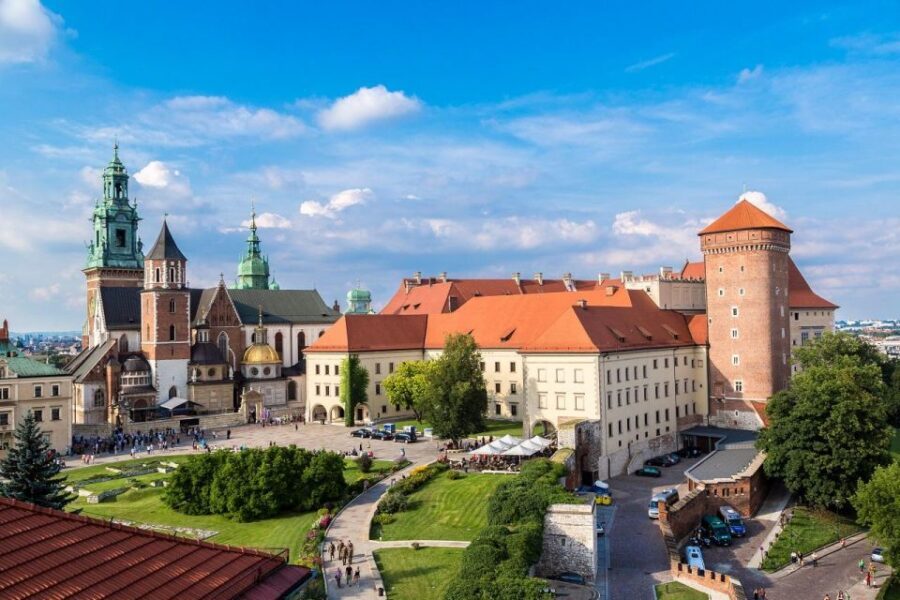
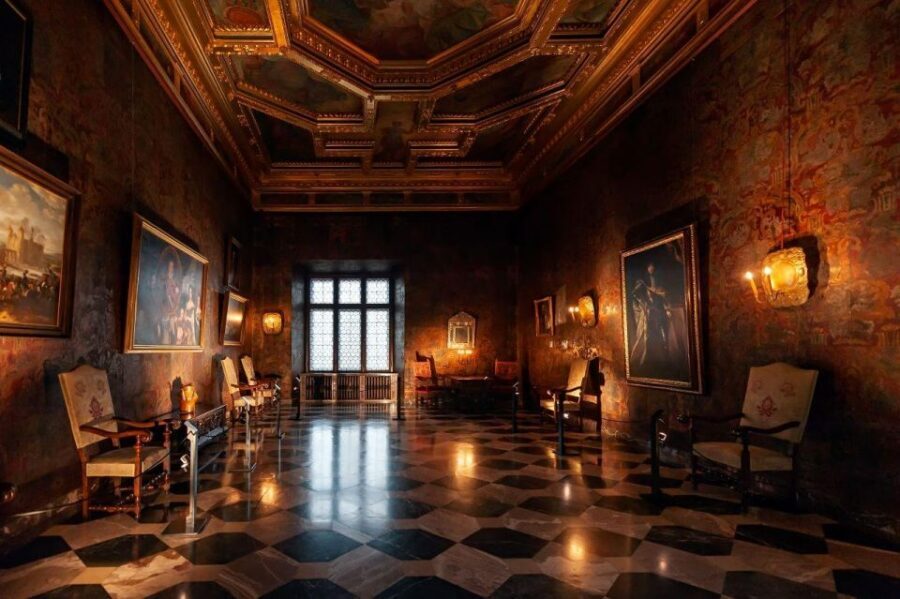
Inside Wawel Castle, you move through grand chambers that mix Renaissance and Baroque design. This isn’t just “pretty rooms.” The guide connects details—how rooms were used, what art signaled, and why foreign influences mattered.
What you’re likely to see includes:
- Flemish tapestries and Italian masterpieces (the kind of works that tell you Kraków was plugged into European taste)
- A special Eastern art collection, including the largest set of Ottoman tents in Europe
That Ottoman-tent detail is the kind of thing you’ll remember because it feels surprising for a Polish royal complex. It also helps explain Kraków’s position as more than a local stop on a map; it was part of wider political and cultural currents.
You’ll also get skip-the-line entry for one permanent exhibition at Wawel Castle (State Rooms or Royal Private Apartments, or Crown Treasury). Which exact area you access can depend on availability, but the ticket is built into the tour—so you’re not scrambling at the door.
Wawel Cathedral: coronations, chapels, and the Sigismund Bell ritual
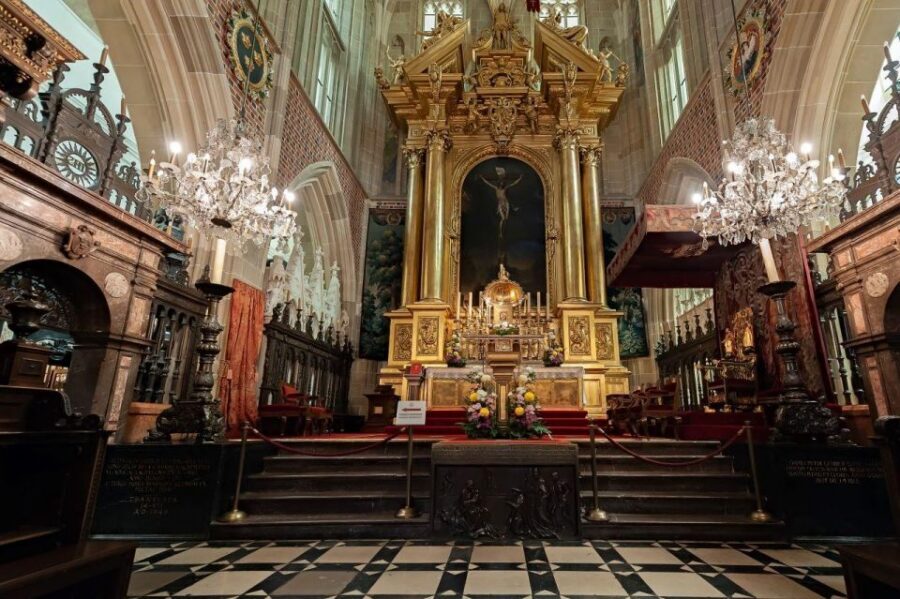
After the castle rooms, you shift into the cathedral—Wawel Cathedral is where Poland’s coronation story becomes physical. The focus here is the ceremonial side: royal events, sacred spaces, and the layers of burial tradition.
You’ll visit richly decorated chapels and see key sacred features tied to royal history. One highlight is the Sigismund Bell in the cathedral tower. You don’t just hear about it—you’re encouraged to touch it for good luck. It’s a small act, but it’s the kind of ritual that makes the site feel lived-in, not museum-like.
You’ll also walk through the crypts, where Polish kings, queens, poets, and national heroes are laid to rest. That’s where the tour stops feeling like art tourism and starts feeling like national memory. Even if you don’t know the names, you can sense the weight of the place.
Worth knowing: Wawel Cathedral is an active place of worship. During religious or state events, access to certain areas (including royal tombs or the bell tower) can be restricted without notice. The tour is designed to adapt by swapping entry for another site within the castle complex, but you should still expect that flexibility.
Collegium Maius and the Jagiellonian University story in the Old Town
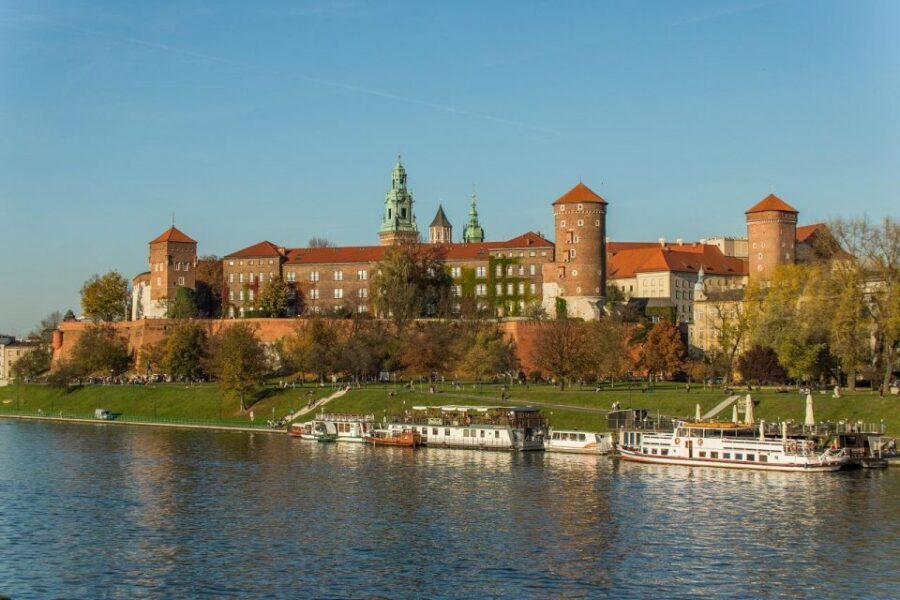
Once you step out of the castle complex, the tour turns into a walk through Kraków’s UNESCO Old Town, and the vibe changes from royal ceremony to civic life and learning.
A key stop is Collegium Maius, the oldest building of the Jagiellonian University. In the quiet courtyard, your guide shares stories about scholars who shaped European science and knowledge, including Nicolaus Copernicus.
This part works well because it’s not just “here’s a building.” It gives you a timeline—how ideas traveled, who taught them, and how a city’s intellectual life affects what people build and value. If you like history that explains cause and effect, you’ll appreciate this break from tombs and altarpieces.
Main Market Square and the Cloth Hall: trade made visible
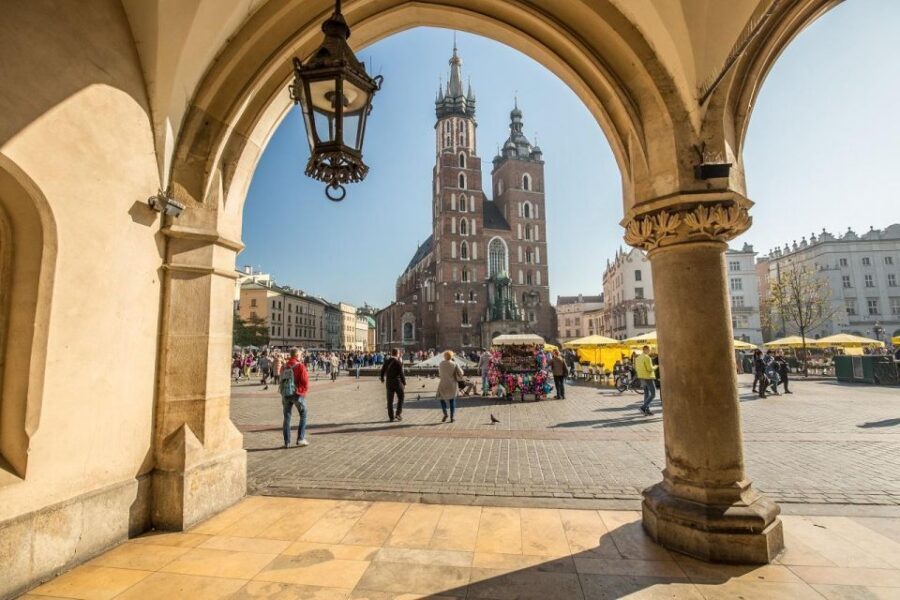
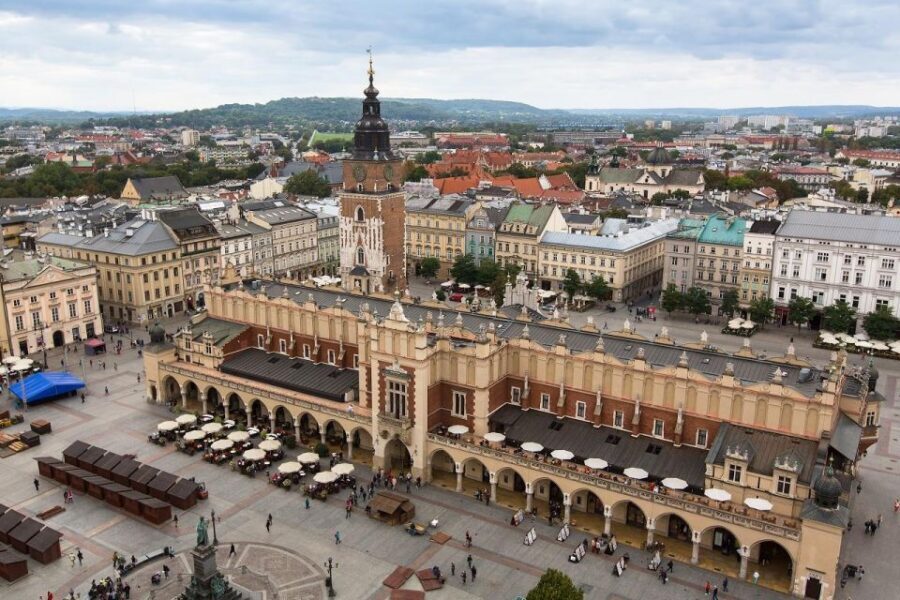
The tour then heads to Main Market Square, Europe’s largest medieval square. This space can feel like a stage—big open area, lots of sightseeing energy. Your guide helps you read it as an engine of trade.
You’ll learn about the Cloth Hall, once the center of international trade that connected Kraków with markets across the continent. That’s the point: medieval squares weren’t just decorative. They were where money, materials, and reputations moved.
If you want a practical way to picture it: imagine how different the square would feel when merchants were coming and going daily, before today’s shops and photo spots. The guide’s explanation makes the square’s size and layout feel purposeful.



St. Mary’s Basilica: the Veit Stoss altarpiece in real scale
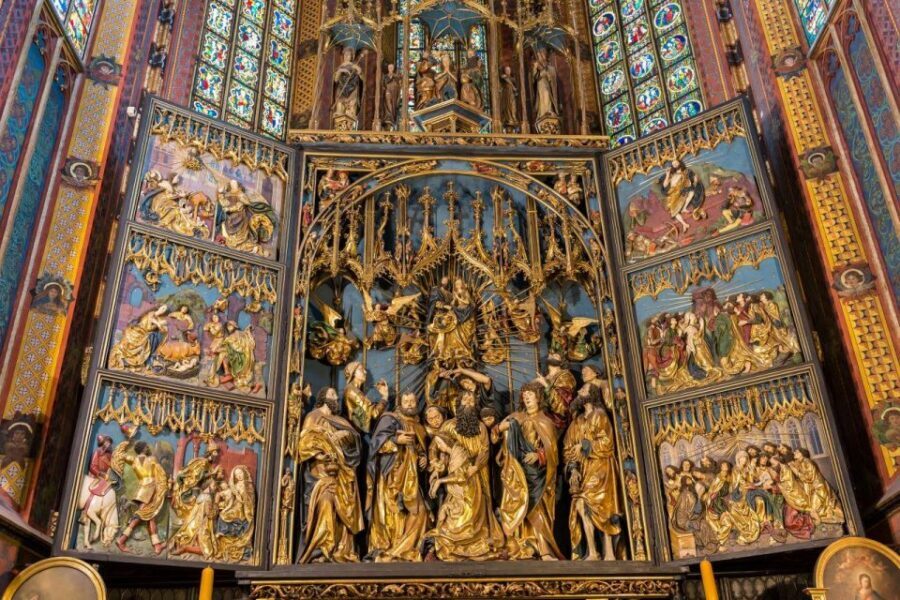
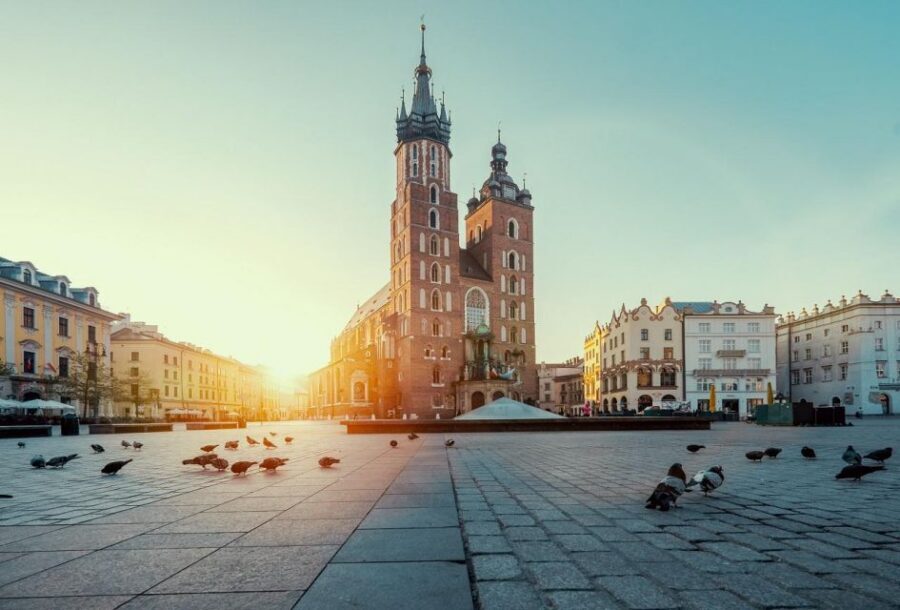
At St. Mary’s Basilica, you get one of the best “stop and stare” moments of the day. The star is the Veit Stoss altarpiece, widely regarded as one of the greatest Gothic artworks in Europe.
Inside, you’re surrounded by stained glass and painted vaults, and the guide puts the altarpiece into context—how it survived centuries of conflict and why it continues to symbolize Kraków’s devotion and artistry.
Here’s what I like about this stop: the guide doesn’t treat the altarpiece like a distant masterpiece you just look at. You learn what makes it Gothic, why the imagery mattered to worshippers, and how the building’s design supports that message.
Practical note: St. Mary’s is a place of worship and has a dress code. No shorts or sleeveless tops. Both men and women must cover knees and shoulders. If you’re traveling in warm weather, plan for a light layer. You’ll thank yourself.
Rynek Underground Museum: medieval life under your feet
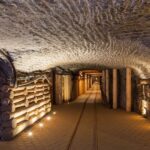
The finale is Rynek Underground Museum, and it’s a clever twist because it forces you to reframe Kraków. Above ground you’re seeing the famous square. Below ground you see the earlier version—archaeological remains, multimedia displays, and reconstructed medieval streets that show how traders and craftsmen actually lived and worked.
This is where the day becomes more tactile. You’re no longer only interpreting art and ceremonies. You’re watching everyday life through evidence. The reconstructed street layout helps you “place” activities that otherwise would stay abstract.
When you come back up to the square, the whole area feels different—in a good way. The buildings don’t shrink in importance. You just understand what was happening underneath while the city grew around it.
Price and value: what $121 buys in real terms
At $121 per person for about 5.5 hours, the price isn’t “cheap,” but it’s also not random. Here’s what you’re paying for that makes it feel like value:
- Licensed local guide who keeps the stops connected instead of turning it into a checklist
- Skip-the-line tickets for major elements: Wawel Castle (one permanent exhibition, subject to availability), Wawel Cathedral and St. Mary’s Basilica, plus skip-the-line admission to Rynek Underground Museum
- A structured route across top Kraków sites, so you’re not spending your limited time figuring out what to line up for next
If you’re the type who hates wasting hours waiting at entrances, the skip-the-line components matter. Also, the tour doesn’t just point at famous names. It provides explanations that help you see connections—monarchy to worship, trade to architecture, learning to civic identity.
What about trade-offs? This is a fixed-group experience with a max of 30 and rules-heavy sites. If you want lots of free time to wander independently for hours, you may find the structure limiting. But if you want your time to count, this tour is designed for that.
Logistics that matter: timing, group size, and dress rules
This tour runs about 330 minutes, and it asks you to arrive early. You should show up 10 minutes before the start. Once the group departs, latecomers can’t join, and tickets are non-refundable.
The language you get is chosen at booking, and the group tour runs in one language at a time. Options include German, Italian, English, Polish, Spanish, and French. If you’re deciding between languages, pick the one you feel most comfortable with for the longer explanations inside Wawel and at Rynek Underground.
The tour also says it’s not suitable for people with disabilities. That’s important to take seriously, not as an afterthought.
Finally, the order of sightseeing may change. That’s normal for a site-heavy day, especially with active worship areas where access can shift.
Who this tour fits best (and who should rethink it)
This is a strong fit if you:
- Want a guided, story-based day focused on major Kraków institutions: monarchy, church, art, education, and medieval trade
- Like learning the meaning behind places instead of only collecting photos
- Appreciate skip-the-line access and a clear plan for a long day
It may not be the best fit if you:
- Need a highly flexible pace with lots of unscheduled breaks
- Struggle with dress-code requirements for places of worship (knee and shoulder coverage is required)
- Have accessibility needs, since the tour is listed as not suitable for people with disabilities
Should you book this Krakow Wawel & Rynek Underground tour?
If your goal is a high-impact Kraków day that links the biggest sights into one coherent story, I’d book it. The standout reason is the detailed, explanation-heavy guiding style—this kind of tour turns stone, paintings, and architecture into something you can actually understand.
I’d especially recommend it if you want to see Wawel Castle and Cathedral, plus St. Mary’s and Rynek Underground, without spending your day managing ticket lines and route decisions. Just come prepared for the rules (dress code), expect a longer walking-and-standing day, and give yourself enough time at the start so you’re not chasing the group.
FAQ
How long is the tour?
The tour duration is 330 minutes (about 5.5 hours).
Where is the meeting point?
Meet your guide at St. Mary Magdalene Square, at the Piotr Skarga Monument. They will hold an excursions.city sign.
What languages are available?
The live tour guide is available in German, Italian, English, Polish, Spanish, and French.
Do I get skip-the-line admission?
Yes. You get skip-the-line entry for one permanent exhibition at Wawel Castle (subject to availability), and skip-the-line admission to the Rynek Underground Museum. Tickets are also included for Wawel Cathedral and St. Mary’s Basilica.
What parts of Wawel Castle are included?
You receive skip-the-line admission to one permanent exhibition at Wawel Castle. It can be State Rooms, Royal Private Apartments, or Crown Treasury, depending on availability.
Is there a dress code?
Yes. Shorts and sleeveless tops are not allowed. Men and women must cover knees and shoulders for places of worship and selected museums.
What happens if I arrive late?
Please arrive 10 minutes before. Once the group has departed, latecomers cannot join, and tickets are non-refundable.
Can access to the cathedral bell tower or royal tombs be restricted?
Yes. The Wawel Cathedral is an active place of worship, and during religious or state events access to certain areas (including the cathedral, royal tombs, or the bell tower) may be restricted without notice. Entry may be replaced with another site within the castle complex.
Is the tour suitable for people with disabilities?
No. The tour is listed as not suitable for people with disabilities.