REVIEW · KRAKOW
Krakow: Wawel Castle Guided Tour with Entry Tickets
Book on GetYourGuide →Operated by AT Cracow · Bookable on GetYourGuide
Wawel’s rooms feel like a live timeline. This guided visit focuses on the royal castle exhibitions with a licensed guide, and your skip-the-line ticket helps you spend more time inside and less time waiting. It’s a strong pick if you want context for what you’re seeing, not just a self-guided wander.
I especially like the way the guide connects the spaces to daily life—how Polish kings and their courts functioned—and the fact that the tour can include standout areas like royal apartments with tapestries, paintings, and chandeliers. One thing to keep in mind: the tour concentrates on the castle exhibitions, and Wawel Cathedral is not included, so plan your cathedral visit separately if it matters to you.
In This Review
- Key Things That Make This Tour Worth It
- Why Wawel Still Matters on a Krakow Day
- What Your Skip-the-Line Ticket Actually Covers (and What It Doesn’t)
- Getting There: The Kanonicza 25 Meeting Point Hack
- The Short Walk Up Wawel Hill Sets the Pace
- Inside Wawel Castle: Rooms, Exhibits, and the Royal-Life Details
- Royal private apartments (expect art and ceremony)
- The Wawel exhibition: excavation finds and scale models
- Oriental Art and Ottoman tents (yes, really)
- The Pace: How the 1–2 Hours Typically Feels
- Price and Value: What $35 Gets You in Real Terms
- Languages and Group Style: What to Expect from the Guide
- Who This Tour Suits Best (and Who Might Prefer Something Else)
- Practical Tips to Get More Out of Your Hour
- Should You Book This Wawel Castle Guided Tour?
- FAQ
- What’s included in the Wawel Castle guided tour ticket?
- Is Wawel Cathedral included in this tour?
- How long does the tour take?
- Where do I meet the guide?
- What languages are offered?
- Can I cancel for a full refund?
- Can I reserve now and pay later?
Key Things That Make This Tour Worth It
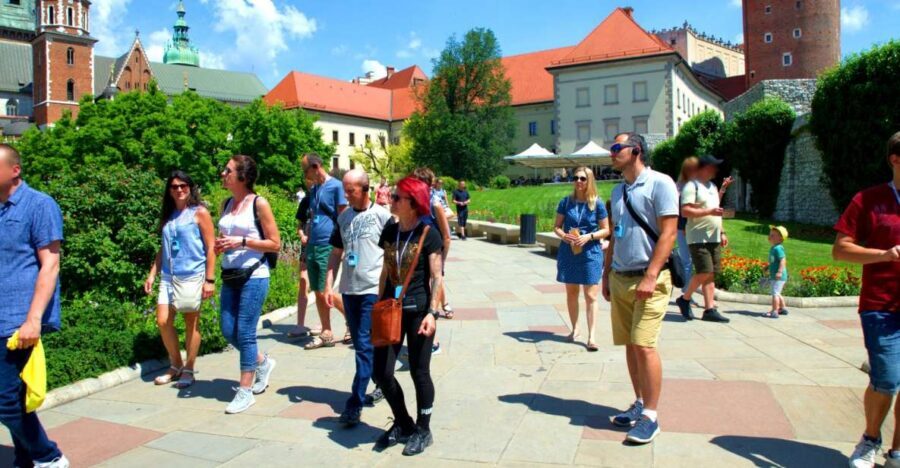
- Skip-the-line entry saves time at one of Krakow’s biggest must-sees.
- Licensed, multi-language guides (including English, Spanish, German, French, Italian, Dutch, Russian, Portuguese, Norwegian, and Polish).
- You get the story behind the rooms, including how the royal residence worked.
- Museum exhibits include the Wawel exhibition, with finds from excavations plus scale models.
- Oriental Art section is a genuine curveball: Ottoman tents are on view here, said to be the largest collection in Europe.
- Royal private apartments are part of the mix, depending on the exhibition you’re routed through.
Why Wawel Still Matters on a Krakow Day
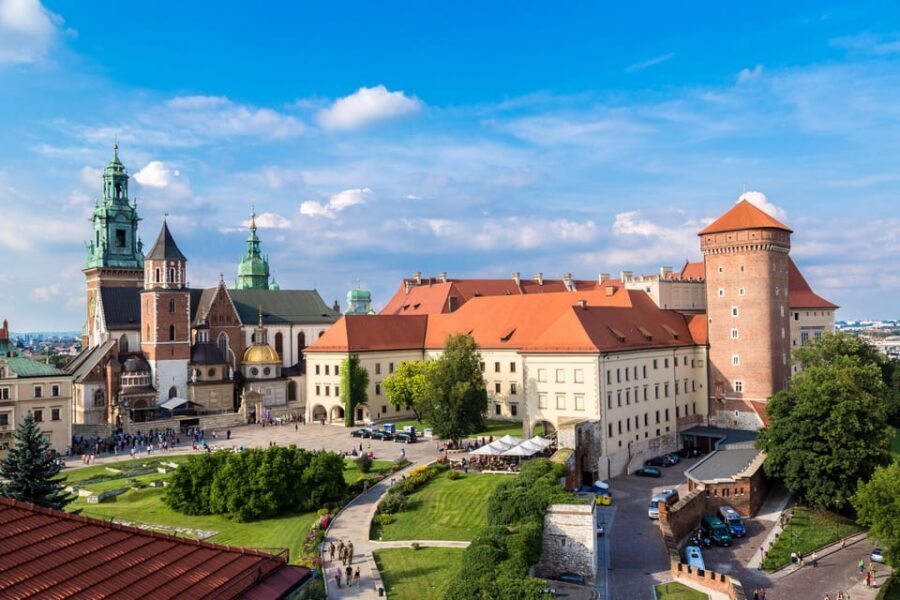
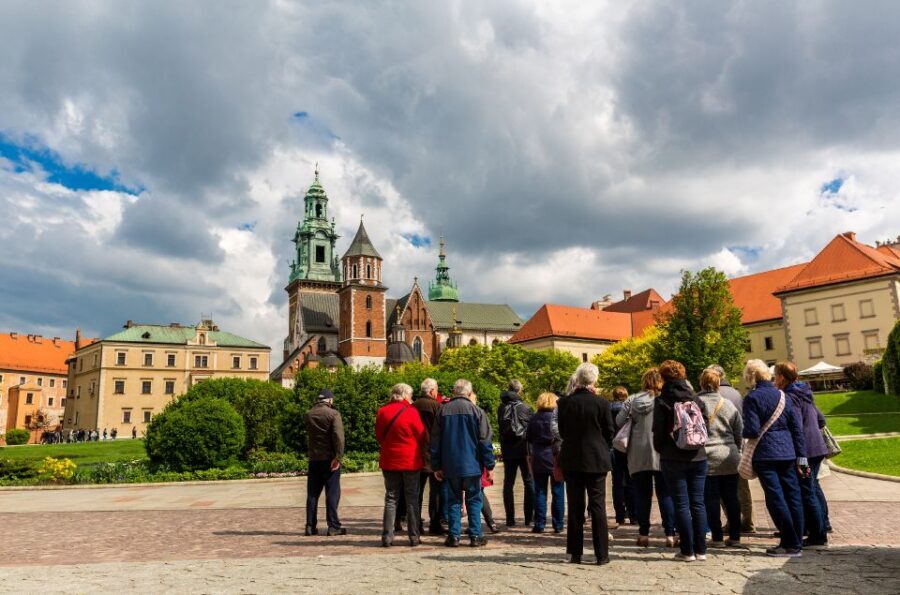
Wawel Castle sits on Wawel Hill, the historical heartbeat of Poland. The royal family lived here until 1795, and it still reads as a statement of power and pride—something you feel in the scale of the buildings and the way the hill dominates the skyline.
This castle isn’t a “pretty old building” kind of site. It’s also UNESCO World Heritage, and it carries layers: the structure traces back to the 14th century under King Casimir II the Great, then expanded in the 16th century when King Sigismund the Old shaped it into the form many people recognize today. Walking up to it, you’re stepping into a place designed to impress.
A few more Krakow tours and experiences worth a look



What Your Skip-the-Line Ticket Actually Covers (and What It Doesn’t)
This tour is built around one main idea: guided access to the castle interior exhibition areas. You get a tour of the interior exhibition with your guide plus a ticket that helps you avoid the ticket line.
The big “watch this” detail is that Wawel Cathedral is not included. The cathedral is a major part of the Wawel complex, so if it’s on your must-see list, you’ll want to schedule that separately rather than assuming the guide will bring you there as part of this experience.
You should also know that the castle tour happens in the area of the selected exhibition. That matters because it affects what you actually see inside. Two departures might feel slightly different depending on the route and the exhibition focus.
Getting There: The Kanonicza 25 Meeting Point Hack
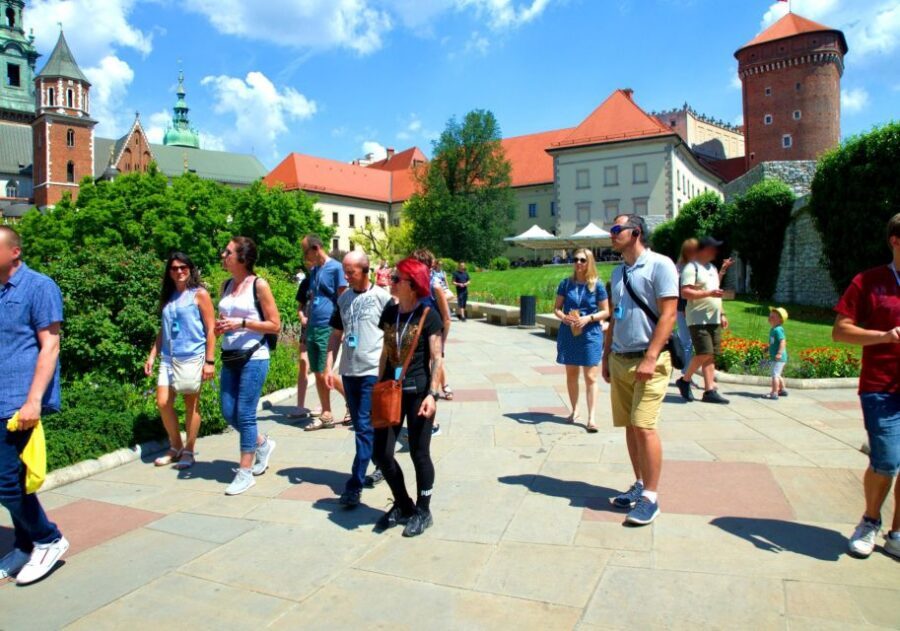
Meeting point confusion is one of those travel problems that can steal your energy fast. Here, the directions are specific: arrive about 10 minutes early and meet at Kanonicza 25.
You’ll be waiting at the end of Kanonicza Street, where the cobblestones meet the asphalt. That “cobblestone-to-asphalt” landmark is there for a reason—use it. Krakow’s Old Town streets look similar at speed, so slow down for 30 seconds and confirm you’ve found the correct end of the street before you start hunting.
If you’re on a group departure, the meeting time can shift by up to 30 minutes on either side. Private tours use an approximate meeting time and can be adjusted based on language availability—expect to be informed no later than one day before.
The Short Walk Up Wawel Hill Sets the Pace
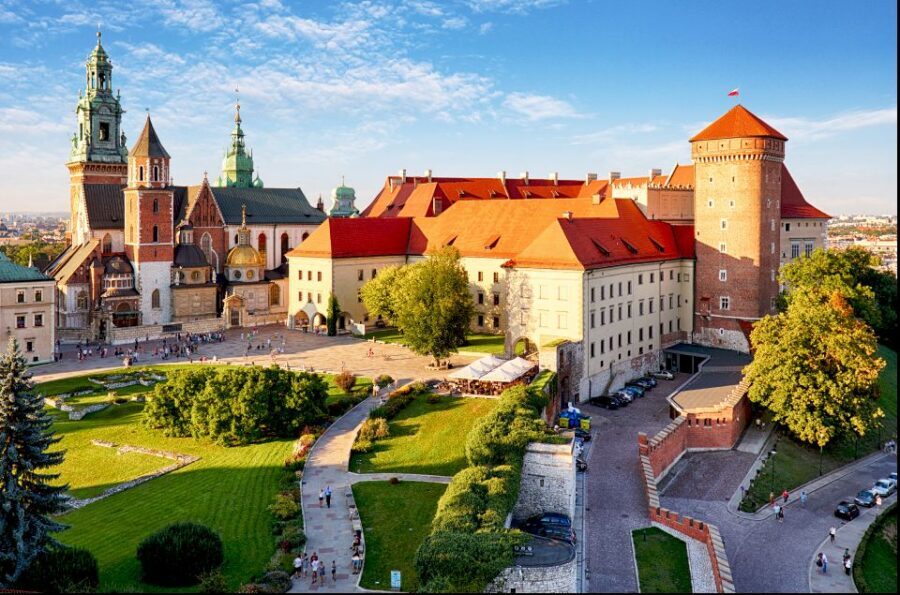
The tour begins with a walk from the meeting area to Wawel Hill. It’s only about a five-minute walk, but it’s helpful. You’re given just enough time to get your bearings and notice how the castle dominates the hilltop.
This matters because Wawel isn’t just a building—you’ll be better at spotting key architectural features once you’ve oriented yourself. Even if your brain is processing Polish history, your body is also learning the geography of the place.
Inside Wawel Castle: Rooms, Exhibits, and the Royal-Life Details
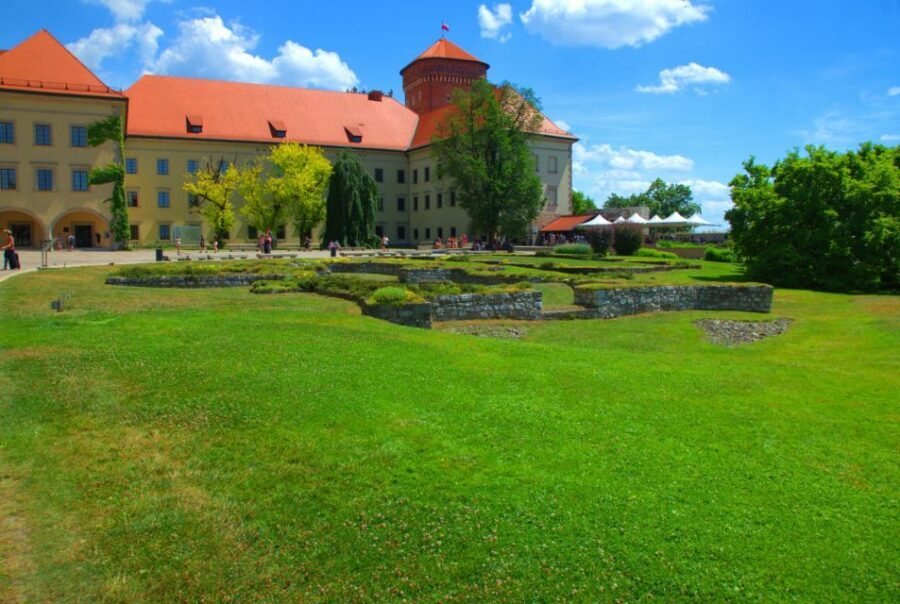
Once you’re in the castle, the guided part is about more than pointing at objects. The goal is to help you see how the royal residence functioned across centuries—who lived here, what mattered, and what stories grew around the place.
A licensed guide walks you through the interior exhibition areas, and that guidance is usually where the “wow” turns into understanding. Instead of reading labels like homework, you hear the connections: how royal life showed up in the spaces, and how certain myths or historical threads fit the setting you’re standing in.
You can also read our reviews of more guided tours in Krakow




Royal private apartments (expect art and ceremony)
You may have the chance to visit royal private apartments. These are described as being adorned with tapestries, paintings, and chandeliers—the kind of décor that signals status and power, not just taste. If you enjoy interior design, period interiors, or how art communicates authority, this portion is often the most satisfying.
One review note worth taking seriously: some guides focus more on specific artworks than on broad historical context. If you care most about big-picture history and architecture, you can still enjoy the tour, but you may want to ask a question early like what to prioritize in the rooms you’re seeing.
The Wawel exhibition: excavation finds and scale models
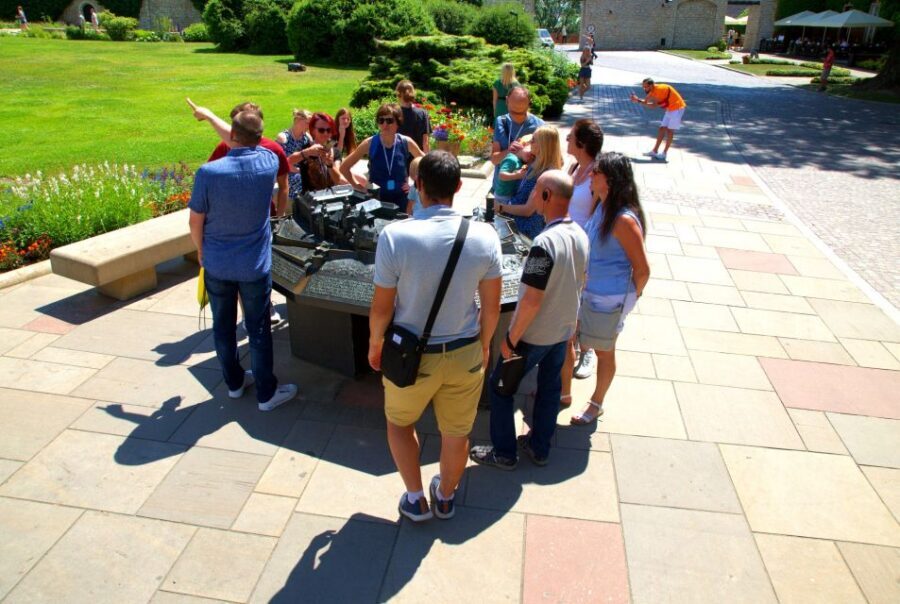
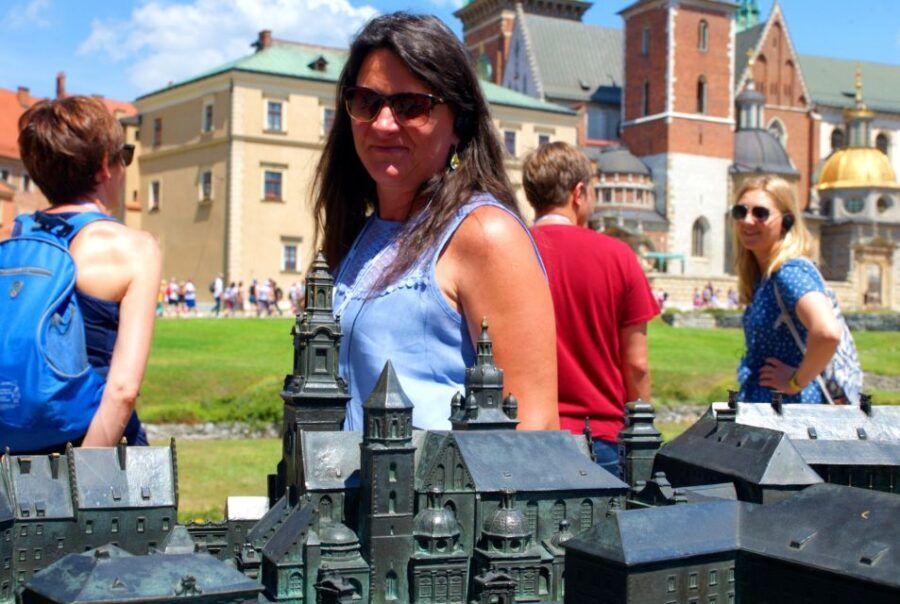
Another highlight is the Wawel exhibition, which centers on objects uncovered during archaeological excavations around the region. You also get scale models of buildings and architectural elements, which helps a lot if you’re trying to understand how Wawel evolved over time.
This is one of the smartest parts of the experience. Models and excavated pieces turn “old walls” into a timeline you can picture. It’s especially useful when different eras overlap inside a single complex.
Oriental Art and Ottoman tents (yes, really)
Wawel also includes an Oriental Art section, and this tour may route you through that kind of content. The standout detail here is the largest collection of Ottoman tents on the European continent, as described for this collection.
That alone makes the visit feel less predictable. It’s not a one-note royal portrait gallery; it’s a reminder that courts interacted with cultures beyond their immediate borders, and that objects moved through Europe in ways that shaped collecting and display.
The Pace: How the 1–2 Hours Typically Feels
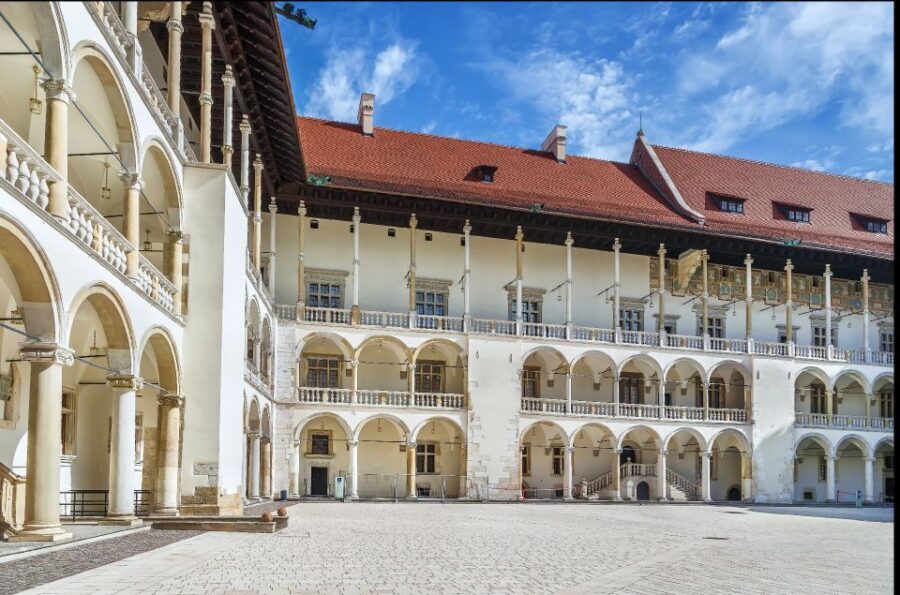
The total time is listed as 1–2 hours, and your experience will depend on which exhibition route you get and how fast the group moves. There’s also a photo stop built into the flow, about 10 minutes.
Here’s the honest consideration: one hour can feel tight for a complex like Wawel. The castle is large, and a guided route means you’re moving with purpose—not lingering everywhere. A longer tour can help, and some departures may run a bit longer than expected, which can be a nice bonus.
If you’re the type who could happily read every label, 1–2 hours may leave you wanting more. If, instead, you want the key story beats and a structured way to see major highlights, this duration is usually a strong match.
Price and Value: What $35 Gets You in Real Terms

At $35 per person, you’re paying for two things at once: a ticket that gets you in without the ticket-line hassle, plus a licensed guide to interpret what you’re looking at.
That’s good value when you compare “doing it alone” versus having a person connect the dots. At Wawel, the castle is impressive, but the real payoff is knowing what you’re seeing—how royal spaces worked, why certain exhibits matter, and how the collection ties together different periods.
The main value trade-off is that you’re not getting the cathedral in this ticket. If cathedral is your top priority, you might end up paying again later. If your priority is castle exhibitions and royal-life context, then the price feels more aligned.
Languages and Group Style: What to Expect from the Guide
The tour is offered with live guides across a long list of languages: Polish, Spanish, English, German, French, Italian, Dutch, Russian, Portuguese, and Norwegian.
A broad language range helps a lot, because you’ll understand more in real time when the guide can match your comfort level. That also affects how “easy” the experience feels when you’re listening to history explanations while walking through rooms.
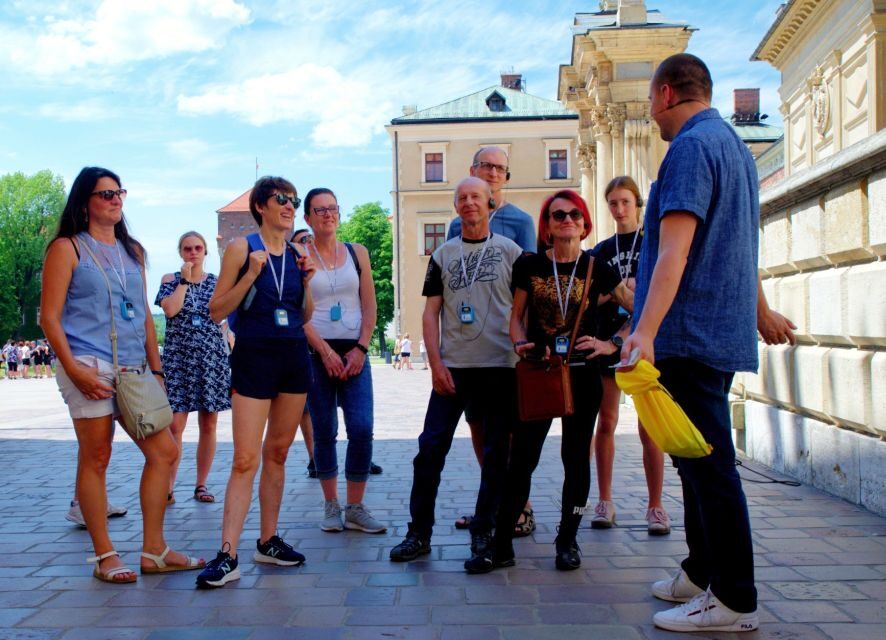
Group size can vary. One review specifically mentioned small-group dynamics for particular parts of the route, which is a reminder that your experience may be more conversational if the group is limited. If you want to ask questions, smaller groups tend to make that easier.
And yes, guides can be a deciding factor. One person gave special praise to a guide named George, calling out friendly, passionate interpretation. You can’t control which guide you’ll get, but it’s a good sign that some staff really lean into the storytelling.
Who This Tour Suits Best (and Who Might Prefer Something Else)
This tour is a strong fit if you want:
- a structured way to see major parts of Wawel’s interior exhibitions
- clear explanations of how Polish royalty lived and what objects mean
- a mix of royal apartments, archaeology-based exhibits, and the unusual Oriental Art content
It’s less perfect if you’re primarily chasing:
- total time in every room, every floor, every corner
- a full Wawel complex experience in one go (since the cathedral isn’t included)
- deep architecture-only coverage with minimal emphasis on art details (some guides may lean more toward artwork discussion)
If you’re traveling with mixed interests—someone who wants history and someone who wants art—this type of guided structure usually keeps everyone moving and talking.
Practical Tips to Get More Out of Your Hour
To make this tour feel worth the time, I’d do three simple things:
- Arrive early and use the cobblestone-to-asphalt meeting point as your anchor.
- Before you enter, scan your mental checklist: royal apartments, Wawel exhibition finds/models, and the Oriental Art segment if it’s offered.
- Ask one early question about what to prioritize. A guide can steer you toward the rooms that best match your interests.
Also, remember the route stays within the castle exhibition areas tied to your selected focus. When you feel yourself drifting, watch for the guide’s cues about what’s coming next.
Should You Book This Wawel Castle Guided Tour?
If Wawel is on your Krakow “must-do” list and you want the quickest route to understanding, I think this tour is a solid booking. The skip-the-line ticket is practical, the licensed guided format turns rooms into meaning, and the combination of royal-life storytelling plus museum exhibits makes it more than a photo stop.
I’d book it especially if you like guided context and you’re curious about the unexpected angles—like the Wawel exhibition’s archaeological finds and the Oriental Art section with Ottoman tents.
I’d think twice if your goal is a cathedral-heavy day or you want to roam every inch at leisure. For those priorities, consider pairing separate plans rather than expecting this tour to cover everything.
FAQ
What’s included in the Wawel Castle guided tour ticket?
You get a tour of the interior exhibition with a live guide and a skip-the-line ticket. Wawel Cathedral entry is not included.
Is Wawel Cathedral included in this tour?
No. The tour focuses on the castle’s interior exhibition areas, and cathedral entry isn’t part of this experience.
How long does the tour take?
The duration is listed as 1–2 hours, depending on the departure and the flow inside the castle.
Where do I meet the guide?
Meet at Kanonicza 25. Wait at the end of Kanonicza Street where the cobblestone meets the asphalt.
What languages are offered?
Guides are available in Polish, Spanish, English, German, French, Italian, Dutch, Russian, Portuguese, and Norwegian.
Can I cancel for a full refund?
Yes. Free cancellation is available up to 24 hours in advance for a full refund.
Can I reserve now and pay later?
Yes. You can reserve now and pay later to keep plans flexible.