REVIEW · KRAKOW
Krakow: Wawel Castle & Cathedral, Old Town & City Basilica
Book on GetYourGuide →Operated by Hello Cracow · Bookable on GetYourGuide
Wawel Hill is where Kraków turns from pretty to powerful. You’ll get a skip-the-line guided visit through Wawel Castle and Cathedral, including time for the famous Sigismund Bell and the view from the tower. I also love the way the walk into the UNESCO-listed Old Town connects medieval streets to big-name sites like Cloth Hall and St. Mary’s Basilica. The main drawback to plan around: the cathedral is an active place of worship, so access to parts of it can be changed during major events.
What makes this tour work for first-timers is its steady rhythm: palace art and royal rooms at Wawel, then a guided Old Town stroll, then one of Kraków’s most jaw-dropping interiors at St. Mary’s Basilica. In the guide team, I’ve seen praise for people like Helen and Magdalena—so you’re likely to get crisp explanations and real passion. One more consideration: it’s not suitable for wheelchair users, and it’s a group tour, so being on time matters.
In This Review
- Key points to know before you go
- Wawel Hill sets the tone for the whole Kraków visit
- Skip-the-line Wawel Castle: State Rooms, art, and the feel of royal power
- The collections you actually remember (not just another museum stop)
- Wawel Cathedral: coronations, chapels, and the royal tombs experience
- Touch the Sigismund Bell, then earn your tower views
- When worship events affect your cathedral visit
- Old Town Kraków walk: Main Market Square and Cloth Hall in context
- Collegium Maius: Copernicus in a real street setting
- St. Mary’s Basilica and the Veit Stoss altar: the emotional payoff
- Price and value: why $88 can make sense for this route
- Who this tour suits best (and who should pick something else)
- Planning tips so you get the best experience
- Should you book this Wawel and Old Town tour?
- FAQ
- What’s the duration of this tour?
- Which languages are available for the live guide?
- What is included in the tour price?
- Is this tour wheelchair accessible?
- Are pets allowed?
- Can access to Wawel Cathedral be affected?
Key points to know before you go
- Skip-the-line entry helps you spend more time looking and less time waiting.
- Touch the legendary Sigismund Bell and get panoramic views from the cathedral tower.
- See royal Poland in Wawel Castle’s State Rooms and major collections, including the Lanckoroński collection.
- Walk Kraków’s UNESCO-listed Old Town with a licensed local guide through Main Market Square and Cloth Hall.
- Learn how Kraków’s University roots tie to Copernicus at Collegium Maius.
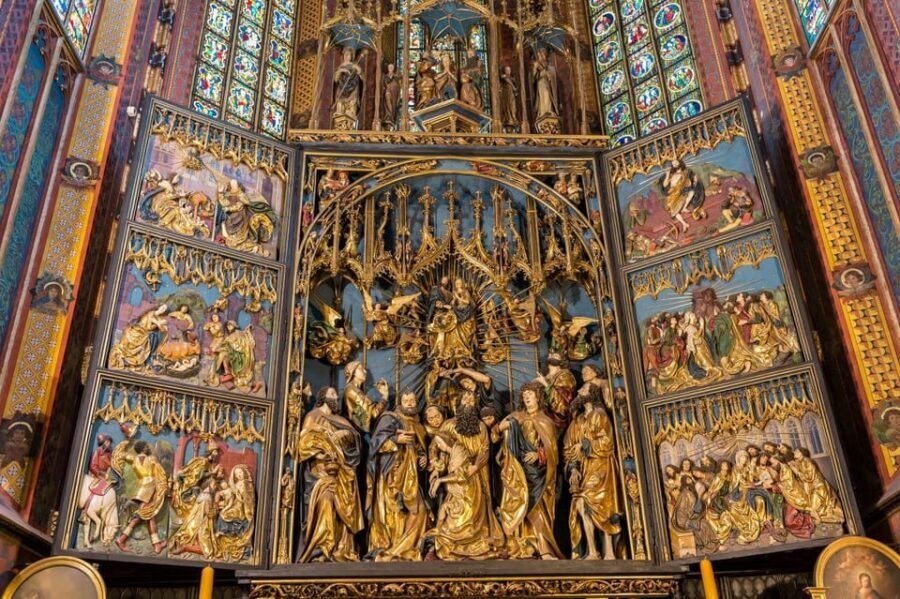
- St. Mary’s Basilica is the tour’s big visual payoff, with the Veit Stoss altar as a centerpiece.
Wawel Hill sets the tone for the whole Kraków visit
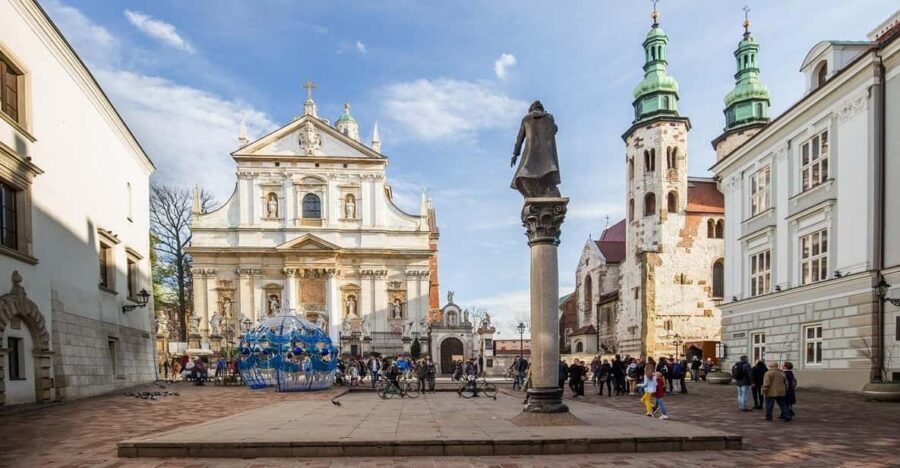
If you want the fastest path to understanding Kraków, start at Wawel. Wawel Hill isn’t just a scenic backdrop—it’s a symbol of Polish statehood, packed with centuries of royal life, crowned heads, and funerary tradition.
I like that this tour doesn’t treat Wawel like a single stop you rush through. It gives you enough time to move from royal rooms, to the cathedral’s sacred and political space, and then back down into the city where the medieval story continues.
You can also read our reviews of more city tours in Krakow

Skip-the-line Wawel Castle: State Rooms, art, and the feel of royal power
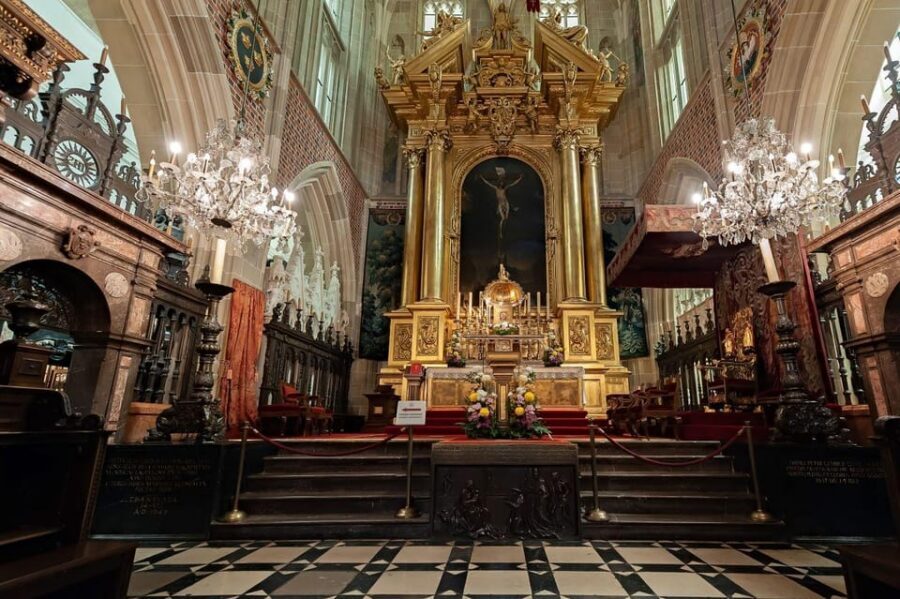
Wawel Castle today is a museum, but it still reads like a living place. The guided route goes through the State Rooms of the Royal Castle, where you’ll see Renaissance interiors designed to impress—especially with how they stage power through artwork and display.
You’ll also spend time on collections that many independent visitors miss or can’t properly place. Look for the refined Renaissance interiors and the impressive tapestries, then keep an eye out for the Lanckoroński collection of Italian paintings—a standout for people who care about art beyond the famous monument photos.
One practical note: the castle is a big complex, and it’s easy to wander. A guided approach helps you see the point of what you’re standing in front of, which is the difference between collecting photos and getting real understanding.
The collections you actually remember (not just another museum stop)
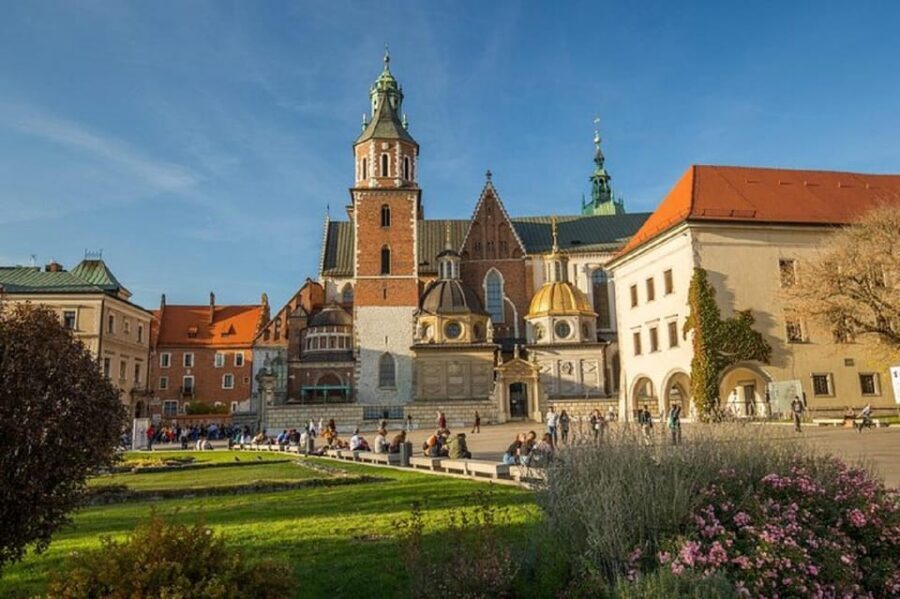
This is one of those tours where the museum details are specific enough to stick in your mind. Alongside more expected holdings like porcelain, you’ll be introduced to weaponry and Eastern art.
The tour mentions a highlight people often don’t expect: Europe’s largest collection of Ottoman tents. That detail matters because it underlines Kraków’s position at a cultural crossroads, not just as a local capital but as a place shaped by contact across regions.
If you like your history with concrete objects—rather than only dates and names—you’ll probably feel satisfied here.
Wawel Cathedral: coronations, chapels, and the royal tombs experience
From Wawel Castle you move into Wawel Cathedral, where Polish monarchs were crowned, married, and buried. That’s a big claim, and the cathedral layout makes it feel real: richly decorated chapels, golden domes, and intricate architectural details that show the building evolving over time.
This part is also where you’ll notice the “two ways to experience” factor. You’re watching sacred art and architecture, but your guide is also explaining the cathedral’s role as a public stage for royal legitimacy.
Then there are the royal crypts, where the story becomes final. Even if you’re not usually a tomb person, the effect of seeing where leaders are laid to rest tends to land hard—because Wawel isn’t only about who ruled, but where the legacy ended up.
Touch the Sigismund Bell, then earn your tower views
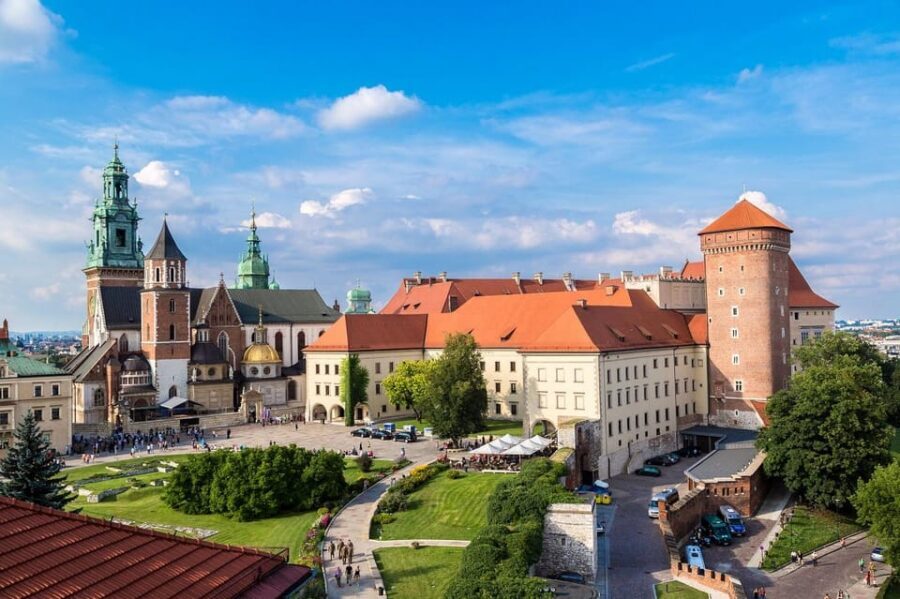
Yes, you get the Sigismund Bell moment—and yes, you’ll be able to touch it. It’s one of those experiences that sounds silly until you’re standing there, then it becomes oddly meaningful because it turns a legend into something physical.
After that, you climb to the tower for panoramic views of Kraków. I like that the view isn’t treated like a quick photo stop; the tower is positioned as part of the cathedral experience, not a separate “bonus.”
Just plan for timing and stamina. Tower climbs can be a slow, step-by-step affair, and a guided schedule means you want to keep your pace with the group.



When worship events affect your cathedral visit
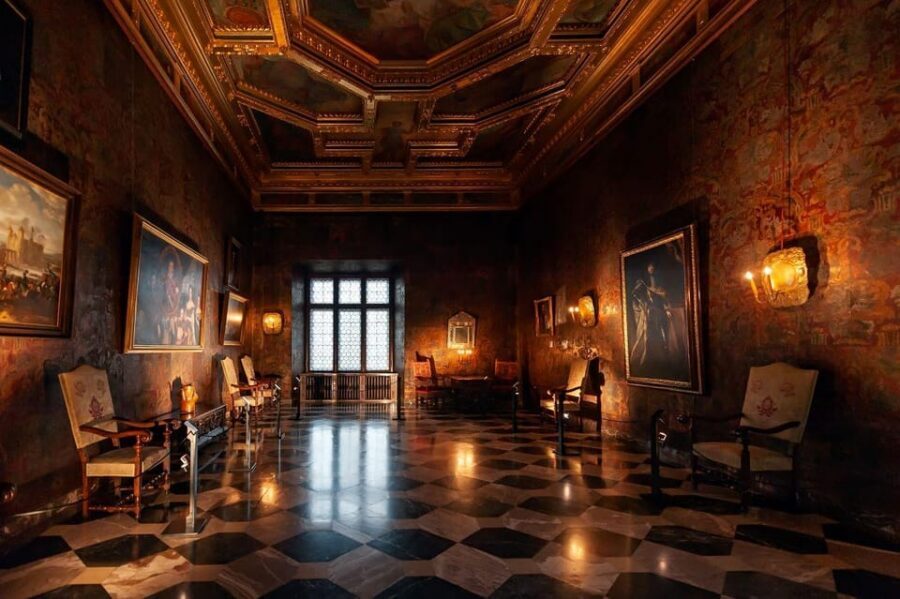
One thing to keep in mind: Wawel Cathedral is an active place of religious worship. During important religious, state, or jubilee events—or visits by important guests—access to the cathedral, the royal tombs, or the bell tower may be suspended.
In that situation, the organizer can replace the cathedral entrance with another one within the castle complex. I’d treat this as a normal part of visiting a working sacred site, not as a problem with the tour itself.
Old Town Kraków walk: Main Market Square and Cloth Hall in context
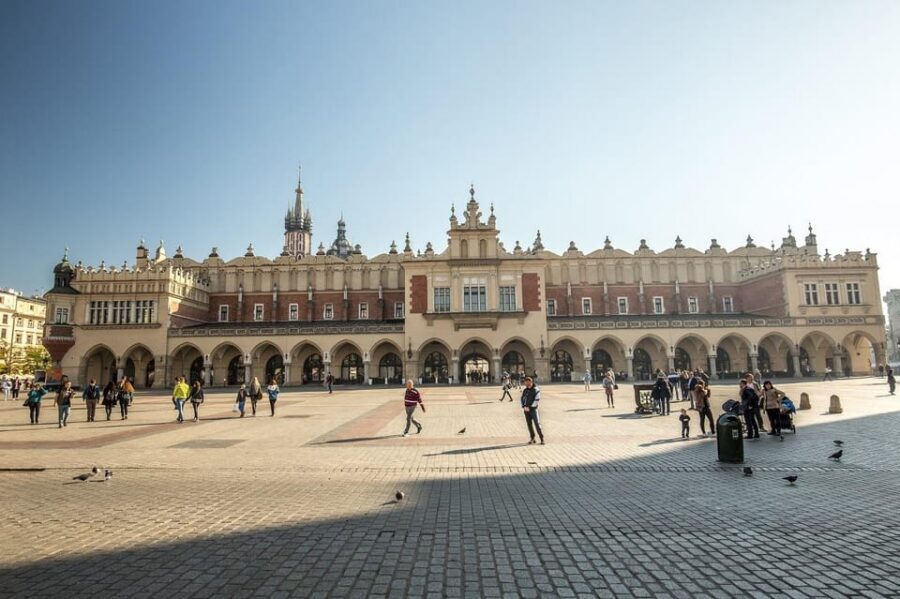
After Wawel Hill, the tour shifts from royal spaces to the city’s daily-life engine. You head into Kraków’s UNESCO-listed Old Town, guided through historic streets that connect the architecture to stories you can actually picture.
The tour highlights Main Market Square and the iconic Cloth Hall. The difference with a guide is that you’re not just staring at a landmark—you’re learning what the place was for: merchant guild life, royal processions, and the rhythms of medieval city living.
If you’ve ever visited a big square and felt like you needed a narrator, this is where you’ll appreciate the pacing. The route is designed so you’re seeing the main icons while still getting explanations that make the details click.
Collegium Maius: Copernicus in a real street setting
One of my favorite parts of Kraków is how science and old stone can share the same walk. You’ll visit Collegium Maius, described as the oldest university building in Poland, and you’ll learn about Nicolaus Copernicus as its most famous student.
This stop works because it interrupts the “church and palace” flow without leaving the historic core. It also helps you understand Kraków as more than a postcard—an education center with intellectual history layered over the medieval city.
If you’re the type who likes your tours to include at least one surprising angle, this is the one.
St. Mary’s Basilica and the Veit Stoss altar: the emotional payoff
Now for the interior you came for—St. Mary’s Basilica. The tour emphasizes its Gothic splendor and makes a strong point about the Veit Stoss altar, one of Kraków’s most famous artistic treasures.
What you should expect here is guided attention to the artistry and symbolism. It’s not just “look at the altar,” it’s more about understanding why this masterpiece matters to Kraków’s identity and how its details communicate meaning.
I also like that this visit acts like a reset after Wawel. You’ve been in massive royal and sacred spaces; St. Mary’s is still sacred, but it feels like a different emotional style—more intimate, more decorative, and more focused on what you can see with your eyes while a guide helps you read what it means.
Price and value: why $88 can make sense for this route
At around $88 per person for a roughly 210-minute tour, you’re paying for three big things at once: expert guidance, skip-the-line handling, and a structured route that chains together major sites.
If you tried to DIY this, the time cost is the hidden problem. You’d still need tickets, you’d still need to navigate large complexes, and you’d still want someone to explain what you’re looking at—especially for places like the cathedral chapels and the Veit Stoss altar.
So the value here is about efficiency and interpretation. You’re not just paying to enter buildings; you’re paying to know what to look for as you move through them.
And because the highlights include Wawel Castle State Rooms, Wawel Cathedral access, and St. Mary’s Basilica entrance, it’s a lot of iconic coverage in one guided pass.
Who this tour suits best (and who should pick something else)
This tour is a strong match if you want a first solid day in Kraków and you like history and art in equal measure. It also works well if your time is limited, because you’re hitting the key Wawel sites and then connecting to Old Town and St. Mary’s without losing the thread.
It may not be the best fit if you need wheelchair accessibility, since it’s listed as not suitable for wheelchair users. If you’re traveling with mobility constraints, it’s worth thinking carefully about tower climbing and the amount of walking that a “hill to Old Town to basilica” route includes.
It also helps to be the kind of visitor who likes following a schedule. This is a group tour, so don’t be late.
Planning tips so you get the best experience
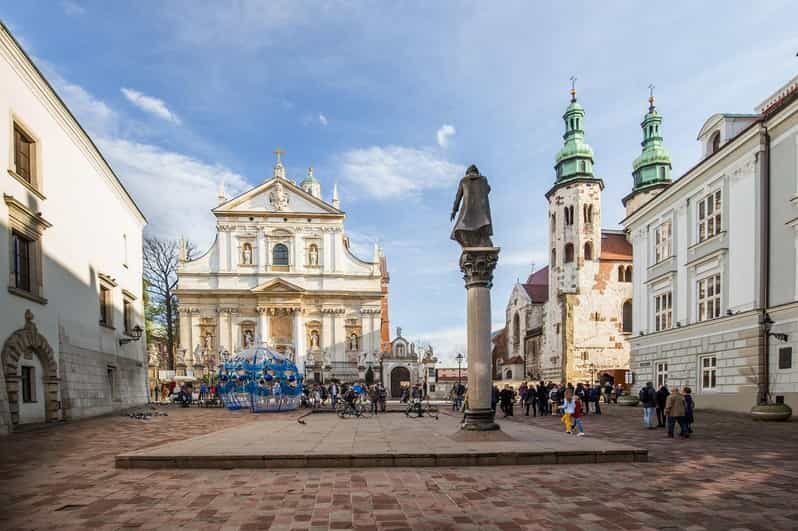
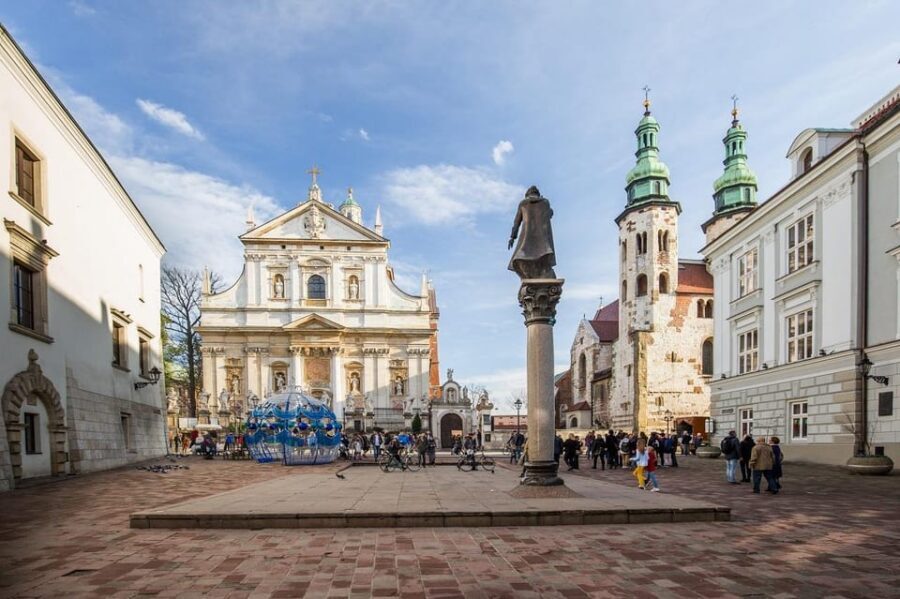
Show up at the meeting point early: St. Mary Magdalene Square at the Piotr Skarga Monument, with the guide holding an Excurison.city sign. You’ll save yourself stress, and you’ll help the whole group move smoothly.
Wear shoes you can trust for stone floors and stairs. You’ll be doing a tower climb and lots of moving between sites, and Wawel in particular has a “keep walking” layout.
Finally, if you like guides who bring stories to life, you’ll likely appreciate the feedback pattern from this tour’s guides. Past verified bookings specifically praised people such as Helen and Magdalena for being professional, prepared, and enthusiastic.
Should you book this Wawel and Old Town tour?
I’d book it if you want the best first-hit combination in Kraków: Wawel’s royal heart, Old Town’s central square energy, and St. Mary’s Basilica’s standout interior work. The biggest reason is the balance—palace and museum rooms, then cathedral significance, then a guided street walk that helps you understand what you’re seeing.
Skip it only if you strongly prefer to wander independently without a set route, or if accessibility needs make tower climbing and the walking route a deal-breaker.
If you’re short on time and you’d rather spend it learning than searching, this one’s an efficient, high-impact choice.
FAQ
What’s the duration of this tour?
The tour runs for about 210 minutes.
Which languages are available for the live guide?
The live tour guide is available in German, Italian, Spanish, Polish, English, and French.
What is included in the tour price?
It includes a guided tour with a certified local expert, fast-track access to one permanent exhibition at Wawel Castle (subject to availability), admission to Wawel Cathedral, and an entrance ticket to St. Mary’s Basilica.
Is this tour wheelchair accessible?
No. It is listed as not suitable for wheelchair users.
Are pets allowed?
No. Pets are not allowed.
Can access to Wawel Cathedral be affected?
Yes. If there are important religious, state, or jubilee events or visits by important guests, admission to the cathedral, royal tombs, or the bell tower may be suspended. The organizer can replace the cathedral entrance with another one within the castle complex.