REVIEW · KRAKOW
City Tour Cracow , Jewish Quarter
Book on GetYourGuide →Operated by Melexy Kraków · Bookable on GetYourGuide
A good route makes this district click fast. This Krakow Jewish Quarter tour is built around the sights of Kazimierz, with free hotel pickup, a licensed local driver, and a plan that moves you through the synagogues, streets, and viewpoints without wasting time. I especially like the combination of a live guide’s context and an audio guide for clarity, plus the small vehicle that can handle tight lanes. One drawback to plan for: most stops are quick photo-and-pass-by moments, so if you want long inside time, you’ll have to pick your priorities.
What you’re really seeing here is how Kazimierz shaped everyday Jewish religious life before World War II—and how the same streets now feel like a creative neighborhood. Expect a sensible pace for a 1-day hit, with a little breathing room at key places. If you catch a guide like Anna, you may also get excellent practical tips for what to do and where to eat next, not just dates and buildings.
In This Review
- Key Things That Make This Tour Worth It
- Why Kazimierz Still Matters: Jewish Life Then and Street Life Now
- Price and Value: What You Really Get for $66 per Group
- The Comfort Factor: Free Pickup and a Heated Melexy Ride
- Kazimierz Arrival: Getting Your Bearings Without Feeling Rushed
- Szeroka Street, Old Synagogue, and Popper: The Stops That Set the Tone
- Szeroka Street (Photo stop + guided passing)
- Old Synagogue (Photo stop + guided passing)
- Popper Synagogue (Photo stop + guided passing)
- Dom Heleny Rubinstein: A Meaningful Photo Stop in the Wider Story
- Remuh Synagogue: The One You Actually Visit (Plus a Little Free Time)
- Synagogue Signs You’ll Spot Later: Sklep żydowski and Izaak
- Sklep żydowski (Photo stop + guided passing)
- Izaak Synagogue (Photo stop + guided passing)
- Plac Nowy and the Evening-Feel Core of Kazimierz
- Corpus Christi Basilica, Ethnographic Museum, and the Bernatka Footbridge
- Corpus Christi Basilica (Break time + photo stop + short visit)
- Ethnographic Museum (Photo stop)
- Kładka Ojca Bernatka (Break time + photo stop + short walk)
- How to Plan Your Day: Timing, Shoes, and Photo Strategy
- Who This Krakow Jewish Quarter Tour Fits Best
- FAQ
- How long is the Krakow Jewish Quarter tour?
- What’s included in the price?
- Is this a private tour or a shared group?
- What languages are available?
- Which stops include a longer visit rather than only photo stops?
- Can I cancel for free?
- Should You Book This City Tour of Krakow’s Jewish Quarter?
Key Things That Make This Tour Worth It
- Private group of up to 7: quicker answers, calmer pacing, less waiting around.
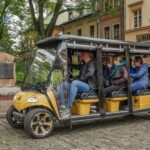
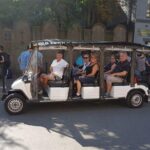
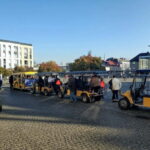
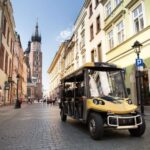
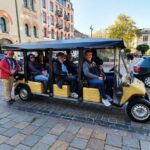
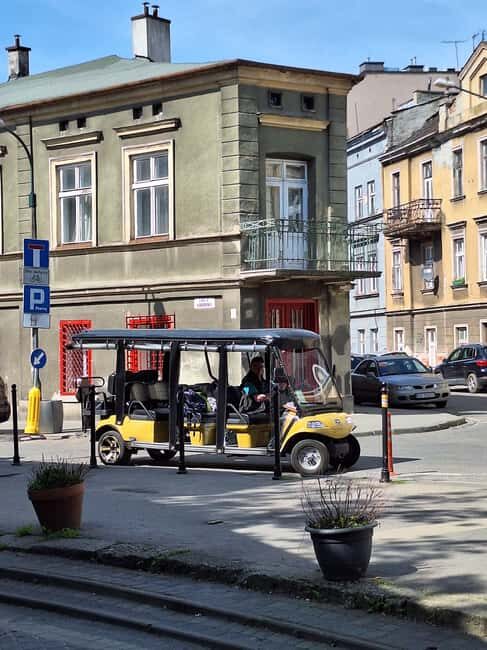
- Free pickup + heated Melexy vehicle: you stay comfortable and mobile, even on uneven, narrow streets.
- Live guide (Polish/English) plus audio guide: you can follow the story two ways.
- Synagogue-focused route in Kazimierz: Szeroka Street, Old Synagogue, Popper, Remuh, and Izaak.
- Short guided visits where it counts: Remuh Synagogue plus brief stops like Corpus Christi Basilica.
- Local driver with Krakow guide licenses: you’re riding with someone who knows the city and how to explain it.
Why Kazimierz Still Matters: Jewish Life Then and Street Life Now
Kazimierz wasn’t just a side district of Krakow. Before World War II, the city had more than 64,000 Jews, roughly a quarter of the population, and much of religious life was concentrated right here.
This tour gives you a map for understanding that concentration. You’ll hear how Jewish worship centered around large synagogues—six major Orthodox ones (Old, Remu, Wysoka, Isaac, Popper, and Kup) plus the Progressive synagogue called Tempel. It’s not just a list of names. In Kazimierz, those names help you track where community life gathered, prayed, and discussed the daily world in its own rhythms.
Then you see the modern layer. Kazimierz is known for art studios, galleries, and a stack of cafes and bars clustered around Szeroka, Izaaka, Miodowa, Józefa, Podbrzezie, and around Plac Nowy. The trick is that there are so many options that you can’t easily find the right ones alone in one day. This tour helps you get oriented first, so your free time and later self-guided wandering feel intentional instead of random.
You can also read our reviews of more city tours in Krakow
Price and Value: What You Really Get for $66 per Group
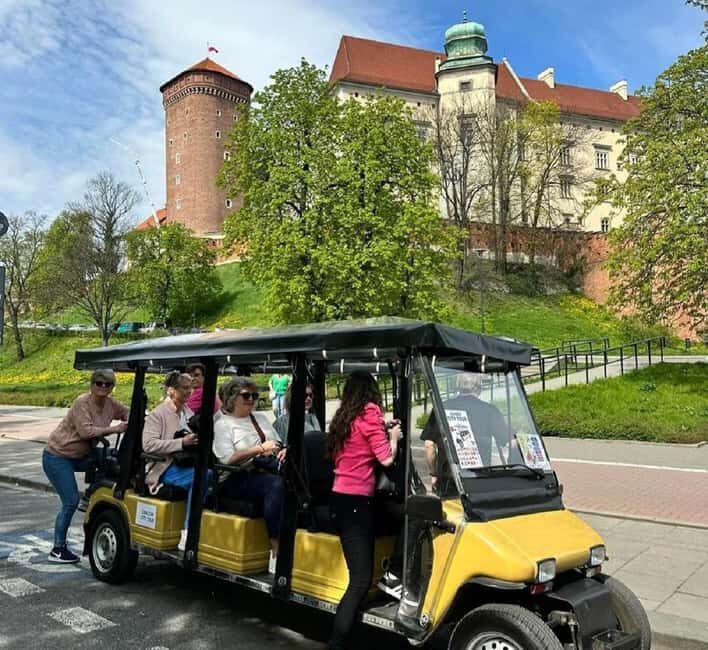
At $66 per group (up to 7 people), the math can be either a steal or merely fair, depending on who you travel with. If you fill the group, your per-person cost drops a lot. If you travel solo or as a couple, it’s still not outrageous for a full-day private pickup plus a chauffeured Melexy ride, but it won’t feel like a budget deal.
The value is in the format:
- You get a private vehicle just for your group.
- You get free hotel pickup, so you’re not spending your day on transit.
- You get audio guidance in your language, so you’re not relying only on quick spoken explanations.
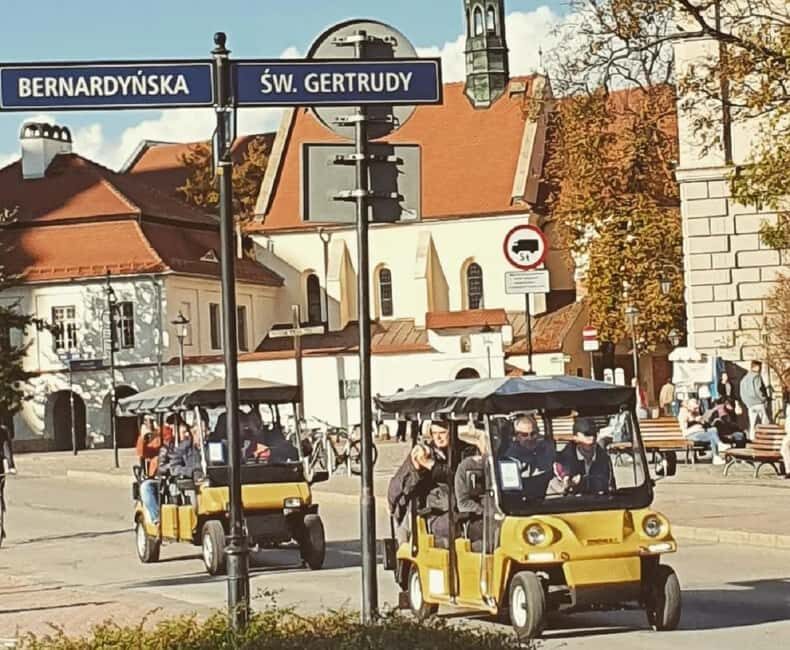
Also, this is time-efficient. The Melexy is designed to reach spots that bigger vehicles can’t, including tighter streets and corners. If you’ve ever tried to self-tour Kazimierz with Google Maps and a tram schedule, you’ll appreciate how much stress this eliminates.
The Comfort Factor: Free Pickup and a Heated Melexy Ride
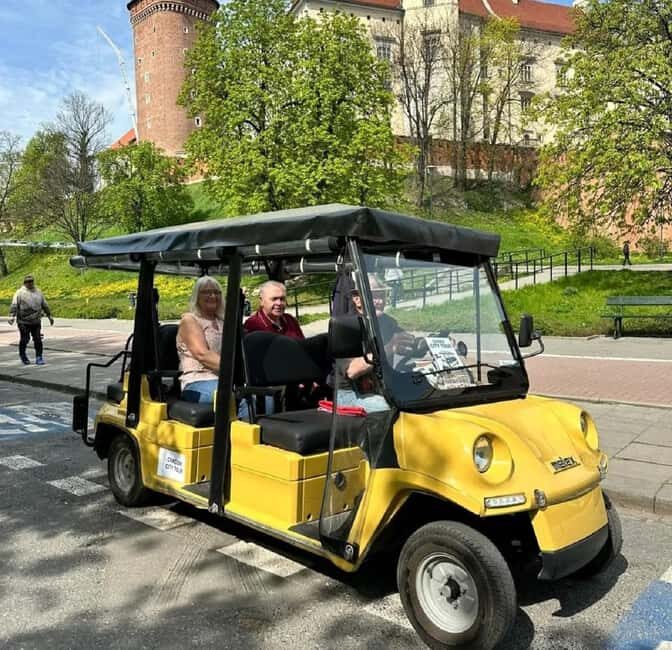
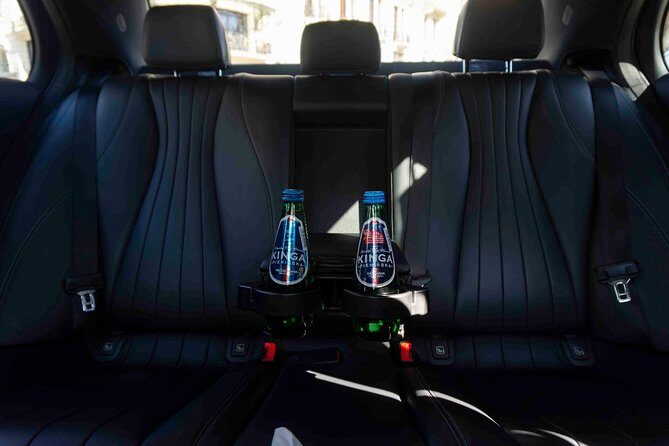
Krakow’s old streets can be a workout. Even on a short route, you’ll face cobbles, small turns, and tight traffic situations. This tour solves most of that by using a heated, ecological vehicle that keeps you seated while you listen.
You’ll get picked up from your hotel in Kraków, and the driver will call before pickup. That matters because older parts of the city can be confusing for taxi drops. With a vehicle that’s meant for the area, you also avoid the stop-and-start of squeezing into the wrong streets.
You’ll have two kinds of interpretation:
- A live guide in Polish or English.
- An included audio guide in a long list of languages, including English, French, Italian, Russian, Ukrainian, Arabic, Hebrew, Japanese, Korean, Chinese, and more.
For your comfort, the best part is you can switch between live and audio if something is hard to catch on the move. It’s a simple setup, but it makes the story stick.
Kazimierz Arrival: Getting Your Bearings Without Feeling Rushed
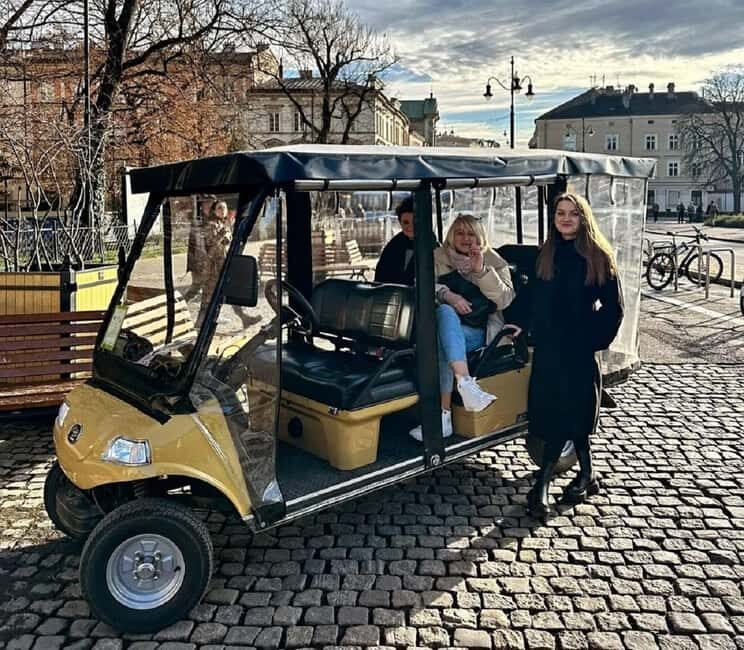
After pickup, you start by heading into Kazimierz with guided context right away. This first stretch is valuable because it frames what you’ll see next. If you arrive in Kazimierz cold, you might walk past synagogue names and streets and miss the thread that connects them.
Your route runs along key corridors that many people associate with Kazimierz’s daily life. Szeroka Street is one of those anchors. You’ll get time for a photo stop and commentary while passing through, plus scenic views along the way.
Think of this as your orientation phase. It’s not glamorous, but it pays off. Once you understand where Szeroka leads and how Plac Nowy fits into the neighborhood rhythm, the rest of the tour feels easier and your later strolls make more sense.
Szeroka Street, Old Synagogue, and Popper: The Stops That Set the Tone
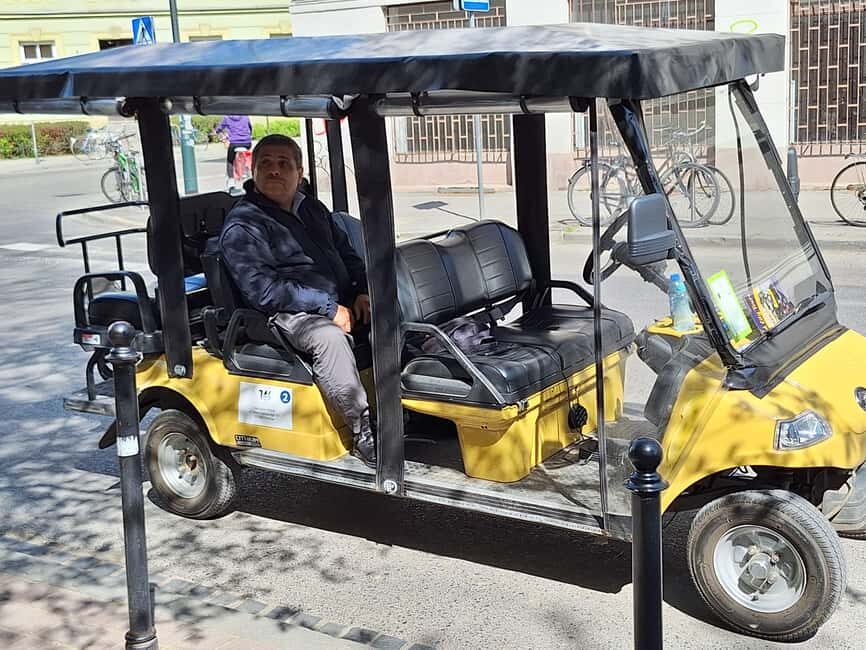
This part of the walk-and-ride section is about atmosphere and structure.
Szeroka Street (Photo stop + guided passing)
Szeroka Street is famous for a reason: it’s one of those streets where you can imagine daily life happening all around the buildings, not just around one landmark. You’ll get photo stops and guided pass-by explanations, which is perfect if you’re traveling with limited time.
Old Synagogue (Photo stop + guided passing)
The Old Synagogue stop is quick, but it gives you a reference point. You see it as part of a wider synagogue network rather than as a single isolated site.
Because the stop is not long, your best strategy is simple: use the guided remarks to learn what kind of synagogue it represents in the bigger Orthodox lineup, then capture photos while you still have light.
Popper Synagogue (Photo stop + guided passing)
Popper continues that pattern. You’re not here to linger inside every building—this is a route built for breadth and orientation in one day. Still, those short moments help you build mental connections between the sites.
If you’re the type who likes to return later and look closer, this route sets you up well.
Dom Heleny Rubinstein: A Meaningful Photo Stop in the Wider Story
You’ll pass by Dom Heleny Rubinstein for a photo stop with guidance. Even when the stop is short, it matters because it ties the synagogues and religious setting to the broader story of Jewish community presence in Krakow—not only the prewar worship spaces, but also the community institutions and later cultural memory.
In practical terms, this is the kind of stop that makes your future museum visits click. You learn names and place types, not just facades.
Remuh Synagogue: The One You Actually Visit (Plus a Little Free Time)
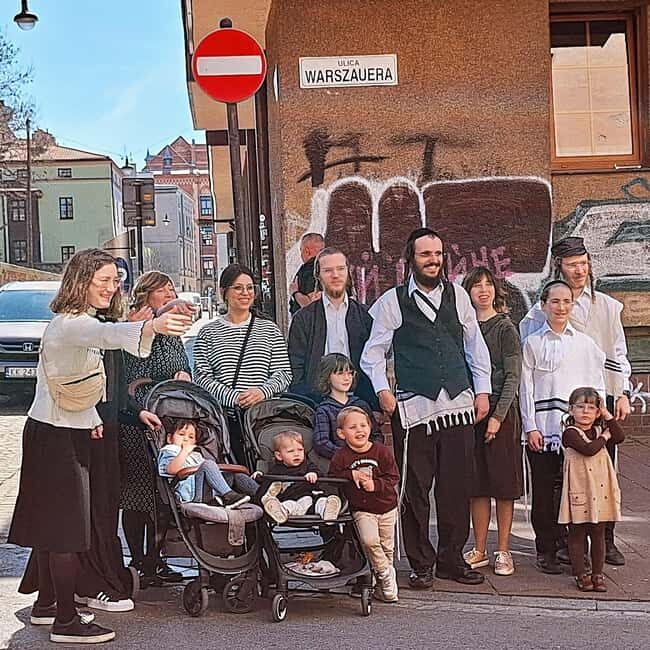
Remuh Synagogue is the highlight stop where you get visit time, not just passing views. You’ll also have free time for about 10 minutes, along with guided interpretation.
In a one-day format, this is a smart choice. You’re not asked to cram every interior into the same morning. Instead, you focus on one major synagogue space where the story can land.
How to get the most from your short visit:
- Go in ready to listen, not just look.
- Use your guided time first, then use the 10 minutes for calm observation.
- If you like taking photos, do it quickly and then switch to a slower pace. The change in rhythm helps the place feel real.
If you’ve visited other synagogue sites elsewhere, you’ll recognize patterns in layout and community symbolism. Even if you haven’t, Remuh is a good anchor stop for learning the emotional shape of Kazimierz.
Synagogue Signs You’ll Spot Later: Sklep żydowski and Izaak
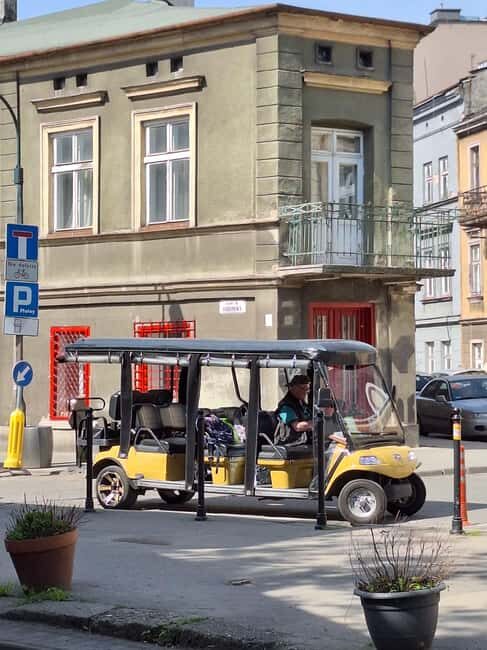
After Remuh, the tour keeps working the route.
Sklep żydowski (Photo stop + guided passing)
Sklep żydowski is one of those stops that helps you understand Kazimierz as a neighborhood, not only a heritage circuit. It gives you a taste of the commercial and everyday side of community life.
The photo-stop format means you won’t get a long explanation on site, so keep an ear open during the drive-by directions.
Izaak Synagogue (Photo stop + guided passing)
Izaak Synagogue continues the synagogue network theme. You’ll see it from the outside with guided context. Even brief stops here help you read the area like a map: which streets connect, which sites are close, and how the neighborhood geography supports the history.
This is where the tour quietly does something you’ll feel later. When you walk around on your own, you’ll start recognizing what you saw earlier instead of treating Kazimierz like a blur of interesting buildings.
Plac Nowy and the Evening-Feel Core of Kazimierz
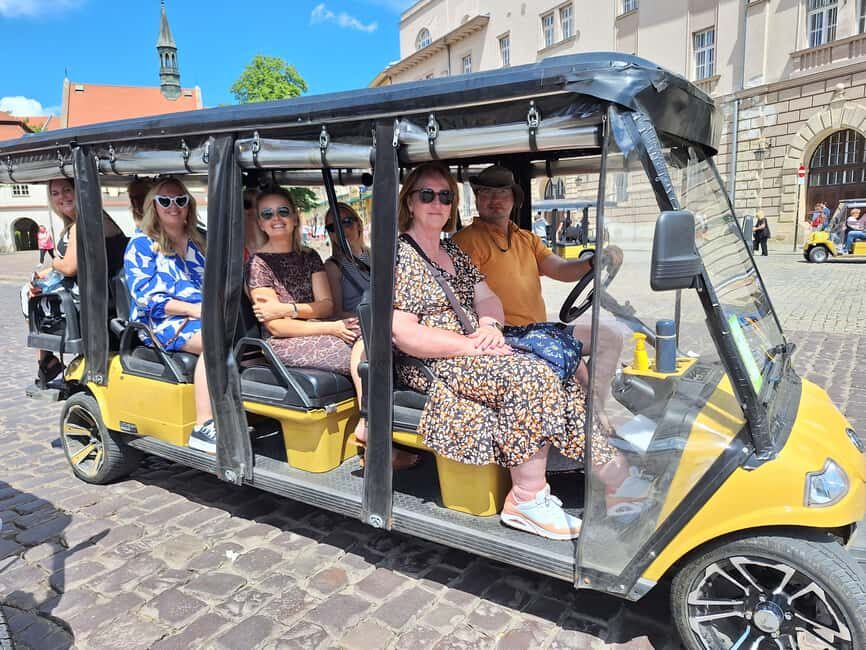
Plac Nowy is a key public square area, and you’ll get a photo stop with guided passing. Even if your visit is short, it’s one of the best places to sense the district’s modern energy.
Because the tour gives you a quick orientation rather than a full food tour, you can use what you learn here to guide your evening decisions. If you want to check out cafes, galleries, or just watch street life, Plac Nowy is a strong starting point.
If you’re traveling in a group, this also tends to be where people start asking practical questions: where to get coffee, where to find something warm, where to sit for photos. If your guide is Anna, you may get useful restaurant recommendations that go beyond standard tourist scripts.
Corpus Christi Basilica, Ethnographic Museum, and the Bernatka Footbridge
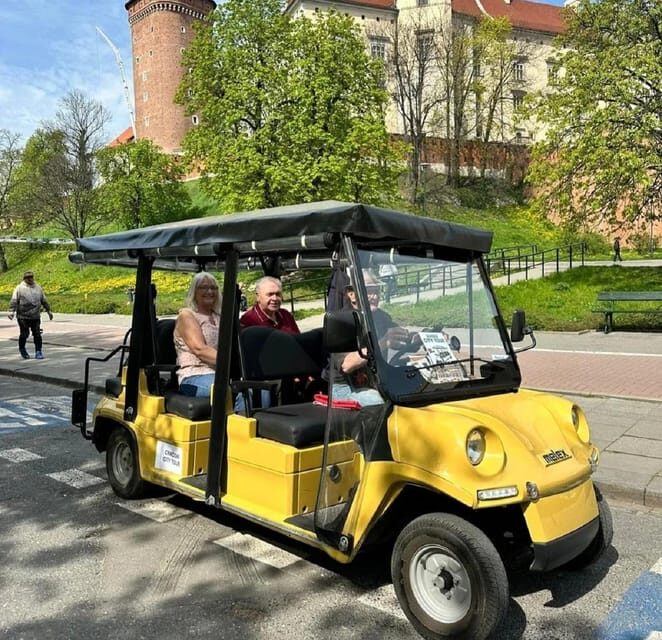
Now you shift from synagogue-focused stops into wider Krakow context around Kazimierz.
Corpus Christi Basilica (Break time + photo stop + short visit)
You’ll have a break and about 10 minutes for a guided visit. The point isn’t to turn this into a long church tour. It’s to show how Krakow’s story sits alongside Jewish Kazimierz history, in shared urban space.
Use the short guided time to learn what you’re seeing. Then use the break to reset. Short stops like this are useful because they keep you from burning out before the final scenic segment.
Ethnographic Museum (Photo stop)
The Ethnographic Museum stop is mainly a photo stop. Still, it’s a good reminder that Krakow’s cultural story is bigger than one district. If you’re the type who likes to compare narratives—Jewish, Polish, regional—you’ll likely appreciate having this waypoint on your mental list for later.
Kładka Ojca Bernatka (Break time + photo stop + short walk)
The Kładka Ojca Bernatka section gives you views and a chance to stretch your legs. You’ll have break time plus about 10 minutes of walking and guided passing/scenic views.
This part is why the tour feels complete. After synagogue names and street context, the footbridge gives you a “take a breath” moment and a visual perspective on how Kazimierz connects to the river landscape and Krakow’s wider layout.
How to Plan Your Day: Timing, Shoes, and Photo Strategy
This is a 1-day tour, and it’s built for efficient movement. That means you’ll get a lot of stops, but not long stays in every location.
Here’s how to make it work for you:
- Wear comfortable shoes. Even when you’re seated a lot, you’ll still walk between photo points and into the visited synagogue and basilica.
- If you care about photos, save your detailed shots for the stops that include visiting time. The outside photo stops are great for context shots, but interiors need more time than this itinerary gives.
- Bring a small layer. The vehicle is heated, but outdoor photo stops and breaks can still feel cool depending on the season.
One small note on food and drink: Polish vodka isn’t included, but you can ask your driver to stop in front of a bar for a quick shot and move on. If you do, keep it light and prioritize hydration afterward.
Who This Krakow Jewish Quarter Tour Fits Best
This tour suits you best if you want:
- A fast, structured overview of Kazimierz’s synagogue landmarks.
- A comfortable format that avoids too much walking early in the day.
- Clear guidance in Polish or English, plus audio options in many other languages.
You’ll probably enjoy it if you’re a first-timer in Krakow who wants to understand the neighborhood quickly before choosing where to linger later. It also works well for couples and small groups who want private pacing.
If you’re the type who hates quick stops and wants long, slow museum time, you might find the photo-stop-heavy parts too short. In that case, you’d be better pairing this with a separate longer visit to the one site that matters most to you after the tour.
FAQ
How long is the Krakow Jewish Quarter tour?
It lasts 1 day.
What’s included in the price?
The tour price includes free hotel pickup, a private vehicle for your group, a heated ecological vehicle, and an audio guide in your language, plus guided commentary.
Is this a private tour or a shared group?
It’s a private group.
What languages are available?
The live guide is available in Polish and English, and the audio guide is available in many languages, including English, Arabic, Hebrew, Russian, Ukrainian, French, Italian, Japanese, Korean, Chinese, and others.
Which stops include a longer visit rather than only photo stops?
Remuh Synagogue includes a visit and free time (about 10 minutes), and Corpus Christi Basilica includes a short guided visit (about 10 minutes). Other synagogue locations on the route are mainly photo stops and pass-bys.
Can I cancel for free?
Yes. You can cancel up to 24 hours in advance for a full refund.
Should You Book This City Tour of Krakow’s Jewish Quarter?
I’d book it if you want a clear, efficient introduction to Kazimierz with comfort and good interpretation. The mix of free pickup, a small heated Melexy ride, and the combination of live guide plus audio is exactly the kind of setup that helps you enjoy a one-day plan instead of rushing.
Skip it only if your top priority is long interior time at multiple synagogues. This tour gives you one real visit moment at Remuh and quick guided context elsewhere. For most people, that’s the sweet spot: you get oriented fast, then you can return later if one site pulls you in.
If you can, aim for a small group size. With up to 7 people, the per-person value improves fast—and you’ll get the relaxed, private pace that makes Kazimierz feel human instead of like a checklist.