REVIEW · KRAKOW
Krakow: Wawel Castle and Cathedral Guided Tour
Book on GetYourGuide →Operated by INTERCRAC Ltd. · Bookable on GetYourGuide
Royal Kraków starts at Wawel. This 2-hour guided walk gives you skip-the-line entry into Wawel Castle and Cathedral, so you spend more time looking and less time queuing. I like how the guide connects what you see—rooms, art, chapels—to the people who shaped Poland’s state and faith.
My other favorite part is the chance to touch the Sigismund Bell and climb for Kraków panoramas. It’s a small, oddly satisfying moment in the middle of big, solemn history. One drawback: the pace is brisk, and if you want lots of solo time in the castle rooms or endless photo stops, limited time may feel short.
In This Review
- Key highlights to know before you go
- Wawel Castle and Cathedral: the royal “why” behind the wow
- Entering fast: meeting point, timing, and what skip-the-line really means
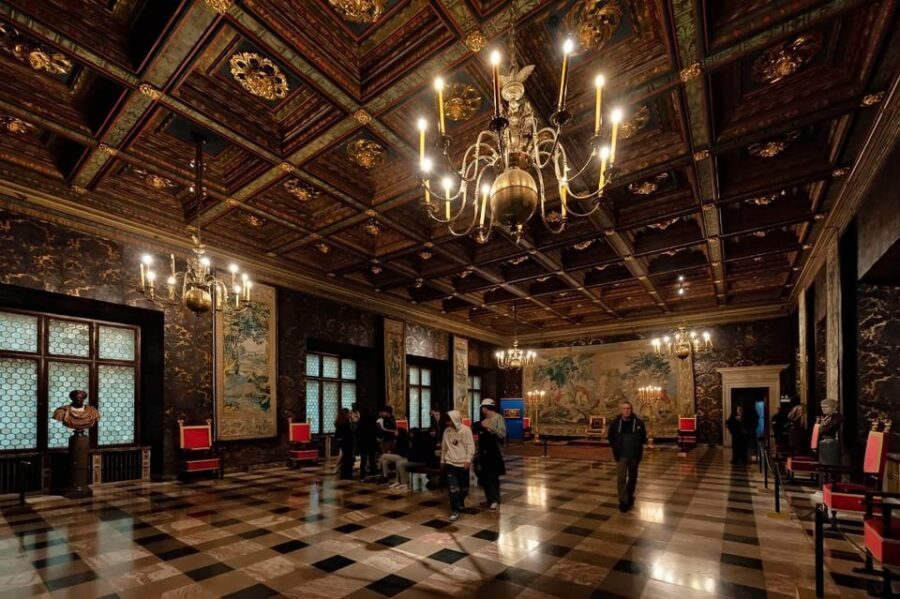
- Wawel Castle State Rooms: Renaissance rooms with a political pulse
- Art collections and the “wait, what is that?” factor
- Wawel Cathedral: the Gothic centerpiece where royal life happened
- Tower climb and the Sigismund Bell: views and good-luck ritual
- Royal crypts: when the tour slows down emotionally
- The guides: what to expect from the human part
- Timing, headsets, and group size: the practical side that affects your comfort
- Dress code and comfort: small prep that prevents big annoyance
- Price and value: is $57 a fair deal for what you get?
- Who should book this Wawel tour—and who might want something else
- Should you book this Wawel Castle and Cathedral guided tour?
- FAQ
- How long is the Wawel Castle and Cathedral guided tour?
- Where do I meet the guide?
- Is there a skip-the-line option?
- What languages are available?
- Do I need to bring anything?
- What is the dress code?
- How big is the group?
- Will I be able to hear the guide?
- Is the tour only in one language for the group?
- What if I arrive late?
Key highlights to know before you go
- Skip-the-line access to help you get into the action fast
- Royal Castle State Rooms with Renaissance interiors and major art holdings
- Lanckoroński collection of Italian paintings, plus standout specialized galleries
- Wawel Cathedral with coronation, wedding, and burial stories baked into the walls
- Tower views + Sigismund Bell for good luck and a real skyline moment
- Royal crypts where the tour ends with a quieter kind of impact
Wawel Castle and Cathedral: the royal “why” behind the wow
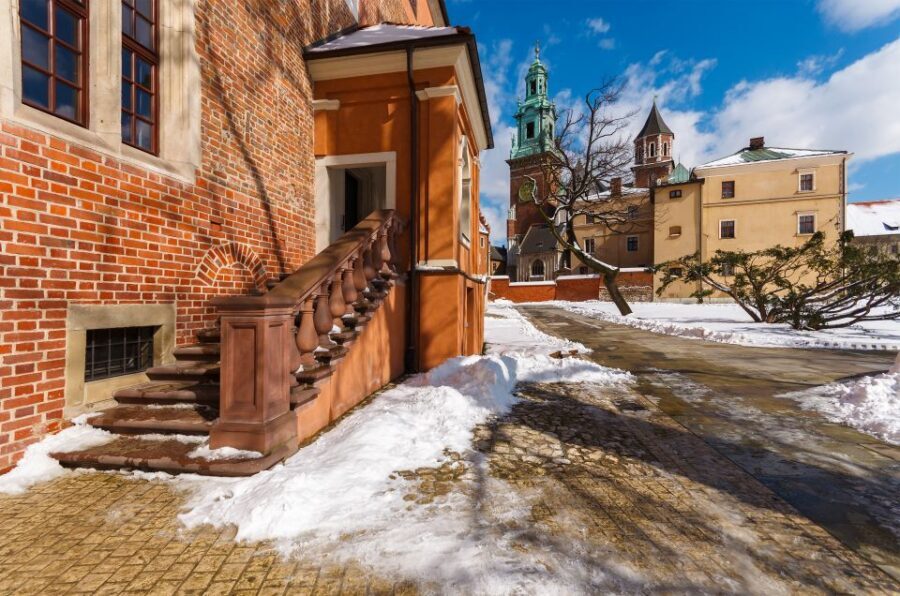
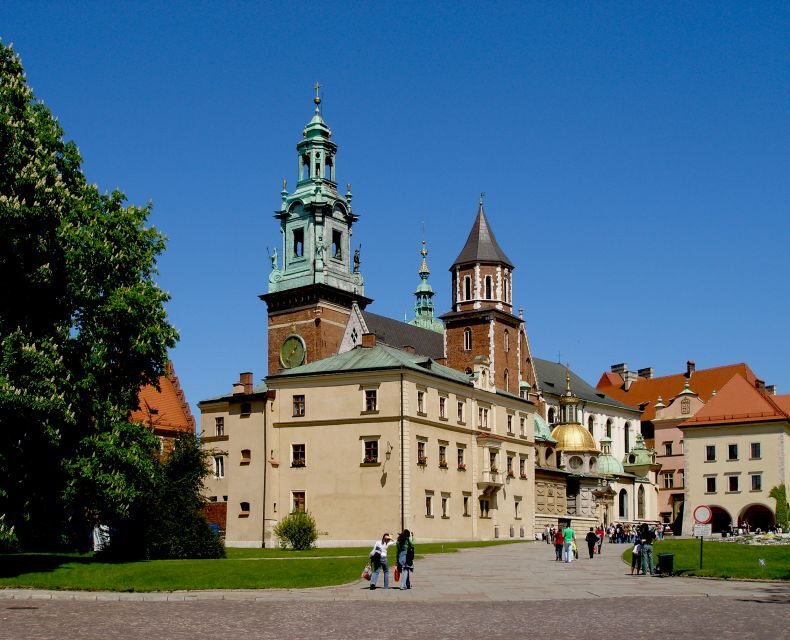
Wawel is where Kraków’s story turns official. On this tour, you’re not just looking at old buildings—you’re walking through the stage where monarchs rose, ceremonies happened, and later generations honored the rulers who came before.
I like that the tour treats the site as one connected experience: the Castle for power and culture, the Cathedral for spiritual authority and royal life. That matters, because if you visit on your own, it’s easy to see impressive rooms without understanding what the place was doing in real time.
You can also read our reviews of more guided tours in Krakow


Entering fast: meeting point, timing, and what skip-the-line really means
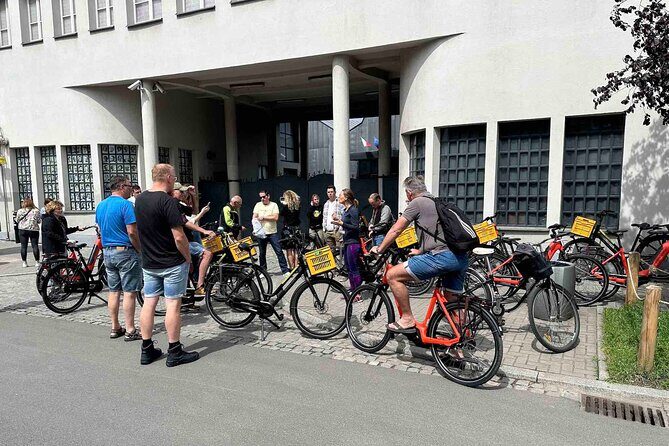
You’ll meet your guide at St. Mary Magdalene Square, at the Piotr Skarga Monument. They’ll be holding a sign that says Wawel Castle & Cathedral Guided Tour, and you’ll want to arrive at least 10 minutes early because joining late can’t happen once the group has entered.
This “fast-track” isn’t magic—you’ll still respect security and museum flow—but it does cut down the biggest time sink: ticket lines. In a place as busy as Wawel, that’s real value. It also keeps your tour on schedule, so you don’t rush the Cathedral tower moment at the end.
Wawel Castle State Rooms: Renaissance rooms with a political pulse
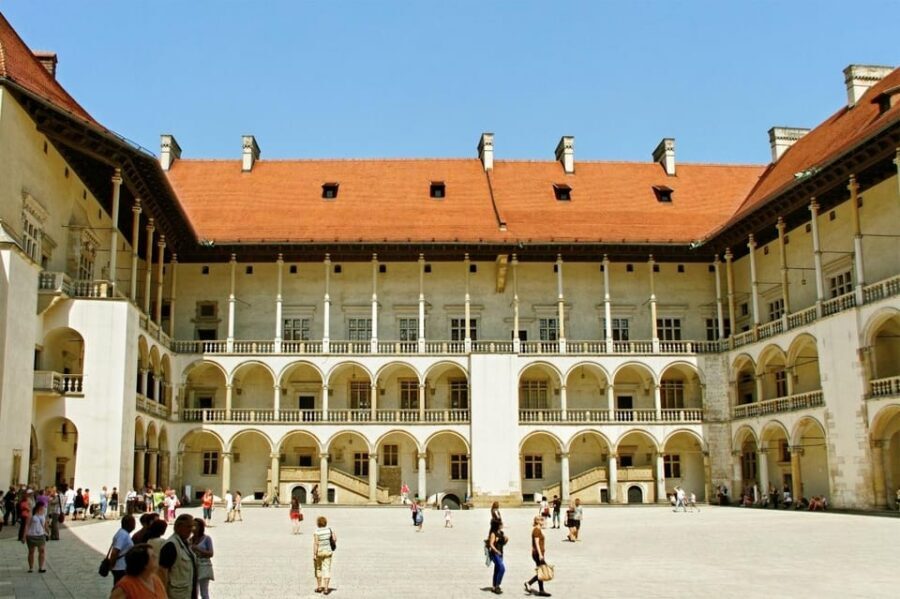
The Castle portion focuses on the State Rooms of the Royal Castle, now part of the museum. This is where you see how art and design were used like messaging: palace style that signals legitimacy, wealth, and taste.
You’ll move through elegant interiors and historic spaces described through a clear narrative—think royal power, not just decoration. The guide also points out details you’d likely miss alone, like how Renaissance interiors differ in feel from what you might expect in a typical “castle tour” elsewhere in Europe.
A heads-up that comes with the Castle: you’re not going to live in these rooms for hours. Some people prefer the castle side to feel more like a broad “walk-through of everything,” but the tour’s strength is its story focus—so you leave with meaning, even if you don’t see every single gallery.
Art collections and the “wait, what is that?” factor
The Castle museum galleries are where the tour becomes more than just royal rooms. You’ll see holdings that span different tastes and eras, including porcelain, weaponry, and Eastern art.
One detail that really stands out is the mention of the largest collection of Ottoman tents in Europe. That kind of object can sound random until you understand why Wawel collected it: Poland sat at a crossroads, and the museum reflects those cultural overlaps.
You’ll also get time for the Lanckoroński collection of Italian paintings. This is a great stop if you like art history but don’t want to turn the visit into a full museum day. The guide’s framing helps you see what you’re looking at instead of letting it pass by as “nice paintings.”
Finally, there’s fast-track access to one permanent exhibition, and the exact exhibition can vary. That’s smart for efficiency, but it’s also a small trade-off: you can’t assume your favorite gallery will be the one you get extra access to.
Wawel Cathedral: the Gothic centerpiece where royal life happened
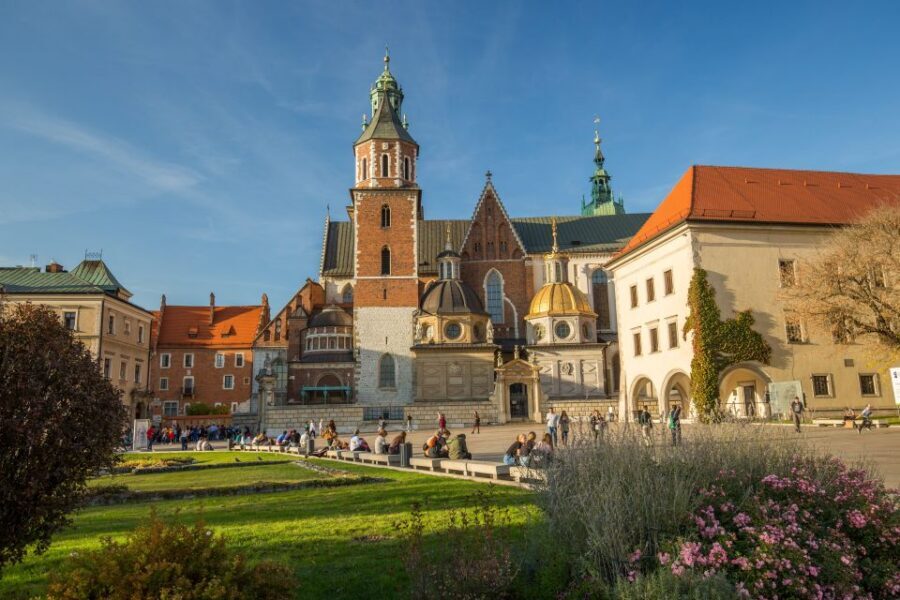
Then you shift from palace grandeur to church power. The Gothic Wawel Cathedral is where monarchs were crowned, married, and buried—so every architectural choice connects back to ceremonies and authority.
Expect ornate chapels and striking detail, including the cathedral’s famous golden-domed look. The tour keeps the focus on why the Cathedral matters, not just what it looks like. That’s where the guide’s storytelling style earns its keep: you start to recognize the site as a timeline of Polish kings, not a single stop.
A practical reality here: the Cathedral can feel crowded during entry and movement. The tour keeps you moving with a group rhythm, but you’ll still want to be patient with the space—especially around popular viewpoints and more narrow areas.



Tower climb and the Sigismund Bell: views and good-luck ritual
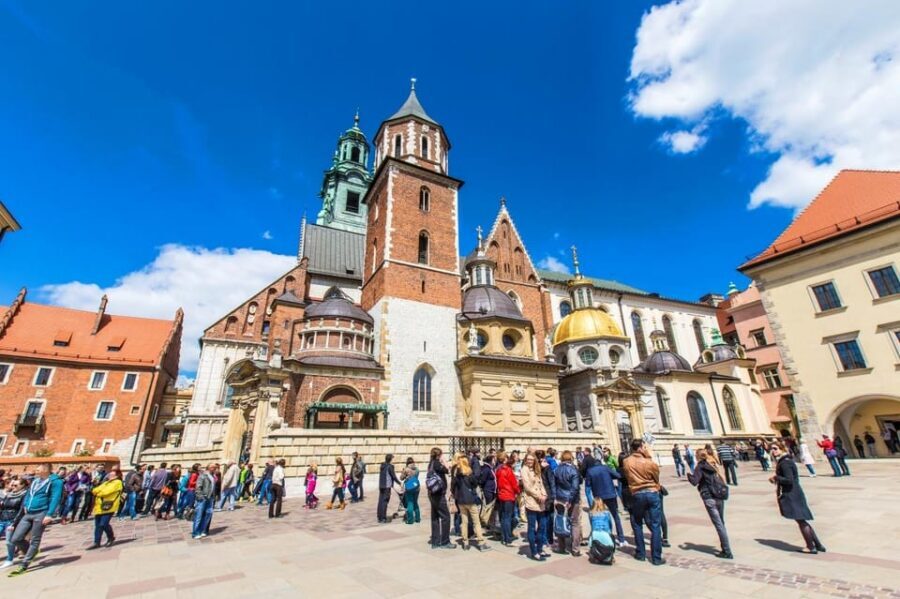
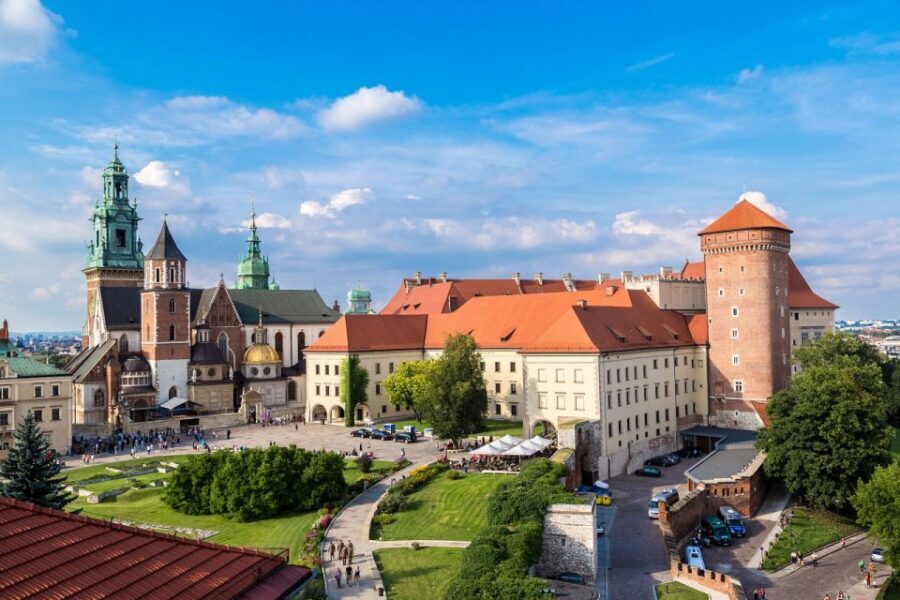
The Cathedral tower is one of the best reasons to book a guided version. It turns a historic building into a usable orientation point: you look out over Kraków and get a sense of how Wawel sits above the city.
And yes, the tour includes the highlight everyone talks about: the chance to touch the Sigismund Bell for good luck, tied to the same panoramic moment. It’s simple and slightly ritual-like, which is exactly why it works. In a visit full of art and dates, this part gives you a body-in-place feeling.
If you’re the type who likes photos, this is your best structured opportunity. Just remember the clock: you’ll want to decide fast what you want to capture, then follow the group.
Royal crypts: when the tour slows down emotionally
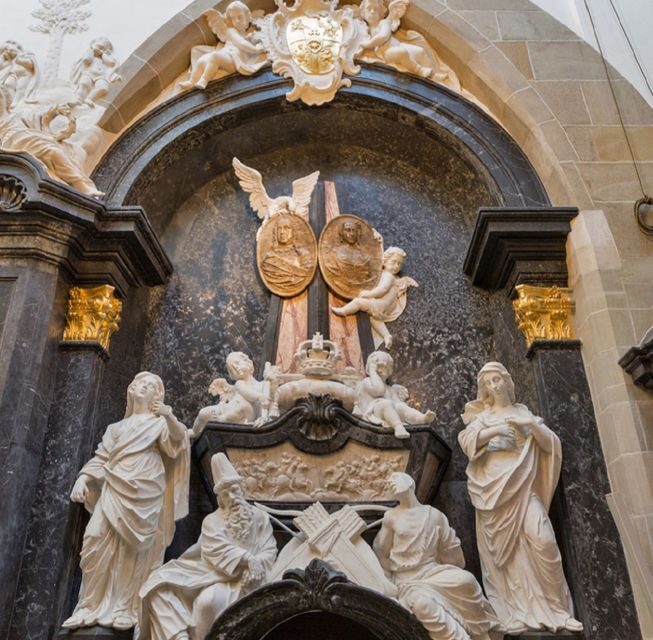
After the viewpoints, you descend into the royal crypts. This is the kind of area where the atmosphere changes, and the stories stop feeling like museum facts and start feeling like consequences.
You’ll see the burial resting place of Poland’s greatest rulers and visionaries. The tour doesn’t just list names—it connects them to the broader idea of Polish identity and leadership. If you prefer your history in human terms, this is a strong payoff.
This also explains why some guides stand out. People praised the way the tour guides delivered the emotional and historical weight without sounding like a textbook. You can tell when a guide truly cares about how the story lands.
The guides: what to expect from the human part
This tour runs with a live guide chosen by language. On the guides listed in the experience feedback, names like Anna, Helena, Joanna, Jacek, Monica, Kryztoph, and Michael show up with consistent praise for clear pacing and strong explanations.
You’ll also notice a pattern: the best tours are the ones that help you connect details. Several guides are described as friendly, story-driven, and able to explain Polish history in a way that stays easy to follow. Even when the group is small, the guide still keeps the tour structured so you don’t get lost in the sheer amount of information.
If you care about asking questions, this is a good format. The pacing is designed so you’re not just marched through—you get time to absorb and react.
Timing, headsets, and group size: the practical side that affects your comfort
The tour lasts 2 hours. It’s not a half-day commitment, but it also isn’t a quick stop. You’ll feel it as a concentrated walk through the highlights.
Group size is capped at 30 participants, and some groups are smaller in practice. For groups of 9 or more, you’ll get headsets, which can be a big deal in echo-heavy spaces like churches and indoor galleries.
Language is handled in a single language for the group, chosen at booking. That’s helpful if you’re traveling with someone who wants a specific language, or if you want the guide’s explanations to stay tight instead of getting mixed.
Dress code and comfort: small prep that prevents big annoyance
In places of worship and selected museums, there’s a dress code: you must cover shoulders and knees. That means no shorts or sleeveless tops. Bring a light layer if you’re in Kraków during warm weather and you tend to dress for comfort first.
Wear comfortable shoes. Even though this is only 2 hours, you’ll be walking between Castle and Cathedral areas and moving through indoor crowds. Your feet will do most of the work; your head will do the rest—Wawel asks you to look up a lot.
Price and value: is $57 a fair deal for what you get?
At $57 per person for a 2-hour guided skip-the-line tour, the value comes from three things working together: time saved, expert framing, and the scope of what you cover.
You get:
- Guided storytelling across both major sites (Castle + Cathedral)
- Priority entry / skip-the-line behavior
- Entrance to the Cathedral
- Headsets for larger groups
- Access to a permanent Castle exhibition (availability varies)
What you don’t get is a long, slow museum day. So the value depends on your style. If you want quick highlights with strong context, this price makes sense. If you want to linger in every room at your own pace, you may feel the schedule pressures.
Personally, I think the sweet spot is history-and-art travelers who don’t want to spend Wawel time “figuring it out.” A good guide turns a crowded site into something you understand.
Who should book this Wawel tour—and who might want something else
Book this if you:
- Want both Wawel Castle and the Cathedral in a single, guided hit
- Like art and architecture but also want the monarchy context
- Prefer structured pacing over wandering
- Appreciate when a guide explains what you’re seeing instead of assuming you’ll know it
You might consider another approach if you:
- Want an unhurried visit where you can stop for long stretches without group timing
- Care a lot about a very specific Castle exhibition and feel uneasy about the exhibition access being based on availability
- Are looking for a deep, solo, museum-style day rather than a “best of Wawel” narrative walk
Should you book this Wawel Castle and Cathedral guided tour?
If your goal is to make Wawel feel meaningful, I’d book it. The mix of royal rooms, major art holdings, and a Cathedral tied to crowns, weddings, and burial is exactly the kind of pairing that’s hard to get right on your own—especially in limited time.
Also, the review pattern is clear: people keep coming back to guides who explain with clarity and good pace, plus that tower + Sigismund Bell moment that gives you a memory you can pin to the skyline. If you show up on time, wear the right clothing, and keep expectations realistic about the 2-hour pace, this is a strong use of Kraków time.
FAQ
How long is the Wawel Castle and Cathedral guided tour?
The tour runs for 2 hours.
Where do I meet the guide?
Meet at St. Mary Magdalene Square, at the Piotr Skarga Monument. The guide will hold a Wawel Castle & Cathedral Guided Tour sign.
Is there a skip-the-line option?
Yes. The tour includes skip-the-ticket line / priority entry so you can get in faster.
What languages are available?
The live guide is available in English, German, French, Polish, Italian, and Spanish.
Do I need to bring anything?
Wear comfortable shoes.
What is the dress code?
In places of worship and selected museums, you must cover shoulders and knees. Shorts or sleeveless tops are not permitted.
How big is the group?
Group size is limited to a maximum of 30 participants.
Will I be able to hear the guide?
Headsets are provided for all groups of 9 or more guests.
Is the tour only in one language for the group?
Yes. All group tours are conducted in a single language chosen at the time of booking.
What if I arrive late?
You should be at the meeting point at least 10 minutes before the scheduled start time. After the group has entered, you won’t be able to join late, and tickets are non-refundable.