REVIEW · KRAKOW
Kraków: Schindler’s Factory & Jewish Ghetto Guided Tour
Book on GetYourGuide →Operated by Hello Cracow · Bookable on GetYourGuide
Schindler’s story hits hard in Kraków. This guided tour connects Schindler’s Enamel Factory with a walk through the wartime Jewish Ghetto, so the past feels close, not abstract. You’ll move from one powerful room to the next, with an expert guide keeping the timeline clear as you go.
I love the skip-the-line entry into Schindler’s Factory. And I also love the ghetto walking stops that turn memory into something you can see, especially Ghetto Heroes Square with the Chair Memorial and the Under the Eagle Pharmacy story of Tadeusz Pankiewicz.
One thing to consider: the museum spaces are narrow and dim, and the group can feel tight—so if you’re not close to the guide, you might miss some of the fine details being pointed out.
In This Review
- Key things to notice before you go
- Schindler’s Enamel Factory: what you gain with skip-the-line entry
- The exhibition on Kraków under Nazi Occupation 1939–1945: built for emotion and clarity
- From ghetto walls to Ghetto Heroes Square: how the walk reads like evidence
- Under the Eagle Pharmacy and Tadeusz Pankiewicz: courage with practical details
- Tour pace, group size, and comfort tips for a better experience
- Price and value: is $58 for 3 hours worth it?
- Who this tour suits best, and who might prefer a different plan
- Should you book this tour or not?
- FAQ
- How long is the Kraków Schindler’s Factory & Jewish Ghetto guided tour?
- Where is the meeting point?
- Is hotel pickup included?
- Does the tour include admission to Schindler’s Factory?
- What languages are available for the live guide?
- What’s included for food and drinks?
- What happens if I arrive late?
- Does the tour run in bad weather?
- Quick final call
Key things to notice before you go
- Skip-the-line access to a top Kraków museum saves time so you can focus on the exhibition.
- A licensed expert guide helps you connect Oskar Schindler’s story to wider life in Nazi-occupied Kraków.
- Narrow, dark galleries are designed to make the pressure of 1939–1945 feel real.
- Ghetto Heroes Square and the Chair Memorial give the history a striking, visual focus.
- Under the Eagle Pharmacy highlights rescue and day-to-day courage, not only tragedy.
- A mix of Jewish and non-Jewish experiences is woven into the museum narrative, not treated as separate chapters.
Schindler’s Enamel Factory: what you gain with skip-the-line entry
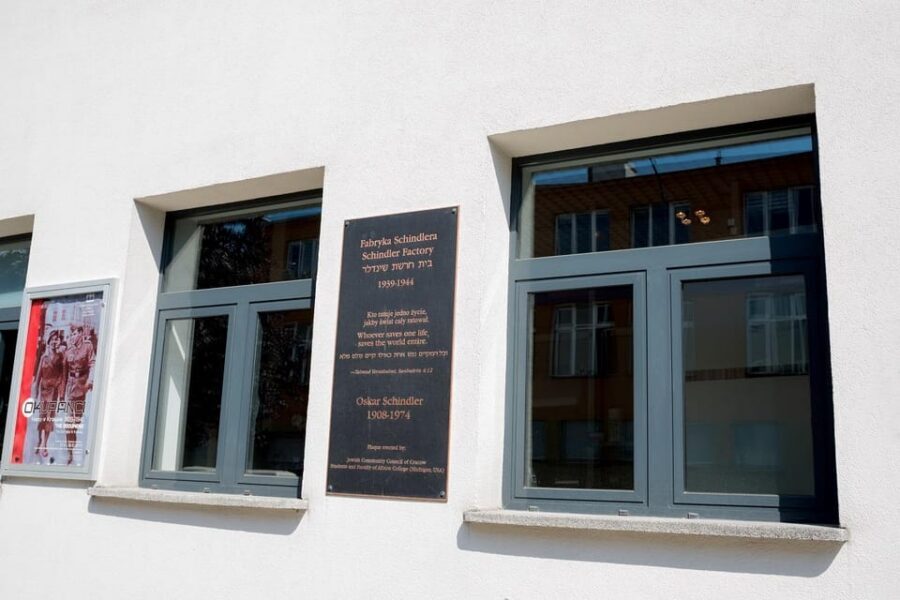
Schindler’s Enamel Factory is one of Kraków’s most visited museums for a reason: it doesn’t just tell a biography. It sets up the bigger machine of Nazi occupation, then shows where individual choices mattered inside it. When you arrive with skip-the-line admission, you lose less time waiting and more time absorbing what the exhibition is doing.
You also enter with a licensed guide, which changes the whole feel of the museum. Without that human thread, the displays can blur together. With it, you get the cause-and-effect story you actually want: how occupation reshaped the city, how ghettos were enforced, and how survival sometimes depended on people doing the right thing at great personal risk.
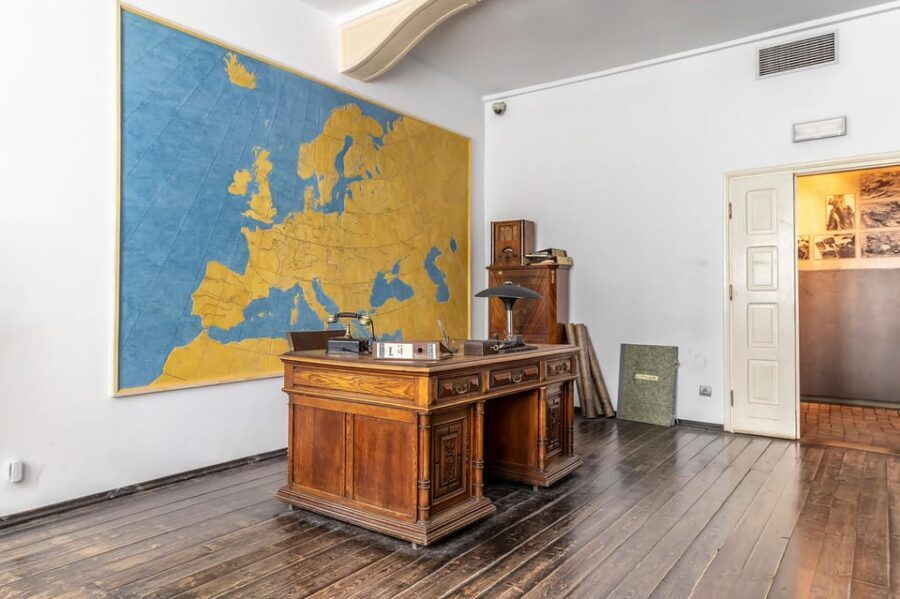
The museum building matters too. It was once Schindler’s factory, but today it’s a museum without the original machinery. That detail is useful to know. You’re not touring industrial equipment; you’re touring a place that has been repurposed to teach you what happened there and around it.
You can also read our reviews of more guided tours in Krakow
The exhibition on Kraków under Nazi Occupation 1939–1945: built for emotion and clarity
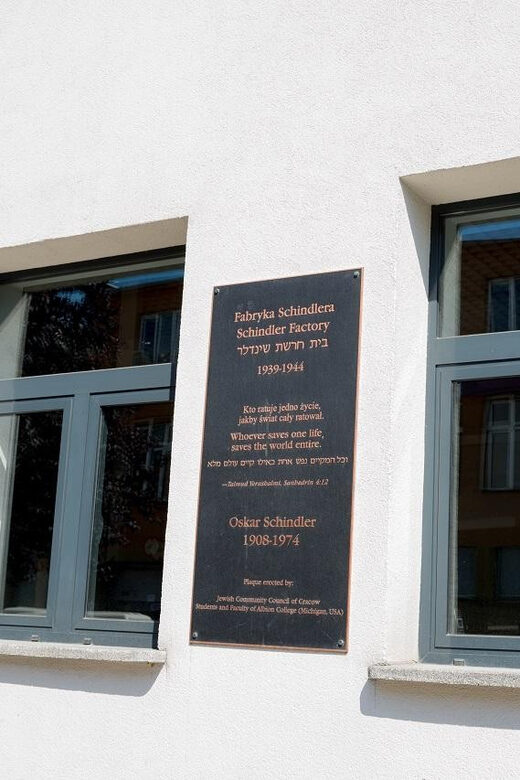
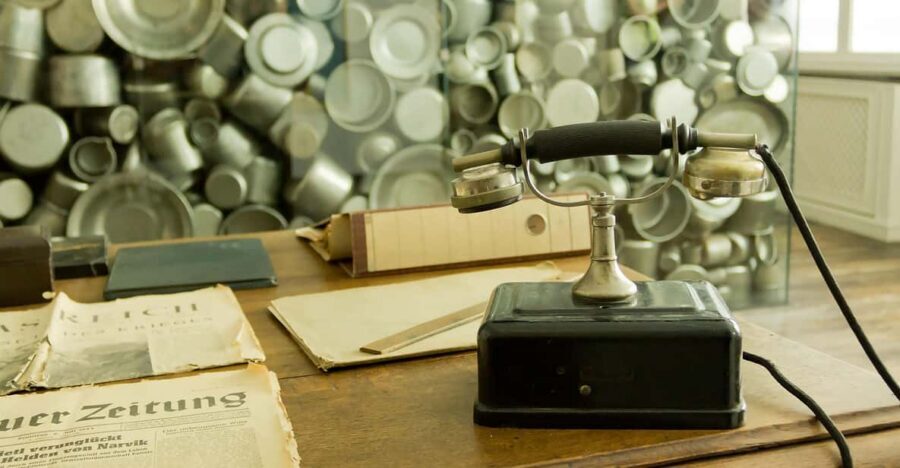
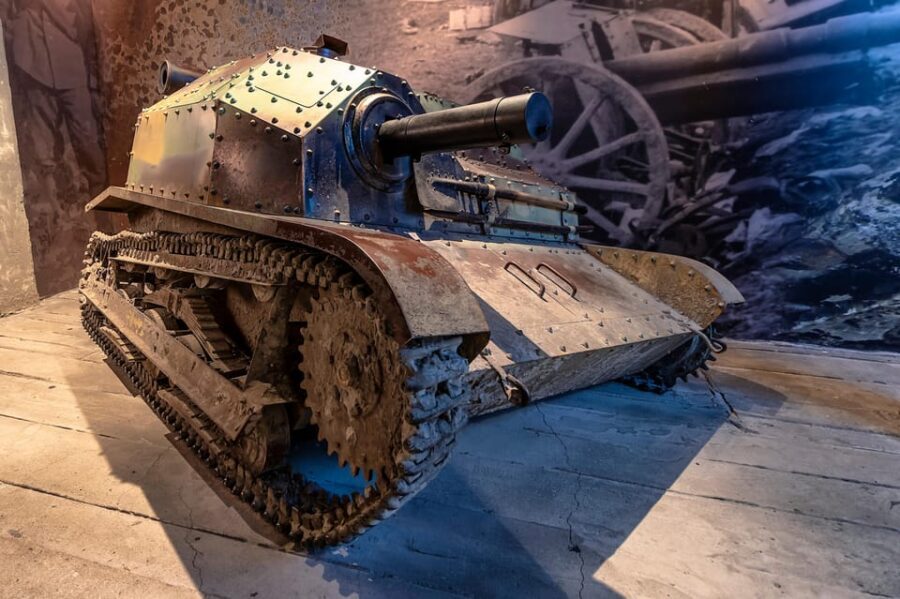
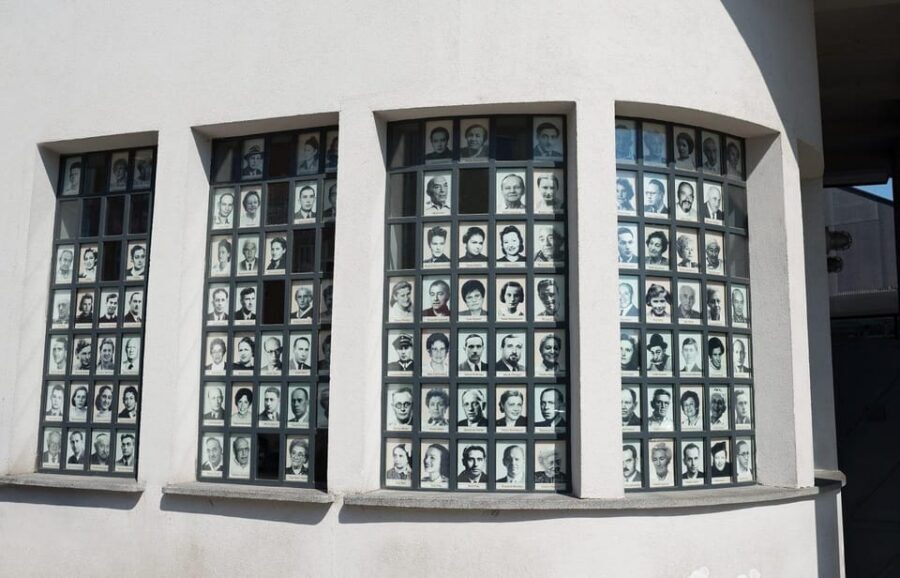
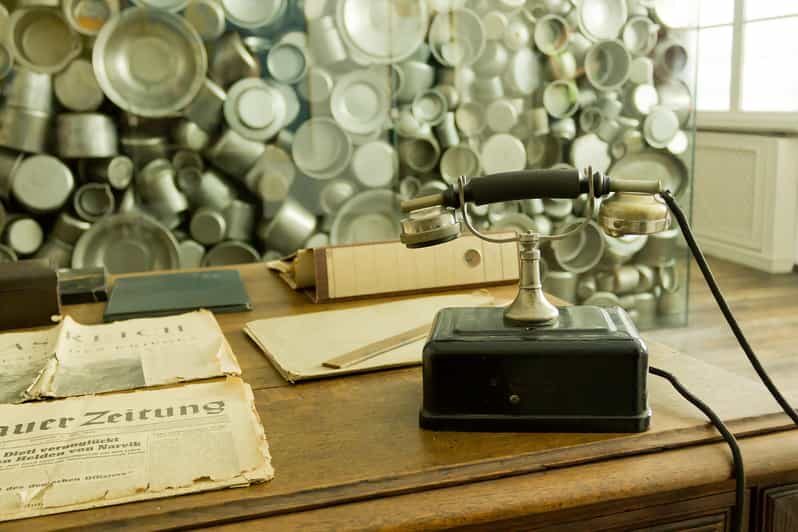
The exhibition is titled Kraków under Nazi Occupation 1939–1945, and it’s structured to move you through the war years as they impacted real daily life. You’ll see original artifacts and photographs, plus immersive reconstructions that help you picture what the rules and pressures meant on the street.
The room design is intentional. Expect narrow corridors and dim lighting that recreates the fear and uncertainty of the period. That can feel heavy, but it’s also why the museum lands so strongly. You’re not only reading panels; you’re experiencing an atmosphere that mirrors the constraints people faced.
In a guided setting, the exhibits connect back to two threads:
- the broader story of persecution and deportations
- the way Schindler’s factory became a refuge for over a thousand Jewish workers
The guide’s job is to keep that balance. In my experience with history-focused tours, the best ones don’t treat Schindler as a standalone hero poster. They place him inside a bigger system—then show why specific choices carried real consequences. Here, you’ll hear how the museum frames his factory alongside the wider destruction of Kraków’s Jewish community.
A small note from the way people describe the experience: even when the emphasis is on the occupation period, some visitors feel Schindler and the factory could get even more spotlight. If you’re arriving mainly for a deep dive into Schindler himself, you might want to mentally prepare for a wider lens that includes many other aspects of daily wartime life.
From ghetto walls to Ghetto Heroes Square: how the walk reads like evidence
After the museum, the tone changes from indoor storytelling to street-level memory. The ghetto walking portion starts with the remains of the Ghetto Walls. Seeing what’s left (and realizing how the city used to be divided by force) gives the history a physical edge.
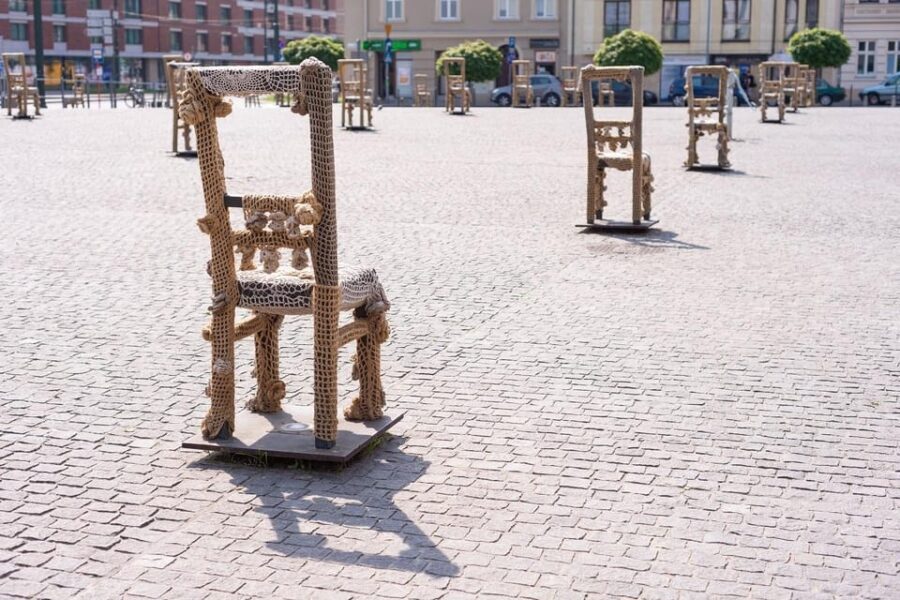
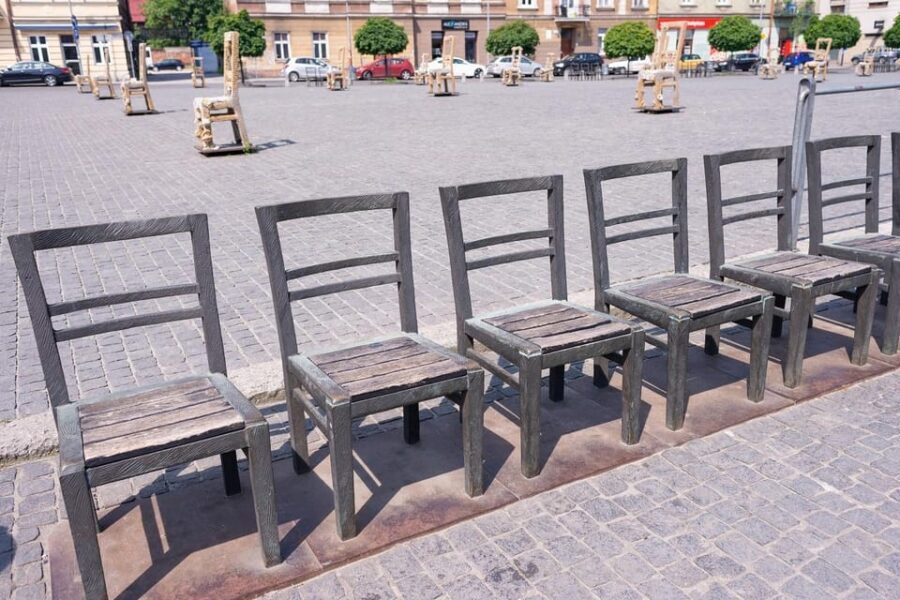
Then you head toward Ghetto Heroes Square, described as the heart of the ghetto. This is where the tour leans hardest into the human stakes of deportations to extermination camps. What makes this part so affecting is that it’s not abstract. You’re standing in a space that today has a memorial language you can’t ignore.
The Chair Memorial is one of the most striking markers you’ll encounter. Each chair represents a life lost. It’s simple, direct, and difficult to look away from. If you’ve ever wondered how memorials can communicate without overwhelming, this one is built for that job.
Even with a guide talking, you’ll probably notice your brain doing something on its own here: slowing down, scanning, then trying to understand what you’re seeing. That reaction is part of the value. The walk doesn’t just transport information; it helps you register scale and absence.
Under the Eagle Pharmacy and Tadeusz Pankiewicz: courage with practical details
One of the smartest stops on this tour is the Under the Eagle Pharmacy. Across the square, it anchors the story of help that happened during the worst times.
This part of the visit centers on Tadeusz Pankiewicz and his staff, who aided ghetto residents by preserving medicine and hope. The reason I like this stop is that it breaks the pattern of only hearing about suffering. You still feel the threat of what was happening, but you also see that some people risked themselves to keep basic care alive.
Medicine in wartime wasn’t a symbolic thing here. It meant survival. So when the guide connects this location to the act of smuggling, saving, or maintaining access to medical help, you understand why it mattered so much for ordinary people trying to endure impossible conditions.
It also balances the tour nicely after the Chair Memorial. You get memory, then you get action—how people responded when there was no good option. If you want a tour that respects the tragedy without leaving you stuck in it, this is a strong element.
Tour pace, group size, and comfort tips for a better experience
This experience runs about 3 hours, with time split between the museum and the ghetto walking portion. That’s a good length for two reasons. First, Schindler’s Factory is intense, and you’ll appreciate not being rushed through it. Second, the ghetto walk is short enough that you can stay present without feeling exhausted.
Still, the museum is where comfort issues can affect your enjoyment. The corridors are narrow, and the design uses dim light. Add a larger group, and you can feel physically crowded. One of the most practical tips is to arrive early and position yourself well when the guide starts explaining details.
A related consideration: if you’re sensitive to tight spaces, you might want to keep your expectations realistic. This is not a big, open-plan museum. It’s built to create the wartime mood, and that means you’ll spend time in spaces that can feel close.
Walking comfort matters on the ghetto portion too. Wear shoes you can stand in and walk in for a few segments, and dress for weather. The tour goes ahead in all weather, rain or shine.


Price and value: is $58 for 3 hours worth it?
At around $58 per person for about 3 hours, this isn’t a bargain-basement tour, but it also isn’t overpriced for what you get. You’re paying for:
- a licensed expert guide
- skip-the-line admission to Schindler’s Factory
- a guided walking portion that adds context beyond the museum itself
Skip-the-line can be real money in time and sanity in high-demand museums. It helps you avoid losing your energy before the exhibition even begins. Then the guide does the rest: connecting the museum materials to the street-level sites in the ghetto area, so the tour becomes a coherent story instead of a set of disconnected stops.
If you’re visiting Kraków with limited time, this price can look very reasonable. If you’re the type who likes to read slowly at your own pace and you don’t want a guided structure, you might find it more useful to visit independently. But if you want the story organized—especially the links between Schindler’s factory refuge, occupation life, and ghetto memorial sites—then this setup is strong value.
Who this tour suits best, and who might prefer a different plan
This tour fits best if you want guided context and don’t want to miss the meaning behind the sites. It’s especially good for people who:
- want to understand how Nazi occupation reshaped Kraków
- value a clear timeline and expert explanation
- like memorial sites with strong visual elements, like the Chair Memorial
- want both the larger story and the rescue story connected to the Under the Eagle Pharmacy
It might feel less ideal if your main goal is a very narrow focus only on Schindler himself. The museum places the occupation years and citywide experiences at the center, with Schindler’s story as part of that bigger picture. The walk through the ghetto and memorials is essential here, not optional.
Should you book this tour or not?
I think you should book it if you want a guided, emotionally grounded tour that connects Schindler’s Enamel Factory to the wartime Jewish Ghetto sites in a single 3-hour flow. The combination of skip-the-line entry and a licensed guide is the practical win, and the specific stops—Ghetto Heroes Square, the Chair Memorial, and Under the Eagle Pharmacy—are the kinds of details that make a visit stick.
Don’t book it if you’re set on spending most of your time only in Schindler-related displays and you don’t want to navigate narrow, dim museum corridors with a group. In that case, you might be happier with a more self-paced plan.
If you do book, do yourself one favor: arrive on time and be ready to stand where you can see and hear the guide.
FAQ
How long is the Kraków Schindler’s Factory & Jewish Ghetto guided tour?
It lasts about 3 hours.
Where is the meeting point?
The guide meets in front of the main entrance to Schindler’s Factory Museum, with the excursions.city sign.
Is hotel pickup included?
No. Hotel pickup and drop-off are not included.
Does the tour include admission to Schindler’s Factory?
Yes. It includes skip-the-line admission to Schindler’s Factory.
What languages are available for the live guide?
The live tour guide is available in French, Italian, German, English, and Spanish.
What’s included for food and drinks?
Food and drinks are not included.
What happens if I arrive late?
You should arrive 10 minutes before the tour begins. Once the group departs, latecomers can’t join, and tickets can’t be refunded.
Does the tour run in bad weather?
Yes. The tour goes ahead in all weather, rain or shine.
Quick final call
If you want an organized, guided route through two of Kraków’s most powerful historical stops, this is a strong choice. Time-saver at the museum, meaningful pacing on the ghetto walk, and a focus on both the harm and the acts of courage that survived it.