REVIEW · KRAKOW
Krakow Schindler’s Factory Guided Tour with Admission Ticket
Book on Viator →Operated by excursions.city · Bookable on Viator
Schindler’s Factory in Krakow hits harder with context. This guided visit takes you into Fabryka Emalia Oskara Schindlera (the Schindler Enamel Factory museum) and explains what life in Kraków was like under Nazi rule, not just the famous name from the film. I really like that the tour is built around a licensed guide who connects the exhibits into a clear story.
Two more things I like: you get an English-speaking guide (so you’re not stuck guessing at details), and the group size stays small enough for real questions. The trade-off is that this museum is not biographical about Oskar Schindler as a character study; it focuses on occupied Kraków from 1939–1945, so the Schindler angle is real but not the whole show.
If you want a calm, thoughtful pace, plan for a museum that can feel busy. The visit is about 1 hour 30 minutes, and depending on timing and how full the museum is, you may feel moved along rather than lingering over every item.
In This Review
- Key things to know before you go
- Schindler’s Enamel Factory: what this tour is really about
- Where you meet and how long you’ll be in the museum
- Your 90 minutes inside: how the guided tour typically flows
- Schindler’s story vs Kraków under occupation 1939–1945
- Why having a guide matters in this museum
- Group size, pacing, and photo time (the real trade-offs)
- Locker strategy: keep the tour from becoming a workout
- Price and value: is $35 worth it?
- Who should book this Krakow Schindler’s Factory guided tour
- Quick tips for a smoother visit
- Should you book this tour?
- FAQ
- How long is the Krakow Schindler’s Factory guided tour?
- Is the tour offered in English?
- Where do I meet for this tour?
- What is included with the guided tour ticket?
- What do I need for entry since tickets are personalized?
- How many people are in the group?
- Is this suitable for children?
- Can I cancel for a refund, and how far in advance?
- What if the time changes in 2026?
Key things to know before you go
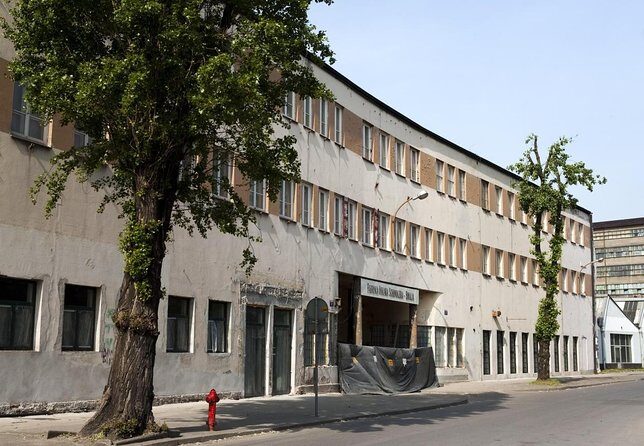
- Museum focus: it’s Kraków under Nazi occupation 1939–1945, not a simple Schindler biography.
- Small-group feel: the tour capacity is capped (commonly around 15, with an overall max of 25).
- Guides bring it to life: names you might see include Kinga, Alice, and Hannah, and their delivery style matters.
- Plan for photos and pace: some rooms can move quickly, which can limit time for reading and pictures.
- Bring ID for entry: personalized tickets mean you’ll need to match names and show a passport or ID.
- You’ll start and finish at Lipowa 4: the stop is Fabryka Emalia Oskara Schindlera, 4 Lipowa Street.
Schindler’s Enamel Factory: what this tour is really about
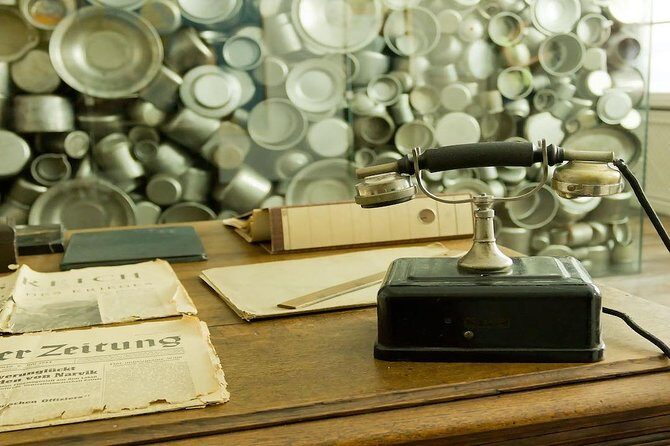
This experience is often marketed with Schindler front and center, but the museum’s heart is the occupation of Kraków. The main exhibition title is Kraków under Nazi Occupation 1939–1945, and the story runs through how people lived, what changed, and how Nazi policies reshaped everyday life.
That matters for your expectations. If you come hoping for a tour that mirrors the film beat-for-beat, you’ll likely leave with a bigger lesson: the film is a starting point, but the museum explains the wider reality behind it. I like that this kind of framing keeps the visit honest and grounded in what the city experienced.
You’ll still see Schindler referenced, and the factory setting is the emotional anchor. But most of what you’ll learn is about the city and its people—Jewish residents, Polish residents, and the pressure of occupation on daily life.
A few more Krakow tours and experiences worth a look


Where you meet and how long you’ll be in the museum
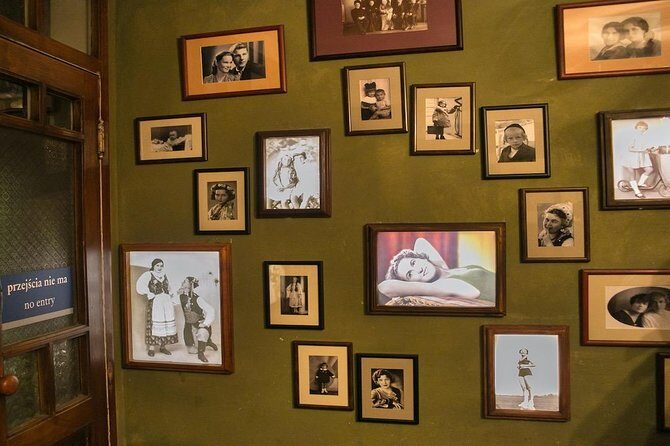
The tour’s meeting point is Lipowa 4, 32-051 Kraków, right at Fabryka Emalia Oskara Schindlera. The activity ends back at the meeting point, which makes planning easier. You don’t need to wander across town to match the next stop—this one is built as a standalone, focused block.
Timing is usually tight in museums like this, and the scheduled visit is about 1 hour 30 minutes. One practical note: from January 1, 2026, listed times are approximate and can shift based on the museum’s scheduling. You can still choose a preferred start time, but you should treat it as a target, not a guarantee.
Since departures are offered at a range of times, you can usually fit this into the middle of a day without wrecking your itinerary. I’d treat it like a “thinky” anchor stop: plan quieter activities before or after, because the subject matter will stay with you.
Your 90 minutes inside: how the guided tour typically flows
You’ll step into one of Kraków’s most popular WWII museums, and the guide steers you through rooms and exhibits in a structured order. The goal is context, so you’re not just looking at objects—you’re hearing what they meant and how the pieces fit together.
A common complaint is that the pace can feel rushed, especially if the museum is busy. That doesn’t mean the guide is poor; it usually means you’re working inside a timed group tour system. If you’re the type who reads every caption, you may want to save extra time later on your own.
On the practical side, the museum can be warm and crowded, so you’ll want to travel light. The guide experience includes a point that comes up again and again: leaving coats and bags in a secure locker helps you move more comfortably and reduces the risk of losing your place.
Schindler’s story vs Kraków under occupation 1939–1945
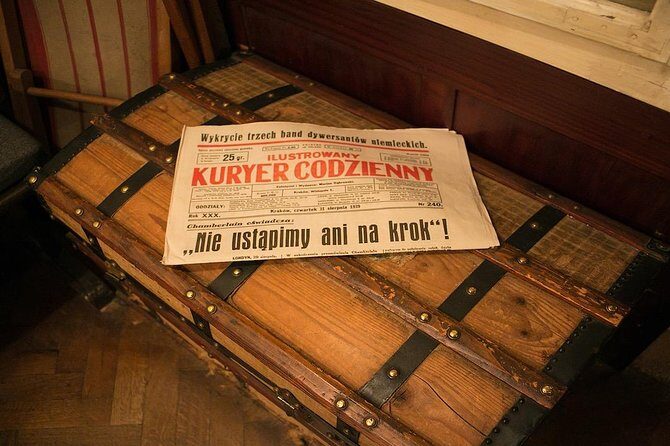
Here’s where this tour earns its keep. The factory setting is tied to Schindler and wartime choices, but the museum uses that location to explain what the broader city went through. So instead of a straight biography, you get a “city under pressure” education.
You’ll learn how Nazi occupation changed daily life in Kraków across multiple phases—before the worst policies fully took hold, during occupation, and in the way people had to adapt. The guide also helps you see patterns, like how documentation, control, and forced separation showed up in everyday spaces.
Many people also expect the tour to function like a history version of the movie. Instead, the museum format nudges you toward deeper questions: Who had power? What systems made persecution possible? How did communities survive when normal life was broken?
That difference is exactly why this tour can feel more meaningful than a quick visit. You’re not only learning what happened—you’re also learning how it worked in a specific place.
Why having a guide matters in this museum
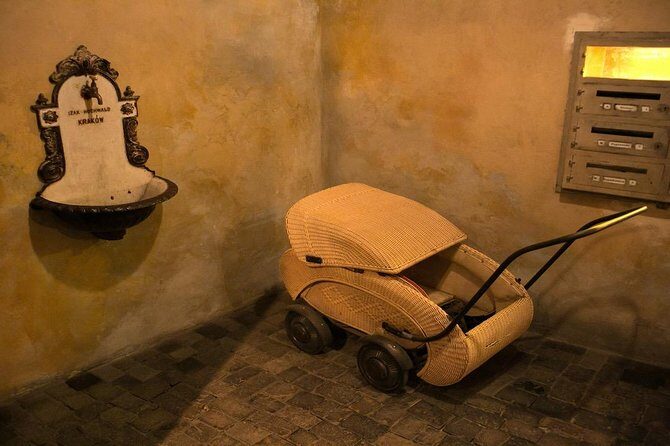
This is one of those museums where the labels are good, but the story can feel scattered if you’re moving on your own. With a guide, you get the “why” behind the “what.”
The tone varies by guide, but you’ll likely notice that the best sessions balance facts with empathy—especially when the exhibits connect to letters, testimonies, and personal accounts. Guides mentioned in previous groups include Kinga, Alice, and Hannah, and the consistent theme is that they don’t just list events. They explain relevance and make the timeline make sense.
If you’re short on time or you don’t already have a WWII background, a guided tour is the fastest route to clarity. If you do have time, you can later come back for slower reading, but the guide is often the difference between a confusing walk and a coherent lesson.
You can also read our reviews of more guided tours in Krakow

Group size, pacing, and photo time (the real trade-offs)
The tour aims to stay small. The highlight information emphasizes just 15 travelers, while the general maximum listed for the activity is up to 25. In plain terms: you should expect a group you can ask questions in, but you may still run into bottlenecks in narrower rooms.
That affects pacing. Some tours run at a comfortable tempo. Others can feel like you’re moving from room to room without long pauses, especially if there’s an exhibit schedule overlap or other groups entering at the same time.
Photo fans should know this up front. If you stop to read captions closely or take photos in every room, you might feel pressure to keep up. A simple strategy: take a first pass for your “must-have” images, then decide where you want to slow down.
Locker strategy: keep the tour from becoming a workout
Comfort matters here because you’ll likely be indoors for most of the 1.5 hours, and rooms can feel warm and crowded. The museum provides secure lockers, and you can typically store coats and bags before entering.
The best move is to assume you’ll want both hands free while listening. Once you’re inside, staying close to the group reduces stress and helps you avoid missing the guide’s next explanation. You’ll get more out of the tour when you’re not thinking about your stuff every few minutes.
Price and value: is $35 worth it?
At $35 per person for about 1 hour 30 minutes, the price only looks fair if you use what’s included. In the guided option, you’re paying for two things:
- A professional guide in English
- Museum admission
If you were to visit on your own, you’d still need tickets, and you’d still need a way to make sense of the exhibit order and context. In this museum, context is not optional—it’s the product.
Also, the structure helps you manage time. With guided tours offered at multiple departure times, you can reduce your “waiting around Kraków” time and plug this into a full day. For many people, that scheduling convenience alone makes the guided format worth it.
Who should book this Krakow Schindler’s Factory guided tour
This tour is a great fit if you want a WWII museum visit that’s organized and explain-it-to-you. It’s especially useful if:
- you’re trying to understand WWII in Kraków beyond what you’ve seen in film
- you prefer a guided timeline to reading everything cold
- you’re traveling with kids and want a framework (many families find it educational, though pacing still matters)
- you want the emotional weight delivered with context, not just facts
It may be less ideal if you need lots of quiet time per exhibit. If you’re the type who plans to photograph every room and read every panel, consider using the guided visit as the first pass, then return later for a slower walk on your own (if your schedule allows).
Quick tips for a smoother visit
A few small things make a big difference in how the tour feels:
- Arrive early enough to get oriented before the group gathers at Lipowa 4.
- Bring a passport or ID and make sure names match exactly for entry with the personalized tickets.
- Dress for indoor heat and crowds; lockers help.
- If you care about photos, decide your priorities before you enter so you don’t fall behind.
- If you’re sensitive to heavy subject matter, pace your day around the visit and plan a quiet moment afterward.
Should you book this tour?
I’d book it if you want a guided, English-led explanation of what occupied Kraków was like—and how Schindler fits into that story. The small-group structure, the included admission, and the fact that the museum is approached with context make this one of the strongest ways to experience the Schindler Enamel Factory site.
Skip it only if you’re specifically looking for a step-by-step tour that matches the film closely, or if you strongly prefer to wander at your own speed without any group pressure. In most cases, though, the guided format turns a popular museum into a coherent, memorable lesson.
FAQ
How long is the Krakow Schindler’s Factory guided tour?
The tour is listed as about 1 hour 30 minutes.
Is the tour offered in English?
Yes. The guided tour options are offered in English.
Where do I meet for this tour?
You meet at Lipowa 4, 32-051 Kraków, Poland, and the tour ends back at the same meeting point.
What is included with the guided tour ticket?
The guided option includes a professional guide and entrance to the museum.
What do I need for entry since tickets are personalized?
You must provide full names when reserving, and bring a passport or ID for entry to Schindler’s Factory Museum. Without these, entry may be denied.
How many people are in the group?
The experience is described as capped (with 15 noted in the highlights) and also lists a maximum of 25 travelers.
Is this suitable for children?
Children must be accompanied by an adult.
Can I cancel for a refund, and how far in advance?
You can cancel for a full refund up to 24 hours before the experience start time.
What if the time changes in 2026?
From January 1, 2026, times are approximate and may change due to the Schindler’s Factory Museum scheduling, even if you choose a preferred time.