REVIEW · KRAKOW
Krakow: Schindler’s Factory & Ghetto Guided Tour
Book on Viator →Operated by excursions.city · Bookable on Viator
Schindler’s story comes with a real street walk. This private Kraków tour pairs skip-the-line museum entry at Schindler’s Enamel Factory with an on-foot walk through the Jewish Ghetto for a full, human scale sense of what life was like under Nazi occupation. I like how the guide doesn’t just name dates; they help you connect the museum facts to the streets you’re standing on, so the whole outing feels purposeful.
The best part is the personal attention. You can ask questions along the way, and the museum presentation is built to make you feel the pressure and fear of wartime Kraków through dim, tight gallery spaces and wartime artifacts and photographs. One thing to think about: the ghetto walking portion is relatively short, and some locations aren’t exactly what they once were because buildings were changed or removed over time.
In This Review
- Key takeaways before you book
- What makes this Kraków tour work: Schindler’s museum plus real ghetto streets
- The private-guide advantage: questions, context, and pacing
- Stop 1: Schindler’s Enamel Factory Museum inside the factory building
- How to get the most from the museum time
- Stop 2: Ghetto Wall Fragment, a quick but stark reminder
- Stop 3: Ghetto Heroes Square and the Chair Memorial
- Stop 4: Eagle Pharmacy (Under the Eagle) and the story of aid
- How long will it take, and what pace should you expect?
- Meeting point, ending point, and your easiest way back
- Price and value: is $58.87 worth it?
- Who should choose this tour, and who might not love it
- Small but important details to prepare
- Should you book this Schindler’s Factory and Kraków Ghetto guided tour?
- FAQ
- How much does the Kraków Schindler’s Factory & Ghetto guided tour cost?
- How long is the tour?
- Is the tour offered in English?
- Is this a private tour?
- What is the maximum group size?
- Where do I meet the tour, and where does it end?
- Is the museum admission included in the price?
- Are the other stops’ admissions included?
- What should I bring for ticketing?
- Will the tour run in bad weather?
Key takeaways before you book
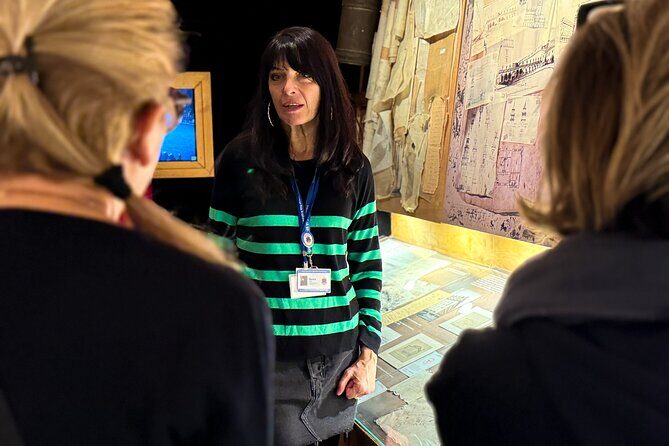
- Skip-the-line access to Schindler’s Enamel Factory with a licensed expert guide
- Small group size (max 25) and one-language tours for smoother pacing
- Designed-to-quiet museum rooms, including narrow corridors meant to recreate confinement
- Ghetto wall fragment + Heroes Square chair memorial, quick but emotionally heavy stops
- Under the Eagle Pharmacy stop adds a different angle with medicine and rescue efforts
- Bring the participant names you booked with, since entry can be denied if names don’t match
What makes this Kraków tour work: Schindler’s museum plus real ghetto streets
This tour succeeds because it doesn’t treat history like a textbook. You start inside a museum where the years of Nazi occupation are presented through scenes, artifacts, and photographs, then you move outside to key memorial points that shaped what the neighborhood became.
If you want a Holocaust-focused experience that also helps you understand the geography and daily life around it, the pairing is strong. The museum anchors you in the story, and the walking segment turns that story into something you can point to—walls, squares, and a pharmacy tied to aid efforts.
You can also read our reviews of more guided tours in Krakow

The private-guide advantage: questions, context, and pacing
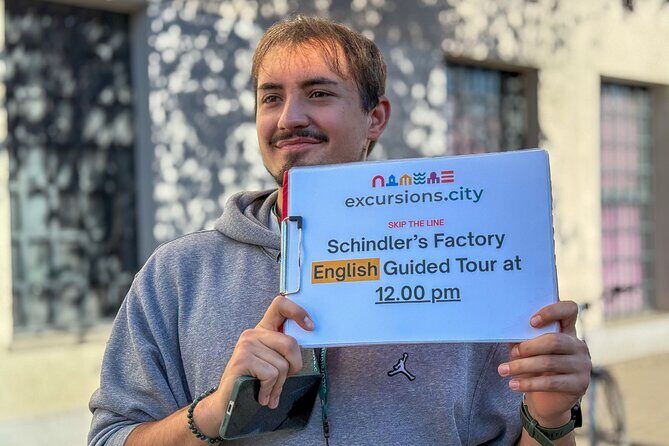
This is listed as a private tour with a licensed guide, and that matters. In a museum setting, a good guide can help you read what you’re seeing. Instead of rushing room to room, you get context for why particular objects were shown and how Kraków changed from 1939 through 1945.
You also have room to ask questions. That sounds small, but it can completely change how you process the experience—especially in a place where details matter. Two guides named in past groups were Hannah and Margot, both described as friendly and strong at explaining what you’re looking at without losing people.
At the same time, do note that the experience is only offered in one language per tour. So if English is your preference, you’ll be set. If you’re traveling with someone who needs another language, you may want to check if a different departure offers it.
Stop 1: Schindler’s Enamel Factory Museum inside the factory building
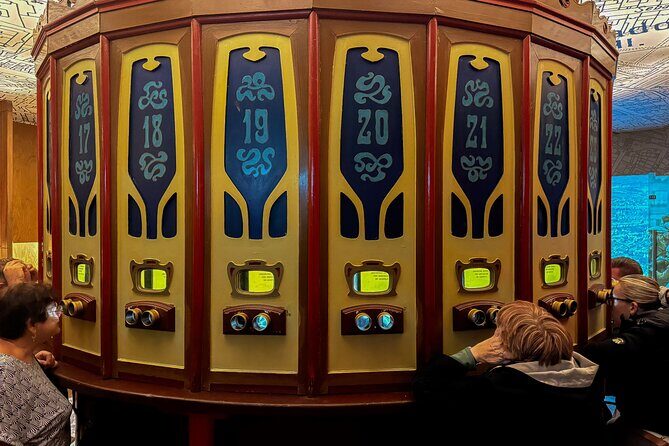
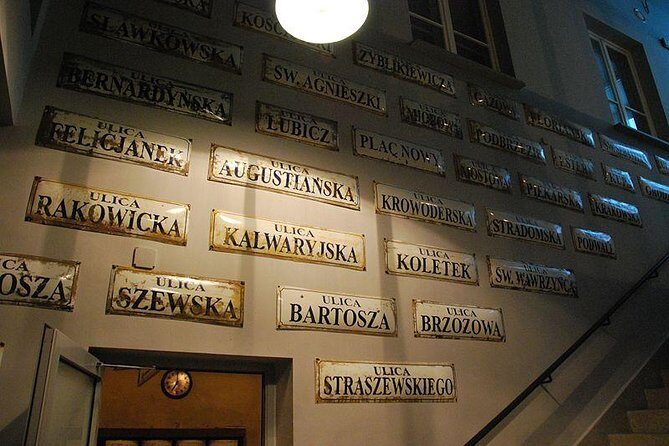
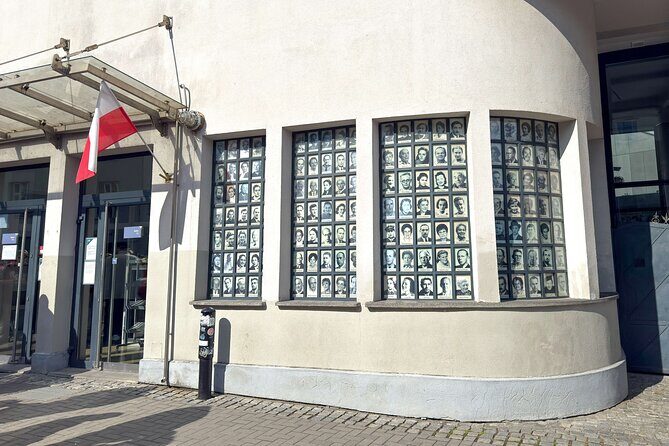
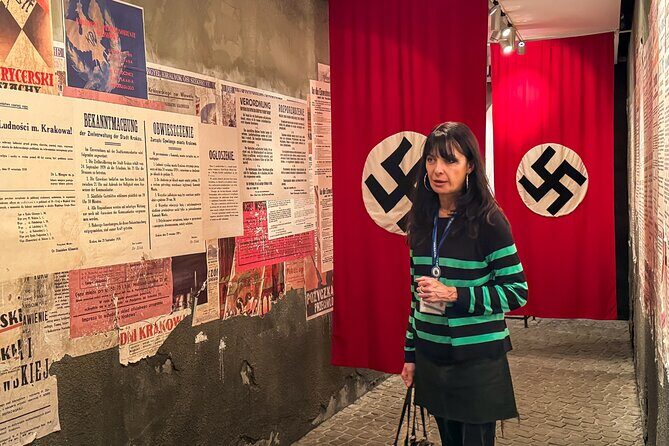
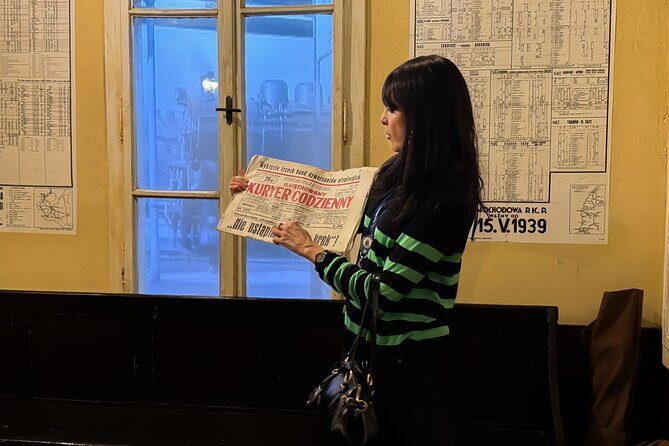
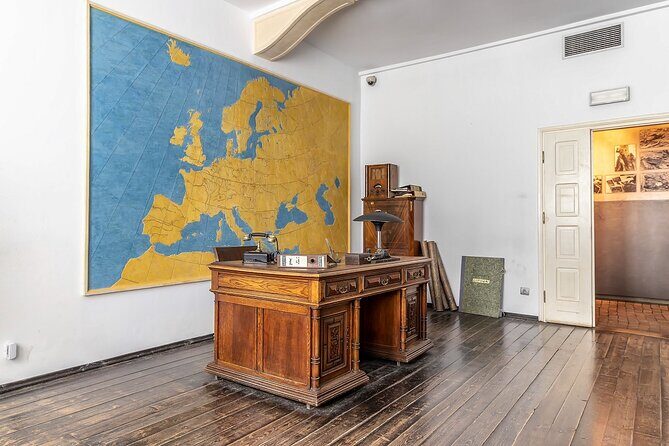
Schindler’s Enamel Factory (now a museum) is one of those places where the design does some of the teaching. The exhibition focuses on Kraków under Nazi occupation from 1939 to 1945, not just on one man’s biography. Oskar Schindler’s story is part of it, but the spotlight is on the daily experiences of Jewish and non-Jewish residents during the occupation.
The museum is housed in the former enamel factory building. One helpful detail to know: while the building connects to Schindler’s former worksite, today it does not contain original factory machinery. You’re not touring an operating factory. You’re walking through a historical exhibition staged in a meaningful setting.
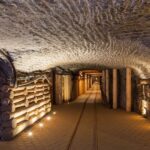
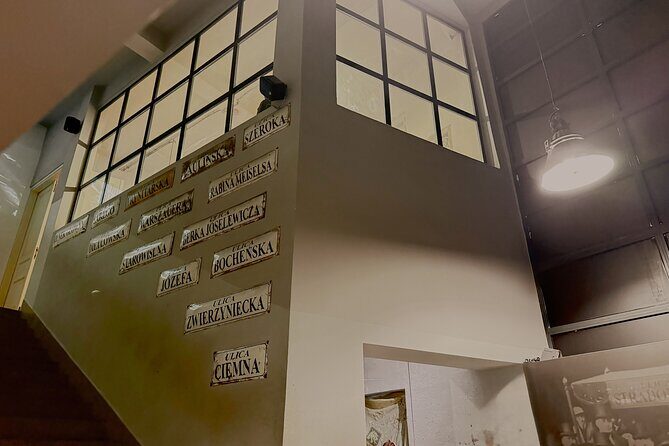
Plan for a slower rhythm inside. The exhibition includes narrow, dimly lit rooms and corridors designed to make visitors feel confined—an intentional reminder of how little room people had, physically and psychologically, under Nazi control.
How to get the most from the museum time
You’re given about 1 hour 30 minutes for the factory museum. That’s enough to see the key sections if you’re present and not trying to sprint through photos and text. If you’re someone who likes to read everything, you may still need to accept that you won’t capture every detail—so decide what matters to you most before you start.
This is also where the guide’s role really pays off. Since the museum is about wartime Kraków broadly, the guide can help you connect dots like:
- how occupation changed ordinary life
- how confinement is reflected in both design and stories
- why artifacts and photographs are shown in particular sequences
If you get stuck staring at an exhibit, ask your guide. That question will often turn into two more things you never would have noticed on your own.
Stop 2: Ghetto Wall Fragment, a quick but stark reminder
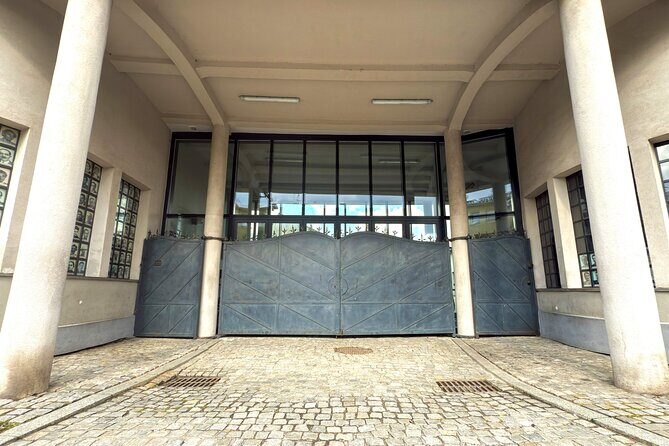
After the museum, you’ll walk to the remains of the ghetto walls. This is a short stop—about 15 minutes—but it hits hard because it’s physical proof of confinement.
Even if you already know the story, seeing what remains of the barrier helps you understand how separation worked in real life. It’s one thing to read about a boundary. It’s another thing to stand near fragments that show where the boundary was.
Because time here is brief, I suggest using it for observation. Look at the wall fragment and let your mind attach it to what the museum showed you. If you feel rushed, that’s a sign you might want to spend more time in the museum next time rather than trying to slow down the walking portion.


Stop 3: Ghetto Heroes Square and the Chair Memorial
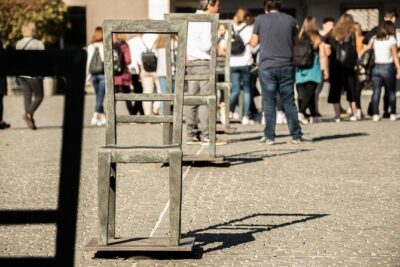
Next comes Ghetto Heroes Square. This is the heart of the ghetto, marked by deportations to extermination camps. Today, the Chair Memorial sits in the square, with chairs used to symbolize lives lost.
This stop works because it shifts you from the idea of confinement to the reality of what confinement led to. The message isn’t abstract here. It’s placed in a public space, with a memorial form you can quickly understand.
You’ll likely spend around 20 minutes. That’s enough time to read the memorial context and absorb the weight of the site without feeling like you’re staring at a plaque forever.
Stop 4: Eagle Pharmacy (Under the Eagle) and the story of aid
Across the square stands the Under the Eagle Pharmacy, associated with Tadeusz Pankiewicz and his team. It’s tied to courage and help—especially around preserving medicine and offering hope to people living in danger.
This stop is about 20 minutes. That’s a useful balance after the heavier tone of the square. Even if your emotions are running high, you leave the most public memorial area and move into a place that highlights human choices that saved lives.
Just keep expectations realistic: this isn’t a magic “hope” detour that changes the past. It’s hope in the middle of brutality, shown through the work of people who took real risks.
How long will it take, and what pace should you expect?
The total outing is about 3 hours. In practice, it’s long enough to do the museum thoroughly and still cover the main memorial and aid locations on foot.
The pacing is structured, which helps. But you should still expect some time for pauses—especially since the museum has narrow, dim rooms designed to recreate wartime feeling. Don’t schedule a tight dinner time right after if you’re sensitive to heavy content.
Also remember: weather can affect comfort. The tour goes ahead in all weather, rain or shine. Kraków can shift quickly between damp and cold, so plan footwear that won’t punish you during the walk and corridors.
Meeting point, ending point, and your easiest way back
You meet at Lipowa 4, 32-051 Kraków, Poland. The tour ends at Apteka pod Orłem / Plac Bohaterów Getta 18, 33-332 Kraków, Poland.
That end location matters for practical planning. The tour wraps up outside the Old Town core, so have a transport plan ready rather than assuming you’ll instantly find something convenient. One past group situation described confusion at the end when people tried to get to lodging, so I recommend doing two quick things:
- know which tram or bus stop you’ll use (or have taxi instructions ready)
- save the directions to your hotel on your phone before the tour begins
If you’re traveling at night or with someone who doesn’t handle cold well, bring a layer for the final leg. The end point is in a public memorial area, and that can feel exposed.
Price and value: is $58.87 worth it?
At about $58.87 per person for roughly 3 hours, the value depends on what you care about most.
Here’s where the price makes sense:
- The Schindler’s Enamel Factory admission ticket is included for the main museum portion.
- The guide is licensed, and the museum visit includes skip-the-line entry, which can save real time in a busy stop.
- You get a private guide experience with space for questions, not just a quick audio-walk.
The ghetto walking stops are part of the experience, but only some include costs. Heroes Square is free, while the wall fragment and pharmacy stop are listed as not including admission tickets. That’s normal for a multi-stop walk, but it’s exactly why the museum ticket inclusion matters: it’s the big cost anchor of the tour.
If you’re the type who wants a clear thread connecting what you see inside a museum to what you see outside, this price is easier to justify. If you’re more independent and prefer to read at your own pace without a guided tie-in, you might choose a different style of experience.
Who should choose this tour, and who might not love it
This tour fits best if you:
- want a guided, emotionally serious Kraków experience
- like having someone explain what you’re seeing in context
- prefer a structured route across the museum and key ghetto-related sites
- appreciate small-group format rather than getting lost in a crowd
It may be less ideal if you want a long walking tour that covers lots of ground. The ghetto portion is intentionally focused, and some areas won’t look exactly as they did during the occupation because redevelopment changed the neighborhood over time.
Also, since the museum has narrow corridors and dark rooms, if you’re sensitive to confined spaces, you should go in with that in mind. The design is part of the meaning, but you can still plan for it by taking it at your own pace.
Small but important details to prepare
Before you go, pay attention to three details that can genuinely affect entry.
First, the museum uses personalized tickets. You’re asked to provide the names of all participants during booking. If those names don’t match what’s on the ticket list, entry can be denied. If you’re traveling through a third-party booking setup, double-check that your participant names were transmitted correctly.
Second, bring ID. Some groups were advised to show government ID when there was a mismatch or confusion tied to ticketing. Even when it’s not always required, having it is a quick safety net.
Third, arrive about 10 minutes early. Once the group departs, latecomers can’t join, and tickets can’t be refunded. That rule is strict because the museum timing and skip-the-line access depend on the group staying together.
Should you book this Schindler’s Factory and Kraków Ghetto guided tour?
I’d book it if you want one focused, high-impact outing that connects museum storytelling to the key locations around the Jewish Ghetto. The skip-the-line museum entry, licensed guiding, and room-for-questions format make it a strong way to get the most meaning out of a difficult subject.
I’d think twice if you’re expecting a long, sprawling ghetto walk or if you’re worried about narrow, dim museum spaces and a heavier emotional pace. In that case, you could still visit the sites, but you’d probably want a different format that gives you more time or a less structured route.
If you decide to go, plan your transport for the end point in advance, bring ID, and make sure your booking names are exact. Those tiny steps make the whole day smoother.
FAQ
How much does the Kraków Schindler’s Factory & Ghetto guided tour cost?
It costs $58.87 per person.
How long is the tour?
The duration is about 3 hours (approximately).
Is the tour offered in English?
Yes. The tour is offered in English.
Is this a private tour?
The experience is described as a private tour, with personal attention from your guide.
What is the maximum group size?
The tour has a maximum of 25 travelers.
Where do I meet the tour, and where does it end?
You start at Lipowa 4, 32-051 Kraków, Poland, and you end at Apteka pod Orłem, Plac Bohaterów Getta 18, 33-332 Kraków, Poland.
Is the museum admission included in the price?
Yes, admission to Schindler’s Enamel Factory is included.
Are the other stops’ admissions included?
The Ghetto Wall Fragment and Eagle Pharmacy stop are listed as admission not included, while the Square of Ghettos Heroes stop is listed as free.
What should I bring for ticketing?
You need to provide the names of all participants during booking, since personalized tickets are used and entry can be denied if names are missing or incorrect. Also, bring government ID as a precaution.
Will the tour run in bad weather?
Yes. The tour goes ahead in all weather, rain or shine.