REVIEW · KRAKOW
Krakow: River Cruise & Guided Visit to Former Plaszow Camp
Book on GetYourGuide →Operated by INTERCRAC Ltd. · Bookable on GetYourGuide
Krakow feels different from the Vistula. This 3-hour mix of river views and guided history takes you from postcard scenes to the weight of the former Plaszow camp.
I really liked the expert live guide at Plaszow, especially the way the vanished layout becomes clear when you’re standing inside it. I also appreciated the built-in rhythm: cruise for perspective, then walking and silence for remembrance. If you’re lucky, you may get Ewa, whose explanations and Q&A time are the kind you want when history is personal.
One real drawback to plan for: this is not a sit-down tour. You’ll do meaningful walking on uneven ground, so it’s not ideal if you have mobility limits or if you’re traveling with children who can’t handle longer, rough stretches.
In This Review
- Key things I’d watch for on this tour
- Vistula catamaran first: why starting on the river works
- Meeting at Inflancki Boulevard and finding the right boat
- From Podgórze to Ghetto Heroes Square: what the chairs really mean
- The Plaszow camp visit: reading the site without much “stuff” left
- Grey House and roll-call area: where the logic of control becomes visible
- Quiet open space and why silence is part of the lesson
- Oskar Schindler and the work-permit connection
- Monument of Torn-Out Hearts: a pause you shouldn’t skip
- Price and time: does $56 make sense for what you get?
- Walking expectations and who this tour is best for
- Should you book the Krakow River Cruise & Former Plaszow Camp tour?
- FAQ
- How long is the Krakow River Cruise & Guided Visit to Former Plaszow Camp?
- What language is the tour in?
- Where do I meet for the tour?
- Is there a river cruise included?
- Is hotel pickup or drop-off included?
- Is a tram ticket included?
- Is the tour mostly walking?
- What if I arrive late?
- Can I cancel and get a refund?
Key things I’d watch for on this tour
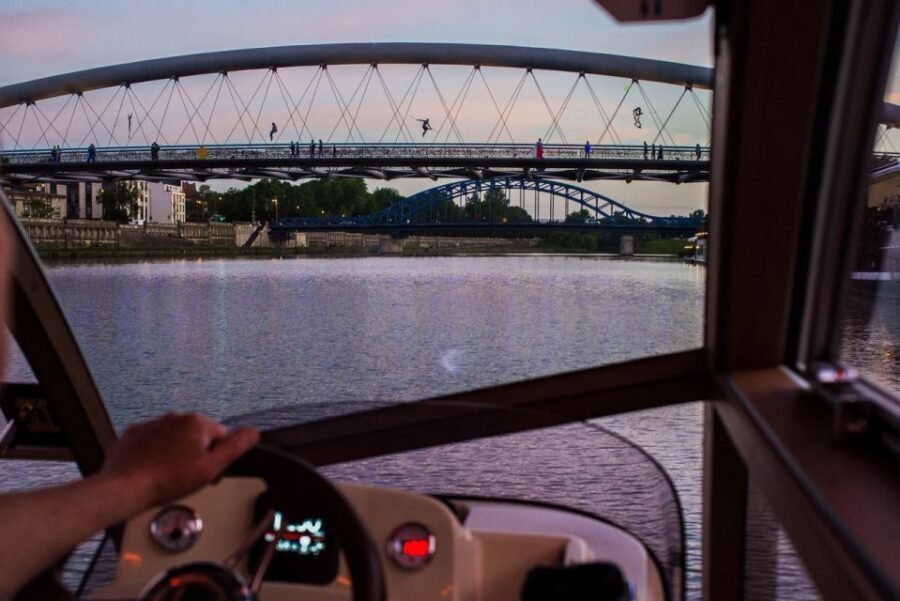
- Vistula catamaran views that set the stage for Krakow’s landmarks from the water
- Ghetto Heroes Square and its metal chairs memorial installation in Podgórze
- Plaszow’s remaining traces (like the Grey House and roll-call area) that help you map the camp
- The Monument of Torn-Out Hearts where you get time to stop, breathe, and reflect
- The Schindler link to work permits and prisoner transfers that helped save lives
Vistula catamaran first: why starting on the river works
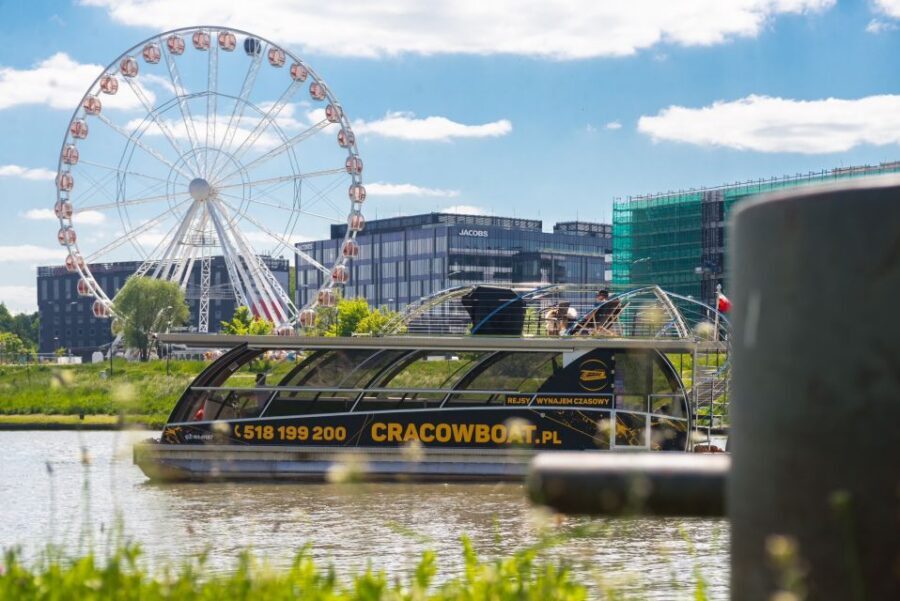
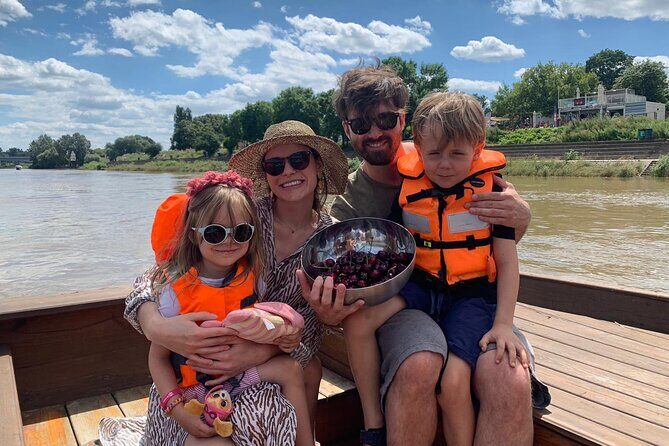
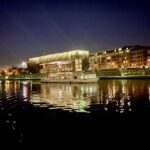
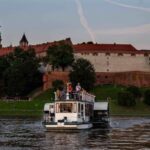
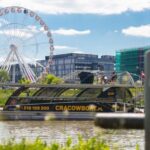
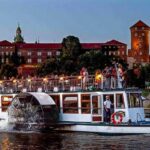
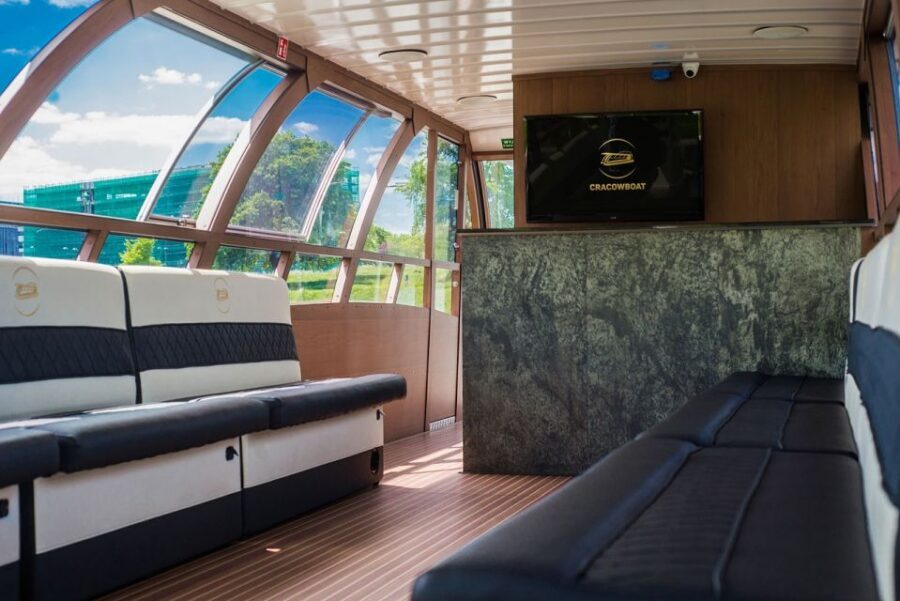
Kicking things off with the one-way cruise on the Vistula makes a huge difference. From the water, Krakow’s landmarks look less like a checklist and more like a connected city—each bridge and bend adds context.
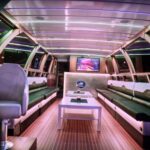
You’ll hear stories through onboard audio, and it’s in English. The narration covers the royal past tied to Wawel, plus monasteries at Bielany and Skałka, and how bridges have connected eras. Even if you’ve seen photos, this kind of view helps you place what comes later—because you start to understand how the city sits along the river corridor.
This part is comfortable. You get a break from walking. You also get a moving “orientation lesson” before you stand still for heavy history.
You can also read our reviews of more boat tours in Krakow
Meeting at Inflancki Boulevard and finding the right boat
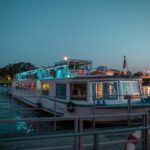
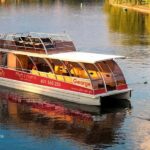
You meet at Inflancki Boulevard, right by the water tram stop named Paulinska. Look for the person holding a Cracow Boat sign. It’s a small thing, but it matters—if you’re late, you can miss the group.
You should arrive about 10 minutes early. The tour runs on a group schedule, and once the group leaves, latecomers can’t join and tickets can’t be refunded. That’s pretty standard for city tours, but it’s extra important here because you’ll be moving from the river to the walking portion of the day.
One more practical note: you’re given a single tram ticket as part of the experience. That’s helpful if you’re piecing together your own route back afterward, and it also signals that the tour expects you to use local transit as the day transitions from water to land.
From Podgórze to Ghetto Heroes Square: what the chairs really mean
After the cruise, the tour shifts into the Podgórze district, with a walk past Ghetto Heroes Square. This is one of those places where design does a job that words can’t.
The square was transformed into a memorial space in 2005. The most striking element is the installation of large metal chairs. They symbolize forced departures and the absence left behind. It’s not subtle, and that’s the point: the memorial wants you to register loss immediately, then stay with it.
If you’re wondering how to experience it well, here’s what I’d do: slow down when you reach the chairs. Don’t treat it like a photo stop. Let the scale sink in. If you’re traveling with a small group, keep your voice low. This square works best when you give it quiet attention.
The Plaszow camp visit: reading the site without much “stuff” left
The Plaszow portion is the heart of the tour, and it’s also where expectations need adjusting. Yes, there are surviving elements. But this camp doesn’t offer a “fully preserved set.” Instead, it offers space, traces, and a guide who can stitch the story back together.
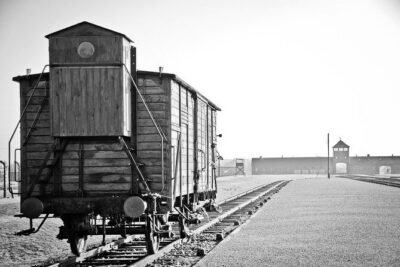
The former camp began in 1942 on the grounds of Jewish cemeteries. It started as a forced-labor camp and later became a concentration camp. The numbers included here are huge: more than 35,000 people imprisoned, and thousands lost their lives.
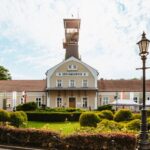
During the guided visit, you’ll trace the camp’s former layout by using what remains. That includes the Grey House, the roll-call area, remnants of key buildings, and the mass graves. Your guide also helps you understand where key activities likely took place, so the open ground doesn’t feel empty—it feels intentional.
This is one of those tours where the guide matters as much as the landmarks. With the right narration, you stop seeing random ruins and start seeing a system: where people were held, where control happened, and where daily routines were enforced.
Grey House and roll-call area: where the logic of control becomes visible
A big part of the Plaszow visit is stepping into the few surviving points that anchor the entire story.
The Grey House is one of those anchors. It helps you understand camp administration and structure, not just suffering as an abstract idea. When you stand there, the explanation can land in a physical way: you’re seeing the camp through the lens of how it was run.
Then there’s the roll-call area, which is crucial. Roll-call wasn’t just a moment in the day; it was part of the psychological architecture of the camp. Watching your feet and listening to the explanation here helps you grasp how routine was used as a tool of domination.
One thing I’d emphasize: take your time at each point. Don’t rush from stop to stop. If you rush, the site stays “sightseeing.” If you slow down, it becomes learning with gravity.
You can also read our reviews of more guided tours in Krakow

Quiet open space and why silence is part of the lesson
Plaszow can feel brutally simple. There aren’t piles of dramatic displays. Instead, there’s open space and silence, and that affects how you absorb the story.
The tour’s tone supports this. The idea isn’t to overwhelm you with props or staged scenes. It’s to give you a careful setting for learning, remembrance, and reflection. That approach can be more effective than an overbuilt museum experience because the site forces you to imagine what’s missing.
If you’re the type who likes to ask questions, this is also where your curiosity can serve you well—just keep respect in mind. The guide invites questions, and you can get clarity on confusing parts of the layout without turning the visit into a debate club.
Oskar Schindler and the work-permit connection
A major narrative thread at Plaszow is the story of Oskar Schindler. This isn’t told as a separate side story. It’s woven into how prisoner transfers and survival chances could shift.
The key detail you’ll hear is that Schindler arranged work permits for prisoners registered at Plaszow. Later, prisoners connected to those permits were transferred to his factory. The result, as stated in the tour materials, was that more than a thousand lives were saved.
Why this part matters: it gives you a specific mechanism, not just a legend. You learn how paperwork, employment, and bureaucratic decisions could become a lifeline—at least for some people. It’s still tragic that survival could depend on that, but it also makes the story feel grounded in real actions.
If you want to understand history beyond names, listen hard in this section. It helps you connect the camp system to the broader world beyond the camp gates.
Monument of Torn-Out Hearts: a pause you shouldn’t skip
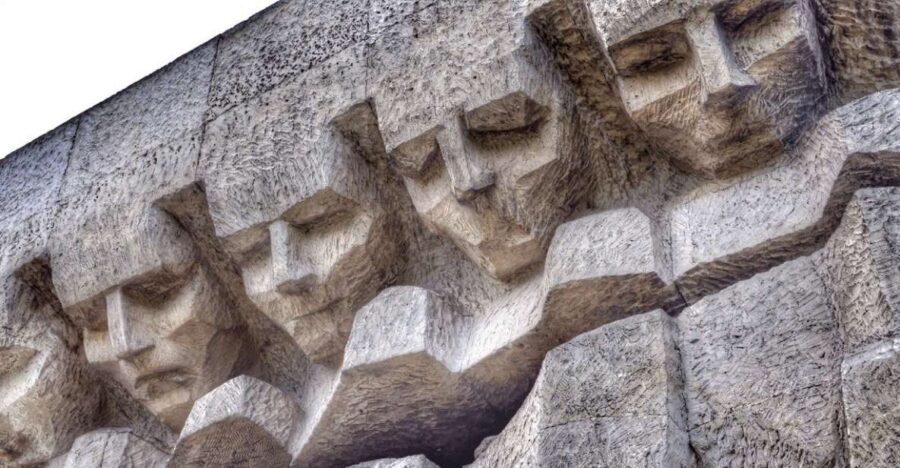
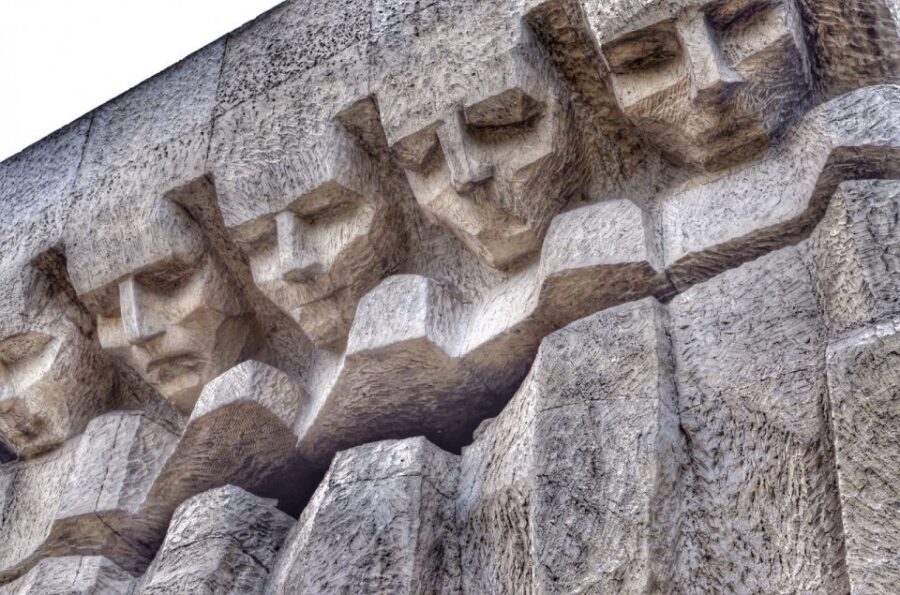
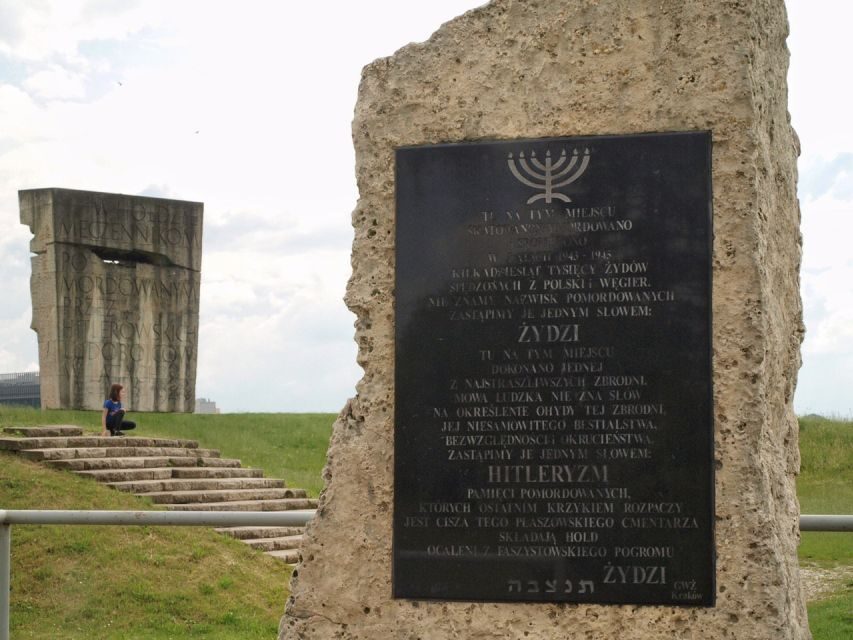
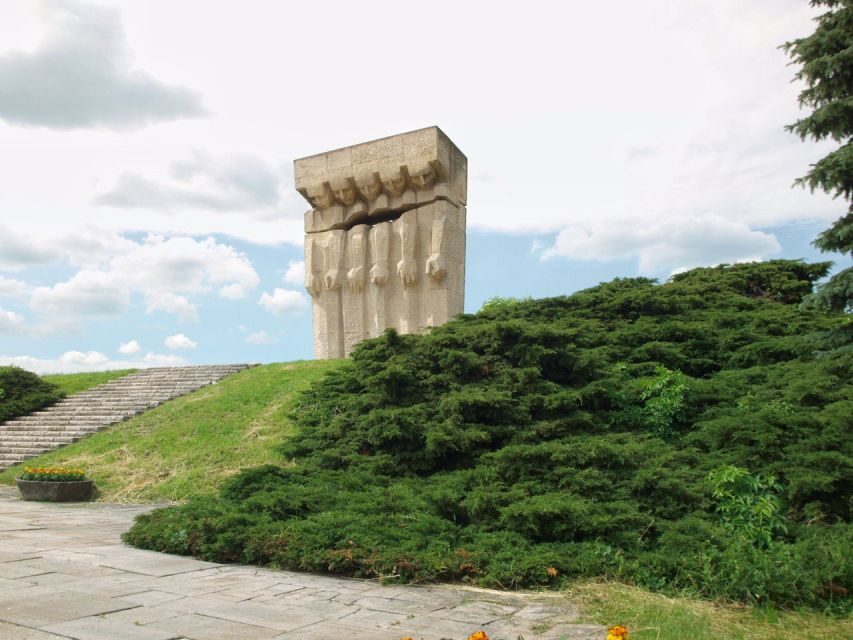
One of the most memorable parts is the pause at the Monument of Torn-Out Hearts. The monument acts like a reset button. Up to this point, you’ve been tracking layout and details. Here, you’re asked to stop and process.
This is where the tour earns its reputation for respect and emotional pacing. The setting gives you room to be thoughtful, not just instructed. I’d treat this like the moment when your brain switches from facts to feelings.
If you’re prone to checking your phone or rushing through “memorial stops,” try not to. Let this be your slower minute. It’s one of the few places on the itinerary that really invites reflection.
Price and time: does $56 make sense for what you get?
At $56 per person for a 3-hour experience, you’re paying for two different things: (1) a guided, English-language Plaszow visit with a live specialist, and (2) an onboard-audio river cruise on a catamaran that gives you transit through the city rather than a boring, direct hop.
You also get:
- the live guide at Plaszow (English)
- an onboard audio guide (English)
- the river cruise (one way, short catamaran ride)
- a single tram ticket
You don’t get hotel pickup or drop-off, and you’re responsible for getting yourself back at the end. But because you’re already using local transit components, the day doesn’t feel like it’s built to trap you. It’s more like: arrive at the meeting point, follow the plan, and then you’re free.
The big question for value is walking. If your feet handle it well, the guide-led Plaszow learning alone can justify the price. If walking is difficult, the trip may feel too physically demanding for what you hoped for.
Walking expectations and who this tour is best for
The itinerary includes both cruise time and a walking portion led by a live guide at the camp. The tour info recommends comfortable walking shoes, and that’s not gentle advice.
From what’s been described, the walk can involve at least a couple of kilometers just to reach the camp area, plus additional walking once you’re there. Paths can be rough, and the ground isn’t always easy. One person even noted nettles and unfinished, rubble-strewn sections—so if you’re imagining a smooth, museum-style route, reset that expectation.
So who should book this?
- Best for adults who want a guided, structured understanding of Plaszow and its traces.
- Great if you like when a guide helps you connect missing pieces with surviving evidence.
- Consider carefully if you have mobility issues or you’re traveling with children who won’t manage long, uneven stretches.
This tour isn’t a “quick hit.” It’s a focused, respectful history visit with physical demands.
Should you book the Krakow River Cruise & Former Plaszow Camp tour?
I’d book it if you want two things in one morning or afternoon: real Krakow orientation from the water, then a guide-led walk through Plaszow that helps you make sense of what’s still there.
I would hesitate if walking is a problem. The site is open and quiet, but getting through it takes stamina. Also, this is heavy content. Even with the emotional pacing, it’s not light sightseeing.
If you’re the right fit, this is a strong value: the river cruise adds perspective, and the Plaszow guide turns a hard-to-read landscape into a readable story. Just go in prepared—shoes on, questions ready, and your attention turned all the way up.
FAQ
How long is the Krakow River Cruise & Guided Visit to Former Plaszow Camp?
It lasts 3 hours.
What language is the tour in?
The live guide and the audio guide are both in English. The tour only runs in one language.
Where do I meet for the tour?
Meet at Inflancki Boulevard next to the water tram stop called Paulinska. Look for the person holding a Cracow Boat sign.
Is there a river cruise included?
Yes. You’ll take a one-way short catamaran cruise on the Vistula River with an audio guide.
Is hotel pickup or drop-off included?
No, hotel pickup and drop-off are not included.
Is a tram ticket included?
Yes. A single tram ticket is included.
Is the tour mostly walking?
Part of the experience involves walking with a live guide, especially during the Plaszow portion. Comfortable walking shoes are recommended.
What if I arrive late?
You’re asked to arrive 10 minutes before the tour begins. If the group has departed, latecomers can’t join, and tickets can’t be refunded.
Can I cancel and get a refund?
Yes. You can cancel up to 24 hours in advance for a full refund.
If you tell me your walking comfort level (and when you’re traveling in the year), I can help you judge whether the Plaszow walking portion will feel manageable for your pace.