REVIEW · WARSAW
Warsaw Uprising Museum (1944) : SMALL GROUP /inc. Pick-up/
Book on Viator →Operated by Visiting-Warsaw.Com · Bookable on Viator
The Warsaw Uprising Museum hits hard fast. You’ll see the story of 1944 brought to life with photographs, multimedia, and historic artifacts, plus an audio commentary that helps you follow what you’re seeing. What I like most is the no-crowds feel of a small group (limited to eight passengers) and the fact that you’re guided through the experience instead of just dropped off. One possible drawback: if you expect to pay only for museum admission, the all-in price can feel steep—because this ticket also covers transport.
You also get the practical win: door-to-door transfers from your Warsaw hotel or apartment, and return ride afterward. It’s designed so you spend your energy inside the museum rather than figuring out taxis and routes. Just note that the exact pickup point matters, so confirm it so you’re not left walking a distance you didn’t plan for.
In This Review
- Key things to know before you go
- Why the Warsaw Uprising Museum feels like a 1944 time machine
- Door-to-door pickup in a small group (and what that’s worth)
- The 2-hour flow: what happens at the museum
- Audio commentary: how it improves the visit
- Price and value: what you’re really paying for
- Who this tour suits best (and who might not need it)
- Practical tips so your visit lands well
- Should you book the Warsaw Uprising Museum tour?
- FAQ
- How long is the Warsaw Uprising Museum (1944) small-group tour?
- Does the tour include pickup and drop-off from my hotel?
- How big is the group?
- Is the museum admission included?
- Are audio guides included, and what languages are available?
- What ticket format do I receive?
- What is not included in the tour price?
- Is there free cancellation?
- What if I’m booking for two people?
Key things to know before you go
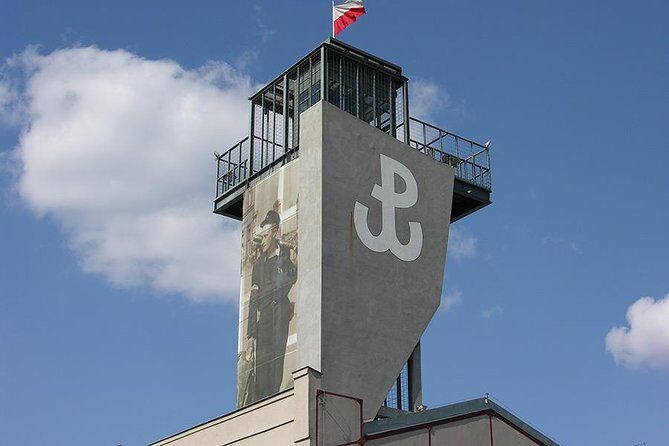
- A museum built like a time machine: multimedia and artifacts aim to recreate the feeling of 1944.
- Small-group format: limited to eight passengers for a calmer visit.
- Audio guides included: commentary is available in many languages.
- Door-to-door transport: you avoid hassle both ways from your accommodation.
- Most of your time is onsite: you’ll have time to explore the museum grounds before heading back.
- Extra purchases are on you: photos, books, and postcards aren’t included.
Why the Warsaw Uprising Museum feels like a 1944 time machine
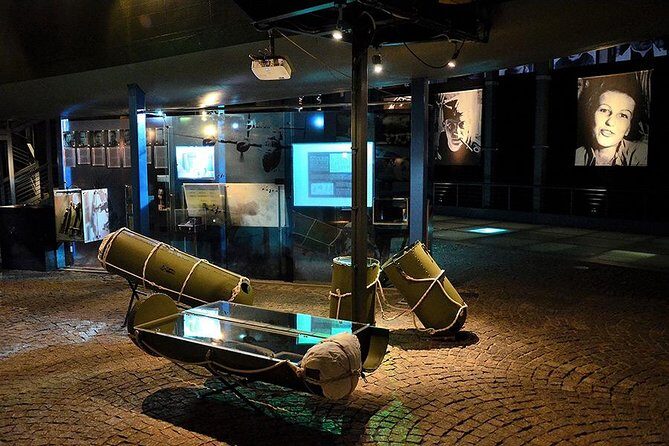
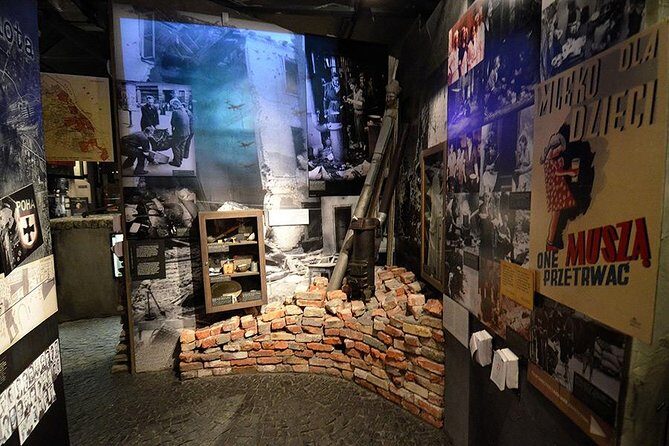
The Warsaw Uprising Museum (often called the Warsaw Rising Museum) is built around one central idea: don’t just read history—feel how it unfolded. In the exhibition, 1944 is treated as a terrifying, life-altering year for Warsaw, not a distant date in a textbook. You’ll encounter photographs, multimedia displays, and historic artifacts, all pushing you toward a clearer picture of what was at stake.
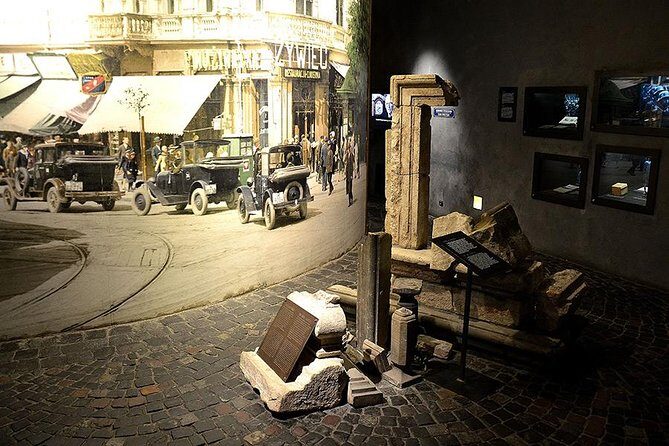
One of the most striking parts is how the museum sets the scene before it moves into the uprising itself. The story includes Warsaw’s earlier reputation as the Pearl of the North—built as a “social, architectural and religious melting pot”—and then contrasts that with how much was destroyed. The museum narrative also emphasizes the scale of loss: the city was demolished almost to the last building and the last brick, and a generation of people who were not even 20 perished.
That framing matters for your visit. If you’ve ever visited a museum that covers big events but leaves you with a vague sense of what daily life was like, this one is trying to close that gap. You’re given a path to understand why people rose—and you’re asked to sit with a hard question: was the price for potential freedom won in battle too high?
You can also read our reviews of more museum experiences in Warsaw

Door-to-door pickup in a small group (and what that’s worth)
A lot of Warsaw history sights are doable on your own, but the logistics can be annoying—especially when you’re tight on time or you’re tired after a day of walking. Here, the tour includes door-to-door transfers from your hotel or apartment, and then the same service back after the museum visit.
That matters because it changes how you spend your day. Instead of budgeting time for transit, you can arrive when you’re supposed to and focus on the museum. And because it’s a small-group format, you’re not getting shoved into a crowd rhythm.
There’s also a simple, practical benefit to the way this is organized: you get a driver/coordinator who can help you along the way. In one case shared by a previous participant, the driver named Maria stood out for being kind and helpful, adding history information during the car ride. You might not get the exact same experience every time, but the tour is set up so you’re not completely on your own between pickup and museum entry.
One consideration before you book: all-in tours can create friction if the pickup drop-off doesn’t match what you expected. Because the price includes transport, double-check where you’ll be picked up and how close it is to the museum entrance. If you dislike any walking at the start of your museum time, confirm the meeting point clearly.
The 2-hour flow: what happens at the museum
This tour runs about 2 hours total, including the transport. The museum portion clocks in at about 1 hour 15 minutes (with time to explore the grounds). That time structure is important: it’s long enough to absorb a lot, but not so long that you feel trapped.
Here’s what the rhythm is built around:
Step 1: Arrive and get ready to follow the story
Once you reach the Warsaw Uprising Museum, you’re there to focus. The museum isn’t presented like a simple lineup of rooms—it’s more of a guided experience through time, using multimedia and historical objects to connect events and people. Even if you’ve read about 1944 before, the presentation style is designed to make it concrete.
Step 2: Experience the multimedia exhibition and historic material
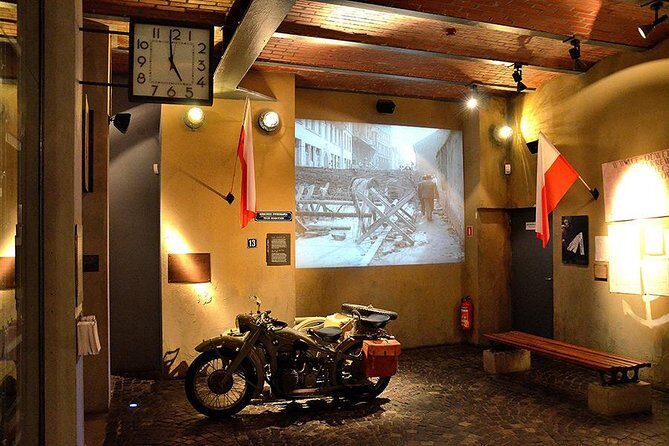
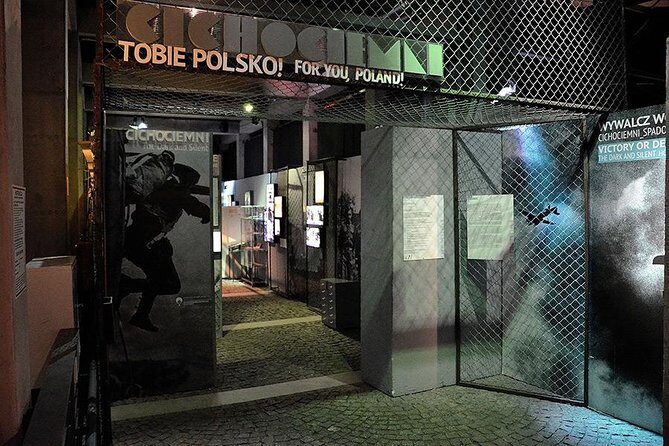
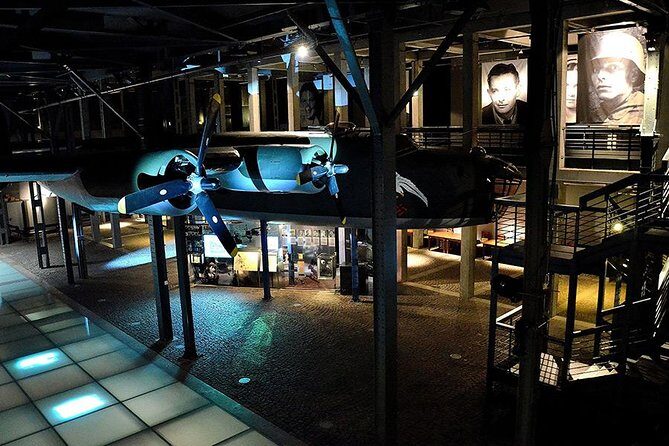
The exhibition includes a mix of images and media. You’ll be looking at historical photographs and artifacts, but the key is how the museum ties them together with multimedia displays. This is why the “time machine” description fits: the museum tries to recreate the feel of the period, not just tell you the facts.
The museum also emphasizes the dramatic transformation of Warsaw—growth and style and courtesy on one side, and then the reality of destruction on the other. It’s heavy material, and the pacing is built to help you keep up without feeling lost.
Step 3: Spend a bit of time exploring the museum grounds
After the core exhibition time, you’re given room to linger. That’s valuable because some details can’t be rushed. If something catches your attention—an artifact, a photo sequence, a section of the multimedia area—you can slow down instead of being pulled along at high speed.
Step 4: Head back to your hotel/apartment
When your tour time finishes, you’re taken back by the same small-group setup. It’s one less thing for you to manage after a museum that can be emotionally exhausting.
Audio commentary: how it improves the visit
One of the best parts of this tour is the audio guide package. Instead of relying only on signage, you get audio commentary that’s designed to enrich your understanding as you move through the experience.
You’ll have audio options in a long list of languages, including English, German, French, Spanish, Italian, Polish, Russian, Swedish, and many others. That’s a big deal because language barriers are often what turn a museum visit into a “look around and hope” experience. With the audio commentary included, you can keep your attention on what the museum is showing and still understand the context.
Practical tip for getting value out of audio: listen with a light hand. Don’t try to catch every sentence like it’s a lecture. Instead, use it as a compass—when you hear a specific point referenced, glance back at what you’re seeing right then. That’s how audio guides tend to turn from background noise into real learning.
Price and value: what you’re really paying for
At $82.61 per person, this isn’t the cheapest way to reach the Warsaw Uprising Museum. But the price isn’t only museum entry either—it includes transport and a guided structure.
So here’s how I think about value with this kind of tour:
- You’re paying for convenience: door-to-door pickup and return means less planning and fewer moving parts.
- You’re paying for a calmer experience: small-group size (limited to eight passengers) helps you avoid the feel of a herd.
- You’re paying for interpretation: audio commentary is included, which can make the museum far easier to follow.
If your plan is simply to visit the museum and then head back on your own, you may wonder why you aren’t paying less. And that’s a fair thought. There’s a real risk that you’ll feel the price is too high if your expectations are only about museum access and you didn’t factor in the transport and audio.
The key question for you is this: do you want the hassle handled? If yes, the tour price can feel reasonable. If you prefer total independence and can easily handle getting to the museum yourself, you might decide DIY is better for your budget.





Who this tour suits best (and who might not need it)
This tour is a strong fit if you want context and less logistics work.
It’s ideal for you if:
- you like small groups and want to avoid crowded museum timing
- you want to understand what you’re seeing, not just look at displays
- you appreciate hotel-to-museum transfers that remove transit stress
- you’ll benefit from audio commentary in your language
It may not be the best match if:
- you’re cost-focused and don’t care about paying extra for transport or audio
- you prefer to build your own pace, room by room
- you strongly prefer choosing your own entry timing and route
Practical tips so your visit lands well
This museum deals with intense subject matter, and the tour format is built to keep you oriented. Use that to your advantage.
- Plan for impact, not just sightseeing. The museum’s framing includes the destruction of Warsaw and the loss of young lives, so give yourself time to sit with what you’re reading and watching.
- Bring your phone for your mobile ticket. Since the tour includes a mobile ticket, make sure you’re ready to show it when needed.
- Know what isn’t included. Photos, books, and postcards are not part of the package, so if you want souvenirs or printed materials, you’ll need to buy them at the museum.
- Wear comfortable shoes. Even with pickup and transport handled, museums still involve walking time.
Should you book the Warsaw Uprising Museum tour?
I’d book this tour if you want an easier day and a more guided way to understand what happened in 1944. The combination of door-to-door transfers, a small group, and included audio commentary makes the visit feel structured without feeling crowded. For many people, that’s exactly what turns a difficult history topic into something they can actually process.
I’d think twice if you’re expecting this to be only a museum ticket with a basic transfer. In that case, it might feel overpriced, especially if you prefer to handle transportation yourself. Also, confirm pickup details so you know exactly how close you’ll be dropped to the museum—because this tour is paying for convenience, and convenience should mean less walking, not more.
FAQ
How long is the Warsaw Uprising Museum (1944) small-group tour?
The tour lasts about 2 hours in total, with about 1 hour 15 minutes at the museum.
Does the tour include pickup and drop-off from my hotel?
Yes. Door-to-door transport from your hotel or apartment in Warsaw to the Warsaw Uprising Museum is included, and you also get transport back afterward.
How big is the group?
It’s a small-group tour limited to eight passengers. The booking caps also note a maximum of 15 travelers for the experience.
Is the museum admission included?
Yes. Admission to the Warsaw Uprising Museum is included, and you receive an audio guide as part of the tour.
Are audio guides included, and what languages are available?
Yes. Audio guides are included, with many language options including English, German, French, Spanish, Polish, Russian, Italian, and others.
What ticket format do I receive?
You get a mobile ticket.
What is not included in the tour price?
Photos, books, and postcards are not included.
Is there free cancellation?
Yes. You can cancel for a full refund up to 24 hours before the experience’s start time.
What if I’m booking for two people?
The experience requires a minimum of 2 people per booking.
If you tell me your hotel neighborhood (or the closest landmark) and your travel dates, I can help you think through whether this pickup style will feel convenient or whether you might prefer a more independent plan.