REVIEW · MEMORIAL AND MUSEUM AUSCHWITZ BIRKENAU
Auschwitz-Birkenau Museum Tour from Krakow
Book on GetYourGuide →Operated by Amazing Krakow Tours · Bookable on GetYourGuide
Auschwitz-Birkenau never feels routine. This day trip from Krakow is built around a guided visit to the biggest Nazi camp complex, including the former gas chambers and camp barracks. You get enough structure to make sense of what you’re seeing, without turning it into a rushed checklist.
I particularly like two things. First, the presence of a licensed guide (English or Polish) helps you understand the Holocaust as a real, documented history, not just a list of horrors. Second, the trip includes round-trip transportation plus your memorial entrance tickets, so you can focus on the visit instead of logistics.
The main drawback to plan for is the emotional intensity—and the fact that this is often a group setting. If you’re sensitive to crowds, consider choosing the private or small-group option if it’s available.
In This Review
- Key things to know before you go
- Krakow to Auschwitz-Birkenau in 7 hours: how the timing works
- What your $92 covers (and where your money goes)
- The role of a licensed guide: why the story lands better
- Entering the Memorial: the rules that can ruin your day
- Bag limits
- Auschwitz basics: what you’re looking at and what it means
- Auschwitz camp remains: how the guided stops typically feel
- Birkenau (Auschwitz II): the largest camp and the shock of scale
- Gas chambers and barracks: how to handle the intensity
- Getting there smoothly: transportation from Krakow
- What to bring (besides ID): practical items that help
- Who this Auschwitz-Birkenau tour suits best
- Should you book this Auschwitz-Birkenau tour from Krakow?
- FAQ
- How long is the Auschwitz-Birkenau tour from Krakow?
- Is food included in the tour price?
- What’s included besides the Auschwitz-Birkenau entrance tickets?
- Do I need to bring an ID or passport?
- What languages is the tour offered in?
- Are shorts or sleeveless shirts allowed?
- What’s the maximum bag size allowed?
Key things to know before you go
- Licensed, live guidance: you’ll learn the history of Auschwitz and the Holocaust from a guide, not from a headpiece audio track
- Round-trip transport from Krakow: it’s a full day, and the pacing is easier when someone else drives
- Auschwitz plus Birkenau: you’ll see more than one part of the camp complex, including the largest camp site
- Real restrictions at entry: ID matching, clothing rules, and bag size limits affect what you can bring in
- You’re paying for access + time: the ticket and guided entry are bundled, which often makes this better value than piecing it together yourself
Krakow to Auschwitz-Birkenau in 7 hours: how the timing works
Auschwitz-Birkenau is a long day, even though the distance from Krakow is manageable. Expect to spend most of your day on the visit itself and the ride in and out, with a total duration of about 7 hours.
Why that matters: you want to arrive with your energy, not with a sprinting mindset. A guided schedule is especially helpful here, because the site is large and the history is complex. This format also means you won’t be left guessing how long you should spend in each area.
You can also read our reviews of more tours and experiences in Memorial And Museum Auschwitz Birkenau.
What your $92 covers (and where your money goes)
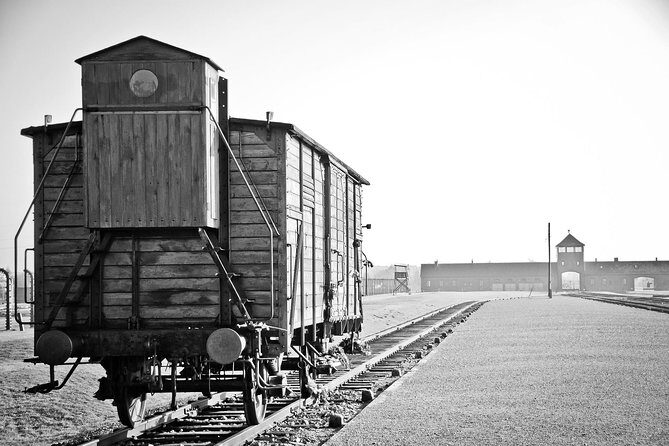
At $92 per person, you’re not just buying a ticket. This price includes entrance tickets to the Auschwitz-Birkenau Memorial, round-trip transportation from Krakow, a guided group tour with a live guide, and water.
That mix can feel like strong value if you compare it to buying tickets and trying to coordinate transport on your own. The trade-off is that you’re in a scheduled group experience—less freedom than a fully private day, but more support than doing it completely independently.
What’s not included is also straightforward: food and drinks aren’t included, so plan to cover meals yourself. There’s water provided, which helps, since you might be standing and walking more than you expect.
The role of a licensed guide: why the story lands better
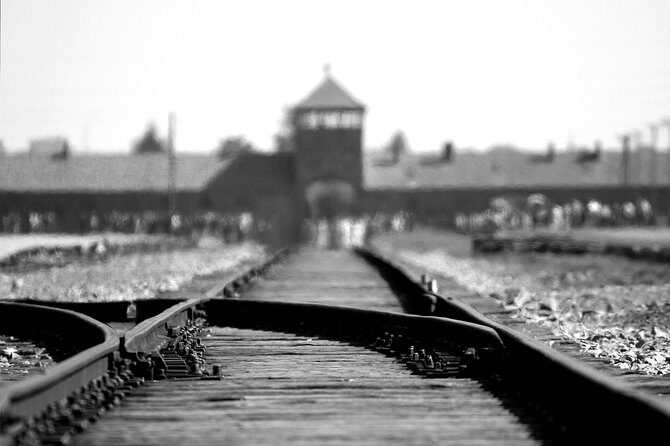
Auschwitz-Birkenau is overwhelming. The difference between seeing it as scenery and understanding it as history is often the guide.
This tour is led by an experienced, English-speaking live guide (and the activity lists English and Polish as tour languages). That means you can ask questions and get context while you’re standing among the remains—so details you hear aren’t disconnected from the physical place.
Some guides you may encounter include names like Ediwina, and support from drivers such as Viktor has shown up in prior service experiences. Even if you get a different team on your day, the key point is the same: this is built around a guided narrative.
Entering the Memorial: the rules that can ruin your day
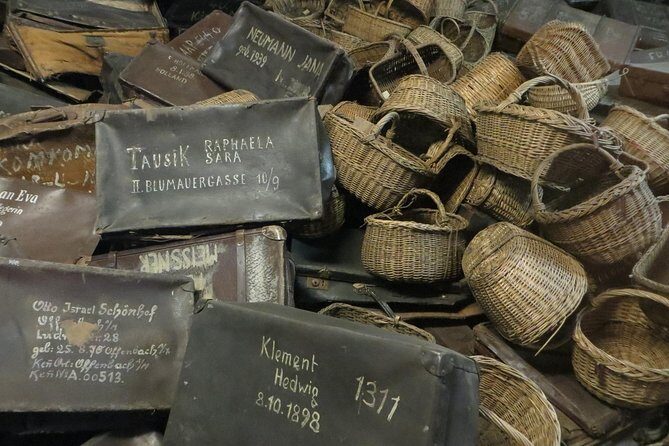
Before you even think about what you’ll see, you need to clear the entry requirements.
Bring an ID card or passport. The memorial requires your full name and contact details as part of booking, and entry can be refused if the name you booked doesn’t match the name on your ID. That’s not paperwork busywork—it’s part of how they verify participants.
Clothing rules also matter. Don’t wear shorts or sleeveless shirts. Keep it simple and respectful, and you’ll avoid last-minute friction.
Bag limits
You’re also limited by size: luggage, large bags, and backpacks are restricted. The maximum bag/purse/backpack size listed is 30x20x10 cm. If you travel with a larger bag, you’ll need a different plan—this tour won’t be the place for bulky carry-ons.
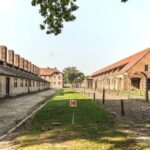
Auschwitz basics: what you’re looking at and what it means
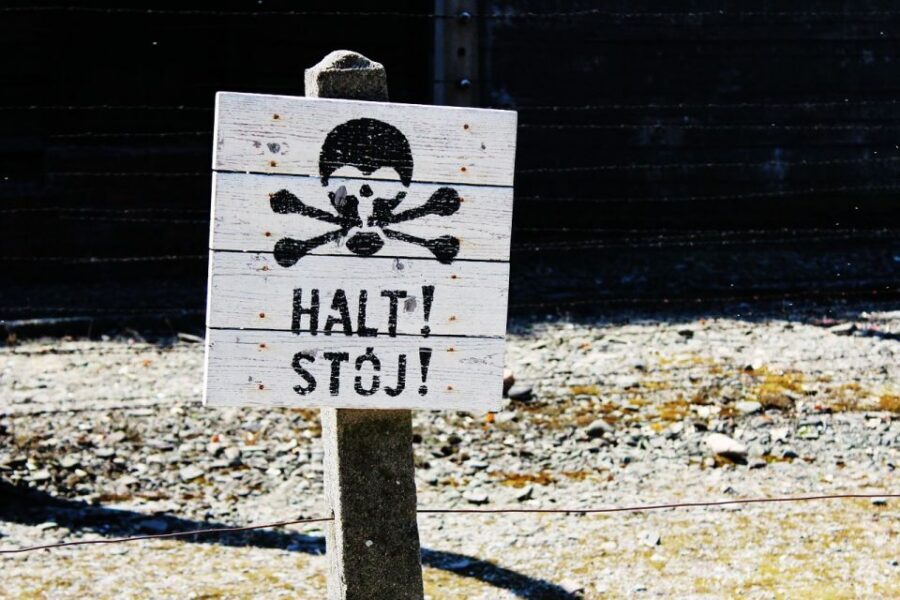
The camp was built by the Nazis in 1940 in the suburbs of Oswiecim, which is why you’ll sometimes see it associated with that name. The death toll is estimated at over 1.1 million people, across 28 nationalities, and nearly 90% of those killed were Jews.
Those numbers can sound distant until you connect them to what the camp layout and preserved structures communicate. That’s the value of visiting with guidance: you’re not left interpreting alone.
The memorial site has also been recognized internationally since 1979 as a UNESCO World Heritage site, which reinforces how important it is to preserve the evidence and tell the story accurately.
Auschwitz camp remains: how the guided stops typically feel
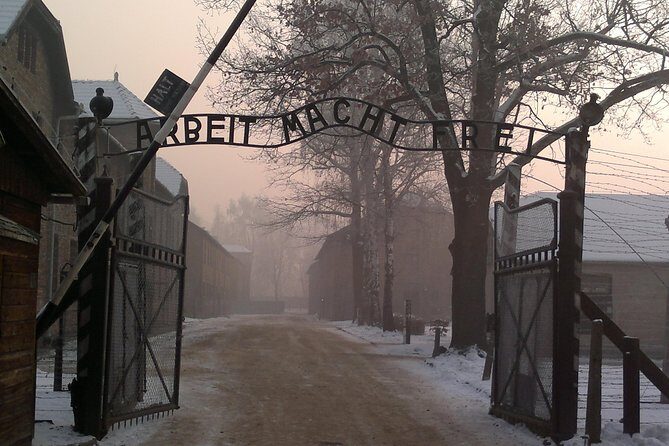
Within the Auschwitz-Birkenau complex, you’ll spend time in areas that show how the camp system operated. The highlights you should expect include former gas chambers and barracks, and the tour is designed around seeing these key parts with a guide.
Here’s how to prepare yourself for the feel of it. Some parts are stark and factual, but the emotional weight still lands hard because you’re looking at space where people were processed, held, and killed. The guide helps you frame what you’re seeing—why certain areas were used, how the camp worked, and how Nazi policy translated into daily cruelty.
A practical tip: wear shoes that can handle lots of walking and standing. Even if the schedule is organized, the site requires your body to keep moving through the day.
Birkenau (Auschwitz II): the largest camp and the shock of scale
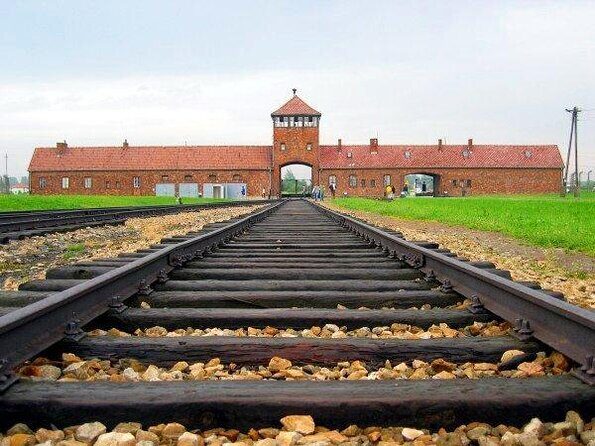
The tour specifically includes a visit to the largest of the former Nazi concentration camps—the Birkenau side of the complex. “Largest” is the right word here. The grounds open up in a way that makes you feel how many people were involved and how vast the system was.
This is where group pacing can matter. On a day trip, you’re usually moving with the tour flow—so you might not stand in silence as long as you personally need. If that’s a concern, consider choosing the private or small-group option listed for this activity, since it can give you slightly more room to absorb.
Still, don’t think of Birkenau as just “bigger.” It’s also about how the camp’s function and intent played out across a wide space. Your guide’s explanations help your brain scale up from individual facts to the full machine of persecution.
Gas chambers and barracks: how to handle the intensity
Seeing preserved elements linked to killing can be difficult. The most helpful way to approach this part is with structure: you hear what happened, then you look at what remains.
That’s exactly what this tour format is built for. The highlights promise former gas chambers and the barracks, and the guide’s role is to translate the site into clear historical understanding—without you having to make assumptions from plaques alone.
One consideration: if you feel strongly about how crowds move through sites like this, choose your group style carefully. The experience is respectful when everyone follows the guide and site guidance, but the overall setup can still feel like a “mass day” to some people. If you want less of that, pick the smaller-group option when you can.
Getting there smoothly: transportation from Krakow
Logistics matter more than people think on a day like this. This activity includes a professional English-speaking driver and round-trip transportation.
Pickup is included, and you’re asked to be ready 5 minutes before departure and show your ticket to the driver. Those small details keep the day from turning into stress at the starting line, which lets you arrive mentally steadier.
Also, this is a full-day commitment with a memorial visit at the center. When transportation is handled well, you lose less time and spend more of your day exactly where you want to be.
What to bring (besides ID): practical items that help
You’ve got the big rules covered by ID and clothing, but you still want a smart daypack approach.
Bring:
- An ID card or passport
- A bag that fits the size limit of 30x20x10 cm
- Comfortable walking shoes
- Anything you need to stay comfortable, since food isn’t included
The tour provides water, which is useful. If you’re the type who likes a snack to keep your mood steady during long walks, you’ll need to plan for that on your own.
Who this Auschwitz-Birkenau tour suits best
This tour is listed as not suitable for children under 14. If you’re traveling with younger kids, you’ll need a different plan.
It’s also marked as not suitable for people with mobility impairments, which matters because the visit involves significant walking over uneven or demanding surfaces.
Who it’s a good fit for:
- Adults who want a guided historical framework while visiting Auschwitz-Birkenau
- Travelers who prefer bundled entry + transport rather than planning everything separately
- People who want to see Auschwitz and the Birkenau area within one organized day from Krakow
- Anyone who values English or Polish live interpretation
If you’re traveling solo and you hate big crowds, the availability of private or small groups is the key detail to use. It can make the experience feel less like a conveyor belt.
Should you book this Auschwitz-Birkenau tour from Krakow?
Book it if you want a structured, guided day that covers the key parts: memorial entry, knowledgeable context, and time at both Auschwitz and the largest camp area at Birkenau. At $92 including tickets, transport, and a live guide, it also tends to offer better value than cobbling together separate pieces.
Think twice before booking if you:
- Are very sensitive to group settings and crowd flow
- Need flexibility to pause longer than a standard tour schedule allows
- Have mobility needs that the activity states it can’t accommodate
- Don’t want to follow strict entry rules (ID matching, no shorts/sleeveless tops, and small bag limits)
If you’re ready for a day that will stay with you, this is one of the more practical ways to do Auschwitz-Birkenau from Krakow—because it keeps the logistics handled and puts the focus where it belongs.
FAQ
How long is the Auschwitz-Birkenau tour from Krakow?
The tour duration is listed as 7 hours.
Is food included in the tour price?
No. Food or drinks are not included.
What’s included besides the Auschwitz-Birkenau entrance tickets?
The included items are round-trip transportation, a guided group tour with a live guide, water, and a professional English-speaking driver.
Do I need to bring an ID or passport?
Yes. You must take your passport or ID card. Entry may be refused if the name on your booking doesn’t match the name on your ID.
What languages is the tour offered in?
The guide is listed as English and Polish.
Are shorts or sleeveless shirts allowed?
No. Shorts and sleeveless shirts are not allowed.
What’s the maximum bag size allowed?
The maximum luggage/bag/purse/backpack size is 30x20x10 cm. Larger bags are not allowed.