REVIEW · KRAKOW
Krakow: Oskar Schindler’s Factory Skip-The-Line Ticket
Book on GetYourGuide →Operated by Unlimited Krakow · Bookable on GetYourGuide
Lines outside can eat your day. This skip-the-line ticket lets you enter Oskar Schindler’s Factory on your assigned time and go straight into a 90-minute museum built around everyday life under Nazi occupation. You’ll move through an interactive, timeline-style visit that connects World War II history with personal stories tied to Krakow’s Jewish community.
The main catch is timing: you’ll need to bring a photo ID or passport, and entry is only allowed during the exact time window on your ticket.
In This Review
- Key things to know before you go
- Skip-the-Line Entry That Actually Works (and the one rule that matters)
- What You Really Get in 90 Minutes Inside Schindler’s Factory
- The Factory Building: From 1937 Enamel Works to Occupation Reality
- Survivor Stories and Survivor’s Ark: Why This Museum Hits Hard
- Jewish Krakow Under the Occupation: More Than a Background Detail
- No Guide Included: What That Means for Your Visit Pace
- Ticket Timing, ID Checks, and What to Bring (so you don’t get stopped at the door)
- Bring
- Show
- Be ready for strict entry windows
- Keep your bag situation simple
- Wheelchair Access: It’s Supported, But Cobblestones Can Still Matter
- How Much Will You Walk, and How to Keep Your Day From Getting Heavy
- Price and Value: Is $24 Worth It for This Museum?
- Who Should Book This Ticket (and who might want a different plan)
- Should You Book This Schindler’s Factory Skip-The-Line Ticket?
Key things to know before you go
- Skip-the-line entry at your time: Go in without wrestling the outdoor queue.
- WWII timeline, not just Schindler: You’ll see how the war unfolded in Krakow from start to finish.
- Personal survivor stories: Audio-style memories and emotional testimonies drive the exhibits.
- One ticket, 90 minutes: Plan for a focused visit rather than a slow wander.
- Carry your physical ID: Digital ticket is not enough by itself at the door.
Skip-the-Line Entry That Actually Works (and the one rule that matters)
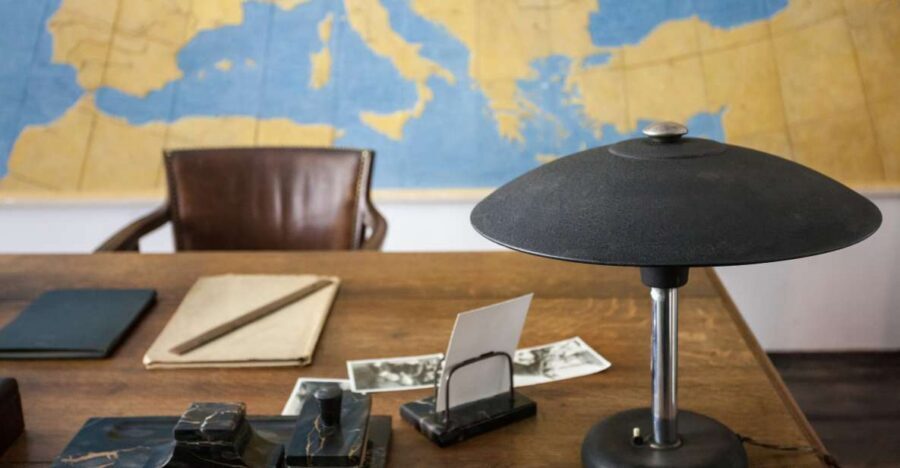
Oskar Schindler’s Factory is one of those Krakow must-dos where the “queue outside” can feel like a second attraction—just not the fun kind. The big win with this ticket is simple: you show your digital admission and head straight into the exhibition at your scheduled entry time. No waiting around to buy a paper ticket, and no standing in a line that can stretch while you’re trying to plan the rest of your day.
A practical tip: the museum is strict about your arrival window. You should plan to be there close to your time—think minutes, not half an hour. If you show up too early or too late, entry may be refused. That’s the trade-off for a smooth skip-the-line experience: you get convenience, but you have to follow the timing.
Also, bring your passport or photo ID in the real world. One thing I really appreciate about this setup is that it avoids last-minute surprises once you arrive—as long as you remember the physical ID requirement.
A few more Krakow tours and experiences worth a look



What You Really Get in 90 Minutes Inside Schindler’s Factory
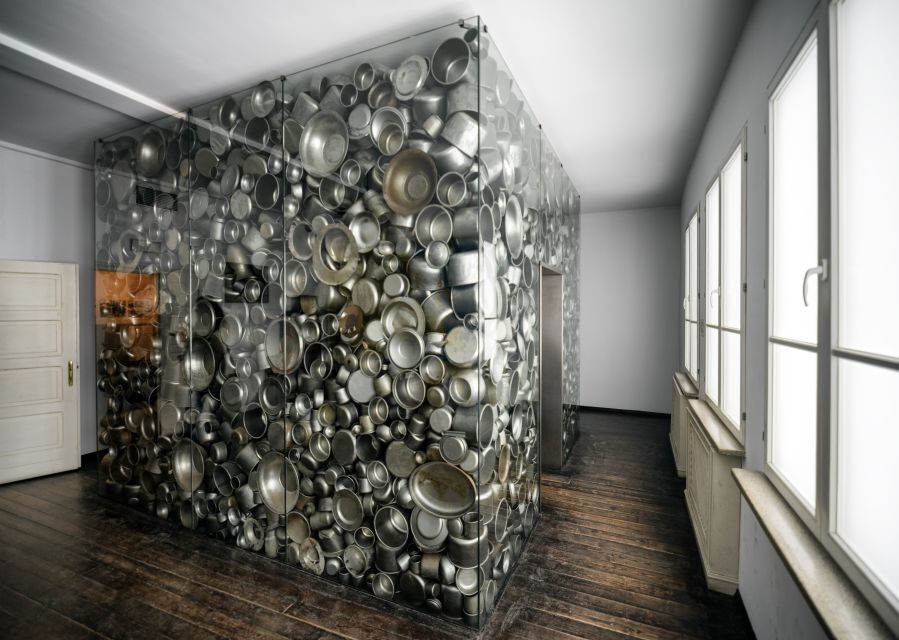
This ticket is for a 90-minute visit window, which makes it a smart choice even if your Krakow schedule is tight. The museum experience is designed to move you through scenes in order, so you don’t just bounce around. The flow matters because the exhibits aim to show how the Nazi occupation reshaped daily life in Krakow over nearly six years.
Expect a museum that links three threads:
- World War II events in Poland and Krakow
- The Jewish community’s experiences and culture under occupation
- Oskar Schindler’s role through the lens of the enamel factory
Even when Schindler is a central figure, the exhibits don’t treat the story as a single-man biography. You’ll get the larger picture of the war environment that made survival possible for some and devastating for others. That’s part of why this museum has such a long emotional reach.
If you’re someone who usually finds museums hard to stick with, this one often works better than you’d expect. The exhibits use photos, artifacts, and personal memories to keep the story from becoming a dry timeline. It’s heavy content, but the presentation is readable and staged so you’re not staring at one big wall for an hour.
The Factory Building: From 1937 Enamel Works to Occupation Reality

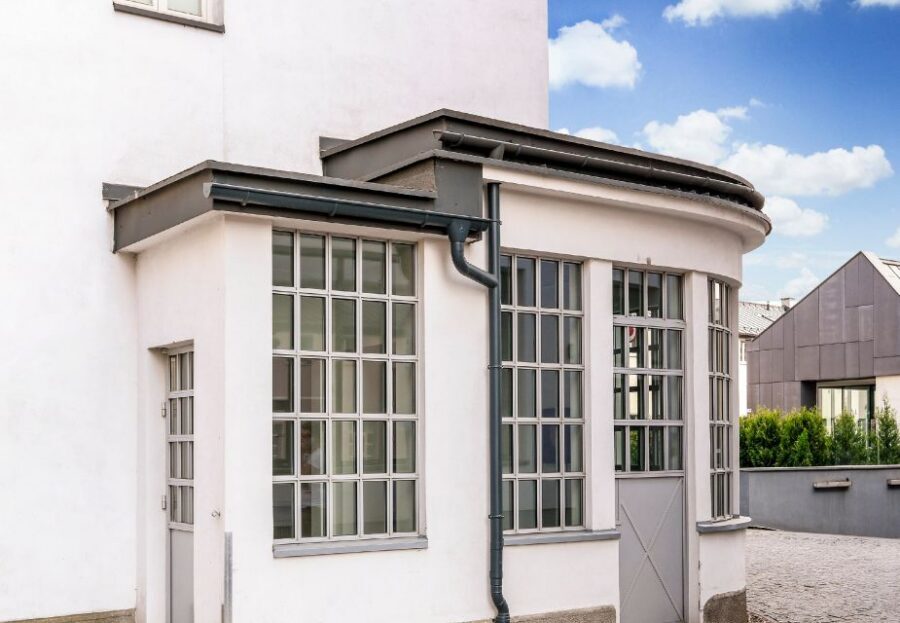
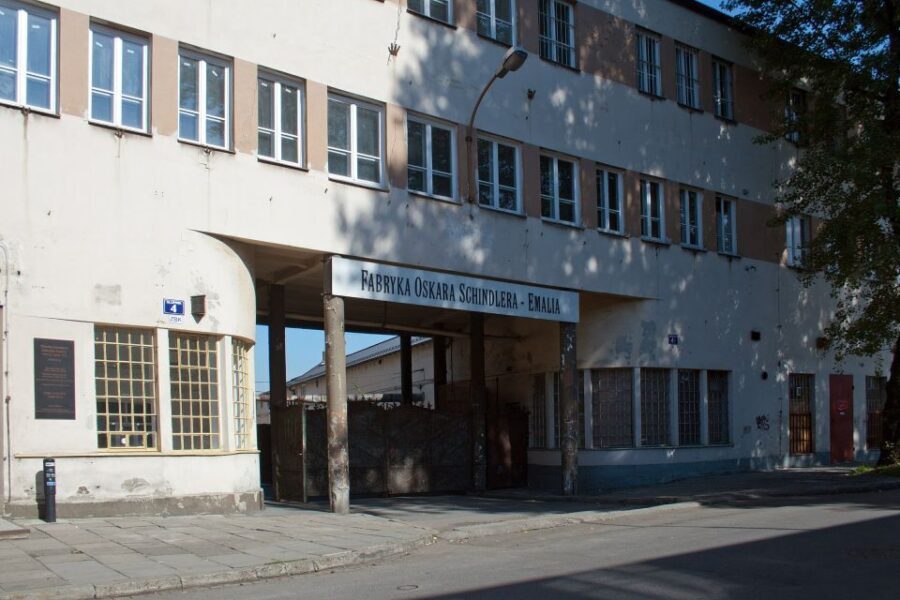
The venue itself is part of the lesson. The original enamel factory—Oskar Schindler’s Deutsche Emailwarenfabrik (DEF)—dates back to 1937. That “before the war” starting point is important, because it shows you that the story didn’t begin with 1940 horror posters. It begins in an ordinary industrial space where people worked, planned, and lived with routines.
Then the museum transitions into the war turning point:
- Nazi Germany invaded Poland on September 1, 1939
- Schindler arrived in Krakow around September 6 as German troops entered the city
- Oskar Schindler is described as a Sudeten German connected to the NSDAP and an agent of the Abwehr
You don’t need a history degree to follow this. The museum uses the factory’s setting to ground the timeline: policies and violence didn’t fall from the sky—they reshaped work, paperwork, movement, and survival in ways that were felt by individuals.
One more detail worth noting: the museum’s focus is not only “what happened,” but how people tried to navigate a world where rules could change overnight.
Survivor Stories and Survivor’s Ark: Why This Museum Hits Hard
What makes Schindler’s Factory different from many WWII museums is the way it centers human accounts. Instead of just showing uniforms, locations, and dates, you’ll encounter personal stories about life under Nazi occupation in Krakow. You’ll also hear testimonies that connect directly to what it meant to survive—emotionally and practically.
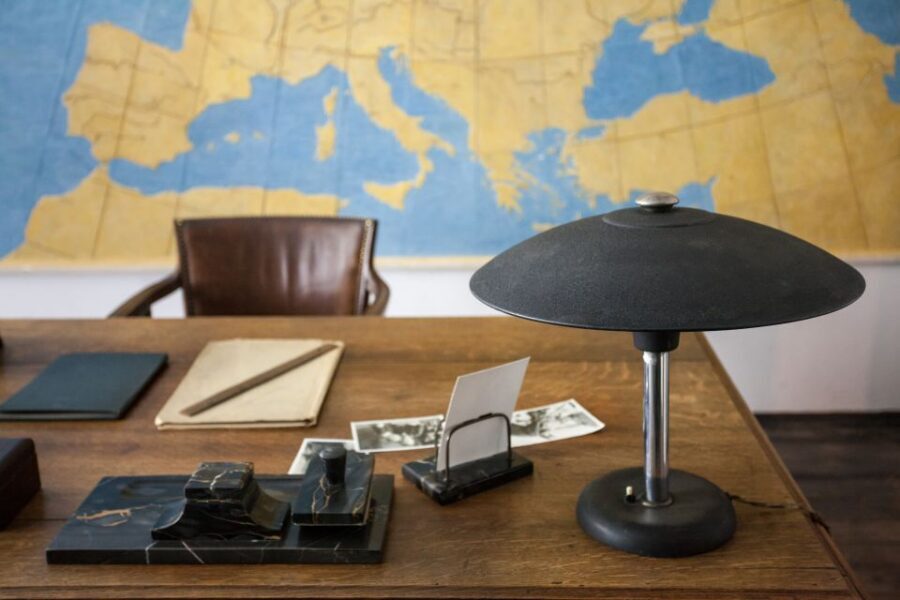
One symbolic highlight is Survivor’s Ark, tied to Schindler’s personal office concept in the exhibit route. That symbolic space matters because it frames the story around protection and rescue, not only on imprisonment and loss. The museum describes Schindler as someone who helped save over 1,000 lives, and it pairs that claim with the lived context that made those actions meaningful.
A balanced way to look at it: yes, Schindler’s story is crucial here. But the emotional power comes from realizing this took place amid the grinding pressure of occupation—when survival depended on a web of decisions, risks, and timing.
Jewish Krakow Under the Occupation: More Than a Background Detail
If you’re only thinking of Schindler as a character, you’ll still leave with a deeper understanding of the Jewish community and culture in Krakow. The museum’s story includes how the war intersected with everyday life for Krakow’s residents, and how occupation policies attacked community life at multiple levels.
The “culture and history” angle shows up through photos, artifacts, and narrative sections that step beyond a single plot line. It’s not just a generic Holocaust museum experience. It’s a Krakow-specific portrait—one reason locals and visitors treat this site as an essential stop.
This matters if you’re building a Krakow itinerary that includes sites tied to Jewish history. Schindler’s Factory can give you context so other places hit harder and make more sense.
A few more Krakow tours and experiences worth a look





No Guide Included: What That Means for Your Visit Pace
This ticket includes skip-the-line entrance, but it does not include a guide. That changes how you should approach the museum.
Here’s how to make it work:
- Plan to follow the exhibit route yourself.
- Read the materials next to each area if you can, since they provide explanations in English.
- Don’t assume you’ll have someone leading you through. The museum is built so you can go without a group.
That said, group tours often move through the same spaces. You might catch bits of guided explanations from other groups if timing lines up, but you shouldn’t count on that. With a fixed 90-minute entry flow, it’s smart to keep your own pacing rather than trying to tail someone for the whole visit.
Ticket Timing, ID Checks, and What to Bring (so you don’t get stopped at the door)
This part is where most “smooth day” plans either succeed or faceplant.
Bring
- Passport or photo ID for every participant
Show
- Your digital ticket sent by email or WhatsApp from the local operator (Krakowbooking) the day before your visit
- Present it at the exhibition entrance
If you don’t see the ticket, check spam and your offers tab. If it’s still missing, contact details are provided by the operator so you can get it sorted before you travel.
Be ready for strict entry windows
Your ticket time isn’t a suggestion. Entry access is limited to the time printed on your ticket, and the allowed arrival flexibility is narrow. The museum is clear about this, so don’t treat the time as a rough estimate.
Keep your bag situation simple
You’re not allowed luggage or large bags, and you should expect security-style restrictions. Also:
- Flash photography is not allowed
- Video recording is not allowed
- No pets
- No weapons or sharp objects
- No intoxication
- Alcohol and drugs are not allowed
If you pack like you’re going to a café crawl, you’ll be fine. If you show up with a daypack plus extra luggage, you’ll likely feel stressed.
Wheelchair Access: It’s Supported, But Cobblestones Can Still Matter
The museum is described as wheelchair accessible, and the building includes lifts. Still, some areas can be harder to navigate because of cobblestones and uneven flooring. If you use a wheelchair or mobility aid, go in with realistic expectations: getting around is possible, but smooth rolling surfaces aren’t guaranteed everywhere.
I’d recommend you plan extra time in your overall day in case you need slower movement or more space to maneuver.
How Much Will You Walk, and How to Keep Your Day From Getting Heavy
Schindler’s Factory isn’t a “sit down and watch one film” type of museum. It’s a route through staged areas. Even though your ticket says 90 minutes, your feet and attention both do real work here.
So I suggest a smart pacing strategy:
- Don’t rush the early areas. The setup matters because it helps you understand what changes once occupation begins.
- When you hit the most emotional sections, slow down rather than trying to speed through.
There’s also a practical perk: a small café is located straight across the road, so you can grab an English breakfast and coffee afterward without searching. It’s a nice way to reset your mood after a museum that sticks with you.
Price and Value: Is $24 Worth It for This Museum?
At $24 per person, this isn’t a bargain attraction, but it’s also not overpriced for what you get. The value comes from two things:
- You skip the line
The outdoor queue can be long. In Krakow, time is money. Paying to avoid waiting can be one of the best ways to protect your schedule.
- You get a structured, high-impact museum visit
A 90-minute self-guided route through WWII-era Krakow, with survivor-driven stories and artifacts, is exactly the kind of experience that costs more when you factor in the time and stress of delays.
If you already plan to visit Schindler’s Factory at a crowded time, the skip-the-line piece is the main reason the ticket tends to feel worth it. If you’re flexible and can arrive at an unusually quiet hour, you might get in without the extra fee—but that’s a gamble.
Who Should Book This Ticket (and who might want a different plan)
This works especially well if you:
- Want a fast entry with minimal hassle
- Prefer a self-paced visit rather than a long guided tour
- Are interested in Jewish history in Krakow plus how WWII played out locally
- Want a museum that stays focused rather than turning into an all-day marathon
It is not suitable for children under 14. Also, because the museum deals with very serious themes, it’s best for adults and older teens who are ready for emotionally challenging content.
If you’re visiting with a group, it can still be a good value because everyone can enter using their own digital ticket at the right time—just keep an eye on timing so the group doesn’t get separated at the door.
Should You Book This Schindler’s Factory Skip-The-Line Ticket?
Yes—if you want to see Oskar Schindler’s Factory without wasting time in a long outdoor queue, this ticket is the practical choice. The digital ticket process is straightforward as long as you double-check your entry time and bring your physical photo ID or passport.
I’d especially recommend booking when:
- Your Krakow days are packed
- You don’t want the stress of last-minute ticket buying
- You’re coming for the WWII timeline in Krakow plus survivor stories
Skip it only if you’re determined to take your chances on entry timing and you don’t mind potentially losing time to queues. For most people, the convenience is worth the money—and the museum itself is powerful enough that you’ll be glad you got in smoothly.