REVIEW · KRAKOW
Krakow: Kazimierz, Schindler’s Factory, & Ghetto Guided Tour
Book on GetYourGuide →Operated by Thousand Miles Cracow Adventure Company · Bookable on GetYourGuide
History on foot feels heavy in the best way—Kazimierz to the ghetto wall. What makes this tour so compelling is the way it connects Jewish Krakow’s daily life in Kazimierz to Holocaust-era reality at Schindler’s Factory and the former ghetto. I especially like how the guide turns big, tragic events into clear, human-scale stories, and how the stop at the 68 chairs in Heroes’ Square gives the whole route a final, gut-level meaning. The only real drawback is that the subject matter is serious, and it’s a fair amount of walking with limited standing-still moments.
You’ll start outside the Old Synagogue in Kazimierz, a neighborhood that’s now hip and lively but still carries centuries of community memory. From there, the tour shifts into the WWII years, using Oskar Schindler’s enamel factory museum to explain how decisions and labor shaped lives. Then you’ll move to the ghetto area, see parts of the surviving wall, and learn what places like Under the Eagle pharmacy meant during the occupation.
At the end, you’re not just touring sights—you’re leaving with context for the names, streets, and buildings you saw. Plan ahead with comfortable shoes and weather gear, because this is a walking-focused route and you may cover around 5 km.
In This Review
- Key moments worth your attention
- Kazimierz begins outside the Old Synagogue
- Schindler’s Factory: why timing and tickets change the experience
- The Jewish ghetto route: wall fragments and real location thinking
- Heroes’ Square and the monument of 68 chairs
- Walking distance, pace, and what to pack
- Value: is $81 for 5 hours a good deal?
- Who should book this tour
- Should you book this Krakow Jewish History tour?
- FAQ
- How long is the tour?
- Where do I meet the guide?
- What’s included in the price?
- Does this tour include Holocaust-related and disturbing content?
- How much walking should I expect?
- What should I bring or wear?
- Do I need ID for Schindler’s Factory?
- What languages are available for the guided tour?
Key moments worth your attention
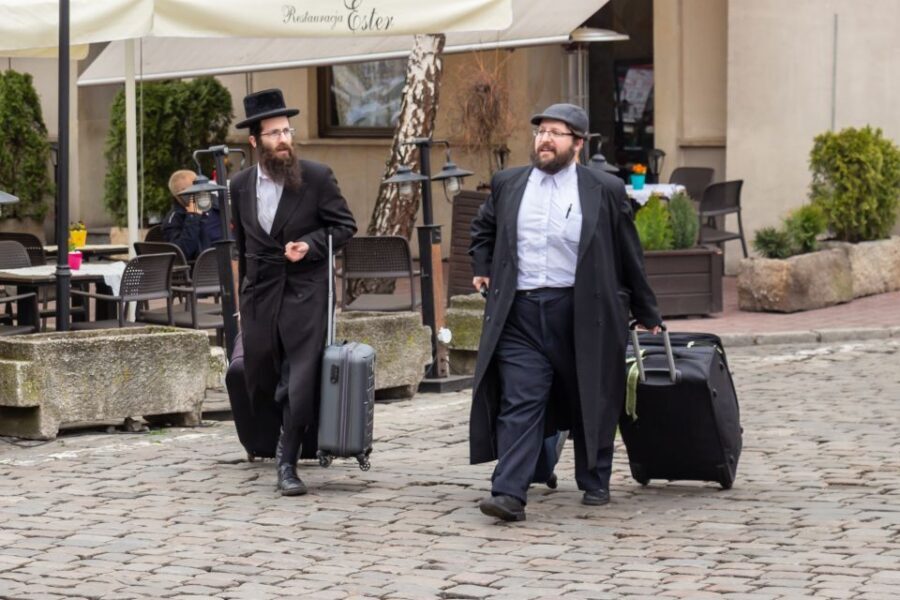
- Old Synagogue start in Kazimierz: the route begins where the Jewish community’s story was lived, not just studied
- Oskar Schindler’s Factory skip-the-line: you keep momentum at one of Krakow’s biggest museum stops
- Ghetto wall and built-in spatial history: you see how confinement shaped everyday movement
- Under the Eagle pharmacy stop: a specific location that helps explain life under occupation
- Heroes’ Square and 68 chairs: a final memorial moment that lingers after the walking ends
- A guide who paces for real groups: the best runs include frequent check-ins and breaks, especially in warm weather
Kazimierz begins outside the Old Synagogue
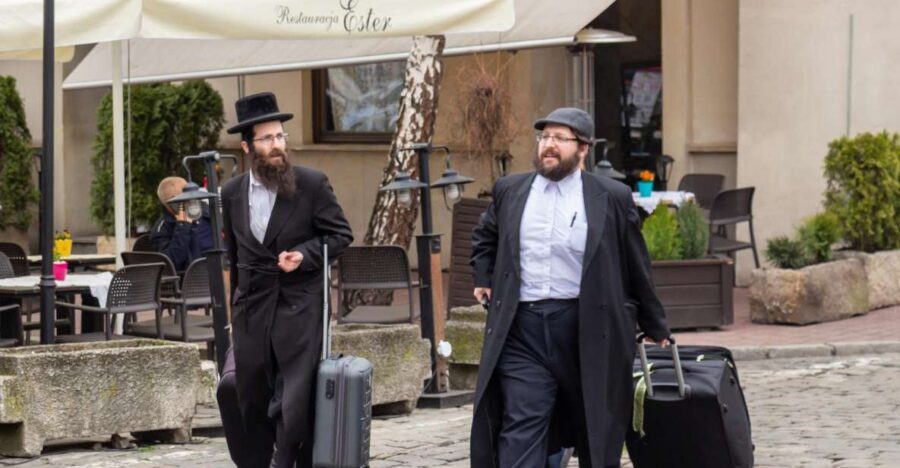
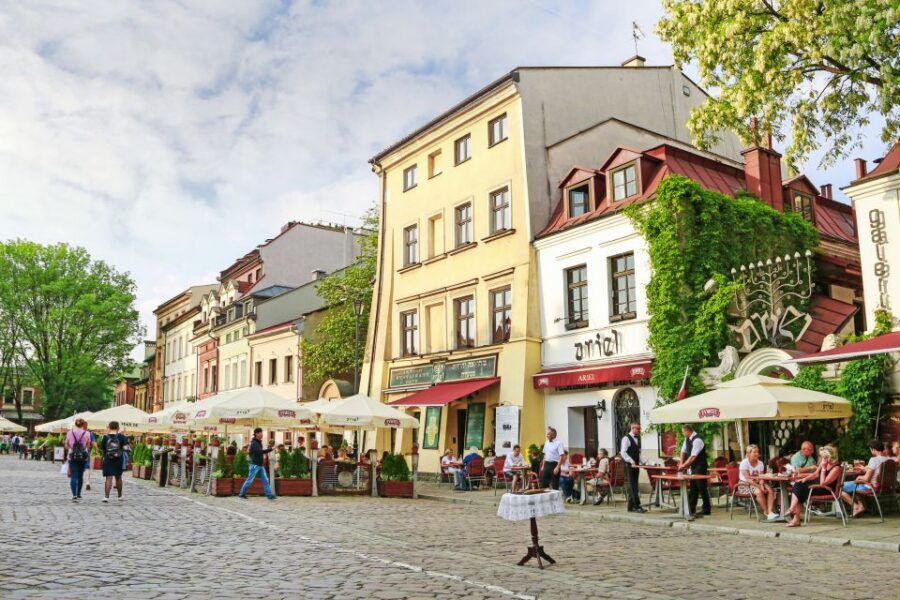
The meeting point is outside the Old Synagogue in Kazimierz. Look for your guide holding an excursions.city sign, then get ready for a neighborhood start that’s more than a warm-up. Kazimierz has been a Jewish center for centuries, and the guide’s job here is to help you read the streets with fresh eyes.
You’ll walk through the district’s side streets and squares with the sense that this is not a museum set. Even though Kazimierz today has a stylish, café-and-shopping vibe, the tour keeps steering you back to how the area functioned for Jewish residents before WWII. That contrast matters. It helps you understand why historians and locals still treat these blocks as living memory, not just scenery.
If you’ve only seen Krakow from the main tourist axis, this part is a good course correction. You get variety fast: old and new, sacred and everyday. It’s also the gentlest part of the 5-hour arc, which is smart because the next stops get heavy.
You can also read our reviews of more guided tours in Krakow

Schindler’s Factory: why timing and tickets change the experience
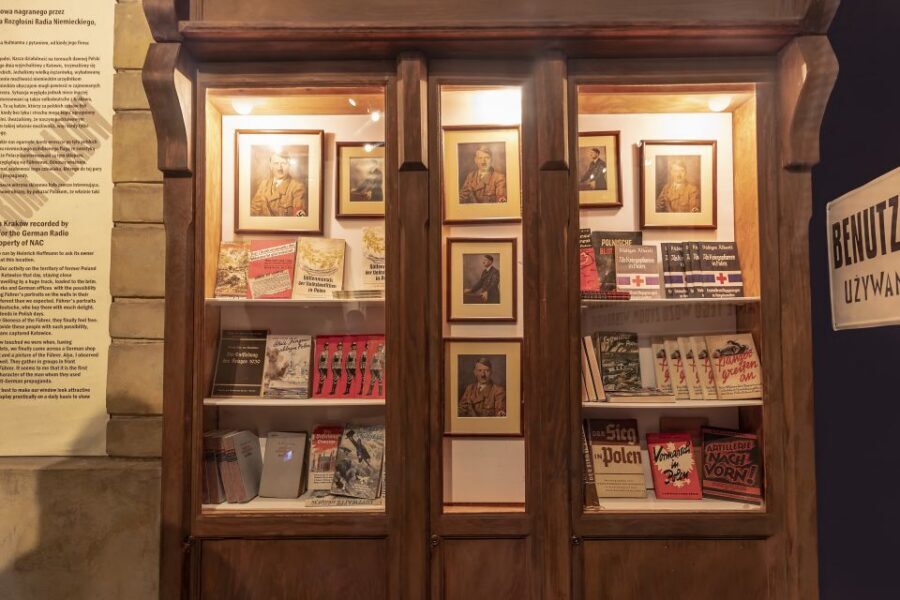
Next comes Oskar Schindler’s enamel factory museum. You’ll get skip-the-line tickets, which is genuinely useful. This museum can draw steady crowds, and the value here is time saved—so you spend more time inside learning, not outside waiting.
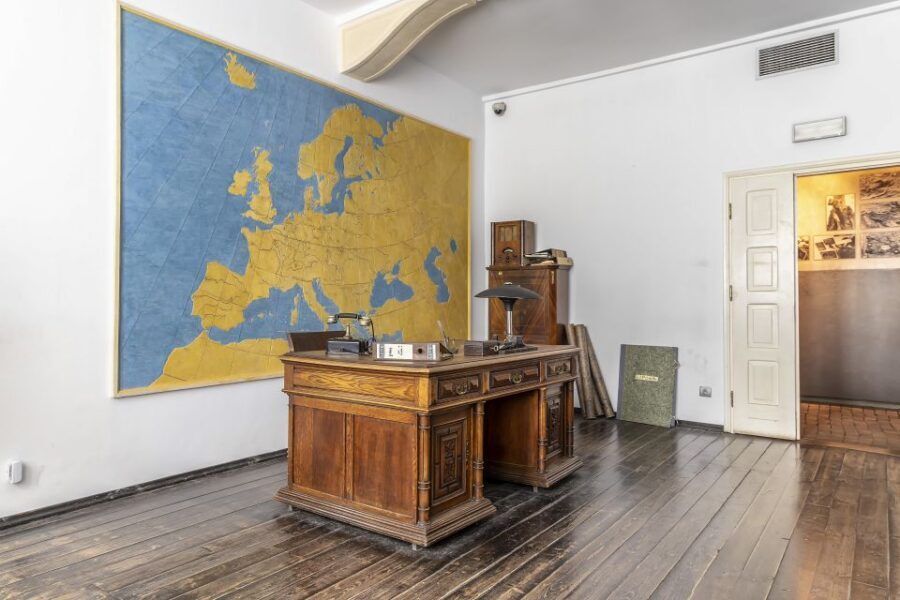
Schindler’s Factory is where the tour shifts into the core WWII story, using Schindler’s efforts to explain how Nazi labor systems worked and why some people tried to protect Jewish workers. The museum content is intense, and the guide’s role is to connect what you’re seeing to a larger timeline of 1939 to 1944 in a way you can follow.
This is also one of the stops where your guide’s personality can make a big difference. In excellent runs, you might experience a teacher who stays careful with tone but still keeps the group engaged—clear explanations, room for questions, and occasional light moments that don’t trivialize anything. That balance helps you last through a long, emotionally demanding day without feeling steamrolled.
One practical note: from January 1, 2026, the museum requires personalized entry. You’ll need to provide full names for all participants when reserving and bring a passport or ID for entry. If you’re traveling with multiple people, double-check spelling. For many visitors, that’s the difference between smooth entry and a stressful scramble at the door.
The Jewish ghetto route: wall fragments and real location thinking
After the museum, the tour moves to the former Jewish ghetto area. This is the part where you’ll likely feel the route most physically: it’s still walking, and the guide uses location to explain how enclosure became a daily reality. You’ll see part of the ghetto wall that encircled the area—an undestroyed remnant that makes the scale feel painfully concrete.
From there, the tour helps you connect what you’re seeing with what people endured: overcrowding, confinement, and the brutal constraints placed on Jewish residents under Nazi occupation. It’s not just history from a textbook. It’s a guided exercise in place-based understanding—where to look, what to notice, and why certain corners and boundaries mattered.
You’ll also stop at Under the Eagle pharmacy, a specific site tied to ghetto-era life. This kind of stop is valuable because it turns a name you might hear in passing into a grounded explanation you can visualize. Even if you don’t know the story beforehand, your guide should help you understand the context of why that location matters.
The ghetto section is also where it helps to have a guide who can pace the group. You’ll likely be absorbing a lot at once: survival reality, movement limits, and the emotional weight of seeing boundaries that were designed to imprison. If you’re the type who needs time to process, ask for a moment or take a breath when the guide pauses for context.
Heroes’ Square and the monument of 68 chairs
The final stop is Heroes’ Square, at the memorial with 68 empty chairs. This is a different kind of learning: less timeline, more remembrance. The emptiness is the point, and standing there after the wall and the museum content often hits harder than visitors expect.
This part works because it gives closure without wrapping the story into something neat. The chairs symbolize people, loss, and absence—so you’re not just leaving with facts. You’re leaving with a visual memory that reinforces what you learned earlier.
If you’re sensitive to solemn settings, plan your emotional energy for this ending. It’s not a quick photo moment. Take it slowly. Let it sink in before you head back into the rest of your Krakow evening plans.
Walking distance, pace, and what to pack
This is a walking tour. One itinerary run included a comment that it’s about 5 km on foot, and that matches the logic of the route: Kazimierz streets, the museum stop, then ghetto sites and the memorial. Comfortable shoes are not optional here.
You’ll also benefit from weather-appropriate clothing. Krakow conditions can change quickly, and if you do this in warm months, plan for heat. In one standout guide performance, the group received extra water breaks during the summer warmth, which made a long stretch more manageable.
So my practical advice is simple:
- Wear shoes you can walk in for a couple hours straight.
- Bring a small layer for cool air changes.
- Keep hydration in mind, even if breaks happen along the way.
The good news: the route is structured as multiple distinct stops. That keeps you from feeling like you’re just trudging nonstop. The tough part is the combination of distance plus emotional weight.


Value: is $81 for 5 hours a good deal?
At $81 per person for a 5-hour walking tour, the price makes sense when you think about what you’re buying. You’re not just paying for entry to a museum. You’re paying for:
- a licensed guide
- skip-the-line museum access to Schindler’s Factory
- a connected, guided route across Kazimierz, ghetto sites, and the final memorial
If you tried to DIY this route, you could piece it together using multiple tickets and your own research—but the hardest part would be sequencing and interpretation. That’s where a good guide matters most. They help you understand why each stop follows the last, so the day feels like a story instead of scattered stops.
There’s also value in reducing friction. Skip-the-line access at a high-demand museum is often worth more than people expect, because waiting can eat your energy—especially on a day when the content is emotionally demanding.
Who should book this tour
Book it if you want a structured way to connect Krakow’s Jewish neighborhood heritage with WWII-era reality, without trying to assemble the pieces on your own. It’s a strong choice if you like walking tours but also want real historical interpretation rather than general sightseeing.
This is also a good match if you’re the kind of person who appreciates a guide that can keep a group engaged for a full 5 hours—clear storytelling, room for questions, and pacing that helps you absorb hard material without rushing.
It may not be the best fit if you strongly dislike Holocaust-related content or distressing stories. The tour explicitly warns that it may include disturbing images and narratives, and that matters.
Should you book this Krakow Jewish History tour?
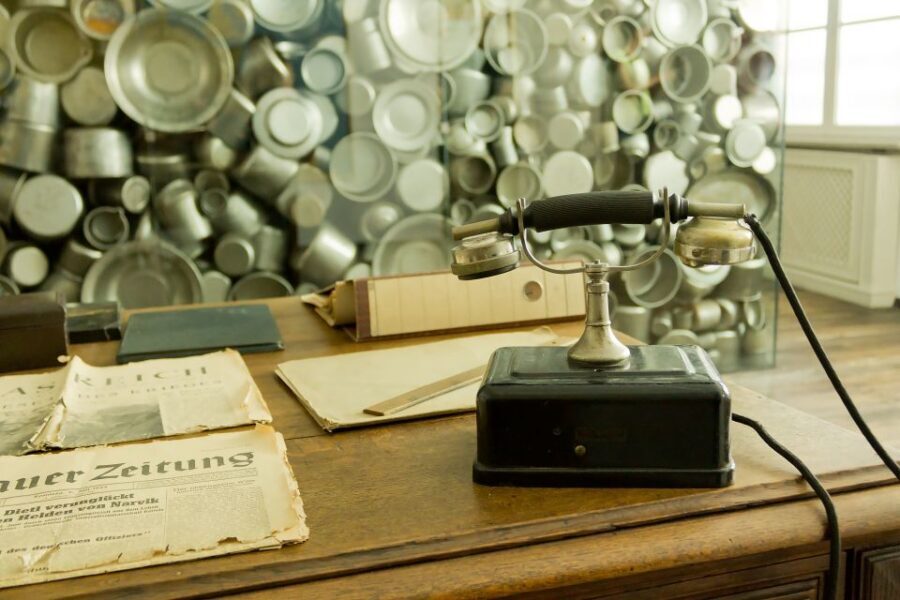
Yes—with a couple conditions. Book it if you want a guided, location-based route that hits Kazimierz, Schindler’s Factory, the former ghetto wall, Under the Eagle pharmacy, and ends at the 68 chairs memorial. The combination of skip-the-line access and a coherent story across multiple sites is a real value.
Pass or consider a lighter option if you’re not ready for heavy WWII material or if walking 5 km plus emotional content sounds like too much. But if you can handle serious history and you’re wearing good shoes, this is the kind of tour that gives you more than memories. It gives you understanding that lasts.
FAQ
How long is the tour?
It runs for 5 hours.
Where do I meet the guide?
Meet outside the Old Synagogue in Kazimierz. Look for your guide holding an excursions.city sign.
What’s included in the price?
You get a licensed guide, skip-the-line tickets to Oskar Schindler’s Enamel Factory, and a walking tour.
Does this tour include Holocaust-related and disturbing content?
Yes. The tour may include distressing images and stories, and it focuses on WWII history of Krakow’s Jewish community, including the former ghetto and Schindler’s Factory.
How much walking should I expect?
It’s a walking tour and you may cover around 5 km.
What should I bring or wear?
Bring comfortable shoes and weather-appropriate clothing.
Do I need ID for Schindler’s Factory?
From January 1, 2026, you must provide the full names of all participants when reserving and bring a passport or ID for entry to Schindler’s Factory Museum.
What languages are available for the guided tour?
The live guide is available in Italian, English, Spanish, French, and German.