REVIEW · KRAKOW
Krakow Jewish District and Ghetto Guided Tour in a Small Group
Book on Viator →Operated by Krzysztof Blaszczyk Hussar Travel · Bookable on Viator
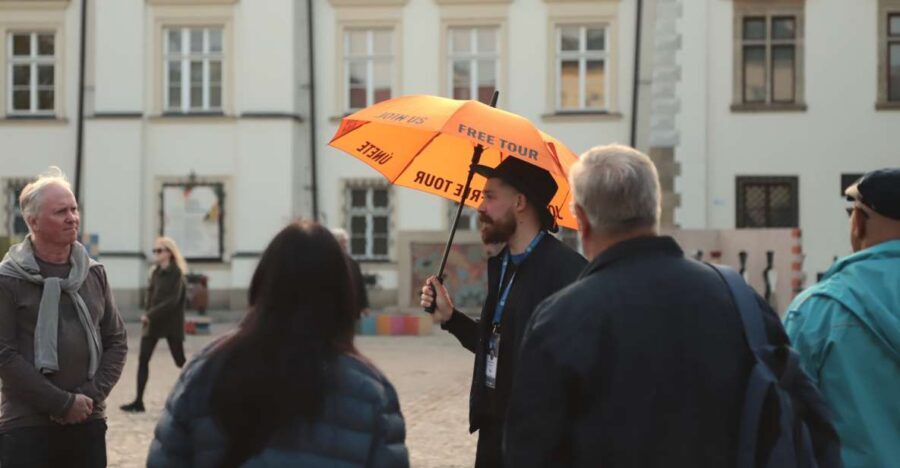
A history-heavy walk that stays easy to follow. This small-group Krakow Jewish District and Ghetto guided tour strings together the places you’ve seen on maps, with a guide explaining what each stop meant. I like the tight 2-hour route because it helps you connect dots fast, and I also like the max group size of 10, so questions don’t get lost in the crowd. One thing to keep in mind: several key points are described as exterior views, so if you’re hoping for lots of indoor time, manage expectations.
You’ll start in the Jewish Quarter around Szeroka Street, then move through recognizable names tied to Krakow’s Jewish community and the later ghetto era. Along the way, you’ll hit a mix of street history, synagogue landmarks (from the outside), and memorial context, including the Jan Karski statue. A possible drawback: the pacing is brisk, with short stops, so if you’re the type who needs extra time to stare, take photos slowly, and read every plaque, this may feel a touch rushed.
The good news is the guide removes the guesswork. You’re not figuring out what’s where on your own, and you’re not piecing together the story from separate guidebooks. With free admission listed for the stops on the route, you’re mainly paying for interpretation and direction—exactly the stuff that makes places click.
In This Review
- Key Highlights You’ll Actually Feel During the Walk
- Quick Take: Two Hours That Hit the Right Krakow Notes
- The Small-Group Setup That Keeps You Oriented
- Starting Point at Szeroka Street: Where the Jewish Quarter Story Begins
- Remuh and the Old Synagogue: Exterior Views That Still Mean Something
- Wolf Popper Synagogue and the Other Landmark Synagogues
- Jan Karski Statue: A Holocaust Story in Plain Street Terms
- Market Square and JCC Krakow: Community Life Beyond the Ghetto
- Eagle Pharmacy and the Ghetto Streets: Feeling the Place, Not Just Reading It
- Ghetto Wall Fragment: Why One Physical Remnant Works
- Price and Value: What You’re Really Paying For
- What the 2-Hour Timing Means for Your Day
- Best Fit: Who Should Book This Tour
- Should You Book This Krakow Jewish District and Ghetto Tour?
- FAQ
- How long is the Krakow Jewish District and Ghetto guided tour?
- What’s the group size?
- Is the tour offered in English?
- Where does the tour start and end?
- How much does it cost?
- Do I need tickets for the stops?
- What’s included in the price?
- What should I bring or watch for during the walk?
- Is there a mobile ticket?
- What’s the cancellation policy?
- Is there any minimum number of travelers?
Key Highlights You’ll Actually Feel During the Walk
- Small group (up to 10) keeps it conversational, not chaotic
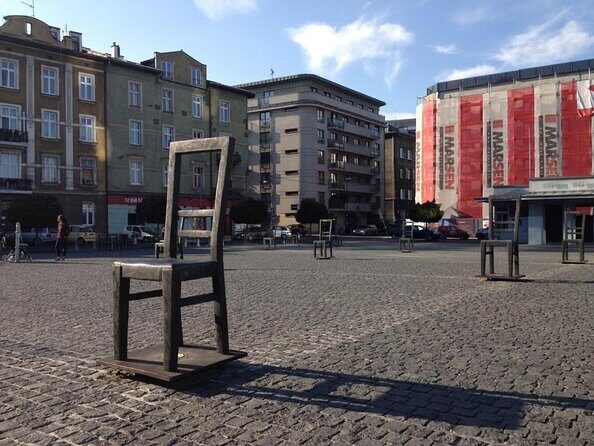
- Szeroka Street to Plac Bohaterów Getta covers Jewish Quarter and ghetto in one loop
- Synagogue landmarks from the outside still make a clear architectural and historical point
- Jan Karski statue adds Holocaust-history context at street level
- Multiple community sites (like Plac Nowy and JCC Krakow) go beyond the usual ghetto-only stops
- Ghetto Wall Fragment gives you something physical to picture when you’re hearing the story
Quick Take: Two Hours That Hit the Right Krakow Notes
This tour is built for people who want a guided sense of direction without spending half a day. In about two hours, you cover major landmarks across Krakow’s historic Jewish District and the ghetto area—starting near Szeroka 6 and ending around Plac Bohaterów Getta. The structure is simple: short stops, clear narration, and enough time to walk between points without feeling like you’re rushing through everything.
I especially like the way it balances “big story” context with “where was it” detail. It’s not just names on a wall. It’s the sense of how the neighborhood functioned before the ghetto era and how daily life was reshaped afterward. And because it’s a small group, the guide can adjust when people ask practical questions.
The price—$60.21 per person—is basically paying for a guided interpretation of multiple important locations. Since the route includes free admission for the stops listed, you’re not also paying entry fees for each site you pause at. That makes the value feel more straightforward.
You can also read our reviews of more guided tours in Krakow
The Small-Group Setup That Keeps You Oriented
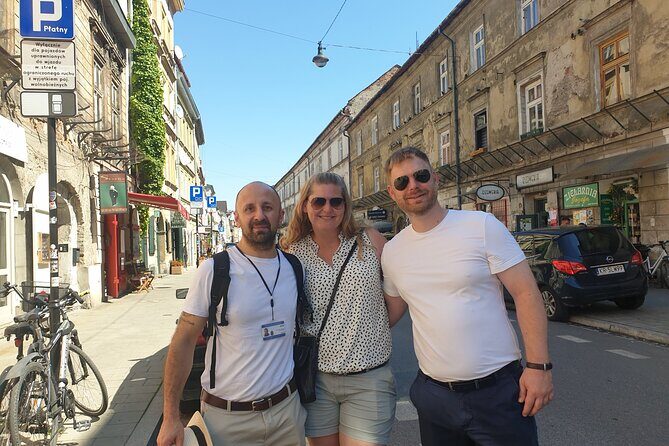
The difference between a useful walking tour and a frustrating one is usually this: can you stay oriented? Here, the answer is yes. The group is capped at 10 people, which means you’re not constantly stepping sideways to let strangers pass or trying to hear over a megaphone.
You’ll also benefit from the tour’s “you show up, the guide leads” format. You don’t need to worry about missing turns or accidentally wandering into the wrong street while trying to read signage. It’s especially helpful in a historic district where street layouts can look similar and where you might otherwise spend time trying to map the story yourself.
If you hate being stuck in a crowd, this is your safer bet. If you love long museum-style time, you’ll still get value, but plan to add extra time later if there’s an indoor site you want to explore at depth.
Starting Point at Szeroka Street: Where the Jewish Quarter Story Begins
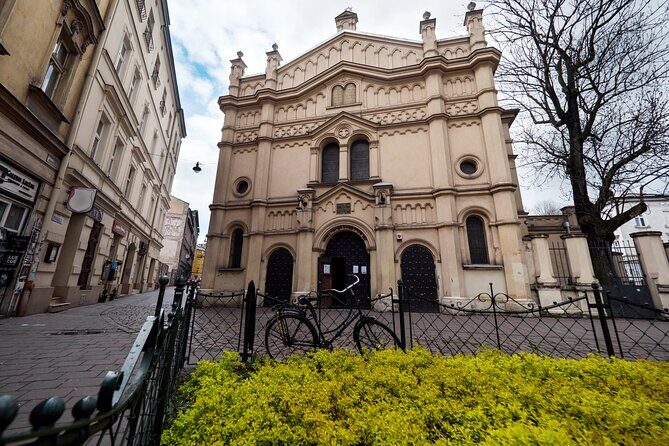
You begin on Szeroka Street, described as the oldest part of Krakow’s Jewish Quarter. That matters more than it sounds. When you start here, you’re not jumping straight into the ghetto period. You’re getting grounded in how old the Jewish community’s presence in Krakow is—and why those streets carried meaning long before the 20th century.
From there, the tour uses a sequence of nearby landmarks so you can build a mental map. Even when some synagogues are viewed from outside, the guide’s commentary helps you see them as part of a living community, not isolated monuments.
Also, Szeroka Street is a smart opening move for your photos. You’ll have street context right away—buildings, corners, and the feel of the neighborhood—so later stops like memorials don’t feel like random dots. They connect to something.
Remuh and the Old Synagogue: Exterior Views That Still Mean Something
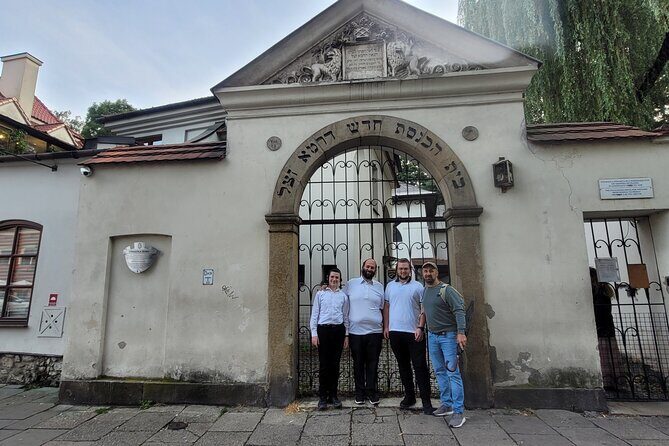
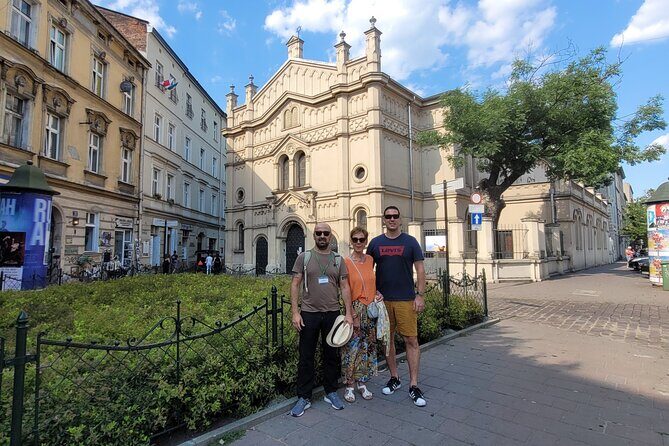
Two of the early stop-points include major synagogue landmarks: Remuh Synagogue and the Old Synagogue, both listed as exterior views. Even without going inside, these stops can be powerful if the guide frames what you’re looking at.
Why it works: synagogue exteriors and their locations aren’t just architectural features. They’re signals of how a community organized itself—religion, culture, and identity all tied to specific places. When you stand nearby with a guide telling you what’s relevant, you start noticing details you’d otherwise ignore.
One practical note: exterior-only stops usually mean less time in queues and more time moving. That can be a relief if you’re trying to keep the day efficient. Still, if you later want to go inside any synagogue or museum tied to these sites, be prepared that popular places can have lines. A timed guided walk doesn’t remove waits everywhere, but it helps you avoid losing time trying to coordinate it all solo.
Wolf Popper Synagogue and the Other Landmark Synagogues
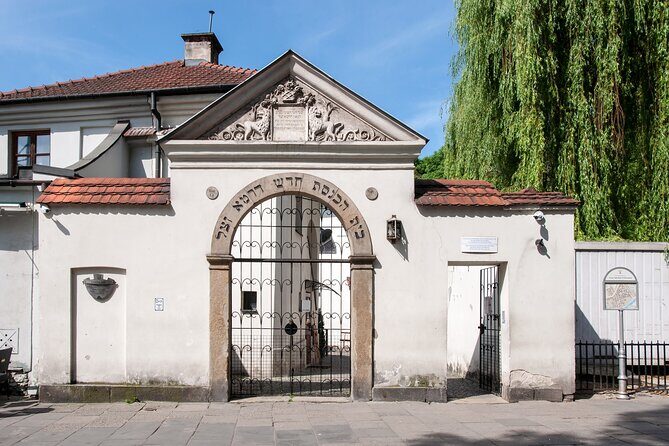
Next up is Wolf Popper Synagogue, another stop described as a 16th-century landmark viewed from outside. After that, you’ll also see additional synagogue exteriors during the route, including the High Synagogue and an Izzak Synagogue stop (both listed from outside as part of the walking sequence).
A common mistake with synagogue landmarks is treating them like photo stops only. This tour pushes you to treat them like clues. You learn what period the buildings relate to, and how different parts of the Jewish community in Krakow expressed themselves through their institutions.
The short time at each location also has a hidden advantage. You get a broad sweep—enough to orient your understanding—without burning your full energy at one site. If you’re the type who likes to compare architecture and styles across places, this route gives you a “see, then interpret” rhythm.


Jan Karski Statue: A Holocaust Story in Plain Street Terms
One of the most memorable pauses is at the Statue of Jan Karski, described as the man who tried to stop the Holocaust. This is one of those moments where a guided explanation matters, because the value of a statue depends on context.
Karski’s story bridges the neighborhood history you’re hearing with the wider world events that crushed it. A statue like this can feel distant if you only read a label. With a guide, you’re more likely to understand why this figure is honored here and what his actions represent in the moral and historical timeline.
This kind of stop also helps balance the emotional weight of the day. After synagogues and community sites, you get a human story—one person connected to the broader catastrophe. It’s not just about place names; it’s about cause and effect.
Market Square and JCC Krakow: Community Life Beyond the Ghetto
The tour then shifts to broader community structure, not only memorial space. You’ll stop at Plac Nowy (Market Square), described as a center for trade for the Krakow Jewish community in past centuries. That’s an important distinction. You’re not only learning about religious buildings and persecution sites. You’re also seeing how people earned a living and interacted in daily life.
From there, you’ll also visit the JCC Krakow stop. Even though it’s a short pause, the point is clear: the Jewish community’s story isn’t frozen in the past. Institutions like this connect history with modern community presence.
If you’ve ever done a ghetto-only tour and felt like you were staring at tragedy without context, this part helps. It gives your understanding breathing room. You come away with a fuller picture of how a community functioned before the walls—and how identity persists through institutions and shared space.
Eagle Pharmacy and the Ghetto Streets: Feeling the Place, Not Just Reading It
As the route approaches the ghetto area, you’ll stop at The Eagle Pharmacy (listed as a viewpoint from outside) in Krakow Ghetto. A place like a pharmacy is useful on a guided route because it’s grounded in everyday needs. You can’t picture ordinary life without services like this.
Then you move toward Plac Bohaterów Getta, described as the main place of Krakow Ghetto. This is the kind of stop where a guided explanation changes how you stand there. Otherwise, it’s easy to treat it like a memorial plaza and move on. With narration, you understand why it’s central and what the location represents in the story of confinement, survival, and forced restructuring of life.
Even if your visit stays exterior, this sequence helps you mentally shift time periods. It’s not a gentle change. It’s a straight line from community identity to imposed boundaries.
Ghetto Wall Fragment: Why One Physical Remnant Works
The final major ghetto-area stop is a Ghetto Wall Fragment, with remnants of the walls. This is where the tour gives you something tangible to picture.
Hearing the story of a ghetto can turn abstract fast. A wall fragment, even a smaller remnant, helps your brain “lock in” the reality of separation. You can see that this wasn’t only written in documents or told in lectures. It was built. It controlled movement. It shaped everyday choices.
That last stop also helps you close the story where it belongs. The tour ends at the Square of Ghettos Heroes (Plac Bohaterów Getta), so the route feels complete rather than cut off mid-thought.
Price and Value: What You’re Really Paying For
At $60.21, this tour isn’t trying to compete with free walking routes or self-guided audio apps. It’s priced for one clear thing: you’re paying for a guide who connects the sites, keeps you from getting lost, and gives you the story thread across multiple landmarks.
Here’s how I think about value with tours like this:
- If you’re coming in cold and want the main connections explained, guided value is high.
- If you’re already a deep research nerd with a perfect map and background knowledge, you might not feel as much added value.
- If you want a fast, structured overview and a guided set of stops you can later expand on, you’ll likely feel good about the cost.
The fact that the stops list free admission helps your budget. You’re mostly paying for direction and interpretation, which is exactly what small-group walking tours should do.
What the 2-Hour Timing Means for Your Day
Two hours is long enough to learn a lot, but short enough to stay flexible. It’s a strong option if you’re building a Krakow itinerary with other must-dos.
Since the stops are relatively brief, the tour rewards people who are ready to listen while walking. If you like to read every plaque for 15 minutes, you may want to plan extra solo time after the tour at any site that catches your interest.
A good strategy: take photos during the walk, then spend your extra time later with your favorite stop in mind. You’ll know what matters by then, instead of trying to guess while your schedule is shrinking.
Best Fit: Who Should Book This Tour
This tour is a great match if you:
- want a guided overview of Krakow’s Jewish District and ghetto landmarks in a single session
- prefer small-group experiences over big buses
- like learning through street-level context rather than only museum rooms
- want help connecting multiple sites without map stress
It’s also a solid pick for first-timers in Krakow who want a respectful, well-structured route. If you’re traveling with limited time, it gives you a clear start-to-finish framework.
If you’re specifically hunting for long indoor visits at synagogues or a major museum experience, you might want to pair this with a separate, longer visit at the site(s) you care about most.
Should You Book This Krakow Jewish District and Ghetto Tour?
I think you should book it if your goal is clarity. This is the kind of experience that helps you see the story thread across multiple locations, not just stand near landmarks and hope the meaning arrives on its own.
The best reasons to book are simple:
- the small group format that keeps it understandable
- the guided route that prevents you from getting turned around
- the mix of places that cover community life, not only tragedy
The main reason to hesitate is also simple: several stops are listed as outside views, and the timing is tight. If you want slow, indoor, deep reading time, add extra visits elsewhere.
If you’re aiming for a smart, guided, time-efficient walk that makes Krakow’s Jewish history easier to understand, this tour fits the bill.
FAQ
How long is the Krakow Jewish District and Ghetto guided tour?
It’s about 2 hours.
What’s the group size?
The tour is capped at a maximum of 10 travelers.
Is the tour offered in English?
Yes, it’s offered in English.
Where does the tour start and end?
It starts at Szeroka 6, 31-053 Kraków, Poland and ends at Plac Bohaterów Getta (Square of Ghettos Heroes), 30-527 Kraków, Poland.
How much does it cost?
The price is $60.21 per person.
Do I need tickets for the stops?
The listed stops show admission ticket free for the points included on the route. (Some stops are described as outside views.)
What’s included in the price?
A tour guide service is included, with a small-group tour up to 10 people.
What should I bring or watch for during the walk?
You should be ready for walking between multiple short stops. Wear comfortable shoes for a city walking route.
Is there a mobile ticket?
Yes, the tour includes a mobile ticket.
What’s the cancellation policy?
Free cancellation is available. You can cancel up to 24 hours in advance for a full refund.
Is there any minimum number of travelers?
Yes. If the minimum isn’t met, the experience may be canceled, and you’ll be offered a different date/experience or a full refund.