REVIEW · KRAKOW
Kraków Holocaust Tour
Book on GetYourGuide →Operated by CHT Sp. z o.o · Bookable on GetYourGuide
Kraków’s ghetto feels shockingly intact. This 2-hour Kraków ghetto tour takes you across the entire Jewish ghetto area with a historian-style guide, explaining how Nazi ghettos worked and what day-to-day life meant there.
I like the scope, because it’s one of the few walks that aims to cover the full old district rather than just the highlights. I also like the tone: it connects locations to the systems behind them, not just the buildings.
A possible downside is practical and emotional at the same time: it’s a heavy subject, and it stays focused on the mechanics of persecution, so you’ll want to pace yourself and wear comfortable shoes.
Key ghetto places, explained in order
Historian-led route across the entire old district
Stops that show the system: doors, walls, Judenrat, labor, hospitals, prison
Includes the museum visit: Pharmacy under the Eagle
Spanish-language guide with a clear meeting point (grey umbrella)
Price is low for the time and coverage: about $16 for 2 hours
In This Review
- A Ghetto Still Wearing Its 1941-1943 Face
- The Route: What You See on a Full Kraków Ghetto Walk
- Two Wall Fragments: How Boundaries Became Control
- Ghetto Heroes Square (Square of Chairs) and the Power of Place
- Doors, Entrances, and the Everyday Meaning of Entry
- Judenrat and Labor Organizations: The Machinery of Administration
- Hospitals and a Prison: What Happens When Life Depends on Permission
- Synagogue, Factories, and Orphanages: Life Continued Under Siege
- The Pharmacy under the Eagle Museum: Context for What You Just Saw
- 2 Hours, a Lot of Ground: How to Get More From the Walk
- Meeting Point and Spotting Your Guide in Kraków
- Price and Value: What $16 Buys in 2 Hours
- Who Should Book This Kraków Holocaust Tour
- Should You Book It?
- FAQ
- How long is the Kraków Holocaust Tour?
- What language is the live guide?
- Where is the meeting point?
- Is the tour wheelchair accessible?
- What is included in the price?
- Can I cancel for a full refund, and can I pay later?
A Ghetto Still Wearing Its 1941-1943 Face
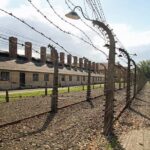
One reason this tour hits hard is how much of the Kraków ghetto still looks like it did at the end of World War II. A large part of the old housing remains, along with many institutional and organizational buildings. That matters, because you’re not looking only at reconstructions or museum panels.
Instead, you’re walking through a district that still carries the same bleak visual rhythm from 1941 to 1943. As you move street to street, you start to understand how the Nazis didn’t just control people through violence. They controlled space—who could live where, who could work, and what daily life was allowed to look like.
And the tour style matters, too. The guide is described as a graduate in Geography and History, and the goal is to analyze how the ghetto system worked, what it was for, and how Kraków’s ghetto resembled other ghettos in Poland. If you’re the type who wants the why behind the what, this format fits.
The Route: What You See on a Full Kraków Ghetto Walk
This isn’t a “quick hits” route. The tour’s promise is simple: you tour the ghetto area extensively and in depth, finishing with a major museum stop related to the subject. You’ll pass a wide spread of locations tied to both organization and survival.
Here’s the kind of coverage the tour includes:
- The two fragments of the ghetto wall
- Ghetto Heroes Square (Square of Chairs)
- Important buildings connected to intellectual meetings, resistance, and police agencies
- The location of the old doors
- Judenrats
- Labor organizations
- Hospitals and a prison
- A synagogue area
- Factories
- Orphanages, plus more
That list might look like facts on paper, but on the ground it becomes a story you can track. You’re essentially seeing the “infrastructure” of persecution, not just the final tragedy.
A practical note: because the district is large and the topic is dense, expect a walk that’s mentally full. You’ll get more out of it if you keep your body comfortable so your focus can stay on what the guide is explaining.
You can also read our reviews of more tours and experiences in Krakow.
Two Wall Fragments: How Boundaries Became Control
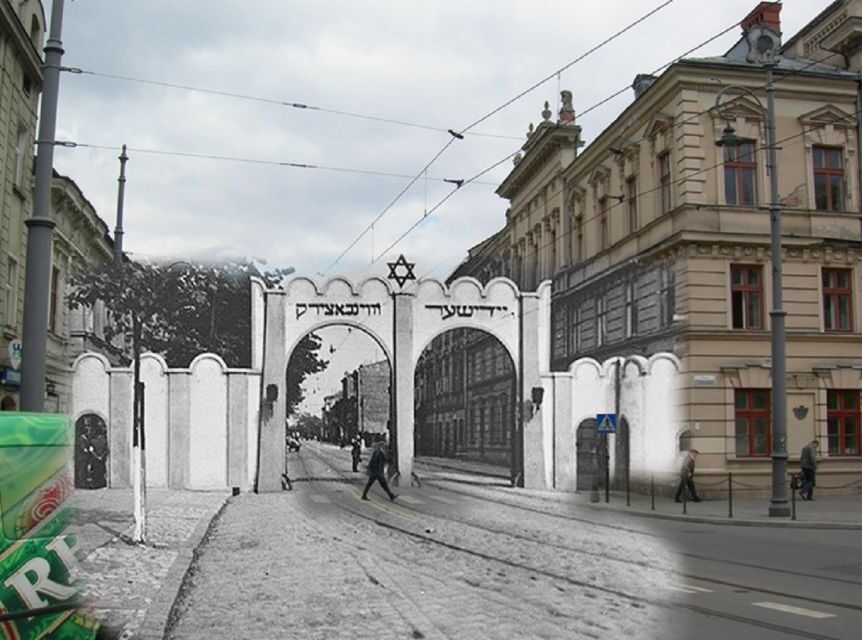
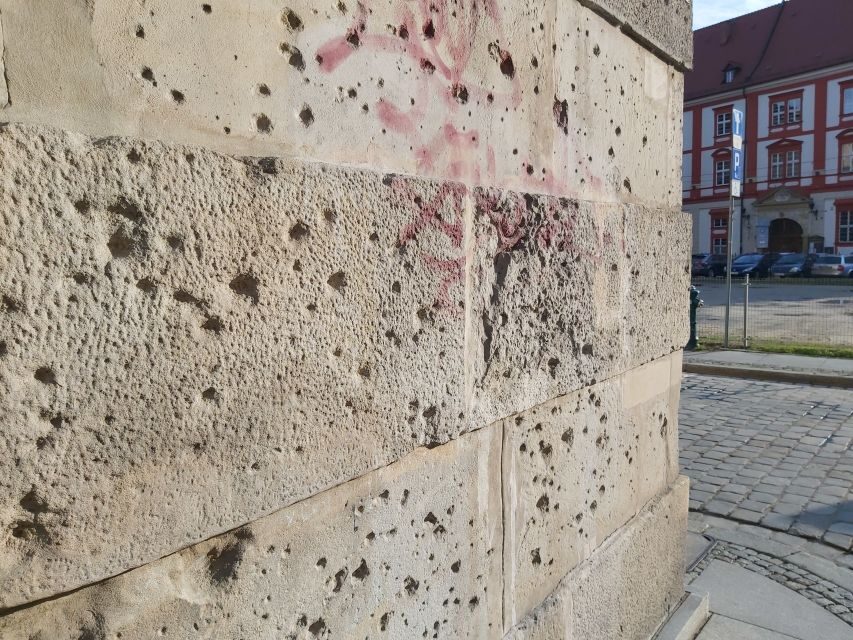
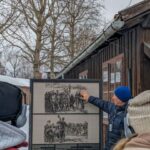
Starting with the wall fragments makes sense. Walls are a blunt tool, and Nazi ghettos were built to make exclusion visible and enforcement easy. Even fragments matter here, because they give you the physical edge of how restricted the area was.
When you look at remnants like these, I find it helps to listen for the explanation of purpose. The tour aims to show what ghettos were designed to do during Nazi occupation. That means you’re not only learning that people were trapped—you’re learning how trapping was structured into daily movement, labor access, and administration.
This stop is also a good moment for emotional steadiness. The tour isn’t just telling a timeline; it’s pointing to mechanisms. If you’ve ever left a history site feeling like the facts didn’t “connect,” starting with the boundary helps connect them fast.
Ghetto Heroes Square (Square of Chairs) and the Power of Place
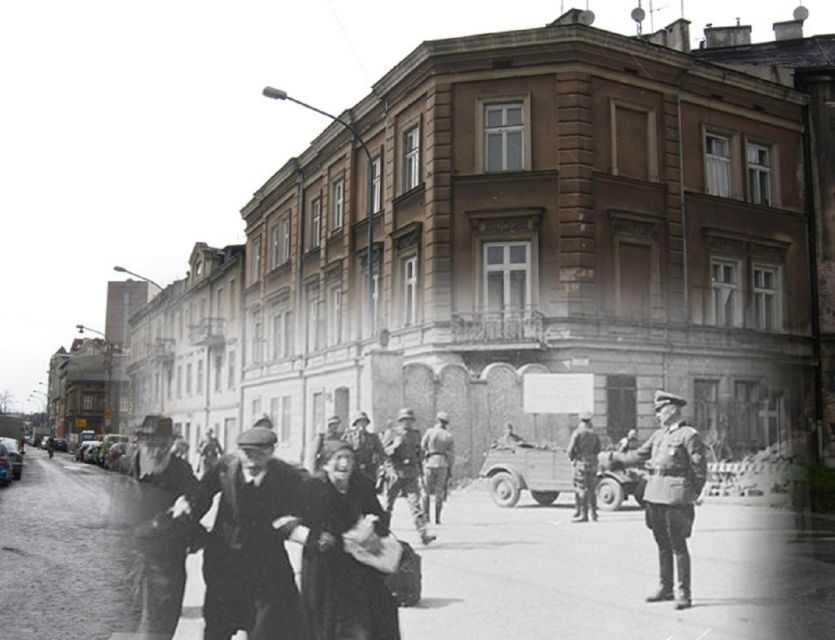
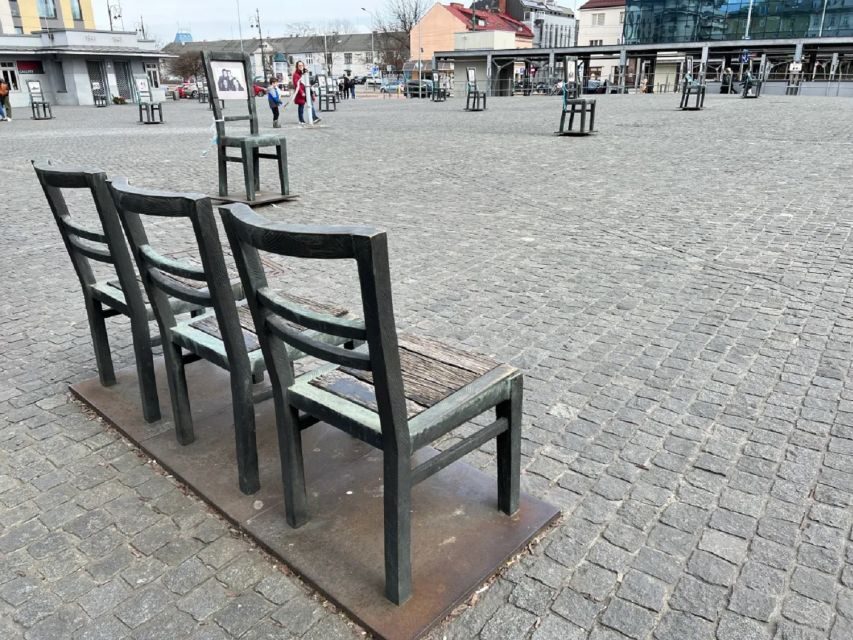
Ghetto Heroes Square, also known as the Square of Chairs, is the kind of stop that turns architecture into memory. Even if you’re not someone who visits memorials often, this square works because it anchors the conversation in human meaning, not only bureaucracy.
From the tour description, this square fits into the wider idea of the ghetto as a place of both oppression and response. The tour also references resistance-related buildings and intellectual meetings, so this stop likely functions as a pivot point: you move from walls and limits into the story of people and decisions inside the system.
Take your time here. A square can feel too open after tight, enclosed streets. Use that space to reset your thoughts, then continue with the tour’s organized progression.
Doors, Entrances, and the Everyday Meaning of Entry
The tour includes the location of the old doors. That’s a small detail—until you think about what doors do in a restricted zone. Doors decide who can pass, when they can pass, and how passage is controlled.
This stop is especially useful if you want a clearer picture of daily life. In a ghetto, access wasn’t abstract. It was practical. Entry points shaped everything from work commutes to food acquisition to basic routines.
If you’ve only read about ghettos in broad terms, pay attention to how this stop brings the idea down to the level of movement. It’s the difference between learning a concept and understanding how it structured an ordinary day.
Judenrat and Labor Organizations: The Machinery of Administration
One of the most important parts of the tour is that it doesn’t stop at suffering. It explains how Nazi policy created local administration inside the ghetto and how labor systems were organized.
The route includes Judenrats and labor organizations. The value here is that these terms aren’t left as buzzwords. The tour aims to analyze how the ghettos worked and what their purpose was during Nazi occupation. That includes understanding how the system maintained control, maintained order, and exploited labor.
This can be one of the most difficult segments emotionally, but it’s also often the most clarifying. You may find yourself thinking: How could any administration exist under such conditions? That’s exactly the kind of question a guided explanation is meant to handle—without turning it into detached trivia.
If you come with questions, this is where they belong. The guide’s background in Geography and History suggests an approach that connects structures to people and movement through space and time.

Hospitals and a Prison: What Happens When Life Depends on Permission
The tour route also includes hospitals and prison. These stops help you see the harsh logic of the system. In a ghetto, the lines between care, punishment, and control can blur under occupation.
When a guide explains daily life in the ghetto, these locations likely become reference points for what it meant to be unprotected. Access to medical help and confinement weren’t just “services.” They were controlled outcomes.
If you’re looking for a tour that respects the subject without turning it into spectacle, these stops tend to work because they’re grounded in place. The building types themselves tell part of the story: life support and punishment infrastructure sitting inside the same overall system.
Synagogue, Factories, and Orphanages: Life Continued Under Siege
It’s easy to assume ghettos were only about waiting to be destroyed. But the tour includes stops such as a synagogue, factories, and orphanages—and that shifts the focus to what people had to manage every day.
A synagogue stop isn’t just about religion. It’s about community rhythm and identity. Factories and labor organizations point to the Nazi goal of using human beings for work, even as rights were stripped. Orphanages point to what happens to children when a whole world is broken.
This mix is valuable because it refuses one-note history. You’re shown how the ghetto system shaped community institutions, not only how it oppressed individuals.
For many visitors, this section is where the tour becomes more than a list of dates. It starts to resemble the lived world of constraints, responsibilities, and fragile continuities.
The Pharmacy under the Eagle Museum: Context for What You Just Saw
The tour ends with the famous Pharmacy under the Eagle, described as one of Kraków’s most important museums on the subject. That’s a smart pairing with the walking portion.
After seeing walls, doors, administrative sites, labor connections, and institutions tied to care and confinement, the museum stop helps put it all in broader context. You’ll likely leave with better framing for the daily-life details you heard on the street, because museums are where explanations become more continuous.
If you prefer learning by sequence, this structure works well: street-level places first, then interpretation in a dedicated setting. It’s also a good option if you want a chance to slow down at the end rather than just continuing to walk.
2 Hours, a Lot of Ground: How to Get More From the Walk
Two hours is enough time to cover a lot, especially when your stops include both outdoor street points and museum context. The benefit is focus. You won’t be stuck for half a day, and you can fit this into a fuller Kraków itinerary.
The tradeoff is density. You’ll hear a lot of information about how Nazi ghettos functioned and how Kraków compared to other ghettos in Poland. That’s meaningful, but it can feel like information overload if you rush.
Here are simple ways to make it work for you:
- Give yourself time to stand and listen at each stop, even when it’s tempting to move on.
- Wear shoes you can walk in without thinking about them.
- If something feels too heavy, take a quiet moment before continuing.
Also remember the tour is Spanish-language. If you want strong comprehension, and your Spanish isn’t solid, this is a consideration worth making early.
Meeting Point and Spotting Your Guide in Kraków
Your meeting point is clearly described: the guide carries a grey umbrella. That’s the kind of detail that matters on busy streets. You won’t be hunting for a person who might look like a hundred other people with backpacks.
If you arrive early, use that time to orient yourself to the area around the meeting point before the group starts.
Price and Value: What $16 Buys in 2 Hours
At about $16 per person for a 2-hour tour, the value comes from two things: breadth of coverage and guide-led explanation.
The tour isn’t just a short route through a few recognizable points. It aims to cover the entire old ghetto area and connect multiple categories of sites—administration, labor, health systems, punishment, and community institutions—into a coherent explanation of how the ghetto system worked.
It also includes a graduate guide in Geography and History, which suggests a more structured approach than a generic walking talk. And the fact that the tour finishes at Pharmacy under the Eagle adds extra learning without requiring you to plan the next step yourself.
Bottom line: if your goal is to understand how the ghetto operated across its space, not only to see a couple of famous corners, this price-to-scope ratio looks strong.
Who Should Book This Kraków Holocaust Tour
This tour fits best if you:
- Want the entire Kraków ghetto area covered in one guided experience
- Like a historical explanation tied to specific places
- Appreciate learning how systems were built, not only learning outcomes
- Are comfortable with the emotional weight of Holocaust history
It may not be ideal if you want a lighter sightseeing pace or if you rely on guides speaking languages other than Spanish. The tour is listed as Spanish-language, and your ability to follow comfortably will affect your experience.
Good news: the tour is described as wheelchair accessible, so mobility limits don’t have to automatically shut it down.
Should You Book It?
I’d book this tour if you’re visiting Kraków and want one guided experience that connects the old ghetto’s surviving look to the logic of Nazi control. The combination of a full-route walking plan, a historian-leaning guide background, and a finishing museum stop at Pharmacy under the Eagle is exactly the kind of structure that turns scattered facts into an understandable story.
If you’re sensitive to heavy topics or you’re unsure about Spanish, consider that before you commit. But if you can handle serious history and you want place-based clarity, this one is a strong choice.
FAQ
How long is the Kraków Holocaust Tour?
The tour lasts 2 hours.
What language is the live guide?
The live tour guide speaks Spanish.
Where is the meeting point?
The meeting point is described as: the guide will carry a grey umbrella.
Is the tour wheelchair accessible?
Yes, the tour is listed as wheelchair accessible.
What is included in the price?
The price includes a graduate guide in Geography and History.
Can I cancel for a full refund, and can I pay later?
Free cancellation is available up to 24 hours in advance for a full refund. You can also reserve now and pay later.