REVIEW · WROCLAW
Wroclaw: Third Reich and World War Two Historical Tour
Book on GetYourGuide →Operated by WratislaviaTour · Bookable on GetYourGuide
Wroclaw’s WWII story reads like a living map. This 2-hour World War Two historical walk takes you through the Old Town and waterside areas where the city’s German past, the 1945 siege, and the human cost of the Holocaust are explained through specific stops. I especially liked the way the route connects big events to real places, like the former Gestapo building and major squares and churches you can still see today.
I love that the guide doesn’t just list dates. You get clear explanations about how Wroclaw was under German rule until the end of the war, plus guided storytelling about Jewish heritage and the Holocaust that makes the history feel grounded in the city itself. I also liked the practical pacing for a short tour: you’re walked through multiple landmarks without it turning into a rushed sightseeing sprint.
The main drawback is simple: there’s a fair bit of walking for a 2-hour experience. If you’re sensitive to long stretches on your feet, or if you’re traveling in rough weather (the tour runs rain or shine), it’s worth planning accordingly.
In This Review
- Key Stops and What They Teach You
- Why Wroclaw’s WWII Story Starts With Its German Past
- Meet at Hotel Monopol, Then Get Oriented in 10 Minutes
- Wolności Square, Churches, and the Rhythm of Everyday Power
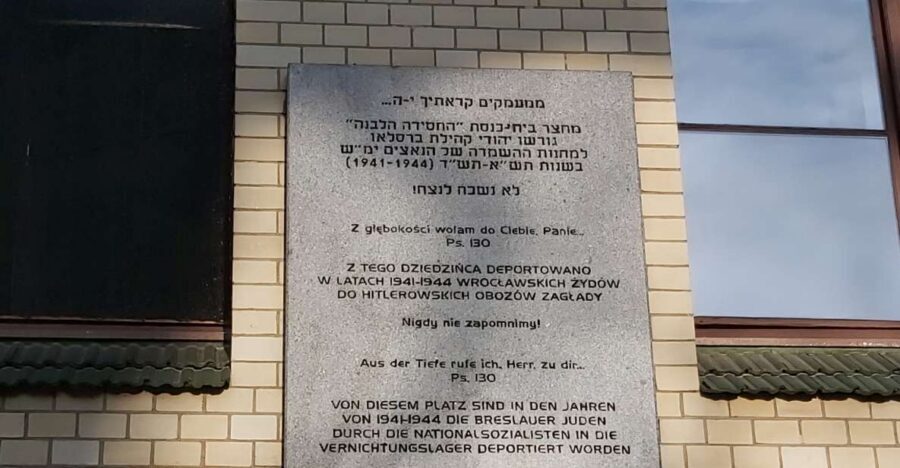
- White Stork Synagogue and Jewish Heritage in the City
- Dietrich Benchoffer Memorial: Resistance, Not Just Destruction
- The Former Gestapo Building: When the City Becomes Evidence
- Ossolineum Garden and the Bridge Between Old Town and River Views
- Sand Island and Cathedral Island: Seeing Post-War Wroclaw Take Shape
- How the 1945 Siege Shows Up in the Streets
- Price and Value: Is $31 Worth It?
- Pacing, Walking, and Winter Reality
- Who This Tour Suits Best
- Should You Book the Wroclaw WWII Historical Tour?
- FAQ
- FAQ
- How long is the Wroclaw Third Reich and World War Two Historical Tour?
- Where do I meet the guide?
- Where does the tour finish?
- What language is the tour in?
- Is the tour wheelchair accessible?
- Does the tour run in bad weather?
Key Stops and What They Teach You
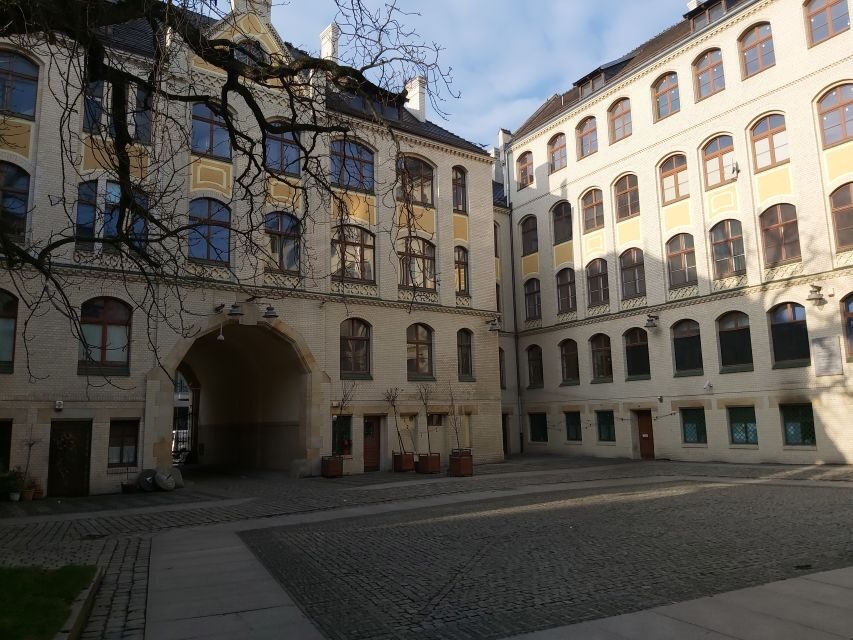
- Hotel Monopol start point: a clean meeting setup with the guide holding a World War Two Tour sign
- Wolności Square and Old Town landmarks: how public spaces reflect power and daily life
- White Stork Synagogue: a direct way to connect Jewish heritage to the city’s wartime reality
- Dietrich Benchoffer Memorial: a focused reminder that resistance and moral courage existed, even in brutal conditions
- Former Gestapo building: a high-impact stop that turns abstract repression into a real location
- Sand Island and Cathedral Island finish: you end where the city’s geography and post-war changes are easier to feel
Why Wroclaw’s WWII Story Starts With Its German Past
This tour works because Wroclaw’s WWII tale isn’t generic. The city once belonged to Germany until the end of World War Two, and the guide keeps bringing you back to what that meant for everyday life, institutions, and who held power. When you understand the governance shift, the rest of the story clicks faster.
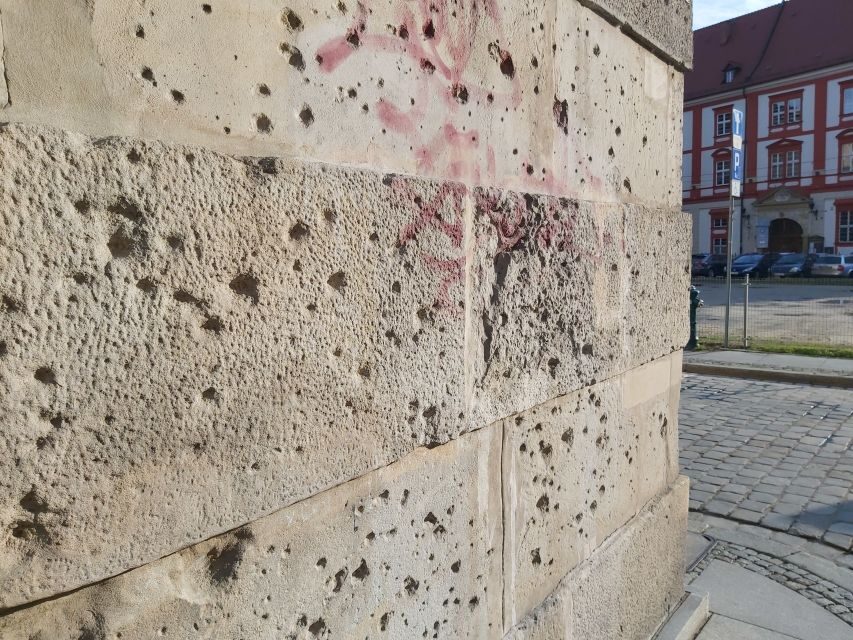
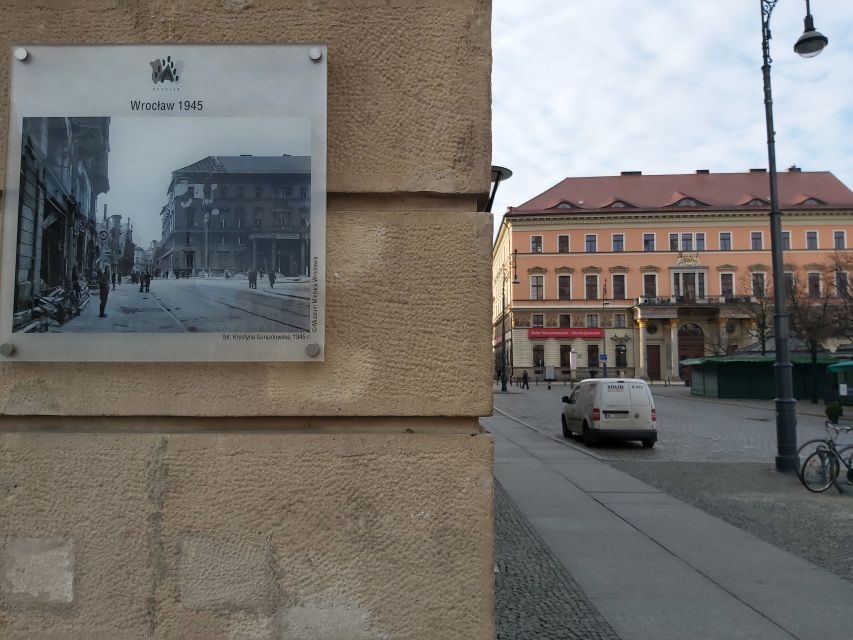
Then you hit the turning point: the siege between February and May 1945 left most of the city’s buildings damaged or destroyed. What you see today is the result of rebuilding, partial restoration, and survival-by-reconstruction. That’s why the tour keeps pointing you toward the “before-and-after” logic of the streets you’re walking.
You can also read our reviews of more historical tours in Wroclaw

Meet at Hotel Monopol, Then Get Oriented in 10 Minutes
You start at Hotel Monopol, outside the main entrance. Your guide meets you there holding a sign that reads World War Two Tour, and you immediately get the structure of the walk: what you’re going to see, and what the guide wants you to notice.
This is a live, English-language guided tour that lasts about 2 hours. It’s designed for a steady walking route across key historical areas, so you’ll want comfortable shoes and a willingness to read the city rather than just “take photos.”
The tour runs rain or shine, and monument hours can change. That matters because a few stops may be more about exterior viewing or visual context than inside time. If you’re traveling with tight timing for the rest of your day, plan for the tour to be your main historical block.
Wolności Square, Churches, and the Rhythm of Everyday Power
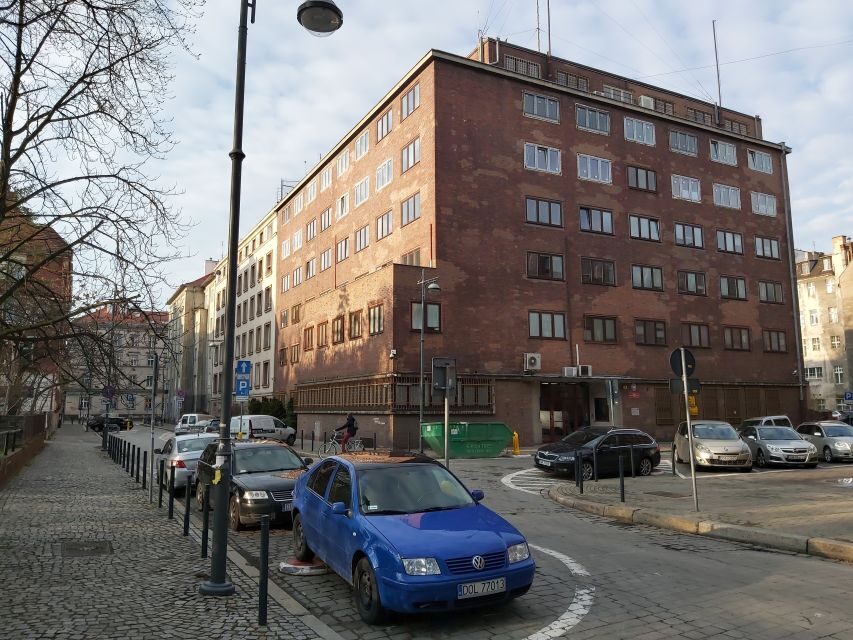
Once you’re moving through Wroclaw’s historical Old Town, the tour does something smart: it shows how history lives in ordinary city features. Public squares, churches, and prominent civic spaces aren’t neutral backdrops here. The guide uses them to explain how wartime life was shaped by control, propaganda, and fear.
Stops such as Wolności Square help you understand the scale of the city’s pre- and post-war public realm. Even if you don’t know the details of each building off the top of your head, you’ll get a clear storyline about how spaces are reused and reinterpreted after catastrophe.
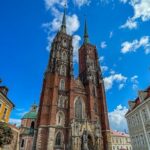
From there, the walk also includes major religious architecture like the University Church. The value isn’t just the architecture itself. The guide frames it as a landmark that helps you think about community identity before the war’s end shattered so much of what residents knew.
If you’re coming from another European city, you might expect a “war tour” that’s heavy on trenches and museums. Here, the approach is more street-level: you learn to read the city like evidence.
White Stork Synagogue and Jewish Heritage in the City
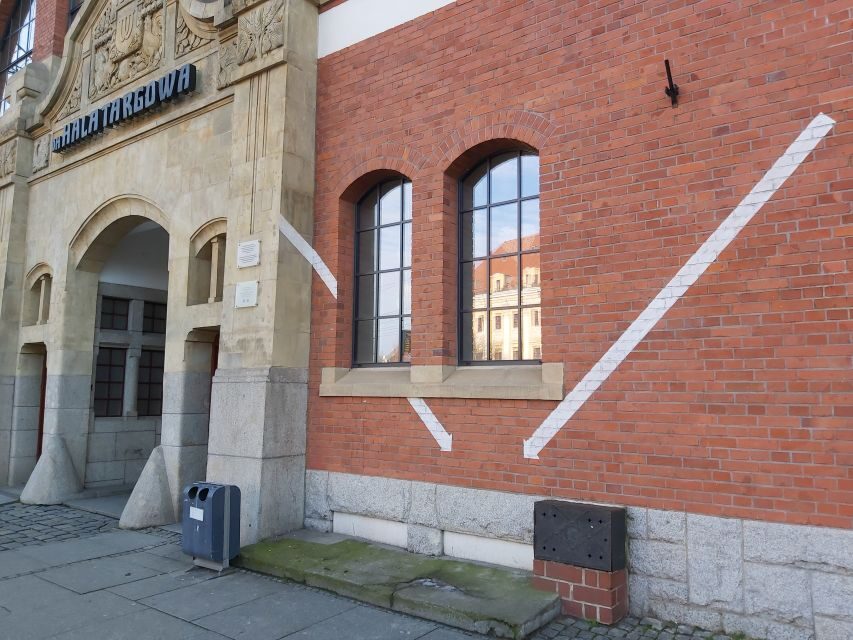
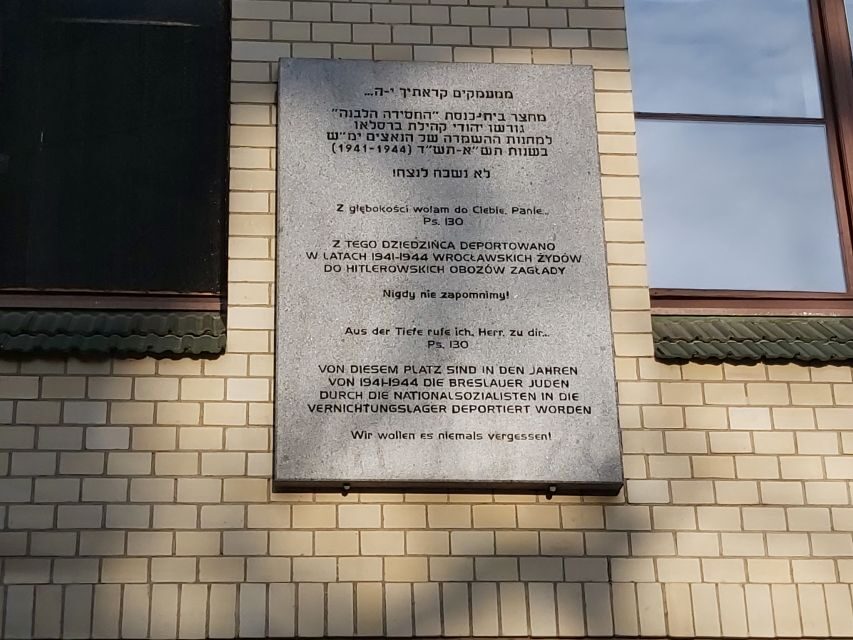
One of the strongest parts of this tour is how it addresses Jewish heritage directly, not as an afterthought. The White Stork Synagogue is a key stop, and it anchors the guide’s storytelling about the community that lived in Wroclaw and the Holocaust that devastated it.
This is valuable for you if you want the history to feel specific. Generic Holocaust context can turn into statistics. This tour keeps it tied to place and memory, helping you connect what happened to the city people actually called home.
Be aware: the tour includes stories about the Holocaust, so it’s not “light history.” The guide’s job is to be respectful and explanatory, but the subject matter is serious. If you prefer happier historical themes, this may not match your mood. If you’re looking for clarity and context, it’s a good fit.
Dietrich Benchoffer Memorial: Resistance, Not Just Destruction
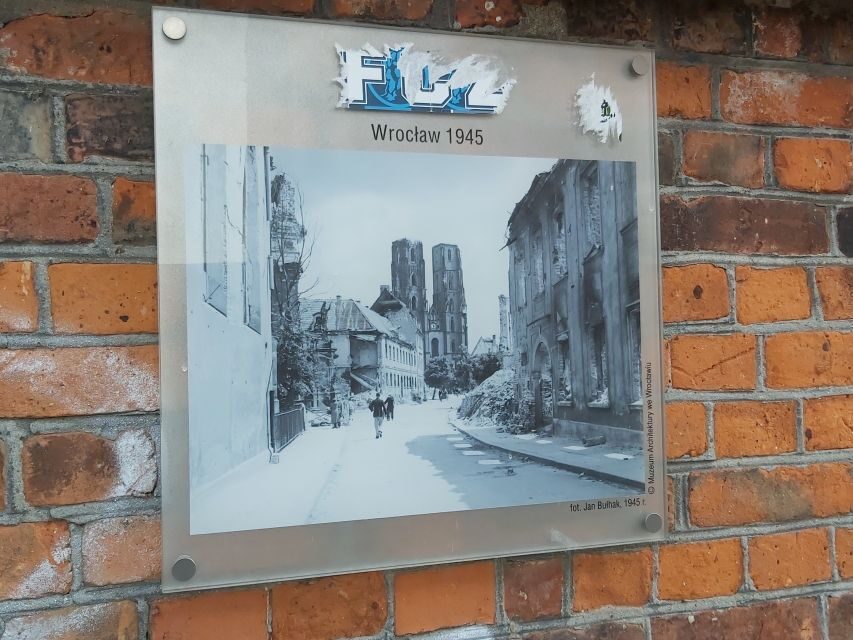
The Dietrich Benchoffer Memorial adds an important balance. Many WWII tours focus on the machinery of violence and the scale of destruction. This stop helps you remember that people also resisted, and that moral action existed even in a system built to crush it.
Why it matters: it keeps the tour from feeling like only one long period of helplessness. You come away thinking about agency, choices, and courage—especially in a time when most residents had very limited room to maneuver.
If your family history includes displacement or living through authoritarian rule, this memorial stop can hit harder because it connects the personal to the historical in a way that feels human, not abstract.
The Former Gestapo Building: When the City Becomes Evidence
The former Gestapo building is the emotional centerpiece of the walk. A location like this works because it forces you to slow down and picture how power operated in a very concrete way. You’re not just learning that secret police existed—you’re standing near a place the guide explains in the context of wartime repression.
This kind of stop is useful for you because it changes how you interpret everything around it. After hearing the story connected to this building, the surrounding streets and institutions feel less like scenery and more like a framework where people were watched, controlled, and punished.
It’s also a reminder that WWII wasn’t only battles and uniforms. It was networks, arrests, interrogation, and terror that reached into normal life. A strong guide matters here, and the tour’s reputation for detailed Q&A is a real plus. In short, this is where the tour’s learning starts to feel weighty rather than simply informational.
Ossolineum Garden and the Bridge Between Old Town and River Views
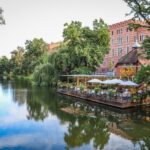
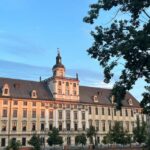
As the tour continues, you’re routed through another layer of the city: spaces that show how Wroclaw developed and reorganized after the war. Stops like Ossolineum Garden help explain the continuity of urban life. Even when buildings were damaged, the city didn’t stop being a city.
This is where you start to see the tension between what was lost and what survived. The guide doesn’t just point at greenery or pathways. You’re encouraged to think about how public spaces helped residents rebuild routines, community identity, and civic pride.
If you’re the type who likes “how cities recover” as much as “what happened,” this portion gives you a useful lens. WWII ended, but daily life had to restart with whatever infrastructure was still standing.
Sand Island and Cathedral Island: Seeing Post-War Wroclaw Take Shape
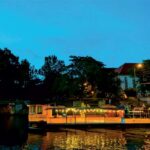
Near the end, the tour shifts toward the river/island geography and your finish point at Cathedral Island. You’ll see stops including Sand Island and then reach the Cathedral Island area to close the loop.
Why ending here works: it gives you a visual reset after the heavier topics. The guide uses the geography to talk about how the city transformed itself after the war. In practice, you’ll feel the difference between a city remembered through destruction and a city still living through adaptation.
You also get a clearer sense of why rebuilding mattered. When you understand the city’s physical layout, you can better imagine how reconstruction shaped what people experienced afterward—where movement became easier, where landmarks regained importance, and how the city’s identity reshaped itself.
How the 1945 Siege Shows Up in the Streets
The tour’s biggest historical engine is the February to May 1945 siege. The guide explains that most buildings were damaged or destroyed, leaving only partially rebuilt infrastructure that you can still see today. That one timeline explains a lot of why Wroclaw doesn’t always present the “intact WWII-era streetscape” that some other cities offer.
This is also where you’ll want your expectations set correctly. If you’re hoping for lots of visibly preserved WWII structures, you may feel a little deflated—because much of what existed didn’t survive intact. That doesn’t make the tour pointless. It makes it honest.
What you’re learning instead is the city’s scars. You’re seeing how reconstruction changes the feel of a place, and you’re learning how memory gets carried through landmarks that remained, were restored, or were repurposed. In other words, the story lives in the contrast.
Price and Value: Is $31 Worth It?
For $31 per person and a 2-hour duration, the value is strongest when you want a guided narrative rather than self-guided wandering. This price covers a licensed tour guide and all fees and taxes, and it’s focused on major WWII and Jewish heritage touchpoints.
You’re not paying for a long day of transit or admission-heavy museum time. You’re paying for interpretation: how to connect German rule, wartime life, the Holocaust, and the 1945 siege to specific Wroclaw locations. If you like having an expert turn a city into an understandable story, the math is usually in your favor.
What’s not included matters for planning: there’s no hotel pickup/drop-off and no food or drinks. So budget for a snack break before or after if you’ll need it. Also, since the tour is walking-based, comfortable shoes become part of your “cost.”
Pacing, Walking, and Winter Reality
The route is designed to cover a lot of named historical areas in two hours, which means steady walking. A guide can usually slow down for questions, but the walking component is real and you should plan for it.
Weather also affects enjoyment. The tour runs rain or shine, and in winter you might encounter snow or slick conditions that make surfaces harder to navigate. If you’re visiting in colder months, pack gear you can walk in without rushing: grippy footwear and a warm layer.
One more practical point: the tour needs at least 4 participants to operate. If you’re traveling solo, check your dates carefully so you’re not banking on a single departure that might cancel.
Who This Tour Suits Best
This is a strong choice for you if:
- You want a focused Wroclaw WWII orientation without spending all day on logistics
- You care about Jewish heritage and the Holocaust presented with specific city landmarks
- You prefer a guided explanation over reading plaques and guessing what matters
- You like tours where the guide can answer questions and point you toward further learning
It may be less ideal if:
- You want mostly intact “wartime buildings you can explore inside” (this city’s heavy destruction means the experience leans more interpretive)
- You dislike walking segments in less-than-ideal weather
- You’re looking for a purely uplifting historical tour rather than the realities of siege and persecution
Wheelchair accessible is stated, but because it’s still a walking route, you’ll want to consider what you can comfortably manage along the streets and between stops.
Should You Book the Wroclaw WWII Historical Tour?
If you want a clear, place-based way to understand how Wroclaw changed under German rule, what happened during the 1945 siege, and how Jewish heritage and the Holocaust connect to real landmarks, I think this tour is an easy yes.
Book it if you’re the type who benefits from a guide’s context and Q&A, especially at high-impact sites like the former Gestapo building. Consider skipping it only if your main goal is leisurely sightseeing with minimal walking, or if you need a lighter theme for your visit.
FAQ
FAQ
How long is the Wroclaw Third Reich and World War Two Historical Tour?
The tour lasts 2 hours.
Where do I meet the guide?
Meet your guide outside the main entrance of Hotel Monopol. The guide will be holding a sign that says World War Two Tour.
Where does the tour finish?
The tour finishes at Cathedral Island, Wrocław, Poland.
What language is the tour in?
The tour is in English.
Is the tour wheelchair accessible?
Yes, the tour is wheelchair accessible.
Does the tour run in bad weather?
Yes, it takes place rain or shine.