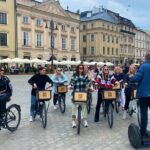
If you want Krakow fast, this bike tour is smart. You get a focused route through Kazimierz and Podgórze, plus on-the-ground WWII storytelling that’s easier to absorb when you’re moving.
I especially like the small-group feel (max 15). I also like that it’s built around stops with free admission tickets, so your money goes toward the guide and the ride, not extra entry fees.
One consideration: it’s a 3-hour bike experience, so if you don’t feel comfortable riding for most of the time, you may want a more walking-focused option instead.
In This Review
- Key points before you go
- Meeting Point at Józefa Dietla: Planning Your 2:00 pm Start
- How Kazimierz and Skalka Basilica Make the Story Feel Real
- What you’ll notice at Skalka
- A possible drawback here
- Podgórze WWII Stops: Heroes Square, Wall Remnants, and Resistance Links
- Ghetto Heroes Square: a focal point
- Wall remnants: history you can see
- Resistance-related headquarters
- When the guide adds later layers
- Your Bike and the Group Size: Safety, Comfort, and Pace
- What “3 hours” feels like
- One consideration on pacing
- Price and Value: What $39.32 Gets You in Real Terms
- The mobile ticket advantage
- English-Led Storytelling: Why It Works for First-Timers
- Who Should Book This Bike Tour (and Who Might Prefer Another Style)
- Practical Tips for a Smoother Ride
- Should You Book the Hidden Krakow Bike Tour?
- FAQ
- What is the duration of the Hidden Krakow Bike Tour?
- Where does the tour start and end?
- What time does the tour start?
- What language is the tour offered in?
- How many people are in the group?
- How much does the tour cost?
- Are admission tickets included or required?
- Do I need a mobile ticket?
- Where is the meeting point relative to public transportation?
- Can I get a full refund if plans change?
- Is the tour suitable for most travelers?
Key points before you go
- Small group cap (15 people) means more time for your questions and tighter pacing.
- Skalka basilica in Kazimierz pairs with a short Schindler’s List setup so the WWII parts hit harder.
- Podgórze ghetto sites cover Heroes Square, wall remnants, and resistance-related locations.
- English tours with lively guide delivery are repeatedly praised, including guides like Bram Hoffman and Nikki.
- Comfort-focused biking gets called out as easy, safe, and practical for getting around.
Meeting Point at Józefa Dietla: Planning Your 2:00 pm Start
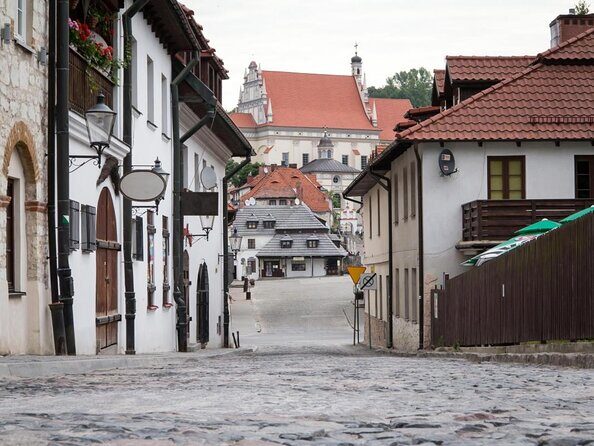
The tour starts at Józefa Dietla 59 in Kraków and ends back at the same meeting point. That end-at-the-beginning setup is handy in a city where cobblestones and one-way streets can make the ride back a guessing game.
It’s scheduled to begin at 2:00 pm and runs about 3 hours. With that timing, it works well if you want a daytime activity that sets you up for evening plans rather than eating up your whole day.
One more practical plus: the starting area is described as being near public transportation. Even if you’re not staying close by, you shouldn’t have to build an entire logistics plan around reaching the bike meetup.
You can also read our reviews of more cycling tours in Krakow
How Kazimierz and Skalka Basilica Make the Story Feel Real
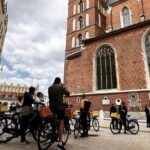
Kazimierz is the part of Krakow where you can feel layers. This tour uses a short stop at Skalka basilica to set the tone, then connects to what many visitors know from Schindler’s List.
You’re not stuck in a long lecture. The time there is brief (about 15 minutes), but it’s long enough to give you a frame for what you’ll see next. That matters, because the ghetto section can feel like information overload if you show up cold.
What you’ll notice at Skalka
Skalka basilica is a meaningful waypoint in Kazimierz. Even if you don’t know the area well, it’s a recognizable stop that gives you something solid to anchor your understanding to before moving into Podgórze.
Also, since the tour includes a Schindler’s List introduction, you’ll likely understand why certain WWII locations later in the ride connect to the broader story. It turns a film memory into something you can place geographically.
A possible drawback here
The Kazimierz segment is intentionally short. If you’re hoping for a deep dive into Kazimierz itself—street history, synagogues, and all the details that turn into a half-day—this tour isn’t designed to do that. Think of it as a warm-up, not a full neighborhood tour.
Podgórze WWII Stops: Heroes Square, Wall Remnants, and Resistance Links
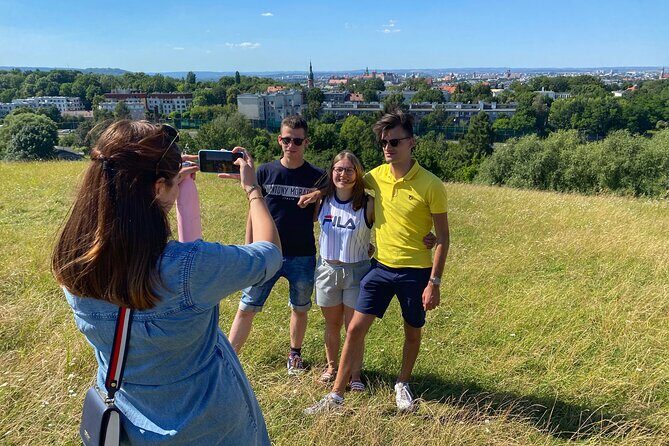
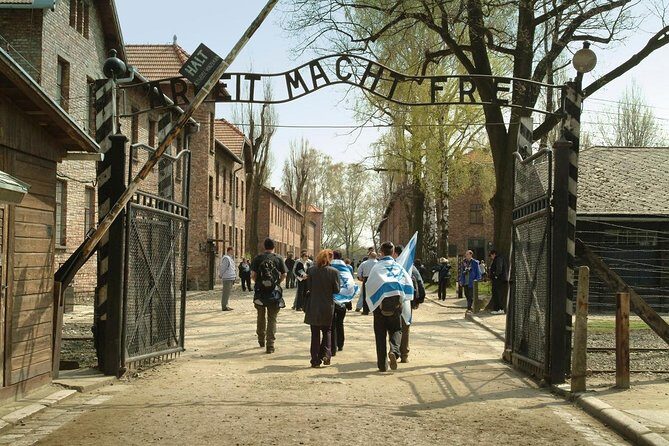
After Kazimierz, the tour’s main work happens in Podgórze, specifically around the WWII Jewish ghetto. This is where the ride becomes more than sightseeing and starts acting like a timeline you can point at with your own bike.
The Podgórze segment is listed at 2 hours 45 minutes, which tells you where the emphasis sits. Expect multiple stops tied to wartime events and the people involved.
Ghetto Heroes Square: a focal point
One of the specific named stops is Ghetto Heroes Square. That’s the kind of place where the guide can help you connect facts to place, instead of treating history like a list of names.
For me, the value of a stop like this is simple: you get a reference point. Once you’re standing there, other nearby details tend to click faster.
Wall remnants: history you can see
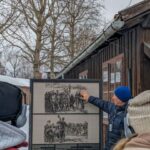
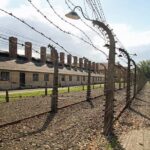
Another highlight is a remnant of the wall around the ghetto. Being able to see leftover structure changes the experience. You move from learning the story to understanding scale—how separation was built into the city itself.
This kind of visual cue is also useful for taking photos, because it helps you capture context. A photo of a marker means more when you already stood close and heard what it represents.
Resistance-related headquarters
The tour also includes the former headquarters of the resistance. That’s an important shift in tone. It keeps the story from staying only on suffering and instead highlights how people organized, hid information, and pushed back in different ways.
It’s also the sort of stop where a good guide helps you avoid turning WWII into a single mood. You get the complexity: fear, survival, networks, and choices made under pressure.
When the guide adds later layers
One of the strongest review notes is that the guide connects WWII with communism-era context during the ride. If that’s part of how your guide teaches, you’ll get a longer view of Krakow—how the city’s postwar reality shaped what you see now.
Not every tour will do that same level of connection, but it’s a real part of what people praise, especially with guides like Nikki.
Your Bike and the Group Size: Safety, Comfort, and Pace
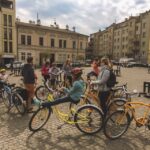
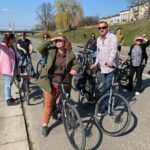
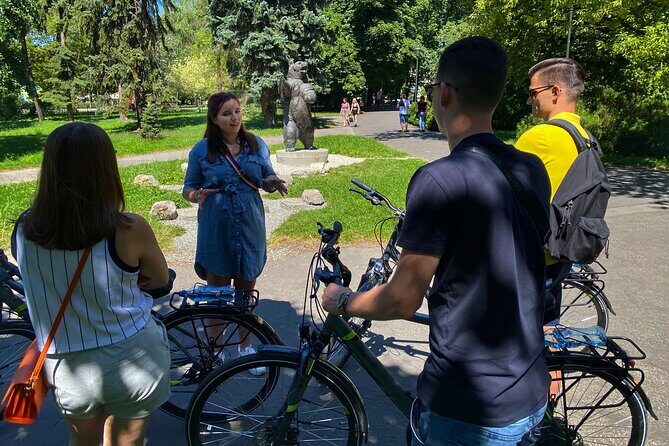
This tour is capped at 15 travelers, which makes a real difference. With a group that size, you’re not constantly waiting, and the guide can keep track of where you are without shouting over the crowd.
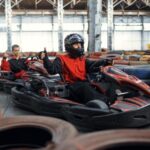
The ride is described as comfortable and easy to ride, and the bikes feel safe. That matters because the best history tour in the world doesn’t help if you’re fighting your balance or spending energy on awkward steering.
What “3 hours” feels like
The overall duration is about 3 hours. Since the Podgórze portion takes most of that time, you should plan for a steady rhythm rather than lots of long museum-style stops.
If you’re used to cycling in cities, you’ll likely feel at ease. If you’re a bit rusty, the small group and guided pace can help you relax into the flow.
One consideration on pacing
Because the route is time-built, you may not have endless free time at each point. If you want to linger for 30–40 minutes at one location, this format may feel tighter than you’d like.
Price and Value: What $39.32 Gets You in Real Terms
At $39.32 per person for about 3 hours, this isn’t expensive—especially when you add what’s included in the experience.
First, the tour details say the featured stops have admission tickets free. So you’re not paying extra for entrances that can quickly pile up in city days.
Second, you’re buying a guided route through multiple WWII-relevant areas, plus an English narration package that helps you understand what you’re looking at while you ride.
Then there’s the human factor. Reviews highlight guides such as Bram Hoffman as both informative and fun. When a guide can keep the tone clear and the pacing smooth, a history-heavy tour becomes easier to follow.
The mobile ticket advantage
You also get a mobile ticket, which is a simple quality-of-life detail. In a city like Kraków—where you might hop between trams, buses, and walking—being ticket-ready on your phone keeps you from wasting time when you’re supposed to be moving.
English-Led Storytelling: Why It Works for First-Timers
This tour is offered in English, and that’s a big deal if you’re visiting Kraków without Polish language skills. The guide’s job here isn’t just translating words. It’s explaining what the locations mean and how they connect.
The Kazimierz warm-up around Schindler’s List is a smart teaching tool for first-timers. It helps your brain file what you’re seeing into the right mental folder instead of treating the film reference as trivia.
In the Podgórze segment, the story is heavier and more specific: ghetto separation, resistance, and visible remnants. Having that explained in plain, organized language makes the whole ride feel less like a history lecture and more like a route with meaning.
Who Should Book This Bike Tour (and Who Might Prefer Another Style)
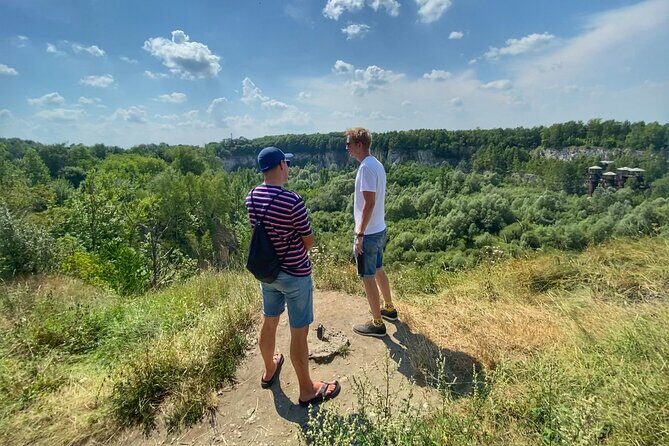
This is a good fit if:
- you like city touring by bike and want faster coverage than walking-only tours
- you’re interested in WWII-era Kraków and want context tied to real places
- you want a guided experience with a small group and English narration
- you’d rather learn as you move instead of sitting through long indoor stops
You might want a different option if:
- you struggle with cycling for extended periods
- you want deep time at each site rather than a structured, multi-stop route
The tour also notes that most travelers can participate. That’s a helpful general signal, but it still comes down to your comfort level with biking on city routes.
Practical Tips for a Smoother Ride
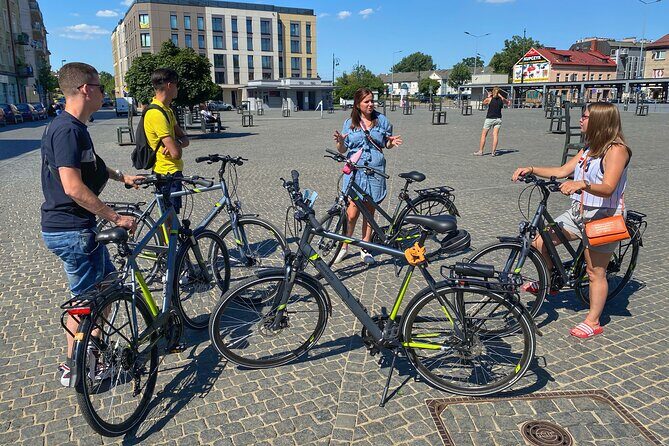
A few simple things will make the 3-hour experience feel easier:
- Dress for the afternoon and bring a light layer. City weather can shift.
- If you’re prone to dry eyes or fatigue, sunglasses and water help.
- Arrive ready to go at Józefa Dietla 59, and give yourself time to get on the bike and settle before the 2:00 pm start.
- Have your phone charged enough for your mobile ticket.
Also, for tours touching WWII and resistance, it’s worth going in with a calm mindset. You’ll learn facts, but you’ll also process real human stories tied to the locations.
Should You Book the Hidden Krakow Bike Tour?
If you want a high-value, time-efficient Kraków experience with strong guidance, I’d book it. The combination of a small group, easy-to-follow English storytelling, and a route that links Kazimierz to Podgórze makes the history easier to understand and harder to forget.
It’s especially worth it if you appreciate context delivered through real geography, not just dates. And the fact that the main stops are tied to free admission helps justify the price.
If you hate bike tours or need lots of downtime at individual sites, skip it. But if you’re comfortable riding and you want your Kraków day to feel like a guided route with meaning, this one is a solid choice.
FAQ
What is the duration of the Hidden Krakow Bike Tour?
It’s approximately 3 hours.
Where does the tour start and end?
It starts at Józefa Dietla 59, 31-054 Kraków, Poland, and ends back at the same meeting point.
What time does the tour start?
The start time is 2:00 pm.
What language is the tour offered in?
The tour is offered in English.
How many people are in the group?
The tour has a maximum of 15 travelers.
How much does the tour cost?
The price is $39.32 per person.
Are admission tickets included or required?
The tour details list admission ticket free for the stops included.
Do I need a mobile ticket?
Yes, the tour includes a mobile ticket.
Where is the meeting point relative to public transportation?
The meeting point is near public transportation.
Can I get a full refund if plans change?
Yes. Free cancellation is available up to 24 hours in advance of the experience for a full refund.
Is the tour suitable for most travelers?
The tour/activity notes that most travelers can participate.