REVIEW · KRAKOW
Krakow food tour
Book on GetYourGuide →Operated by Krawl Through krakow PubCrawl · Bookable on GetYourGuide
If Krakow smells like comfort food, this is why. A guided tasting walk turns Polish classics into stories you can taste, from the pierogi-level basics to regional bites you might not order on your own. You also get practical restaurant and bar recommendations for after the tour.
I especially like how the tour pairs food with city context, so every stop feels connected to how Krakow became what it is today. The sampling is substantial too: you’re there to eat, not just nibble. A possible drawback: you should plan to be comfortably full, because the tasting is designed as a proper feast.
In This Review
- Key Highlights Worth Knowing
- Meeting at St. Mary’s Basilica: the starting point that makes sense
- Old Town tasting walk: classics first, stories always
- Kazimierz food and history: where Krakow’s flavors pick up character
- The 13–14 bites and drinks: why this format is good value
- The guide makes the tour: Jadzia, Martyna, Amelia, and Julia
- Hidden culinary gems: how to use the insider picks later
- Timing and pacing: what 210 minutes feels like in real life
- Price and value: is $91 worth it?
- What about holidays and route changes?
- Should you book the Krakow Food Tour?
- FAQ
- Where is the meeting point for the Krakow food tour?
- How long does the tour last?
- What language is the tour guide?
- How many Polish foods and drinks will I sample?
- Is the tour guided?
- What’s included besides food?
- Do I need to reserve ahead of time?
- Is there free cancellation?
- Is the tour suitable for wheelchair users?
- What should I bring or plan for?
Key Highlights Worth Knowing
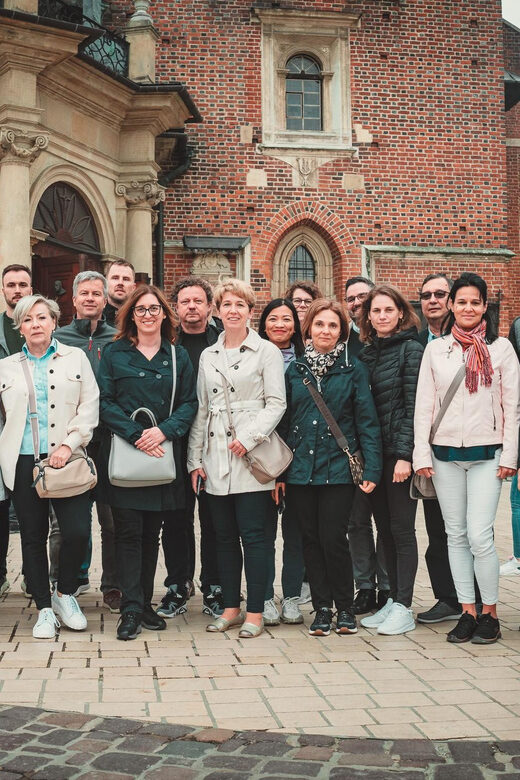
- 13–14 Polish foods and drinks in about 3.5 hours, so you get a fast intro to the cuisine
- Old Town + Kazimierz walks that connect what you eat to where Krakow’s history happened
- Local expert guidance with stories, legends, and recipe background at each tasting stop
- Hidden culinary gems in spots locals love, away from the worst tourist bottlenecks
- Guide follow-up recommendations shared after the tour (many guides send restaurant and bar ideas)
Meeting at St. Mary’s Basilica: the starting point that makes sense
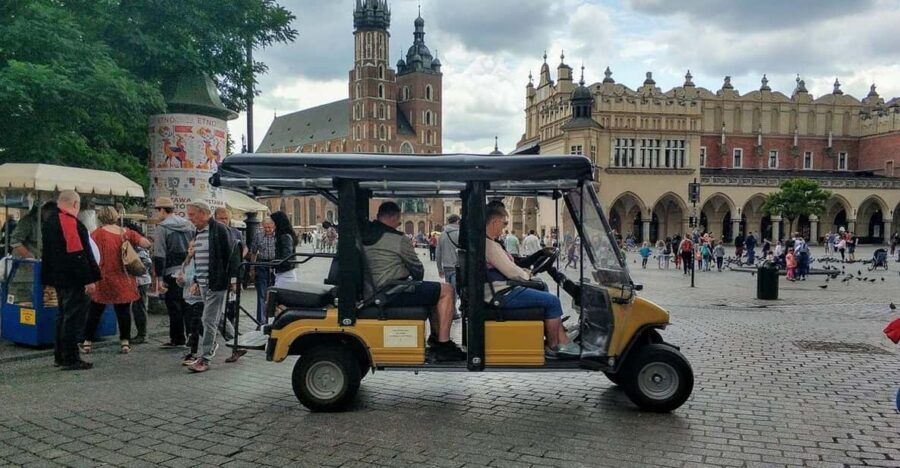
Your tour kicks off near St. Mary’s Basilica. It’s a strong choice because it puts you right in the middle of Krakow’s old-city rhythm. From there, you’ll walk through historic neighborhoods while you eat, so you’re not stuck between “sightseeing time” and “food time.”
This also means you can use the tour as a first-day orientation. You’ll start learning the city layout fast. Even if you come back later on your own, the route will feel familiar because you walk it with context and food stops along the way.
One more practical note: come hungry. The tour’s whole plan is built around sampling, and the portions are meant to be filling, not decorative.
You can also read our reviews of more food & drink experiences in Krakow
Old Town tasting walk: classics first, stories always
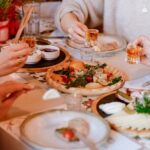
The first main stretch is through Old Town for about two hours. This is where the tour does a great job of getting you grounded in what Polish food is really about: hearty, satisfying flavors, comfort textures, and the kind of dishes that show up for reasons beyond taste.
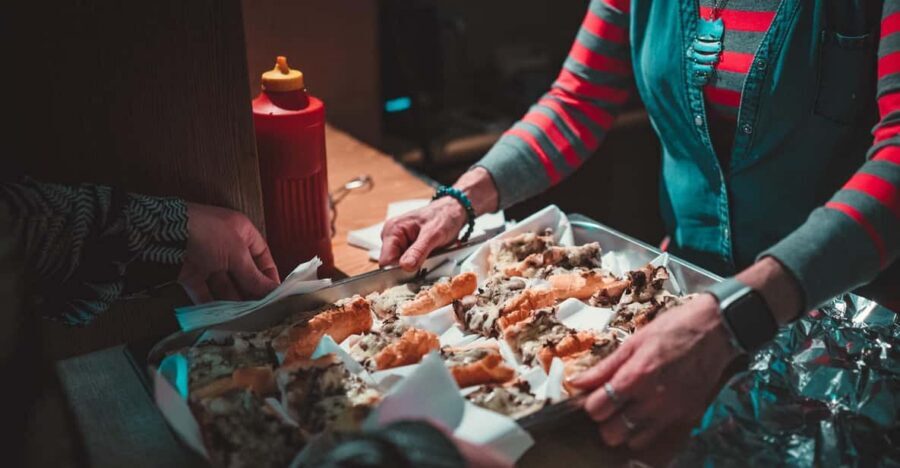
You’ll sample a mix of timeless favorites and less-obvious specialties. The obvious crowd-pleaser is pierogi, but the value is that the tour doesn’t stop at the one dish people already know. You should expect a sequence of tastings that helps you understand what each dish is aiming for—sometimes a comforting filling, sometimes a sour-creamy contrast, sometimes a savory warmth designed for cold weather and long evenings.
What makes Old Town tastings work especially well is pacing. You’re walking while you eat, which keeps you from getting “stuck” in one place too long. It’s also easier to ask questions as you go—food and history sit together naturally on this kind of route.
Possible downside: since you’re tasting while walking, you’ll feel it if you’re not comfortable eating on the move. Bring a little patience. You’ll still get the full experience, but you’ll enjoy it more if you’re ready to treat it like a meal with steps, not a quick snack break.
Kazimierz food and history: where Krakow’s flavors pick up character
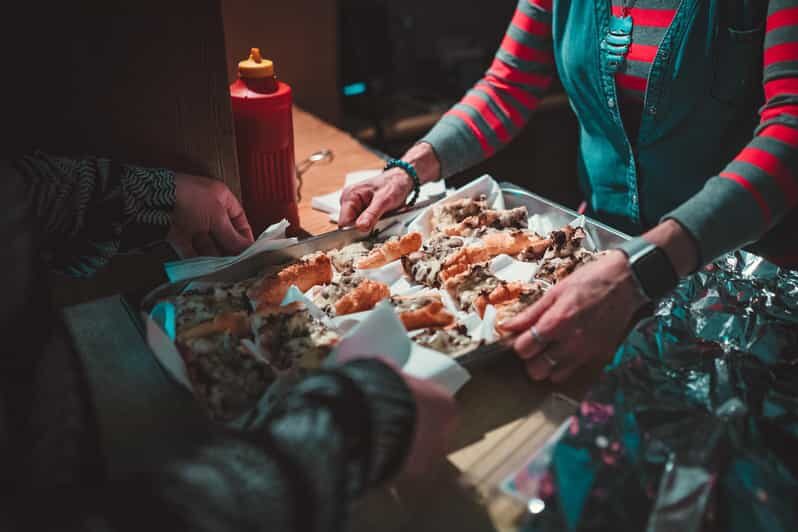
After the Old Town part, you shift over to Kazimierz for about 1.5 hours. This neighborhood is known for its layers, and the tour uses that energy to bring the food stories into sharper focus.
The big win here is that your tastings stop feeling random. Instead, you start noticing patterns—how local ingredients, cultural influences, and Krakow’s past shape what ends up on plates. Even when you don’t know the recipe details, the guide’s explanations help you connect the dots between what you’re eating and why it belongs here.
This is also the segment where the walk feels more like a lived-in neighborhood. You’re not just seeing landmarks; you’re moving through a place where food feels tied to everyday life.
One more reason I like this stop: you’re likely to leave with a mental list of what to order later. When you can say, I tried that style of dish here, you plan your next meal faster. And that’s where tours like this quietly pay off.
The 13–14 bites and drinks: why this format is good value
Sampling 13–14 Polish foods and drinks is the centerpiece, and it’s a smart format for two reasons.
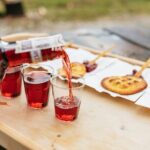
First, you get breadth. If you only sit down for one meal, you might only scratch the surface. Here, you taste across categories—dumpling-style comfort, savory mains, and the drinks that help you slow down and enjoy the whole experience. It’s essentially a guided intro course to Polish cuisine.
Second, you get comparison. The tour puts similar flavors side by side with explanations, which helps you learn faster. You’ll start recognizing what you like and what you want to repeat later in a proper restaurant setting.
And yes, it’s more than “tastes.” The experience is designed as a full outing, so expect to feel satisfied at the end. One guide-led group noted how full everyone was by the finish, which is exactly the point. Plan your day accordingly.
If you’re worried about pace, don’t be. The tastings come with a reason: story + food pairing. That combo keeps you from feeling like you’re just collecting bites.
The guide makes the tour: Jadzia, Martyna, Amelia, and Julia
A food tour lives or dies on the guide, and the strongest praise in the experiences you shared is about how guides connect the dots. Names that come up often include Jadzia, Martyna, and Amelia, with one note mentioning Julia as an understudy who joined in with the guidance.
These guides didn’t just rattle off facts. They linked what you were eating to Krakow’s cultural history and recipe traditions. That matters because it turns food into a memory you can tell later—rather than a list of dishes you forget the next day.
There’s also a social element. You’ll be meeting fellow travelers as you go, and that can make the walk feel lighter. If you like conversations—about food, home cooking, and travel—this tour gives you natural moments to chat between stops.
One extra practical bonus: several guides provide recommendations afterward. For example, you may receive a message with restaurant and bar ideas, which makes the tour useful even after you leave the group.
A few more Krakow tours and experiences worth a look


Hidden culinary gems: how to use the insider picks later
The tour is designed to take you to places locals love, away from the most crowded tourist flow. That’s not just about avoiding lines. It’s about giving you a realistic sense of where to eat when you’re hungry later in your trip.
Your guide’s best tip is often the one that helps you choose quickly on your own. If you’ve already tasted a few styles, you’ll understand what kind of place to look for: something that does comforting classics well, or a spot where regional specialties feel more “Krakow” than copy-paste tourist menus.
And because you’re walking through the city in context, these recommendations won’t feel random. When you return later, you’ll know the neighborhood vibe and how to get there without stress.
Quick self-check before you go: if you love planning every meal with zero surprises, a food tour like this might feel slightly directive. But if you want guidance plus variety, this approach is exactly what you’re paying for.
Timing and pacing: what 210 minutes feels like in real life
The tour runs about 210 minutes. That’s long enough to feel like a proper event, but not so long that you’re miserable halfway through.
The structure is spread across two key walking zones—Old Town and Kazimierz—so you get variety without whiplash. You’ll have time to eat at multiple stops, hear stories as you walk, and still have energy left to explore later.
One thing to watch: this is an experience that starts with you hungry and ends with you very full. So schedule a low-key rest of the day after. Think: a stroll, a museum if you’re energized, or just sitting with a drink and letting your appetite settle.
Price and value: is $91 worth it?
At $91 per person for a 3.5-hour guided tasting, the value comes from what’s included, not just the food count.
You’re getting:
- A local expert guided walk with story-based context
- Hidden culinary gems rather than generic, easy-to-find stops
- 13–14 Polish foods and drinks, which would cost far more if you tried to replicate it alone
- Insider tips on restaurants and bars for after the tour
So the question isn’t only, do you get enough food. You do. The more useful question is, do you get enough learning and direction to make your remaining days easier. This tour aims for exactly that. Even if you’d normally spend money on one great meal, the tour gives you multiple tastes plus recommendations, which helps you plan what to order on your own later.
If you’re the type who likes to eat first and figure out the details after, you’ll likely find the price fair.
What about holidays and route changes?
In one experience, the tour fell on a national holiday, and the plan was slightly adjusted. That’s a normal reality for any city tour. The key thing to know: you’re not buying a script that never changes. You’re buying a guided meal-walk experience that can shift to fit real-world circumstances.
Your best move is simply to stay flexible in your schedule. Keep dinner plans simple. Then whatever the guide tweaks, you’ll still end up with a good mix of food and city context.
Should you book the Krakow Food Tour?
Book it if you want a fast, flavorful introduction to Polish cuisine with real city context. This is a strong choice for first-time visitors who want to learn Krakow in a way that sticks—through tastings, stories, and practical recommendations you can use later.
Skip it only if you strongly prefer to pick every restaurant yourself and you don’t like group pacing. Also, if you’re very sensitive to being full after a long tasting, you might want to plan a lighter day around it.
Given the balance of food variety, guided context, and after-tour recommendations, this is the kind of tour that earns its slot on a short trip.
FAQ
Where is the meeting point for the Krakow food tour?
You meet near St. Mary’s Basilica.
How long does the tour last?
The duration is 210 minutes.
What language is the tour guide?
The tour is guided in English.
How many Polish foods and drinks will I sample?
You’ll sample 13–14 Polish foods and drinks.
Is the tour guided?
Yes. It includes a guided walk with a local expert.
What’s included besides food?
Besides tastings, you get the story behind the food, plus hidden culinary gems and the combination of food and history during the walk.
Do I need to reserve ahead of time?
The experience offers reserving a spot, and it includes a reserve option that lets you pay later.
Is there free cancellation?
Yes. It’s listed as free cancellation up to 24 hours in advance for a full refund.
Is the tour suitable for wheelchair users?
The info provided says wheelchair accessible, but it also includes a note that it is not suitable for wheelchair users. You should check directly with the operator to confirm what that means for your situation.
What should I bring or plan for?
The most important note is to come hungry and ready to eat. Plan for plenty of food and drinks over the full 210 minutes.