REVIEW · KRAKOW
Krakow: Auschwitz Birkenau Concentration Camp Guided Tour
Book on GetYourGuide →Operated by WonderWay · Bookable on GetYourGuide
Railway tracks, real history, and hard truths. I like that this tour shows you Auschwitz I and Birkenau as they actually were, not as vague stories. I also like that a licensed guide explains the Holocaust and Nazi crimes using clear history and eyewitness accounts. The main drawback: it is emotionally heavy, and in winter the ride and grounds can feel brutally cold.
You’ll move from preserved buildings and prison blocks into the massive scale of the extermination camp, while the guide keeps things respectful and factual. There’s room to pause, remember, and ask questions, which matters more than rushing through photo stops.
Logistics are simple but long: about 1.5 hours by van each way, plus a transfer between camps, for a total 7 hours. Lunch isn’t included, and if it’s very cold, the minibus can feel chilly—one guide named Matthew helped people stay comfortable during extreme weather, but the vehicle itself still may not feel warm enough.
In This Review
- Key things I’d watch for
- From Kraków to Auschwitz: the van ride that changes your mindset
- Auschwitz I: barracks, prison blocks, and the system behind the cruelty
- The short transfer: why Birkenau feels larger and lonelier
- Birkenau: railway tracks, barracks, and the ruins of the extermination system
- The guide and the tone: facts, eyewitness accounts, and space to ask questions
- Price and value for your day: is $82 worth it?
- Practical tips so you get more out of the visit
- Who this tour fits best
- Should you book this Auschwitz and Birkenau guided tour?
- FAQ
- FAQ
- How long is the Auschwitz I and Birkenau tour from Kraków?
- Is the guide provided in English?
- Does the tour include transportation from Kraków?
- Are entrance tickets included?
- Does the tour skip the ticket line?
- What does the tour cover at Auschwitz I?
- What does the tour cover at Birkenau?
- Is lunch included?
- Is there a pickup time confirmation?
- What are the cancellation and payment options?
Key things I’d watch for
- Skip-the-line entry so you spend more time where it matters
- Auschwitz I + Birkenau in one day, with a guide who connects both sites
- Walk the Birkenau railway ramp, the spot everyone remembers and everyone needs context for
- Original structures and exhibits, including barracks, watchtowers, and personal items
- Eyewitness accounts and documents, not just broad timelines
- No lunch included, so plan your food rhythm before and after
From Kraków to Auschwitz: the van ride that changes your mindset
The day starts in Kraków with pickup and then a van ride of about 1.5 hours. That time matters. You’re leaving behind normal life, and you arrive with your brain slightly “switched over” to history and reflection.
What I like about this setup is that you’re not scrambling for trains or trying to navigate roads while you’re already affected by the subject. Transportation and entrance tickets are handled, so you can focus on being present, not organizing.
One practical note: this route is a full-day commitment. You’ll be on your feet during guided walking portions, and you’ll want to dress for cold if you’re going in winter. Even with a careful guide, you’ll be outside on uneven ground and near open areas at both sites.
You can also read our reviews of more guided tours in Krakow
Auschwitz I: barracks, prison blocks, and the system behind the cruelty
Auschwitz I is the camp most people picture first, and it’s also the best place to understand how the Nazi system worked. Your guided time here is about 2 hours, and it’s paced to help you connect the physical place to what happened inside it.
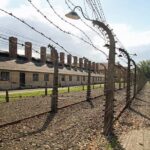
You’ll see preserved barracks and prison blocks, along with camp infrastructure such as watchtowers and other parts of the site design. That’s the key. These aren’t just ruins. They show how control and confinement were built into everyday space.
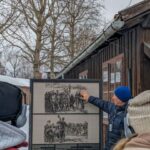
The exhibits add another layer. You’ll be shown photographs, documents, and personal belongings of former prisoners. Seeing these items in context is one reason this stop can feel so intense. It turns abstract facts into human details—names, objects, and evidence of lives interrupted.
What I like most is the way the guide frames the story around Holocaust history and World War II crimes, with eyewitness accounts included. You’re not just learning dates. You’re learning how the camp operated and why the process was systematic, not random.
Possible drawback: two hours at Auschwitz I can feel like a sprint if you read slowly. The guide will cover a lot, and some information is visual and heavy. If you need more time to absorb exhibits at your pace, you’ll have to accept that this tour is designed as a structured overview.
The short transfer: why Birkenau feels larger and lonelier
After Auschwitz I, you take a short van ride of about 20 minutes to Auschwitz II–Birkenau. That brief change of location is more important than it sounds. The physical difference is dramatic, and it sets up what you’re about to understand next: the scale of deportation and mass murder.
On the way in your head, you might think it will all feel similar. It won’t. Birkenau is a landscape of size and absence—wooden barracks, ruins, and spaces that show how the machinery expanded.
This is also where I’d suggest a mental reset. The guide will keep the tone respectful, with a reflective approach, and you’ll likely be walking and stopping more than you expected. If you’re sensitive to emotional content, this is a good moment to breathe and let the first camp settle before the second hits.
Birkenau: railway tracks, barracks, and the ruins of the extermination system
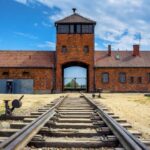
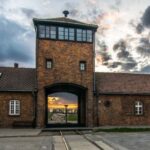
Your guided visit to Auschwitz II–Birkenau runs about 80 minutes. This is where the tour earns its reputation, because you walk along the iconic railway tracks at the camp. The point isn’t shock value. It’s context. The guide connects what you’re seeing on the ground to how deportations arrived and what that arrival meant.
You’ll also see the camp’s wooden barracks and the ruins of gas chambers and crematoria. Even in a guided setting, these locations can feel surreal, because your brain struggles to treat them as real places rather than historical photos. That’s exactly why the guide’s role matters. Eyewitness accounts and historical explanation help your understanding catch up with what your eyes are processing.
The tour also includes memorial spaces and visible remnants of infrastructure and boundaries. That mix is practical. It helps you understand the camp as an organized space rather than a single building. You’ll learn that the extermination system involved routes, zones, and structures designed for mass control.
I also like the emphasis on scale. Birkenau isn’t just another “site stop.” It’s the point where the horror becomes quantitative—millions deported, murdered, and processed through a system built to keep going.
Possible drawback: 80 minutes can be enough for context, but not for total processing. Some people want more time to stand quietly and read everything. If that’s you, plan to return later for extra self-guided time when you can move at your own pace.
The guide and the tone: facts, eyewitness accounts, and space to ask questions
A big part of the value here is the licensed, professional English guide. This isn’t a casual walkthrough. The tour is built around Holocaust education with factual explanation and eyewitness accounts.
What you’ll feel during the experience is a respectful rhythm. The tour encourages reflection, and it creates space for questions and pauses. That matters because Auschwitz isn’t a museum you “complete.” It’s a memorial site where understanding takes time, and the right guide helps you ask better questions without turning the moment into a performance.
The guide also helps you interpret the physical details you’d otherwise misunderstand. For example, it’s easy to see barracks or watchtowers and focus only on visuals. A strong explanation links them back to prisoner experience and camp function.
One more comfort-related point from real-world experience: when conditions are extremely cold, your guide may actively help people stay comfortable. In one case, a guide named Matthew worked hard to make guests alright during temperatures around -9°C, even though the minibus wasn’t warm. If you go in winter, treat warm layers and gloves as part of the plan.


Price and value for your day: is $82 worth it?
At about $82 per person for a 7-hour experience, this tour is priced like a full-day, transport-inclusive guided program. The value comes from several combined pieces:
- entrance tickets for Auschwitz I and Auschwitz II–Birkenau
- transportation from Kraków and between the two sites
- live English guiding (the real value-add, honestly)
- skip-the-ticket-line handling
If you tried to DIY this, you’d likely spend your day coordinating transport and entry while still needing someone to explain what you’re seeing. Here, the guide does that work for you, and you also get a structured route that hits the main locations: barracks, prison blocks, watchtowers, memorial areas, and the Birkenau railway tracks.
One thing to note: lunch isn’t included. That’s not a deal-breaker, but it does affect “real cost” and timing. You’ll want to eat before you go or plan a meal after you return to Kraków so you’re not making decisions while tired.
Practical tips so you get more out of the visit
This is a tour where preparation helps your brain, not just your body.
- Dress for cold weather. Even if the guide is doing everything right, you’ll spend time outdoors and walking.
- Bring layers and warm accessories if you’re visiting in winter. The minibus may not feel warm enough for long stretches.
- Wear comfortable shoes. The walking includes camp paths and outdoor areas.
- Go in mentally ready. This is heavy education and memorial space, so keep your pace slow even if the schedule feels structured.
- If you have questions, ask them. The tour is designed to create room for questions and respectful discussion.
Also, consider what you’re hoping to get from the day. If you want the big-picture understanding of the Holocaust and how Auschwitz operated, this format is a strong match. If you’re looking for lots of free time to read every sign without a guide, you may find the timing tight.
Who this tour fits best
I think this tour suits adults and older students who want a serious, guided introduction to Auschwitz-Birkenau in English. It’s also a good choice if you want someone to connect the dots between Auschwitz I and Birkenau, including the role of the extermination camp infrastructure.
It’s less ideal if you need extremely flexible pacing, because the day is built around specific guided time blocks at each site. It’s also emotionally intense, so if you’re going with someone who struggles with dark historical content, plan the conversation and expectations ahead of time.
That said, the guided structure can actually be comforting. It reduces uncertainty and helps you stay oriented in a place where your feelings might otherwise run the show.
Should you book this Auschwitz and Birkenau guided tour?
Yes, if you want a well-structured, English-language guided day that covers Auschwitz I and Auschwitz II–Birkenau with transportation and skip-the-line entry included. The biggest reason to book is the guidance: you get factual explanation, historical context, and eyewitness accounts, not just a checklist of buildings.
Skip it only if you strongly prefer self-paced touring and lots of downtime, or if the idea of a full 7 hours on memorial grounds feels like too much right now. For most people who come to Kraków, this is one of the most meaningful ways to understand what happened here, with less logistical stress and more real context.
FAQ
FAQ
How long is the Auschwitz I and Birkenau tour from Kraków?
The tour duration is about 7 hours, including van transport and guided time at Auschwitz I and Auschwitz II–Birkenau.
Is the guide provided in English?
Yes. The tour includes a live English guide.
Does the tour include transportation from Kraków?
Yes. Pickup is optional, and the tour includes van transportation from Kraków, including travel between the two camp sites.
Are entrance tickets included?
Yes. Entrance tickets and transportation are included.
Does the tour skip the ticket line?
Yes, it’s listed as skipping the ticket line.
What does the tour cover at Auschwitz I?
You’ll visit Auschwitz I with a guided tour that includes preserved barracks, prison blocks, exhibitions with photographs, documents, and personal belongings, plus key camp locations and infrastructure.
What does the tour cover at Birkenau?
You’ll visit Auschwitz II–Birkenau with a guided tour that includes the iconic railway tracks, wooden barracks, and the ruins of gas chambers and crematoria, along with memorials and remnants of infrastructure.
Is lunch included?
No. Lunch and souvenirs are not included.
Is there a pickup time confirmation?
Pickup time may vary, and the exact pickup time is sent the day before the trip.
What are the cancellation and payment options?
Free cancellation is available up to 24 hours in advance for a full refund. You can reserve now and pay later.