REVIEW · GDANSK
Gdansk: European Solidarity Centre Guided Tour
Book on GetYourGuide →Operated by Todo.travel · Bookable on GetYourGuide
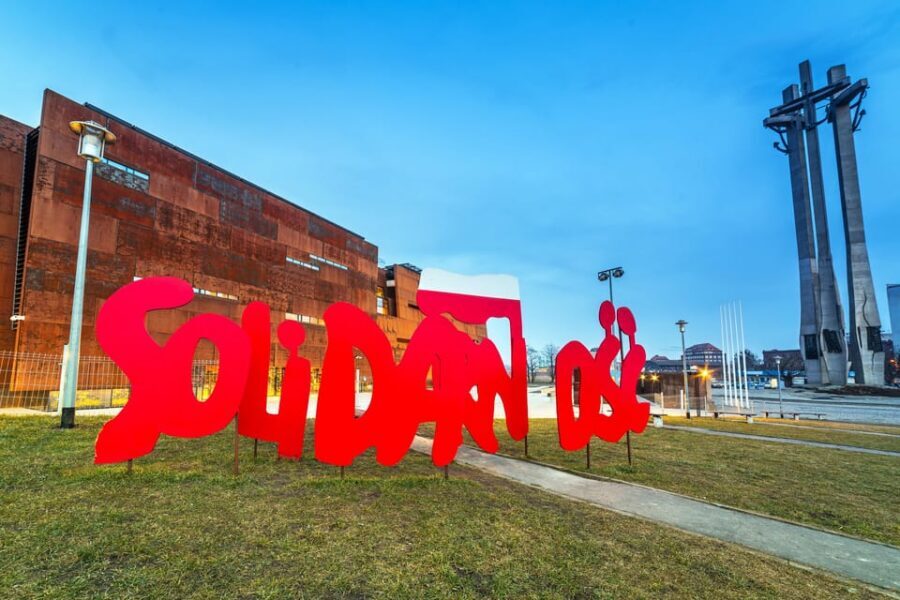
Poland’s fight for freedom feels personal. This 150-minute guided visit to the European Solidarity Centre in Gdańsk turns a museum into a story you can follow step by step. You’ll see how ordinary people helped crack the system, and why their ideas didn’t stop at Poland’s borders.
I especially like the way the experience brings history to life through recreated strikes, multimedia displays, and the negotiations tied to the famous round table talks. I also like that you’re not wandering alone: you get a live guide in English or Polish, and one recent verified booking specifically praised the guide Marta for making everything click.
One thing to consider before you go: luggage or large bags aren’t allowed, and the tour includes climbing and descending staircases.
In This Review
- Key highlights you’ll care about
- Why This Solidarity Tour Works in Real Life
- Entering the European Solidarity Centre (and getting oriented fast)
- The guided path through Poland’s fight against communism
- Recreated strikes and workers organizing
- Multimedia displays that keep the timeline from getting fuzzy
- Lech Wałęsa and the round table negotiations explained clearly
- Solidarity’s wider impact: why this story spreads beyond one country
- Workshops, films, and the ongoing conversation about rights
- How to pace 150 minutes without rushing the important parts
- Price and value: what $83 buys you (and why it makes sense here)
- Who should book this guided tour?
- A quick note on comfort and logistics you should plan for
- Should you book the European Solidarity Centre Guided Tour?
- FAQ
- How long is the Gdańsk European Solidarity Centre guided tour?
- What’s included in the $83 price?
- What languages is the live guide available in?
- Is the tour wheelchair accessible?
- Are luggage or large bags allowed?
- Is there free cancellation?
Key highlights you’ll care about
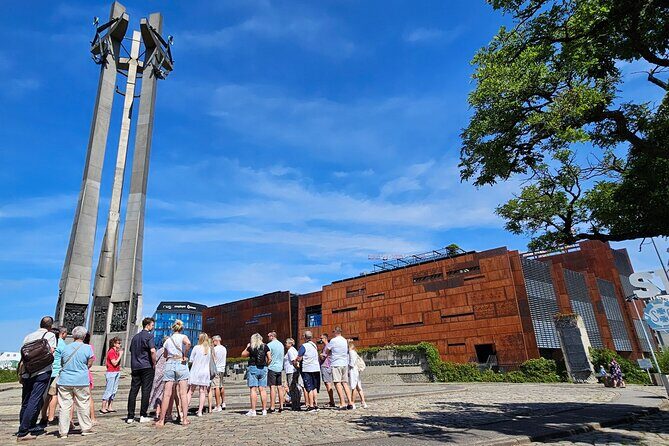
- A guided route through major Solidarity moments, not a self-guided scan of rooms
- Recreated strikes and multimedia that make the timeline feel concrete
- Lech Wałęsa and the round table negotiations explained with context
- Solidarity’s impact across Eastern Europe, shown as a continuing ripple effect
- Workshops and film screenings that connect the past to today’s human-rights themes
- Skip-the-line entry plus a professional guide included in the price
Why This Solidarity Tour Works in Real Life
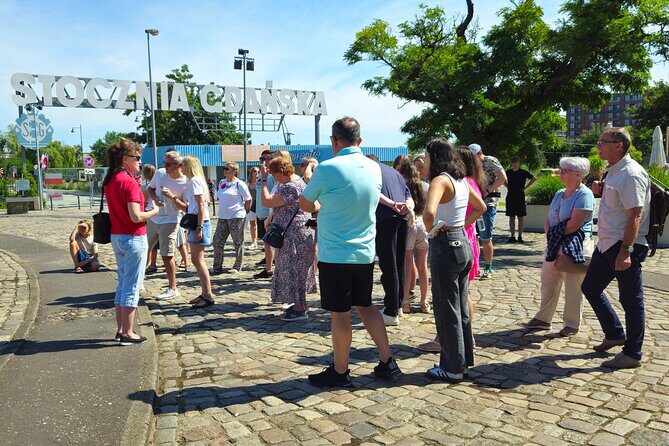
There are museums that show you history. And there are places that help you understand why people acted the way they did. The European Solidarity Centre sits firmly in the second category. Even if you know the broad story, the guided format helps you connect the dots quickly instead of getting lost in dates and names.
The biggest win is how the tour uses more than display panels. You’ll move through the centre’s recreated scenes, multimedia elements, and the key turning points in the Solidarity era. It’s designed so you can follow the logic: repression created pressure, workers organized, and negotiations became possible.
And when you add a live guide, the experience gets practical. Instead of guessing what a symbol means or why a moment mattered, you get real-time explanation in English or Polish. One verified booking noted strong impact from the guide Marta, which lines up with what you want from a guided history visit: clarity, not just narration.
You can also read our reviews of more guided tours in Gdansk


Entering the European Solidarity Centre (and getting oriented fast)
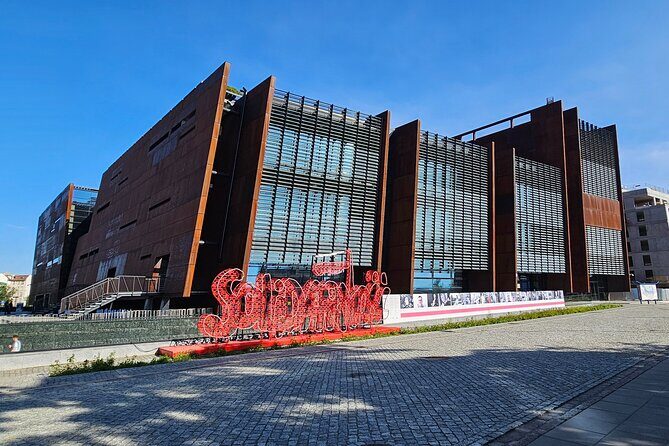
The centre is built for movement, not for standing still. The tour includes staircases, and you’ll be walking through the exhibition space as you go. Plan on being on your feet and bring a comfortable pace, especially if stairs are an issue for you.
Another small-but-important detail: luggage or large bags aren’t allowed. That means you should travel light for the visit. If you’re coming from Gdańsk with shopping or a heavy day bag, it’s worth adjusting your plan so you don’t end up stressing about storage rules.
Good news: your ticket and your guide are included. That matters because it removes the usual pre-museum hassle. You also get a skip-the-line setup, which helps if you’re timing your day around the rest of Gdańsk.
The guided path through Poland’s fight against communism
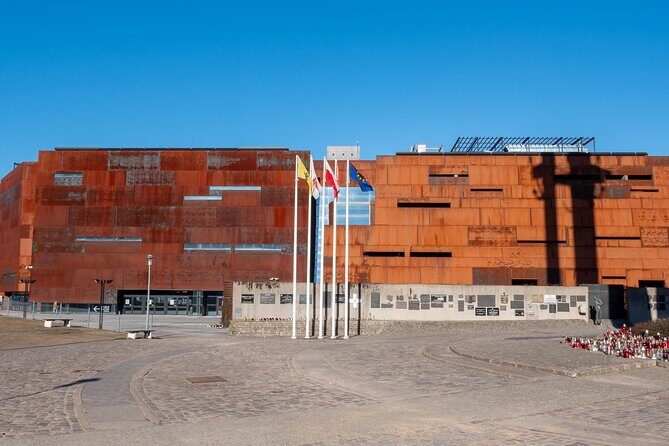
This tour centers on the fight for freedom during the communist era and the role of Solidarity. You’ll walk through the story in a way that feels like a sequence, not a list.
Recreated strikes and workers organizing
One of the most compelling parts is the recreated feeling of the strikes and daily pressure faced by Polish workers. The goal isn’t to recreate everything perfectly. It’s to show you what people were up against and how collective action started to matter.
In practical terms, this section helps you understand the human scale of political change. It’s easy to treat Solidarity as a slogan from a textbook. Here, the exhibits push you to see it as choices made by real people under real risk.
Multimedia displays that keep the timeline from getting fuzzy
The centre uses multimedia to keep the story moving. That’s helpful because the Solidarity story includes political shifts, negotiations, and social pressure all at once. Without that support, it’s common to leave a museum with one big impression and not much structure.
With the guide, the multimedia elements become anchors. Ask questions when something feels symbolic, and you’ll get answers tied to the broader struggle against communism. You’ll likely come away with a cleaner timeline than if you visited alone.




Lech Wałęsa and the round table negotiations explained clearly
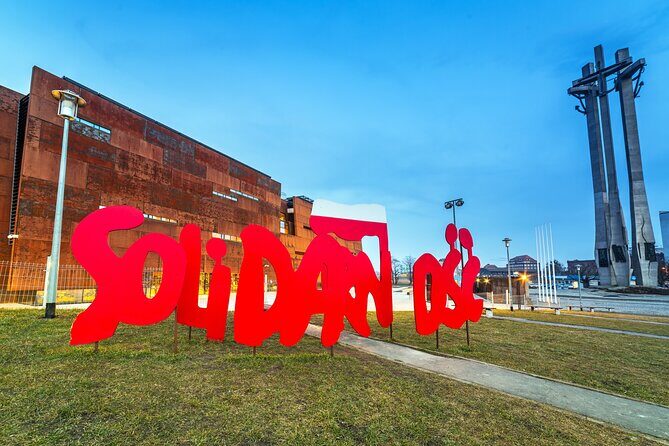
A standout part of the story is the segment tied to the round table negotiations. If you only know the headline version, this is where a guided visit really pays off.
Why? Because negotiations are about more than politics. They involve bargaining, credibility, fear, and the pressure of staying organized. The tour’s approach helps you understand why talks happened when they did and why they mattered beyond Poland.
You’ll also encounter the story through the lens of iconic figures, including Lech Wałęsa. The centre doesn’t treat him like a distant statue. Instead, the tour frames him in relation to Polish workers and the push for freedom. That connection is what makes the negotiations feel earned rather than sudden.
Solidarity’s wider impact: why this story spreads beyond one country
The experience doesn’t stay boxed inside Poland. You’ll move into exhibits showing Solidarity’s influence reaching beyond the country, especially across Eastern Europe.
This is where I think the tour offers strong value for visitors who are trying to understand the broader European picture. You don’t just learn what happened in one place. You learn how an idea can travel—how organized people can inspire others, even when the systems look different.
If you’re the type who likes cause-and-effect, this section is a good fit. It helps you see Solidarity as both an event and a model for action. And it gives you context for why the legacy still resonates.
Workshops, films, and the ongoing conversation about rights
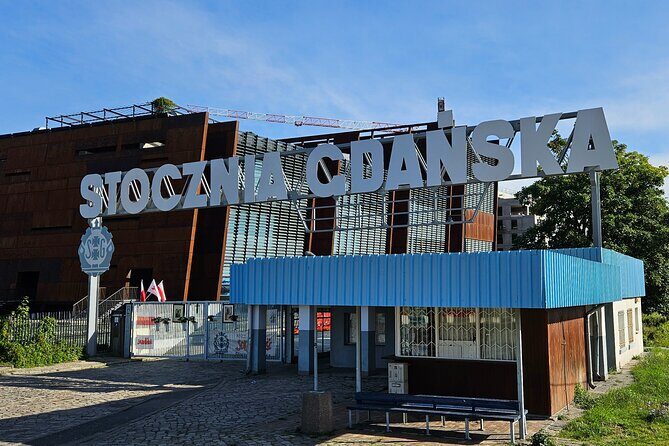
Here’s the part that often surprises people: the centre doesn’t treat the past like a finished chapter. Instead, it sets up discussion and reflection around social justice and human rights.
You can expect an emphasis on workshops and film screenings, plus exhibits that nudge you toward thinking about what freedom means in everyday life. This isn’t about turning the tour into a modern-political rant. It’s about showing that the struggle for rights continues, even when the names and headlines change.
If you’re visiting with teens or you’re worried a history museum might feel heavy, this element can actually balance things out. The films and workshops help you process what you learn rather than just absorbing it.
How to pace 150 minutes without rushing the important parts
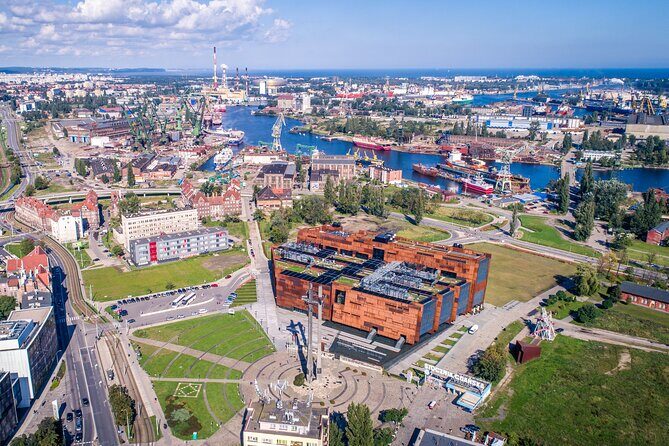
A 150-minute tour is long enough to take in a lot, but not long enough to treat it like a museum you can linger in whenever you want. So I’d do this: aim to be attentive early, then slow down where the guide points you.
Because the tour involves staircases, I suggest planning your day so you don’t schedule another walking-heavy activity right after. Give yourself a little breathing room for your legs and your brain.
Also keep expectations realistic. The tour moves through multiple story beats: strikes, multimedia storytelling, the round table negotiations, and then Solidarity’s broader influence. That’s a lot to cover in 2.5 hours. Your best move is to use the guide actively: if you’re confused, ask. If something feels meaningful, ask again for the context.
Price and value: what $83 buys you (and why it makes sense here)
At about $83 per person for a 150-minute guided experience, you’re paying for three things at once:
- your entrance to the European Solidarity Centre
- a professional live guide
- a structured path that helps you process major themes quickly
The value here isn’t just the access. It’s the interpretation. Solidarity-era history can be overwhelming on a self-guided visit because it blends political change with social organization and moral stakes. A guide helps you prioritize what matters and prevents you from leaving with scattered impressions.
Food and drinks are not included, so I’d plan a meal before or after. That keeps the tour from becoming an energy drain. If you know you get hungry easily, add a snack stop to your broader Gdańsk plan.
Who should book this guided tour?
This tour fits best if you:
- want a clear explanation of the fight against communism and how Solidarity emerged
- like interactive and multimedia museum formats, not just photo displays
- enjoy connecting one country’s story to a bigger regional impact across Eastern Europe
- are interested in human rights themes that continue to matter today
It’s also a smart choice if you don’t want to spend a full day figuring out what to prioritize in the centre. The guided structure makes it efficient without feeling like a checklist.
One more rule to note: you must be 18 years or older to book, or be accompanied by an adult. If you’re traveling as a group with younger visitors, this may shape your plan.
A quick note on comfort and logistics you should plan for
This isn’t just a sit-and-watch activity. You’ll be climbing and descending staircases as part of the route. The tour is wheelchair accessible, but the presence of stairs means it’s wise to think about how your group will handle the route comfortably.
Bring a light bag. Since luggage or large bags aren’t allowed, you’ll want to keep what you bring manageable.
Also, timing matters. The meeting point can vary depending on the option booked, and the start time can shift slightly based on guide availability. Build in buffer time. Aim to arrive at least 10 minutes early so you’re not scrambling when the group starts.
And yes, history tours occasionally run into human issues like scheduling mishaps. One lower-rated booking mentioned an organization problem that needed clarification. That’s not something you should ignore, so keep your expectations grounded and arrive early.
Should you book the European Solidarity Centre Guided Tour?
If you want Solidarity in a form you can actually follow, I’d book it. The combination of recreated strike scenes, multimedia storytelling, and a guided explanation of the round table negotiations gives you more meaning per minute than a typical museum visit.
Also, the tour doesn’t stop at the Polish story. The global impact exhibits and the ongoing human-rights themes make the experience feel relevant instead of locked in the past.
Skip this only if you:
- can’t handle stair climbing and the movement-heavy format
- need a bag-friendly option for bulky luggage
- want a fully self-paced museum visit without structure
For most people visiting Gdańsk, this is a strong use of time: structured, thought-provoking, and built to help you understand why ordinary people can still change the course of events.
FAQ
How long is the Gdańsk European Solidarity Centre guided tour?
The tour lasts 150 minutes.
What’s included in the $83 price?
The price includes a professional guide and entrance tickets to the European Solidarity Centre. A ticket line skip is also included.
What languages is the live guide available in?
The live tour guide is available in English and Polish.
Is the tour wheelchair accessible?
Yes, the tour is wheelchair accessible. The tour also includes climbing and descending staircases, so it’s worth considering how that affects your comfort.
Are luggage or large bags allowed?
No. Luggage or large bags are not allowed during the tour.
Is there free cancellation?
Yes. You can cancel up to 24 hours in advance for a full refund. You can also reserve now and pay later to keep plans flexible.