REVIEW · GDANSK
GDANSK City Tour by Golf Cart Live Guide & City Sightseeing 90min
Book on Viator →Operated by City Tour GDANSK & Stadtrundfahrt DANZIG by Eco Sightseeing · Bookable on Viator
Gdansk by golf cart feels like time travel. In a short loop around the historic center, you get easy access to narrow streets with little walking, and the live guides (I’ve heard stories led by people like Maciej, Robert, and Michael the Professor) turn the big landmarks into something you can actually picture. One thing to keep in mind: timing can occasionally slip, and on at least one tour that meant less time at the stops.
What I like most is the focus. This is built for a first pass at Gdansk—efficient, scenic, and packed with places you’d otherwise have to hop between on foot. The cart-style ride also feels good on days when you don’t want to burn energy climbing around the Old Town.
You’ll start and end at Pocztowa in Gdańsk, with pickup available if you confirm your address. Many stops are quick photo moments, while a few (like St. Bridget’s Church) give you a longer look—so you get variety without losing the plot.
In This Review
- Key moments that make this tour worth your time
- Pricing and what you’re really paying for
- The golf cart ride: easy on your feet, great for first-day orientation
- Where you start: Pocztowa, pickup timing, and how the tour flows
- Main Town Hall and the Royal Route vibe: where the tour sets the tone
- Długa Street, Katownia, and the Golden Gate: the Old Town’s big characters
- Sobieski Monument and the Great Armoury: power, war, and craftsmanship
- Hala Targowa and the religious landmarks: from Gothic brick to baroque side chapels
- St. Bridget’s Church, Solidarity, and amber art: where modern meaning shows up
- The waterfront and port life: Zuraw miniatura and the Motława River embankment
- The Great Mill, old town details, and the shipyard connection
- How to use this tour on a short schedule (including cruise days)
- Who should book this, and who should skip it
- Small practical tips that make the ride better
- Should you book the GDANSK City Tour by golf cart?
- FAQ
- How long is the Gdansk city tour?
- What does it cost per person?
- Is the tour in English?
- Do they include pickup?
- Where is the meeting point?
- Do I need a paper ticket?
- What’s included in the price?
- Are any admission tickets included?
- Is gratuity included?
- Is the tour dependent on weather?
- What is the cancellation timeframe?
Key moments that make this tour worth your time
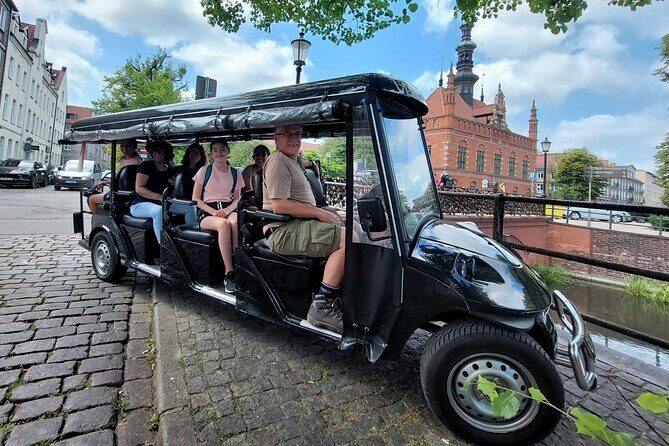
- Golf cart access for tight Old Town lanes so you spend less time weaving through crowds on foot
- Local guide stories that connect architecture, wars, and modern events without turning into a lecture
- Stops built around Gdansk’s main “Royal Route” feel plus waterfront and shipyard highlights
- Fast pacing that works for limited time like a day before dinner or a cruise stop
- Photo-friendly stops where the guide can pull the group in for quick pictures
Pricing and what you’re really paying for
This tour runs about 90 minutes (often closer to an hour-plus in practice) and costs $38.87 per person. That price can look “touristy,” but the value comes from two things: you’re paying for a private golf cart ride with a live English-speaking guide, and the itinerary includes admission tickets where noted plus all fees and taxes.
Also, you’re not just buying a route. You’re buying someone’s local sense of what matters—and the feedback I saw strongly points to guides who keep the group engaged with stories and humor, not just facts. On one tour example, a guide even coordinated extra help after the ride (like sorting out a lost phone and helping plan the next move), which is a sign of service mindset.
The only price-related caution: because it’s time-based and stop-based, you should plan as if the tour runs exactly on schedule, not with extra slack. If you’re racing a train or a cruise departure, build in buffer time.
You can also read our reviews of more guided tours in Gdansk


The golf cart ride: easy on your feet, great for first-day orientation

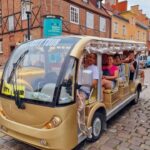
Riding through Gdansk by golf cart is the whole point. You get an open-air feel (weather permitting) and can move through areas where bigger vehicles can’t go, including tight Old Town streets. In other words, you get “close up” without doing marathon walking.
The pacing is also smart. Most stops are around 5 minutes, which sounds short until you realize it forces you to look at the right details—facades, gates, church exteriors, and specific structures—without getting stuck in one spot too long. A couple of stops run 10 to 15 minutes, so you get at least a small taste of interior or a longer viewpoint moment.
If you like city tours that feel like a guided highlights reel (but with context), this fits. If you prefer slow wandering and long museum time, you’ll likely want to pair this with an extra hour on your own at the places that grab you.
Where you start: Pocztowa, pickup timing, and how the tour flows
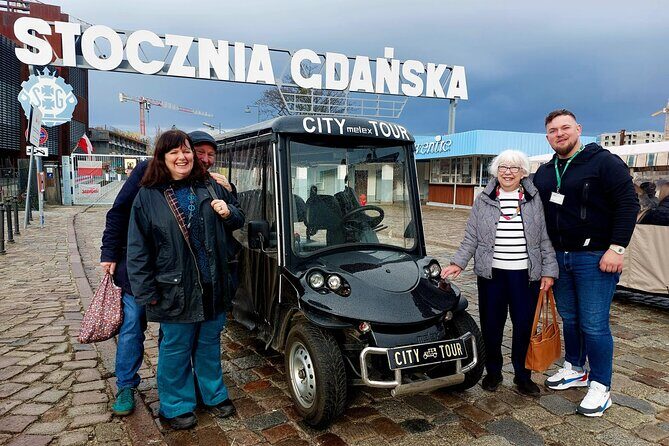
The meeting point is Pocztowa (Pocztowa), Gdańsk. Your tour ends back at the same place, which is useful for planning dinner afterward. Pickup is offered, but you need to contact the operator to confirm the address, and you should wait in the lobby about 10 minutes before the scheduled pickup window.
Most days the ride is smooth, but one review note did mention a late arrival and reduced time at stops. That’s not a reason to skip the tour—it just means you should treat timing as important. If you’re traveling from a cruise with limited time on shore, plan your transportation return early rather than assuming you’ll squeeze everything perfectly.
Main Town Hall and the Royal Route vibe: where the tour sets the tone
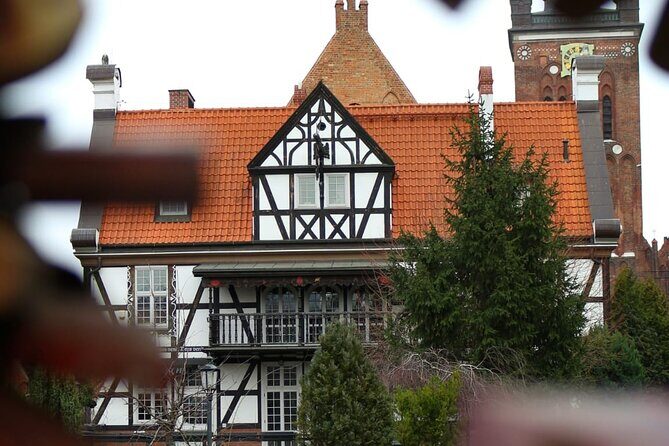
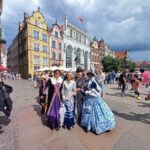
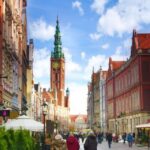
Stop 1 is Main Town Hall (Museum of Gdańsk). You get around 5 minutes to take in the look of the building and its Royal Route setting. Even with the short stop, it works as a foundation: this is the kind of architecture that tells you Gdansk wasn’t just a port town—it was a power center.
The key value here is orientation. If you’ve never been to Gdansk, this is where you start noticing patterns: where the important civic buildings are, how the street layout supports processions, and why the Old Town reads so “designed,” not random.
From there, you’re rolling into the street-level details that make Gdansk feel like a living history book.
Długa Street, Katownia, and the Golden Gate: the Old Town’s big characters
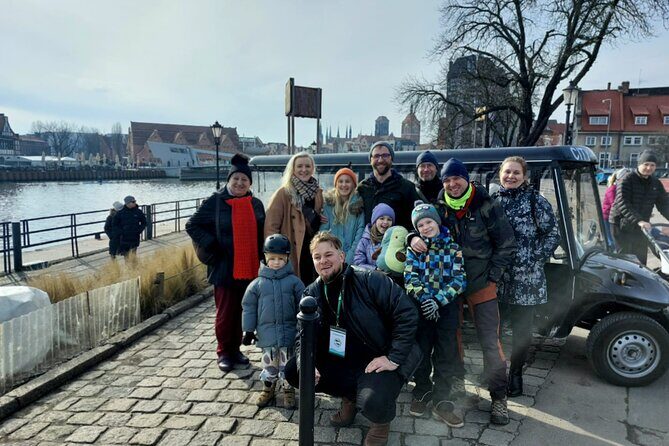
On Długa Street, you’ll have a short stop to admire the recognizable streetscape and the reference to a building that survived World War II. The point isn’t deep study; it’s learning to spot what to look for. With a good guide, those facades become clues about what the city preserved—and what it lost.
Next comes Katownia, described as an old tortured house and prison tower. Expect the mood to shift here. You’re still outside, still moving fast, but the stories you get at this kind of site tend to stick because they add human stakes to the architecture.
Then you hit Langgasser Tor, also known as the Golden Gate—the representative entrance into Długa Street. This is one of those places where even a brief stop can be satisfying, because you’re seeing how the city branded its entrances and how movement into the Old Town was framed.
Between these stops, you also pass the city center’s biggest shopping area. It’s a helpful contrast: historic core on one side, everyday city life on the other.
You can also read our reviews of more city tours in Gdansk



Sobieski Monument and the Great Armoury: power, war, and craftsmanship
At the Jan III Sobieski Monument, you’ll learn about the battle connected to Vienna. This is a quick stop, but it adds a political layer to the scenery, reminding you that monuments aren’t just decoration—they’re messages about alliances and military turning points.
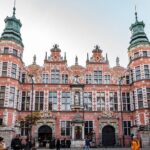
The next stop, Great Armoury (Wielka Zbrojownia), is where the tour shifts into objects and craft. You get a look at medieval weapons and the architecture of the armoury itself. Even if you don’t go deep inside during the short timeframe, the takeaway is clear: this town was built around defense, trade, and the equipment to protect it.
If you’re the type who likes your city tours to include at least one “things you can see” stop, this section is usually a win.
Hala Targowa and the religious landmarks: from Gothic brick to baroque side chapels
At Hala Targowa Kupców Dominikańskich, the tour focuses on the building’s role and the sense of historic festivals, plus the reference to an old order tied to the city. Again, it’s a quick stop. But market halls like this are often the social heart of a place—and it’s useful to know where that heart beat.
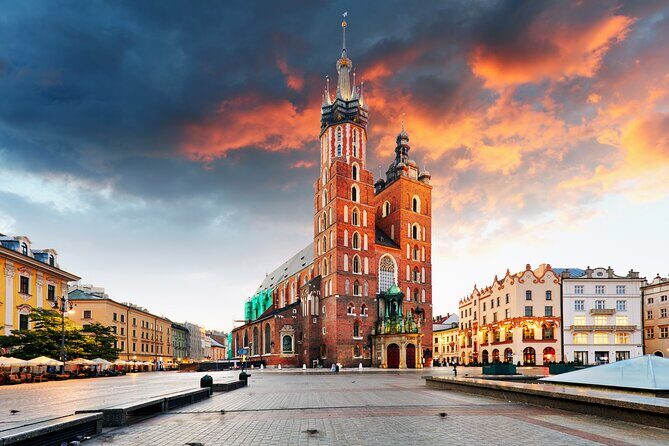
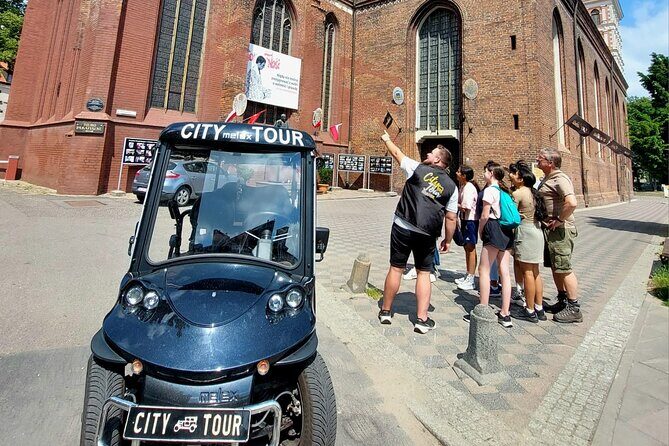
Then you’ll face the scale of St. Mary’s Church, noted as a major Gothic church built in brick. You’ll spend about 10 minutes, which is enough time to appreciate size and features from outside and to understand why medieval religion mattered so much in daily life.
Right after that comes the Royal Chapel (Kaplica Królewska) with its baroque style—different from other chapels. This contrast is the kind of detail that makes the tour feel “more than postcards.” Instead of only seeing one church style, you’re shown how different eras left different fingerprints.
St. Bridget’s Church, Solidarity, and amber art: where modern meaning shows up
This is one of the longer and more memorable stops: St. Bridget’s Church (Kosciol sw. Brygidy). You’ll get about 15 minutes, and the admission is included here.
The highlight is modern history placed beside religious art. The tour notes connect the church with the Solidarity movement began, plus a chance to enjoy amber art. Even if you don’t go full museum-mode, this stop makes the city feel more current. Gdansk isn’t just old stones; it’s tied to real 20th-century events.
If you want one “anchor moment” on this tour, make it this stop.
The waterfront and port life: Zuraw miniatura and the Motława River embankment
After the churches, you start moving toward the water. At Zuraw miniatura, you’ll see an old harbor crane and learn about how the building was powered. It’s the kind of stop that turns a pretty structure into a functional tool of trade.
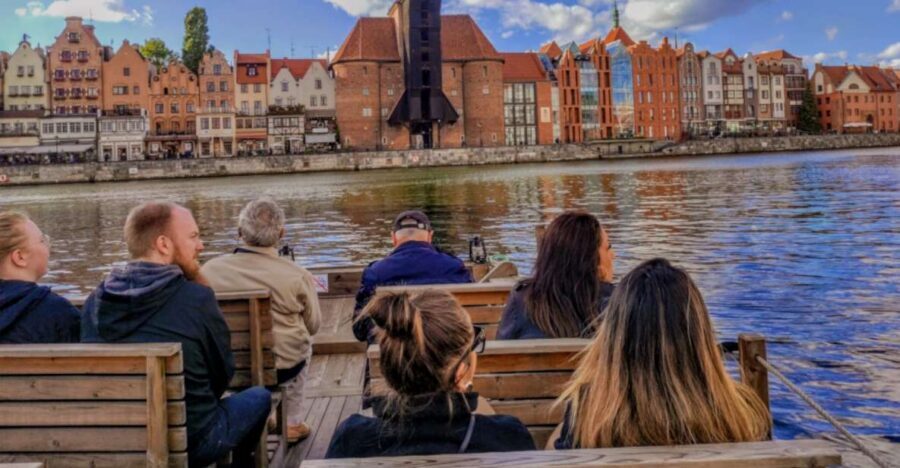
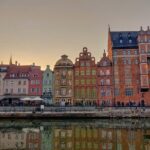
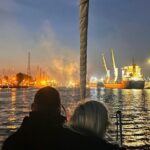
Then you get Motława River embankment (Długie Pobrzeże) with a 10-minute stop. This section is about feel—fresh air, river ambiance, and what port life meant in medieval times. The best part is that your earlier stops (town hall, gate, armoury) start making sense as part of one connected system: governance, defense, and shipping.
If you’re traveling with someone who gets bored with churches, this is where you often regain their attention.
The Great Mill, old town details, and the shipyard connection
You’ll also see The Great Mill, described as the job and history tied to the first water mill in the city. It’s short, but the idea is smart: mills and industry are city history too, not just rulers and churches.
Next is Ratusz Starego Miasta, with a mention of an astronomy connection. This is another example of how civic buildings held practical knowledge, not only speeches and meetings.
Then the tour heads to Gdansk Shipyard (about 15 minutes). You’ll be shown an old Prussian shipyard and a place connected to the Solidarity movement. This is where Gdansk’s “modern backbone” becomes obvious—people fought for dignity, and the shipyard is part of that story.
A final scenic architecture stop comes at Wałowa, with about 10 minutes for Old Prussian-style architecture.
How to use this tour on a short schedule (including cruise days)
If your time in Gdansk is tight, this style of tour is made for that. You’re hitting the biggest landmarks in an orderly loop without spending the whole day walking.
Cruise passengers often need this exact kind of efficiency. One example described coordinating around a cruise with limited shore time, and the operator helped with transport back to the pier with time to spare. That’s the best-case scenario, but it points to the real strategy: plan early, and don’t bank on traffic miracles.
My practical advice: if you have a hard deadline, choose a later lunch reservation on the tour day or keep dinner flexible until you finish the ride.
Who should book this, and who should skip it
This tour is ideal for you if:
- You want a fast introduction to Gdansk’s top sights without heavy walking
- You’d rather ride between highlights than constantly navigate on foot
- You like city history explained through real places and visible details
- You’re short on time and need a clean “first pass”
You might consider skipping (or adding a follow-up) if:
- You want long museum time at any one site
- You prefer slow, independent wandering over scheduled stops
- Your day is so packed that even a late start would derail everything
Small practical tips that make the ride better
- Bring a light layer. Even in comfortable weather, carts don’t block wind.
- Wear shoes you’re happy to stand in during quick photo stops.
- Have your phone ready for photos, especially at gate and church exteriors.
- If you’re coming from another city or a cruise, plan pickup and return with extra buffer.
Should you book the GDANSK City Tour by golf cart?
Yes—if you want an efficient, guide-led tour that gets you close to Gdansk’s defining sights, this is a strong match. The combination of private golf cart transport, an English live guide, and included admission at at least one major stop (St. Bridget’s Church) gives you more than just a drive-by.
The main reason to hesitate is simple: because the schedule is stop-based, your experience depends on timing. If you’re on a strict deadline, give yourself buffer time and keep expectations realistic for short stops.
If you want a memorable orientation to Gdansk—Royal Route architecture, gate landmarks, Gothic churches, waterfront cranes, and the shipyard’s modern meaning—this is one of the smarter ways to do it.
FAQ
How long is the Gdansk city tour?
The tour lasts about 1 to 2 hours, with many stops around 5 minutes and a few longer stops.
What does it cost per person?
The price is $38.87 per person.
Is the tour in English?
Yes, the live guide is offered in English.
Do they include pickup?
Pickup is offered. You’ll need to contact the company and confirm your pickup address.
Where is the meeting point?
The start and end point is Pocztowa, Gdańsk, Poland.
Do I need a paper ticket?
No. You’ll have a mobile ticket.
What’s included in the price?
Included items are private transportation, all fees and taxes, a live guide in your language, and pickup services.
Are any admission tickets included?
Yes. Several stops list admission as free, and St. Bridget’s Church has admission included. Other specific admissions are marked free on the itinerary.
Is gratuity included?
No. Gratuities are not included.
Is the tour dependent on weather?
Yes. The experience requires good weather, and if it’s canceled due to poor weather you’ll be offered a different date or a full refund.
What is the cancellation timeframe?
Free cancellation is available up to 24 hours in advance for a full refund.