REVIEW · WROCLAW
From Wrocław: Stalag Luft 3 Great Escape Tour
Book on GetYourGuide →Operated by Best City Tours sp. z o.o. · Bookable on GetYourGuide
Underground tunnels still send chills. This tour takes you to Stalag Luft 3, the WWII POW camp that sparked The Great Escape story, and then pushes you into the actual pine-forest setting where the tunnels mattered. I really like that you get both the museum context and the outdoors reality of the site, including the famous underground tunnel called Harry. One thing to consider: the museum can feel small, so the emotion hits hardest on the woods-and-memorial side.
My other favorite part is how the route is built around what you should notice in the landscape of the camp, not just the headline names. You also see a reconstructed guard tower that helps you grasp how close the tunnel exit really was to patrols, plus you can walk among the woods and spot original foundations. The day is timed to fit a lot into 8 hours, so wear shoes you can walk in comfortably.
You’ll be in a small group (max 8), and that helps the guide do a better job answering questions. Still, if the day is busy (for example, big anniversary crowds), plan for the guide to be pulled away briefly and you might do a bit more reading on your own at the visitor areas.
In This Review
- Key moments that make this tour worth your time
- Stalag Luft 3 and why it inspired The Great Escape
- The 8-hour rhythm from Wrocław: travel time and how the day flows
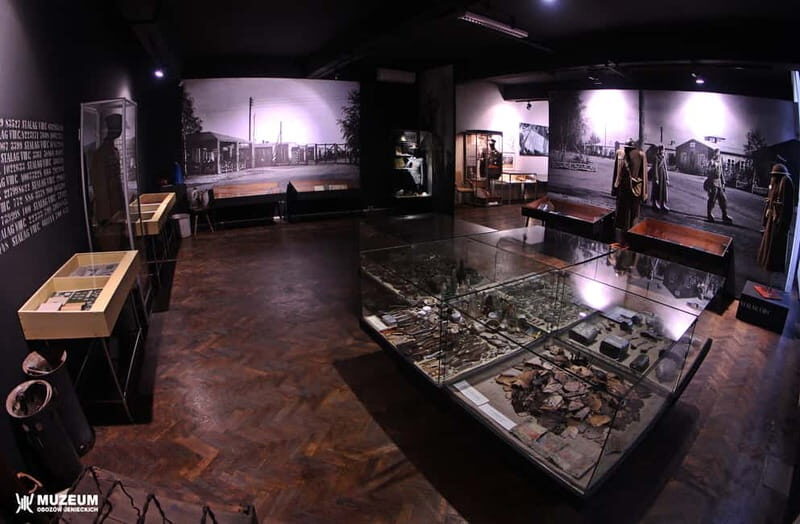
- Inside the museum: how the story gets explained on-site
- Getting to the Harry tunnel site in the pine woods
- Memorial stops that make the escape story feel human
- What the reconstructed camp remains add to your understanding
- Price and logistics: is $279 good value?
- Small-group touring: why it changes how you experience the camp
- The guides and drivers can make or break the day
- Who should book this tour (and who might skip it)
- What to bring for a rain-or-shine tunnel day
- My booking verdict: should you book?
- FAQ
- Where do I get picked up and dropped off?
- How long is the Stalag Luft 3 Great Escape Tour?
- How many people are in the group?
- What languages are used during the tour?
- Is the tour wheelchair accessible?
- Do I need a ticket in advance?
- Can I pay later and cancel for free?
Key moments that make this tour worth your time
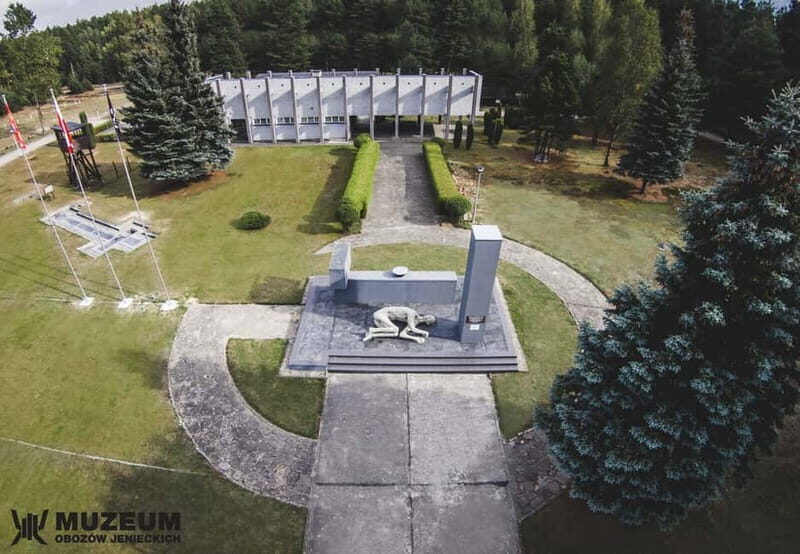
- Harry tunnel: the emotional walk to the famous underground escape point and its memorial setting
- Reconstructed guard tower: a practical visual for how exposed the tunnel exit was
- Memorial to the 50: a sober stop that gives the escape story a human scale
- Woods + original foundations: you get to connect exhibits to the actual camp remains
- Small group format (up to 8): fewer people, more chances to ask questions
- Licensed museum guide included: you’re not just sightseeing; you’re learning how to read the site
Stalag Luft 3 and why it inspired The Great Escape
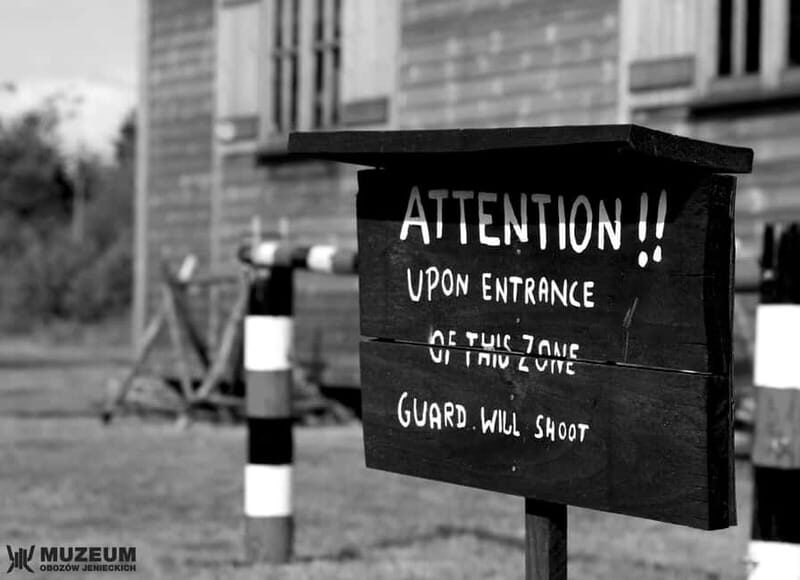
Stalag Luft 3 is one of those places where history isn’t locked behind glass. This POW camp for Allied airmen was cut out of a thick forest, and it became famous because prisoners managed major tunneling escapes there—despite the conditions that were supposed to make tunneling difficult.
It’s tied directly to the stories that shaped popular memory. The camp is linked to both the Great Escape and the Wooden Horse escape, and that’s exactly why this site gets so much attention from film history fans and WWII history readers alike. But what makes the day trip work is that it doesn’t treat those escapes like trivia. You learn enough context to understand why tunneling mattered, why it was hard, and why the camp layout mattered so much.
You can also read our reviews of more tours and experiences in Wroclaw.



The 8-hour rhythm from Wrocław: travel time and how the day flows
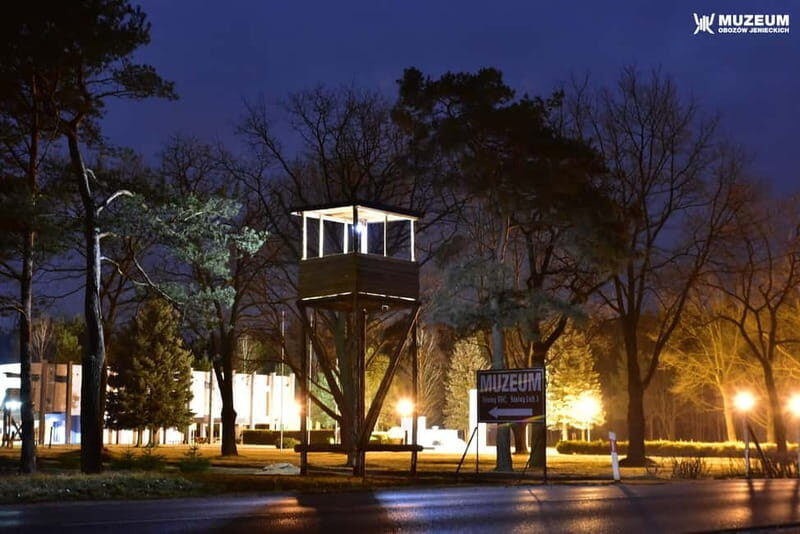
This is a full-day commitment at 8 hours, built around pickup and drop-off from your Wrocław hotel or apartment. The drive from Wrocław is often around 1 hour 45 minutes each way, so you’re looking at a long day that still stays manageable because the on-site time is structured.
That timing matters more than you might think. Stalag Luft 3 is spread out between the museum/visitor area and the woods where the tunnel site is. If you try to do it on your own, you’d be juggling transport and navigation. On this tour, you’re simply transported and then guided from point to point.
Also, remember the practical rhythm: you’re moving from a place where information is organized (museum exhibits and signage) to a place where you have to slow down and look at distance, trees, and terrain. That shift is part of the value.
Inside the museum: how the story gets explained on-site
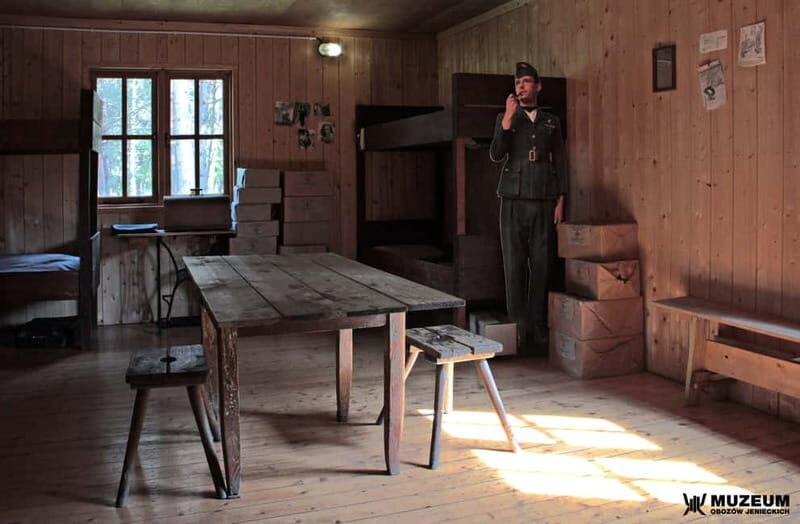
The museum visit is your setup act. It gives you the chain of decisions that led to this camp being built in this location, plus the basic facts you need before you walk out to the “real” tunnelscape.
In a few cases, I’ve seen guides handle the museum in a way that feels like you’re being taught how to read the displays. You’re not only looking at objects; you’re learning what the objects meant and where they fit in the escape planning. That’s also where you start hearing names like Tom, Dick, and Harry—because those labels become easier to understand once you’ve got the layout in mind.
One fair heads-up: the museum itself can feel underwhelming in size. The good news is that it still serves its purpose. The emotional weight mostly comes later, at the tunnel site and memorial areas in the woods, where the story becomes physical.
Getting to the Harry tunnel site in the pine woods
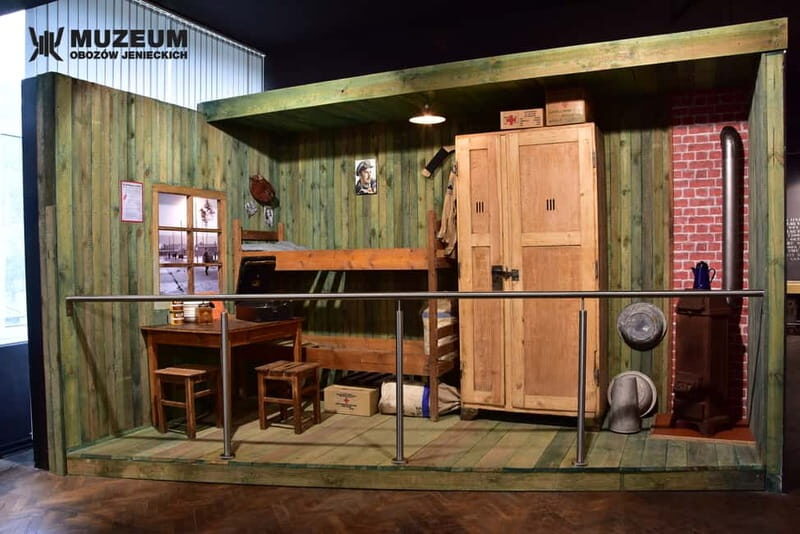
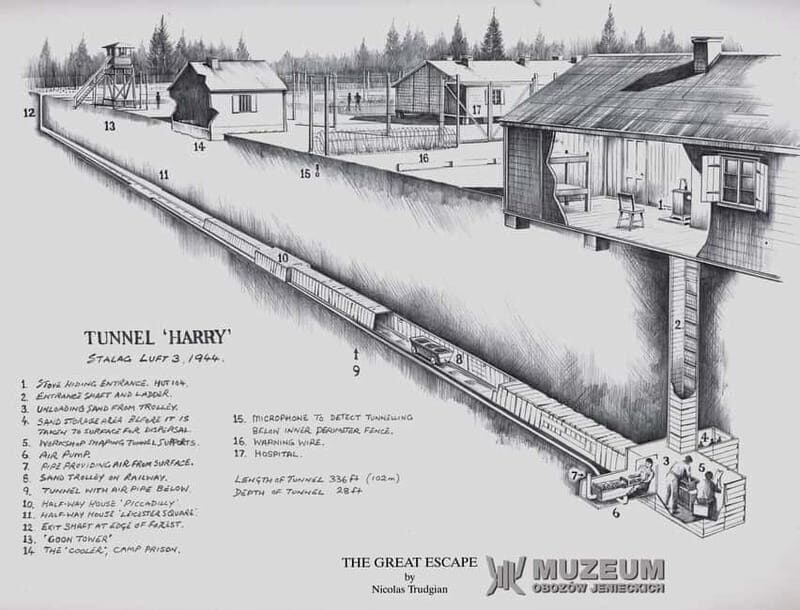
The highlight for many people is the walk and viewpoint at the Harry tunnel area. This is where you stop thinking like a spectator and start thinking like someone trying to survive a plan in the open air, in trees, under surveillance.
The tunnel site is about 1 km away through the woods, and the value here is the contrast between what you learn in the museum and what you experience outdoors. When you’re standing where the tunnel led, it’s easier to understand the camp’s scale and the difficulty of moving unseen.
One of the most useful visual aids is the reconstructed guard tower. It brings home the tunnel exit’s proximity to German soldiers on patrol. In other words, you can see the tension: the daring of the escape plan paired with how close the camp’s defenses were.
Memorial stops that make the escape story feel human
The escape story can turn into a movie plot if you’re not careful. This tour counterbalances that risk by building in memorial moments.
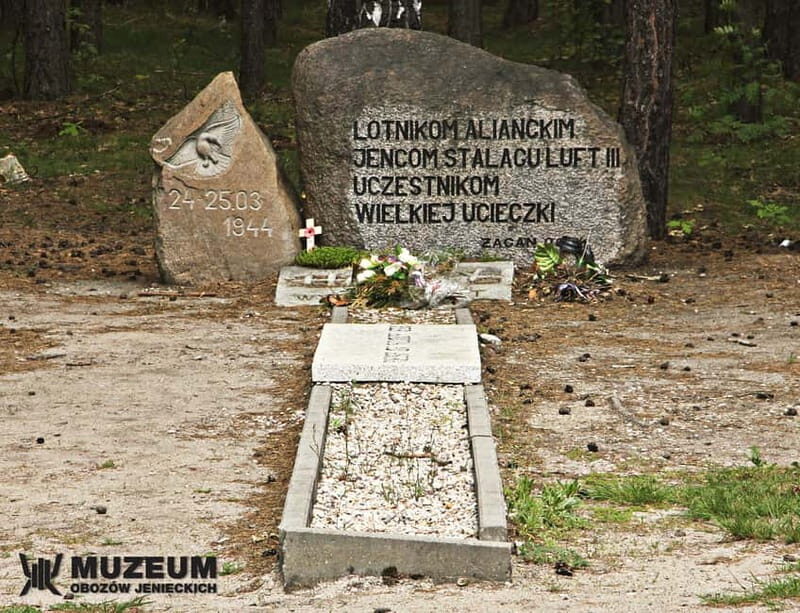
You visit a memorial to the 50, which is not just a marker on a map. It adds the emotional context you need to understand what the escape attempt meant for the men involved and what the consequences were. You also see references tied to the tunnels beyond Harry, including Tom and Dick, which helps the full scope of the escape story feel less like a single headline.
In plain terms: the underground escapes are dramatic, but the memorial parts are what make the day feel serious. If you want a WWII site that respects the tragedy as much as the engineering, this is built for you.




What the reconstructed camp remains add to your understanding
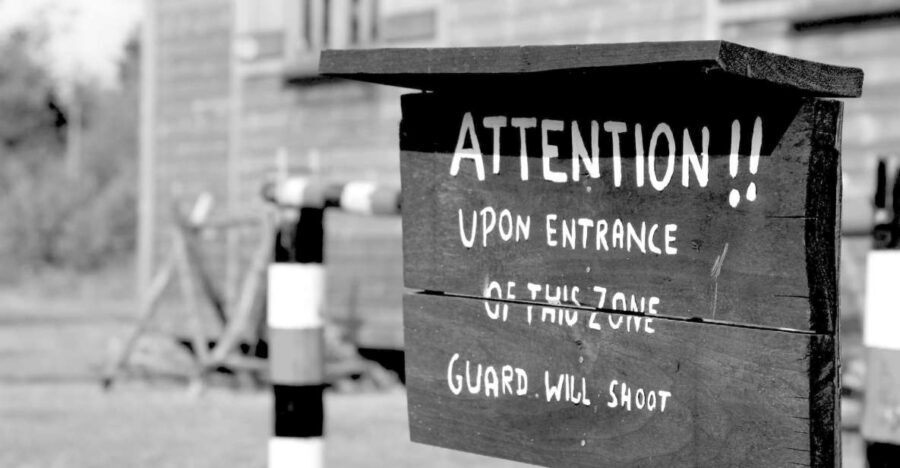
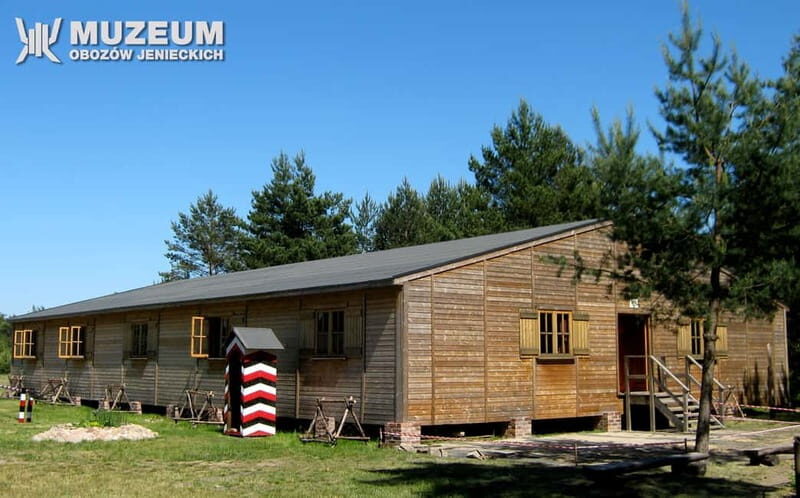
After the emotional stops, you also get the “slow your brain down” part: wandering in the woods and seeing original foundations of the camp.
This is the kind of detail that turns a visit from entertainment into understanding. When you spot remnants and think about how buildings and paths would have forced movement, you start connecting the exhibits to real constraints: where prisoners could hide, where guards could see, and why certain plans were plausible while others were not.
Even if you’re not a hardcore history buff, this part helps you get your bearings fast. You stop asking, “What happened here?” and start asking, “Why could it happen here?”
Price and logistics: is $279 good value?
At $279 per person for an 8-hour day trip, you should judge value on what you get—not just the headline price.
Here’s why the price can make sense:
- You’re paying for hotel pickup and drop-off in Wrocław, so you don’t need to sort transport for a remote site.
- The trip includes an entrance ticket and a licensed museum guide, which is the real difference between wandering and learning what to look for.
- The group is kept small, limited to 8 participants, which usually makes interpretation and pacing work better.
That said, there’s a reason one of the experiences rated it as pricey. The museum may not be big, and if you only care about museum exhibits, you might feel the money is mostly going toward the tour guide and the transport. The trade-off is that the most moving parts are in the woods and memorial zones, where the guide helps you understand what you’re seeing.
My practical take: if you want guided context plus a structured route to the Harry tunnel area, the value is there. If you prefer a strictly museum-heavy day, you may feel the day is more about the site experience than the building.
Small-group touring: why it changes how you experience the camp
The tour runs as a small group (up to 8). That matters because WWII sites are dense with meaning, and it helps when your guide can slow down for questions.
I also like that the tour is rain or shine. It keeps your day from feeling fragile. You’re going to be outside at the woods-and-memorial portion, so good footwear is key, but you won’t get stuck waiting for perfect weather to get the main experience.
If you’re someone who hates crowds, this format is a big plus. If you’re someone who loves big group energy and lots of wandering without structure, you might prefer something else—but here the structure is what keeps the story coherent.
The guides and drivers can make or break the day
The experience seems to rise or fall based on interpretation, and the names you’ll hear in this tour ecosystem matter.
People highlighted guides such as Jacob, who was described as friendly, chatty, helpful, and full of knowledge during a visit that focused on both museum context and the Harry tunnel site. Others mentioned Merca for an excellent museum tour with strong explanation and lots of interesting information. And there are also mentions of Lukasz and Pavel for professional driving and smooth handling of the day.
One very practical lesson from timing: on some busy days, the guide may be tied up and you might do a bit more self-guided time at the visitor areas. That doesn’t ruin the tour because the displays and signage can carry a lot of meaning, but it can affect pacing if you were expecting constant narration. If you’re the type who loves a perfectly guided flow, consider visiting when it’s likely to be less crowded.
Who should book this tour (and who might skip it)
This is a great fit if:
- You care about WWII history but also want a tour that helps you understand how geography and camp layout shaped escape plans.
- You want the famous story names, but you also want memorial context and real-site interpretation.
- You like small-group tours where you’re not stuck listening to a headset over everyone else.
You might reconsider if:
- You mainly want a big museum with lots of exhibits and lengthy indoor galleries.
- You’re short on time and only want a quick stop, because this is built as a full day trip from Wrocław.
What to bring for a rain-or-shine tunnel day
Bring passport or ID card. That’s not a suggestion; it’s part of the basic entry readiness.
Then think comfort:
- Wear shoes you trust on uneven ground through woods paths. The tunnel site portion is outdoors and you’ll want traction.
- Dress for weather because the tour runs rain or shine. Even if you’re not planning to hike hard, you’ll still be outside for parts of the day.
And pack a little patience for the long day rhythm. You’re driving, visiting, walking, and reading. If you pace yourself, the place hits harder in a good way.
My booking verdict: should you book?
I’d book this tour if you want more than a name on a map. The combination of museum context, the walk to the Harry tunnel area, the reconstructed guard tower, and the memorial to the 50 creates a day that’s both informative and emotionally grounded.
I’d be cautious only if you’re expecting a large, museum-centric experience. The camp’s power comes from what you can’t fake: the woods, the distance, and the sense of how close safety and danger were.
If you’re based in Wrocław and you want a one-day plan that’s structured, guided, and built around the most important points of the Great Escape legacy, this is a strong choice.
FAQ
Where do I get picked up and dropped off?
Pickup and drop-off are included, and the tour brings you back to your hotel or apartment after the visit.
How long is the Stalag Luft 3 Great Escape Tour?
The duration is 8 hours total.
How many people are in the group?
It’s a small-group experience limited to 8 participants.
What languages are used during the tour?
The museum guide and driver operate in Polish and English.
Is the tour wheelchair accessible?
Yes, it’s listed as wheelchair accessible.
Do I need a ticket in advance?
Entrance ticket and services of a licensed museum guide are included, and the tour also notes skip the ticket line.
Can I pay later and cancel for free?
Yes. You can reserve now & pay later, and free cancellation is available up to 24 hours in advance for a full refund.