REVIEW · WARSAW
From Warsaw: Treblinka Extermination Camp Private Tour
Book on GetYourGuide →Operated by Rosotravel Poland · Bookable on GetYourGuide
Treblinka is hard to forget. This private tour from Warsaw brings you to the quiet forest setting of the Treblinka memorial site, with a licensed private guide explaining what happened there and why it matters. You’ll visit both Treblinka I and Treblinka II, then head back to Warsaw in time for your evening plans.
What I love most is how the tour balances clear instruction with respectful pacing: you spend real time at Treblinka I as a penal labor camp and then move to Treblinka II as the engine of mass murder. I also like the way the memorial at Treblinka II uses 17,000 quarry stones to turn a terrifying scale of loss into something you can face, stand with, and read slowly.
The main drawback is also the biggest consideration: this is emotionally heavy material. Even with a smooth private-vehicle day, the 5-hour pace won’t make it lighter, so it helps to be ready for a serious, sobering experience.
In This Review
- Key Highlights Worth Your Time
- A 5-Hour Private Drive from Warsaw to Treblinka
- Treblinka I: Penal Labor Camp and the Ground-Level Story
- Treblinka II and Operation Reinhard: The Machinery of Genocide
- The Memorial at Treblinka II: 17,000 Quarry Stones and Names in Context
- The Uprising Story: Resistance Inside the System
- What the Licensed Guide and Private Format Get You
- Tickets Included, Skip the Line, and Why That Matters
- Price and Value: Why $333 Can Make Sense
- Practical Tips: How to Prepare for a Respectful Visit
- Who This Tour Suits Best
- Should You Book This Treblinka Private Tour?
- FAQ
- Where does pickup and drop-off happen for this tour?
- How long is the Treblinka tour from Warsaw?
- Is this tour wheelchair accessible?
- What languages are the live tour guides available in?
- Do I need to buy tickets for Treblinka I and Treblinka II?
- What should I bring with me?
- Can I cancel and can I pay later?
Key Highlights Worth Your Time
- Licensed private guide who can explain Operation Reinhard in a human, clear way across multiple languages
- Treblinka I first, so the story builds from forced labor into the larger machinery of extermination
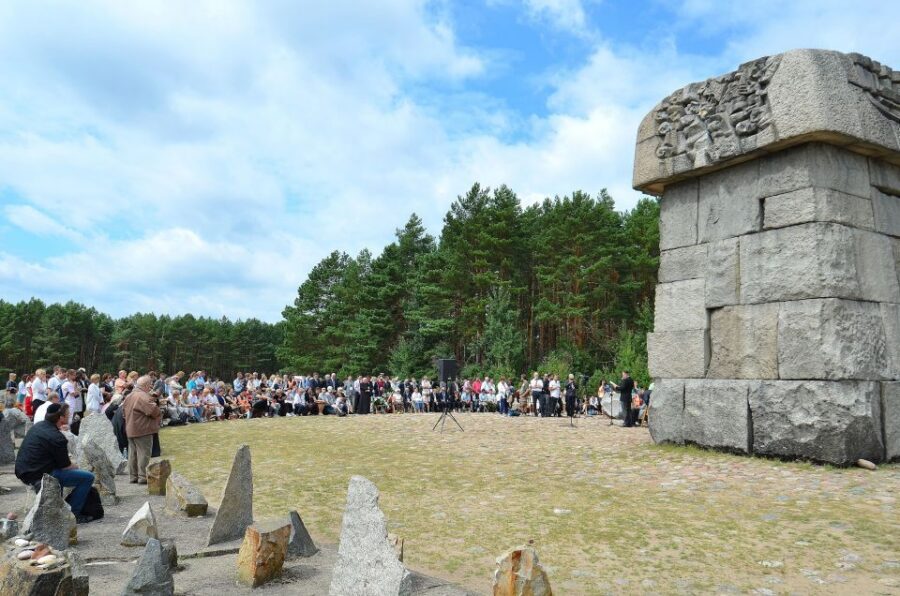
- Treblinka II includes a memorial with 17,000 quarry stones, marking departure places and grounding the losses in names and locations
- An uprising story you’ll hear on-site, a reminder that prisoners resisted even inside a designed system of despair
- Pickup and drop-off from your Warsaw accommodation, plus private car comfort and tickets included
A 5-Hour Private Drive from Warsaw to Treblinka
The day is built around one simple goal: get you out of the city and into the memorial site without making you juggle public transport, tickets, or logistics. You’re picked up from your accommodation in Warsaw and transferred in an air-conditioned private vehicle with an English-speaking driver. The total time is about 5 hours, so the trip stays tight.
Because this is a private tour, your guide can adapt. If you want slower time for reading plaques, they can adjust. If you have questions about how the Nazi deportation system worked, you can ask and get context on the spot.
One practical thing I’m glad this tour includes is the regular tickets to both Treblinka I and Treblinka II, plus skip-the-ticket-line entry. That means less standing around and more minutes with your guide where the explanations actually help.
You can also read our reviews of more private tours in Warsaw

Treblinka I: Penal Labor Camp and the Ground-Level Story
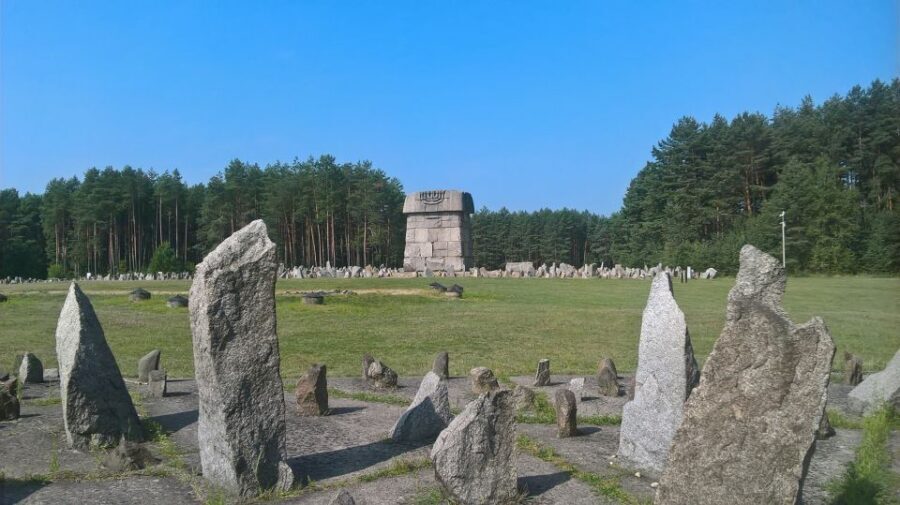
Treblinka I matters because it shows you a first stage of the system, not just the final stage. The site includes the museum and memorial areas tied to Treblinka I, which served as a penal labor camp. Seeing it in order helps your brain connect pieces instead of treating everything as one blurry tragedy.
On this stop, you’ll learn how the Nazis used forced labor and confinement as part of the broader Final Solution framework. Your guide’s job here is crucial: without interpretation, the site can look like any set of ruins and paths. With interpretation, you understand why certain structures, routes, and boundaries were so important to the operation.
This is also where your visit starts to feel personal in a hard way. Not because you’re given graphic details beyond what the site communicates, but because the explanations make it clear this wasn’t abstract history. It was decisions, logistics, and suffering carried out day after day.
Treblinka II and Operation Reinhard: The Machinery of Genocide
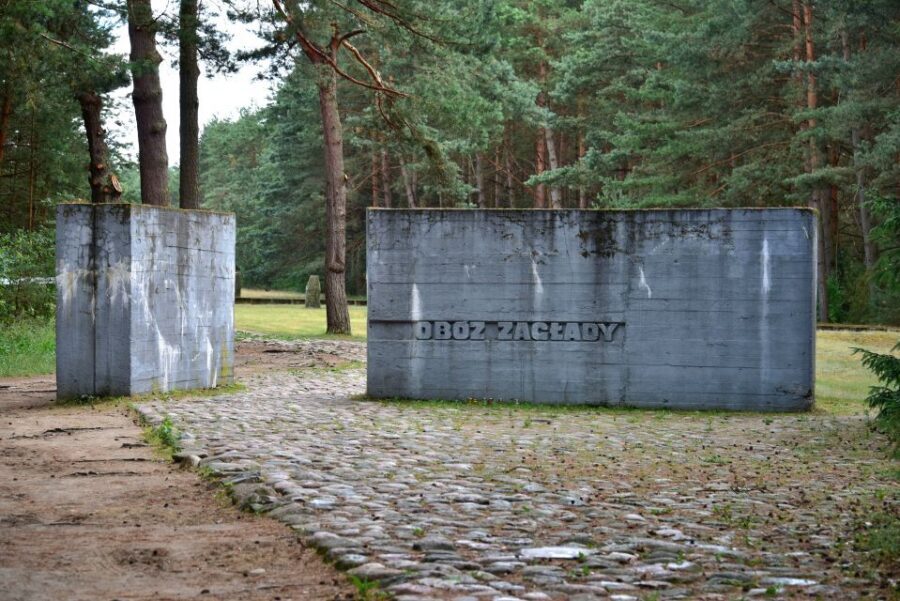
Treblinka II is the heart of the story, and your tour is designed to bring you there with context. This was the second-largest Nazi concentration camp in Europe after Auschwitz-Birkenau, and it’s strongly connected to Operation Reinhard, described as the deadliest phase of the Nazi Final Solution.
What I appreciate is that the tour doesn’t just name events. You’ll hear how the Nazi plan for genocide operated, and you’ll learn about the role of extermination through gas chambers. The numbers you’re given—about 700,000 to 900,000 Jews killed in the camp—are staggering, but your guide helps you hold them without turning the place into a statistic.
There’s a reason to visit with a guide rather than on your own here. At Treblinka, information matters in a very specific way: it helps you understand what you’re seeing and what you’re not seeing. Ruins and memorials communicate through layout, text, and guided explanation, and that’s exactly what you get on a private format.
The Memorial at Treblinka II: 17,000 Quarry Stones and Names in Context
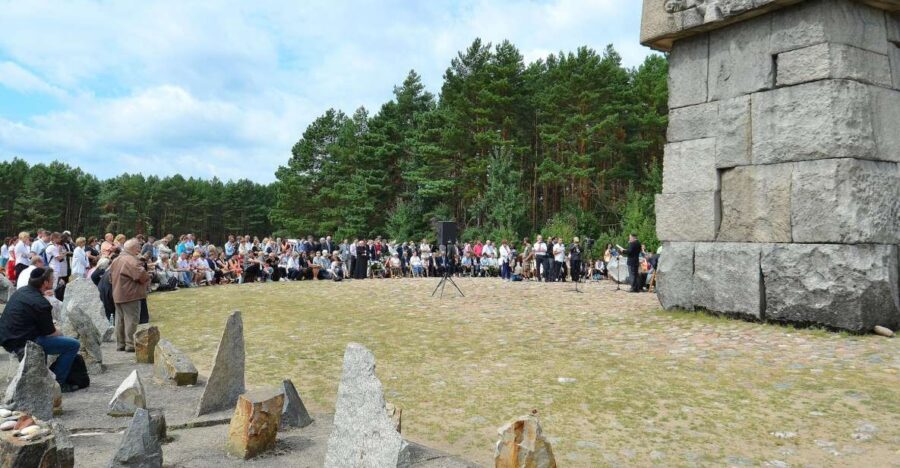
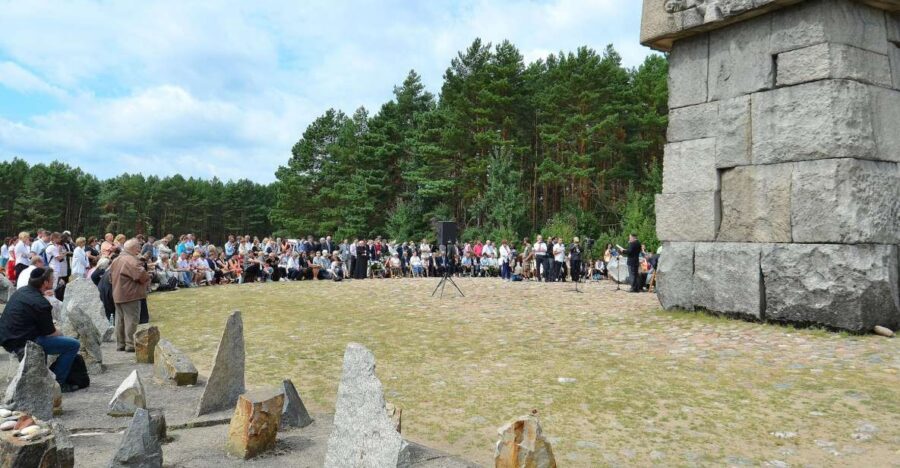
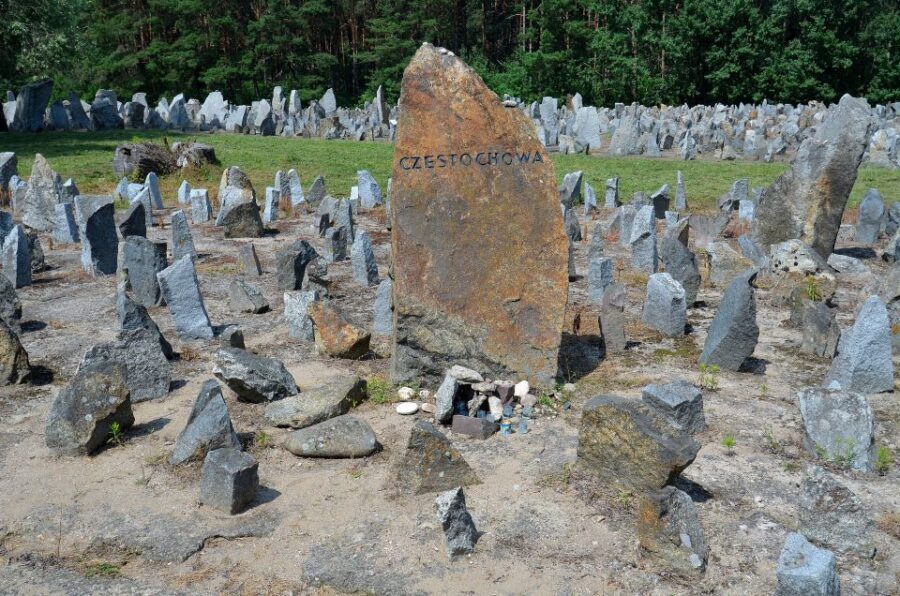
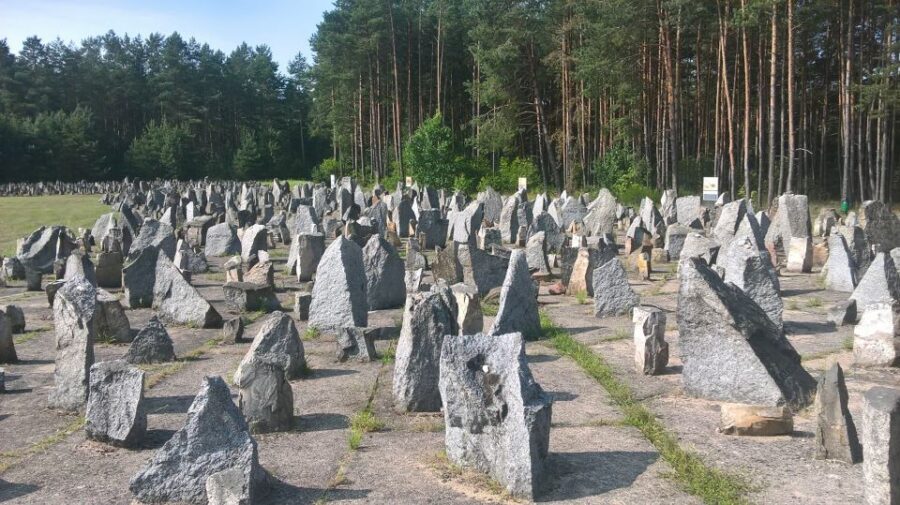
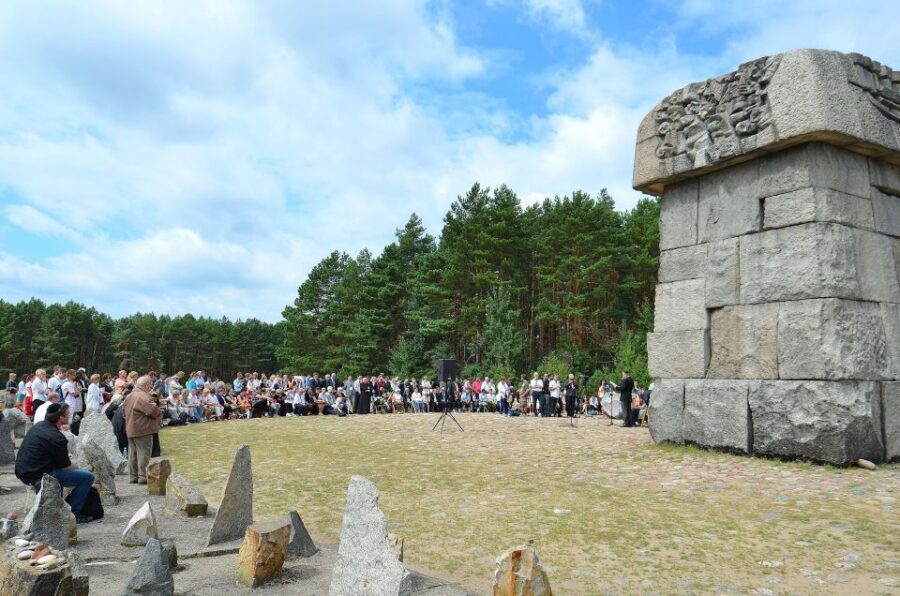
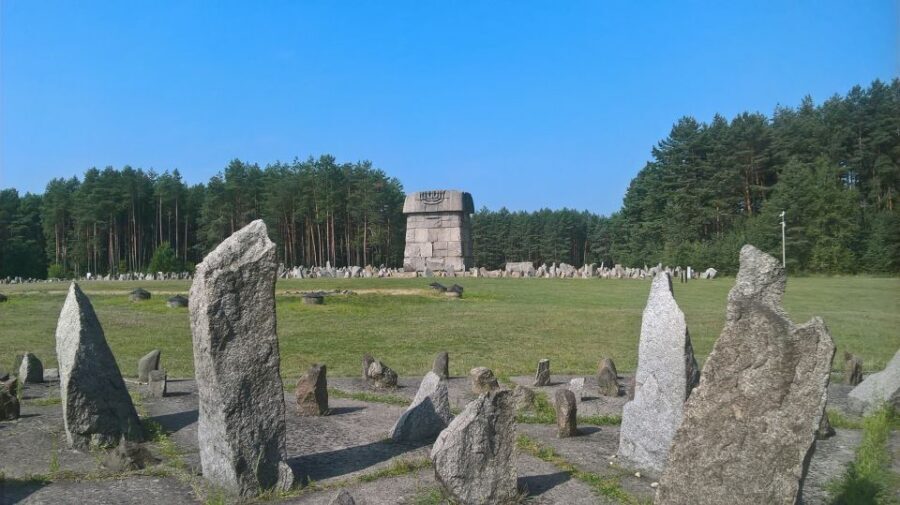
At Treblinka II, the memorial experience is built around silence and attention. One of the most moving elements is the 17,000 quarry stones, which symbolize gravestones and include inscriptions indicating places of Holocaust train departures. In practice, this means you’re not only remembering who was murdered—you’re also connecting victims to specific sending locations.
That detail is powerful because it changes how you process distance. You begin to see deportation routes as something with real geography and real lives, not just lines on a map. If you like memorials that ask you to slow down and read, this one is made for that.
Your guide can also help you make sense of the design choices: why the stones are arranged the way they are, and how the inscriptions fit into the broader story of trains, deportation, and the intent to erase people and communities. Even if you think you know the basics of the Holocaust, this part tends to bring home the logistics side in a way that textbooks often don’t.
The Uprising Story: Resistance Inside the System
A tour here shouldn’t end at the scale of death. This experience makes room for a different kind of focus: the story of prisoners who started an uprising in the camp. Hearing that on-site matters, because it interrupts the one-direction feeling of despair and reminds you that resistance existed even in a designed death system.
Your guide will explain the uprising within the context of what the camp was and how tightly controlled it was. The point isn’t to romanticize suffering, but to restore agency where it was denied. You’ll come away understanding that Holocaust history includes both terror and resistance, and both belong in the same mental picture.
If you’re the kind of person who wants more than memorial emotion—if you want to understand how events unfolded—this part usually becomes a strong reason to choose a guided tour rather than a self-paced visit.





What the Licensed Guide and Private Format Get You
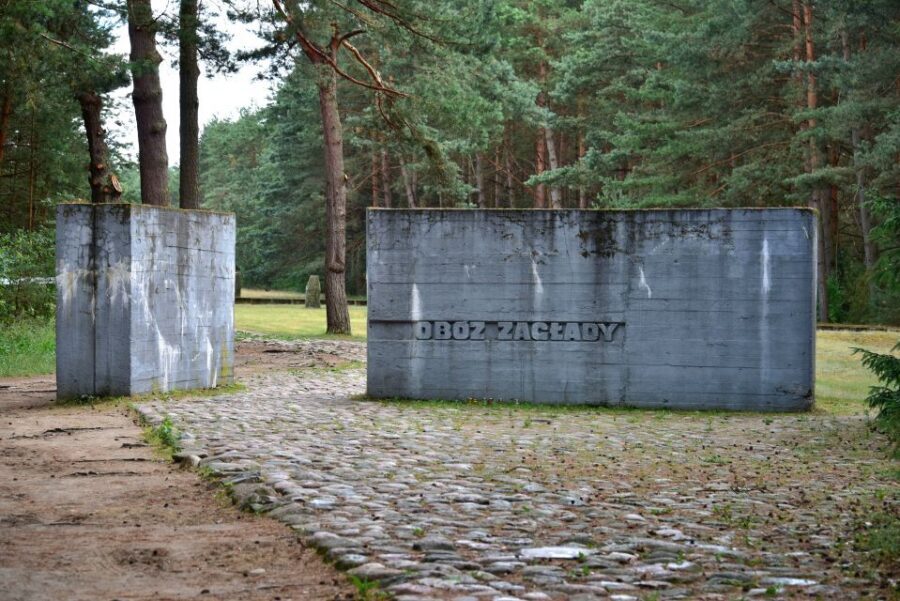
This is one of those locations where the difference between a good visit and a great one is interpretation. This tour is led by a licensed private guide, and it’s designed for you to move through the sites with explanation, not just looking.
Guides also matter for language comfort. The tour states live guide availability in English, German, Polish, Italian, Spanish, French, and Russian. If you’re traveling with family or friends who prefer a specific language, this flexibility can save the day.
I also like that the guide doesn’t just talk; they tailor. One recent traveler highlighted that their guide, Yon, was informative and adjusted the trip to their interests. Another mentioned a guide named Jan and praised the depth of his Treblinka knowledge. On a private tour, those personal touches are realistic because you’re not competing with a large group for attention.
Driver quality is another underrated piece of value here. One review specifically named the driver Michael as pleasant, courteous, and safe. That’s not just comfort—it’s reassurance when you’re leaving the city for a focused experience. You can think about the day instead of worrying about timing and logistics.
Tickets Included, Skip the Line, and Why That Matters
On paper, “tickets included” looks like a minor convenience. In real life at memorial sites, it can be a big deal because it controls friction. Here, you get regular tickets to both Treblinka I and Treblinka II, and the tour includes skip-the-ticket line.
That saves time and mental energy for the part that matters: the guided visit itself. It also reduces the chance that your experience gets chopped up by queues, confusion, or last-minute ticket purchases while you’re trying to stay respectful of the site’s atmosphere.
You also get a single point of coordination for pickup and drop-off. You’re not switching between providers or figuring out transfers. You’re handed a plan, and then the day is allowed to flow.
Price and Value: Why $333 Can Make Sense
The price is $333 per person for a 5-hour private format. That number feels steep at first glance, especially if you’re comparing it to self-guided transportation. But here’s where the value argument holds up.
First, you’re paying for a licensed guide and a private vehicle with hotel pickup/drop-off. You’re not just buying entry tickets. You’re buying interpretation that helps you understand Operation Reinhard and the camp’s role, and you’re buying time without hassle.
Second, the itinerary includes both Treblinka I and Treblinka II, so you’re covering the core story in one trip. For many visitors, that’s the difference between making a meaningful day out of it and stretching it across multiple attempts.
Third, private tours reduce stress. If you’re traveling with limited time in Warsaw, the pickup/drop-off and pre-arranged tickets can be worth more than you think. You’ll likely feel the difference most right after arriving, when you can simply focus on getting started.
If your group is flexible and you can handle public transit, a DIY option exists. But if you want clarity, comfort, and a guided narrative that connects what you see to what it means, this setup often feels like fair value.
Practical Tips: How to Prepare for a Respectful Visit
This is not a hike day, and the tour length is manageable, but your comfort matters. The tour suggests bringing snacks and water. I’d follow that advice so you don’t end up trying to find food at an inconvenient time during a heavy, full-attention day.
Also check your email the day before the tour. The experience notes that important information is sent there. This is usually where time confirmations, meeting instructions, or last-minute details show up, and it’s easy to miss if you don’t look.
In terms of comfort, you’re traveling in an air-conditioned private car. Still, plan for the emotional intensity: this isn’t a place where you bounce back quickly. If you can, schedule nothing urgent right after you return to Warsaw.
Who This Tour Suits Best
This is a strong fit if you:
- Want a focused, private way to understand Operation Reinhard and Treblinka’s role
- Care about interpretation, especially for sites that need context to “click”
- Prefer hotel pickup/drop-off and a straightforward plan in a single day
It may be less ideal if you’re hoping for a light sightseeing break. Treblinka is a memorial site dealing with genocide, and the story will stay serious from start to finish. You’ll still leave with facts and guidance, but it’s not a casual outing.
If you’re traveling with mobility needs, the tour states it’s wheelchair accessible, which is a big plus for planning. And if language matters, the range of guide options makes it easier to match your comfort level.
Should You Book This Treblinka Private Tour?
I’d book this tour if you want more than a museum visit. The combination of a licensed private guide, private transport from Warsaw, and visits to both Treblinka I and Treblinka II creates a coherent experience that helps you understand what you’re seeing, not just where you’re standing.
I’d think twice only if you’re not ready for emotionally intense historical content or if the private format doesn’t fit your budget. But for most people traveling to Warsaw who want to do Treblinka the right way—carefully, clearly, and without logistical stress—this is the kind of tour that earns its cost.
FAQ
Where does pickup and drop-off happen for this tour?
You’ll be picked up and dropped off at your accommodation in Warsaw.
How long is the Treblinka tour from Warsaw?
The tour duration is 5 hours.
Is this tour wheelchair accessible?
Yes, the tour is wheelchair accessible.
What languages are the live tour guides available in?
The guide is available in English, German, Polish, Italian, Spanish, French, and Russian.
Do I need to buy tickets for Treblinka I and Treblinka II?
No. Regular tickets to Treblinka I and Treblinka II are included, and the tour notes that you can skip the ticket line.
What should I bring with me?
Bring snacks and water.
Can I cancel and can I pay later?
Free cancellation is available up to 24 hours in advance for a full refund. The tour also offers a reserve now & pay later option, so you can book without paying today.