REVIEW · KRAKOW
From Krakow: Auschwitz-Birkenau Tour with Transfer
Book on GetYourGuide →Operated by KrakowTouring.com · Bookable on GetYourGuide
One bus ride changes how you see the world. I like that you get comfortable transport from central Krakow and a guided route through both Auschwitz I and Auschwitz II Birkenau, so you’re not trying to figure out logistics while dealing with an important site. The format is simple: you’re taken out to the memorial, the tour leader helps you handle museum entry, and the day is paced by the memorial’s own visitor service.
The main drawback to plan for is timing. Your departure can shift to match conditions on site, and on busy days the ticket process can mean real waiting before the walking starts.
In This Review
- Key things I’d clock before you go
- From Krakow to Auschwitz: what the transfer does well
- Price and the real entry-ticket math (so you don’t get surprised)
- Choosing your language and hearing the guide clearly
- Auschwitz I: how the first guided stop sets the tone
- Birkenau (Auschwitz II): the scale you’re walking into
- Timing, waiting lines, and how to plan your day
- What to pack (and what you must leave behind)
- Who this Auschwitz-Birkenau tour is best for
- Should you book this Auschwitz-Birkenau tour from Krakow?
- FAQ
- What is included in the $22 price?
- Do I need to pay for the Auschwitz tickets separately?
- How long is the tour?
- How long does it take to get from Krakow to the museum?
- Where does the bus drop you at the memorial?
- What do I need to bring?
- Are bags and luggage allowed?
- What languages are available for the guide?
- Is the tour wheelchair accessible?
- Is cancellation free?
Key things I’d clock before you go
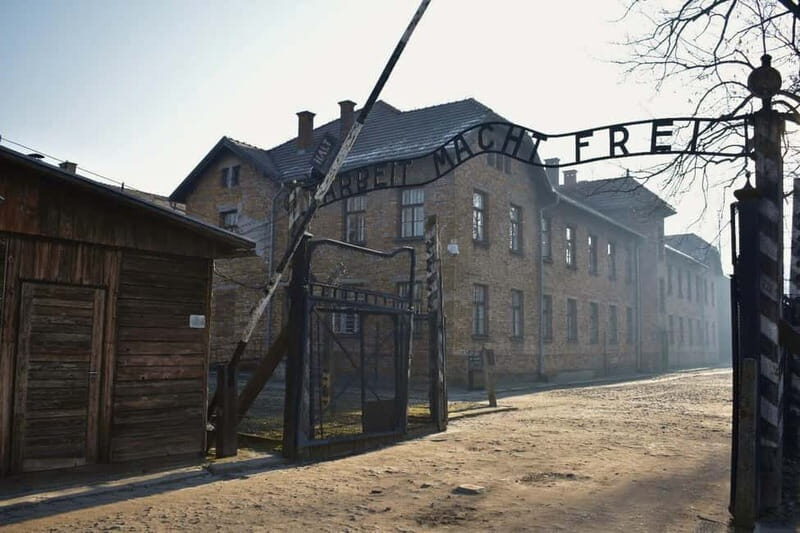
- Two-site coverage: You’ll visit Auschwitz I first, then continue to Auschwitz II Birkenau where the mass killings took place.
- Transfer drops you near the entrance: The bus stops by the main entrance area, then you head to the ticket office.
- Ticket help on arrival: Your guide can assist you with museum ticketing if you select the option that includes entry, or once you arrive if you’re paying separately.
- A long day, guided by the memorial: Expect a 7–10 hour window, with pace controlled by the site.
- Pack small and keep it simple: No large bags. The maximum allowed is 20 x 30 centimeters, and you’ll want your passport/ID ready.
From Krakow to Auschwitz: what the transfer does well
This tour is built around one big practical win: you leave Krakow without having to arrange transport, driving, or figuring out where to stand once you reach the memorial. Pickup is from a selected meeting point in central Krakow, and the ride is about 1.5 hours each way. That doesn’t sound special on paper, but it matters because you’ll spend less mental energy that morning.
Once you arrive, the bus stops in the parking lot next to the main entrance to the museum. From there, you go to the ticket office before the guided visit begins. That small sequence is worth noting: it’s not a quick walk-in. You’ll transition from “getting there” into “ticketing,” then into the camp visits.
One more logistics point that affects your plans: the pickup/departure time may change based on what’s happening at the museum that day. The provider confirms the exact start time by email 1 day before your tour. I’d treat your morning like a window, not a fixed appointment—especially if you’re also juggling breakfast, luggage, or other Krakow plans.
If you’re wondering about convenience details: the transport is described as comfortable, and it’s designed for a smooth round-trip from central Krakow rather than a messy patchwork of cabs and shuttles.
A few more Krakow tours and experiences worth a look


Price and the real entry-ticket math (so you don’t get surprised)
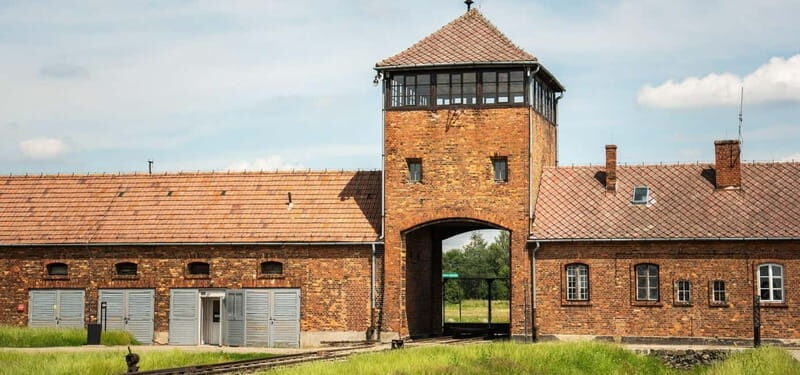
The headline price is listed as $22 per person, but the museum ticket itself is separate unless you choose an option that includes it. The important number is this: the ticket costs 130 PLN per person, and your tour leader assists you at the spot.
So where does the $22 fit? You’re paying mainly for the transfer and the guided support that ties the day together—pickup in Krakow, comfortable round-trip bus transport, help with getting tickets, and a guided visit that covers both Auschwitz I and Auschwitz II Birkenau.
Two practical things to understand before you budget:
- You must bring a passport or ID card. Museum ticket collection requires it, and a copy is accepted.
- Ticket availability in your preferred language can’t be guaranteed. The guide is available in English, French, German, Italian, or Spanish, but the museum’s ticket process still has its own constraints.
If you’re price sensitive, the best way to look at this is simple: the transfer-and-guide price is usually the hard part to DIY, and the museum entry fee is the fixed cost you’d pay anyway. For many people, the value is less about saving money and more about saving time and hassle on a high-demand day.
Choosing your language and hearing the guide clearly
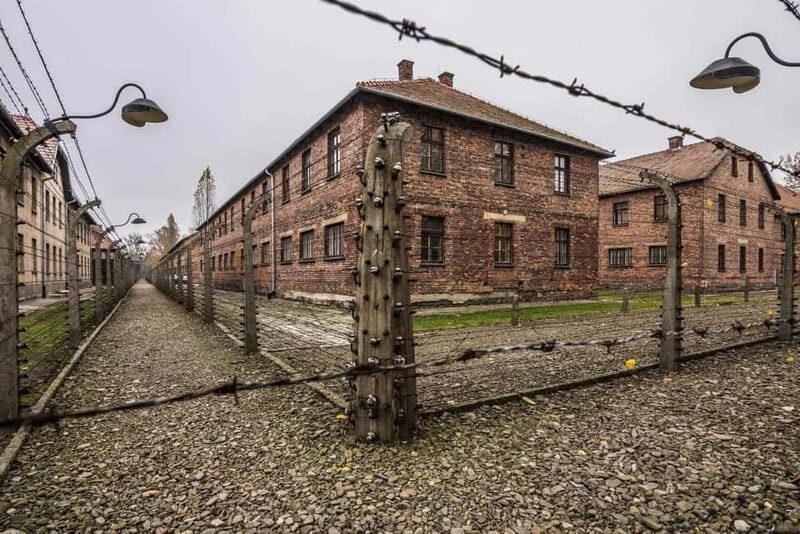
Your host/greeter is available in English, French, German, Italian, and Spanish. In theory, that makes the tour accessible no matter where you’re traveling from.
In practice, language quality can still depend on how the group is positioned and the acoustics at different points on the route. If you book a language like French (or any other), I’d stand where you can clearly hear without craning. If something isn’t clear, ask the leader to repeat—don’t just “hope it’s fine,” especially at a site where context and accuracy matter.
Also, remember: the pace is determined by the memorial’s visitor service. That means you won’t always get the kind of “perfect flow” you might expect from a normal city tour. If the group slows down for ticketing or entry procedures, the guide will do their best, but you’ll want to stay patient.
Auschwitz I: how the first guided stop sets the tone
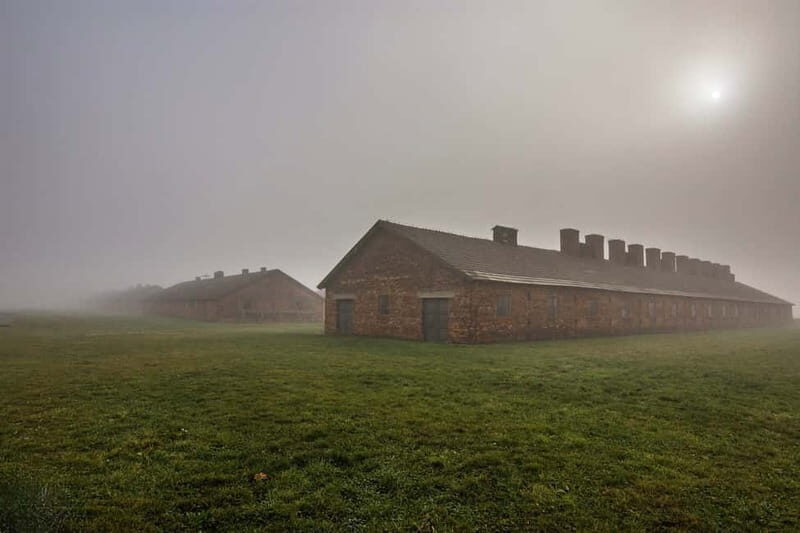
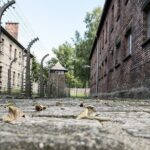
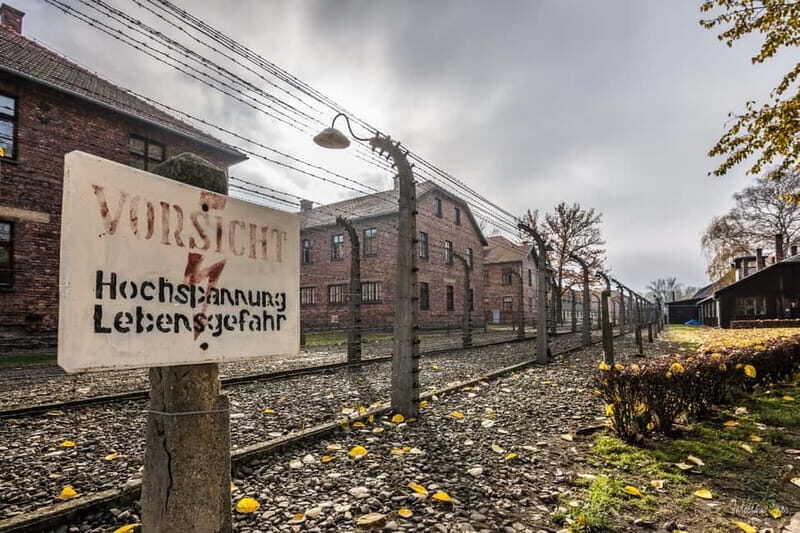
The day starts with a guided tour of Auschwitz I. This is the part that helps you understand the system and the historical framework before you move to the larger and even more difficult site at Birkenau.
What I like about starting here is that it gives you orientation. You’re not going in completely “cold,” because Auschwitz I functions as the initial learning and documentation area. The tour format is designed around history and remembrance: you learn about the extermination camp and then pay tribute to the victims.
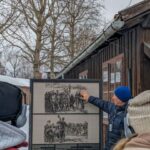
That combination—information plus a respectful, structured approach—is exactly what many visitors need. If you show up without context, it’s easy to get overwhelmed by volume of information. The guide-led structure makes it more manageable, even when it’s heavy.
A key reality check: this isn’t a quick stroll. The memorial’s own visitor service controls how long you stay and how the route moves. So if you have other commitments later that day, don’t book something right after the tour window. Give yourself space.
Birkenau (Auschwitz II): the scale you’re walking into
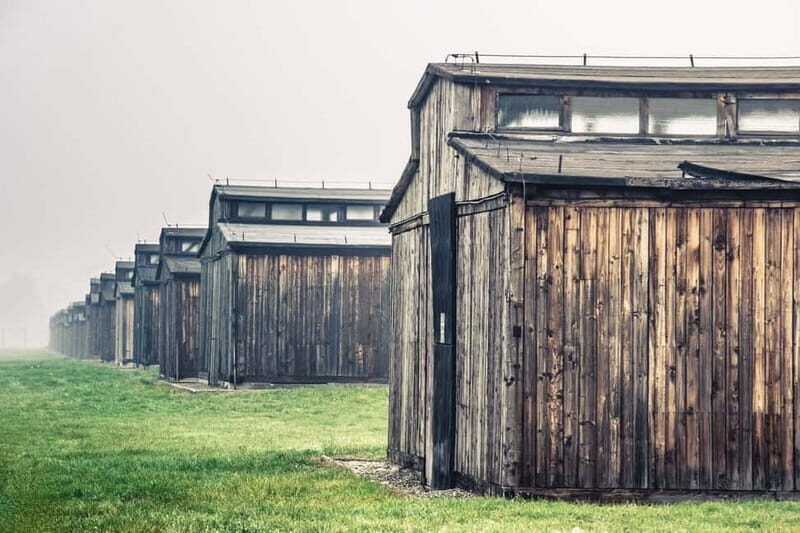
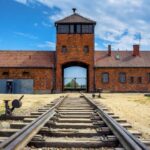
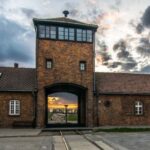
After Auschwitz I, you continue to Auschwitz II Birkenau. This is described as the site where the mass killings took place, and it’s also identified as the largest complex built on Polish soil by the Nazis.
That scale factor is the reason Birkenau often feels like a different kind of experience. Even without getting lost in details, you can feel how large the operation was and how space shaped what happened there. A guided approach here helps you connect what you see to what you’re learning, instead of treating it like “just another big museum site.”
One practical note: Birkenau’s open areas can mean you’re exposed to weather while waiting for the group or moving between points. The tour’s overall duration is 7–10 hours, so you’ll want to prepare for a long day, not a short hit-and-run.
If you’re sensitive to emotional heaviness, it’s still usually best to let the tour guide manage pacing rather than trying to speed through. The structure—Auschwitz I first, Birkenau second—is designed to lead you from understanding to a deeper sense of scale.


Timing, waiting lines, and how to plan your day
This is the part most people don’t think about until they’re already there.
Even though the tour duration is listed as 7–10 hours, your actual start and movement through the process can stretch, especially when visitor numbers are high. You might run into long waiting lines for tickets at the museum. Ticketing happens on site, and language availability in your preferred option isn’t guaranteed.
Because of that, I strongly suggest you plan like the day could run long. Don’t schedule a tight dinner reservation for later that evening. Instead, plan for a “come back to Krakow, eat, and decompress” type of night.
Also, build a practical comfort kit:
- Bring food and drinks (it’s explicitly suggested).
- Wear layers. If you end up waiting outdoors while ticketing is processed, you’ll be glad you dressed for it.
- Bring what you need and keep your bag minimal, since large items aren’t allowed.
There’s another small but important point from the rules: intoxication and alcohol/drugs are not allowed, and alcoholic drinks aren’t permitted in the vehicle. So keep it clean and comfortable—this helps everyone stay focused.
What to pack (and what you must leave behind)
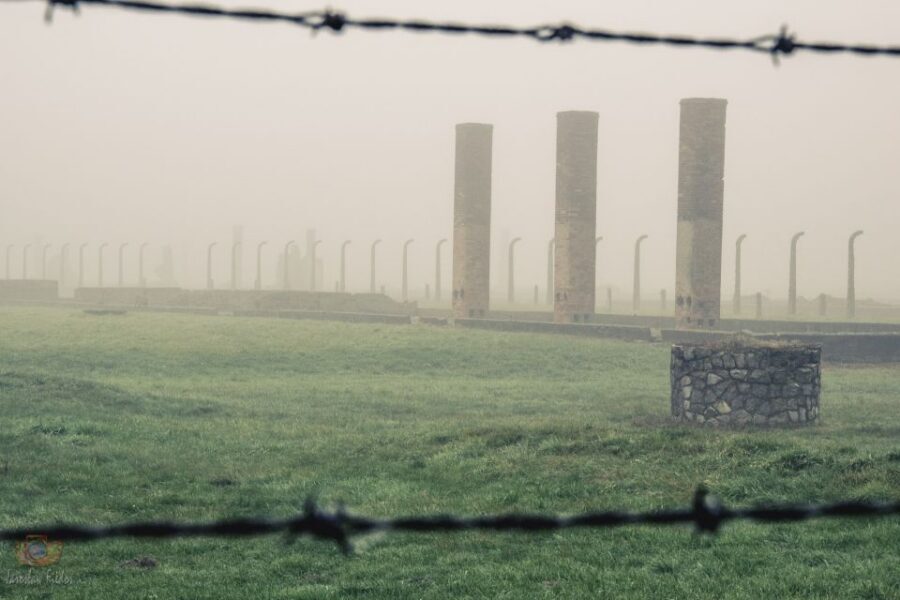
This tour has clear rules about what you can bring, and it’s worth treating them seriously to avoid stress at the entrance.
Bring:
- Your passport or ID card (required for collecting admission tickets).
- Food and drinks for the long day.
Allowed luggage is limited:
- No luggage or large bags.
- The maximum size allowed is 20 x 30 centimeters.
The “no large bags” rule can be a deal-breaker if you’re traveling with a big daypack. If that’s your situation, I’d plan ahead in Krakow: store what you can, then travel light for the visit.
One more “don’t get stuck” tip: keep your ID easily accessible. You don’t want to dig through a small bag while the ticket office line is moving.
Who this Auschwitz-Birkenau tour is best for
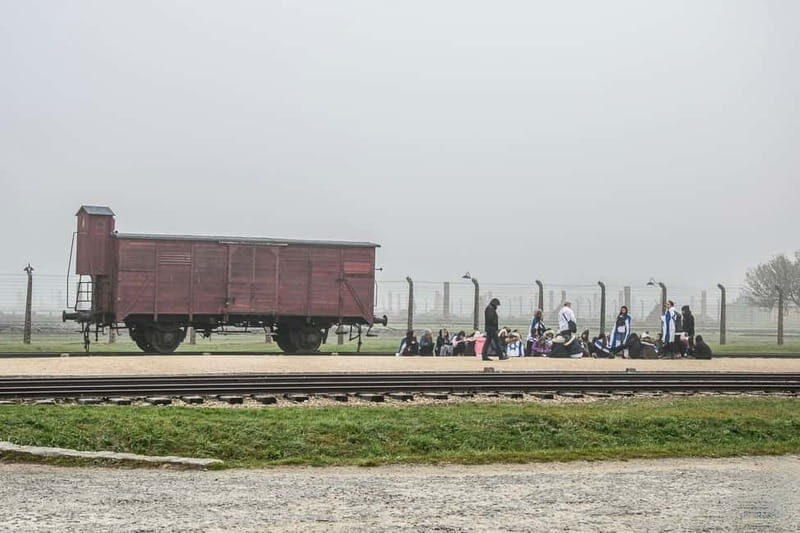
This works best if you want:
- Guided context through Auschwitz I and Auschwitz II Birkenau.
- A straightforward transfer from Krakow so you’re not doing the logistics math on a tight schedule.
- On-the-ground help with ticketing when possible.
It may be less ideal if you:
- Need wheelchair access. The tour is listed as not suitable for wheelchair users.
- Expect a very fast visit with minimal waiting. The memorial’s visitor service controls the pacing, and ticket lines can be long.
One more group fit question: if you’re the type who hates delays and needs exact timing, this tour can still be worth it, but only if you give yourself slack. The tour can start and shift based on what’s happening at the memorial that day.
Should you book this Auschwitz-Birkenau tour from Krakow?
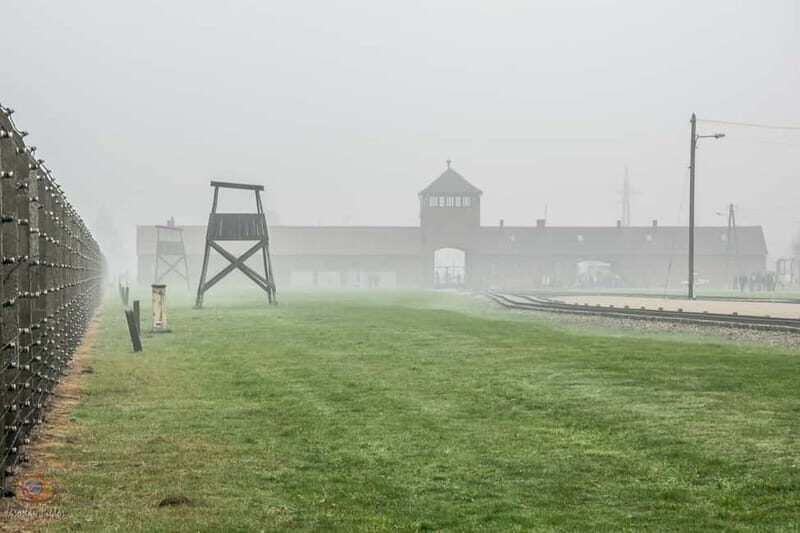
I’d book it if you value simple transport plus a guided, two-site route that handles the hardest logistics—getting you from Krakow, getting you to the memorial entrance area, and guiding you through the museum ticket process.
I’d think twice if you absolutely need predictable timing or if waiting in lines would wreck your day. The memorial can be crowded, ticketing is on site, and your departure time can shift—so plan with flexibility.
If you’re choosing between going solo versus a guided transfer day, this kind of setup is usually the better call when you want structure and minimal friction. You’ll still experience a heavy, serious site. The difference is that you won’t be adding logistical stress on top.
FAQ
What is included in the $22 price?
The price includes pickup from a selected meeting point in central Krakow, comfortable bus transport to and from the memorial, visits to Auschwitz I and Auschwitz II Birkenau, and assistance of a tour leader. Entry ticket is included only if you select the option that includes it.
Do I need to pay for the Auschwitz tickets separately?
Yes, the ticket is not included in the price unless you select an option that includes entry. The ticket costs 130 PLN per person, and the tour leader assists you in getting the tickets at the spot.
How long is the tour?
The tour duration is listed as 7–10 hours, depending on the schedule and how the memorial manages visitor flow.
How long does it take to get from Krakow to the museum?
The journey takes about 1.5 hours each way.
Where does the bus drop you at the memorial?
The bus stops in the parking lot next to the main entrance to the museum, and then you go to the ticket office before starting the guided tour.
What do I need to bring?
You should bring your passport or ID card. Food and drinks are also recommended for the day.
Are bags and luggage allowed?
No large bags or luggage are allowed. The maximum allowed bag size is 20 x 30 centimeters.
What languages are available for the guide?
The host or greeter is available in English, French, German, Italian, and Spanish.
Is the tour wheelchair accessible?
No. This tour is listed as not suitable for wheelchair users.
Is cancellation free?
Yes. Free cancellation is available up to 24 hours in advance for a full refund. The provider also notes that in exceptional cases the tour may be cancelled with a 100% refund.