REVIEW · KRAKOW
From Krakow: Wieliczka Salt Mine Guided Tour
Book on GetYourGuide →Operated by Poland Explore · Bookable on GetYourGuide
Salt air and stone art, 135 meters down. A guided walk through the Wieliczka Salt Mine is interesting because it turns a medieval workplace into something you can see, measure, and walk through—while you also get salt-carved chapels and statues up close. My two favorite parts are the physical reality of going down to 135 meters and the quiet wow-factor of the rock-salt artworks. The main drawback to consider is simple: you have to handle lots of stairs and cool air.
What makes this tour feel practical is the guided route plus a clear target depth and distance underground, not just vague sightseeing. You’ll travel about 2 kilometers through galleries and chambers, with temperatures around 14–16°C, so plan for a chilly outing even when Krakow feels mild. One thing I’d watch carefully is timing: the start time can shift depending on guide availability, and that can throw off your schedule if you’ve planned tight connections.
In This Review
- Key highlights worth planning for
- Entering The Mine: 135 Meters Down Changes Everything
- The 800 Steps Reality Check (350 at the Start)
- Walking 2 Kilometers Underground: Galleries, Ramps, Lakes, Chambers, Shafts
- The Salt Art You Actually Can’t Skip: Statues and Chapels
- Why the Medieval Story Matters in Real Time
- Language Options and the 270-Minute Time Budget
- Price and value: Is $101 worth it?
- What to Wear and Bring for 14–16°C Underground Air
- Who This Tour Is Best For (and Who Should Skip It)
- Booking and Day-Of Tips That Actually Help
- Should You Book This Wieliczka Guided Tour?
- FAQ
- FAQ
- How long is the Wieliczka Salt Mine guided tour from Krakow?
- How deep do you go underground?
- About how many steps are there on the tourist route?
- How far do you walk underground?
- What temperature should I expect in the mine?
- Is there a live guide, and what languages are available?
- Does this tour include skip-the-ticket-line entry?
- Is electric wheelchair use allowed?
- Is the tour suitable for claustrophobia or mobility impairments?
- What is the cancellation policy?
Key highlights worth planning for
- 135 meters underground: you can feel the temperature change as you descend
- 800 steps on the tourist route: long enough to shape your whole day
- 2 kilometers of underground walking: galleries, ramps, lakes, chambers, and shafts
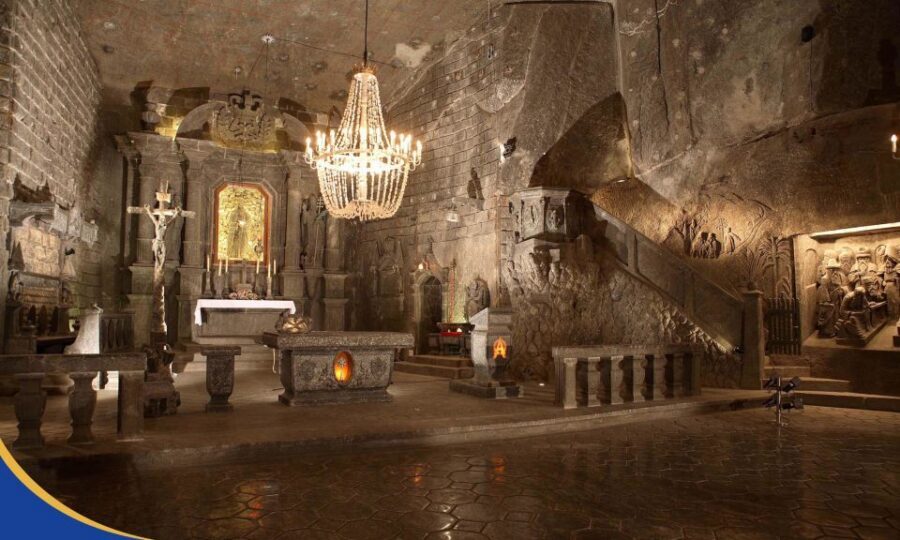
- Salt-carved art: statues and chapels inside the mine
- Live guide in your language: Italian, German, English, French, Spanish
- Skip the ticket line: helps you start on time when schedules are busy
Entering The Mine: 135 Meters Down Changes Everything
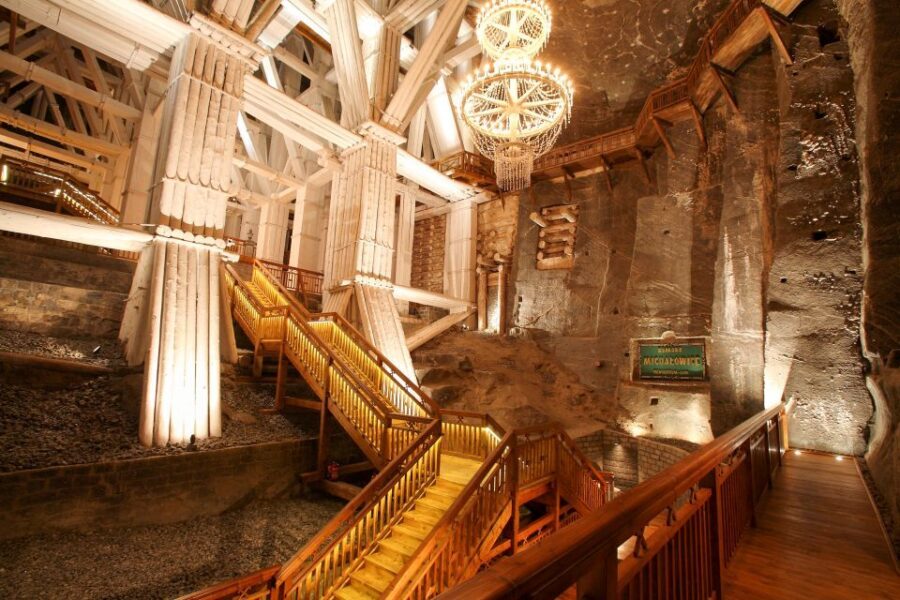
The first real surprise is how quickly Wieliczka stops feeling like a museum and starts feeling like a place. This is an active underground world that was built for work, and the tour keeps that logic intact. You descend about 135 meters, which is a big number—big enough that you’ll notice the air shift as you go.
I like that you’re not just standing still and looking up. The tour is built around moving through the mine’s prepared visitor route, with the guide giving you history and context as you walk. That matters because salt mining isn’t only a Polish curiosity; it’s tied to how people organized labor, technology, and survival over centuries.
And yes, you’ll feel the cold. Underground temperatures sit around 14–16°C, so even a comfortable day above ground can turn chilly once you start descending and spending time in chambers. I recommend you treat this like an indoor attraction with weather—bring a warmer layer you’ll actually wear.
You can also read our reviews of more guided tours in Krakow


The 800 Steps Reality Check (350 at the Start)
Let’s talk legs, because this tour is defined by steps. The tourist route includes 800 steps total, and about 350 of them are at the beginning as you go down into the mine. That means your first impression of the experience is partly physical: it’s not a gentle glide into cool air.
For me, that’s the trade-off that shapes the whole value here. You’re paying for access to a medieval underground environment, and the mine has stairs because that’s how people moved through it. If you like hikes or you’re used to walking sites on uneven ground, you’ll probably find it manageable. If you don’t, you’ll feel every step.
A practical tip: don’t schedule anything right after this tour that depends on you arriving energized. Even if you pace yourself, the climb back up (and the time underground) takes it out of you.
Also note the comfort limits: it’s not suitable for people with mobility impairments and it’s not suitable for people with claustrophobia. If either applies to you, it’s better to choose a different Krakow plan than to hope it won’t be a big deal.
Walking 2 Kilometers Underground: Galleries, Ramps, Lakes, Chambers, Shafts
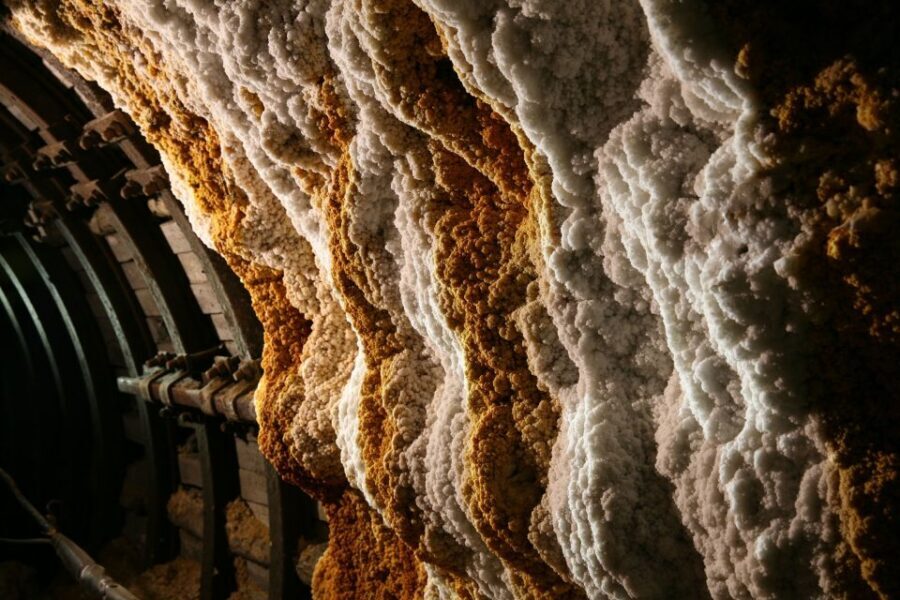
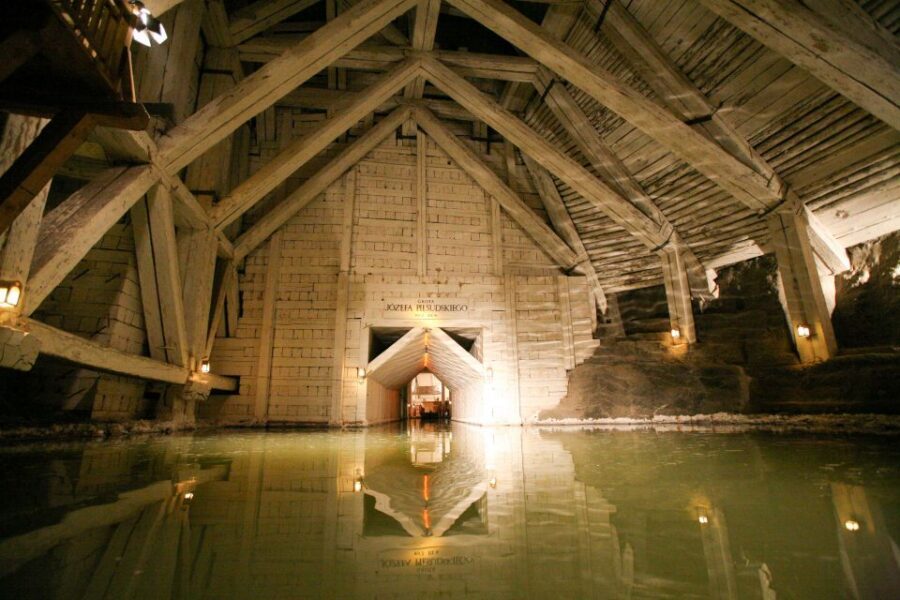
The route isn’t one straight corridor. You’ll move through roughly 2 kilometers of underground spaces, including galleries, ramps, lakes, chambers, and shafts. That variety is where the tour earns its “guided” label—you’re not just repeating one photo angle over and over.
Here’s how those parts usually feel and why they matter:
- Galleries and chambers help you understand scale. They also let your guide connect mining operations to what you’re literally standing inside.
- Ramps change your walking rhythm. They may feel less “step-heavy” than stair sections, but you still keep moving for the better part of the tour.
- Lakes add a different atmosphere and often explain why water management mattered underground. Even without fancy extras, water in a salt mine is part of the real operational story.
- Shafts are a reminder that this place wasn’t built for tourists. They’re the structural link between surface and depth—exactly the kind of detail that makes the “industrial heritage” label feel real.
I especially like this design because it keeps you engaged. Every new chamber gives the guide another chance to connect past purpose to present form. It also means you’re constantly walking, so if you prefer “hands-on seeing,” this tour fits.
The Salt Art You Actually Can’t Skip: Statues and Chapels
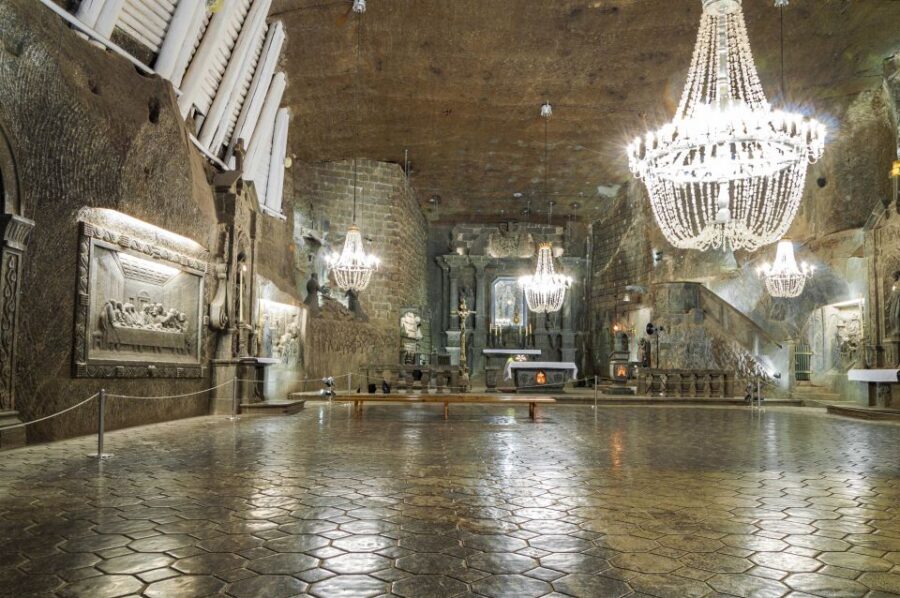
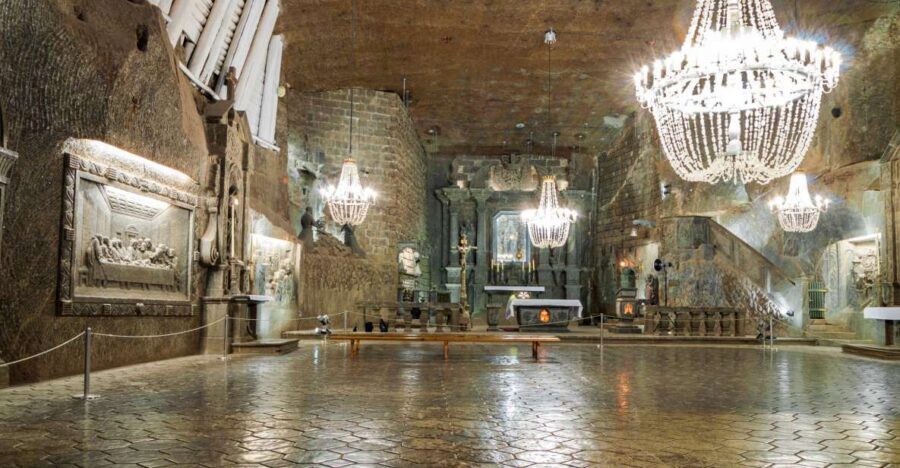
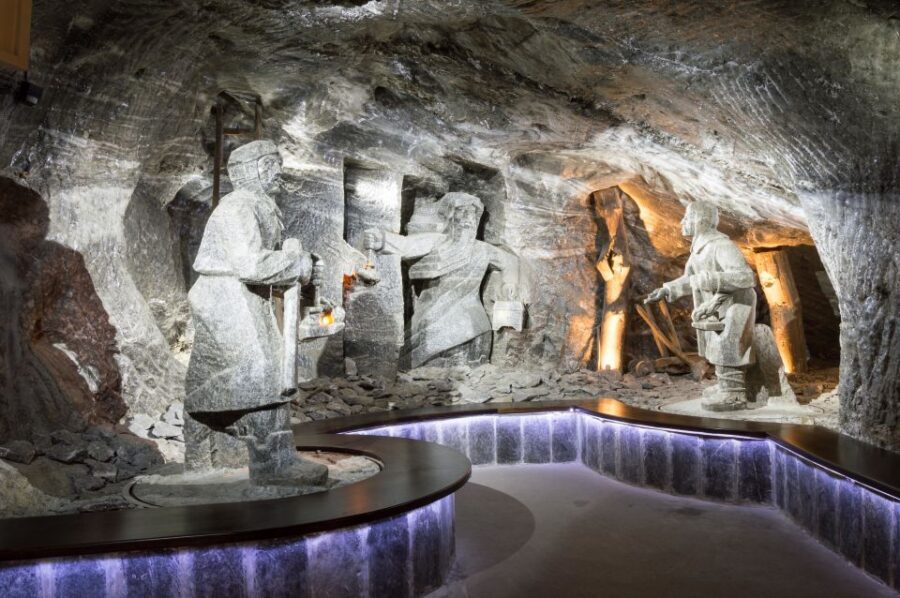
If you’ve seen photos of Wieliczka, you’ve probably seen the idea: sculpted forms in salt. Seeing it in person is the other side of the coin. The mine contains works of art, including statues and chapels carved out of rock salt.
What I like about this part is that the art isn’t just decoration. It reads like a human layer added on top of industry. The chapels and statues give the underground space an emotional temperature you wouldn’t get from “mining museum” signage alone.
A practical way to enjoy it: slow down in the art spaces. Photos can tempt you to move fast, but the salt surfaces reward you when you take a moment and look at shape, edges, and how the carvings catch light. Also, remember you’re in a cool environment. If you start feeling stiff, warm up in motion and come back to look again.
Why the Medieval Story Matters in Real Time
This mine isn’t presented as a random historical stop. It’s described as one of the most important industrial sites of the Middle Ages, and the guide’s job is to make that claim make sense while you’re surrounded by the physical evidence.
You’ll learn about the mine’s history and significance as you move through the route—so instead of history as a lecture, it becomes a sequence of “this feature existed for a reason, and here’s what you’re seeing.” That’s why the guide matters. The difference between reading about mining and standing in it is huge, and the tour format helps bridge that gap.
Two things I think you’ll appreciate most if you like history:
- Scale of effort: the sheer descent and the prepared walking route show you how serious depth-based work was.
- Continuity of purpose: the UNESCO and historic-monument status (it’s both) isn’t just a stamp—it’s a way to frame why a working underground site became a lasting cultural landmark.



Language Options and the 270-Minute Time Budget
This tour runs about 270 minutes (so just over four and a half hours). That duration includes the descent, the underground walking, time with the guide, and the climb back out. Since there are a lot of steps and you’re moving through multiple underground spaces, the total length isn’t inflated—it’s how long it takes to experience a route designed for movement.
You also get a live guide in Italian, German, English, French, or Spanish. If you’re choosing between languages, I’d pick the one you can listen to for long stretches without effort. Underground acoustics and cool air can make you want to rush; understanding the guide keeps the tour enjoyable instead of tiring.
One scheduling point: the start time may change depending on guide availability. I’d plan a little cushion before and after. And if you rely on other connections out of Krakow, give this tour priority. I’ve seen real-world timing slip-ups happen when guides were late or when a meeting point didn’t match the expected tour start, so confirm your exact time and where to meet as your departure approaches.
Price and value: Is $101 worth it?
At $101 per person, you’re paying for several things at once:
- entrance access to a major heritage site
- a guided route through multiple underground features
- a structured experience with a defined depth (135 meters) and walking distance (~2 km)
- skip-the-ticket-line entry to reduce waiting stress
For me, the value comes down to whether you want interpretation. If you like learning as you walk and you want the mine’s medieval significance explained in your language, a guided experience is usually the smarter use of time. If you’re the kind of visitor who prefers quiet wandering without a guide, you might feel the price more than the others. But if you want to understand what you’re seeing—especially the salt-carved art—this format justifies the cost.
What to Wear and Bring for 14–16°C Underground Air
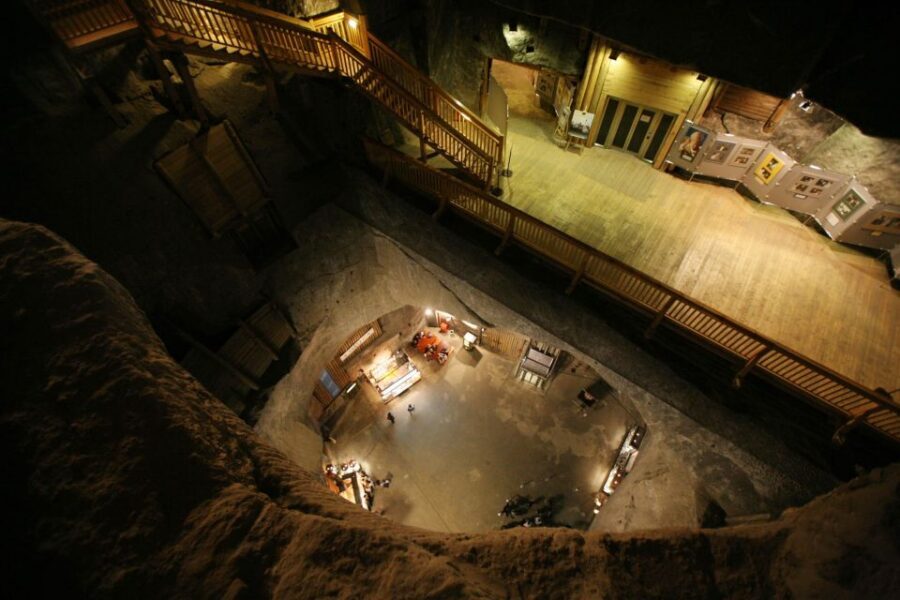
This is one of those tours where what you wear quietly affects your enjoyment. Underground temperatures average 14–16°C, and the mine route includes sustained walking plus breaks in chambers.
I’d dress in layers: something warm enough to feel comfortable once you’ve gone down, plus comfortable footwear built for lots of steps. You’ll also want a daypack or simple bag you can manage hands-free while you walk. Keep it lightweight; the tour is already a workout.
And bring the right mindset: treat this like a mix of history site and stair-heavy hike. When you do, the cool air feels like part of the experience instead of a complaint.
Who This Tour Is Best For (and Who Should Skip It)
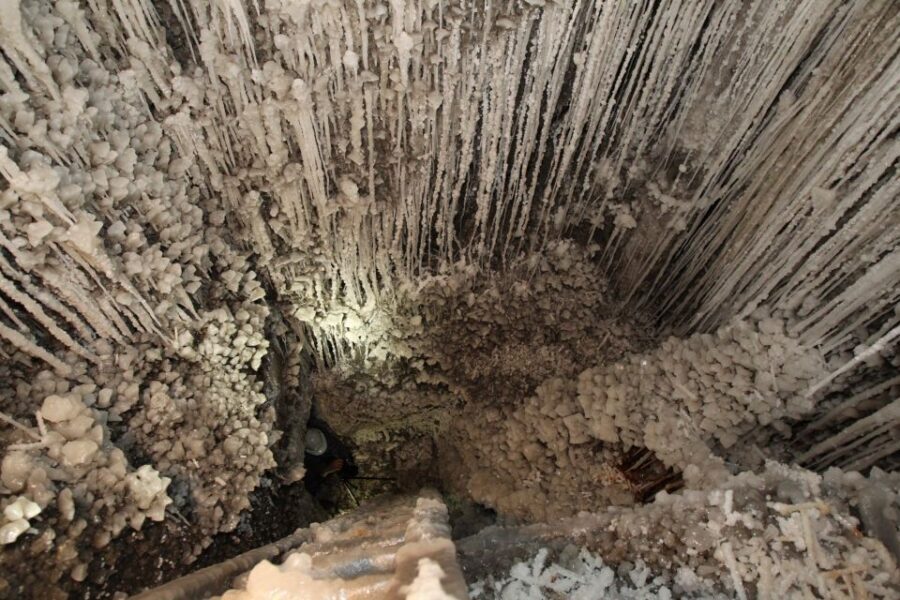
This tour is a strong choice if:
- you want a guided historical experience in your language
- you’re comfortable walking a route with 800 steps
- you enjoy underground sites, especially where industry and art overlap
- you don’t mind cool temperatures underground
It’s a poor fit if:
- you have mobility impairments (the tour is not suitable for this)
- you have claustrophobia (also not suitable)
- you rely on an electric wheelchair (electric wheelchairs are not allowed)
In other words: this isn’t built for “easy mode.” The mine is narrow, deep, and made for people who could move—so the tour follows that reality.
Booking and Day-Of Tips That Actually Help
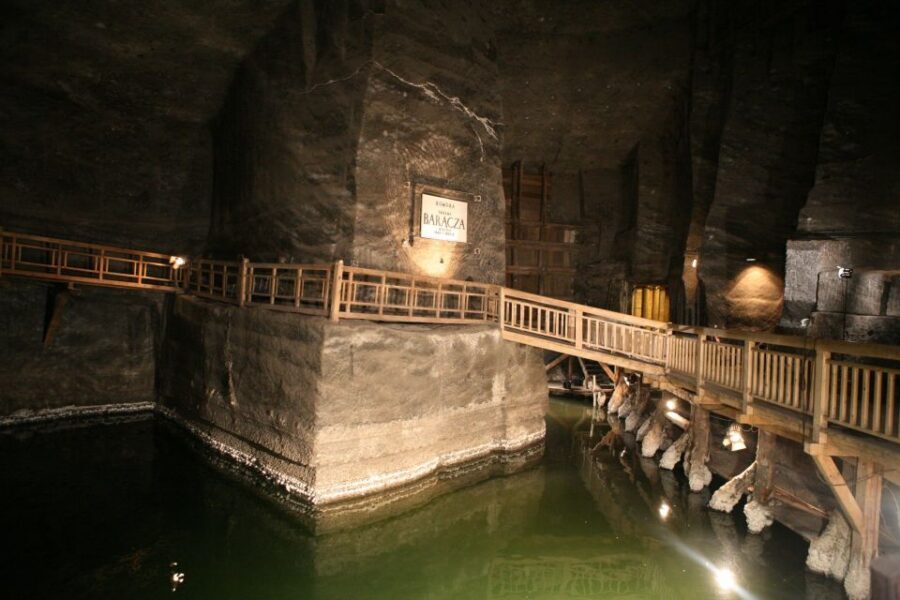
Because start times can shift based on guide availability, I recommend you build your day with a cushion. Don’t schedule a tight connection right at the tour’s end, and don’t assume the first posted time will be the one you experience.
Also, if you want a smooth start, arrive early enough to check in without rushing. Timing hiccups do happen. In at least one recent situation I saw, the meeting contact was late and ticket timing didn’t line up cleanly with what was expected. That’s not the experience you want, so give yourself a buffer and verify the exact start details when you arrive.
Lastly, pack for the cold. Even if you think you’ll be fine in a light jacket, the underground temperature can change how you feel after the first descent.
Should You Book This Wieliczka Guided Tour?
I think this guided tour is worth booking if you want the full “Wieliczka experience”: going to 135 meters down, walking about 2 kilometers underground, learning the mine’s medieval significance, and seeing statues and chapels carved from rock salt in a guided route.
Skip it if you can’t handle lots of stairs or you’re sensitive to enclosed spaces. This is exactly the kind of tour where comfort limits matter more than good intentions.
If you do book, you’ll get the best day by treating it like a planned half-day workout plus a history lesson—then letting the underground art land the way it’s supposed to: in person, in cool air, in a place built to be worked, not just photographed.
FAQ
FAQ
How long is the Wieliczka Salt Mine guided tour from Krakow?
The duration is about 270 minutes.
How deep do you go underground?
You descend to a depth of 135 meters.
About how many steps are there on the tourist route?
You will walk down 800 steps in total, with 350 at the beginning.
How far do you walk underground?
The tour includes walking through about 2 kilometers of underground chambers.
What temperature should I expect in the mine?
Expect cooler temperatures around 14° to 16° C underground.
Is there a live guide, and what languages are available?
Yes, the tour includes a live guide. Languages offered are Italian, German, English, French, and Spanish.
Does this tour include skip-the-ticket-line entry?
Yes, it includes skip the ticket line.
Is electric wheelchair use allowed?
Electric wheelchairs are not allowed.
Is the tour suitable for claustrophobia or mobility impairments?
No. It is not suitable for people with mobility impairments or people with claustrophobia.
What is the cancellation policy?
You can cancel up to 24 hours in advance for a full refund.