REVIEW · KRAKOW
From Krakow: Lagiewniki Sanctuary of The Divine Mercy Tour
Book on GetYourGuide →Operated by Jordan Group · Bookable on GetYourGuide
Mercy, history, and a view in one route. This Lagiewniki experience works because you get continuous transportation plus a guide who talks from the car, not just on-site. You’ll start with high-up panorama time, then shift into the quieter, more reflective world of Divine Mercy.
Two things I really like about this tour are the mix of “look up first” sightseeing (the Observation Tower) and “learn then pray” pacing (the Saint Sister Faustina Museum and the sanctuary grounds). One drawback to plan for: the schedule can flex a bit based on pickup, traffic, and how long you want for prayer/confession—so it’s not the best choice if you want a tight, clock-by-clock checklist.
In This Review
- Key highlights to look for
- Lagiewniki Sanctuary in Krakow: what this tour gets right
- From Krakow pickup to the Observation Tower: easy start, strong payoff
- Museum of Saint Sister Faustina: the person behind the message
- The Sanctuary of Divine Mercy: making prayer time actually useful
- Optional add-on: Sanctuary of Blessed John Paul II for a longer day
- What the guide does (and why it changes the experience)
- Price and value: is $84 worth it
- Timing, pacing, and comfort: how to plan your day in Krakow
- Who this tour suits best (and who should skip it)
- Should you book the Lagiewniki Sanctuary of Divine Mercy Tour?
- FAQ
- Where does the tour start?
- How long is the Lagiewniki Sanctuary of The Divine Mercy tour?
- How often does the tour run?
- What stops are included?
- Is there an optional extra stop?
- What languages is the guide available in?
- What is included in the price?
- Are food and drinks included?
- What should I wear?
- Is the tour wheelchair accessible?
Key highlights to look for
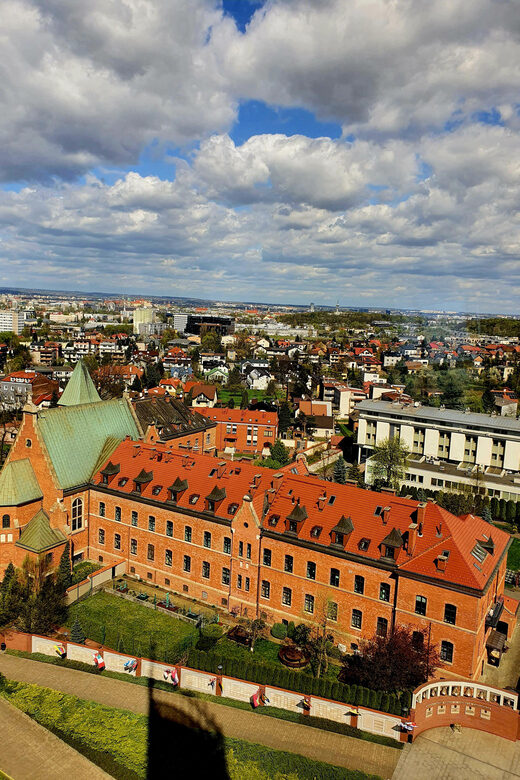
- Observation Tower views that give you a strong sense of the Lagiewniki area right away
- Museum time with Saint Sister Faustina’s story explained in religious and social context
- A real prayer-and-reflection block in the Sanctuary of Divine Mercy (not just a quick walk-through)
- Optional add-on to the Sanctuary of Blessed John Paul II for a longer day (4–6 hours)
- A guide on board the whole way, including during the drive from Krakow
- English and additional language options (Polish, Russian, Ukrainian), plus wheelchair accessibility
Lagiewniki Sanctuary in Krakow: what this tour gets right
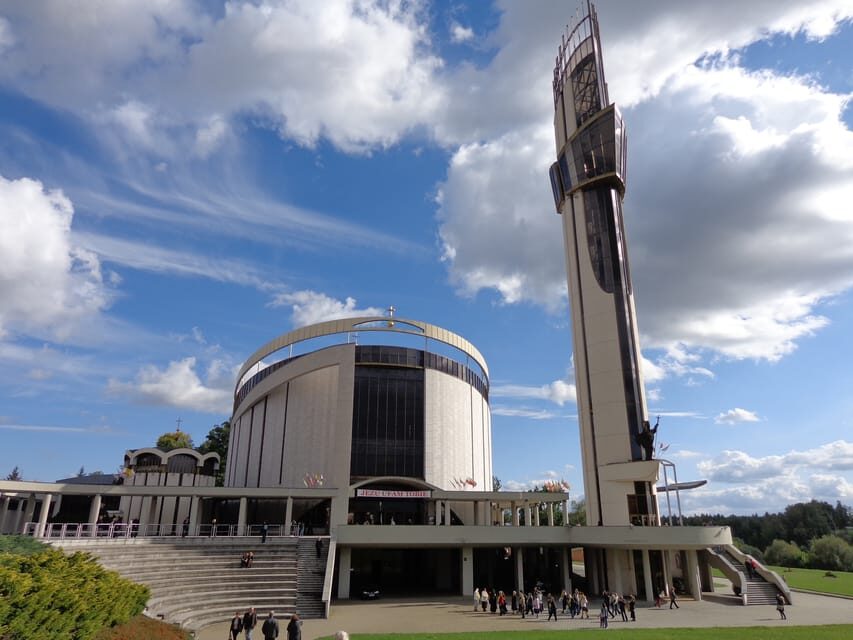
If you only have a short window in Krakow and want more than a single church photo-op, this tour is built for you. It strings together three parts that complement each other: the landscape overhead, the human story inside the museum, and the atmosphere of the sanctuary itself.
What makes it especially workable is the format. You’re not hopping between stops on your own timetable. You get transport throughout, and the guide stays with you so you can ask questions without feeling rushed or left behind.
It also has a “mind + heart” feel. You’ll get factual context about Christianity in Poland and Krakow’s churches, including how religion and older cultural traditions have intersected over time. Then you’ll slow down at the sanctuary, where the point isn’t to collect facts—it’s to take part in a quieter rhythm.
You can also read our reviews of more tours and experiences in Krakow.
From Krakow pickup to the Observation Tower: easy start, strong payoff
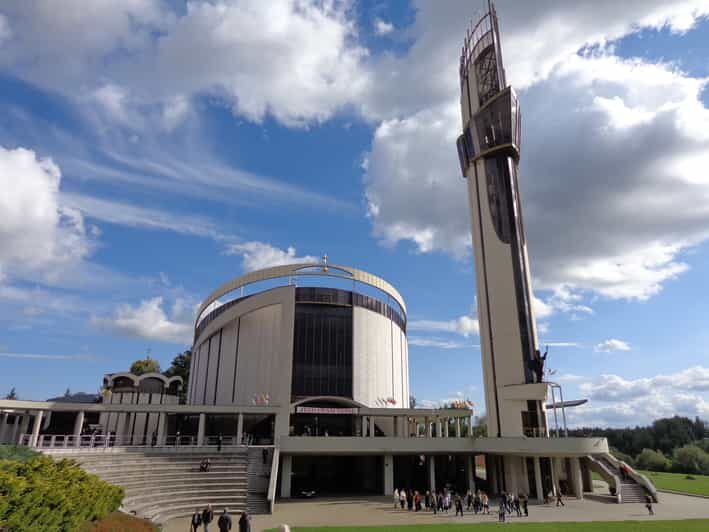
The tour begins in Kraków, with pickup arranged there. Once you’re in the car, the guide doesn’t wait until you reach the first building. The drive is part of the experience—history, religious context, and plenty of explanation so you’re not trying to connect the dots yourself after you arrive.
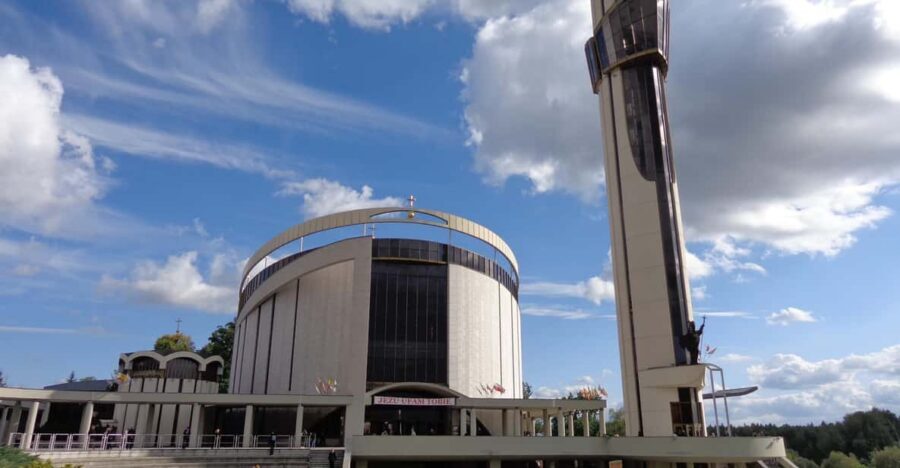
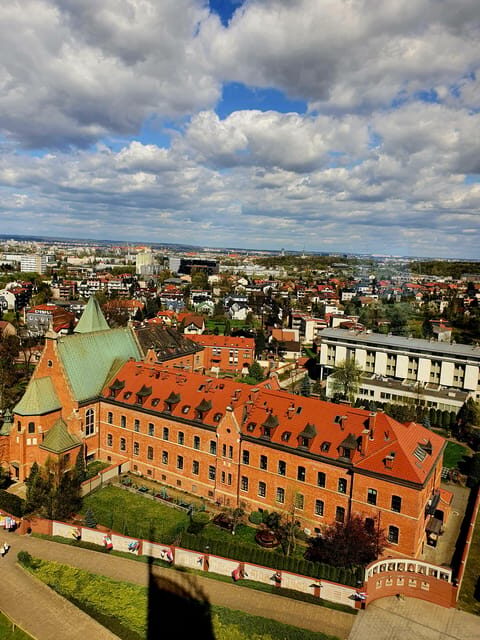
Your first major stop is the Observation Tower. This is smart. A view gives you bearings fast, and you can mentally map where the sanctuary sits in the wider area. As you go up, you’re basically switching gears from city navigation to “read the place” sightseeing.
Practical tip: wear shoes that handle uneven outdoor surfaces. Even though you’ll be transported between stops, the “tower moment” still means stairs and standing around for views. If you tend to get cold in open-air spaces, bring a light layer too, since weather can change quickly.
One more thing I appreciate about starting with a tower: it gives you a visual win before the day turns more solemn. If you’re traveling with family or friends who want a mix—some sightseeing and some spiritual space—this order helps everyone feel included.
Museum of Saint Sister Faustina: the person behind the message
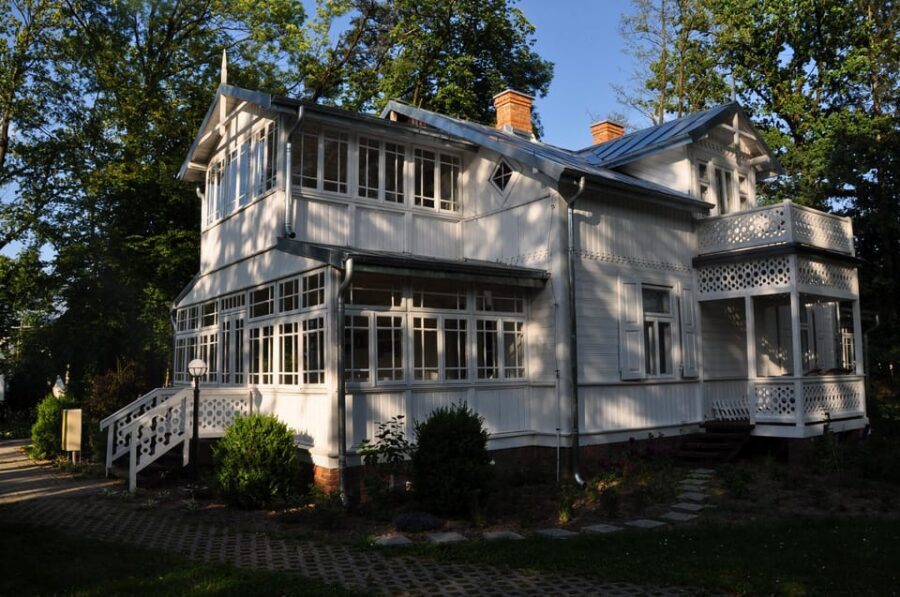
After the tower, you head to the Museum of Saint Sister Faustina. This stop is where the tour shifts from scenery to story.
Here, you’ll learn about her life and legacy, and your guide shares details about why her impact matters not only in religious terms, but also in social contexts. The museum visit is designed to make Saint Faustina feel real—not like a name on a plaque. It also helps you understand what you’ll later encounter at the sanctuary, so your time praying isn’t just “quiet time,” it’s quiet time with meaning you can connect to.
What to do during the museum visit:
- Ask your guide to explain anything you’re unsure about. This is the best moment to clarify terms and background.
- Take a breath and read at your pace. You’re not on a “see everything in 10 minutes” route; your guide’s presence makes it easier to slow down where you want.
If you’re the type who enjoys learning but hates museum fatigue, you’re still in control here. The guide’s context helps you move through exhibits more efficiently because you know what to pay attention to.
The Sanctuary of Divine Mercy: making prayer time actually useful
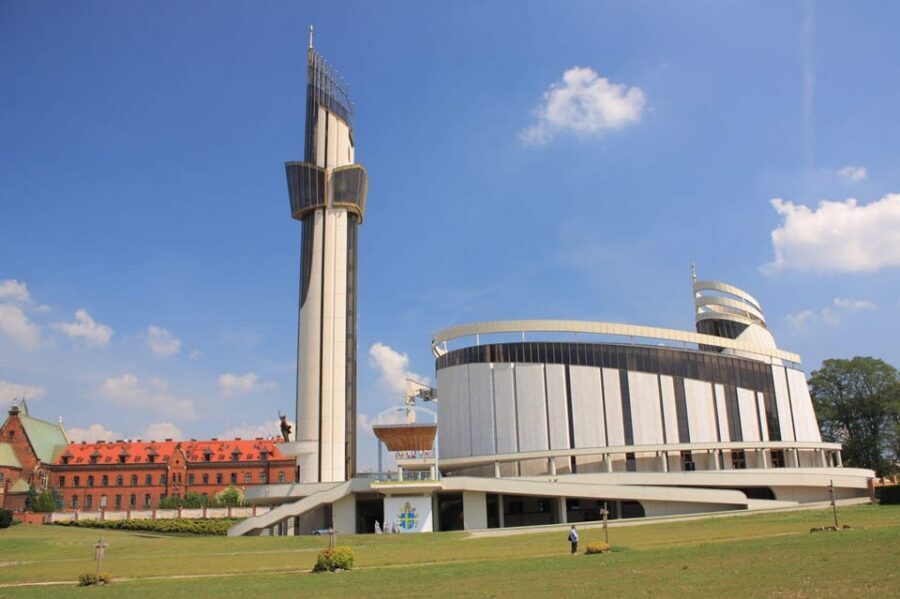
The final main stop is the Sanctuary of Divine Mercy. This is the heart of the day, and it works best when you treat it like a place with its own tempo.
Expect an atmosphere built for peace and reflection. You’ll have time for spiritual focus, and your guide helps set the stage for what Divine Mercy means in everyday life—an idea that tends to feel abstract until you experience it in a setting where people come to contemplate it.
A key detail: the tour duration can vary depending on how much time you spend on prayer, and whether you also take in confession time. That’s not a flaw—it’s part of the design. This tour isn’t trying to cram you through. It’s built around the idea that sanctuary time is sanctuary time.
How to get the most out of your visit:
- Plan mentally for slower moments. If you rush, you’ll miss the point.
- If you’re unsure what to do during prayer time, watch what others do and follow your own comfort level. Your guide is there to help with context, but the sanctuary is about you and your pace.
- Keep your questions for earlier moments if you can. The sanctuary is best enjoyed when you’re not constantly switching into “what does this mean?” mode.
Also, if you want a more personal experience, remember that you can often control how long you stay in reflective areas. Don’t feel guilty taking the time you need.
Optional add-on: Sanctuary of Blessed John Paul II for a longer day
There’s a popular extension that adds the Sanctuary of Blessed John Paul II nearby. If you choose the longer version, your day typically stretches to 4–6 hours instead of the more standard 3–4 hours.
This add-on can be a good match if:
- You want more time for learning and reflection
- You like having a second anchored spiritual stop after Divine Mercy
- Your schedule allows for a slower, fuller outing
If you’re short on time or prefer fewer stops, you can stick with the shorter version focused on Divine Mercy. Either way, the core flow remains the same: tower views, Saint Faustina Museum context, and sanctuary atmosphere.
What the guide does (and why it changes the experience)
The guide isn’t just a rule-enforcer holding a flag. The structure of this tour keeps the guide with you from the pickup onward, including the drive. That matters more than it sounds.
A good example: in English-language bookings, Oleksandra has been highlighted for starting the story immediately in the car and then giving guests room to reflect once you arrive. Another guide, Luca, has been described as very helpful and well-versed, which matches the tour’s style: explanations plus time to ask questions.
This makes the tour feel less like a checklist and more like a guided understanding. You’re not just hearing what’s there. You’re learning what to notice and why it matters—especially on the drive, when the guide connects Krakow’s church landscape to wider themes in Christianity in Poland.
You’ll also appreciate the languages offered: English, Polish, Russian, and Ukrainian. That increases your chances of getting an explanation that lands well, even if you’re not fluent in Polish.
Price and value: is $84 worth it
At $84 per person, this tour can feel like a fair deal for three reasons.
First, you’re paying for more than a driver. You get a guide who stays with you throughout, including during the ride between stops. That kind of continuous guidance is what turns isolated sightseeing into a coherent experience.
Second, the transportation is included. For a trip like this, where timing and traffic can affect how smooth the day feels, having that handled is a practical win. You spend your energy on the sights, not on logistics.
Third, you’re paying for a two-part experience: structured viewing plus slower sanctuary time. The value isn’t only the tower and museum. It’s the fact that you’re guided into a reflective setting without being rushed out.
One note for budgeting: food and drinks aren’t included. If you’re planning to add the John Paul II sanctuary, you’ll likely want a snack plan before or after. Bringing water is a smart move, especially if you expect time for walking and waiting around between indoor and outdoor areas.
Timing, pacing, and comfort: how to plan your day in Krakow
This runs every day at 9:00 and 13:00, with at least 2 people required for the tour to operate.
Because the total duration can shift with pickup location, traffic, and prayer/confession time, I’d treat the tour as a half-day with flexibility, not a hard 180-minute sprint. If your next appointment is extremely strict, give yourself buffer time. This is especially true if you plan to take your reflection time seriously.
Comfort checklist:
- Comfortable walking shoes
- Clothing suitable for sacred places (think respectful, cover-appropriate choices)
- Something warm if weather is changeable, since you’ll be outside at least for tower viewing
Wheelchair accessibility is listed, so it’s set up for visitors who need that. Still, sacred sites often involve uneven areas and gradual transitions, so it’s worth wearing stable shoes even if you’re not doing lots of walking.
Who this tour suits best (and who should skip it)
This tour fits you well if you want:
- A guided religious-cultural route with context
- A mix of sightseeing and prayer time
- A clear plan that starts in Kraków and includes transportation the whole way
- A guide experience that covers both history and what to do with your time in the sanctuary
You might skip it if:
- You only want casual, surface-level sightseeing with no emphasis on spiritual reflection
- You can’t handle schedule variability caused by traffic and time spent praying/confessing
- You’re looking for a long, self-paced “wander Krakow at your own speed” day
Should you book the Lagiewniki Sanctuary of Divine Mercy Tour?
If your goal is to understand and experience the Divine Mercy theme in a way that feels meaningful—not hurried—this is a strong choice. The biggest strength is the structure: tower views to anchor you, Saint Faustina Museum context so you know what you’re seeing, then sanctuary time with room to pause.
Book it if you like having a guide on board from the start and you’re open to slowing down at the end. Skip it if you need a purely secular, strictly timed itinerary.
Either way, go in with the right mindset: this isn’t just sightseeing. It’s a guided path toward reflection.
FAQ
Where does the tour start?
The pickup location is in Kraków.
How long is the Lagiewniki Sanctuary of The Divine Mercy tour?
The listed duration is 3 hours, and the standard experience usually lasts 3–4 hours. The extended version typically lasts 4–6 hours.
How often does the tour run?
It operates every day at 9:00 and 13:00.
What stops are included?
You’ll visit the Observation Tower area, the Museum of Saint Sister Faustina, and the Sanctuary of Divine Mercy.
Is there an optional extra stop?
Yes. You can enhance your tour with a visit to the nearby Sanctuary of Blessed John Paul II.
What languages is the guide available in?
The live guide is available in English, Polish, Russian, and Ukrainian.
What is included in the price?
The guide and transportation throughout the entire tour are included.
Are food and drinks included?
No. Food and drinks aren’t included.
What should I wear?
Wear comfortable walking shoes and clothing suitable for visiting sacred places.
Is the tour wheelchair accessible?
Yes, the tour is wheelchair accessible.