REVIEW · KRAKOW
Krakow: Schindler’s Factory Expert GuidedTour with Skip-line
Book on GetYourGuide →Operated by Krakow Tours by Krakowdirect · Bookable on GetYourGuide
History gets personal fast. At Schindler’s Factory, you walk through a tightly designed story of Nazi-occupied Kraków with pre-reserved entry, built scenes, and a licensed local guide leading the way.
I like that the skip-the-line setup keeps things moving from the moment you arrive. I also like the pacing of a guided, headset-supported route through 45 rooms, so you’re not just staring at exhibits and guessing what matters.
One thing to plan for: this is 90 minutes, not a slow museum marathon. Expect tight spaces and a lot of people in the same corridors, so it can feel busy and you may want more time with the interactive parts.
In This Review
- Key things to know before you go
- Why Schindler’s Factory hits harder with a guided, skip-line plan
- Skip-line entry at Lipowa Street: how you start without wasting time
- The 90-minute timeline: what you actually see in 45 rooms
- Before the War: 1930s Kraków and Jewish community life
- The Blitzkrieg period: invasion, fear, and checkpoints
- Life in the Ghetto: tight, forced confinement
- The resistance story: secret operations and underground action
- Culmination: Schindler’s preserved office and the end symbol
- Stops that are worth your attention (and how to get more out of them)
- Built scenes (apartment, tram, and street reconstructions)
- Audio help: headsets do the work, but fit matters
- The Schindler’s office ending
- Crowds, cramped corridors, and why the group tempo can feel fast
- Getting there in Kraków: trams, street parking, and simple timing
- Value and price: what $46 buys you (and what it doesn’t)
- Languages and who this tour fits best
- Should you book this Schindler’s Factory skip-line tour?
- FAQ
- How long is the Schindler’s Factory expert guided tour?
- Does the tour include skip-the-line entry?
- Where do I meet the representative?
- What ID do I need to bring?
- What languages are available for the guided tour?
- Is the museum wheelchair accessible?
- Are there any restrictions on what I can bring?
Key things to know before you go
- Skip-the-line entry via a separate entrance and on-site check-in support at Lipowa Street
- A chronological walk through 45 rooms covering 1930s Kraków to resistance to Schindler’s office
- Recreated Ghetto scenes and city streets that help you picture what life felt like
- Headsets included for clearer listening in rooms that can get loud or crowded
- The Survivor’s Ark installation is part of the ending stop, not an optional extra
- You must arrive 15 minutes early or the museum may deny entry and you won’t get a refund
Why Schindler’s Factory hits harder with a guided, skip-line plan
There are famous Holocaust-related sites, and then there are places that make the past feel close enough to be uncomfortable—in the right way. Schindler’s Factory does that through layout and storytelling. You’re not wandering randomly. You’re guided through a sequence that builds context step by step, so the exhibits land with meaning instead of feeling like a checklist.
What makes this format especially useful is the skip-the-line access. Schindler’s Factory is popular, and timed entry is strict. When you have a reserved slot and a guide who knows the flow, you spend less time waiting and more time learning.
You’ll also get more than “Schindler the man.” The exhibition is framed around what occupied Kraków was like—daily life under threat, resistance activity, and the brutal machinery of the period. That broader city story is what helps you connect the dots.
You can also read our reviews of more tours and experiences in Krakow.
Skip-line entry at Lipowa Street: how you start without wasting time
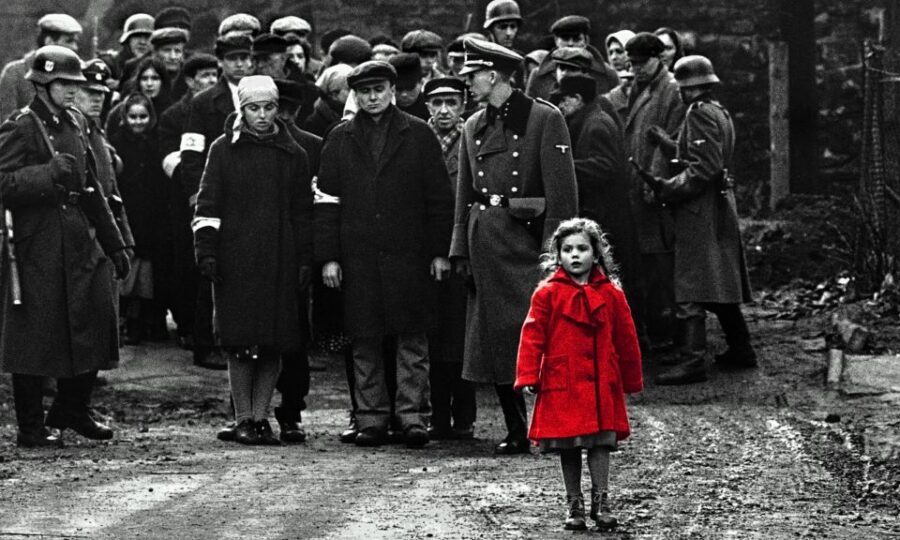
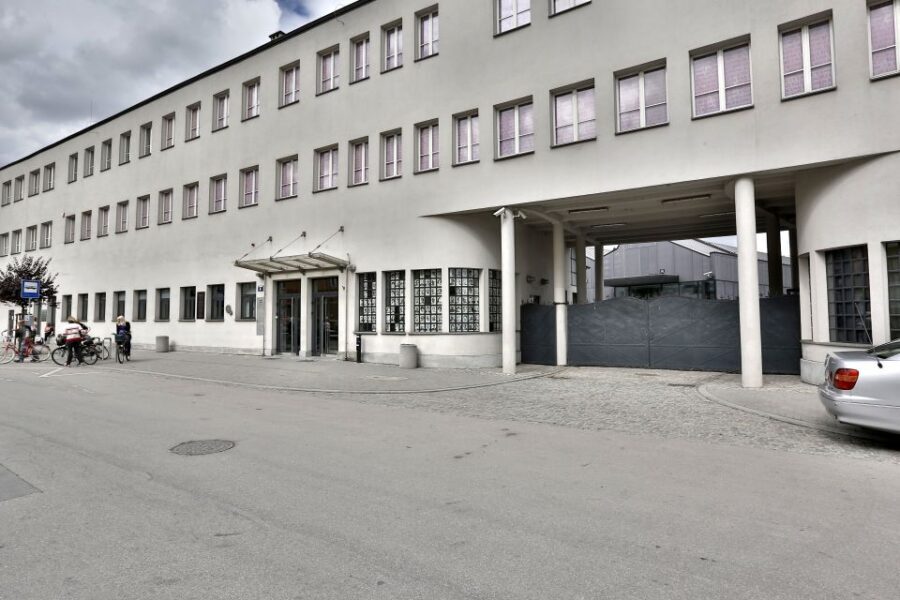
Your meeting point is at the factory entrance on Lipowa Street. The representative meets you there to hand over your ticket and then you connect with your licensed local guide.
This is the practical advantage of booking this style of tour: you’re using a separate entrance for pre-reserved entry. That matters because museum queues can eat up your day. Here, you’re aiming to start right away, right when your scheduled time begins.
A quick planning tip: show up early even if you’re “technically” on time. The museum’s rules are clear—arrive at the designated meeting point at least 15 minutes before the tour start. Late arrivals can be denied entry by the museum and there’s no refund. I’d rather you arrive, breathe, and get oriented than gamble with the clock.
The 90-minute timeline: what you actually see in 45 rooms
This tour runs about 1.5 hours (museum timing rules set the exact flow). You move through 45 carefully arranged rooms in a chronological route. That structure is the whole point. Instead of cherry-picking exhibits, you get the larger story arc, from pre-war community life to the occupation years.
Here’s how the route typically builds:
Before the War: 1930s Kraków and Jewish community life
You start with the period before the Nazi occupation—when Kraków’s Jewish life and culture in the 1930s were part of everyday city rhythms. This isn’t just background. It gives you a baseline so later sections don’t feel like they start out of nowhere.
The Blitzkrieg period: invasion, fear, and checkpoints
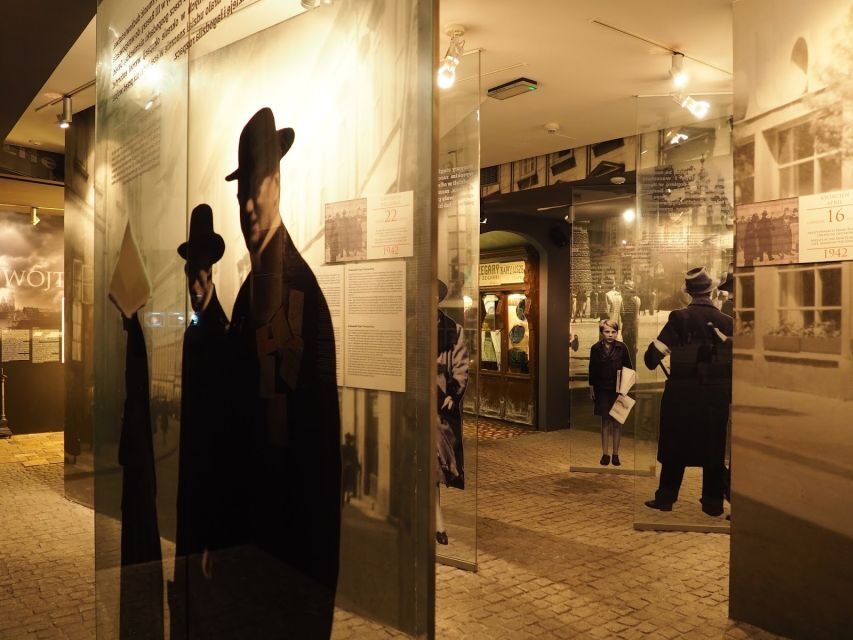
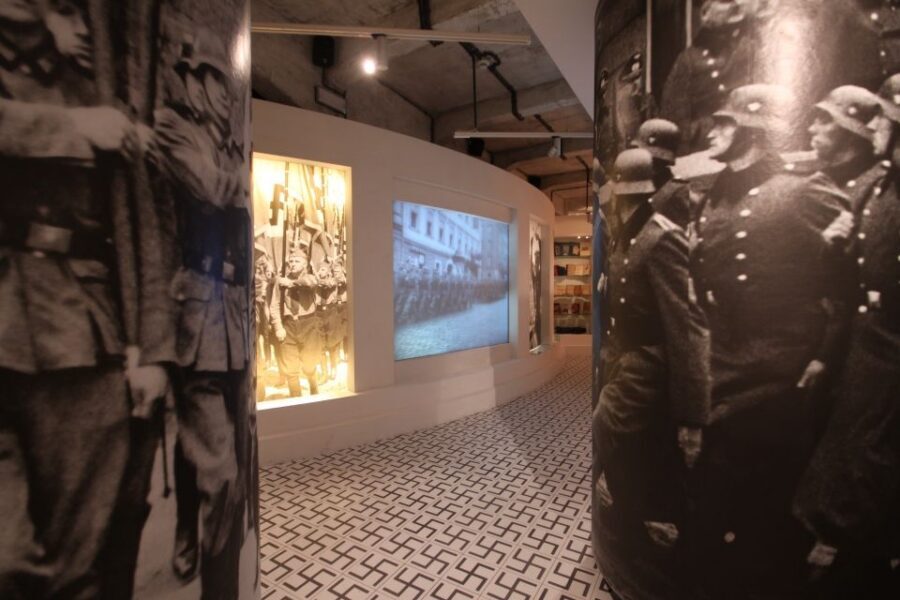
Next comes the German invasion phase. The rooms recreate the atmosphere of wartime streets and military checkpoints. Even if you’ve read about the timeline before, the built environment helps you understand how quickly things changed and how close danger was.


Life in the Ghetto: tight, forced confinement
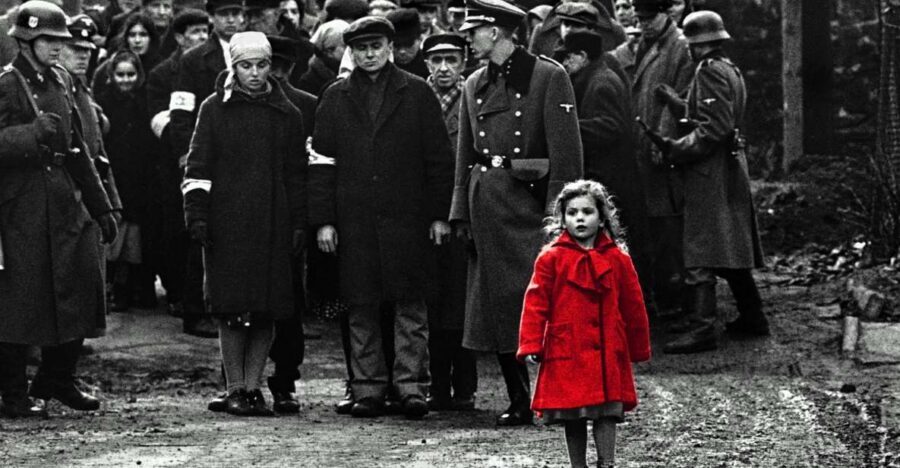
Then you step into the Ghetto section, including a recreated apartment where dozens of Jewish families were forcibly crammed. The narrow, claustrophobic layout is intentional. You don’t just learn the fact. You feel why people had less space, less control, and less hope.
The resistance story: secret operations and underground action
You’ll also get a dedicated section on resistance—secret operations, hidden weaponry, and the Polish Underground State fighting back in the face of terror. This matters because it keeps the narrative from being only about victimhood. You see agency where it existed, even under extreme conditions.
Culmination: Schindler’s preserved office and the end symbol
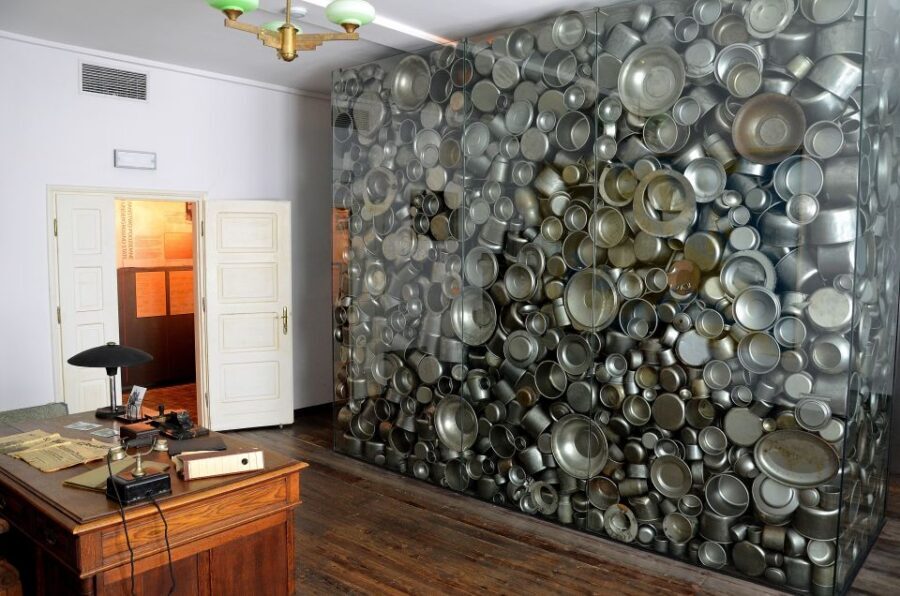
The tour ends at Oskar Schindler’s preserved administrative office, where you hear the full, complex arc of his choices—how his role changed and what he risked to save over a thousand Jewish lives.
Right near this ending moment, you also visit Survivor’s Ark. It’s a symbolic stop that gives the experience a clear emotional landing point.
Stops that are worth your attention (and how to get more out of them)
This is one of those tours where you don’t want to treat it like a race. The rooms are close together, and there’s a lot happening. If you keep your focus on what the guide is connecting, you’ll get more meaning per minute.
Built scenes (apartment, tram, and street reconstructions)
You’ll see recreated WWII sets, including a Ghetto apartment and tram and city street scenes. The value here is mental. Your brain can “place” the history in a physical layout, which makes later reading or museum visits elsewhere easier to understand.
In narrow corridors, you may find it hard to see every exhibit at the exact moment the guide references it. That’s not a sign you’re missing something. It’s just the reality of groups moving through tight spaces. If something catches your interest, make a note in your head and come back later on your own time if you want deeper viewing.
Audio help: headsets do the work, but fit matters
Headsets are included for a better experience. In older, crowded museum halls, audio clarity can vary. If you notice background noise competing with your guide, you may have an opportunity to adjust how the headset sits. A good fit reduces distractions and helps you follow the story without straining.
The Schindler’s office ending
The office stop works well because it connects the wartime city story back to one person’s decisions—without turning the experience into a single-character movie. You’re standing in preserved space tied to the story’s pivot point, and the surrounding context helps you understand why Schindler’s actions were so high-stakes.
Crowds, cramped corridors, and why the group tempo can feel fast
A key reality: Schindler’s Factory is not spacious. The exhibition halls are accessible and wheelchair friendly, but the walkways and rooms can be tight. If your group includes around 15 people, it can feel like a moving line inside small spaces.
That influences your experience in two ways:
- You might not get long pauses at each exhibit.
- You may need to rely on the guide’s explanations to do the interpretation work.
Some guides keep a steady, fast rhythm to cover 45 rooms in time. That’s normal. If you prefer a slower museum pace, this might feel like you’re being shepherded through rather than taking your time. In that case, I’d treat the guided tour as your first pass—then plan a second, self-guided revisit later if you truly want to read every label and linger longer at interactive elements.
Also, at the start, people can cluster outside while trying to find the right meeting point. Arriving early helps you avoid that mild scramble. Once you’re inside with your ticket and guide, the flow usually makes more sense.
Getting there in Kraków: trams, street parking, and simple timing
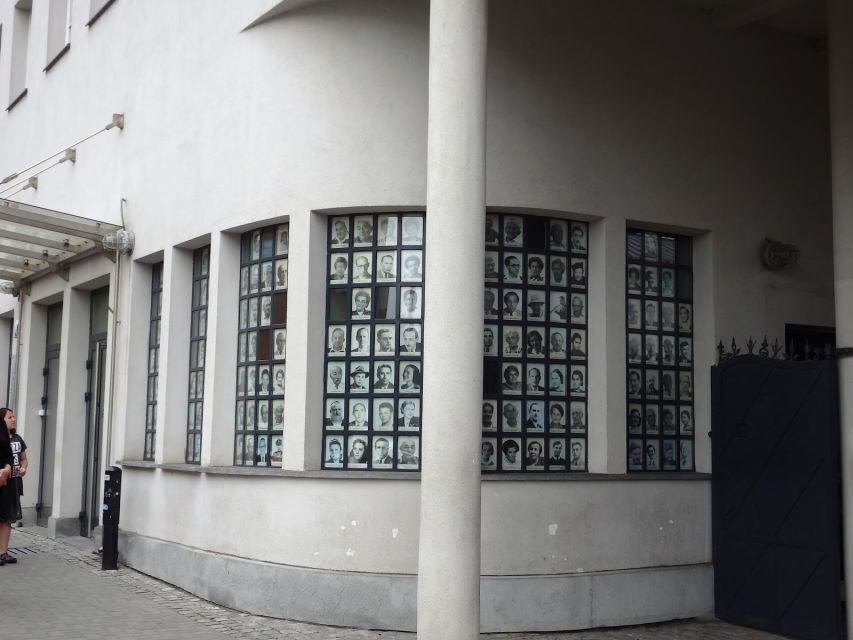
Transportation is fairly straightforward if you’re using public transit. The nearest tram stops are Zablocie or Plac Bohaterów Ghetta. From there, you walk to the factory entrance on Lipowa Street.
If you’re driving, street parking is available on surrounding streets. There’s no dedicated car park at the museum, so don’t expect the easy “park and walk” setup.
The bigger timing note is still the museum’s rule: arrive 15 minutes early at the meeting point. Even if transit is perfect, you still need that buffer for check-in and getting grouped.
Value and price: what $46 buys you (and what it doesn’t)
At about $46 per person for roughly 90 minutes, you’re paying for three things that matter in a museum like this:
- Skip-the-line entry with pre-reserved access, which saves time when timed entry is strict
- A live local guide who connects the dots across many rooms
- Equipment support like headsets, plus admission included in the package
What you’re not paying for is unlimited time. This is not a sit-and-read experience. It’s a structured tour meant to deliver a clear overview with explanation.
So the value question is simple: if you want the “why it matters” context quickly, guided skip-line entry is a good deal. If you want to spend a long time in interactive corners and read everything slowly, you might prefer self-guided museum time and treat this tour as optional.
Languages and who this tour fits best
The tour is offered with live guidance in English, German, Spanish, and Italian. That’s helpful if you want a story-led walkthrough in your strongest language.
Wheelchair access is available, and the exhibition halls are wheelchair accessible. The museum features many interactive exhibits, but remember: interactive time may be limited by the tour’s timed structure.
Who this fits:
- You want a clear, chronological story instead of random exhibit hopping
- You care about context around Nazi occupation and Kraków’s specific wartime experience
- You’d rather not gamble your day in lines when timed entry is strict
Who might rethink:
- You dislike busy indoor spaces or moving lines
- You need lots of quiet time to read labels and explore interactives at length
- You prefer a slower museum rhythm and have extra days in Kraków
Should you book this Schindler’s Factory skip-line tour?
If your goal is to make your time count, I’d book it. Skip-the-line access plus a guide-led route through 45 rooms is the best way to get the full story without losing half your visit to queues or confusion.
I’d especially recommend it if it’s your first time at Schindler’s Factory. Use the tour as your foundation. If you want more detail afterward, plan to return on another day for extra time with interactive exhibits and for reading at your own pace.
If you’re sensitive to crowds and fast movement, go into it with open expectations. Arrive early, keep your headset handy, and let the guide’s pace carry you. This tour works best when you treat it like a guided lesson, not a free-for-all roam.
FAQ
How long is the Schindler’s Factory expert guided tour?
It runs for about 90 minutes (the museum sets the timed duration, and it’s listed as approximate).
Does the tour include skip-the-line entry?
Yes. You get skip-the-line entry through a separate entrance with pre-reserved ticket access.
Where do I meet the representative?
You meet your dedicated representative directly at the Schindler’s Factory entrance on Lipowa Street to receive your ticket and join the licensed local guide.
What ID do I need to bring?
You must bring a valid photo ID that matches the name on your booking (passport or ID card).
What languages are available for the guided tour?
The live tour guide is available in English, German, Spanish, and Italian.
Is the museum wheelchair accessible?
Yes. The exhibition halls in Schindler’s Factory are wheelchair accessible.
Are there any restrictions on what I can bring?
Alcohol and drugs are not allowed.