REVIEW · KRAKOW
From Krakow: Auschwitz-Birkenau Full-Day Tour
Book on GetYourGuide →Operated by Time4Poland.com · Bookable on GetYourGuide
Auschwitz-Birkenau is not a quick visit. This full-day trip from Krakow is built to get you there smoothly and keep you oriented with a licensed guide and clear headset audio. I like that you don’t just see the site—you hear the history tied to what you’re standing in.
Two things I especially appreciate: the visit is guided throughout the Auschwitz I Museum and Birkenau Camp, and the day is run with a strong sense of order (pickup, transport, and timed breaks). The one consideration is that the memorial sets the pace, so busy conditions can mean you’ll move along more quickly than you might want for taking it all in.
In This Review
- Key highlights you’ll feel on this day trip
- A full-day day trip that feels organized, not chaotic
- Price and what $89 really buys you
- Auschwitz I Museum: where the story starts
- The 15-minute break: use it like a pro
- Birkenau: roads, fences, watchtowers, and gas chambers
- Pacing, crowds, and the one thing that can feel rushed
- Comfort rules: what to bring and what to avoid
- Where this tour fits best in your Krakow itinerary
- The guides matter: what makes this experience feel strong
- Should you book this Auschwitz-Birkenau tour from Krakow?
- FAQ
- FAQ
- How long is the Auschwitz-Birkenau day tour from Krakow?
- Does the tour include hotel pickup and drop-off in Krakow?
- What’s included with the guided portion?
- Is lunch provided?
- What languages is the tour guide available in?
- What should I bring for entry?
- What items are not allowed?
- Is the tour suitable for children?
- Can the tour start time change?
- Is this tour refundable if plans change?
Key highlights you’ll feel on this day trip
- Licensed guide for Auschwitz I and Birkenau: you’re not left to figure it out on your own.
- Headsets for clear audio: easier listening in crowds.
- A full route, not random stops: Auschwitz I Museum plus Birkenau in one day from Krakow.
- A short built-in break: a chance to reset with a snack or bathroom time.
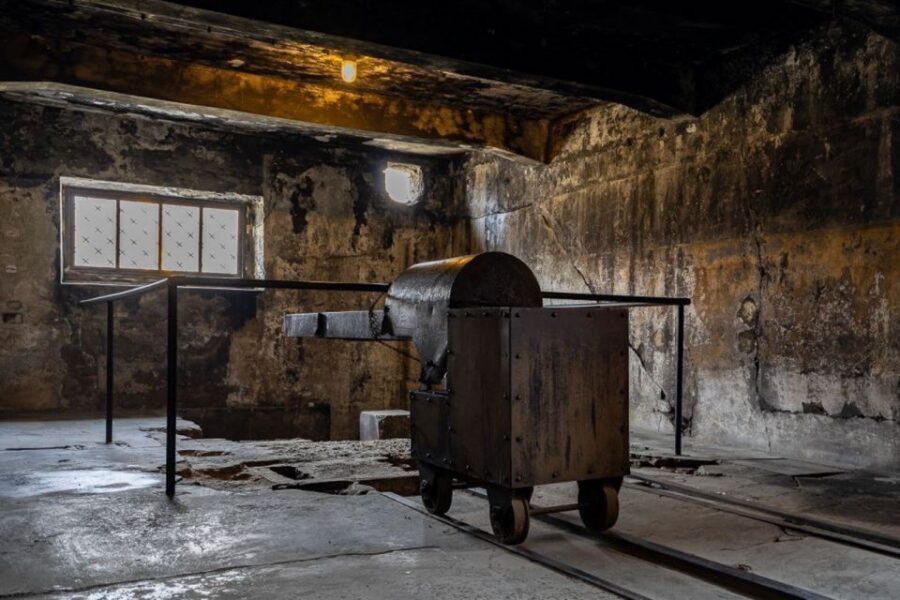
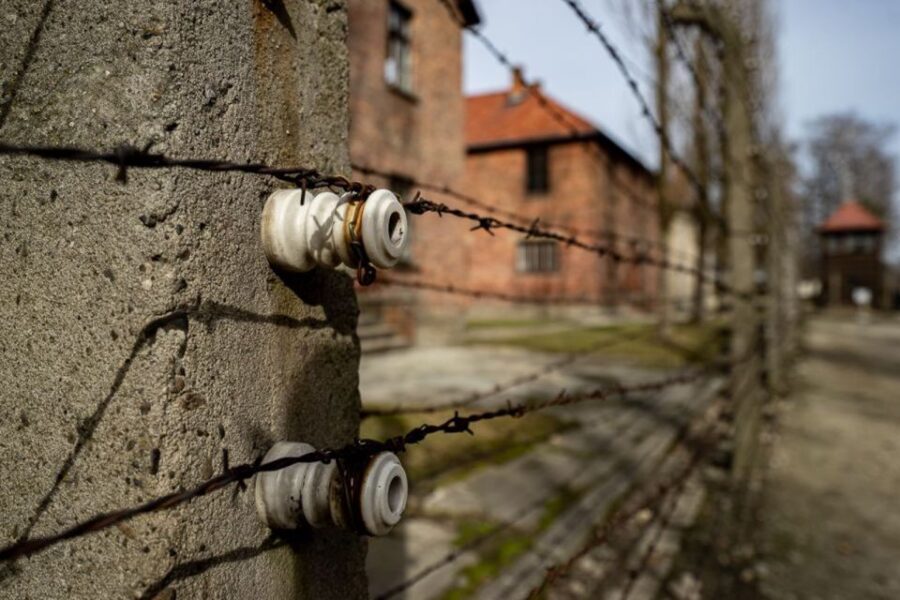
- Original parts of the grounds: roads, fences, watchtowers, and gas chambers are part of what you’ll be shown.
- Respectful, structured commemorating: you’ll walk with the guide as you pay your respects.
A full-day day trip that feels organized, not chaotic
From Krakow, the biggest relief is simply how straightforward the logistics are. You get pickup and drop-off in Krakow if you choose that option, then ride in an air-conditioned car. It’s not the kind of day where you want to be improvising transit or hunting for directions once you’re emotionally focused.
Once you arrive, the tour is paced around museum flow, and that matters at Auschwitz-Birkenau. You’ll use a headset so you can keep following the guide even when groups are packed in. That’s a practical detail, but it changes the whole experience: you spend less time trying to hear and more time understanding what you’re seeing.
A few more Krakow tours and experiences worth a look
Price and what $89 really buys you
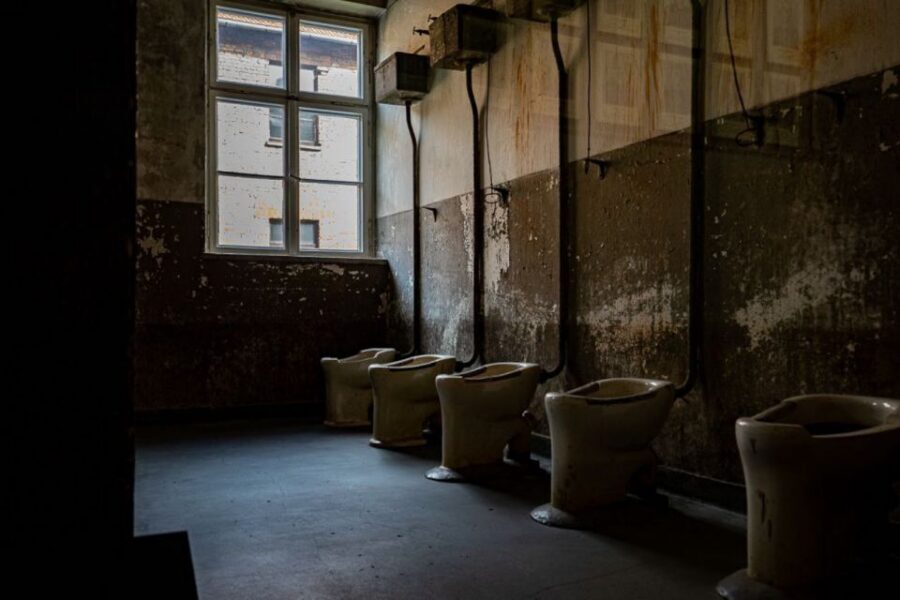
At $89 per person for a 7-hour day, you’re paying for more than transportation. You’re paying for a local licensed guide, guided entry for the Auschwitz I Museum and exhibits, headsets, and an organized plan that covers both Auschwitz I and Birkenau.
In my view, the value is strongest when you treat the day as an “interpretation service” as much as a sightseeing trip. Without a guide, it can be harder to connect what you’re looking at to the larger story of how the camp system operated. With the guide, you’re not just checking boxes—you’re learning the context and warning tied to history.
One heads-up: it’s listed as non-refundable. So it’s worth booking when your schedule is genuinely fixed and you’re ready for the memorial day to be the main event.
Auschwitz I Museum: where the story starts
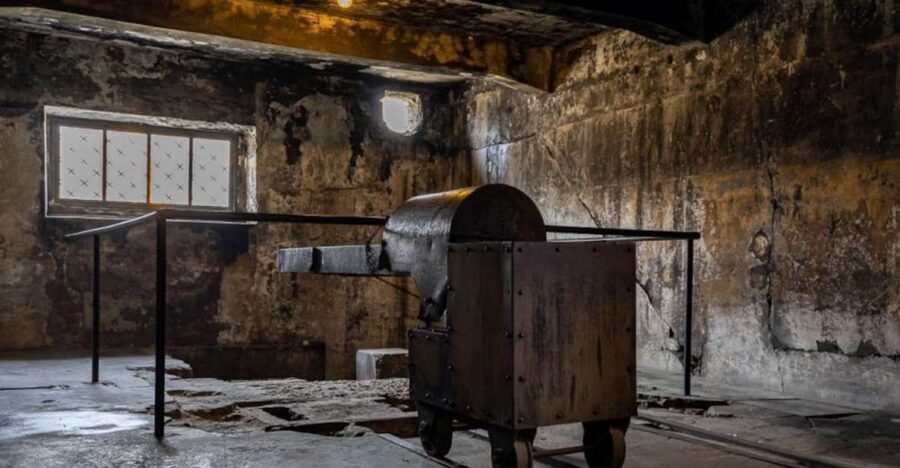
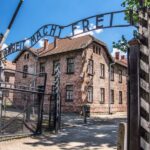
Auschwitz I Museum is where the visit feels most grounded and explanatory. This is the place that sets context: the Holocaust, the camp complex, and what the site represents as a warning from history.
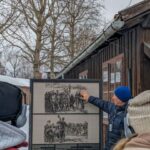
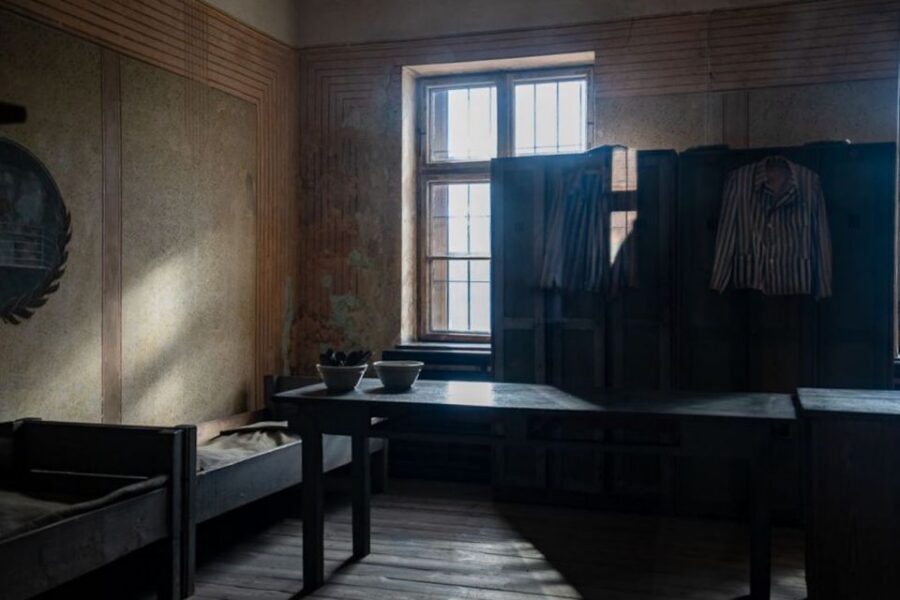
Your licensed guide leads you through exhibits that include original items from prisoners. That specific detail is important. It’s not just photos or reenactments. You’re encountering physical remnants, and the guide’s role is to help you make sense of what you’re seeing without turning it into something casual.
This is also where you can expect the visit to feel like a guided walk through “why this place exists” rather than only “what happened here.” If you want the trip to have meaning and structure, the Auschwitz I Museum stop is doing heavy lifting.
The 15-minute break: use it like a pro
Between the two major parts of the day, you’ll have a break—about 15 minutes. The guide tour style here is efficient, so don’t count on extra time to wander.
Practical strategy: treat the break as a reset button. Grab a snack if you’re able, use the restroom, and be ready to move when it’s time. If you’re the type who wants long stretches of silence, you’ll likely find those in the walking parts of the day, not during the pause.
If you add the lunch option, you’ll get a fresh-made lunch box. That’s helpful because you’re spending a long day focused on the memorial, not on finding food.
Birkenau: roads, fences, watchtowers, and gas chambers
Birkenau is the part that many people describe as uniquely difficult to process. The tour’s value here is that you’re not just walking the grounds—you’re walking with interpretation, with the guide helping you connect the physical layout to what it meant for the people who were imprisoned there.
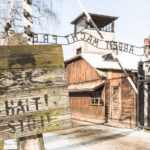
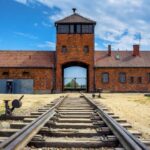
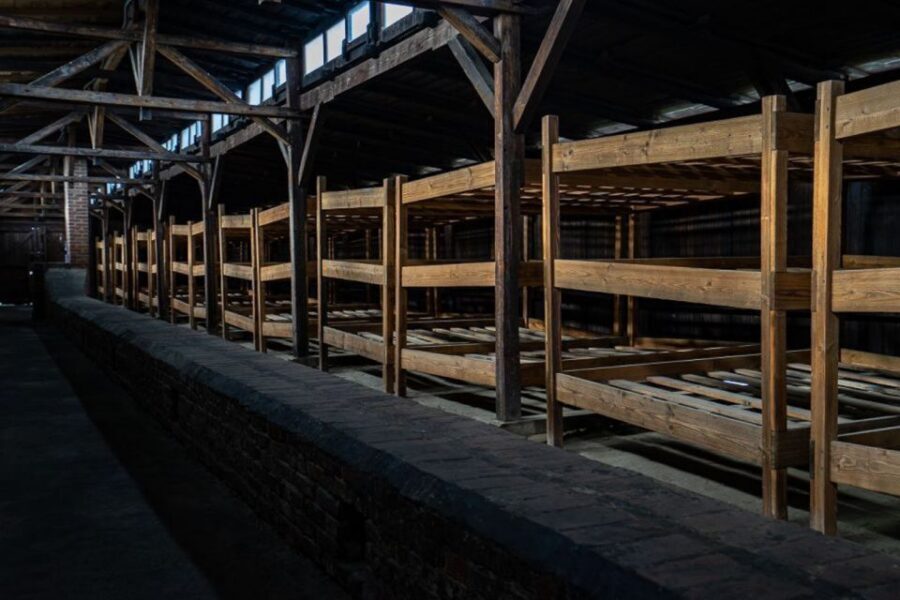
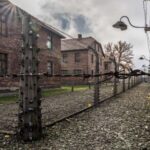
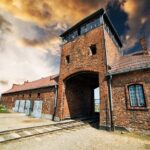
The day is designed so you’ll see original roads, fences, watchtowers, and gas chambers. Those are not just background elements. They shape how you understand the system: distance, control, separation, and the way the landscape supported the camp’s operations.
You’ll also commemorate the victims as you walk through the site. This is one of those times where the tour format helps. You’re guided on where to focus, so you’re not left deciding what matters most while trying to handle the emotional weight of the place.


Pacing, crowds, and the one thing that can feel rushed
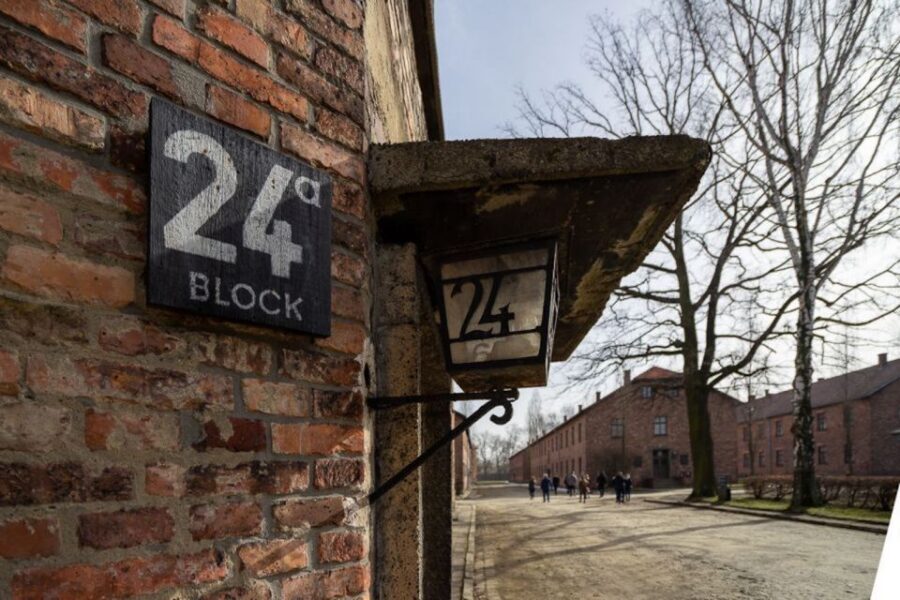
This is a memorial that draws serious crowds. So even with a good guide and a clean plan, the pace can tighten. There’s a specific reality built into the experience: museum visitor service determines the timing and the duration of break periods. Your guide and the tour operator don’t control that.
That explains why some visitors want more stopping time for absorbing what they’re seeing. If you’re the kind of person who likes to stand still and read every sign, be aware you may keep moving and sometimes won’t get the extra minutes you want.
Another timing consideration: the museum preferred tour time may change and is not guaranteed. If that happens, the operator should contact you the day before to confirm a new time. Since the memorial sets the schedule, it’s smart to stay flexible and travel light emotionally—this is a day where going with the flow helps.
Comfort rules: what to bring and what to avoid
This is the part that can trip people up, so double-check before you leave Krakow.
Bring: a passport or ID card. Entrance can be refused if the name you booked with doesn’t match exactly the name on the ID you use at entry.
What’s not allowed: luggage or large bags, sleeveless shirts, alcohol and drugs, and explosive substances. The sleeveless shirt rule is easy to miss if you’re coming straight from Krakow in warm weather. Plan for a shirt with sleeves.
Also, think practical: if you’re traveling with a big daypack, you may need to rethink what you carry. You’ll want to travel light so you don’t deal with stress at the gate.
Where this tour fits best in your Krakow itinerary
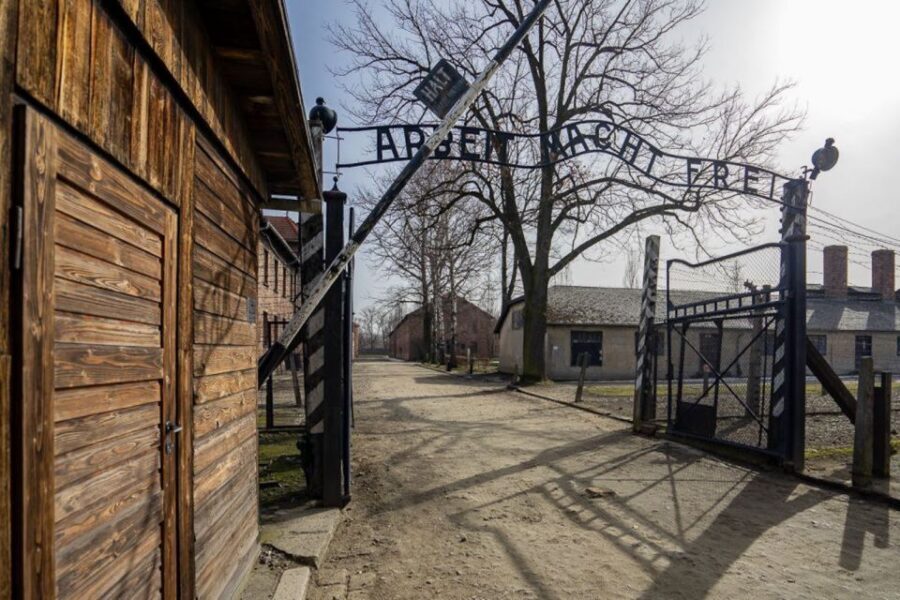
This kind of trip is best when you treat it as a main event, not a side quest between lighter sightseeing.
It’s a full 7-hour day, and you’re covering both Auschwitz I and Birkenau. That means you’re going to be mentally busy and emotionally impacted. If your schedule includes a busy evening right after, you might feel rushed. I’d plan for a slower night back in Krakow—dinner without running across the city.
It’s also not suitable for children under 14. If you’re traveling as a family with younger kids, you’ll need another option.
The tour is offered in German, English, and French. If language matters for your understanding, this is a good sign: you can pick the language you’re most comfortable processing difficult material in.
The guides matter: what makes this experience feel strong
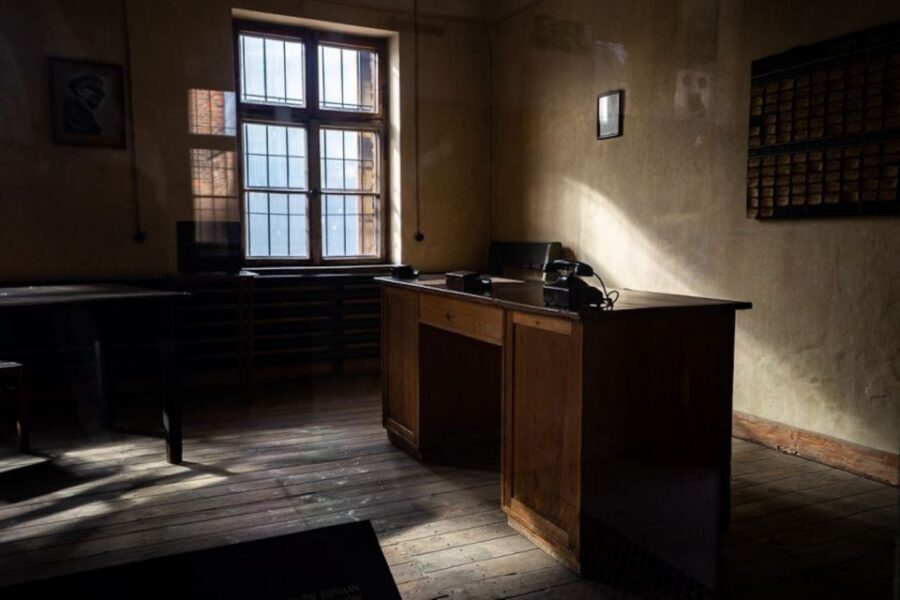
A licensed guide is the heart of this tour, and that shows in the way it’s run. People often comment on clear guidance and strong communication, and that’s not an accident.
Some groups have been led by guides such as Anna, and pickup drivers have included names like Tony. Those aren’t the point, but they’re evidence of the staffing approach: drivers handle the transit calmly, and the guide handles the interpretation of the memorial complex.
One small but important detail: the headset. At Auschwitz-Birkenau, the environment can be noisy and crowded, and good audio helps you stay focused on the guide’s explanations instead of straining to catch words.
Should you book this Auschwitz-Birkenau tour from Krakow?
If you want a day that balances structure with context, I think this is a strong choice. You get Auschwitz I Museum plus Birkenau in one day, with a licensed guide and headsets. The plan reduces the biggest headache: figuring out how to understand what you’re seeing while you’re there.
I’d book it if:
- You want guided history, not solo wandering.
- You value efficient transport from Krakow and don’t want to manage transit logistics.
- You’d rather trust a licensed guide than guess your way through the site’s meaning.
I’d think twice if:
- You need extra, unhurried stops to read everything on your own. The memorial pace and crowds can limit lingering.
- Your schedule is fragile. Time slots can change if the memorial adjusts operations, and the preferred time isn’t guaranteed.
If you’re coming from Krakow and you’re committed to doing this visit with care, this tour’s value is in its guided flow—organized enough to keep you steady, thoughtful enough to keep the focus on what the place represents.
FAQ
FAQ
How long is the Auschwitz-Birkenau day tour from Krakow?
The duration is listed as 7 hours.
Does the tour include hotel pickup and drop-off in Krakow?
Hotel pickup and drop-off are included if you select that option.
What’s included with the guided portion?
You’ll have a local licensed guide, entrance to the Auschwitz I Museum and exhibits, transportation in an air-conditioned car, and a headset to hear the guide.
Is lunch provided?
A fresh-made lunch box is included if you select the lunch option.
What languages is the tour guide available in?
The live guide is available in German, English, and French.
What should I bring for entry?
You should bring a passport or ID card.
What items are not allowed?
Luggage or large bags, sleeveless shirts, alcohol and drugs, and explosive substances are not allowed.
Is the tour suitable for children?
It is not suitable for children under 14.
Can the tour start time change?
Yes. The museum preferred tour time may change and is not guaranteed. If changes happen, the operator will contact you the day before to confirm the new time.
Is this tour refundable if plans change?
No. The activity is non-refundable.