REVIEW · KRAKOW
City Pass with almost 40 Museums and Attractions
Book on Viator →Operated by DISCOVER CRACOW · Bookable on Viator
Forty-plus stops with one card. The KrakowCard is your entry ticket to a long list of Krakow museums plus unlimited public transport for 1, 2, or 3 days. I like the variety a lot: you can go from Schindler’s Factory to Jewish Krakow sites without buying separate admissions. I also like the freedom of moving around by tram when you feel like it. One note: the bus system can be confusing if you jump in cold, so give yourself a little time to get your bearings.
The pass works on your schedule, not someone else’s. You validate the card when you exchange it, sign it to activate it, and then you choose which days to use it after that. The only downside I’d watch for is that some stops are short and specific, so you’ll want to group them rather than treat every location like a full-day museum.
In This Review
- Key Points You’ll Care About
- Price and Value: When $27.21 Actually Makes Sense
- Getting Your KrakowCard at Krakville Tours (Sienna 17)
- Using the Card at Ticket Offices Without Stress
- Transit Freedom: Trams and Buses for a Krakow Museum Day
- Your Museum Mix: Stop-by-Stop Guide That Helps You Plan
- Archaeo-to-Ritual Starts: Easy Openers for Day One
- Art and Memory Through People and Places
- Krakow National Museum Homes: Portraits of Polish Artists
- Contemporary and Photography Stops That Break Up the Heaviness
- Schindler’s Factory: The Big, Moving One
- More National-Museum Options If You Want More Indoors
- Old Town Walls, Towers, and Hidden Layouts
- Hill Views: The Outside Stop That Complements Museums
- Jewish Krakow and Synagogue History
- WWII-Specific Stops You Should Not Skip
- Where Czech-Style Strength Meets Local Polish Modernism
- Museums That Add Special Themes (Aviation, Geology, Archaeology)
- Churches and Legends: Finishing Touches
- Practical Note: If a Museum Appears Multiple Times
- How to Build a Realistic 1-Day, 2-Day, or 3-Day Plan
- 1 day: Pick 4 to 6 high-impact stops
- 2 days: Mix neighborhood clusters
- 3 days: Add WWII + modern Poland breadth
- Who This Pass Fits Best
- Should You Book It?
- FAQ
- What’s included with the Krakow Museums and Transport Pass?
- How long is the pass valid once I exchange and activate it?
- Do I get unlimited public transport with the pass?
- Where do I collect the KrakowCard and what are the hours?
- Do I need to book anything in advance for Rynek Underground?
- How do I get into museums once I have the card?
- What’s the cancellation policy?
Key Points You’ll Care About
- Choose your days after validation, so you can match the pass to your real plans
- Unlimited trams and buses save time between far-flung districts
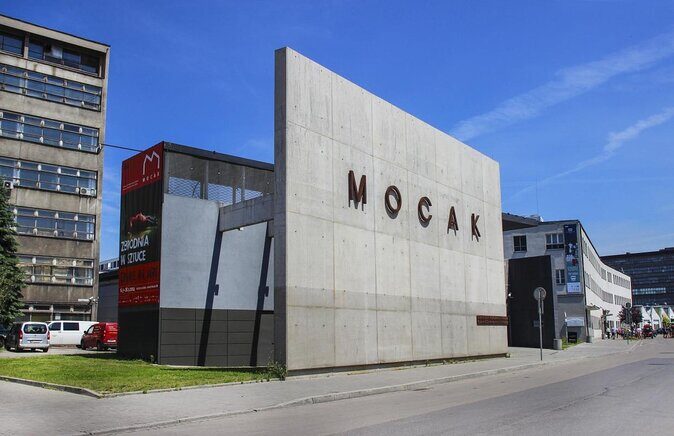
- Big-hit museum options include Schindler’s Factory and MOCAK
- Some sites are timing-sensitive, like Rynek Underground which needs an entrance booking
- Short stops add up, so plan clusters to avoid hop-and-drop fatigue
- Price is easiest to justify when you hit several major museums, not just one
Price and Value: When $27.21 Actually Makes Sense
At $27.21 per person for 1 to 3 days, this pass is built for people who want to visit multiple places in a tight window. The deal gets better the moment you commit to more than a couple of paid attractions—because you’re also getting unlimited city transport thrown in.
If you’re the type who likes a museum in the morning, something different in the afternoon, and then a low-effort stop before dinner, this fits your style. If you’re more of a one-museum-and-done traveler, you may feel like you paid for time you didn’t use. The sweet spot is a plan that uses the card on most of your travel days.
You can also read our reviews of more city tours in Krakow
Getting Your KrakowCard at Krakville Tours (Sienna 17)
You collect the KrakowCard from Krakville Tours at Sienna 17. Hours listed are 08:00 to 22:00 every day, and you’re told it’s near public transportation, which helps if you’re arriving by tram or bus.
At the exchange, the card needs to be validated. Then you can select the days you’ll use it (starting from the day of issuing the card), and after you sign it, it’s activated. This is one of the most useful parts of the pass: it prevents you from wasting value on days you end up changing.
Using the Card at Ticket Offices Without Stress
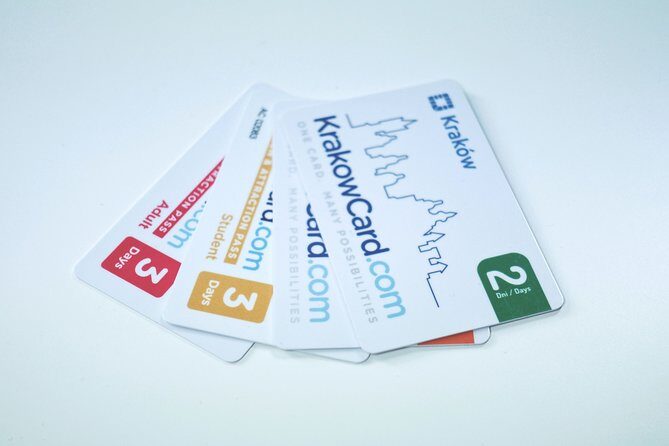
Admission is possible when you show the card at the ticket office. That means you’re not dealing with complicated phone apps or printed vouchers at each site. Bring your card and keep it handy.
For one stop, you do need an extra step: Rynek Underground says to make sure you book an entrance before visiting. Everything else is presented via the card at ticket offices, based on what’s stated in the pass description.
Transit Freedom: Trams and Buses for a Krakow Museum Day
The pass includes unlimited public transport, but the real value is how it changes your choices. Instead of squeezing everything into one walkable zone, you can spread out across the city and still keep your day moving.
The one caution is how you navigate the system. One comment I’d take seriously is that figuring out the bus network can feel frustrating at first. My practical advice: start with tram routes early in your trip, then let buses become your backup when a tram doesn’t go where you want. Give yourself your first day to learn rather than treat the first hour like a final exam.
Your Museum Mix: Stop-by-Stop Guide That Helps You Plan
Below is a “how to use this card” guide to the stops included, with what each one tends to feel like and where it helps your day. Many visits are listed as 30 minutes to 2 hours—so you can build a realistic plan instead of stacking too much.
You can also read our reviews of more museum experiences in Krakow


Archaeo-to-Ritual Starts: Easy Openers for Day One
- Archaeological Museum (1 hour): A solid warm-up. It’s a good way to understand how Krakow’s Main Square area evolved before you tackle larger history topics.
- Eagle Pharmacy – Museum of Krakow (30 minutes): Short, focused, and often easier to fit in between bigger sites. It gives you a different angle on city life than a traditional museum.
- Church of St. Adalbert (30 minutes): Quick and connected to the city’s layers. If you like seeing how archaeology can be tucked inside a working church, this works well.
Art and Memory Through People and Places
- Cricoteka – Centre for Documentation of the Art of Tadeusz Kantor (30 minutes): If you’re into theater and performance history, this is the kind of stop that makes Krakow feel creative, not just historic.
- Ethnographic Museum (1 hour): A nice counterweight to WWII and politics-heavy places. It can help you slow down and see how everyday culture shaped the region.
- Galicia Jewish Museum (1 hour): A major history-oriented stop. Plan time here if you want more context than a quick look.
- Home Army Museum (Muzeum Armii Krajowej) (1 hour): A direct look at resistance history. I’d give it the full hour so it doesn’t feel rushed.
Krakow National Museum Homes: Portraits of Polish Artists
- House of Jan Matejko – Krakow National Museum (30 minutes): Ideal if you want a compact artist’s-world stop. You can move on without draining your day.
- Jozef Mehoffer House – Krakow National Museum (30 minutes): Another artist-focused visit that tends to feel personal and specific. Pair it with other art stops for flow.
Contemporary and Photography Stops That Break Up the Heaviness
- MOCAK Museum of Contemporary Art in Krakow (2 hours): Give it room. Contemporary art can take longer than you expect, and two hours is a realistic target if you don’t want to skim.
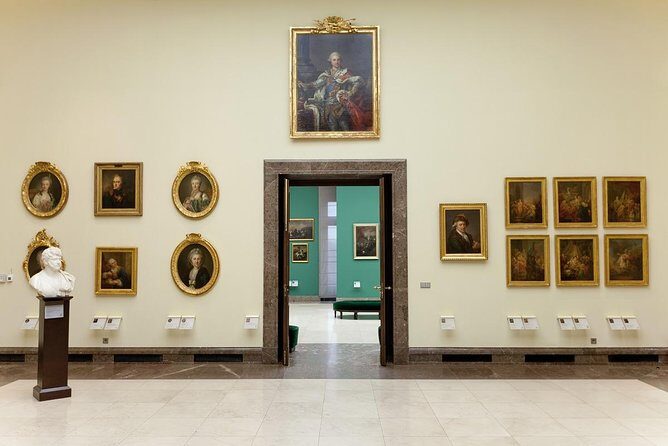
- Museum Gallery of the 19th Century Polish Art (1 hour): Classic art museum pacing. It’s a calm, structured choice between louder history sites.
- Muzeum Fotografii w Krakowie – MuFo Jozefitow (1 hour): Photography can be a breather after dense subject matter. This one often works well mid-afternoon when your feet start negotiating with you.
Schindler’s Factory: The Big, Moving One
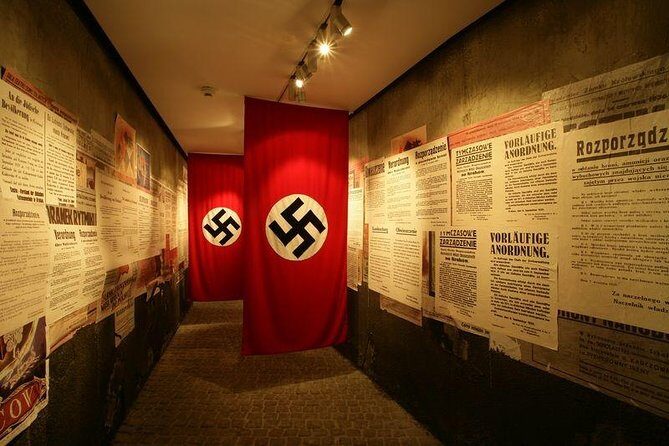
- Fabryka Emalia Oskara Schindlera (2 hours): This is the stop most worth prioritizing. It’s emotionally heavy, and the two-hour slot makes sense so you’re not forced into a fast read. If you only do one “must” museum, I’d choose this one.
More National-Museum Options If You Want More Indoors
- National Museum in Krakow (1 hour): A flexible stop if you want variety and don’t want to micromanage galleries.
- The Archdiocesan Museum (1 hour): Another indoor option that can add depth to the city’s religious and cultural story.
- Bishop Erazm Ciolek Palace – National Museum in Krakow (1 hour): A palace setting can make a museum feel more textured, even when the content is what you’re really here for.
- Kamienica Hipolitow-Muzeum Krakowa (1 hour): A historic building visit that’s easy to combine with other old-town stops.
- Europeum Center of European Culture – National Museum in Krakow (2 hours): If you want a broader European angle, this can expand your frame beyond local events.
Old Town Walls, Towers, and Hidden Layouts
- Barbican, Museum of Krakow (1 hour): Great for people who like fortifications and city-defense stories. It’s also a strong “see Krakow” stop because of the location and structure.
- Museum of Krakow Town Hall Tower (1 hour): A good pick if you want views and a sense of the city’s layout from above.
- Rynek Underground (2 hours): This is the one you should plan carefully because you’re told to book an entrance before visiting. It’s built for visitors who like history you can’t see on the street.
- Muzeum Krakowa – Mury Obronne – Ramparts (City Defence Walls Krakow) (30 minutes): Short and practical if you’re moving between major squares and want a quick dose of defensive architecture.
- Muzeum Krakowa – Celestat (30 minutes): A compact stop that fits well when you want something different without taking over your whole afternoon.
Hill Views: The Outside Stop That Complements Museums
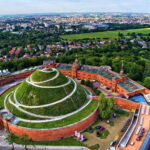
- Kosciuszko’s Mound (Kopiec Kosciuszki) (30 minutes): Perfect as a reset button between indoor sites. It’s short enough to still keep your day full, and the change of pace helps.
Jewish Krakow and Synagogue History
- Muzeum Krakowa – Stara Synagoga (1 hour): A key stop for understanding the city’s Jewish heritage. Plan to slow down and read rather than just pass through.
WWII-Specific Stops You Should Not Skip
- Muzeum Krakowa – Ulica Pomorska – Pomorska Street (Former Nazi Prison during II WW) (1 hour): Direct, serious, and best done with full attention.
- Podziemna Nowa Huta – Muzeum Krakowa (Branice, Nowa Huta District) (1 hour): A strong choice if you want a different kind of history location—more underground, more layered.
- Muzeum Nowej Huty – Muzeum Krakowa (1 hour 30 minutes): The description links it to Cold War and socialism. If you want the post-war story rather than only wartime, this is a smart add-on.
Where Czech-Style Strength Meets Local Polish Modernism
- Wyspianski Museum – Szolayski Tenement House (30 minutes): A quick route into the work and home setting of important Polish art themes.
- Rydlowka – Rydel’s Museum of Polish Modernism (30 minutes): Modernism in a house setting tends to feel more personal than a traditional gallery.
- Hutten-Czapski Museum (30 minutes): Another compact stop that’s easy to pair with nearby art/museum options.
Museums That Add Special Themes (Aviation, Geology, Archaeology)
- Polish Aviation Museum (1 hour): Great if you like technology and objects. It also gives you a break from human-history museums.
- Geological Museum of the Polish Academy of Sciences (History of the Academy of Mining and Metallurgy Museum) (30 minutes): A shorter science stop that works if you want something hands-on or curiosity-driven.
Churches and Legends: Finishing Touches
- Church of St. Adalbert (1 hour 30 minutes): This stop includes an archaeological exhibition in the basement with traces of floors and Romanesque wall details. It’s longer than the other St. Adalbert entry, so if you want the deeper archaeological look, give it the longer time slot.
- Legends of Cracow (Legendy Krakowa) – robotic show (20 minutes): A fun, quick finale when you want something lighter after history museums. It features stories like the Wawel Dragon and the Sigismund Bell.
Practical Note: If a Museum Appears Multiple Times
The Museum Gallery of the 19th Century Polish Art is listed twice with different times (1 hour and 1 hour 30 minutes). Treat that as permission to choose how long you want to linger. If you like art, take the longer slot; if you’re museum-fatigued, keep it to one hour.
How to Build a Realistic 1-Day, 2-Day, or 3-Day Plan
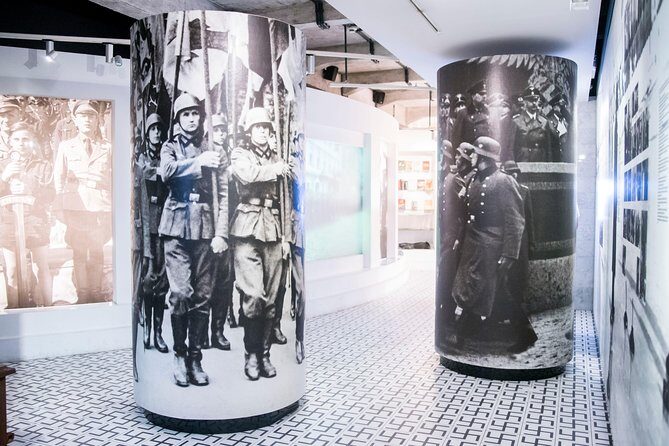
The pass is valid for 1, 2, or 3 days starting from the day of issuing the card, and most stops are 30 minutes to 2 hours. So you’re not forced into a rigid schedule—you’re building a day.
1 day: Pick 4 to 6 high-impact stops
- Anchor your day with Fabryka Emalia Oskara Schindlera (2 hours) or MOCAK (2 hours).
- Add one history stop like Pomorska Street or Galicia Jewish Museum.
- Add one compact museum like Eagle Pharmacy or Celestat.
- Finish with Legends of Cracow if you want a quick, low-effort ending.
2 days: Mix neighborhood clusters
- Day 1: old-town energy (Barbican, Town Hall Tower, Stara Synagoga, Ramparts).
- Day 2: heavier memory + art (Schindler’s Factory, MOCAK, MuFo, plus one science/short stop like the Aviation or Geological museum).
3 days: Add WWII + modern Poland breadth
- Keep your first day focused on major city context.
- On day 2, add the modern and contemporary layer (MOCAK, Cricoteka, photography, modernism houses).
- On day 3, lean into WWII and Cold War themes (Pomorska Street, Nowa Huta Museum, Podziemna Nowa Huta).
Who This Pass Fits Best
This card is best for you if you like independent travel and you want to make Krakow feel big without making your schedule feel tight. It’s also strong for visitors who want to visit multiple museums and still rely on local transport to move between districts.
If you prefer guided tours with a single route and a set narrative, this might feel like it leaves too much decision-making on your plate. And if you’re hard to please with small or very specific museums, you’ll want to choose your shortlist carefully.
Should You Book It?
I’d book it if you’re planning to use the card on most days you’re in Krakow and you want serious value from museum hopping plus unlimited trams and buses. The pass feels especially worth it when you include Fabryka Emalia Oskara Schindlera, because that one alone sets the emotional and historical tone for a trip.
I’d skip it if your plan is light—like one main museum, a few walks, and early nights. In that case, the transport pass might be the only part you fully use, and the rest may sit idle.
FAQ
What’s included with the Krakow Museums and Transport Pass?
It includes admission tickets to all listed museums and attractions, plus a public transport pass for Krakow.
How long is the pass valid once I exchange and activate it?
The card is valid for 1, 2, or 3 days starting from the day of issuing the card. You choose which days you’ll use it, after validation and signing.
Do I get unlimited public transport with the pass?
Yes. Unlimited public transport is included, and it’s stated as only with the CityPass.
Where do I collect the KrakowCard and what are the hours?
You can collect the KrakowCard from Krakville Tours, Sienna 17, 08:00–22:00 every day.
Do I need to book anything in advance for Rynek Underground?
Yes. Rynek Underground notes that you should make sure to book an entrance before visiting.
How do I get into museums once I have the card?
Admission is possible by presenting the card at the ticket office.
What’s the cancellation policy?
Free cancellation is available. You can cancel up to 24 hours in advance of the experience for a full refund. If you cancel less than 24 hours before the start time, the amount paid is not refunded.