REVIEW · OSWIECIM
Auschwitz-Birkenau: Skip-the-Line Entry and Guided Tour
Book on GetYourGuide →Operated by City Break s. c. · Bookable on GetYourGuide
Waiting outside Auschwitz can feel endless. This tour is built for skip-the-line entry and a structured visit through Auschwitz-Birkenau with an official guide, so you spend more of your time actually learning and less time stuck in queues. I also like that you start with a local host who helps you get oriented fast.
What I really appreciate is the pacing: you get enough time at Auschwitz I (about 1.5–2 hours) and then a focused block at Birkenau (around 60–75 minutes). You’re in a group of up to 30 people, and the format stays organized and calm even though the subject is heavy.
One drawback to consider: this is an emotional, somber visit with a set timeline of roughly 3.5 hours, and it’s not suitable for children under 10. If you’re hoping for a completely unstructured, slow, solo experience, this may feel a bit guided.
In This Review
- Key takeaways before you go
- Where you meet for Auschwitz-Birkenau and how check-in feels
- Local host first, then follow an authorized official guide
- Auschwitz I: a focused 1.5–2 hour block that keeps you grounded
- The short coach ride and the 15-minute reset you actually need
- Birkenau: 60–75 minutes at the memorial site with a guided frame
- Timing, tour length, and why the full 210 minutes is built that way
- Pricing and value: what you’re really paying for at $56
- Who this Auschwitz-Birkenau tour suits best
- Rules and what to pack so the day stays smooth
- A calm, organized approach to a heavy subject
- Should you book this Auschwitz-Birkenau skip-the-line guided tour?
- FAQ
- How long is the Auschwitz-Birkenau skip-the-line guided tour?
- Where is the meeting point for this tour?
- Where does the tour start from?
- Does the tour include skip-the-line entry?
- How much time do you spend at Auschwitz I and Birkenau?
- Is there transportation between Auschwitz and Birkenau?
- Is food included in the price?
- What languages are the live guides offered in?
- What do you need to bring, and what is not allowed?
Key takeaways before you go
- Skip-the-line entry cuts down the waiting time at the Auschwitz-Birkenau entrance.
- Official Auschwitz-Birkenau guiding leads you through Auschwitz I and Birkenau with clear interpretation.
- Smart time split gives you about 1.5–2 hours at Auschwitz I and 60–75 minutes at Birkenau.
- Short coach ride plus break helps you reset between Auschwitz and Birkenau.
- Up to 30 people keeps it manageable without turning it into a crowd crush.
Where you meet for Auschwitz-Birkenau and how check-in feels
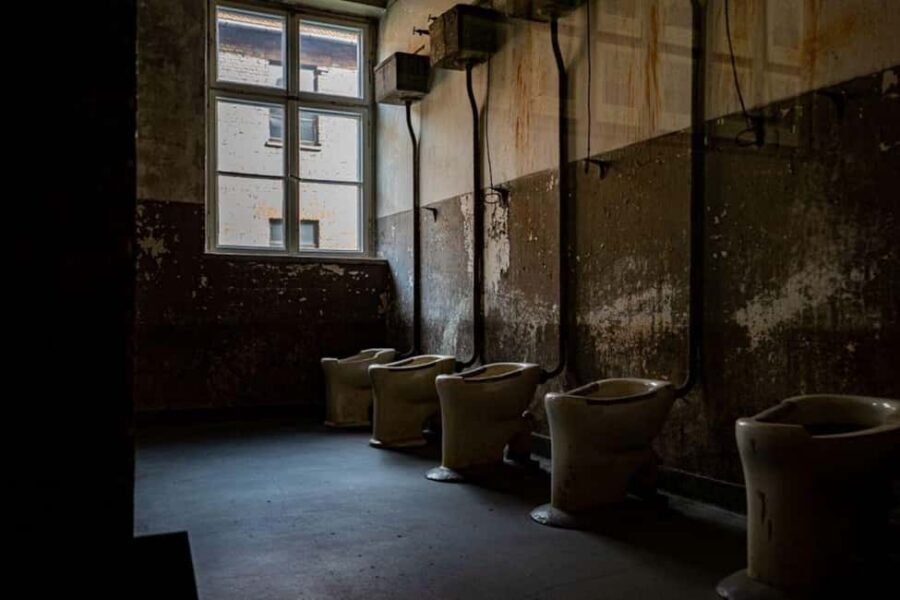
The logistics here matter because Auschwitz-Birkenau attracts lines. You meet your local host at the Birkenau Bus Parking area in front of the Bazylia restaurant, and the tour also lists Męczeństwa Narodów 14 as the starting location. The practical win is that you’re not trying to find your own way in a busy area before the visit begins.
Bring your passport or ID card. It’s explicitly required (and the same rule applies to children), so don’t assume you can travel with just a photo or a backup document. Also, the visit has rules about what you can’t bring—skip anything sharp or weapon-like, and leave alcohol and drugs at home.
Aim to arrive a few minutes early if you can. With a meeting point tied to a specific restaurant frontage, you’ll save yourself that last-minute stress that nobody needs right before stepping into one of the most serious memorial sites in the world.
You can also read our reviews of more guided tours in Oswiecim



Local host first, then follow an authorized official guide
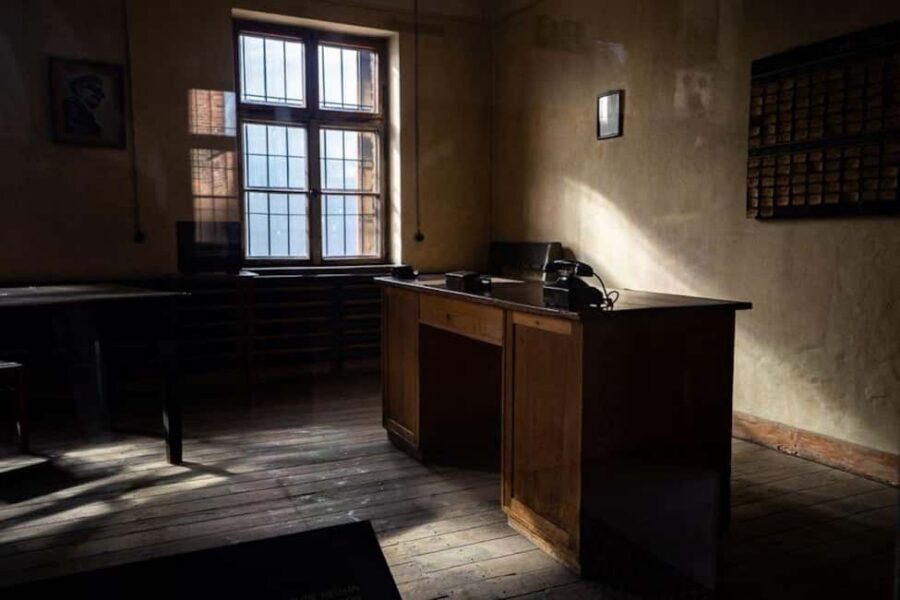
A big reason this tour works for many people is the two-layer guidance. First, a local host meets you at the meeting point and provides tips on how to plan the visit. Then, you follow an authorized official Auschwitz-Birkenau guide through Auschwitz I and Auschwitz II–Birkenau.
Group size is capped at up to 30, which keeps the experience from turning into chaos. The tour is offered with live guiding in German, English, and French, so you should be able to choose a language that helps you follow the explanations clearly.
From the experience feedback, the visit tends to feel organized and not rushed. The guide style seems patient and instructional, which matters because the information isn’t light. When the space and the topic are both intense, clear pacing and good explanations help you stay oriented instead of overwhelmed.
Auschwitz I: a focused 1.5–2 hour block that keeps you grounded
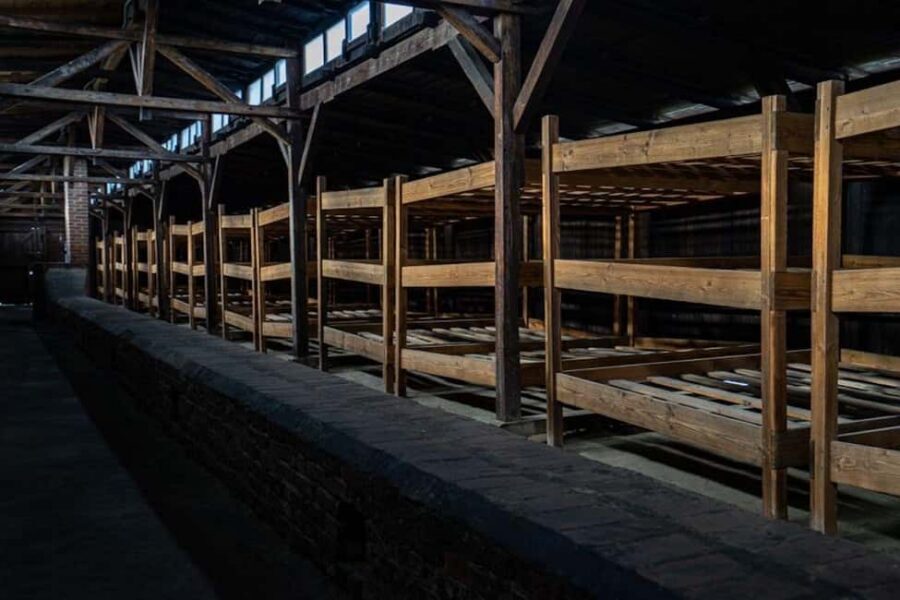
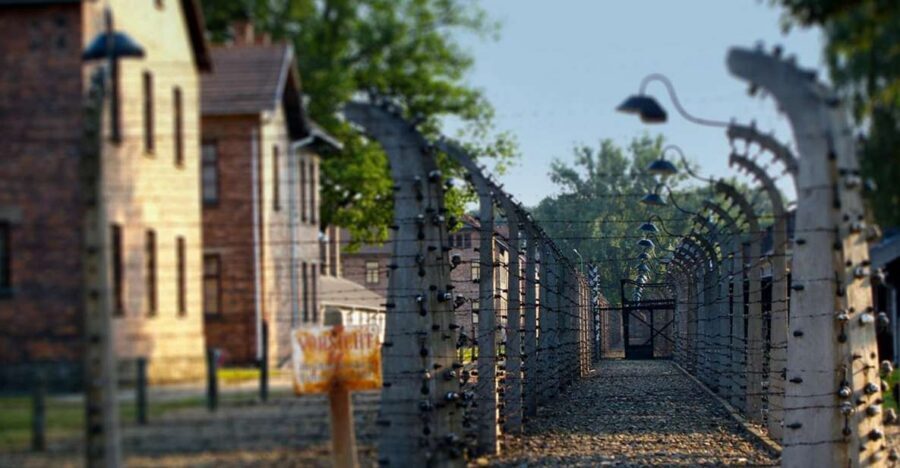
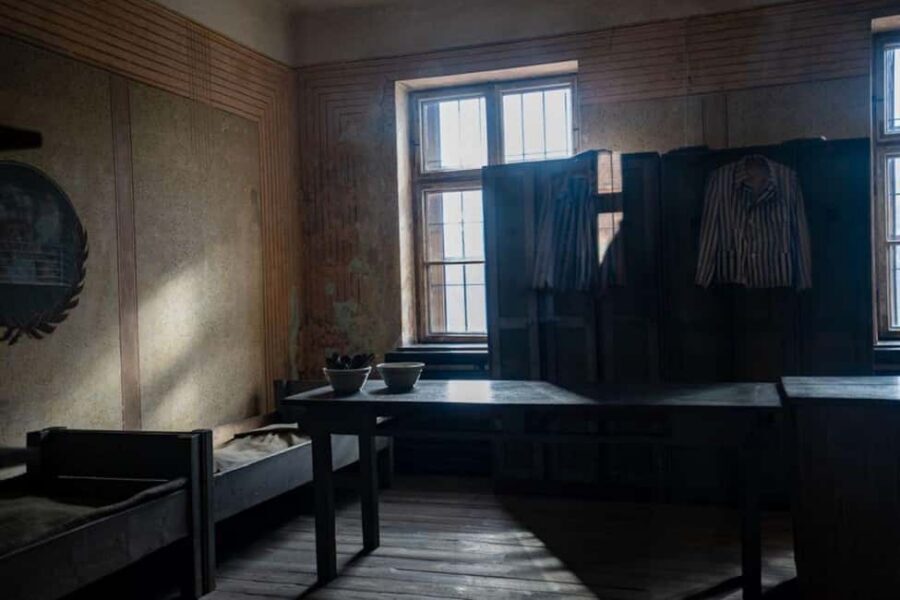
At Auschwitz I, you’ll spend about 2 hours (often described as roughly 1.5–2 hours depending on timing). That duration is long enough to absorb what you’re seeing without turning it into a blur. It’s also short enough that you’re not stuck forever trying to process everything at once.
Expect a somber, museum-style guided experience. The tour’s job here is to give you context as you move through Auschwitz I with the official guide. Your best move is to listen carefully during the explanation moments, then use your eyes for the rest—this isn’t the kind of place where you can multitask without losing meaning.
One practical consideration: because your time is structured, you won’t have unlimited wandering. That can be a positive—especially if you want help interpreting what you’re looking at—but it can feel limiting if you prefer a long, private pace with no group rhythm.
The short coach ride and the 15-minute reset you actually need
Between Auschwitz I and Auschwitz II–Birkenau, there’s a bus/coach transfer of about 10 minutes. That short jump matters because it separates the visit into distinct parts rather than dragging you from one area to the other nonstop.
You also get a break window at Birkenau of about 15 minutes. In a visit this emotional, that little pause can help you regroup—use it to steady your breathing, check your bearings, and get ready for the next guided segment. Don’t treat it as a long rest; it’s more like a small breathing space built into a schedule.
If you’re tempted to use the break to catch up on everything you missed earlier, resist that urge. This tour’s value is that it keeps you moving with the guide’s flow. Your best results come when you stay present during each block and use the short pause simply to reset.
Birkenau: 60–75 minutes at the memorial site with a guided frame
At Birkenau, you’ll have about 80 minutes on the schedule, which translates to roughly 60–75 minutes of visiting time, plus that built-in break. The key is that you’re not asked to do Birkenau as a quick stop. You get time that feels intentional, not token.
The guide will keep you oriented as you go. The tour focuses on learning the somber story of the place, and the official guidance helps you understand what you’re seeing instead of turning it into vague sightseeing.
One subtle benefit of this setup is that you’re less likely to miss the narrative threads. When you’re on your own, you might spend too long chasing details that don’t add up into context. With an authorized guide, you can follow the explanation and let your attention sharpen naturally.

Timing, tour length, and why the full 210 minutes is built that way
This experience runs about 210 minutes, or roughly 3.5 hours total. The schedule is designed around two guided segments, a short transfer, and a brief reset. That’s a lot of structure for a memorial visit, but it’s the kind of structure that can help you stay focused.
One heads-up: the tour starting time may change due to Auschwitz guides availability. That’s normal in a place with official guiding requirements, but it means you should keep your day flexible around your start time. When your slot shifts, the time pressure can feel frustrating—so plan buffer time elsewhere.
Also, remember that the tour doesn’t include food or drinks. If you’re visiting on an active day, eat beforehand or plan a meal after you return to the starting address (listed as Męczeństwa Narodów 14). When the topic is heavy, feeling hungry only adds strain.
Pricing and value: what you’re really paying for at $56
At $56 per person, you’re paying for more than an entry ticket. You’re buying (1) skip-the-line entry, (2) a guided visit through Auschwitz I and Birkenau with an authorized official guide, (3) a local host at the meeting point, and (4) transportation between the two sites.
Here’s how that becomes value in real life: if you arrive during a busy time, time spent waiting is time you can’t get back. Skip-the-line access turns the day from a queue-management task into a learning-focused visit. Meanwhile, the guide reduces the guesswork that often comes with trying to plan a memorial visit on your own.
You’re also protected from some common friction points: group organization, the transfer logistics, and the fact that you’re not trying to coordinate timing across sites yourself. The price is fair if you want a guided, time-managed experience rather than trying to piece together the day from scratch.
Who this Auschwitz-Birkenau tour suits best
This tour is a strong match if you want a guided format and you’d rather not figure out timing and logistics alone. It works well for adults and older teens who can handle an emotionally intense visit and want official interpretation.
It’s also a clear choice if you care about not losing time in queues. The skip-the-line entry plus the local host setup means you spend more of your limited time on site and less of it standing around waiting.
Wheelchair accessibility is listed, which is a major plus for travelers who need it. The group structure and guided pacing can be easier to manage than navigating everything independently.
The one group it’s explicitly not suitable for is children under 10. The tour is emotionally and somber by nature, and the format likely requires a level of maturity to process the content responsibly.
Rules and what to pack so the day stays smooth
To keep the visit from becoming an admin problem, follow the stated rules. Bring your passport or ID card for yourself, and the same for children. Don’t bring weapons or sharp objects. Skip alcohol and drugs—those are not allowed.
Wear practical clothing and shoes, because memorial sites involve walking and standing while the day unfolds. Layers can help too, since weather can shift quickly in outdoor portions and transfers.
One more small tip: since food and drinks aren’t included, plan your timing around meals. If you wait until you’re hungry and uncomfortable, it can make the guided segments harder to concentrate on.
A calm, organized approach to a heavy subject
Even though the subject is devastating, the structure here seems designed to keep things orderly. The visit has clear segments, a reasonable group size, and a guide-led flow that helps you stay oriented. That matters because confusion tends to happen when you’re trying to process a complex story while also trying to find your way.
I also like that you get both layers of help: the local host gives you practical planning tips, and the authorized official guide provides the educational context. It’s a smart pairing for travelers who want meaningful learning without drowning in logistics.
Should you book this Auschwitz-Birkenau skip-the-line guided tour?
Book it if you want to save time, avoid queues, and learn with an authorized official guide in a structured 3.5-hour format. The $56 price makes sense when you factor in skip-the-line entry, guidance, transportation between sites, and that local host support at the start.
Skip it (or look for another option) if you need an unstructured schedule or a longer independent pace. This tour’s timing is set, and the emotional nature of the visit means you’ll want control only if you’re sure you can handle it without guided support.
If you’re visiting as a wheelchair-accessible traveler, this tour is listed as wheelchair accessible, which is a meaningful point in your decision. And if you’re traveling with kids, note the stated limit: children under 10 aren’t suitable.
FAQ
How long is the Auschwitz-Birkenau skip-the-line guided tour?
It lasts about 210 minutes, which is roughly 3.5 hours.
Where is the meeting point for this tour?
The meeting point is at the Birkenau Bus Parking area in front of the Bazylia restaurant.
Where does the tour start from?
The listed starting location is Męczeństwa Narodów 14.
Does the tour include skip-the-line entry?
Yes, skip-the-line entry to Auschwitz-Birkenau is included.
How much time do you spend at Auschwitz I and Birkenau?
You’ll spend around 1.5–2 hours at Auschwitz and about 60–75 minutes at Birkenau, plus a short break at Birkenau.
Is there transportation between Auschwitz and Birkenau?
Yes. Transport between Auschwitz and Birkenau is included by bus/coach.
Is food included in the price?
No. Food and drinks are not included.
What languages are the live guides offered in?
The live guide is available in German, English, and French.
What do you need to bring, and what is not allowed?
Bring your passport or ID card. Weapons or sharp objects and alcohol and drugs are not allowed.