REVIEW · OSWIECIM
Auschwitz-Birkenau: Skip-the-Line Entry Ticket & Guided Tour
Book on GetYourGuide →Operated by KrakowTouring.com · Bookable on GetYourGuide
History hits hardest when you walk the rows. This Auschwitz-Birkenau tour is built for real impact: skip-the-line entry plus a live WWII educator guiding you through Auschwitz I and Birkenau, where the camp layout does the explaining. I especially like how the tour translates heavy facts into what you can actually see on the ground—barracks, preserved areas, and the spaces tied to the Holocaust’s machinery.
My second big win is the practical support: headsets so you can follow the guide even in busy buildings, and a structured flow that keeps you from feeling totally lost. Still, plan for a serious day with a lot of walking and standing, and some parts can feel rushed depending on the group and schedule.
In This Review
- Key takeaways before you go
- Why this Auschwitz-Birkenau guided visit is worth paying for
- Getting in fast: tickets, security, and what to bring (and skip)
- Auschwitz I: passing the Arbeit macht frei gate and reading the camp layout
- The barracks and exhibitions: what to look for when emotion is running high
- The 15-minute break and the move to Birkenau (2 km that matters)
- Birkenau (Auschwitz II): the outdoor scale and why pacing changes everything
- Timing, group flow, and the most common “small annoyances” to plan for
- Languages and communication: how to make the tour feel smooth
- Price and value: what you really get for about $21
- Who should book this Auschwitz-Birkenau tour (and who might not)
- Should you book this Auschwitz-Birkenau guided tour?
- FAQ
- How long is the Auschwitz-Birkenau skip-the-line guided tour?
- What time can the tour start?
- What languages are offered for the guided tour?
- What do I need to bring, and what can’t I bring?
- Is transportation between Auschwitz and Birkenau included?
- Is the tour suitable for children or wheelchair users?
Key takeaways before you go
- Fast-track entry saves you time before you even start processing what you’re about to see
- WWII educator guidance helps connect what’s in front of you to the larger events of World War II
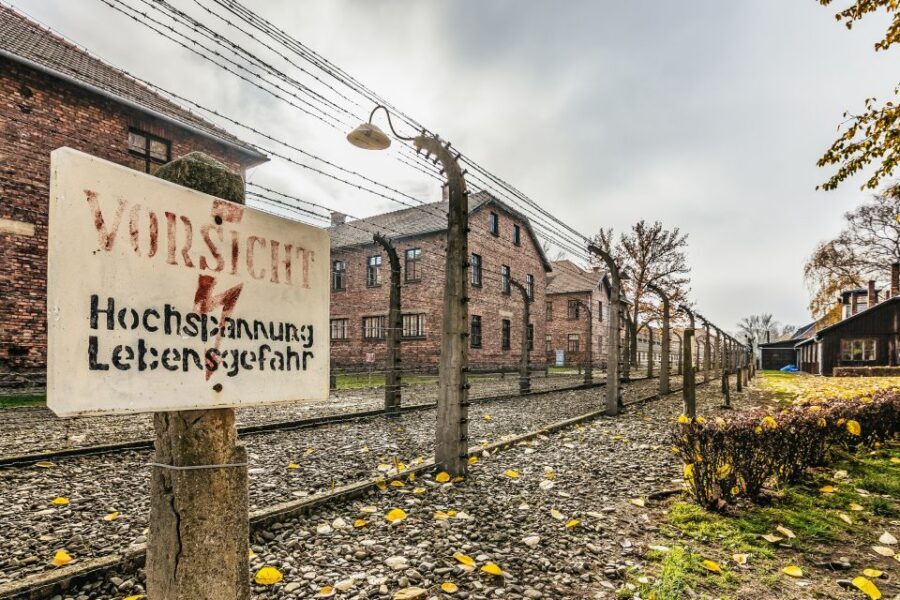
- Auschwitz I preserved sites show the barracks and prisoner conditions up close
- Birkenau’s outdoor scale hits harder because much of it is open-air walking
- Headsets make a big difference in clarity during indoor parts
Why this Auschwitz-Birkenau guided visit is worth paying for
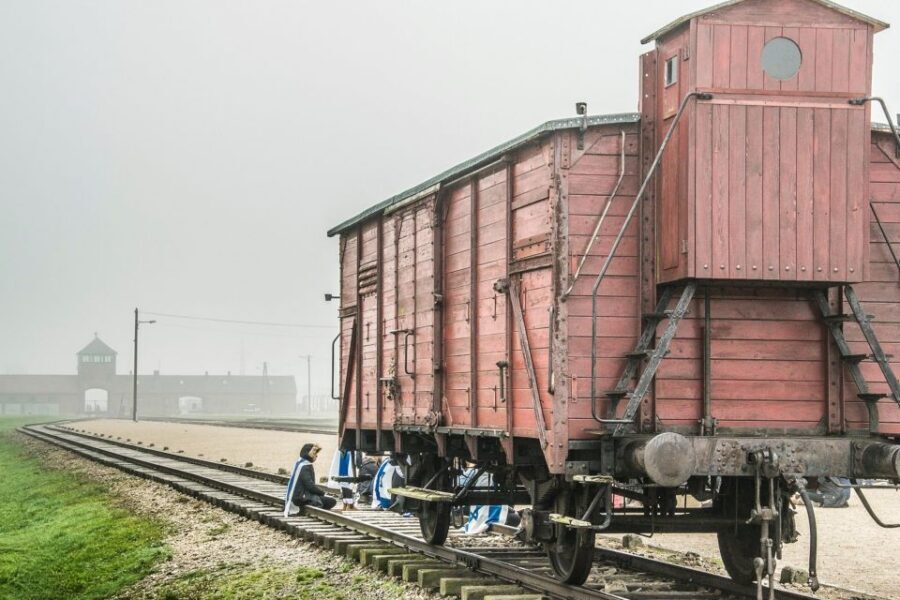
At Auschwitz-Birkenau, the difference between seeing and understanding is usually the guide. This tour isn’t just about getting in. You’re paying for an educator who can explain what you’re looking at—why certain buildings were built, what the camp system was doing, and how that system ties into the Nazi “Final Solution to the Jewish Problem.”
I also like that the experience is organized around a respectful rhythm. You move through Auschwitz I first, then head to Birkenau afterward. That order matters because it helps you get your bearings before the scale expands into the second camp.
One more practical point: the memorial’s setting can be confusing on a first visit. Even if you’ve read about Auschwitz, the physical layout can still feel overwhelming. A good guide helps you connect names, dates, and functions to the actual places—so you don’t leave with scattered impressions.
A few more Oswiecim tours and experiences worth a look


Getting in fast: tickets, security, and what to bring (and skip)
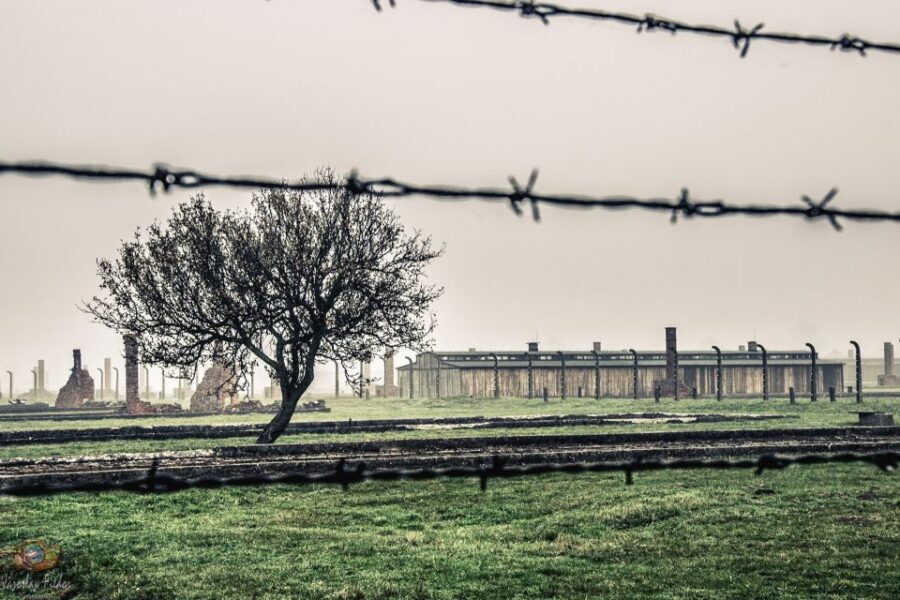
The tour meets near the museum entrance. From there you’ll receive your entrance ticket, pass through security, and join your group. That sounds routine, but at Auschwitz, “routine” becomes the difference between starting your visit on time or burning your morning in queues.
Bring your passport or ID card. Also bring drinks and a packed lunch, because you’ll be out for a few hours. For baggage, keep it simple: large bags and backpacks aren’t allowed, and the maximum permitted size is 20 x 30 cm. If you show up with a bigger bag, you’ll be forced to solve a problem on the spot.
Dress matters too. Short skirts and sleeveless shirts are not allowed, and smoking is prohibited. Pets, alcohol, and drugs are also off-limits. The memorial is strict here, and it’s best to treat that strictness as part of the respect.
Auschwitz I: passing the Arbeit macht frei gate and reading the camp layout
You’ll start by entering Auschwitz I and passing through the infamous Arbeit macht frei gate. Seeing that gate in real life is the kind of moment that feels unreal—because history books usually flatten it. Here, it’s tied to the camp’s preserved structures and the guide’s explanation of how the system worked.
In Auschwitz I, the tour focuses on what’s still there and what it means. You’ll see barracks and learn about the inhuman conditions prisoners were held in. Your educator will also help you understand how the camp functioned as part of the broader Nazi persecution and control.
This is also where the tour’s seriousness shows up. Expect a somber tone and careful wording. In particular, one theme from guide performances is intentional language and room for questions—so you’re not just watching displays, you’re learning how to interpret them.
The barracks and exhibitions: what to look for when emotion is running high
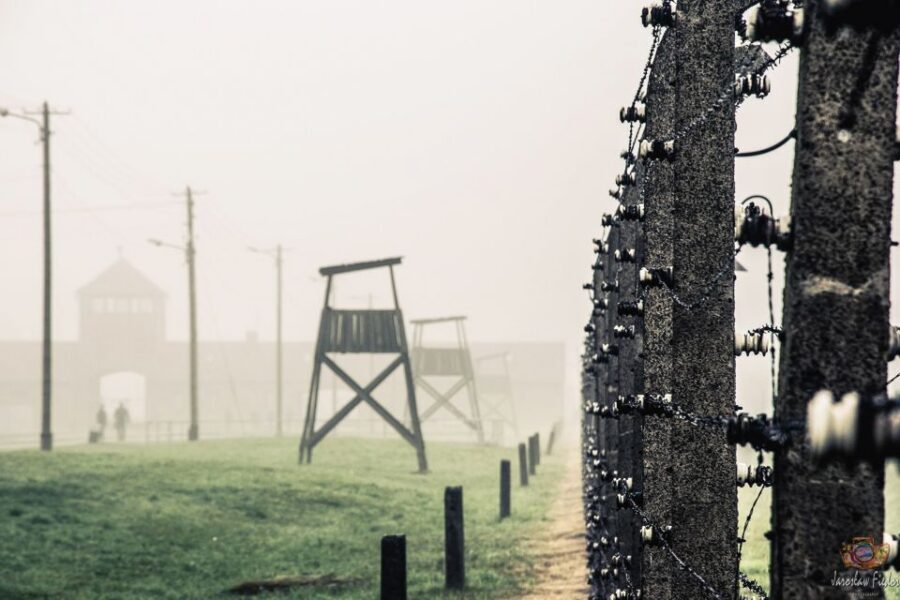
This is the part of the day where you’ll feel the difference between reading facts and confronting them in place. You’ll be inside areas and walking through the camp’s preserved spaces, and your guide’s job is to translate those spaces into clear meaning.
Here’s what I’d focus on while you’re there:
- Listen for how the guide explains daily life inside the camp system, not just the dates.
- Pay attention when the guide points out where photography is not appropriate, since the memorial asks visitors to behave respectfully.
- Take short mental breaks. If you push through with autopilot, you’ll miss the details that make the explanation click.
Bring tissues if you’re the type who gets emotional fast. Even people who think they’re prepared often find Auschwitz sharper than expected. That’s not weakness—it’s the body reacting to what the site communicates.
The 15-minute break and the move to Birkenau (2 km that matters)
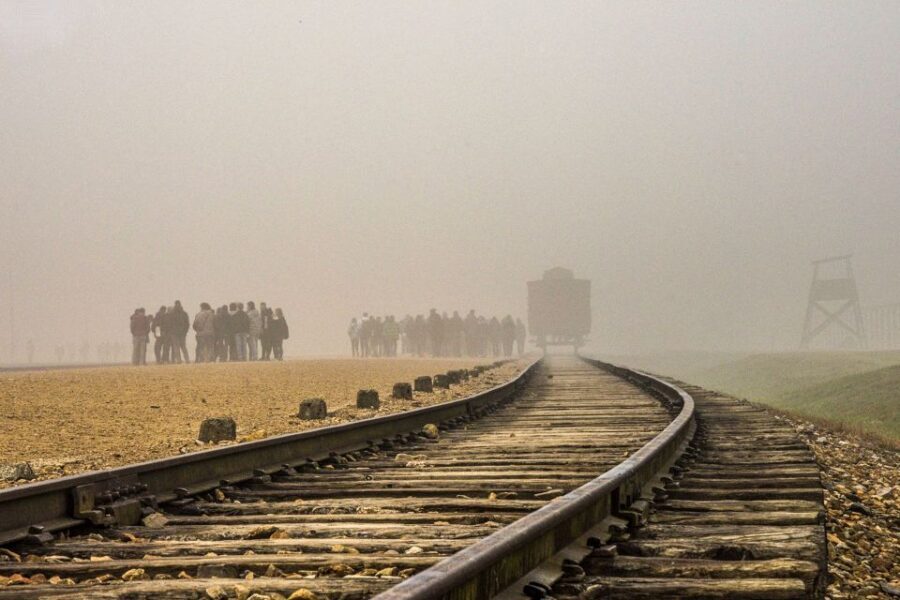
After your time in Auschwitz I, there’s a short 15-minute break. During that break, you’re expected to go to the car parking area in Brzezinka by your own transport, since it’s about 2 km away. If you arrived by public transport, tell your tour leader before the tour starts so they can help you reach Birkenau smoothly.
Transportation between the two camps isn’t included in the tour price, which sounds like a hassle until you learn the key practical reality: there’s usually a bus connection between the sites. One pattern that shows up in real-world visits is frequent shuttle service (often around every 20 minutes), which can make the move easier and cheaper than driving.
Still, don’t treat the break like “free time to wander.” Use it to get sorted quickly—hydration, bathroom stop, and then match back up with your group and timing.
You can also read our reviews of more guided tours in Oswiecim

Birkenau (Auschwitz II): the outdoor scale and why pacing changes everything
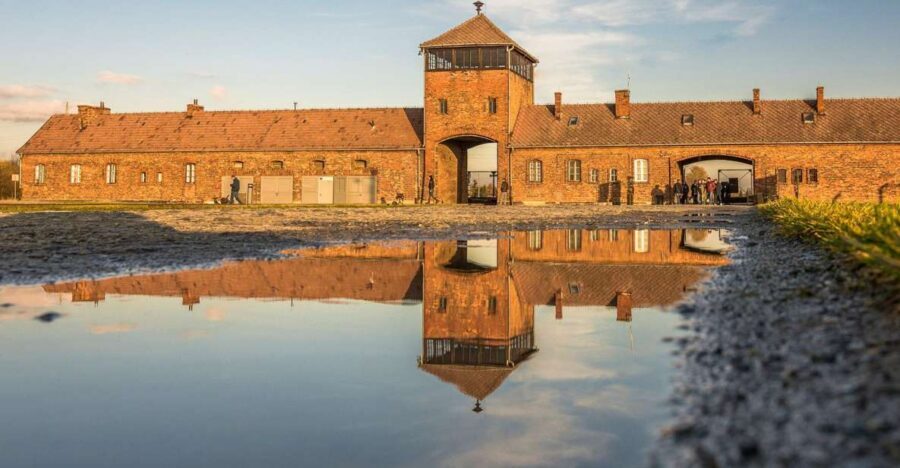
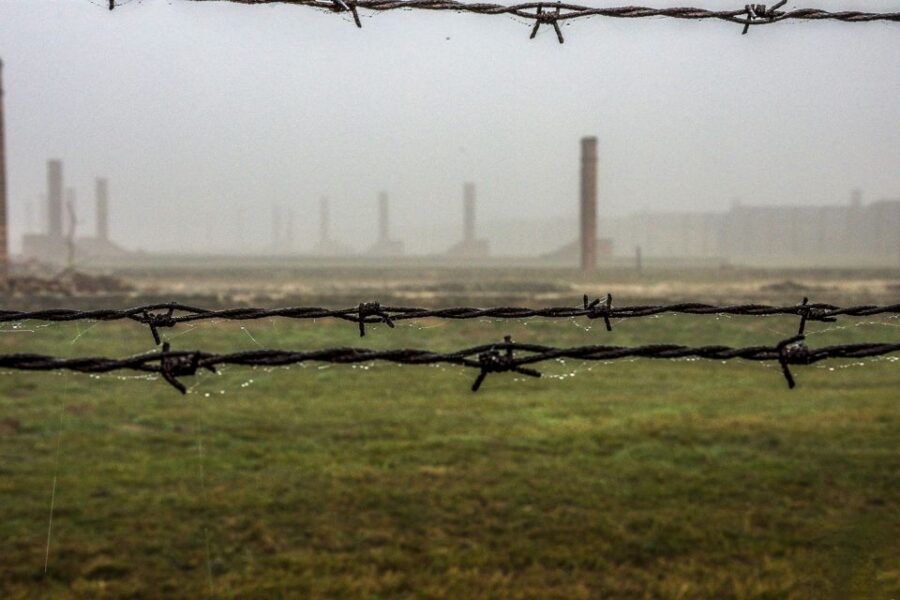
Birkenau is where many people feel the sheer size of what happened. The tour takes you to the second camp where mass murders were carried out as part of the Nazi “Final Solution.” Because much of Birkenau is outdoors, you’ll likely do more standing and walking than in the first camp.
Weather matters more here than you’d think. If you’re visiting in colder months, wear layers and plan for long exposure—people often underestimate how much time they spend outside on memorial ground. Even on mild days, it helps to have warm socks and comfortable shoes.
Also keep your pace calm. In Birkenau, it’s easy to separate from the group if you stop too often to read every sign or if wind and cold make you move faster than you intended. Guides may build in small pauses, but you still need to stay close enough to follow the educator’s explanation and the route the group is following.
If you’re traveling by car, pay extra attention to where your group meets in Birkenau after the break. One frustration that crops up is not finding the guide quickly, which can lead to you wandering and feeling like you missed parts.
Timing, group flow, and the most common “small annoyances” to plan for
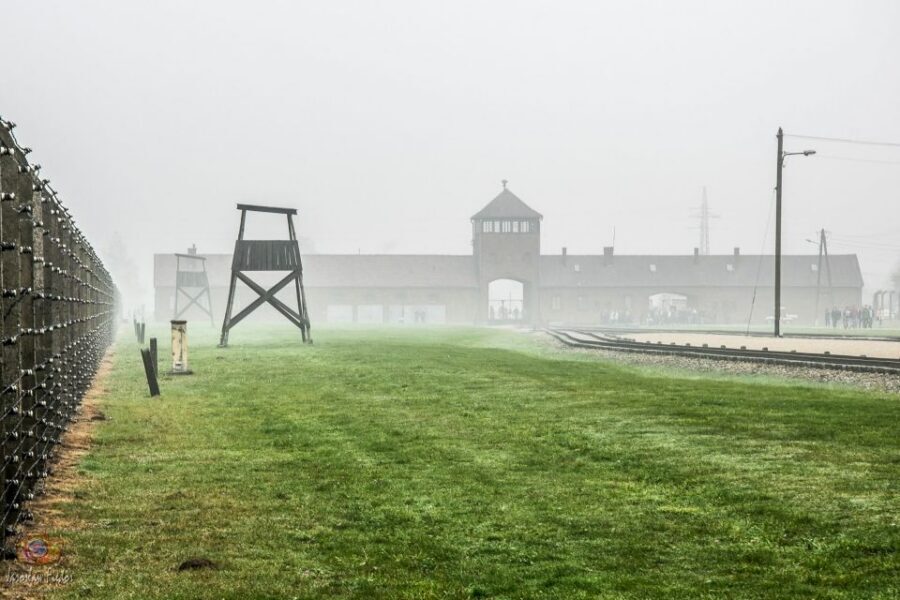
This tour runs for about 210 minutes total, and start times are available between 7:30 AM and 3:00 PM. You choose a preferred time when booking, but the exact starting time is sent to you the day before. That detail matters because travel schedules can get tight quickly.
Some departures have had start-time changes due to demand, and that can squeeze plans if you’ve booked a bus or train immediately after. Build in a buffer so your entire day doesn’t hinge on one exact minute.
Within the tour itself, group pacing seems to be the biggest variable. In general, many guides keep a steady rhythm and answer questions well, but there are also occasional comments about tours feeling rushed in certain buildings or not feeling like enough time to read everything. That’s not a sign to avoid the tour. It’s a sign that you should go in with the right mindset: you’re there for structure and interpretation, not to study every room for an hour.
Languages and communication: how to make the tour feel smooth
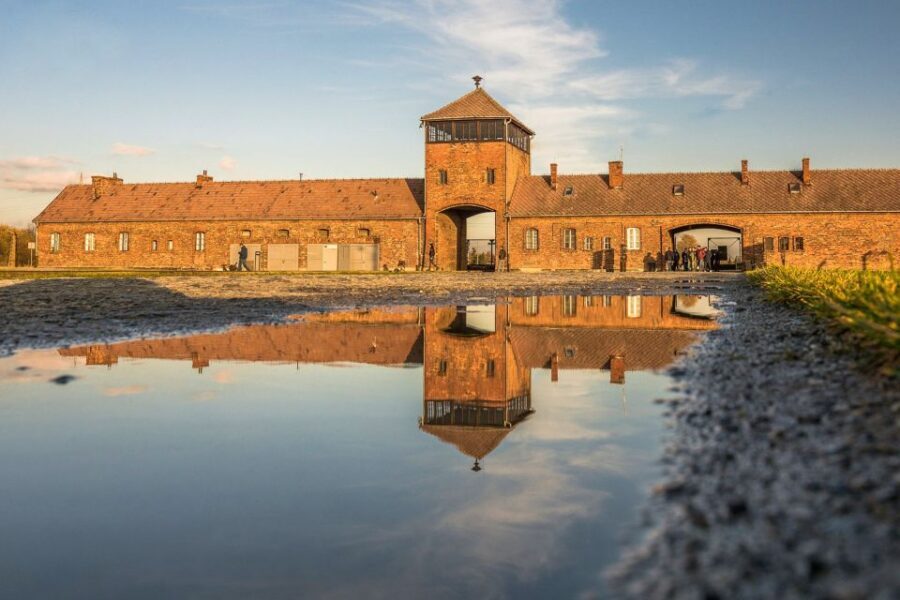
The live tour guide is available in English, German, French, Spanish, and Italian. With headsets provided, you’re not stuck playing the guessing game when the site is busy or echoes indoors.
Communication is also a real part of the value here. People who had smooth experiences often pointed out that the operator kept them informed before the tour and helped them locate the meeting point when things were unclear. So I’d treat this like any guided tour: keep your phone accessible, double-check your meeting instructions the day before, and arrive early enough that you’re not sprinting to catch the group.
And yes, the topic is heavy. Guides can’t make it “easy,” but they can make it clear and respectful. Names that have led groups in the past include Margherita, Jacob, Marta, Magda, and Oscar Crespo. If you get one of the team members known for handling questions and keeping a careful tone, you’ll likely feel more grounded as you move through the site.
Price and value: what you really get for about $21
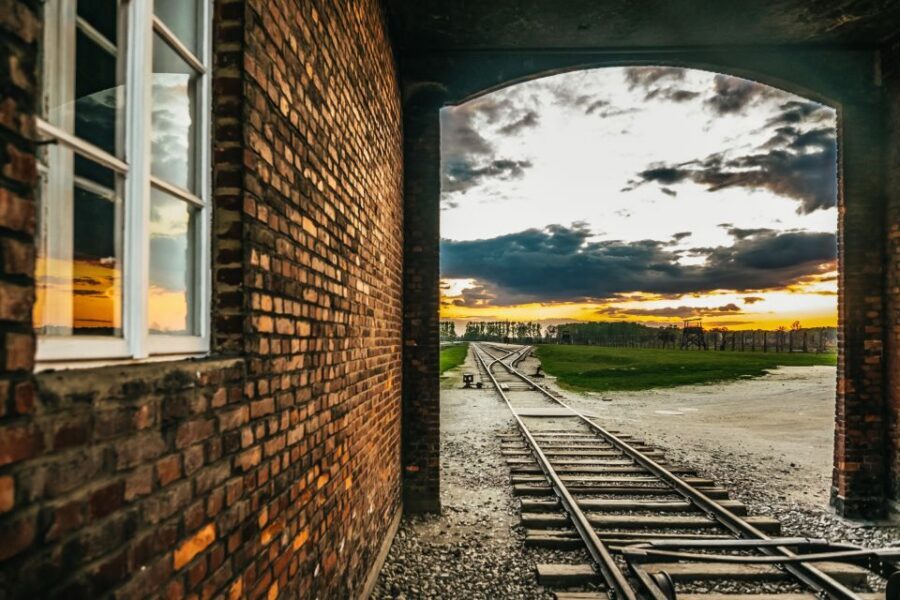
At $21 per person, this ticket can feel like a bargain compared to many “skip-the-line” tours in Europe. But the better way to think about it is this: you’re not just buying entry. You’re buying context, time saved at the gate, and headsets that keep the explanation audible.
Some visitors are surprised that museum admission itself can be free. If that’s true in your case, then your money here is mainly paying for:
- a guided education focused on the Holocaust’s timeline and the camps’ functions
- structured access that reduces friction before you even start walking
- headset support so you can actually follow the guide’s explanations
If you’re fluent in the subject already and you want total self-direction, you might decide you don’t need a paid guide. But if you want the best chance of leaving with understanding instead of just photos and facts on your phone, this is good value.
Who should book this Auschwitz-Birkenau tour (and who might not)
This tour is not suitable for children under 12 and it’s not suitable for wheelchair users. That’s partly due to the walking and partly due to the memorial’s practical needs.
If you’re a first-time visitor who wants a WWII educator to guide you through the preserved areas and explain what you’re seeing, this is a strong fit. It’s also good for couples or solo travelers who like group structure but still want the chance to ask questions and get clarity.
If you’re the type who needs lots of quiet reading time inside each building, you may find the pace a little tight. That doesn’t mean the tour is bad. It means you should manage expectations: this is an interpretive walk with stops, not a slow study session.
Should you book this Auschwitz-Birkenau guided tour?
Yes, if you want the fastest path into the memorial, a guided education that connects the camp layout to WWII events, and the practical comfort of headsets. The skip-the-line value is real, and the educator component is what helps you understand Auschwitz-Birkenau beyond surface details.
I’d especially book if:
- you’re short on time and want a guided route that works between Auschwitz I and Birkenau
- you’d rather spend your energy listening than figuring out logistics
- you want someone to help you interpret what you’re seeing in the barracks and preserved areas
I’d think twice if:
- you need long, unstructured time inside buildings
- you’re sensitive to cold or long outdoor walking
- you know you’ll struggle to stay with a group during transfers
If you decide to go, pack small (within the bag size rules), dress for weather, and give yourself the mental space for an experience that won’t feel like a typical sightseeing day.
FAQ
How long is the Auschwitz-Birkenau skip-the-line guided tour?
The duration is 210 minutes.
What time can the tour start?
Tours can take place between 7:30 AM and 3:00 PM. You choose a preferred start time, and the exact starting time is sent to you the day before the tour.
What languages are offered for the guided tour?
The live guide is available in English, German, French, Spanish, and Italian.
What do I need to bring, and what can’t I bring?
Bring a passport or ID card, drinks, and a packed lunch. Large bags or backpacks are not allowed (maximum permitted size is 20 x 30 cm). Pets are not allowed, and smoking is not allowed. Alcohol and drugs are also not allowed.
Is transportation between Auschwitz and Birkenau included?
Transportation between the Auschwitz and Birkenau camps is not included. After the Auschwitz I visit, there is a short break and you need to go to the car parking area in Brzezinka by your own transport (about 2 km). If you came by public transport, tell your tour leader before starting the tour.
Is the tour suitable for children or wheelchair users?
No. It is not suitable for children under 12, and it is not suitable for wheelchair users.