History hits hard at Auschwitz-Birkenau. This guided visit from Krakow pairs a smooth, early transfer with a structured walk through both Auschwitz I and Birkenau, so you spend less time figuring things out and more time absorbing what you’re seeing.
I love the hotel pickup with an English-speaking driver and a comfortable car/minivan. I also love that the museum portion runs in a small group (around 30) with headphones, so you can actually follow the guide. One possible drawback: it’s early, it’s a lot of walking, and the subject matter is emotionally heavy, so plan your day with care.
In This Review
- Key Highlights Worth Noting
- Getting From Krakow to Auschwitz Without the Stress
- Entering Auschwitz-Birkenau With Tickets and a Real Security Check
- Auschwitz I: A Two-Hour Guided Walk That Puts Meaning in Context
- The 15-Minute Break: A Small Reset Before Birkenau
- Birkenau in About One Hour: What to Expect and How to Pace Yourself
- What the Small Group and English Guidance Actually Do for You
- Timing, Walking, and Weather: Plan the Day Like a Real Trip
- Price and Value: What You’re Really Paying $118.94 For
- Who Should Book This Tour From Krakow (and Who Might Want to Think Twice)
- Should You Book This Auschwitz-Birkenau Tour?
- FAQ
- How long is the Auschwitz Birkenau guided tour from Krakow?
- Is pickup in Krakow included?
- Is the tour in English?
- What group size is the museum tour?
- Are admission tickets included?
- What happens when you arrive at the museum entrance?
- What is the cancellation policy?
Key Highlights Worth Noting
- Hotel-to-museum private transfer with an English-speaking driver and door-to-door pickup in Krakow
- Airport-style security check plus ID checks right at the entrance
- Headphones included for an around-30-person group with a local guide
- Both Auschwitz I and Birkenau on the same day with a short break in between
- Admissions handled for you, with tickets provided by your driver before entering
Getting From Krakow to Auschwitz Without the Stress
The day starts early. Your driver picks you up about two hours before the scheduled departure time, and the ride from Krakow to Auschwitz takes roughly 1.5 hours. For many people, the best part of paying for this setup is that you don’t need to manage schedules, parking, or transfers while you’re already bracing for an intense day.
The vehicle is comfortable and the driver speaks English, which matters more than it sounds when everything is time-sensitive. You’ll also get pickup and drop-off at places across Krakow, so you can stay in your lodging zone and avoid extra logistics.
Then there’s the practical side: this route is planned to get you to the entrance in time for the security process. If you’re the type who hates being rushed, set the tone early—confirm you have what you need (ID, weather layer, water) before you step into the car.
A few more Krakow tours and experiences worth a look


Entering Auschwitz-Birkenau With Tickets and a Real Security Check
Right when you arrive, the flow is straightforward. Your driver takes you to the entrance, handles the tickets, and helps you get through an airport-style security check. ID cards are checked too, so don’t show up with a missing passport or a scrambling phone case full of tangles.
This part is not fun, but it’s also not random. It’s the same idea you’ll recognize from airports: lines, procedures, and a controlled entry. The advantage of a guided day trip is that you’re not guessing what to do next, or where to go if you’re early.
Once you’re inside, you shift from “logistics mode” to “history mode.” That transition is key. If you spend the drive checking your phone every two minutes, you’ll arrive flat and stressed. I’d rather you use the car time to slow down, get your layer on, and be mentally ready for what comes after the entrance doors.
Auschwitz I: A Two-Hour Guided Walk That Puts Meaning in Context
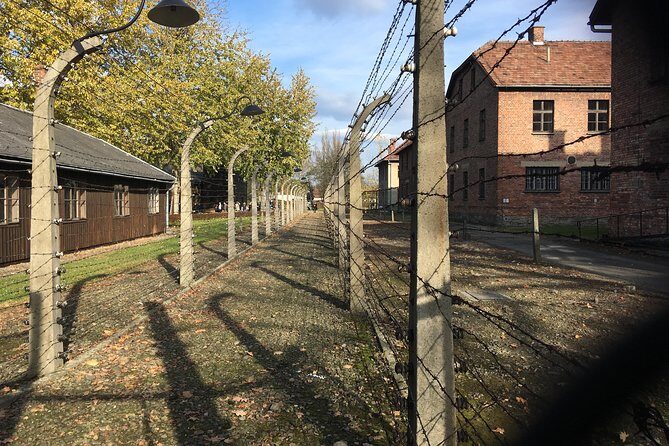
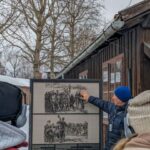
Auschwitz I takes about two hours, and the guiding here is the point. You’ll join a local guide with roughly 30 people, and you’ll get headphones so you can hear clearly without shouting over other groups or competing street noise.
This is where structure helps. Without guidance, it’s easy to get lost in the sheer density of what you’re seeing. With a guide, the route and explanations give you context—why certain areas matter, what you’re looking at, and how to connect individual details into a bigger understanding.
Expect the usual day-trip rhythm: you’ll walk, stop, listen, and walk again. The museum grounds are expansive, and the experience asks more of your body than a standard sightseeing loop. Wear shoes you trust. Dress for the weather. And keep your pacing gentle—if you try to “power through,” you’ll rush your own ability to process what you’re seeing.
The 15-Minute Break: A Small Reset Before Birkenau
After Auschwitz I, there’s a short break—about 15 minutes—before you head to the second site. Your driver handles the movement to the next area, so you don’t have to figure out transport between the two sections.
That break is short on purpose. It’s long enough to reset your body a bit, grab what you need, and prepare for the open, exposed sections of Birkenau where weather can hit harder. It’s also long enough for the guide to reorganize the group without you wasting half the day waiting around.
Here’s the small tip that can make a difference: use those 15 minutes to check your own state. If you need water, a quick bathroom stop, or one last breath of calm, do it now. The day is emotionally heavy, and you’ll feel the weight more if you pretend you’re fine.
Birkenau in About One Hour: What to Expect and How to Pace Yourself
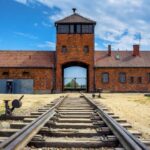
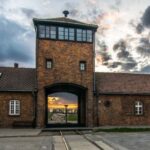
Birkenau is about one hour with the guide, and the experience shifts again. The setting can feel more exposed and spread out, so you’ll likely spend more time adjusting to your surroundings—standing still to listen, then walking to the next viewpoint.
Time here can feel both short and long. Short because it’s only about an hour. Long because it’s an hour you’ll remember with intensity after the trip ends. The biggest mistake I see people make is treating it like another photo stop. The space asks for attention, not speed.
If you’re sensitive to visuals or easily overwhelmed, give yourself permission to slow down. Look, listen, pause, and don’t feel you need to keep up with the fastest walkers. Headphones help you stay oriented, but your own pace still matters. This is one of those days where you’re not “collecting sights”—you’re witnessing, and that takes time inside your head.
You can also read our reviews of more guided tours in Krakow
What the Small Group and English Guidance Actually Do for You
This tour is designed around a local guide and an around-30-person group, and you get headphones for everyone. That sounds like a routine detail until you use it. Headphones mean you can focus on the guide instead of craning your neck, and you can step aside a little without completely losing the explanation.
English guidance is helpful because the material deserves accuracy. When you understand what’s being explained, you can build meaning instead of piecing together fragments. It also helps you avoid the awkward moment of realizing you missed a key point because you couldn’t hear over other groups.
The English-speaking driver is also part of the value. He or she isn’t just a taxi. This tour uses the driver for entry coordination and the handoff between the two sites. That reduces stress at the moments you most want things to run smoothly.
Timing, Walking, and Weather: Plan the Day Like a Real Trip
The total duration is about 6 hours 30 minutes. Add travel time, security, museum walking, and the short break, and you get a full half-day that can feel like a whole day emotionally. You’ll likely be standing and moving more than you expect from the headline “guided tour.”
Dress matters. You’re outside for parts of the experience, and the day can feel colder or warmer than you planned for. Wear layers you can adjust quickly, and bring a weather-ready outer layer if the forecast looks shaky.
Also plan mentally. The experience isn’t a normal sightseeing stop. Keep your expectations grounded: this visit is educational, but it’s also heavy. If you treat it like a checklist, you’ll miss what it’s trying to teach you. Give yourself a moment after the tour to sit with what you learned before you jump into dinner plans.
Price and Value: What You’re Really Paying $118.94 For
At $118.94 per person, you’re paying for more than a ticketed entry. You’re paying for door-to-door pickup and a comfortable private transfer, tickets handled through the driver, and a guided museum portion in English with headphones.
That value is especially clear if you’ve ever tried to DIY Auschwitz-Birkenau from Krakow. DIY can work, but it can also turn into a stress buffet: transport timing, entry lines, and figuring out the right route between Auschwitz I and Birkenau. This tour handles the key pieces so your day runs on a sensible schedule.
You also get a bit of flexibility built into how the day is paced: the driver coordinates entry, you get a defined guided segment at each site, and you’re back in Krakow after the tour. That’s money well spent if you want less uncertainty.
Group discounts are offered, which can also improve the price-per-person if you’re traveling with a group. If you’re going solo or as a small group, the transfer and guided structure are still the core value.
Who Should Book This Tour From Krakow (and Who Might Want to Think Twice)
This fits best if you want a structured, English-guided visit and a smooth transfer from Krakow. If you like clear timing, don’t want to handle tickets and entry logistics yourself, and appreciate a local guide explaining what you’re seeing, you’ll likely feel comfortable with this format.
It also suits people who prefer a smaller group size and the added clarity of headphones. In practical terms, it’s easier to stay connected to the guide when you’re not relying on visuals or shouting over the crowd.
Think twice if you know you struggle with very emotional content or with long museum-style walking. The tour is designed for most people, but it still asks for stamina and emotional readiness. If you’re unsure, choose calm plans around it—light evening schedule, no rushed connections, and time to decompress afterward.
Should You Book This Auschwitz-Birkenau Tour?
If you want the day to feel organized and respectful, I’d book it. The combination of English guidance, headphones, and a private transfer means you’re not adding extra confusion on top of an already intense subject.
It’s also a good call if you’re short on time or you don’t want the headache of planning transport and entry details. Just treat the trip as a serious moment, not a quick stop. Dress for the weather, wear supportive shoes, and plan your day so you have space to reflect once you’re back in Krakow.
FAQ
How long is the Auschwitz Birkenau guided tour from Krakow?
It runs for about 6 hours 30 minutes, including the drive, both museum sections, and the short break between Auschwitz I and Birkenau.
Is pickup in Krakow included?
Yes. Pickup and drop-off are offered at every place in Cracow, and pickup happens about two hours before the scheduled tour time.
Is the tour in English?
Yes, the experience is offered in English.
What group size is the museum tour?
The museum tour portion runs in a group of about 30 people, with headphones provided for each participant.
Are admission tickets included?
Yes. Tickets are provided for you, and admission is included as part of the overall tour.
What happens when you arrive at the museum entrance?
You’ll go through a security check similar to an airport procedure, and ID cards are checked as part of entry.
What is the cancellation policy?
Free cancellation is available up to 24 hours in advance for a full refund. If you cancel less than 24 hours before the start time, you won’t receive a refund.