REVIEW · WARSAW
4 hour: Warsaw Uprising Museum and POLIN Museum/inc.Pick up/
Book on GetYourGuide →Operated by Visiting-Warsaw.Com Visiting-Cracow.Com · Bookable on GetYourGuide
Two museums, one hard lesson about freedom. In four hours, you’ll pair the Warsaw Uprising Museum with the POLIN Museum of the History of Polish Jews, using audio guides to make sense of loss, memory, and community.
I really like the tour’s structure: tight door-to-door pickup in a van (max 8 passengers), plus tickets and museum entry handled for you. I also like the audio guides in multiple languages for both sites, including options like Yiddish at POLIN.
One thing to keep in mind: this is only four hours for two big museums. If you prefer long, slow visits, you may feel you get less time inside each stop than you’d like.
In This Review
- Key highlights at a glance
- Warsaw Uprising Museum: understanding freedom and its price
- How the audio guide helps you pace a heavy topic
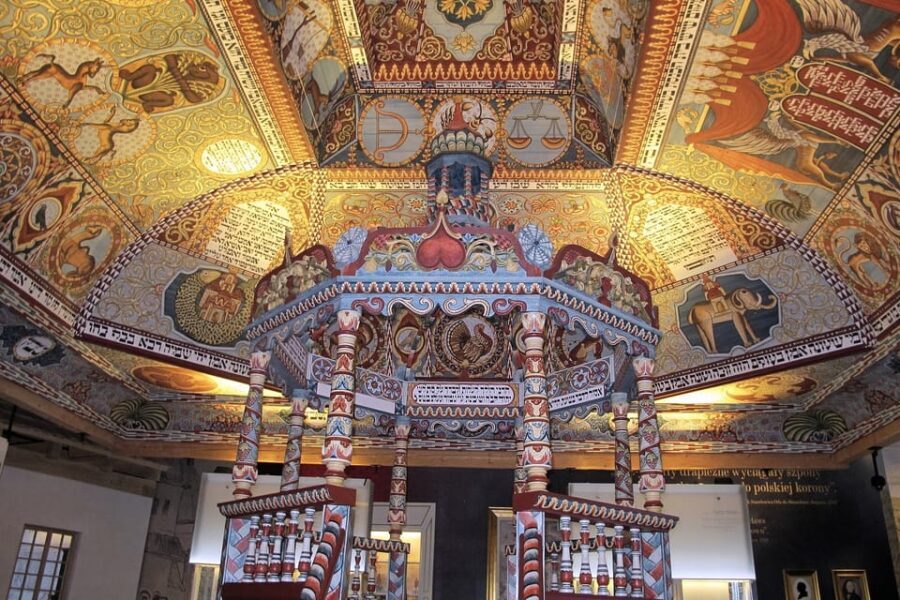
- POLIN Museum: 1,000 years of Jewish life in Poland
- Using the included audio guide to get more from each room
- The “Pearl of the North” story and why it changes how you read Warsaw
- Timing for two major museums in four hours
- What I’d do if you’re a fast museum visitor
- Small-group pickup and transport: why “max 8” matters
- Price and value: what $139 includes and what you’re really buying
- Who should book this tour (and who might skip it)
- If you should consider another option
- Should you book it? My take
- FAQ
- What is included in the tour price?
- How long is the tour?
- What kind of vehicle is used for transport?
- Are pickup and transport included?
- What audio guides are available?
- Does the tour include museum tickets?
- Is there free cancellation?
- Is this tour suitable for everyone?
Key highlights at a glance
- Small-group van experience (up to 8 passengers) with car/van transport and no buses
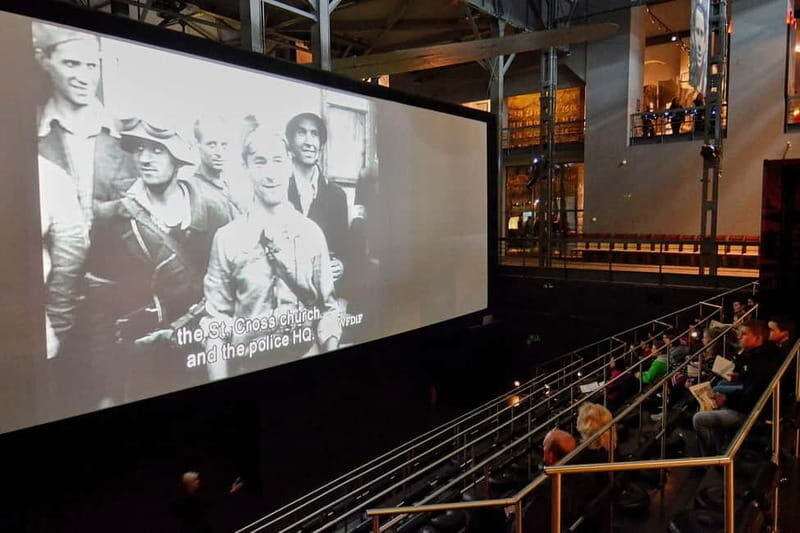
- Warsaw’s 1-minute city pause is explained in the WWII context
- Warsaw Uprising Museum audio guides across many languages
- POLIN Core Exhibition covers 1,000 years of Polish Jewish life
- Multimedia exhibitions at POLIN plus a conventional-space look at family and neighborly life
- All museum tickets included so you don’t spend energy on logistics
Warsaw Uprising Museum: understanding freedom and its price
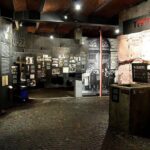
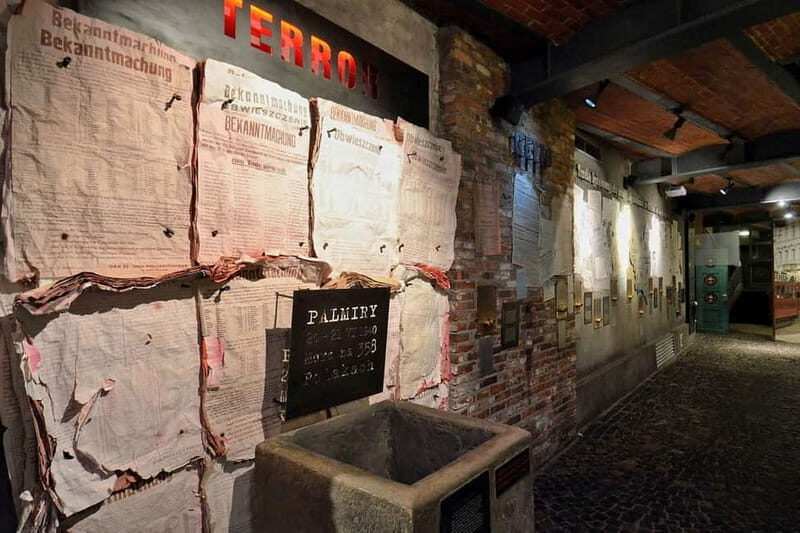
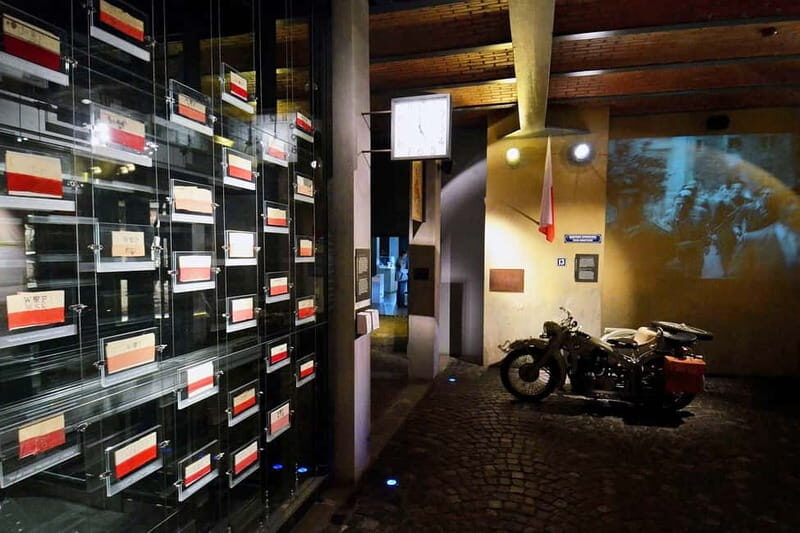
This tour starts by positioning you in Warsaw, then pushing you into a question that hangs over the whole city: what freedom meant to people during World War II, and what it cost. The Warsaw Uprising Museum is built for that exact kind of thinking. Instead of treating history like a checklist of dates, the experience focuses on how people understood the word freedom—and what they were willing to risk.
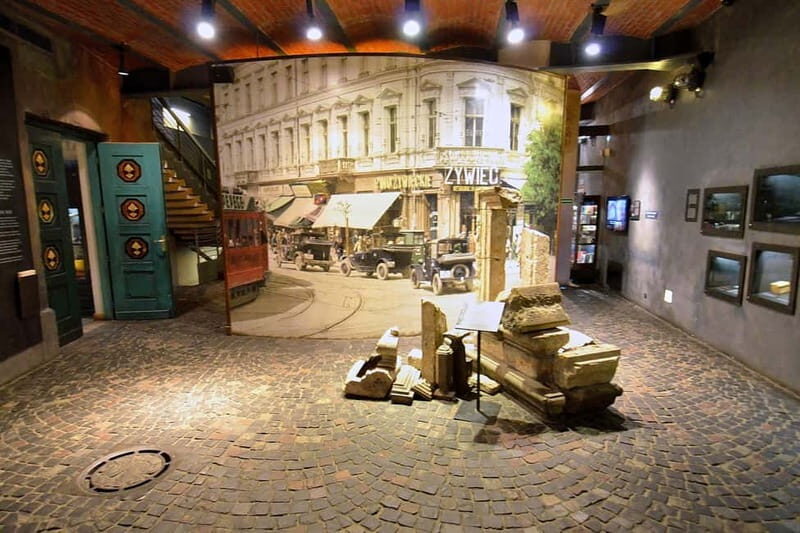
What I like about this stop is that it doesn’t feel like abstract tragedy. You’re guided toward the human scale of the story: how young people—often not even 20—were pulled into events that shaped the country’s future. Warsaw itself becomes part of the lesson. The city is described as something once known as The Pearl of the North, then largely demolished almost to the last building and last brick. That contrast matters. It helps you understand why remembrance in Warsaw isn’t just tradition. It’s survival memory, kept alive through rituals and stories.
The museum also ties into a very specific Warsaw practice: every year, the entire city stops for one minute. The tour’s emphasis here is practical and direct—this is explained so you’re not left guessing why everyone pauses. That small moment can feel surprisingly powerful after you absorb what came before it.
You can also read our reviews of more museum experiences in Warsaw
How the audio guide helps you pace a heavy topic
You’ll have an audio guide at the Warsaw Uprising Museum with Polish, English, German, Russian, French, Italian, and Spanish. With a subject this intense, audio guidance is a big deal because it lets you control your rhythm. You can keep moving when you’re ready, pause when something lands, and avoid the feeling of being herded.
In a four-hour tour, that matters even more. If you end up at the museum without an audio guide, you’ll lose time figuring things out. Here, the guide languages are included, so you can focus on the story rather than the logistics.
POLIN Museum: 1,000 years of Jewish life in Poland
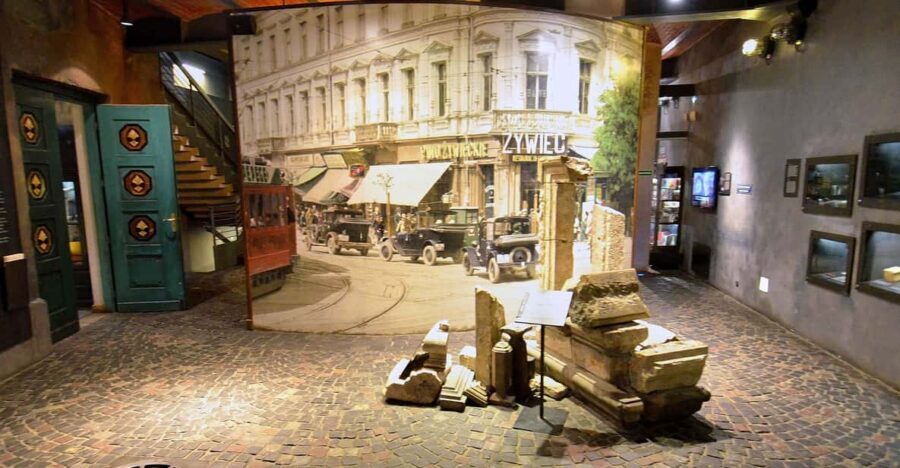
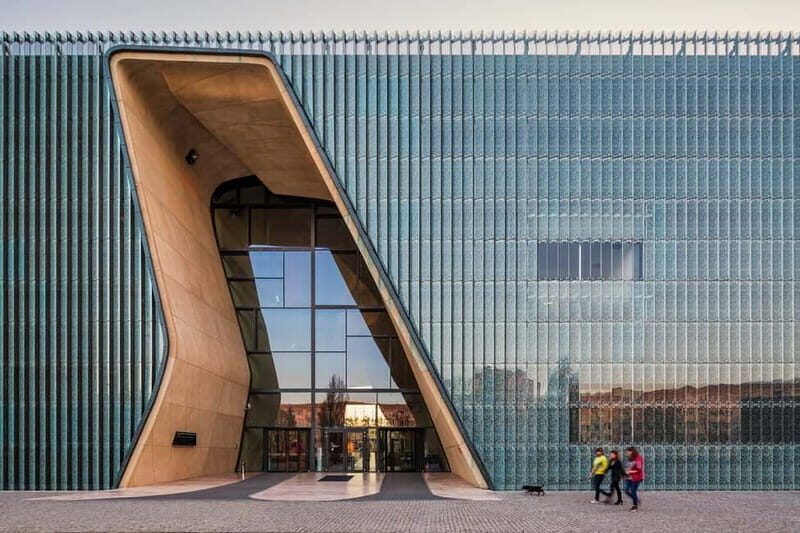
After the WWII learning arc, the tour shifts you into a much longer timeline at the POLIN Museum of the History of Polish Jews. This is not just a “what happened” museum. It’s built to help you see how life worked—how communities lived together over centuries, and how culture interacted.
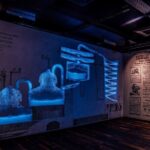
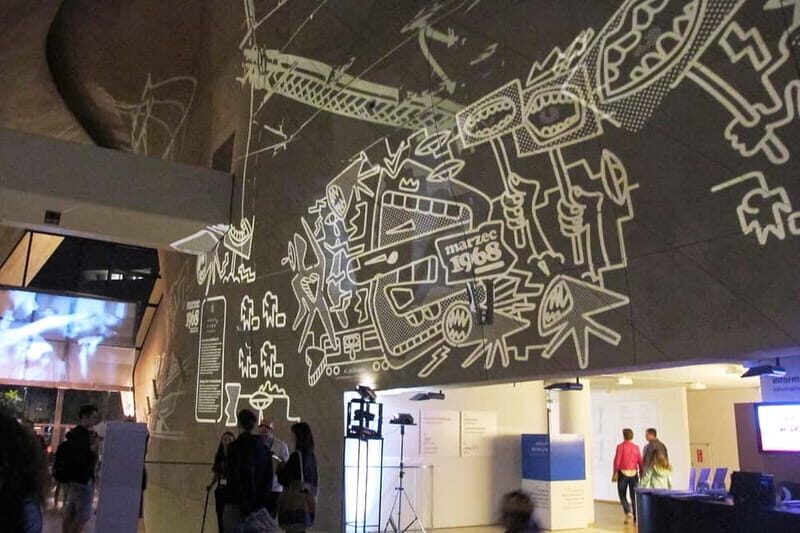
At POLIN, you get multimedia exhibitions that show how Poles and Jews lived side by side for hundreds of years, and how the cultures influenced and merged with each other. That sets the tone: you’re not only looking at hardship. You’re also learning about everyday connections—neighbors, families, shared spaces, and routines.
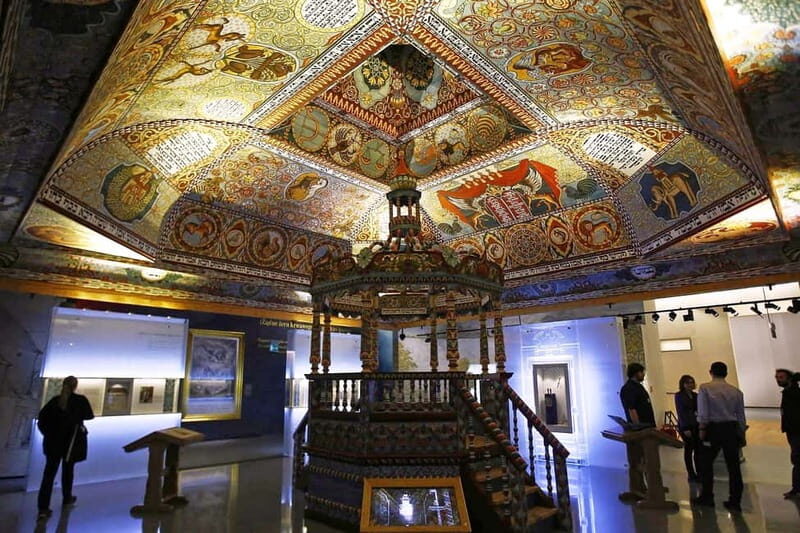
A key part of what makes this museum effective is the way it’s organized. The tour highlights the Core Exhibition as a journey through 1,000 years of history, from the Middle Ages until today. That’s a massive time span, so the museum uses structure to help your brain keep hold of the big picture.
There’s also mention of a conventional space where you can get acquainted with family and neighborly relations. That kind of “how people lived” environment can give you a mental break from dates and events. It makes the history feel inhabited, not just displayed.
Using the included audio guide to get more from each room
POLIN includes audio guides with Polish, English, German, Russian, French, Yiddish, Italian, and Spanish. That’s a smart choice because it acknowledges that this museum speaks to different backgrounds and different comfort levels with historical context.
If you take one practical tip from this tour, make it this: don’t treat the audio guide like a background track. Pick the parts that help you connect the timeline. When a multimedia exhibit or section references daily life, listen for the details that explain relationships and community rhythms. Those are the moments that tend to stick.
Also, if you’re choosing between languages for any reason—like you want the strongest emotional resonance—Yiddish is available as part of the included set. Not every museum offers that option in the included materials.
The “Pearl of the North” story and why it changes how you read Warsaw
One of the tour’s clever moves is how it sets up Warsaw as an active character in the narrative. The city is described as having once been called The Pearl of the North. Then came destruction on a massive scale. When the tour connects those dots, it helps you understand something important: rebuilding isn’t only physical. It’s also about memory—what gets taught, commemorated, and repeated.
This is the kind of context that can make your own walking later feel different. Even if your day is tightly timed, leaving the museums with a clearer sense of why the city remembers will change how you interpret memorial spaces and street-level reminders.
The museum material also stresses the youth of those affected. When a generation of people, some under 20, are described as perishing, the story becomes more urgent. You can’t file it away as distant history. It becomes a study in how ordinary lives can be rewritten by war—and how quickly the future can be taken.



Timing for two major museums in four hours
Here’s the honest trade-off of this tour: it packs two museum visits into a total duration of four hours. That’s not a lot of time for two serious, information-heavy spaces.
One consideration is exactly that—how much time you’ll want in each museum. If you like reading every panel, watching every multimedia segment, and stopping to absorb details slowly, you might feel rushed. The tour’s structure is best for people who want the main storylines and don’t need a full, day-long deep soak in each site.
On the flip side, four hours can be a good fit if you’re short on time in Warsaw but want both ends of the story: the WWII framing of freedom at the Warsaw Uprising Museum, and the long human timeline of Polish Jewish history at POLIN. The sequencing also helps. WWII comes first, then the broader centuries-long context at POLIN gives you perspective on continuity, community, and change.
What I’d do if you’re a fast museum visitor
If you know your style is fast and focused, you’ll likely do well with this schedule. Use the audio guides to grab the thread of each exhibition section and let that guide you through. Move quickly between key rooms, and spend extra attention on the parts that tie directly to community life and remembrance practices—those are the moments the tour is built to explain.
Small-group pickup and transport: why “max 8” matters
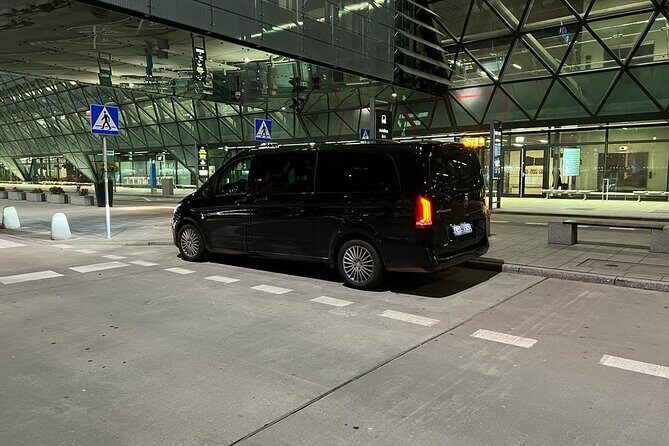
The tour keeps things deliberately human-sized. You’re picked up from your hotel or accommodation in Warsaw, and transportation is by car or van with a maximum of 8 passengers. The tour explicitly notes no buses, which usually means less waiting, fewer people, and a more direct route between museums.
This matters because museums are the main event, not sightseeing drives. The time you save on getting everyone together and getting from place to place helps you arrive ready rather than frazzled. Plus, with a small group, the coordinator/driver can manage timing more smoothly.
Also, your driver/coordinator is listed as English-speaking, which can reduce stress if you have questions during transit or need clarification about where to go once you arrive.
One more practical detail: this is door-to-door transport, not a central meeting point. If you’re staying in a smaller hotel or apartment situation and don’t want to navigate transit before you even start, that’s a real value.
Price and value: what $139 includes and what you’re really buying
At $139 per person for a four-hour experience, you’re paying for more than museum tickets. You’re buying bundled convenience and guided pacing.
Here’s what’s included:
- Door-to-door transport from your hotel/apartment by car or van (no buses)
- Tickets to all museums
- All fees and handling charges and local taxes
- Audio-guides in Warsaw Uprising and POLIN (multiple languages)
- Driver/coordinator
- Transport to POLIN by car/van
What you’re not paying for:
- Personal expenses
So what’s the real value? It’s the way the tour removes friction. Two museums, two sets of audio guides, and transport between sites are all built into one package. If you were to do this on your own, you’d spend time coordinating tickets and figuring out timing between sites. Here, the tour does that for you—so you can spend your energy on the content.
For me, this price feels most fair if:
- You have limited time in Warsaw and want the essentials of both museums
- You prefer small-group logistics and an English-speaking coordinator
- You want audio guides in your language without extra planning
If you want unhurried museum time at both sites, you may still find the value, but the schedule could feel tight.
Who should book this tour (and who might skip it)
This is a good fit if you want two different layers of Warsaw in one day: the WWII remembrance lens at the Warsaw Uprising Museum, then the centuries-long human context at POLIN. It’s also ideal if you’re comfortable with emotional subject matter and you like guided structure.
It’s not a good match for everyone. The tour notes it is not suitable for pregnant women. Pets are also not allowed.
If you should consider another option
If you’re the kind of visitor who needs lots of time in museums to read everything, this may not feel like enough. The tour’s four-hour limit is the main constraint, and you’ll feel it most at the museum where you’d normally slow down.
Should you book it? My take
Book it if you want a focused, high-impact Warsaw day without messing around with tickets and transport. The pairing works: you get the meaning of freedom and remembrance at the Warsaw Uprising Museum, then you widen the perspective with POLIN’s 1,000-year story of Polish Jewish life. The small-group van setup (max 8) and included audio guides are practical wins, not extras.
Skip it only if you know you’ll need much longer than a four-hour window per site. In that case, you’d probably be happier with a more time-flexible plan where you can linger.
If you do book, wear comfortable shoes and plan to move with purpose. This tour is designed to keep the momentum—so let the audio guide steer you, and use the time you have to follow the story threads that matter most to you.
FAQ
What is included in the tour price?
The price includes door-to-door transport from your hotel or apartment by car or van (no buses), tickets to both museums, all fees and handling charges, local taxes, a driver/coordinator, transport to POLIN by car/van, and audio guides for both the Warsaw Uprising Museum and POLIN Museum.
How long is the tour?
The tour duration is 4 hours.
What kind of vehicle is used for transport?
Transport is by car or van with a maximum of 8 passengers. Buses are not used.
Are pickup and transport included?
Yes. Pickup is included from your hotel or accommodation in Warsaw, and the tour also provides transport to the POLIN Museum.
What audio guides are available?
Audio guides are included for both museums. Warsaw Uprising Museum audio guides are available in Polish, English, German, Russian, French, Italian, and Spanish. POLIN audio guides are available in Polish, English, German, Russian, French, Yiddish, Italian, and Spanish.
Does the tour include museum tickets?
Yes. Tickets to all museums are included.
Is there free cancellation?
Yes. You can cancel up to 24 hours in advance for a full refund.
Is this tour suitable for everyone?
Pets are not allowed, and the tour is not suitable for pregnant women. Comfortable shoes are recommended.