REVIEW · WARSAW
2-Hour Breakfast Experience in a Home from Warsaw
Book on Viator →Operated by Mona_be_your_guide · Bookable on Viator
Breakfast can be a fast passport. In a cosy Warsaw home, you’ll start with a traditional Polish breakfast and then get the story behind the dishes, traditions, and everyday food choices. I especially like the small-group setup (up to 4 people) because it keeps things friendly and conversation-heavy, not rushed. The one thing to consider is that this is a home-based experience, so the food pace and setting are as personal as the host—great for some people, less so if you want a hotel-style, totally formal setup.
You’ll meet at ZibicoolPodleśna 44 (01-673 Warszawa) and spend about 2 hours tasting a seasonal mix of Polish favorites: bread spreads, homemade marmalade, cheeses, pancakes, eggs, cold meat, pickles, and fruits. The host, Mona_be_your_guide, also shares recommendations for what to see in Warsaw and where to go for lunch or dinner, and you’re encouraged to ask for recipes as you go.
In This Review
- Key things that make this breakfast work
- A cosy Warsaw home breakfast beats the usual food tour
- What you actually eat: pickles, cheeses, pancakes, and seasonal fruit
- The stories behind Polish cuisine (and how to use them later)
- Recipe talk: why the Q&A is the secret sauce
- Timing and meeting point: keeping it easy for your morning
- Small group size (4 max) makes it conversational
- Price and value: what $141.95 buys you in real life
- Who this breakfast suits best (and who might want a different plan)
- Practical tips to get the most from your morning
- Should you book this Warsaw home breakfast?
- FAQ
- Where is the meeting point for the breakfast in Warsaw?
- What time does the breakfast start, and how long is it?
- Is the tour offered in English?
- What food is included in the traditional Polish breakfast?
- How big is the group for this home breakfast?
- Is there free cancellation?
Key things that make this breakfast work
- Private-home vibe: food and talk happen in a real Warsaw space, not a staged venue
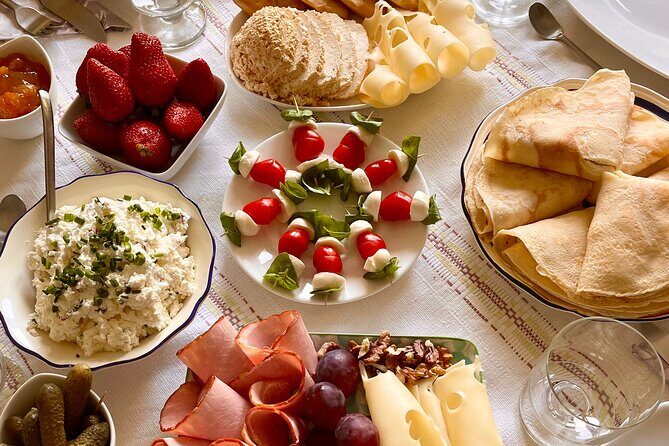
- Seasonal plate: you’ll get a changing mix like jams, fruits, cheeses, pancakes, and more
- Ask-for-recipes attitude: you won’t have to “figure it out later”
- Cuisine stories with local meaning: you get context behind Polish food traditions
- Max 4 people: the table stays small enough to actually chat
- Useful Warsaw guidance: you can leave with lunch and dinner ideas beyond the big sights
A cosy Warsaw home breakfast beats the usual food tour
If you like travel that starts with something real, this kind of morning experience is hard to beat. Instead of sprinting from stop to stop, you settle in for about 2 hours and let breakfast do the work: feeding you, loosening you up, and giving you an easy entry into Polish daily life.
The big appeal is simple. You get a traditional homemade breakfast plus a guided explanation of what you’re eating and why it matters in Polish food culture. It feels personal because the focus isn’t on performance. It’s on sharing—what’s made at home, what people eat in different seasons, and how Polish flavors connect to routine.
Also, it’s in English, which matters when you’re trying to learn more than just names of dishes. You’ll be able to ask questions as you go and understand the story without guessing.
A few more Warsaw tours and experiences worth a look



What you actually eat: pickles, cheeses, pancakes, and seasonal fruit
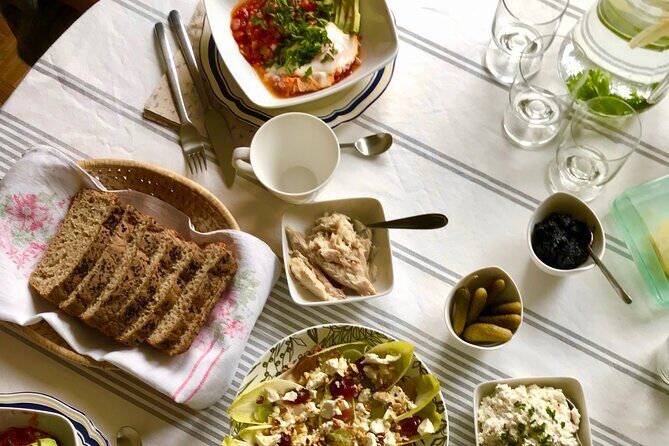
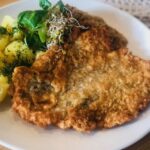
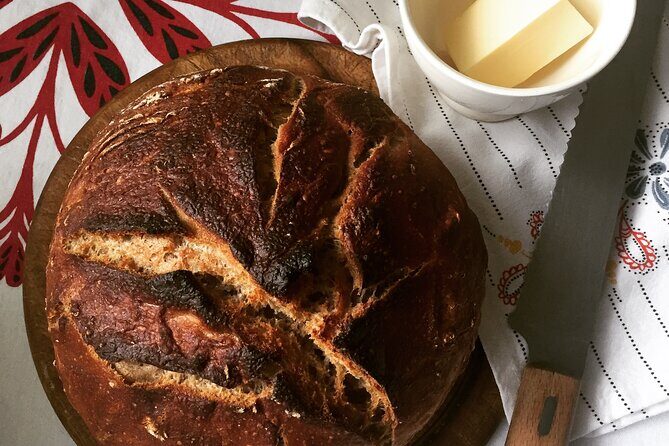
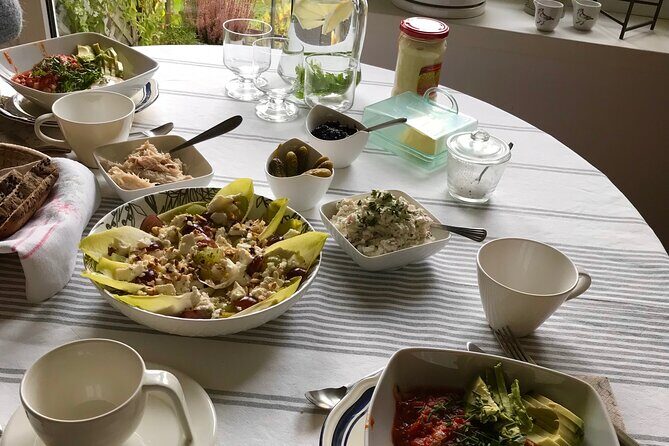
Let’s talk about the plate. This breakfast is built around a typical spread you’d expect to see in Polish homes, and it’s not limited to one “signature” item. The meal can include bread spreads, homemade marmalade, artisanal bakery bread, eggs, cold meat, cheese, seasonal fruits, pickles, and fluffy pancakes.
Here’s why that mix is so valuable for you as a visitor:
- It shows range, not one flavor: Poland’s breakfast isn’t just sweet or just savory. You’ll likely taste both in one sitting. That helps you understand what Polish households consider a normal morning.
- Seasonal fruit and jams teach context: when fruits and spreads change by season, you learn that food habits follow the calendar. That’s useful knowledge when you later try Polish products in shops or markets.
- Cheese and cold meats make it feel lived-in: even if you’re not a hardcore “foodie,” this part usually hits. It tastes familiar to many palates, and it explains why breakfasts can be substantial rather than light.
If you’re the type who likes to know what’s inside a dish, you’re in the right place. The format encourages you to ask for specifics, and the host is set up to explain what’s on the table.
The stories behind Polish cuisine (and how to use them later)
Food tours can be fun, but the best ones do something extra: they give you language for what you’re tasting. Here, you’ll listen to stories about Polish cuisine, food traditions, and popular dishes. The point isn’t trivia for trivia’s sake. It’s to help you recognize patterns in how Polish people eat.
You’ll also get recommendations for what to see in Warsaw and where to go for lunch or dinner. That’s more practical than it sounds. A common problem in big cities is that you eat near your hotel and call it a day. With this kind of morning conversation, you’re more likely to get suggestions grounded in daily life—places where locals would actually steer you for a relaxed meal.
One detail I’d keep in mind: this experience is about breakfast, so the guidance you receive is likely shaped by what’s convenient after a morning at home. If you want your entire day to feel connected, ask for ideas that fit your interests right then: history, parks, museums, or just good food.
Recipe talk: why the Q&A is the secret sauce
The highlights explicitly say you should not be shy about asking for recipes, and that’s exactly what makes this experience more than a meal. If you’ve ever returned from a trip with photos and zero ability to recreate what you ate, you’ll appreciate this.
In a small setting, questions land naturally. You can ask about:
- how something is prepared
- what bread spread pairs well with other items
- how the pancakes are served or what makes them taste the way they do
- what seasonal ingredients matter most at that time of year
Even if you don’t cook at home, recipe talk helps you decode flavor. Knowing what goes into something changes how you taste it later when you see similar items in a shop, bakery, or restaurant. It also makes your conversations with locals easier, because you’re not only asking what something is—you’re asking why it’s made that way.
Timing and meeting point: keeping it easy for your morning
You’ll start at 10:30 am at ZibicoolPodleśna 44, 01-673 Warszawa, Poland. The activity ends back at the meeting point, and the whole thing takes about 2 hours.
This is the kind of tour that fits smoothly into a travel day. It’s long enough to feel like a genuine experience, but short enough that you can still plan museum time, a long walk, or a second meal later in the city. If you’re trying to see Warsaw efficiently, a morning start is smart because it gets you warmed up for the day without burning daylight.
The meeting location is also noted as near public transportation, which is practical. You don’t want a “great experience” that quietly turns into a stress test just to arrive.




Small group size (4 max) makes it conversational
Max 4 travelers is a big deal for a home breakfast. In a small group, you’re not waiting your turn while someone else gets all the explanation. The host can focus on the whole table. You can ask questions without feeling like you’re holding up a bus group.
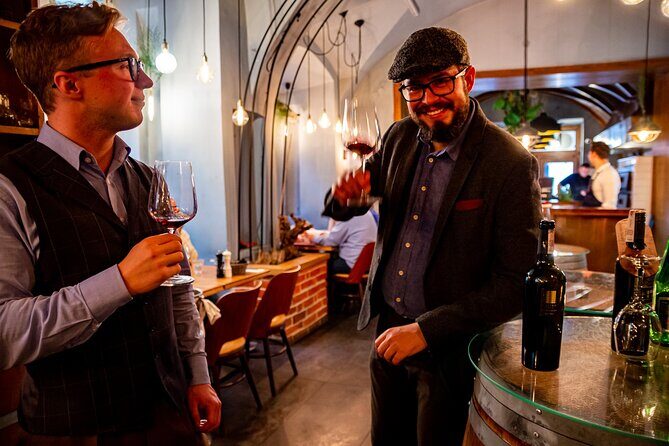
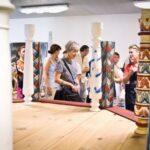
This is also why the conversations can be personal. In the feedback you provided, the tone is warm and social, including a group of four people sharing the morning together and chatting in a relaxed way. That’s the kind of atmosphere that makes a breakfast feel like more than eating.
If you want a tour that feels like meeting someone over food rather than attending a performance, this format is one of the best values in its category.
Price and value: what $141.95 buys you in real life
At $141.95 per person, this isn’t a budget snack stop. So let’s talk value in a grounded way.
You’re paying for three things at once:
- A traditional homemade breakfast spread (multiple items, including savory and sweet)
- Host-led cultural context (stories about traditions and popular dishes)
- Personal time in a small group with English guidance plus recommendations for your day
The biggest value driver is the home setting combined with the low group limit. When you go with larger groups, you usually get less Q&A and less individual pacing. Here, you’re far more likely to leave with an understanding of Polish breakfast culture that you can actually use, plus a few tailored lunch or dinner ideas.
That doesn’t mean it’s automatically worth it for everyone. If you only want to taste one or two dishes and don’t care about conversation or cultural context, you could find cheaper ways to eat Polish food. But if you want the morning to teach you something—through taste plus story—this price can make sense.
Who this breakfast suits best (and who might want a different plan)
I think this works especially well for you if:
- you enjoy learning while you eat, not just eating
- you like small, friendly group experiences
- you want recipe ideas and clearer explanations of what you’re tasting
- you’d rather start your Warsaw day with local conversation than a crowded attraction
It may be less satisfying if:
- you prefer very structured, clockwork itineraries
- you don’t want to chat during the meal
- you’re only interested in a quick bite rather than a full breakfast spread and talk time
Also, because this is a home experience, think of it as a morning with a host rather than a restaurant tour. That mindset helps you get the most out of the time you’re given.
Practical tips to get the most from your morning
A couple of small moves can make this breakfast feel extra rewarding:
- Come ready with a few questions. Even simple ones like how something is usually served or what ingredient matters most will lead to better explanations.
- If you have dietary preferences, ask early. The menu is described as seasonal and includes several categories (cheeses, eggs, cold meat, fruit, pickles, pancakes), so it’s best to clarify what’s possible before you arrive.
- Leave with one or two actionable plans. Since you’ll get recommendations for where to go for lunch or dinner, pick something you can actually fit into your day.
Should you book this Warsaw home breakfast?
I’d say yes if you want a meaningful morning in Warsaw that mixes real food with real conversation. For the price, the value is in the combination: traditional homemade dishes, cultural stories, English interaction, recipe talk, and a tiny group size that keeps things human.
Skip it if your idea of a perfect tour is mostly sightseeing and you’d rather not spend your time seated at a table with questions and stories. Also, if you’re looking for a strict, formal experience, a home-based breakfast is naturally more personal and less standardized.
If your travel style is curious and you like learning through taste, this is the kind of booking that can make the rest of your day feel easier. You’ll start full, informed, and with at least a few good ideas for where to eat again in Warsaw.
FAQ
Where is the meeting point for the breakfast in Warsaw?
The meeting point is ZibicoolPodleśna 44, 01-673 Warszawa, Poland, and the experience ends back at the same location.
What time does the breakfast start, and how long is it?
It starts at 10:30 am and lasts about 2 hours.
Is the tour offered in English?
Yes, the experience is offered in English.
What food is included in the traditional Polish breakfast?
You can expect items such as bread spreads, homemade marmalade, pancakes, bread from an artisanal bakery, eggs, cold meat, cheese, seasonal fruits, and pickles (seasonal menu items may vary).
How big is the group for this home breakfast?
The maximum group size is 4 travelers.
Is there free cancellation?
Yes. Free cancellation is available up to 24 hours before the experience’s start time for a full refund.