REVIEW · WROCLAW
Wroclaw: Lower Silesia, Ksiaz Castle & Church of Peace Tour
Book on GetYourGuide →Operated by Best City Tours sp. z o.o. · Bookable on GetYourGuide
Cliff-castle and timber churches, all in six hours. If you want one Lower Silesia day that mixes grand views with religious history, this tour makes a smart loop from Wrocław into Świdnica and toward Książ. I like how it pairs two huge, different sights: Książ Castle on its rocky perch and the UNESCO-listed Churches of Peace built for religious freedom.
I also really enjoy the variety of texture and tone across stops, from the charming, restored streetscape of Świdnica’s Market Square to the unusual interior climate of the Wałbrzych Palm House. The only real drawback to plan around is time: this is a compact 6-hour run, so you will move at a steady pace and it’s not a tour for slow, lingering wandering.
In This Review
- Key highlights worth your attention
- Six hours that cover a lot of Lower Silesia
- Private vehicle comfort and how the group size changes everything
- Książ Castle: the Pearl of Lower Silesia on its vertiginous rock
- Świdnica’s Market Square: restored charm with a 1732 Neptune well
- The Churches of Peace in Świdnica: timber, rules, and religious freedom
- Wałbrzych Palm House: a climate-controlled story built by the Hochberg family
- Audio guide support and what to do with it
- Price and value: when $203 makes sense for a private, guided day
- Who this tour fits best (and who might want to reconsider)
- Should you book this Wrocław to Książ and Peace Churches tour?
- FAQ
- How long is the tour from Wrocław?
- Does the tour include hotel pickup and drop-off in Wrocław?
- Is this a small group tour?
- What languages are available during the tour?
- Do I skip the ticket line?
- Is the tour suitable for wheelchair users, and are unaccompanied minors allowed?
Key highlights worth your attention
- Small-group cap of 8 for a more personal pace than big bus tours
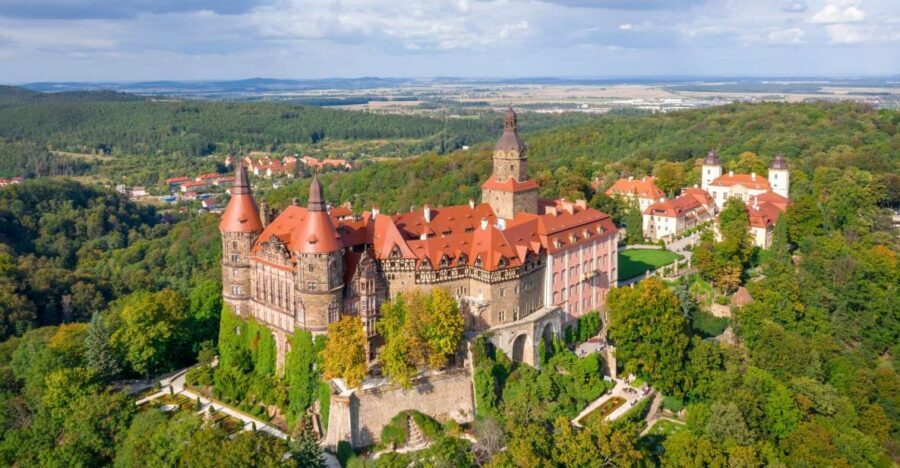
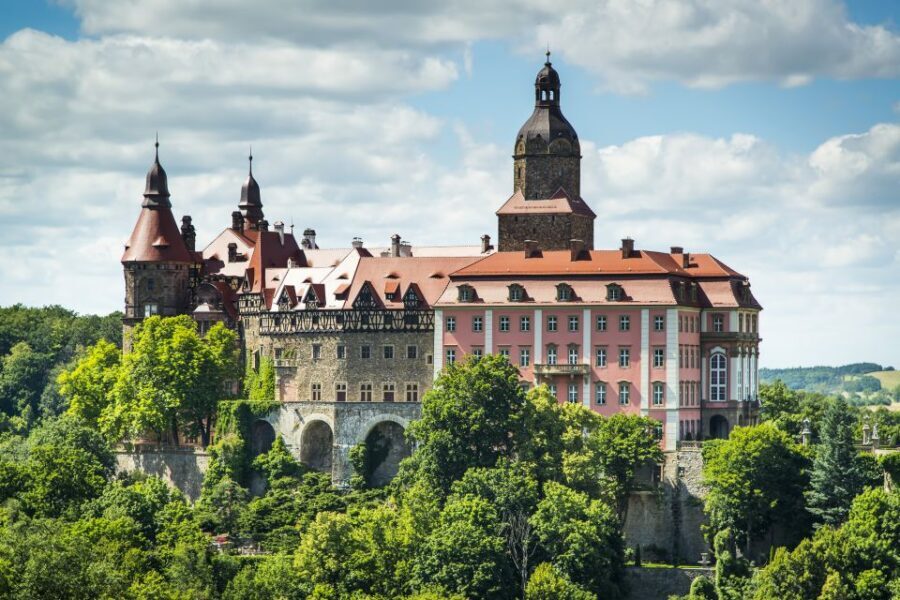
- Książ Castle on a 395-meter perch above the Pelcznica River
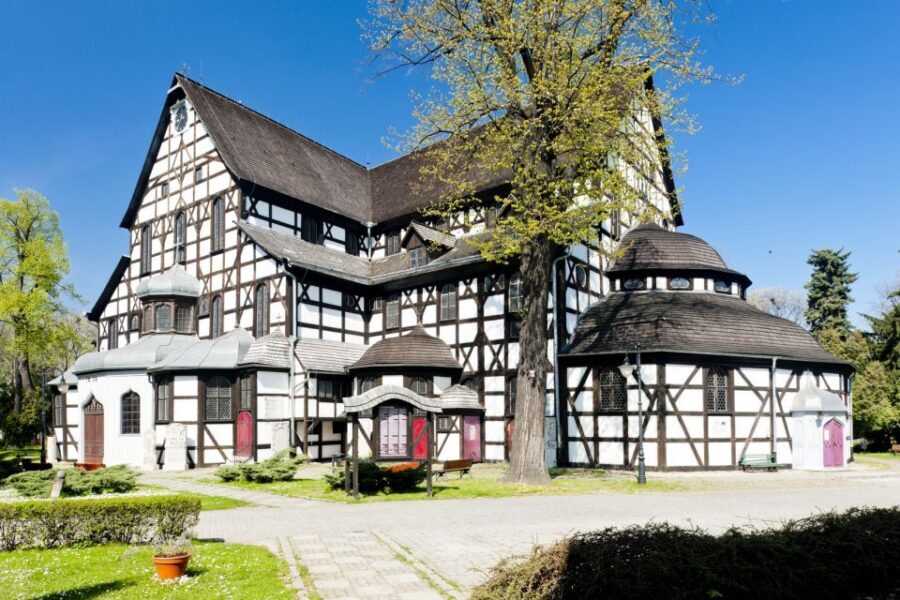
- Churches of Peace: Europe’s largest timber-framed religious buildings, UNESCO-listed
- Świdnica Market Square with restored colorful townhouses and a Neptune well from 1732
- Wałbrzych Palm House: the only surviving one in Poland in its original construction style
Six hours that cover a lot of Lower Silesia
This tour is built for people who like being efficient without feeling rushed into “check-the-box” mode. You start with pickup and drop-off in Wrocław, and you ride in a private vehicle with a driver/guide, which matters when you’re trying to see multiple sites in one day. The total time is about 6 hours, so you get the big highlights with just enough context to understand why they’re famous.
What I like most is that the theme stays coherent even while the scenery changes. You’re looking at Lower Silesia through two lenses: power and politics (Książ’s dramatic setting and wartime history) and faith and compromise (the Churches of Peace). Then the tour adds a gentler counterpoint with the Palm House, where architecture becomes a kind of climate-controlled love story.
You can also read our reviews of more tours and experiences in Wroclaw.
Private vehicle comfort and how the group size changes everything
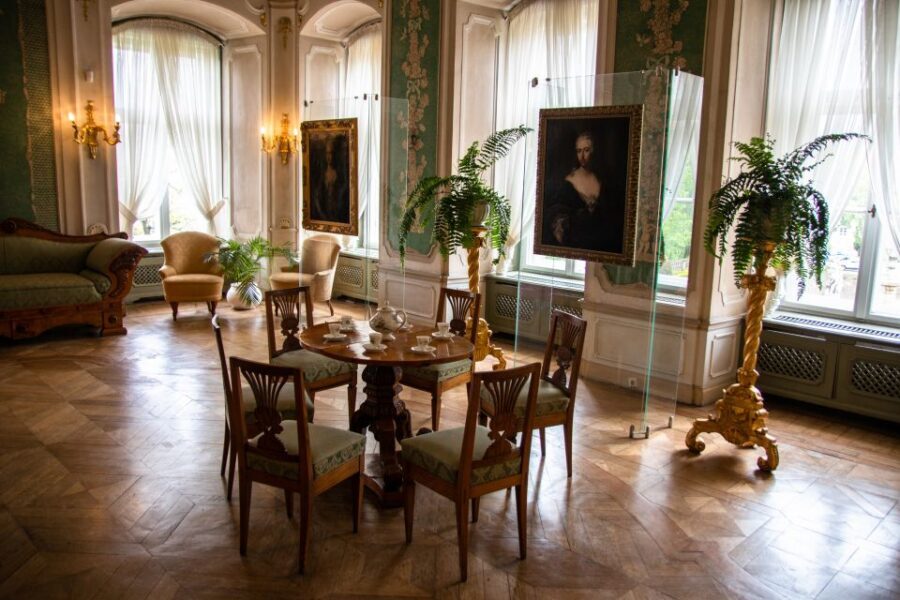
The tour includes transport by private vehicle, plus an English/Polish instructor and an English audio guide. That combination is a practical win: the guide can handle the big-picture story, and the audio guide helps if you want to slow down at a specific point. Also, the vehicle stays comfortable for the long drive, which is exactly what you want when you’re leaving Wrocław and returning the same day.
The group is limited to 8 participants, and that cap can make the experience feel calmer and more flexible. On at least one occasion, the group has been so small that it effectively turned into a near-private visit, which usually means more chances to ask questions and fewer delays from crowd flow.
One more practical point: guides can adjust when something unexpected happens. For example, there’s an account of a pickup confusion at the castle that led the guide to offer Gross-Rosen Concentration Camp as an alternate stop instead of the Market Square in Świdnica. That’s not something you should plan on, but it’s a reminder that with a small group and a real guide, the day can shift to keep you seeing meaningful places.
Książ Castle: the Pearl of Lower Silesia on its vertiginous rock
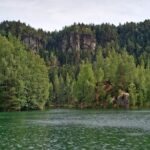
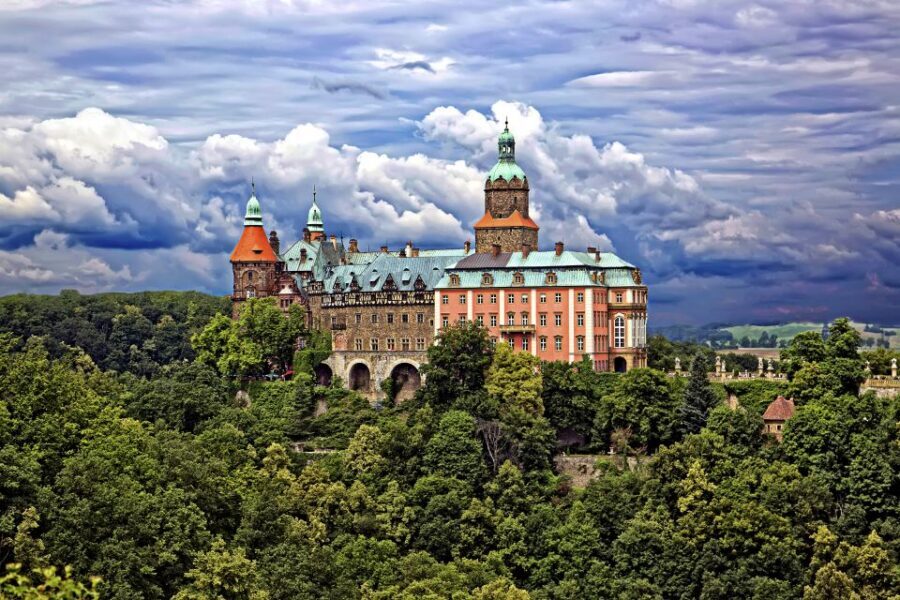
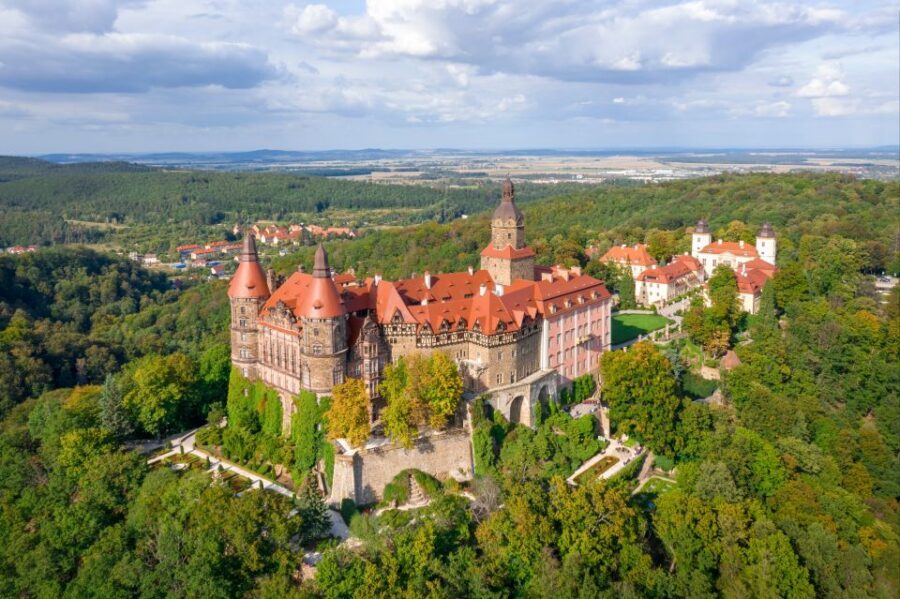
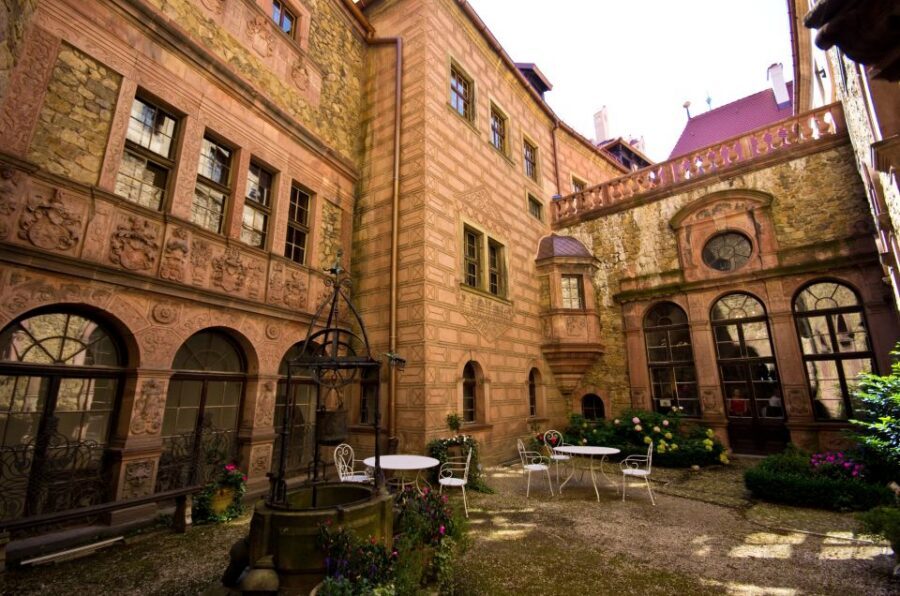
Książ is the third largest castle in Poland, perched on a rock cliff by the side of the Pelcznica River. The setting is half the attraction: the castle sits roughly 395 meters above sea level, surrounded by forest, and it has earned the nickname Pearl of Lower Silesia because the architecture and the cliff location feel made for each other.
When you’re there, focus on how the view affects the story. From this height, you can feel why the castle mattered—control, visibility, and the ability to dominate the surrounding terrain. It’s a setting that turns “history” into something physical.
Now for the heavier part. During 1943, Hitler’s paramilitary organization stormed into the castle and began work on one of the most important quarters for Adolf Hitler. In a tour like this, I find that context changes how you look at the same stones—suddenly it’s not just scenic and grand. It’s also a reminder of how political power can use existing architecture for its own plans.
Practical tip: bring comfortable shoes. Even when the route is managed, castle grounds tend to reward good footwear, and your legs will notice it after you’ve been climbing and standing for views.
Świdnica’s Market Square: restored charm with a 1732 Neptune well
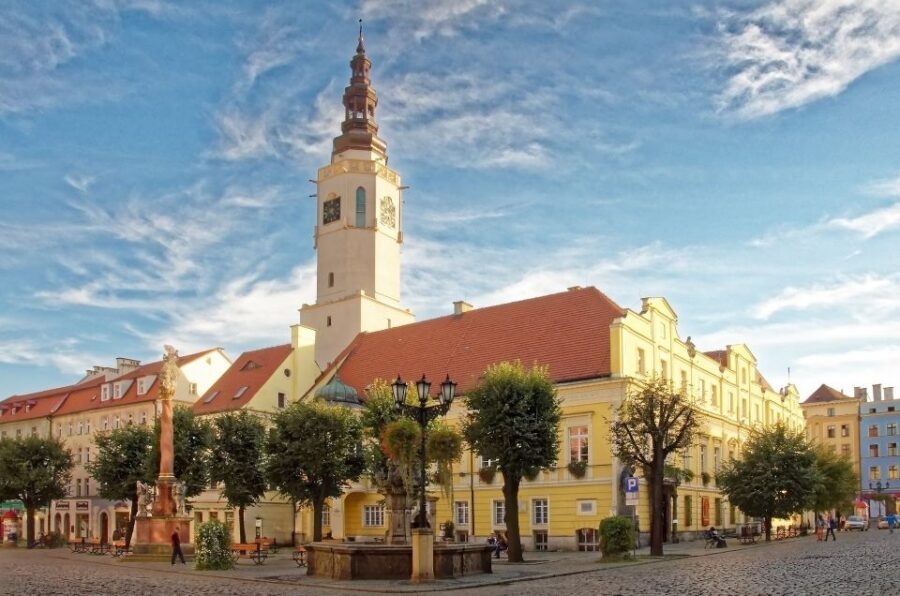
Świdnica’s Market Square is the kind of place that feels designed for a slow walk, even if your schedule is not. You get restored colorful townhouses with Gothic remnants, and you’ll also see fountains, including a well with Neptune dating to 1732.
I like this stop because it gives your eyes a break after the intensity of Książ’s scale and wartime context. The square is built for everyday life—light, facades, and small details that are easy to enjoy when you can stand still for a few minutes.
There’s also lighting involved, and it has earned awards in competitions. That detail matters more than it might sound: it signals that the square’s renovation isn’t just about looking good in daylight. It’s about how the place feels at night too, with the kind of atmosphere you don’t get from generic “old town” tourist backdrops.
If you have a camera, this is a safe bet for photos that look like you actually spent time somewhere real. If you want to keep it easy, just pick one corner and enjoy the rhythm of the square instead of trying to photograph everything at once.
The Churches of Peace in Świdnica: timber, rules, and religious freedom
The standout cultural stop is the Churches of Peace in Świdnica. These are Europe’s largest timber-framed religious buildings, and they carry UNESCO status, which is never just an abstract badge here. The story of why they exist is the point.
They were built in the mid-17th century in the former Silesia amid religious strife following the Peace of Westphalia. The big thing to understand is that physical and political constraints shaped the buildings. Because of those limits, the churches were built outside the city walls and constructed from wood or clay, and they were built in less than a year.
That speed and material choice can be surprising if you’re used to stone cathedrals. But the Churches of Peace are a perfect example of how circumstances can force a different kind of creativity. And because these buildings reflect Lutheran ideology in an idiom more commonly associated with Catholic churches, they show how compromise can still produce something highly specific and beautiful.
One more reason I think this stop feels powerful in a tour format: you get to connect the dots from earlier history. Książ brings the story of power and conflict into view. The Churches of Peace show a different response—how communities tried to create space for worship even under strict boundaries.
Wałbrzych Palm House: a climate-controlled story built by the Hochberg family
The Wałbrzych Palm House is the tour’s left turn, and that’s exactly why it’s valuable. This facility was built on the initiative of Hans Heinrich XV from the Hochberg dynasty, and it was constructed for his spouse, Mary Theresa Cornwallis-West.
What makes it special for Poland is its survival: it’s the only Palm House in Poland that has been preserved in its original construction. That detail turns a “nice greenhouse” stop into a bit of an architectural time capsule.
In practical terms, I recommend treating this visit like a reset. It’s a change of pace after castle stone and historic religious buildings, and it’s the kind of place where you can slow down and let your senses catch up. Even if you’re not a plant person, you’ll probably still appreciate the engineering idea behind maintaining a particular environment.
So if you’re the type of traveler who likes variety—big monuments plus something unusual—this stop does real work for the itinerary.
Audio guide support and what to do with it
This tour includes an English audio guide, which is helpful if you want to keep your own pace. Sometimes you can hear a lot from a guide in outdoor settings, but in places with crowd noise or echo, the audio guide helps you re-check details without interrupting the group.
Here’s how I’d use it smartly: don’t try to listen to every word start-to-finish. Pick one or two moments—like the wartime context at Książ, or the rules and constraints behind the Churches of Peace—and use the audio guide to deepen that single thread. You’ll remember more, and the day won’t feel like homework.
Also, since the guide speaks English and Polish, your questions can land better. If you care about how the historical events connect to the buildings, this is the moment to ask.
Price and value: when $203 makes sense for a private, guided day
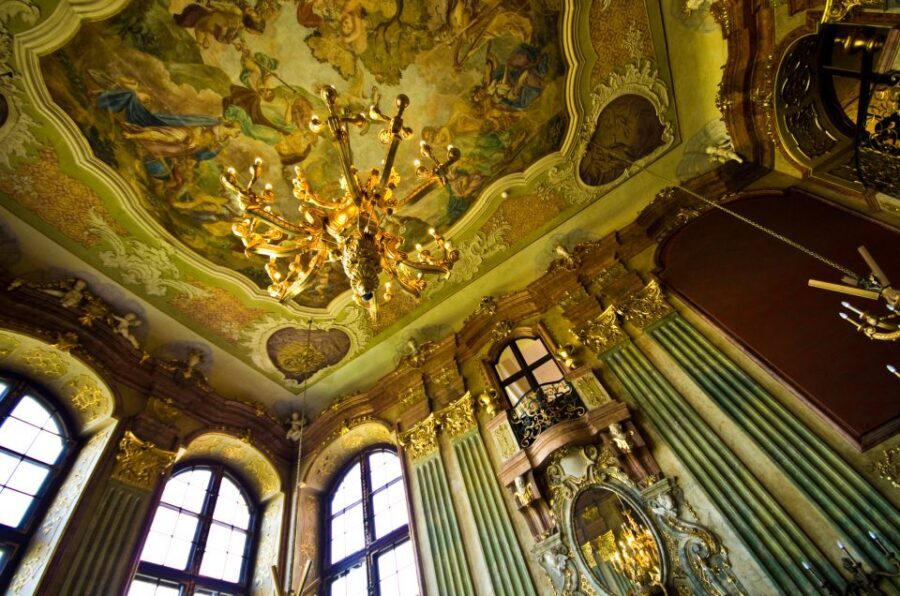
At $203 per person for about 6 hours, this isn’t a bargain-bin sightseeing deal. But it’s also not priced like a luxury private chauffeur with endless extra time. The value hinges on what’s included.
You’re getting:
- Hotel pickup and drop-off in Wrocław
- Transport by private vehicle
- A driver/guide
- Trip insurance
- Skip the ticket line
- Small group (max 8)
- English audio guide
For me, the “value math” comes from the private transport and the small group. Those two things reduce friction—less waiting around, fewer delays, and more chance to keep the day flowing. And skipping ticket lines matters when time is tight, especially with castle and UNESCO sites where schedules and entry flow can add up.
If you compare this to doing it yourself, you’d still need transportation, a guide (or heavy reading), and ticket logistics. Here, you pay for the convenience and the context, and it shows.
Who this tour fits best (and who might want to reconsider)
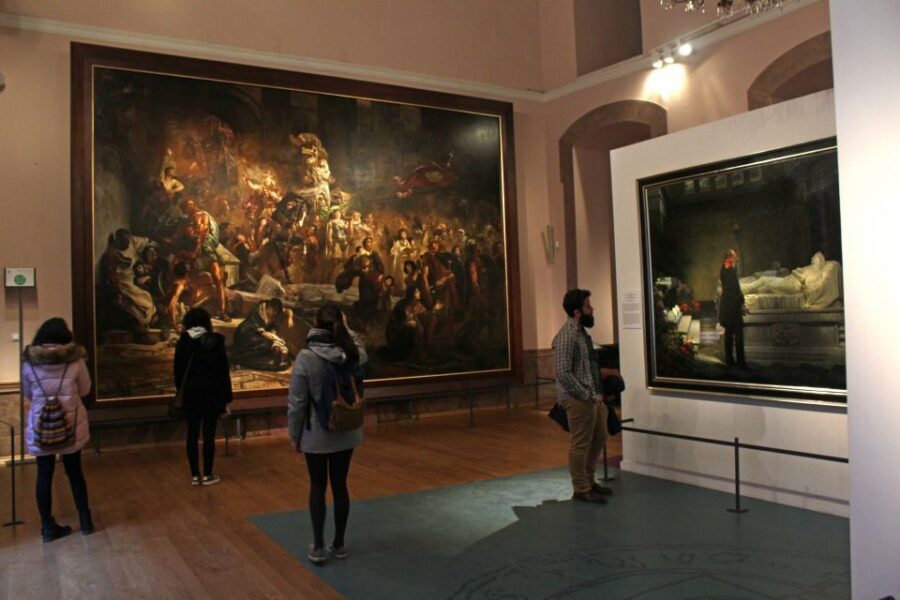
This is a strong choice if you want a guided, story-driven day around Wrocław without committing to a full-day road trip. I’d especially recommend it for people who like:
- Architectural history and how location shapes power
- Religious history tied to real-world constraints
- A varied route, not just one monument
A couple of practical limitations matter. The tour is not suitable for wheelchair users, and it doesn’t sound like a good fit for anyone who needs a fully step-free route. Also, unaccompanied minors are not allowed, so plan to go with an adult.
If you’re traveling as a couple or small group and you like asking questions, the small size can make the experience feel more tailored. And if you’re someone who benefits from having both a guide and an audio layer, this format is built for you.
Should you book this Wrocław to Książ and Peace Churches tour?
Book it if you want a guided Lower Silesia day that includes the big names—Książ Castle, the Churches of Peace, and Świdnica’s Market Square—plus a genuinely unusual stop at the Wałbrzych Palm House. The small-group size and pickup/drop-off from Wrocław make it feel efficient without turning it into a stamp-collecting exercise.
Skip it if you’re trying to maximize leisurely time at each stop. This is a tight 6-hour schedule, and you’ll move. Also, if mobility is a concern, you should look for a different option since it’s not wheelchair friendly.
If you’re flexible and comfortable with a day that balances viewpoints, context, and quick transitions, this tour is a smart way to experience a chunk of Poland’s Lower Silesia in one go.
FAQ
How long is the tour from Wrocław?
The tour lasts about 6 hours.
Does the tour include hotel pickup and drop-off in Wrocław?
Yes. You’ll be picked up from your accommodation in Wrocław and dropped off afterward.
Is this a small group tour?
Yes. It’s limited to a small group of up to 8 participants.
What languages are available during the tour?
The instructor/guide works in English and Polish, and an English audio guide is included.
Do I skip the ticket line?
Yes, skip-the-ticket-line access is included.
Is the tour suitable for wheelchair users, and are unaccompanied minors allowed?
Wheelchair users are not suitable for this tour, and unaccompanied minors are not allowed.