REVIEW · KRAKOW
Wheelchair accessible PRIVATE transfer to Auschwitz – Birkenau
Book on Viator →Operated by Taxi Bus Krakow · Bookable on Viator
Getting there matters almost as much as history. This private, wheelchair-accessible transfer from Krakow keeps the stressful parts off your plate: hotel pickup and a private minivan door-to-door. My favorite parts are the comfort of the ride and the fact you don’t have to hunt down a meeting point. One important consideration: the Auschwitz-Birkenau grounds are not fully accessible, so you’ll still need to expect some limits and follow tight museum rules.
You’ll get picked up about two hours before your museum entrance time, then spend the day moving with a schedule that’s designed for timed entry. The trip includes a headphone system to make the visit easier, which is a real quality-of-life win when you’re trying to focus on the exhibits. I also like that the driver can adapt to your individual needs while still obeying museum regulations.
Here’s how the day typically flows: about 1.5 hours driving each way, roughly 2 hours at Auschwitz I, then about 1 hour at Birkenau. The tour price covers the transfer—not the museum tickets—so you’ll want to plan ahead and buy those in advance, especially since visitor numbers are limited.
In This Review
- Key things to know before you go
- The real value: private, wheelchair-accessible transport that reduces stress
- How the timing works: your two-hour early pickup
- Inside the visit plan: what Auschwitz I usually feels like
- The move to Birkenau: an extra hour, different grounds
- Wheelchairs, space, and what your vehicle actually provides
- Price and value: paying for comfort, time, and a private schedule
- Tickets, bags, and security checks: the rules that can make or break the day
- Who this transfer fits best
- Should you book this private transfer?
- FAQ
- How far in advance do you pick me up from Krakow?
- Is this transfer private or do I share it with other people?
- Does the day include both Auschwitz I and Birkenau?
- Is the service suitable for electric and manual wheelchairs?
- Do I need to buy museum entrance tickets myself?
- What are the baggage and security rules?
- Can I cancel for a full refund?
Key things to know before you go

- Hotel pickup with a timed entrance start means less scrambling and more control over your day.
- Wheelchair service for both electric and manual chairs keeps the transfer practical for different setups.
- Private transportation up to 5 people so you’re not sharing the ride or timing with strangers.
- Headphone system included, a helpful add-on for clearer audio during your visit.
- Museum accessibility is limited, so plan for real-world paths and strict rules.
The real value: private, wheelchair-accessible transport that reduces stress
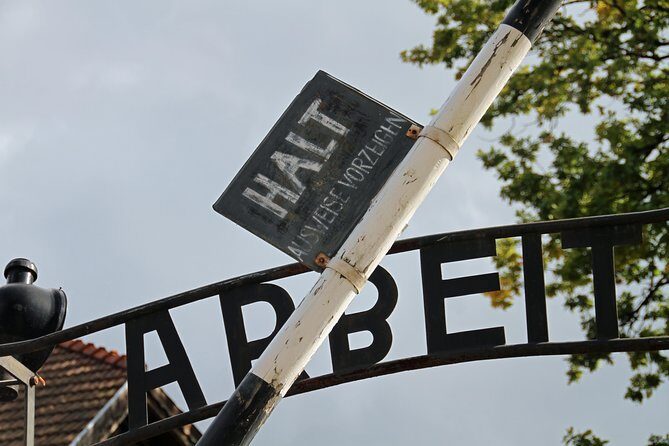
When people plan Auschwitz, they often obsess over the exhibits. Good instinct. But in practice, the hardest part can be the logistics: getting there, arriving on time, and moving between sites without turning the day into a scavenger hunt.
This experience is built around that reality. I like that it’s private—just your group in a wheelchair-accessible vehicle—so there’s no waiting for other passengers or trying to fit someone else’s pace. And instead of forcing you to show up somewhere and hope your timing lines up, you get hotel pickup and drop-off in Krakow. That small difference can mean the whole day feels calmer.
Now, here’s the one consideration to respect: the museum itself is not fully accessible. Even with a wheelchair-friendly vehicle and helpful driver support, you’re still visiting a historic site with rules and terrain constraints. So go in expecting that the transfer handles the mobility needs for the ride, while the museum handles access within its own boundaries.
You can also read our reviews of more private tours in Krakow


How the timing works: your two-hour early pickup
The day runs on a simple idea: you arrive when the museum needs you to. Pickup is scheduled minimum two hours before your entrance to the museum. You’ll specify your entrance time during booking so the pickup matches your entry slot.
On the road, expect about 1.5 hours of driving from Krakow to the Auschwitz-Birkenau area. When you arrive, you’re taken to the museum main entrance. From there, the plan is structured to keep you moving through the right sequence without turning your visit into guesswork.
Why that timing matters for you:
- If you’re using a wheelchair, slowdowns can happen at every step. Starting earlier gives you margin.
- When visitor numbers are limited, arriving late is more than annoying—it can mess with entry.
- A timed plan reduces the stress of waiting around, which helps when the subject matter is heavy.
Inside the visit plan: what Auschwitz I usually feels like
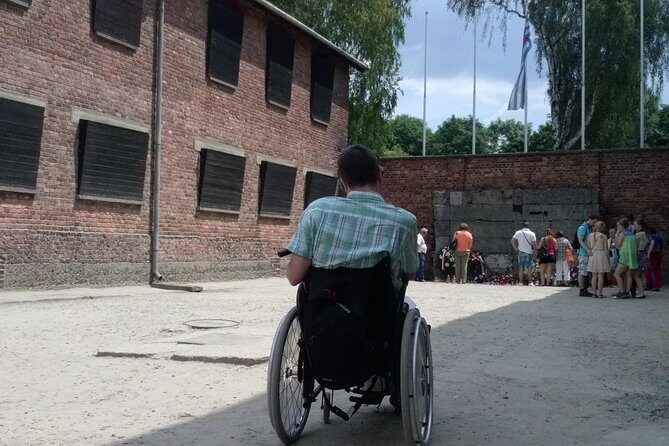
Your visit to Auschwitz I is planned for about 2 hours. You’ll be taken to the main entrance first, then you’ll use that time to see the key areas at your own pace as much as the site layout allows.
Two things make this part of the day work well in a wheelchair context (based on how the service is set up):
- You’re not coordinating your own transport between checkpoints. The transfer handles the big movements.
- The inclusion of a headphone system helps you keep track of audio information without cranking your effort into hearing clearly in a large, echo-y space.
Also note the rules you’ll need to follow once you arrive. For safety, you’ll go through security checks, including electronic device detection. And you must be ready for the museum’s constraints—your driver can assist, but they’re still obligated to follow museum regulations. That’s a good thing. It means less chaos during a visit that already demands order.
The move to Birkenau: an extra hour, different grounds
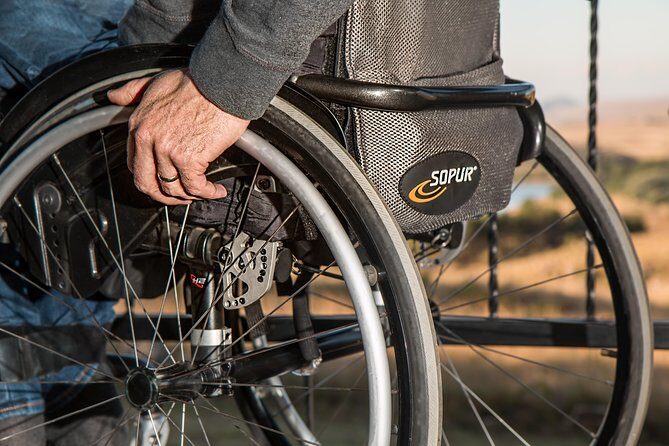
After about 2 hours at Auschwitz I, you’ll head to Birkenau. The transfer includes a move by the same minivan, followed by about one additional hour of visiting time.
This part matters because it gives you a second lens on the story: Auschwitz I is often experienced as the administrative heart of the camp complex, while Birkenau is typically where many visitors feel the scale most strongly. An hour may not sound long, but for a day that already includes long travel and strict timing, it can be a realistic and focused amount of time.
Practically, the best advantage for you is continuity. You’re not trying to figure out transportation once you’re already onsite. The same private setup keeps your day from fragmenting.
Wheelchairs, space, and what your vehicle actually provides
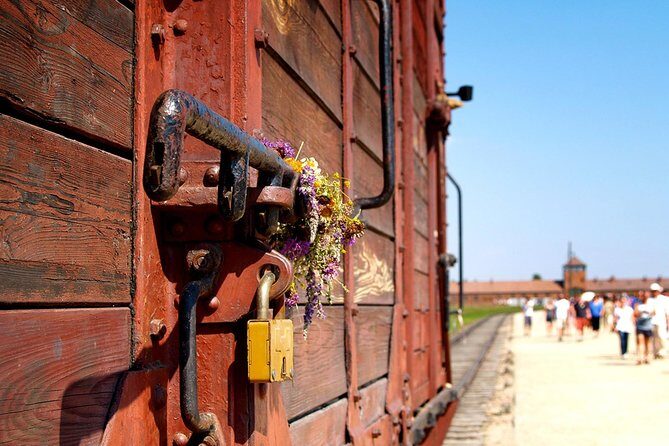
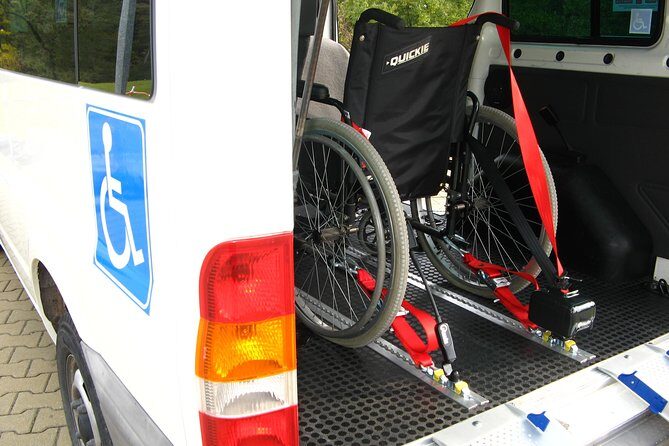
This transfer is designed specifically for wheelchair needs. It includes:
- Service for both electric and manual wheelchairs
- A vehicle setup with room for one wheelchair + 4 standard seats
- A wheelchair-accessible minivan
- Help from an English-speaking driver
- Parking fees included
That last point—space planning—can be the deal-breaker detail people miss. Because the vehicle is set up for one wheelchair, you’ll want to match your party composition to the capacity. If you have more than one wheelchair user, you’ll need to talk through feasibility during booking.
Also, since the driver can adapt to individual needs, it’s worth thinking about what you’ll actually require during the day. For example, if you need extra time at particular steps, or if your chair setup needs care on transitions, this kind of driver-assisted transfer can help smooth those moments—as shown by a real example from the service history: one driver named Piotr stepped in when a tour timing change meant a planned schedule wouldn’t work, organizing a way for the group to still attend and learn the other parts later. That’s the kind of calm, problem-solving support you hope you won’t need—but will really appreciate when timing gets messy.
Still, remember the museum sets the boundary. Even with vehicle access and an accommodating driver, the museum is clear that it’s not fully accessible, and you must follow their rules.
A few more Krakow tours and experiences worth a look






Price and value: paying for comfort, time, and a private schedule

The price is $295.87 per group (up to 5), and the duration runs about 8 to 9 hours. That’s for a private, wheelchair-accessible transfer with hotel pickup and drop-off, parking fees, and an English-speaking driver.
Here’s how I’d judge value for you:
- If you’re traveling as a small group (up to 5), the per-group structure can be cost-competitive compared to piece-by-piece alternatives.
- The big savings isn’t dollars—it’s time and mental load. When you’re facing limited entry slots, security rules, and heavy walking demands, a driver-managed schedule is worth real money.
- You’re also paying for wheelchair logistics: electric/manual support and dedicated space in the minivan. That’s not just a convenience; it affects whether the trip is actually workable.
What’s not included is important: museum entrance fees and food and drinks are separate. So you should budget for those on top. Also, tickets are not a casual purchase because visitor numbers are limited—plan for that early.
Tickets, bags, and security checks: the rules that can make or break the day
This tour includes transport, but you need to buy museum tickets in advance. The service notes that number of visitors is limited, so buying ahead is not optional if you want a smooth entry.
Before you go through the grounds, you’ll face security screening. The key details you should know:
- You’ll need a document with a photo, name, and surname.
- Bag and backpack limits are 30x20x10 cm (max).
- Each person is subject to security checks, including electronic device detection.
- If you refuse checks, you won’t be allowed on the grounds.
These rules are where a private transfer really helps—because you’re not doing this scramble alone. Your driver can get you to the right place at the right time. But your preparation still matters. If you show up with a large bag or missing documentation, the day can slow down fast.
Who this transfer fits best
This is a strong match if you:
- Need wheelchair-accessible transport and want an approach that covers both electric and manual chairs.
- Prefer privacy and a schedule that stays within your group.
- Want the simplest day possible: pickup, drive, transfer between Auschwitz I and Birkenau, then back to Krakow.
It’s also not a good fit if you’re relying on small-bag convenience but haven’t planned for the 30x20x10 cm limit. And if you’re bringing children, note the guidance: it’s not recommended for child aged 14 and under.
Should you book this private transfer?
Book it if your priority is control and accessibility. You’re paying for a smooth, private day with hotel pickup, a wheelchair-accessible vehicle, an English-speaking driver, and a timed approach designed around museum entry limits. For many people, that alone turns a complicated trip into something manageable.
Don’t book it blindly if you’re expecting the museum to be fully barrier-free. The venue is not fully accessible, and you’ll need to work within museum regulations and real-world movement constraints. If you can accept that and plan around the rules, this transfer becomes a very smart way to focus on the visit itself rather than the logistics.
If your group fits the vehicle capacity (one wheelchair + up to four standard seats) and you’re ready to buy museum tickets in advance, I think you’ll find this is one of the most practical ways to do Auschwitz-Birkenau from Krakow.
FAQ
How far in advance do you pick me up from Krakow?
You’ll be picked up minimum two hours before your entrance time to the museum. Pickup time depends on your scheduled entry, so you’ll need to specify your entrance time when booking.
Is this transfer private or do I share it with other people?
It’s private. Only your group participates, and the transport is arranged for your group rather than shared with other travelers.
Does the day include both Auschwitz I and Birkenau?
Yes. You’ll visit Auschwitz I for about two hours, then you’ll be taken to Birkenau for about one additional hour.
Is the service suitable for electric and manual wheelchairs?
Yes. The transfer includes service for both electric and manual wheelchairs.
Do I need to buy museum entrance tickets myself?
Yes. Museum entrance fees are not included, and you should buy tickets in advance since visitor numbers are limited.
What are the baggage and security rules?
The maximum bag size is 30x20x10 cm. You’ll go through security checks, including electronic device detection, and you’ll need a document with a photo, name, and surname.
Can I cancel for a full refund?
Yes, you can cancel for a full refund up to 24 hours in advance of the experience start time.