REVIEW · KRAKOW
Wawel Castle and Cathedral with St Mary Basilica tour
Book on Viator →Operated by Intercrac Sp. z o.o. · Bookable on Viator
Wawel makes history feel close. This guided run through Krakow’s top monuments mixes Wawel Royal Castle museum rooms, coronation-level cathedral moments, and a guided Old Town walk that keeps you moving. I love the castle’s art and collections, including the Lanckoroński Italian paintings and the surprising Ottoman tent displays, and I love the cathedral experience with the tower climb and the chance to touch the Sigismund Bell.
One watch-out: you’ll be walking and switching between guides for the different parts, so arrive early and follow the group closely. Also, the dress code matters in churches and some museum areas, so pack accordingly.
In This Review
- Key points to know before you go
- Wawel Royal Castle: museum rooms with royal-level drama
- Wawel Cathedral: coronations, crypts, and the Sigismund Bell moment
- Krakow Old Town: Main Market Square plus the science story of Copernicus
- St. Mary’s Basilica: the Veit Stoss altar in a tight 30-minute window
- What you get for $88.16: value in ticket coverage and time saved
- Logistics that actually matter: meeting points, staying together, and what to wear
- Who should book this tour, and who might want a different plan?
- Should you book: my take on the Wawel + St. Mary mix
- FAQ
- How long is the Wawel Castle and Cathedral with St Mary Basilica tour?
- What language is the tour offered in?
- Where does the tour start and end?
- What’s included in the price?
- Is Old Town included, and is there a ticket cost?
- Are any exhibitions besides the listed ones included?
- Do I need to pay for lunch?
- Is the Veit Stoss altar visit included?
- What are the dress code rules?
- How big is the group?
- Can I cancel for a full refund?
Key points to know before you go
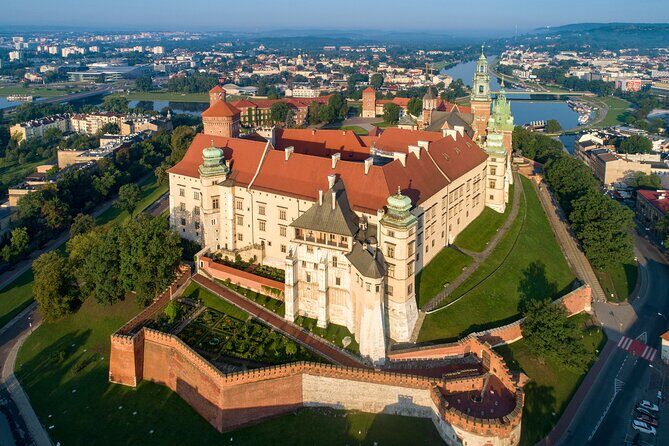
- State Rooms focus at Wawel Castle so you spend time on the museum highlights, not random hallways
- Cathedral tower + Sigismund Bell gives you a real, hands-on landmark moment
- Old Town walk with Main Market Square and Cloth Hall plus Collegium Maius and Copernicus context
- St. Mary’s Basilica entry includes the Veit Stoss altar, explained in a way that clicks
- Max 30 people keeps the tour feeling personal enough for questions
- Tickets covered for Wawel Castle, Wawel Cathedral, and St. Mary’s Basilica so your budget stays simple
Wawel Royal Castle: museum rooms with royal-level drama
The Wawel Royal Castle part of the tour is where you see Krakow’s power story in physical form. You start with the State Rooms, which is exactly the right choice if your time is limited. These rooms are designed for display, so it’s not just facts on a label. You get to look at Renaissance-era interiors, see how elite life was staged, and understand why this hill became the symbol of Polish statehood.
I like the way the castle visit is tied to collections you can actually picture. You’ll move through areas that show off:
- ceremonial arts and decoration in the State Rooms
- a major thread of Italian painting through the Lanckoroński collection
- the weird-and-wonderful museum side, like the porcelain and weapon galleries
- Eastern art, including Europe’s largest collection of Ottoman tents
That last point is the one people often don’t expect. But it makes sense for Wawel. Krakow wasn’t isolated. It was one of those places where cultures met, traded, and influenced each other. Seeing the Ottoman tent collection in the context of Polish royal display helps the story feel grounded instead of abstract.
Two practical notes that make this stop more enjoyable. First, the tour includes fast-track access to one permanent exhibition, but the exact exhibition can vary based on availability. So don’t count on a specific extra gallery every time; focus on the State Rooms and the collections you are definitely led to see. Second, museum lighting and crowd flow can slow you down. Wear shoes you can walk in confidently, because you’ll want to stop and take in details when the guide points them out.
You can also read our reviews of more tours and experiences in Krakow.


Wawel Cathedral: coronations, crypts, and the Sigismund Bell moment
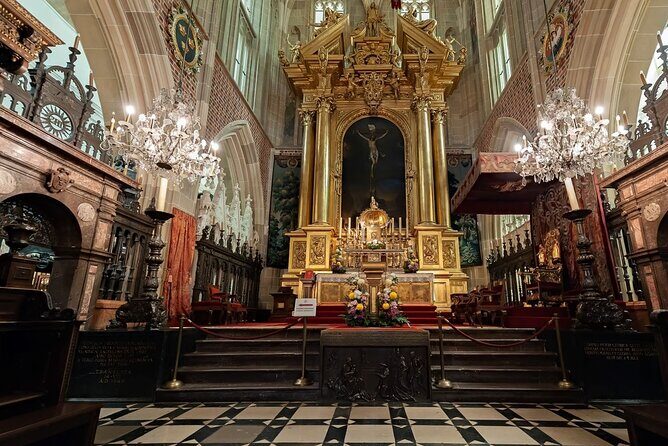
Next comes Wawel Cathedral, and it’s a totally different kind of experience. If the castle is about presentation and collecting, the cathedral is about ceremony, power, and final resting places. This is where monarchs were crowned, married, and buried, so you’re not just looking at architecture. You’re standing in the backdrop of major life events for rulers.
The cathedral visit includes the Gothic chapels and the ornate details people travel for: golden domes, layered decoration, and all the visual complexity that comes from centuries of building and rebuilding. Your guide also helps you interpret what you’re seeing, including why certain chapels matter in the Polish royal story.
Then you get the part that feels most memorable in real time: you climb to the tower for panoramic views and you have a chance to touch the Sigismund Bell. That’s not a small moment. It gives you a tactile connection to an object that has become part of Krakow’s identity.
After the tower, you descend to the royal crypts. This is where the mood changes again. The cathedral shifts from view-making to reflection. It’s also a good reset after the stairs up top, because the pace tends to slow while your guide ties together the themes of coronations and legacy.
One consideration: church visits come with a dress code. You’ll need clothing that covers shoulders and knees, and you can’t wear shorts or sleeveless tops in those worship spaces and selected museums. If you forget, you might end up stressed looking for a workaround. Bring a light layer you can wear over your top so you’re not scrambling at the last minute.
Krakow Old Town: Main Market Square plus the science story of Copernicus
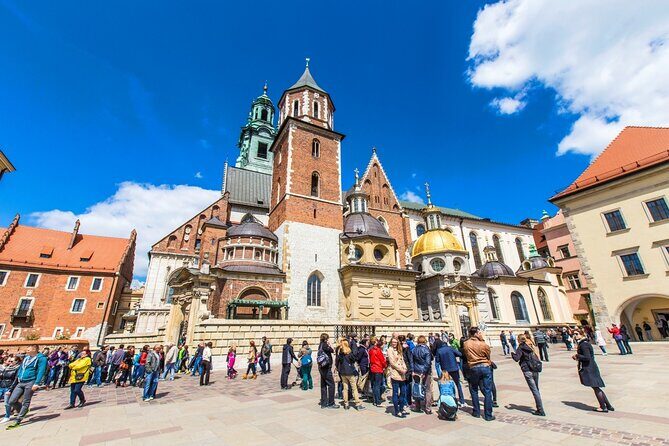
After Wawel, the tour turns into a city-walk through Krakow’s UNESCO-listed Old Town. This section is short enough to keep the energy up, but it still hits the landmarks that make Krakow feel like Krakow.
You’ll see Krakow’s Main Market Square, the Cloth Hall, and historic streets that explain why the city gets so much attention. These are the classic sights, but the guide’s job here is to make the places feel alive. Instead of simply naming buildings, you learn the context: how merchants’ guilds shaped the city, and how royal processions fit into the street life around the square.
I also appreciated the stop near Collegium Maius, the oldest university building in Poland. Your guide connects it to Nicolaus Copernicus, which gives the area more than tourist scenery. It helps you place Krakow not only as a royal capital, but also as a place where learning mattered.
This Old Town walk runs about an hour and it’s structured like a guided orientation. That matters because Krakow’s center can feel compact but confusing when you’re doing it alone. With the tour, you get your bearings fast, and you also learn what’s worth revisiting after the guided portion ends.
A small pacing note: the tour format can include a short pause between the castle/cathedral portion and the Old Town guide segment. You don’t need to worry if you follow instructions, but it’s one reason to show up early at the first meeting point and keep your group awareness high.
St. Mary’s Basilica: the Veit Stoss altar in a tight 30-minute window
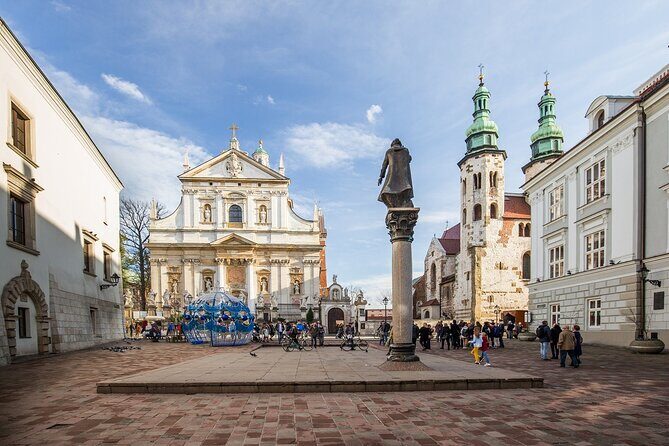
The final highlight is St. Mary’s Basilica. This is short on paper—about 30 minutes—but it’s long enough to make the key artwork land if you’re paying attention.
The reason people care is the Gothic Veit Stoss altar. It’s described as a masterpiece of medieval art and storytelling, and that’s the best way to approach it: treat it like a narrative built out of sculpture and detail, not just a decoration you scan while you walk.
Your guide explains what you’re looking at, which is crucial here. Without that, you can get stuck staring at pretty stone and missing the point. With the explanation, the altar’s scenes and artistic choices start to feel connected to the broader medieval worldview of Krakow.
Because the visit is time-boxed, I recommend you do two things when you arrive inside. First, look up early before you settle into close-up viewing. Second, pick one or two sections the guide mentions most, and give them your full attention. That way you’ll leave with at least one strong visual memory instead of a blur.
Also remember the church dress requirements still apply. If you plan ahead, this final stop feels smooth instead of rushed.
What you get for $88.16: value in ticket coverage and time saved
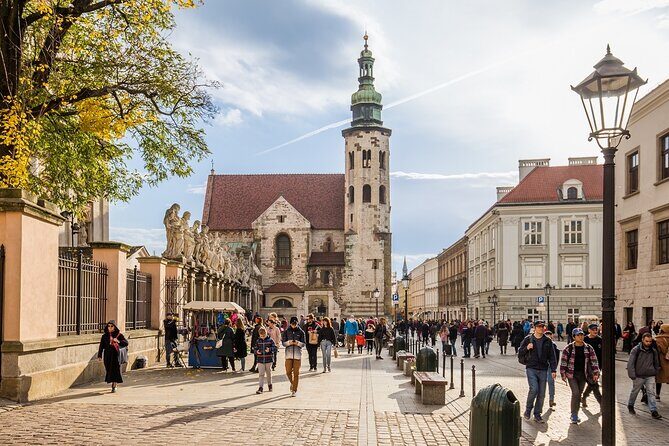
At $88.16 per person, you’re paying for three things: guided interpretation, priority help for one castle permanent exhibition, and included admission for the major monuments. If you try to piece these sights together alone in Krakow, you’ll spend time lining up and jumping between ticket counters—time you could spend on the actual experience.
Here’s what’s included in a practical, money-saving way:
- guided tour with a certified local expert focused on Krakow’s royal story
- admission to Wawel Royal Castle (State Rooms museum portion)
- fast-track access to one permanent castle exhibition, availability varies
- admission to Wawel Cathedral
- admission to St. Mary’s Basilica
Not included is also important for value. Lunch isn’t included, and you should plan for that if you’re hungry. Tickets for any additional exhibitions beyond what you’re assigned are not included either, so don’t assume you can wander into everything.
The group size cap at 30 helps with quality. Big groups can turn guides into broadcasters. Here, the cap supports the kind of interaction where you can ask questions and get real answers. That’s one reason this tour tends to work well for people who like asking why something is the way it is.
Duration is about 3 hours 30 minutes, give or take. Some schedules run closer to 4 hours depending on timing between segments. Either way, it’s a compact way to cover a lot of Krakow’s must-see without turning your day into a logistics marathon.



Logistics that actually matter: meeting points, staying together, and what to wear
The start is at plac Świętej Marii Magdaleny 31, and the tour ends at St. Mary’s Basilica, plac Mariacki 5. The meeting point is not on Wawel Hill, so don’t treat it like a “show up and walk up the hill” situation. Use the exact address from your voucher and arrive at least 10 minutes early.
Once the group enters, late joining isn’t possible and tickets aren’t refundable, so early arrival is worth it. This is one of those tours where being on time protects your experience more than it protects the operator.
What to wear is the other big deal. You need clothing that covers shoulders and knees in places of worship and selected museums. That means no shorts and no sleeveless tops. Even if you’re heading straight from a warm afternoon, Krakow churches can be strict about entry rules.
If you’re thinking about comfort, plan for stairs. The cathedral tower climb is part of the experience. You’ll also be on your feet during the castle rooms and the Old Town walk. Comfortable walking shoes beat fashionable shoes here.
Who should book this tour, and who might want a different plan?
This tour is ideal if you want a guided path through Krakow’s most important monuments without getting lost in museum complexity. It’s also a strong match if you enjoy history that has a human storyline—coronations, marriages, rulers in crypts—and you like art explained clearly.
You’ll especially like it if:
- you want a focused Wawel museum experience, not endless wandering
- you care about the cathedral as a living monument of Polish royal life
- you want an Old Town orientation that includes Collegium Maius and Copernicus context
- you want St. Mary’s Basilica’s Veit Stoss altar explained in the time you have
If you prefer fully independent travel with lots of free time inside each site, you might find the pace a bit structured. The tour is designed for about a half-day experience that hits the big points cleanly. That’s great for many people, but not everyone.
Should you book: my take on the Wawel + St. Mary mix
I’d book this tour if you want maximum impact with guided explanations that connect the art and architecture to real Polish storylines. The combination works because each part changes the theme: royal museum rooms at Wawel Castle, ceremonial and crypt-level meaning at Wawel Cathedral, then a guided walk that ties the city’s past to Copernicus at Collegium Maius, and finally the dramatic storytelling of the Veit Stoss altar.
The best reasons to choose it are simple: you get the right ticketed access, you cover the core monuments without guesswork, and the structure is small enough for questions. The only real drawback is the dress code and the fact you’ll be on your feet for a few hours, with a short pause between segments.
If that fits your style, it’s a smart way to spend your time in Krakow.
FAQ
How long is the Wawel Castle and Cathedral with St Mary Basilica tour?
It’s approximately 3 hours 30 minutes.
What language is the tour offered in?
The tour is offered in English. Group tours are conducted in a single language chosen at the time of booking.
Where does the tour start and end?
It starts at plac Świętej Marii Magdaleny 31, Kraków, Poland and ends at St. Mary’s Basilica, plac Mariacki 5, Kraków, Poland.
What’s included in the price?
The tour includes a guided tour with a certified local expert, entrance to Wawel Castle and Wawel Cathedral, entry to St. Mary’s Basilica, and fast-track access to one permanent Wawel Castle exhibition (availability varies). Wawel Cathedral and St. Mary’s Basilica admission tickets are included.
Is Old Town included, and is there a ticket cost?
Yes, Kraków Old Town is part of the tour. The admission for the Old Town component is free.
Are any exhibitions besides the listed ones included?
Visiting exhibitions other than those listed is not included.
Do I need to pay for lunch?
Lunch is not included.
Is the Veit Stoss altar visit included?
Yes. Entry to St. Mary’s Basilica is included, and the tour highlights the Gothic Veit Stoss altar.
What are the dress code rules?
A dress code is enforced in places of worship and selected museums. Clothing must cover shoulders and knees, and shorts or sleeveless tops are not permitted.
How big is the group?
Group size is limited to a maximum of 30 participants.
Can I cancel for a full refund?
Free cancellation is available. You can cancel up to 24 hours in advance for a full refund based on local time. If you cancel less than 24 hours before the start time, the amount paid will not be refunded.