REVIEW · WROCLAW
From Wroclaw: Polish Pottery and Jawor Church of Peace Tour
Book on GetYourGuide →Operated by Viadrina Tours · Bookable on GetYourGuide
Pottery with a purpose beats souvenirs. This tour pairs Bolesławiec handcraft you can watch in real time with Jawor’s UNESCO Church of Peace, built under 17th-century religious pressures. I especially love seeing the hand-decorated process up close and then having time at the factory store; one catch is that you’ll want to plan ahead for shopping, since that part can take more time than you expect.
What makes it feel comfortable is the format: small group (up to 8), a live English-speaking guide, and an audio guide available in English and Polish. And yes, if beer tasting is on your mental checklist, it’s only for people 18 and older.
In This Review
- Key points to know before you go
- Bolesławiec Pottery: Where the Peacock’s-Eye Pattern Starts
- Inside the Manufactory: What You’ll Really Notice
- The Factory Store: How to Shop Smarter (Not Just Faster)
- Lunch Planning: Expect a Restaurant Stop, But Bring Budget
- Jawor’s Church of Peace: A Wooden UNESCO Stop With Real Stakes
- UNESCO and Craft in the Same Day: Why This Pairing Works
- Price and Value: Is $194 Fair for an 8-Hour Day?
- Timing, Pickup, and How the Day Flows
- Beer Tasting at 18+: A Small Add-On With One Condition
- Who This Tour Fits Best (And Who Might Skip It)
- Should You Book This Tour?
Key points to know before you go
- Watch Bolesławiec pottery get made, step by step at a top local manufacturer
- Hand decoration uses stamps and the famous peacock’s-eye pattern
- See UNESCO-listed Church of Peace in Jawor, a major wooden church landmark
- Small group size means you can ask questions without getting swept along
- Lunch isn’t included, so budgeting for it matters
Bolesławiec Pottery: Where the Peacock’s-Eye Pattern Starts
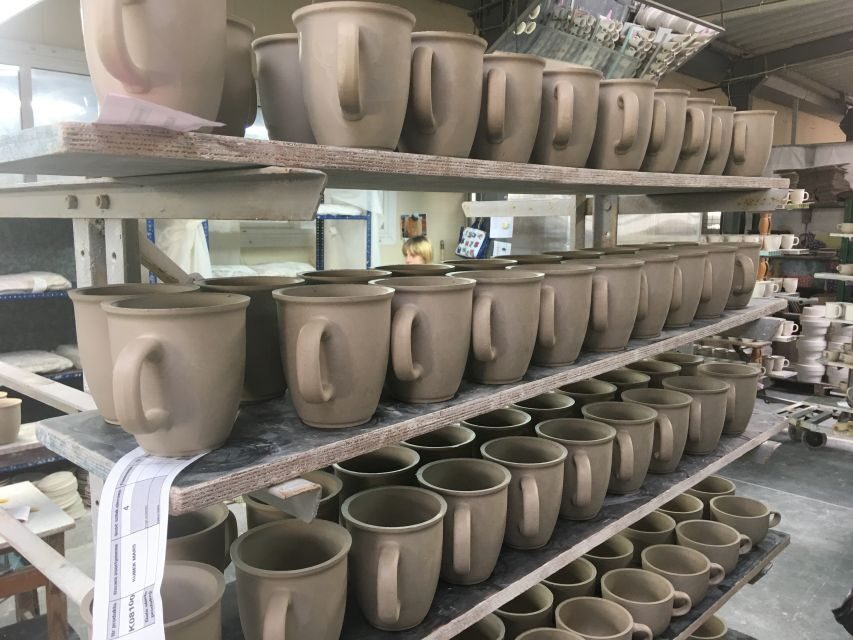
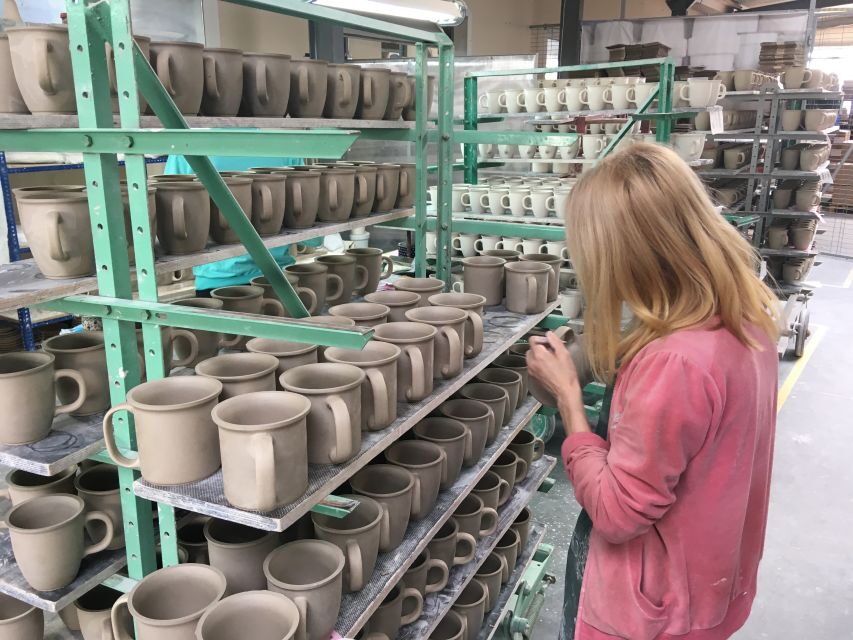
If you like souvenirs that actually mean something, Polish pottery from Bolesławiec is hard to beat. The big draw here is that you don’t just view finished pieces. You get to see the rhythm of production and understand why the look is so recognizable—especially the peacock’s-eye style pattern that shows up again and again.
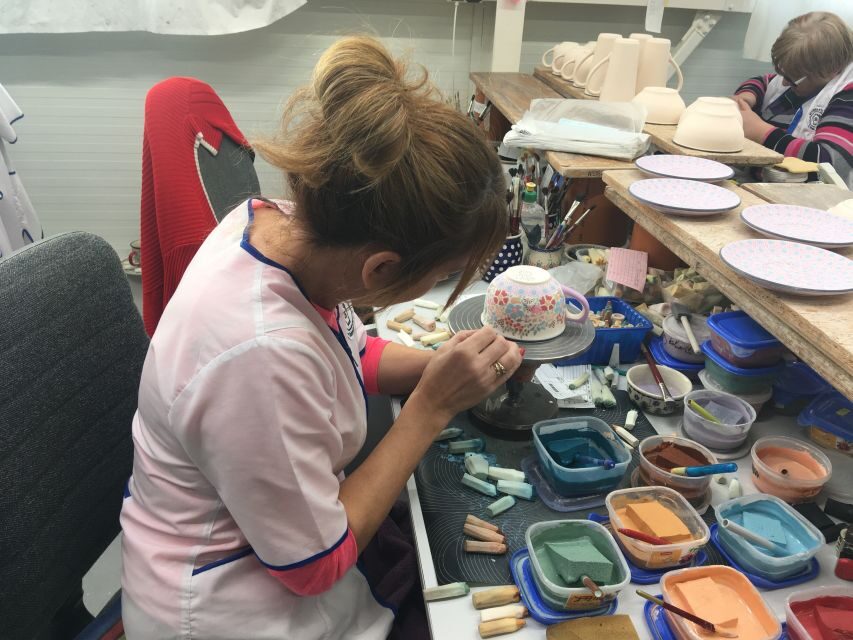
I like that the tour explains the decoration as a craft, not a magic trick. You’ll see how the designs come together through hand work and special stamping methods, which makes the finished vase, bowl, or plate feel earned rather than random.
You can also read our reviews of more tours and experiences in Wroclaw.


Inside the Manufactory: What You’ll Really Notice
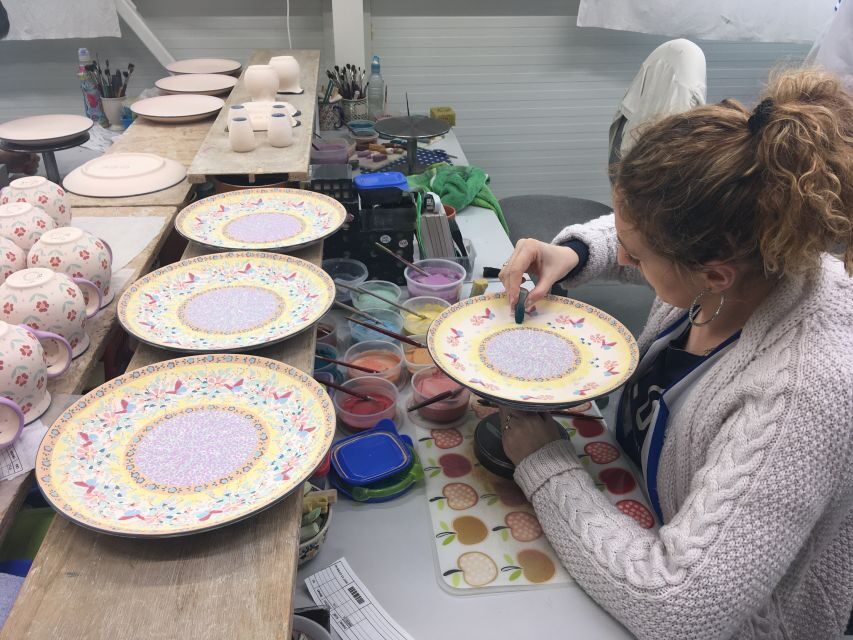
The factory visit is built around watching skilled workers in different stages of production. That matters, because Polish pottery isn’t one single step you can fake with a quick factory tour. You’re seeing the workflow that turns clay into something you want to live with at home.
The decoration is where your eyes will lock in. The emblematic motif—peacock’s eye—gets built with stamps, then refined through hands-on work. Even if you don’t speak Polish, the visual logic is easy: press, pattern, refine, and repeat until the design feels crisp and intentional.
This is also the point where you’ll start thinking like a shopper, not just a visitor. Once you’ve seen how much handwork goes into the look, you’ll notice quality cues faster—like how consistent the stamped pattern is and how cleanly the details read on the finished surface.
The Factory Store: How to Shop Smarter (Not Just Faster)
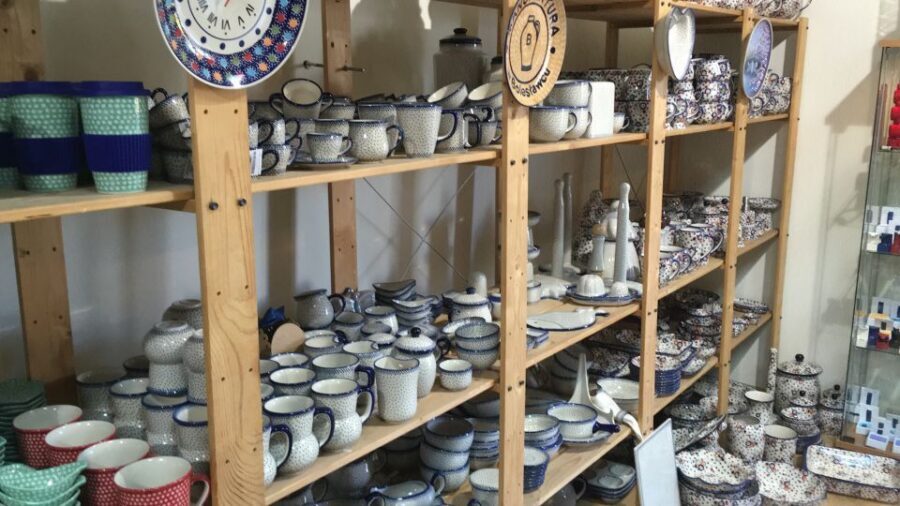
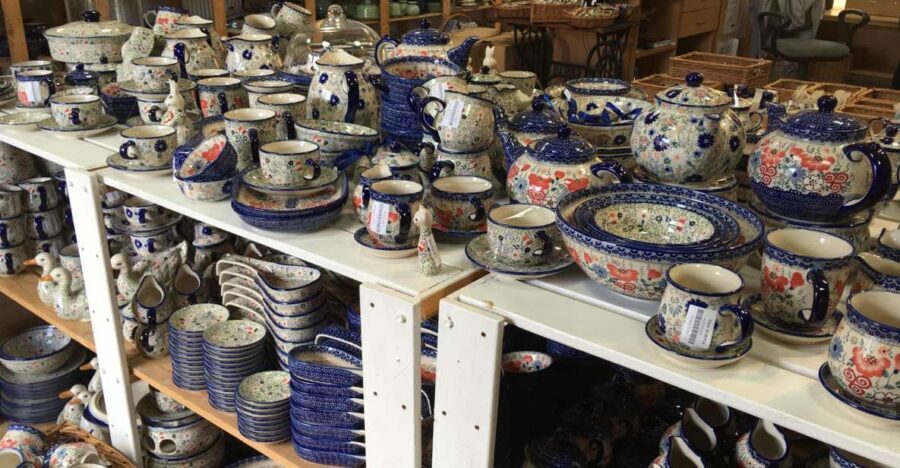
After the production viewing, you’ll have shopping time at the factory store. This is the part you should treat like a mini mission. If you wait until the end to decide what you want, you may feel rushed—or end up buying the first pretty thing you spot.
Here’s how to make it work for you:
- Decide in advance what you’re buying: serving pieces, desk items, or gifts.
- Focus on patterns you can recognize easily in daylight, since ceramic colors can look different under indoor lighting.
- Check for a match in style if you’re buying sets. The charm of Bolesławiec is how cohesive patterns feel when they’re part of a group.
One reason this stop lands well is the way the guide supports it. Adam is one of the guides mentioned in feedback, and the consistent theme is his patience while people shop. That’s useful. You want time to compare pieces and not feel like you’re holding everyone back.
Lunch Planning: Expect a Restaurant Stop, But Bring Budget
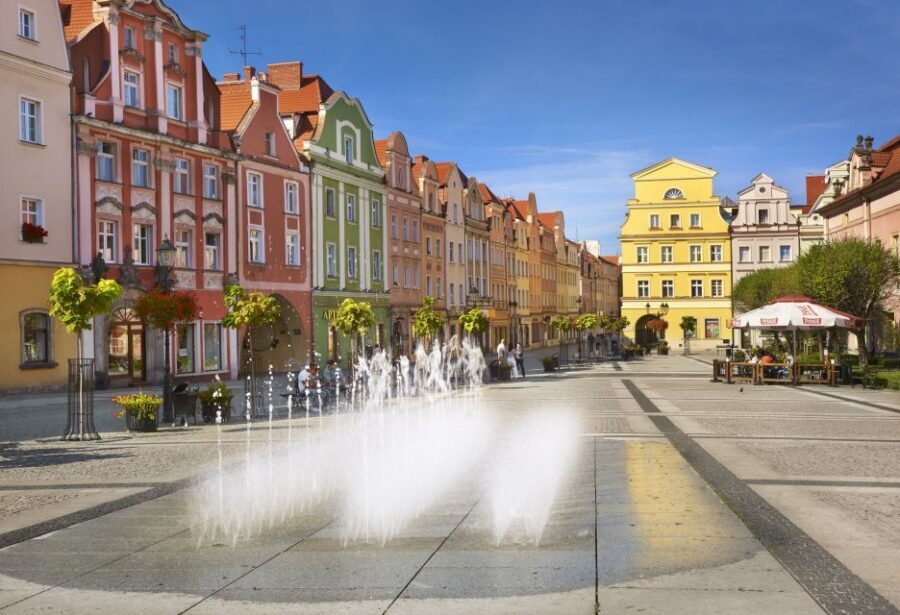
Lunch isn’t included. You’ll head to a local restaurant after the pottery stop, so you should plan for that extra cost. If you’re traveling with a set budget, check how much you want to spend on a sit-down meal and snacks before you go.
This also affects timing. Because lunch is on the day plan but not included in the tour price, you’re the one who controls whether you linger, grab something simple, or stay closer to the schedule. I’d rather do that on purpose than get surprised when the bill arrives.
Jawor’s Church of Peace: A Wooden UNESCO Stop With Real Stakes
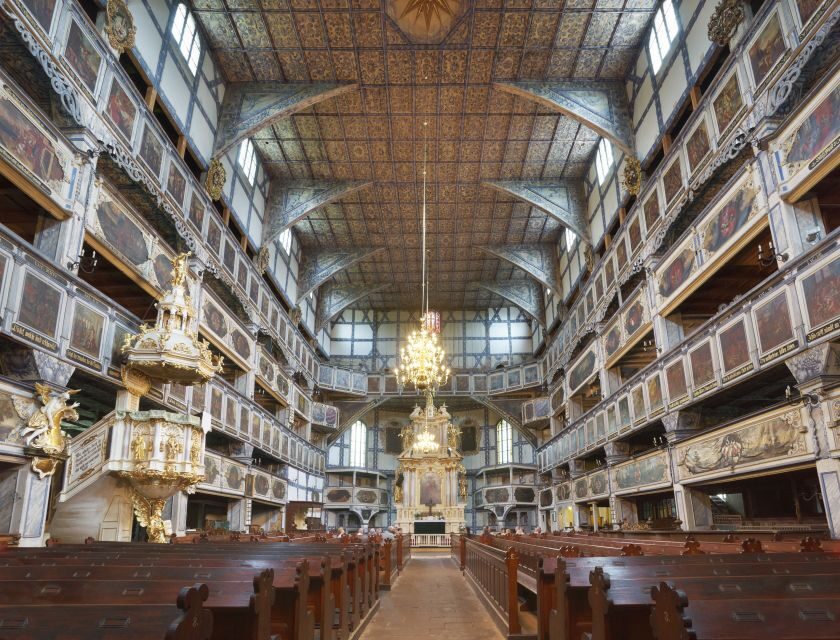
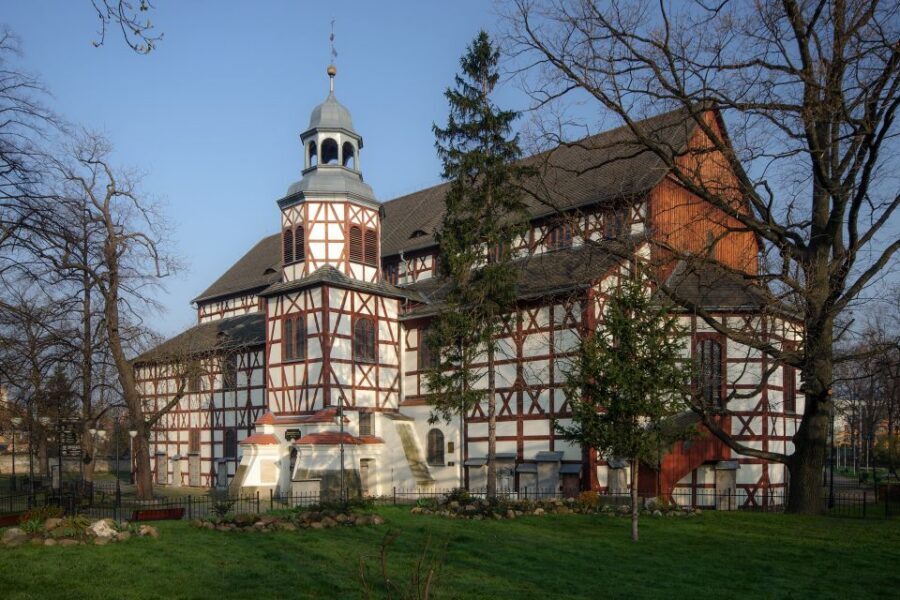
On the return drive, you’ll visit the Church of Peace in Jawor—one of the biggest wooden churches in Europe and a UNESCO World Heritage Site. The building’s story isn’t soft-edged. It was shaped by 17th-century religious conflict and the persecution of Protestants, and it was constructed under strict regulations.
That context changes how you experience the church. Instead of seeing it as just impressive architecture, you start noticing it as a response to pressure—an effort to build and worship under constraints. The fact that it’s wooden makes the achievement feel even more intense, because timber buildings demand skill and careful maintenance.
If you like places where history is visible in the structure itself, this is the highlight. It’s not an abstract museum story. You’re standing in a site that still carries the fingerprints of that era.

UNESCO and Craft in the Same Day: Why This Pairing Works
Some tours cram two unrelated stops into one long bus ride. This one doesn’t feel random. Pottery and the Church of Peace both show “made under conditions” culture.
At the manufactory, you’re seeing tradition and precision made by hand—patterns built with stamps and practiced skill. At Jawor, you’re seeing a community’s determination expressed through architecture that had to follow strict rules. Same theme, different medium: people using craftsmanship to survive and express identity.
That’s why the day feels cohesive. You’re not just collecting photos. You’re collecting proof that culture is built, not found.
Price and Value: Is $194 Fair for an 8-Hour Day?
At $194 per person for an 8-hour small-group tour, the value comes down to what you’re paying for beyond transportation.
You’re getting:
- Entrance and a guided visit to the Bolesławiec manufactory
- Entrance to the Church of Peace in Jawor (UNESCO stop)
- A live English-speaking guide plus an audio guide in English and Polish
- Pickup included (you supply your hotel name)
What you’re not getting is lunch, and that matters for budgeting. But the craft-focused manufactory visit is usually the cost driver on tours like this, because it’s a guided entry tied to a working production environment—not just a quick showroom.
For me, the price makes sense if you genuinely care about the pottery and want the context of how it’s made. If you only want a passing look and you’d rather browse on your own, you might feel the day is too structured. But if you want both the craft process and a UNESCO church in one go, the pacing is a reasonable trade.
The small-group limit (8 people) also helps justify the cost. It’s easier to ask questions about materials, patterns, and production when you aren’t in a crowd.
Timing, Pickup, and How the Day Flows
Pickup is included, and you provide your hotel name. Plan to be ready at the pickup time you’re given so you don’t create delays for the group. This kind of day-tour timing matters because you’re balancing a factory visit, a meal stop, and a UNESCO site.
The total duration is 8 hours. That’s enough time to see both highlights without feeling like you’re spending your whole day trapped on the road. Still, it’s long enough that you’ll appreciate simple travel comfort: water, a layer for indoor spaces, and shoes that work well outdoors around the church.
The day is guided in English, with audio support available in English and Polish. Audio guides are most helpful when you want more detail without slowing the group down—especially at a place like a UNESCO site where you may want extra historical context.
Beer Tasting at 18+: A Small Add-On With One Condition
There’s a beer tasting option, but only if you’re older than 18. If you fall into that category and you enjoy trying local drinks, it’s a nice bonus that can add a bit of fun to a craft-heavy day.
If you’re under 18, don’t plan around it. Build your day expectations around the pottery and the Church of Peace, and treat beer tasting as an optional extra rather than a core feature.
Who This Tour Fits Best (And Who Might Skip It)
This tour suits you if:
- You’re a fan of handmade crafts and want to see Bolesławiec pottery production, not just buy it
- You like cultural stops with clear meaning, especially a UNESCO site with a strong historical backstory
- You prefer a small-group experience where the guide can slow down for questions and shopping
You might skip it if:
- You’re not interested in the decoration process and mainly want quick sightseeing
- You want a fully free day with no structured factory time
- You’re traveling with tight time limits and cannot plan for lunch on your own
One more practical note: if shopping is part of your goal, go in with a short list. It makes the store time feel satisfying instead of chaotic.
Should You Book This Tour?
I think you should book if you want an 8-hour day that actually teaches you something—how Bolesławiec pottery is made and why the Church of Peace in Jawor is more than just a pretty wooden structure. The highlight is the combination: craft you can see in action, plus a UNESCO site shaped by real historical pressures.
Book it if you value guided context, like the idea of peacock’s-eye patterns made through stamping and handwork, and you’re happy to spend time comparing pieces. Skip it if you want a casual, no-effort day where you can wander freely; this one is structured for seeing the good stuff with purpose.
If you’re going, send your hotel name for pickup early, and decide before you arrive whether you want to buy a single special piece or aim for a set. That small decision will make the day feel a lot smoother.