REVIEW · WARSAW
Warsaw: Majdanek Concentration Camp & Lublin Guided Day Tour
Book on GetYourGuide →Operated by Warsaw Private Tours WPT1313 · Bookable on GetYourGuide
A day trip that’s heavy in theme, but strong on clarity. This Majdanek Concentration Camp & Lublin tour pairs a guided walk through what remains of a Nazi camp with time in Lublin’s Old Town, where the streets feel like a living history lesson. I especially like how the day balances explanation with quiet moments for reflection, and then gives you a real change of pace in Lublin’s Old Town streets.
Two highlights I’d put near the top: the way you’re guided through Majdanek by Marcin, and the fact that you also get a proper city visit in Lublin rather than a rushed stop. That means you leave with both context about the Holocaust in Poland and a sense of why Lublin earned nicknames like Little Cracow and Little Jerusalem.
One consideration: the schedule includes about six hours riding plus a moderate amount of walking at Majdanek, so if you’re hoping for a purely seated tour, this one may feel long.
In This Review
- Key Points Before You Go
- A Sobering Day Trip: Majdanek and Lublin in One Long Route
- Getting There Comfortably From Warsaw on a Luxury Mercedes Van
- Majdanek Concentration Camp: What You’ll Actually See
- The Guide Makes the Difference: Marcin and How Explanations Land
- Lunch in a Milk Bar: A Real Polish Break, Not a Token Bite
- Lublin Old Town: Cobblestones, Palaces, and Little Jerusalem
- Price and Value: What You’re Paying For at $353
- Who This Tour Fits Best (and Who Should Skip It)
- The Real Takeaway: How This Day Feels
- Should You Book This Majdanek & Lublin Tour?
- FAQ
- How long is the Warsaw–Majdanek–Lublin guided day tour?
- What’s included in the tour price?
- How much time will I spend riding and sightseeing?
- Is the tour wheelchair accessible?
- Is the tour appropriate for children?
- Which day is the museum closed?
- What should I bring, and what should I avoid?
Key Points Before You Go
- A private, English-guided day with hotel pickup and drop-off
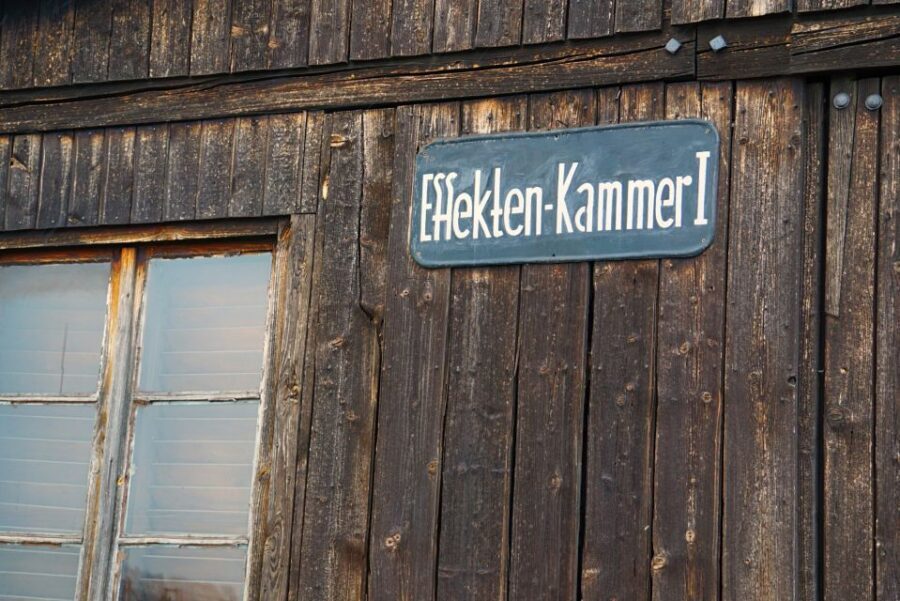
- Majdanek details you can picture, including barracks remnants and a monument at the former front gate
- Time for personal reflection built into the visit
- Lublin Old Town walking after a traditional Polish lunch
- All admissions and lunch included, so you’re not budgeting mid-day
A Sobering Day Trip: Majdanek and Lublin in One Long Route
This is the kind of trip that doesn’t try to soften the subject. Majdanek was a Nazi concentration camp, and the tour’s focus is on explaining how it fit into Nazi plans during WWII and what history left behind. It’s also practical: you’re not left to guess what you’re looking at.
Then the second half switches gears to Lublin, often nicknamed Little Cracow and the Vienna of the North, with streets that can feel calmer and more human after the camp. The tour is built for two moods: first understanding and remembering, then seeing how a city’s culture and architecture survived and continued.
Because it’s a day tour from the Warsaw area, you’ll spend a lot of time in transit. That can sound like a drawback until you realize it’s part of the value: you’re paying for a comfortable ride and an expert guide, not for ticketed bus chaos.
You can also read our reviews of more guided tours in Warsaw

Getting There Comfortably From Warsaw on a Luxury Mercedes Van
The logistics are straightforward and traveler-friendly. You’re picked up at a centrally located hotel, then transported in a luxury Mercedes van, and dropped back after the day. The drive is long: the schedule includes six hours riding total, with about three hours each way.
This matters more than you might think. When you’re going to a site like Majdanek, your attention needs to be intact. A comfortable vehicle and a guided day help you avoid arriving tired and distracted, especially because the subject matter is emotionally demanding.
Also, this is a private group, not a cattle-car situation. That tends to make questions easier and helps the guide adjust pacing, especially when the day gets more serious.
Majdanek Concentration Camp: What You’ll Actually See
Majdanek is unusual in a key way: it’s located within city boundaries, not out in the countryside. That means the camp exists in the real geography of the area, and your guide’s explanations make it easier to understand how ordinary surroundings can be twisted into something horrific.
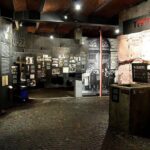
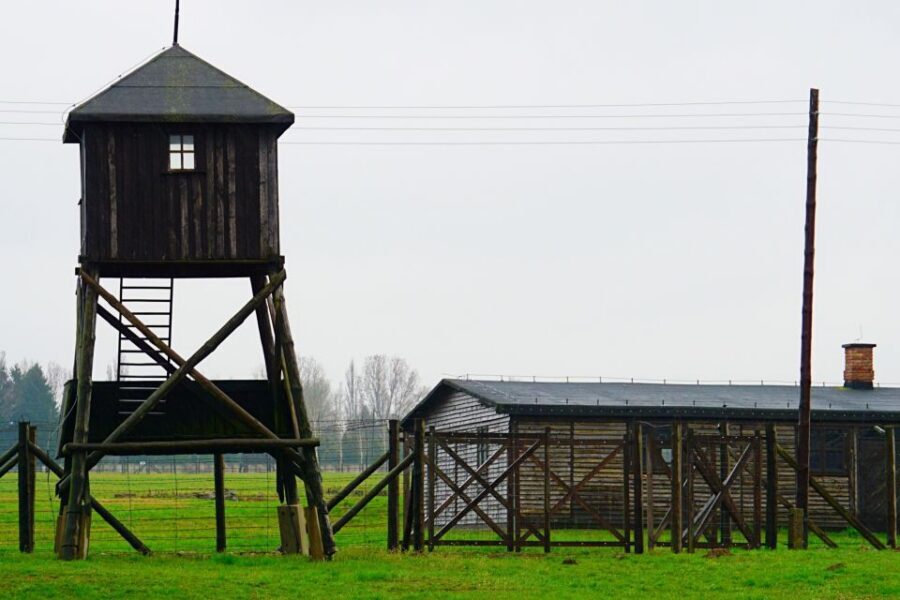
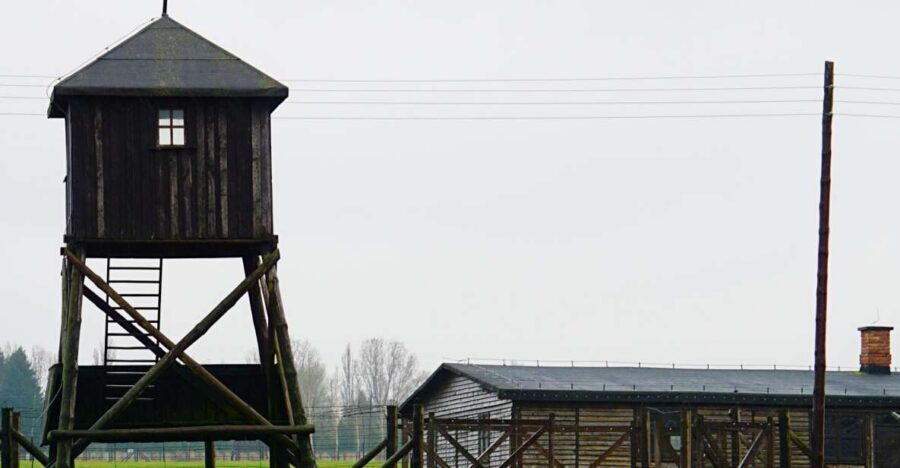
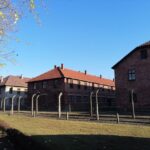
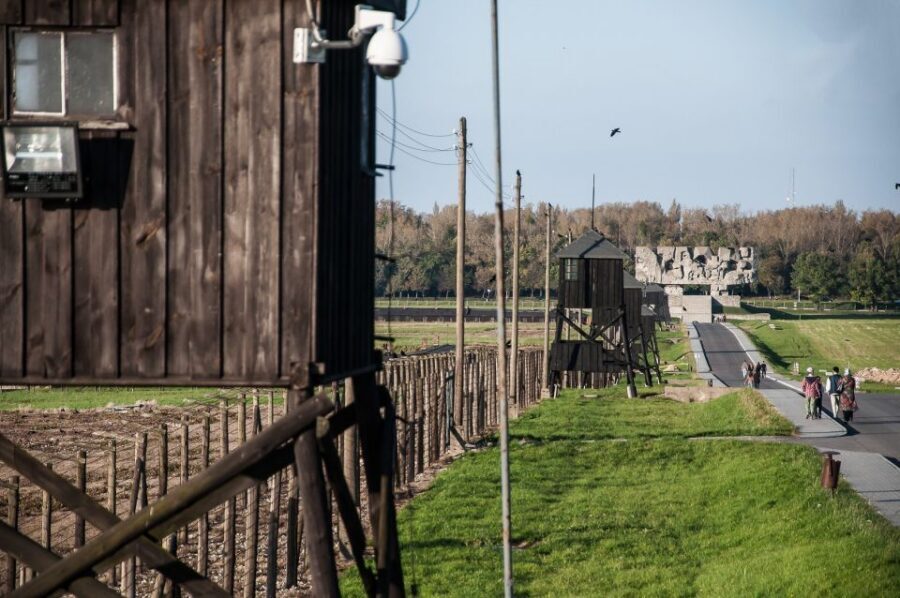
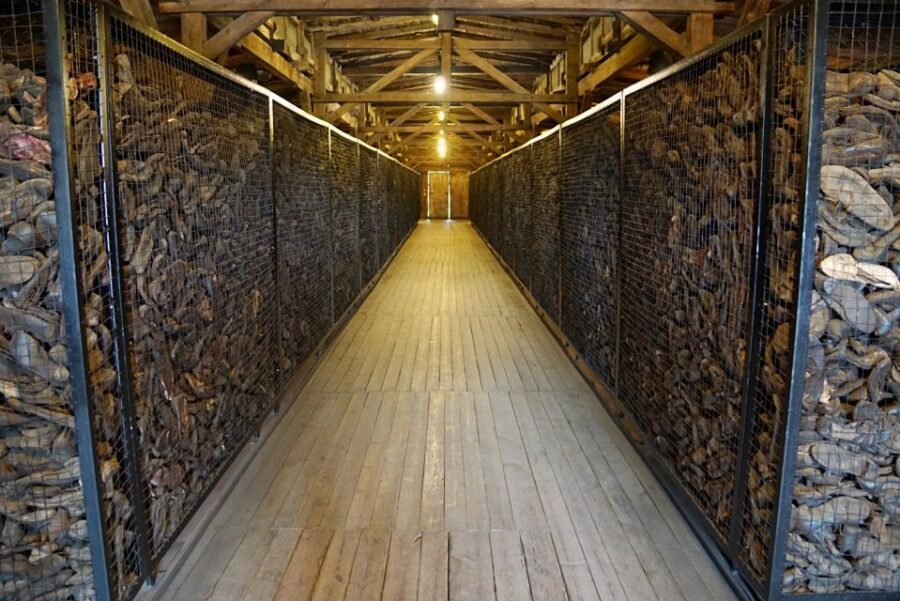
The visit focuses on what remains of the camp’s barracks, captured more or less intact in 1944. Standing where structures once stood changes the feel of the history. You’re not just reading plaques; you’re walking through the footprint of confinement.
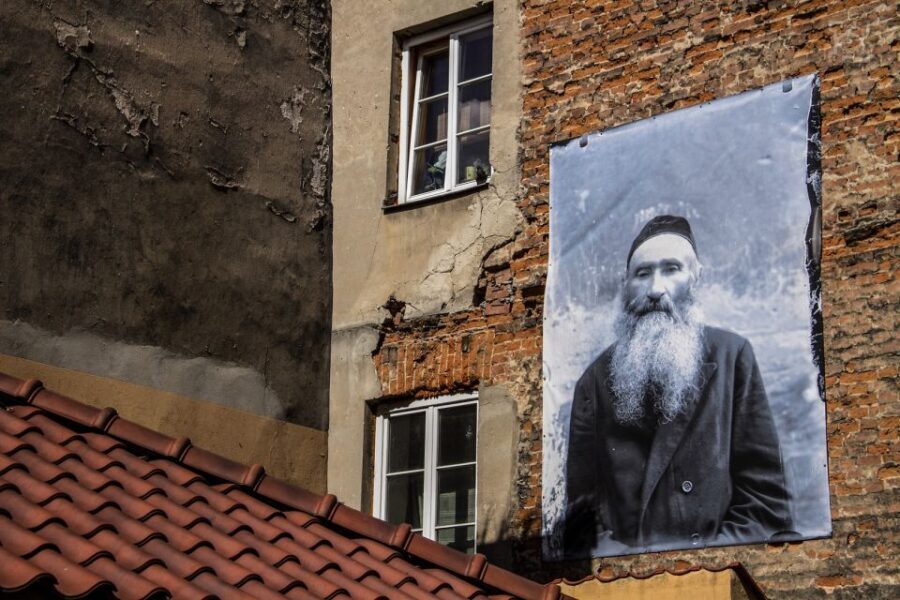
You’ll also see the monument at the former front gate. It’s described as symbolizing the conditions prisoners lived in, and that’s the kind of visual reminder that hits differently than a timeline.
The guide’s job here is balancing facts with an atmosphere that lets you process. In particular, the tour includes time that allows for personal reflection, which is important at places like this. You can think without being rushed, and you can choose the pace that works for you.
A practical note: this is not a show-and-go stop. Plan on standing, walking, and paying attention for a while. Comfortable shoes are non-negotiable.
The Guide Makes the Difference: Marcin and How Explanations Land
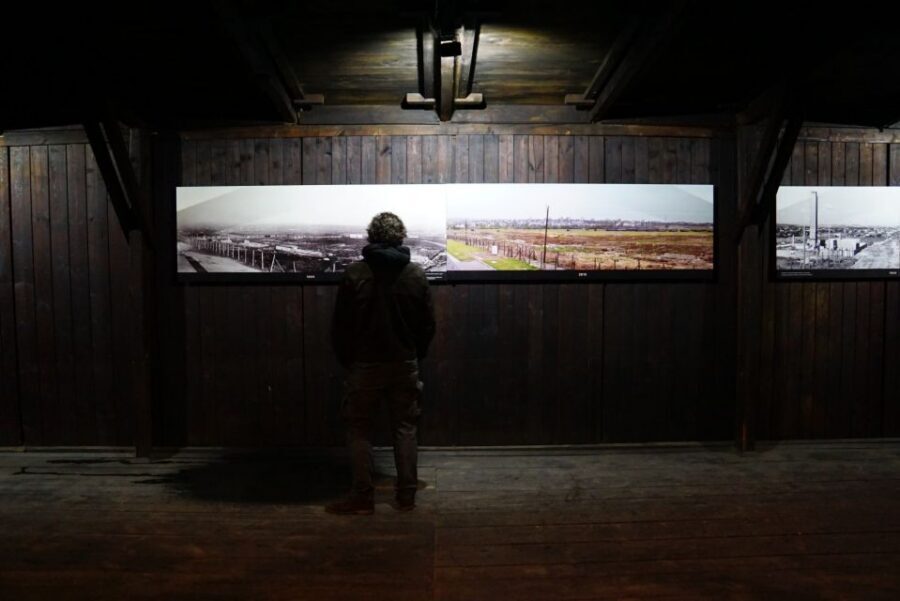
A big reason people rave about this tour isn’t the bus or the lunch. It’s the way the guide puts the camp into context, and does it in plain, usable language.
Marcin’s background shows up in the flow of the day: he explains how the camp fit into Nazi regime planning, and he also helps you connect what you see on-site to the broader story of Polish Jews during WWII. That connection is what turns a collection of ruins and memorial points into something you can actually understand.
Even better, the guidance allows for questions. If you’re the type who likes to ask what a specific location meant, or how certain elements worked, the structure of the day supports that. You’re not forced into a script where every group gets the same one-way talk.
And yes, the tone matters. This isn’t treated like casual sightseeing, and the guide approach reflects that with respect and clarity—so you feel informed rather than overwhelmed.
Lunch in a Milk Bar: A Real Polish Break, Not a Token Bite
Between the camp and Lublin, you’ll get traditional Polish lunch in a milk bar. Milk bars have a particular place in Polish food culture, and they’re often the kind of stop that feels local rather than staged for tourists.
This lunch is included, which is a small but real advantage when you’re on a tight 10-hour schedule. It keeps the day moving and stops you from spending sightseeing time hunting for food.
Also, the timing works. After a serious visit like Majdanek, you need a reset. Lunch gives you a chance to breathe, talk with your guide, and let the emotional intensity settle before the Old Town walking starts.



Lublin Old Town: Cobblestones, Palaces, and Little Jerusalem
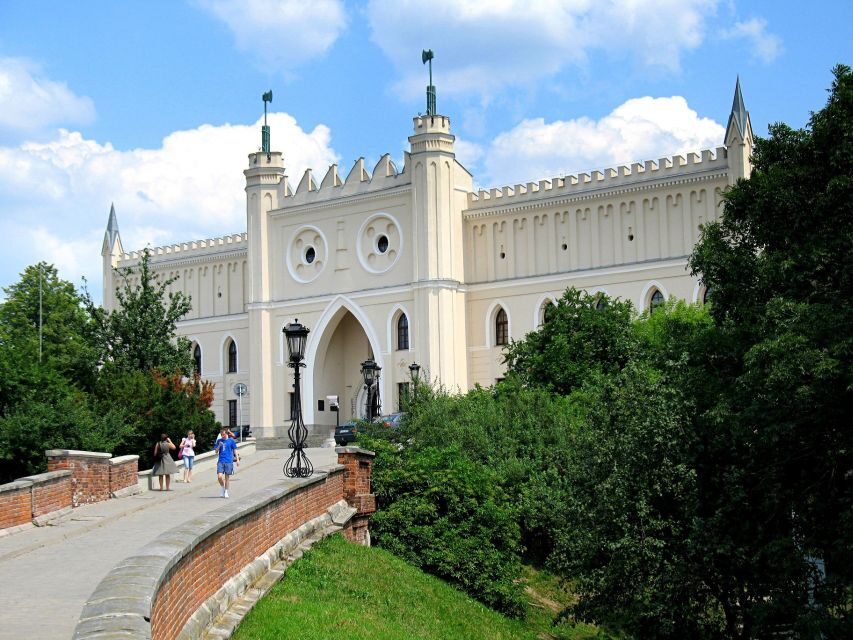
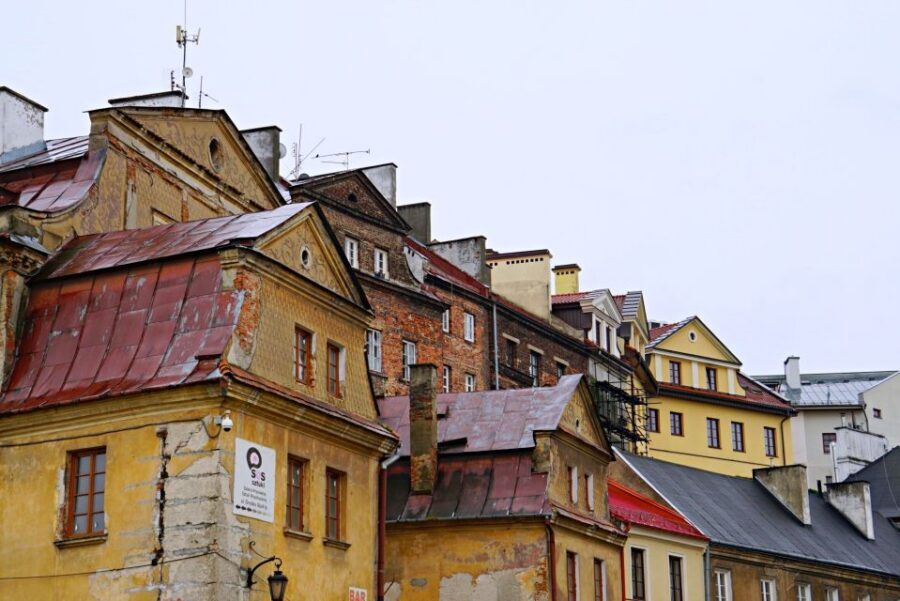
Once you’re out of the camp setting, Lublin feels like a different world. The Old Town is built around narrow, cobbled streets, and the tour frames Lublin as a historically wealthy city with visible traces in architecture.
You’re guided through the kinds of sights that explain the nicknames you’ll hear for Lublin, including:
- Little Cracow (a reference to the city’s historic character and look)
- Vienna of the North (often tied to its architectural elegance)
- Little Jerusalem (a nod to its Jewish heritage and cultural memory)
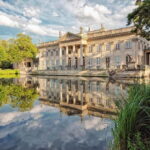
The tour also points out the mix of styles that shaped Lublin: palaces, sacral architecture, and tenement houses. That variety is why the city can feel layered. It isn’t just one style of beauty; it’s a whole range of buildings that tell you how different communities lived side by side through time.
Compared to many day trips, this portion doesn’t feel like you’re just taking photos at a landmark. You get a guided walk that helps you read what you’re seeing.
A small practical downside: you’ll still be walking on cobblestones. If your feet are already tired from the camp visit, bring footwear that can handle it.
Price and Value: What You’re Paying For at $353
At $353 per person for a 10-hour private guided day tour, the real question is whether you’re getting more than a basic “transfer + ticket.”
You are, on paper and in how the day is structured:
- Hotel pickup and drop-off (so you’re not figuring out transportation)
- A luxury Mercedes van for the long drive
- An expert English guide who covers both Majdanek and Lublin
- All admissions included
- Lunch in a milk bar
- Photos from the tour
- The schedule is built around actual sightseeing time: about four hours total of Majdanek and Lublin, after the long rides
That combination matters. A camp visit needs context, not just admission. And Lublin needs a guide to connect architecture and history into something coherent.
If you compare it to doing everything alone, the guide and included admissions are the major savings. If you compare it to a cheaper group tour, the big difference is your time and comfort: private pacing, fewer hassles, and a ride designed to keep you functional for a long day.
Who This Tour Fits Best (and Who Should Skip It)
This is best for adults who want a guided, respectful visit and can handle emotion on-site. The tour also notes that it’s not suitable for children under 14, which makes sense given the nature of the site and the amount of walking involved.
It’s a strong choice if you:
- Want clear explanations about the Holocaust in Poland and the role Majdanek played
- Prefer a guided format rather than wandering through a memorial site on your own
- Like combining a major historical stop with a real city walk afterward
It may be the wrong choice if you:
- Want a short outing. This one is a full day, mostly because the drive is long
- Have mobility limits that don’t pair well with moderate walking and cobblestones
- Are traveling with pets. Pets aren’t allowed
On the positive side, the tour does include wheelchair access. If that’s relevant, it’s still smart to wear shoes that work well for uneven ground, especially around the Old Town.
The Real Takeaway: How This Day Feels
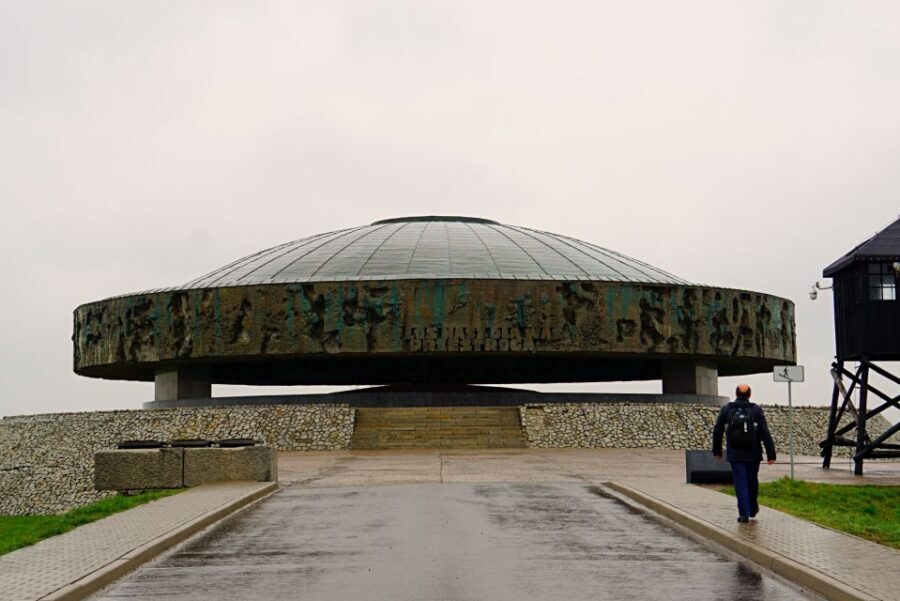
Majdanek sets the emotional tone. Even when the explanations are strong and the pace is respectful, it’s still a place built around human suffering. The value is that you don’t just look at remnants; you’re guided through what those remnants mean, including the way Majdanek was captured more or less intact in 1944 and how the site’s locations matter.
Then Lublin changes the texture of the day. You shift from camp structures to palaces, sacral buildings, and everyday old-city streets. That’s not a distraction. It’s a reminder that history isn’t only tragedy; cities carry memory and continued life in their streets.
If you like your tours to have both meaning and a sense of place, this one has that balance.
Should You Book This Majdanek & Lublin Tour?
I’d book it if you want a guided Majdanek visit with context, plus a meaningful Lublin Old Town walk, all arranged with comfortable transport and lunch included. The guide’s role is central here, and the day is structured to give you time to absorb what you’re seeing without turning it into a rushed checkbox.
I would hesitate if you’re sensitive to long travel times, don’t want to walk much, or are planning for a child under 14. Also, since the museum is closed on Mondays, check your dates carefully.
If your goal is understanding plus a real city finish, this tour is a solid fit.
FAQ
How long is the Warsaw–Majdanek–Lublin guided day tour?
The tour lasts 10 hours.
What’s included in the tour price?
It includes hotel pickup and drop-off, transportation in a luxury Mercedes van, an English live guide, lunch in a milk bar, all admission fees, and photos from the tour.
How much time will I spend riding and sightseeing?
The schedule includes six hours riding (about three hours each way) and about four hours of sightseeing across Majdanek and Lublin.
Is the tour wheelchair accessible?
Yes, the tour has wheelchair access.
Is the tour appropriate for children?
It is not suitable for children under 14.
Which day is the museum closed?
The museum is closed on Mondays.
What should I bring, and what should I avoid?
Bring comfortable shoes. Pets are not allowed.