REVIEW · WARSAW
Small-Group Tour from Warsaw to Torun with Lunch
Book on GetYourGuide →Operated by AB Poland Travel · Bookable on GetYourGuide
A day in Toruń can feel like time travel. You’ll start in the Rynek Main Square with a guided walk packed with Gothic landmarks, then connect it all to Nicolaus Copernicus and Toruń’s signature pierniki. If you like history that has real people attached to it, this mix works.
I love that the tour keeps moving but doesn’t feel rushed in the “see-everything-on-a-postcard” way. You get the big anchors you actually want to understand: the churches around the square and the science story linked to St. John’s Cathedral. One thing to consider: the lunch timing can run later than you might hope, so plan your appetite accordingly.
In This Review
- Key highlights you should care about
- Warsaw to Toruń: what a 10-hour small-group day feels like
- Rynek Main Square and the Gothic Town Hall panorama plan
- Holy Spirit Church and St. Mary’s: stained glass and a 1500s organ
- St. John’s Cathedral and the story of the Tuba Dei
- Copernicus House: turning a famous name into a real timeline
- Pierniki and the included attraction choice: gingerbread, planetarium, or ethnography
- Lunch in Toruń: pierogi comfort, plus one timing warning
- Price and value: is $351 for Toruń actually fair?
- Who should book this Toruń day trip (and who should skip it)
- Should you book AB Poland Travel for Toruń with lunch?
- FAQ
- How long is the Warsaw to Toruń tour?
- Where is the pickup location in Warsaw?
- How many people are in the small group?
- What languages are offered for the tour guide?
- Is lunch included, and what will it be?
- What museum or attraction entry is included?
- Do I need to pay extra for the town hall tower?
- Is the tour wheelchair accessible, and do you skip ticket lines?
- Is there free cancellation, and does it require a minimum number of bookings?
Key highlights you should care about
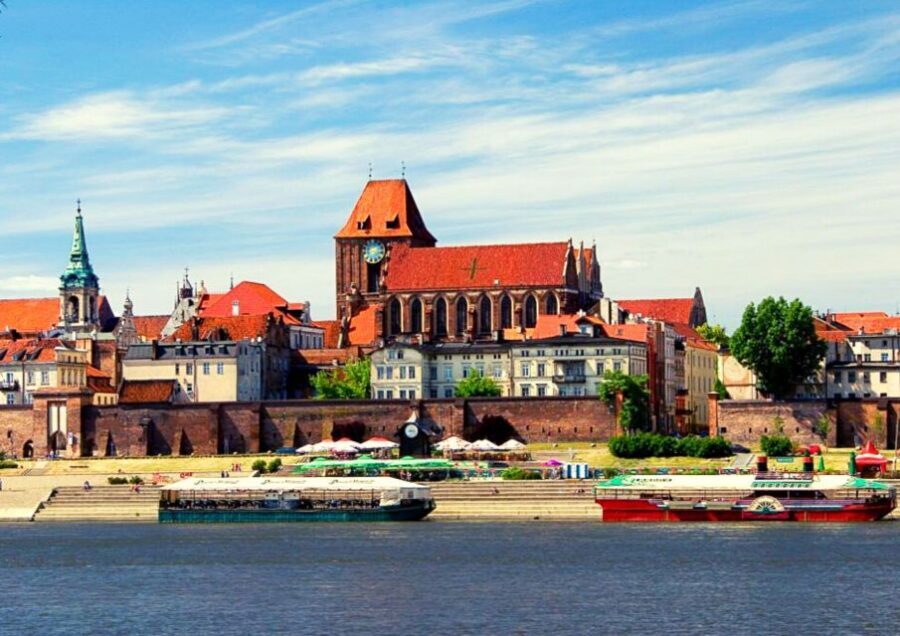
- Toruń’s Rynek Main Square walk, focused on standout buildings around the town’s center
- Copernicus connections in multiple spots, including a stop tied to his story
- St. Mary’s Church for stained glass, medieval tombstones, and a 16th-century organ
- St. John’s Cathedral and the history of the Tuba Dei bell (Poland’s biggest medieval bell from 1500)
- Pierogi lunch included, plus time for a major attraction after
- Small group size limited to 8, with guide support and ticket-line skipping
Warsaw to Toruń: what a 10-hour small-group day feels like
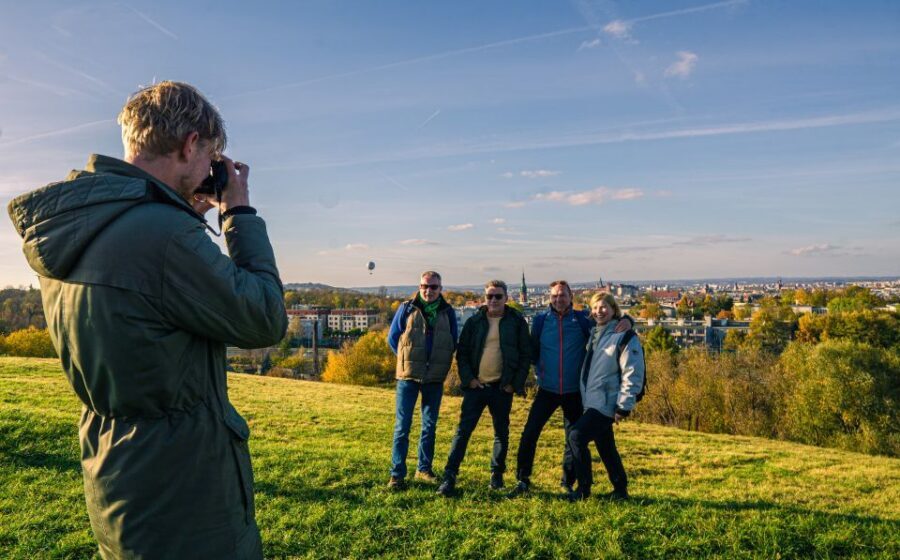
This tour is built for a single, full day: you’re picked up in Warsaw city center and driven to Toruń by car/minibus with an English-speaking driver and an English-speaking guide. With a group capped at 8 participants, you’ll usually get quicker answers to questions and less waiting around at stops.
The day runs about 10 hours total, and Toruń is far enough away that the drive matters. That’s actually a good thing. In a small group, you can use the ride to ask questions about what you’re seeing later—Copernicus, the Teutonic-era buildings, and why Toruń looks the way it does today.
Practical tip: wear shoes you can walk in for a couple of hours on stone streets. Also, keep a light snack in your bag. Based on scheduling, lunch can land later than you’d like.
A few more Warsaw tours and experiences worth a look



Rynek Main Square and the Gothic Town Hall panorama plan
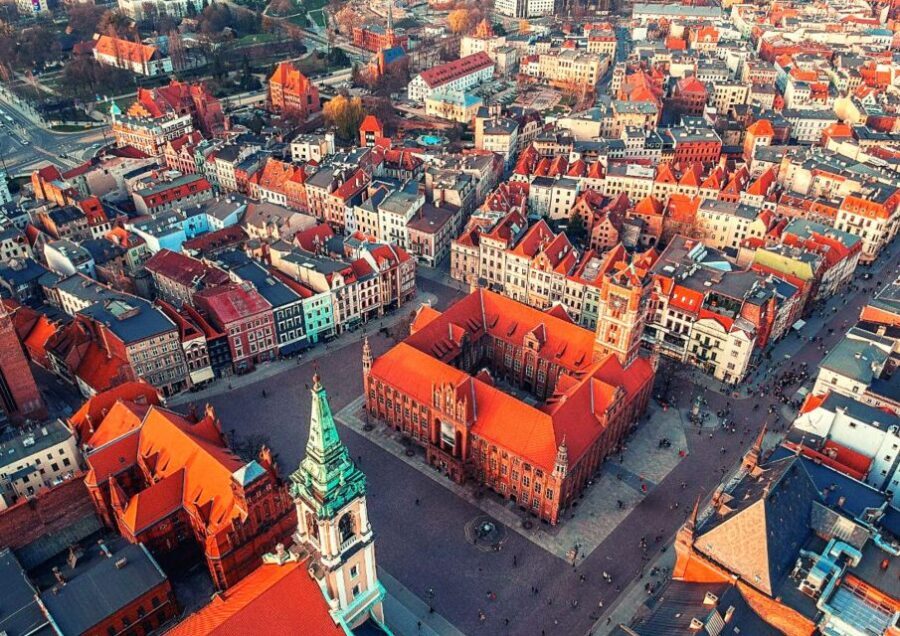
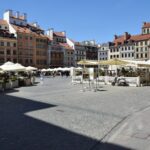
Toruń’s heart is the Rynek Main Square, and it’s the right place to begin because everything radiates from it. Right in the middle sits a Gothic town hall that houses a town museum. Even if you just take a quick look inside, the setting tells you how civic power worked in medieval towns: this wasn’t just a marketplace; it was the public stage.
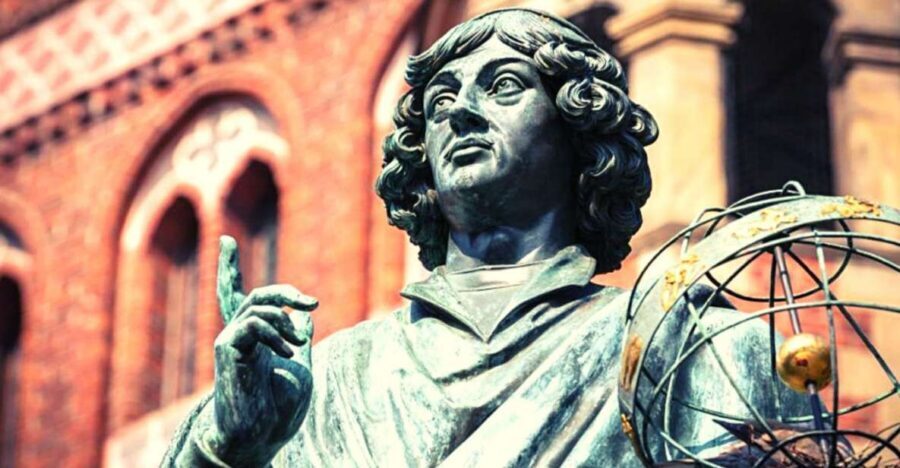
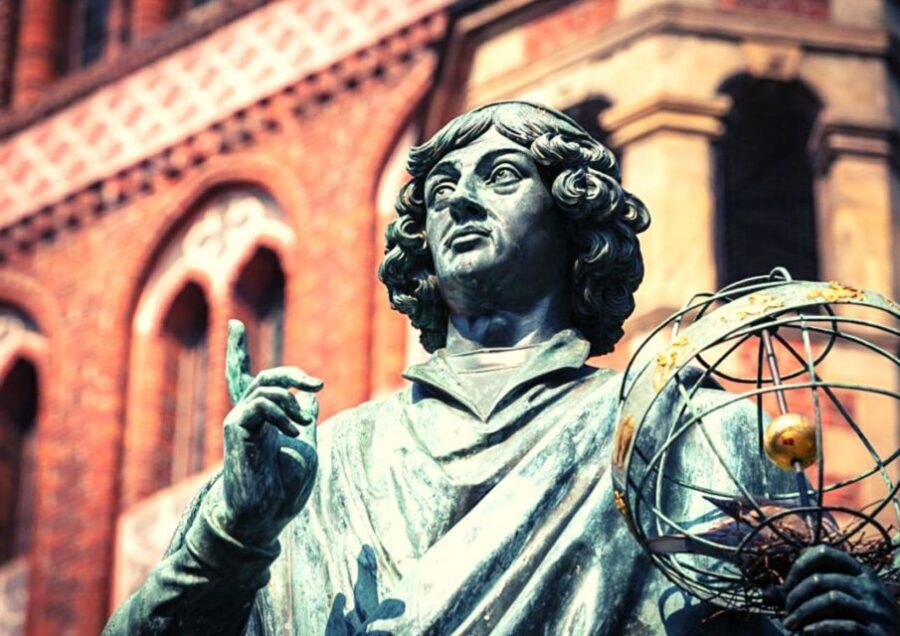
In the middle of the square you’ll also spot the bronze statue of Mikołaj Kopernik (Nicolaus Copernicus). It’s one of those “of course!” moments—Toruń isn’t only a pretty historic town. It proudly claims Copernicus as part of its identity.
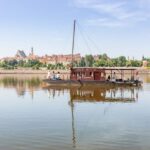
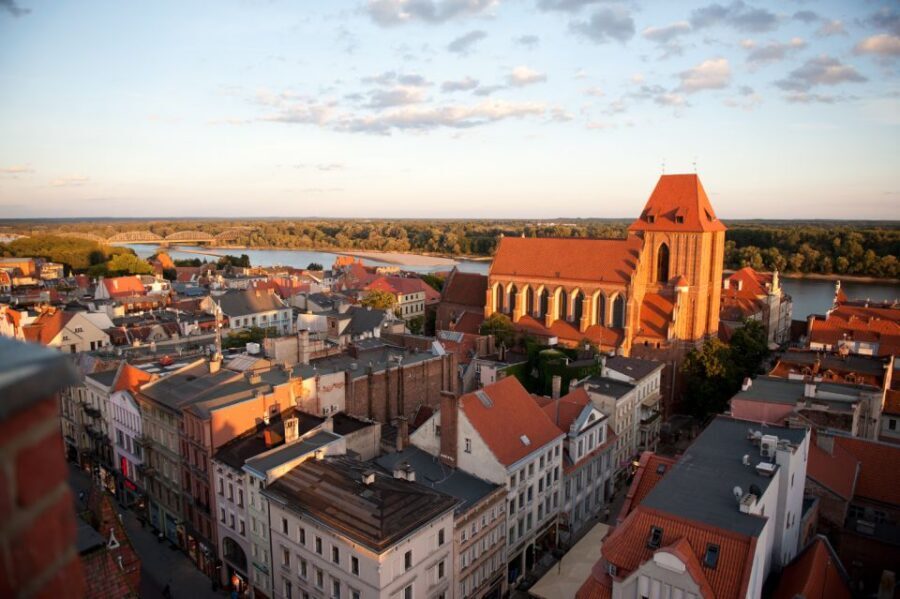
The town hall tower is the big payoff for views. You’re strongly recommended to climb it, but it’s extra paid, so treat it as an optional splurge if you want the panorama of Toruń and the Vistula river. If you hate waiting for views, this is still worth it because you’re already standing where the city wants you to be.
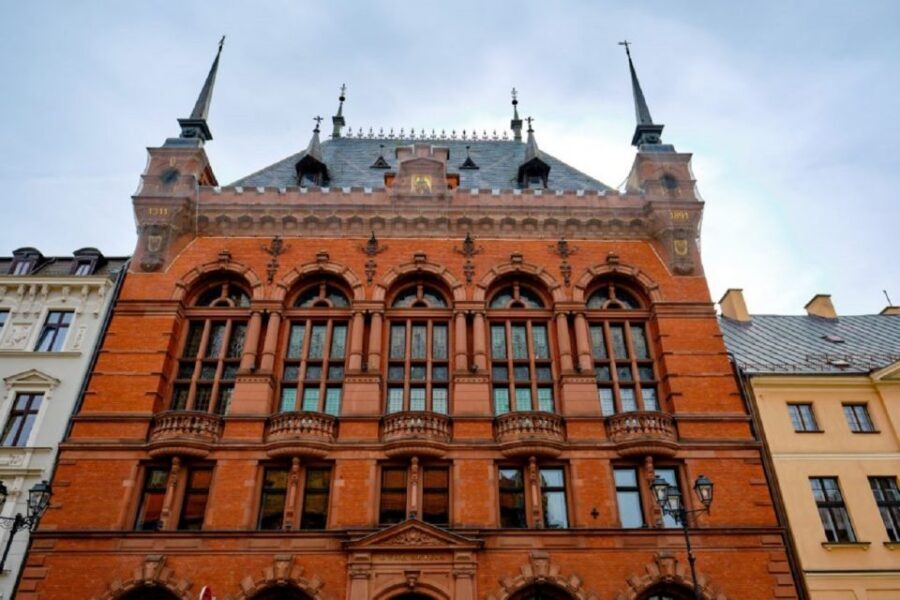
Also around the Rynek: look for the merchant houses tied to the Hansa trade, including Pod Gwiazdą and Dwór Artusa. These buildings are richly decorated and well-preserved, and they help you understand why the square feels so “intentional.” Medieval towns weren’t shy about showing off wealth.
Holy Spirit Church and St. Mary’s: stained glass and a 1500s organ

Just next to the square, you’ll visit Holy Spirit’s Church and St. Mary’s Church. St. Mary’s is associated with Franciscans and dates to the 14th century, which means you’re standing somewhere old by European standards and still used for real cultural meaning.
What makes this stop satisfying is how specific the details are. You’ll see a genuine organ dating from the beginning of the 16th century. You’ll also spot medieval tombstones and colorful stained glass. Those elements matter because they connect art to daily life: music, ceremony, and memory all lived in the same space.
Practical tip: give yourself 2–3 minutes per side chapel or window. Stained glass can be hard to appreciate if you rush. Your guide can point out what to look for, but your eyes still need a moment to adjust.
St. John’s Cathedral and the story of the Tuba Dei
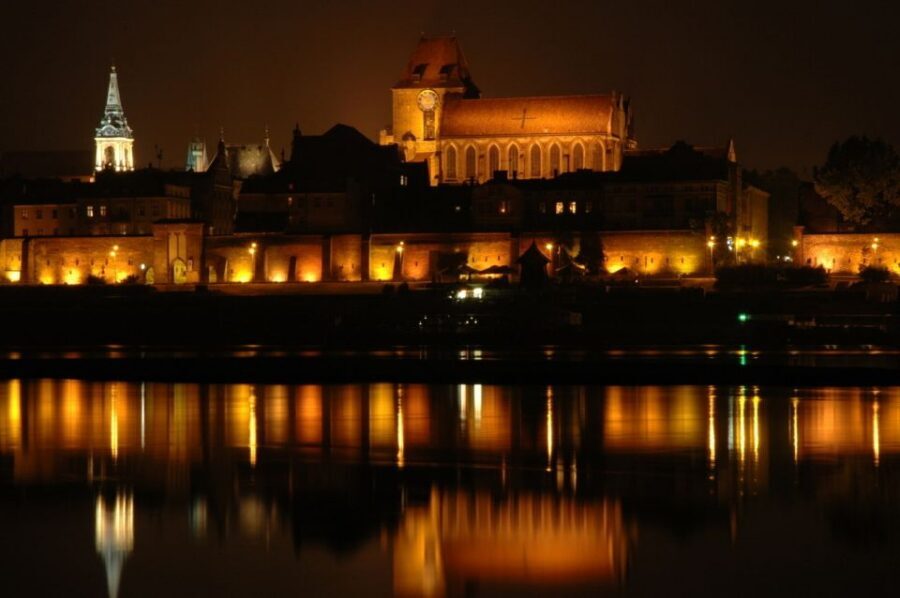
St. John’s Cathedral is the cathedral stop that feels big in both size and meaning. Some of the oldest elements date to the 13th century, and over time it served as a religious center for the local community. In other words: this wasn’t just a one-time grand project. It stayed central.
Here’s where the Copernicus connection gets personal. The tour highlights that Nicolaus Copernicus was baptized here, which makes your cathedral visit feel like more than architecture. You’re connecting a famous name to a real place, in a place people would have known.
Then there’s the bell story: you’ll hear about the Tuba Dei, described as the biggest medieval bell in Poland from 1500. Even if you never hear it, the idea makes the building feel alive. Bells controlled time and community rhythm, so it’s not just a trivia fact.
If your group is small, this is a good moment to ask questions about what the cathedral meant during key periods. A guide can often point you to what to notice quickly, like where older parts sit compared to later additions.
Copernicus House: turning a famous name into a real timeline
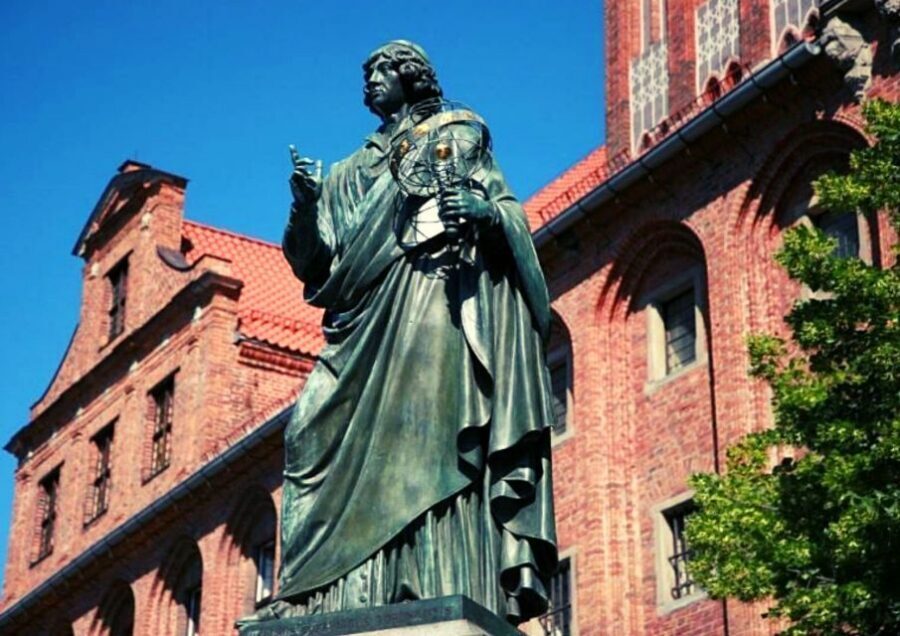
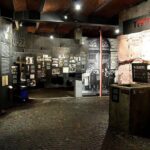
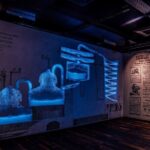
After the cathedral and church stops, you’ll head to a Copernicus-related museum experience: the House of Nicolaus Copernicus. This is where the “science guy in a textbook” becomes a person in a specific city and era.
A one-hour visit is usually the sweet spot for a museum stop on a day trip: long enough to see core exhibits, short enough that you’re not trapped inside while the afternoon passes. I like that the tour keeps this part structured instead of letting you wander for an hour with no direction.
What you’ll get is a guided museum visit focused on Copernicus and his world. If you’re the type who loves understanding how ideas formed, you’ll probably leave feeling like the astronomy story has context instead of just dates.
From a practical angle: ask your guide at the start what the “must-see” items are. That way, if the museum feels busy, you won’t miss the most meaningful parts.




Pierniki and the included attraction choice: gingerbread, planetarium, or ethnography
Toruń is famous for pierniki (gingerbread), and you’ll visit Muzeum Toruńskiego Piernika. This stop is valuable for a simple reason: food traditions are how cities keep their identity. In a guided format, you’re not just eating; you’re learning why the local specialty is a big deal.
Next comes one included attraction entry (depending on what’s offered on your date). Options listed include the Live Gingerbread Museum, the Planetarium (W. Dziewulskiego), or the Ethnographic Museum. This flexibility is useful because it lets the day match your interests.
- If you like hands-on and food culture, the Live Gingerbread Museum style tends to be the most fun.
- If you want a science moment to complement Copernicus, the Planetarium is a logical match.
- If you prefer a more human story of local life, the Ethnographic Museum can balance out the astronomy and medieval buildings.
One heads-up from experience patterns: one hour can feel short if you want to read everything. If that’s you, focus on the guide’s targets first, then use a few minutes at the end to wander based on what grabbed your attention.
Lunch in Toruń: pierogi comfort, plus one timing warning
Lunch is included, and it’s described as a quick traditional meal, commonly pierogi. The pierogi are classic Polish dumplings, typically with a creamy mixture of mashed potatoes, tangy farmer’s cheese, and fried onions (the exact recipe can vary).
I like this lunch style for one reason: it fits the schedule without turning the day into a long sit-down event. You can eat, reset, and head back out to keep seeing things.
Here’s the potential drawback: in one documented experience, lunch landed after 3:30 pm. That’s late enough that you might feel hungry or rushed afterward. If your ideal travel rhythm is earlier meals, do two things before you go:
1) Eat a solid breakfast the morning of your pickup.
2) Bring a small snack so you don’t rely on the schedule for your sanity.
Price and value: is $351 for Toruń actually fair?
At $351 per person for a ~10-hour day trip, you’re paying for more than entry tickets. You’re paying for:
- transport from Warsaw city center (pickup at Marszałkowska 98-100),
- a small-group setup (max 8),
- an English-speaking guide and English-speaking driver,
- lunch, and
- entrance fees to a included museum option.
If you tried to piece this together yourself, you’d likely spend time coordinating transit, lining up at ticket desks, and assembling your own “what to see” plan for Toruń’s main sites. Here, the structure does that work for you.
Is it cheap? No. But it can still be good value if you want guided time in a UNESCO World Heritage setting without hassle. The biggest “value test” is your priorities: if you want churches, Copernicus connections, and pierniki culture in a single day, this format earns its price.
Who should book this Toruń day trip (and who should skip it)
This tour is a great fit if you:
- want a guided walk through Toruń’s Main Square and key churches,
- care about Copernicus as a city connection, not just a name,
- like museum stops that are long enough to be meaningful but short enough for a day trip.
It may be less ideal if you:
- prefer slow travel and long museum reading time,
- want extra stops not listed for the day,
- have a strong need for lunch earlier than the typical schedule.
Also, if tower views matter a lot to you, remember the town hall tower climb is extra paid. Build that choice into your plan rather than assuming it’s included.
Should you book AB Poland Travel for Toruń with lunch?
I’d book this day trip if you want a well-paced introduction to Toruń with guidance, lunch, and a Copernicus-focused story arc. The small group size is a big part of why it feels friendly rather than chaotic, and the combination of Rynek sights, cathedral meaning, and pierniki culture gives you more than just sightseeing.
I’d pause and think twice if you’re very sensitive to meal timing or you expect a long, unstructured museum visit. For many people, the one-hour museum windows are perfect. For deep readers, it’s smart to plan to focus on what the guide flags as key.
Bottom line: if your goal is to get a confident sense of Toruń in one day without coordinating a thing, this is a solid choice.
FAQ
How long is the Warsaw to Toruń tour?
It runs for about 10 hours.
Where is the pickup location in Warsaw?
Pickup is at Marszałkowska 98-100.
How many people are in the small group?
The group is limited to 8 participants.
What languages are offered for the tour guide?
English, German, Russian, Spanish, Italian, and French.
Is lunch included, and what will it be?
Yes. Lunch is included as a quick traditional meal, typically pierogi, with a creamy potato-and-farmer’s-cheese filling and fried onions (exact recipe can vary).
What museum or attraction entry is included?
Entrance is included for one of these: Live Gingerbread Museum, the Nicholas Copernicus Museum, Planetarium, or the Ethnographic Museum.
Do I need to pay extra for the town hall tower?
Yes. Climbing the tower is recommended but is extra paid.
Is the tour wheelchair accessible, and do you skip ticket lines?
Yes, the tour is wheelchair accessible, and you skip the ticket line.
Is there free cancellation, and does it require a minimum number of bookings?
Cancellation is free up to 24 hours in advance for a full refund. The tour also requires a minimum of two reservations for the same date.