REVIEW · WARSAW
Private Tour: Warsaw Ghetto with a local Historian
Book on Viator →Operated by Artur Warsaw Guide · Bookable on Viator
Warsaw’s past lands hard. This private walk through the former Warsaw Ghetto is led by a local historian, born and raised in the city, who connects the sites to the people who lived—and suffered—here. You get an intimate format (up to a small group), English commentary, and a clear route that keeps your time focused.
I especially like how the tour hits the most important landmarks in a tight 3-hour window, from Umschlagplatz to the ghetto wall fragment and the Mila 18 memorial. You also get practical touches like bottled water plus pickup and drop-off anywhere in Warsaw, which matters when you’re moving between emotionally heavy places. One consideration: the content is intense, and the schedule is compact, so if you prefer less walking, ask about options that reduce distance.
In This Review
- Key highlights at a glance
- Walking the former Warsaw Ghetto, with a local historian leading the way
- Stop 1: Umschlagplatz and the rail history you can’t ignore
- Stop 2: The Mila 18 memorial and the Mordehai Anielewicz bunker
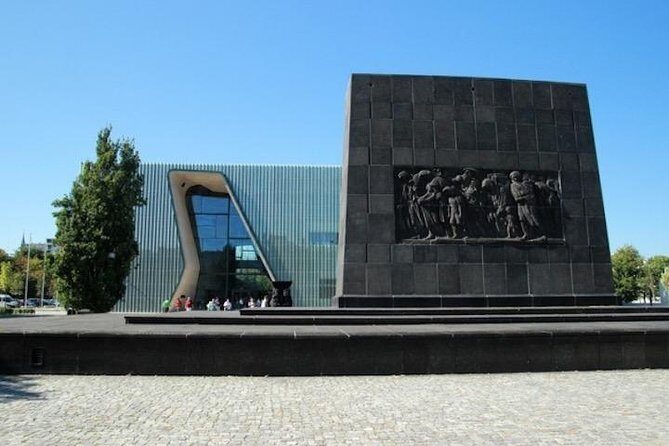
- Stop 3: POLIN Museum area monuments—how the walking time works
- Stop 4: A fragment of ghetto wall—why a small piece matters
- Stop 5: A drive through Praga-Północ and The Pianist connections
- The private format: how the route feels in real life
- English commentary and small comforts that add up
- Timing and planning: when to book for the best experience
- Price value: what $321.68 per group really buys you
- Who should book this Warsaw Ghetto tour?
- Should you book this Warsaw Ghetto tour?
- FAQ
- How long is the Warsaw Ghetto private tour?
- What group size is this tour for?
- Is pickup and drop-off included?
- Is the tour available in English?
- Are admission tickets included for the stops?
- Can I cancel for a full refund?
Key highlights at a glance

- Born-and-raised local historian guidance that keeps the story grounded in real neighborhoods
- Umschlagplatz as the key rail-transit point tied to deportations to Treblinka
- Mila 18 and the Mordehai Anielewicz bunker memorial for a focused moment of reflection
- POLIN Muzeum Historii Zydow Polskich area stops that orient you around major monuments nearby
- A ghetto wall fragment that makes the physical limits of the area feel real
- Praga district drive-by linked to filming locations from The Pianist
Walking the former Warsaw Ghetto, with a local historian leading the way
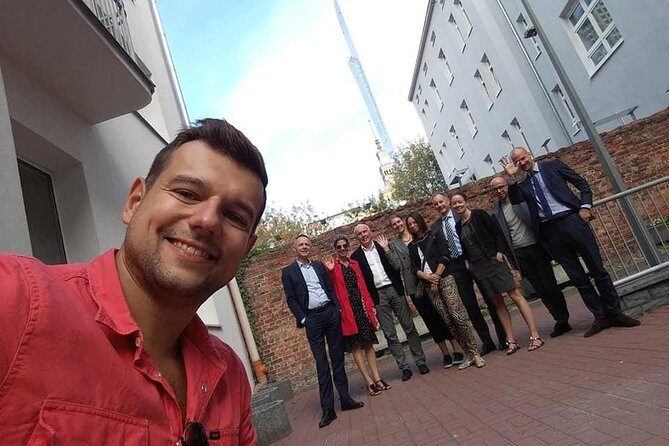
A Warsaw Ghetto tour works best when it does two things at once: it explains the timeline, and it makes the geography click. This one aims right at that. You follow a route built around key places—rail transit, resistance, memorial sites, and the borders of the ghetto—so you’re not left guessing how it all fits together.
What makes this experience feel different is the guide. The historian is described as someone born and raised in Warsaw, and the result is a tone that feels personal without being theatrical. In tours with guides like Paulina, the communication is praised as clear and engaging, and the storytelling is what ties together what you’re seeing. You don’t just look at monuments; you understand what happened there and why it matters.
The tour also keeps it manageable. It runs about 3 hours, is private to your group, and includes pickup and drop-off anywhere in Warsaw. That’s a big deal here, because the emotional weight of the subject can make it harder to manage logistics like buses, walking detours, and time pressure. The mobile ticket and bottled water are the small conveniences that keep things moving.
You can also read our reviews of more private tours in Warsaw
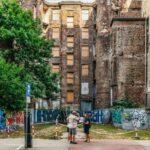
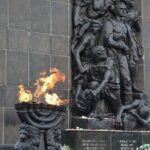
Stop 1: Umschlagplatz and the rail history you can’t ignore
You begin at Umschlagplatz, described as the railway station from which the first Jews were transported to Treblinka. That detail matters. It frames the ghetto not just as a place where people were trapped, but as a system that fed mass deportation.
This stop is short—about 5 minutes—but it’s powerful because it’s a recognizable function. A station is built for movement, schedules, and departures. Here, those same mechanics were used to send people to extermination. Even if you already know the broad facts, seeing the place in person tends to make the idea feel less abstract.
Practical tip: bring your phone camera if you want photos, but also take 30 seconds to pause. With stops like this, one quiet minute can do more than a dozen pictures.
Stop 2: The Mila 18 memorial and the Mordehai Anielewicz bunker
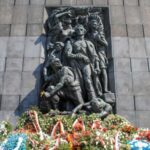
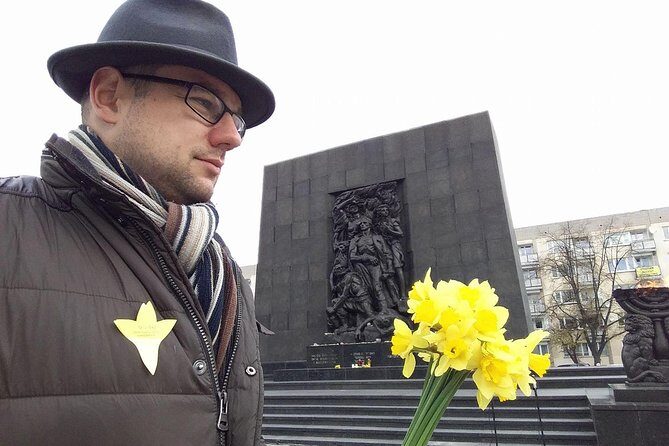
Next is the memorial at Mila 18, focused on the Mordehai Anielewicz bunker. This is where the story turns toward resistance and the idea of fighting back even when the odds were impossible.
You spend about 10 minutes here. That’s not long, but the purpose is likely to keep your attention on the symbolism of the site rather than turning it into a rushed checklist. The bunker association anchors the memorial in a specific person and a specific act, which helps the history feel human instead of distant.
Emotionally, this stop can hit hard because resistance is often discussed in big-picture terms, while a specific memorial compresses the reality into one location. If you’re traveling with someone who wants a slower pace, this is a good moment to ask your guide to spend an extra minute on context.
Stop 3: POLIN Museum area monuments—how the walking time works
After the memorial, you head to the POLIN Museum of the History of Polish Jews area. The plan here is about 30 minutes, described as walking around and sightseeing the important monuments in the area.
That’s a key detail to understand before you book. This tour is not framed as a long, full museum visit. Instead, it uses the exterior space and nearby monuments to help you orient yourself. For many first-time visitors, that approach is great: you get the big picture, then you can decide later whether you want more time inside the museum itself.
From a value perspective, the time allocation makes sense for a 3-hour experience. If you try to do a full museum visit during the same timeframe, something usually gets cut—either the quality of the narrative stops or the time you need to absorb what you’re seeing.
If you want to do more than a walk-around here, plan to follow the tour with extra time on your own (or book a longer museum-focused guide). This tour’s strength is the route and the historian-led connections.
Stop 4: A fragment of ghetto wall—why a small piece matters
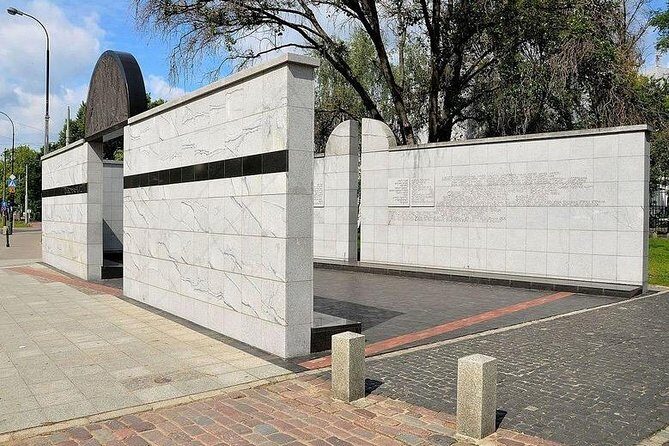
The next stop is a fragment of ghetto wall, set aside as an important history place. You spend about 20 minutes here.
This part can be surprisingly effective. Even a fragment is still physical evidence of constraint. Lines on a map are one thing; standing near a surviving remnant makes the border real. It also helps you understand the ghetto as a lived environment shaped by walls, access, and control—not just a label from a textbook.
The 20-minute timing is generous enough for your guide to explain what you’re looking at, rather than skimming past it. It’s also a good moment to slow down your pace. After memorial intensity, a concrete site gives your brain something stable to focus on.





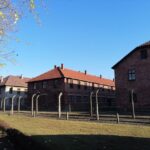
Stop 5: A drive through Praga-Północ and The Pianist connections
The tour then moves into a drive through the Praga district (Praga-Północ), with a link to moments from Roman Polanski’s film The Pianist. This part lasts about 30 minutes and is described as a way to see how specific locations used in the movie relate back to real Warsaw.
This is the lighter, more cinematic portion of the experience, but it still serves a purpose. Film locations can help you picture how Warsaw looked and how different neighborhoods connected. When a guide ties that to the WWII timeline, it can also help you mentally map the distance between where people lived, where they were moved, and where key events unfolded.
One note: this is a drive-by segment, not a deep walking exploration. If you’re hoping for a lot of on-foot time in Praga, you might find this segment more “glance and orient” than “wander and explore.” Still, for many schedules, it’s a smart use of time that keeps your 3-hour window on track.
The private format: how the route feels in real life
This is set up as a private tour/activity, meaning it’s only your group. Pricing is listed as $321.68 per group (up to 4), while the tour features also describe an intimate experience for up to six people. That difference is worth clarifying when you book, because the actual maximum group size matters for comfort and pricing value.
Either way, the private setup usually makes the hardest part of this subject easier: pacing. You can stop for questions, spend a few extra seconds on a detail that catches your attention, and get your guide’s context without feeling like you’re sharing time with strangers.
Pickup and drop-off anywhere in Warsaw also changes the feel of the tour. You’re not spending your energy on transit or figuring out where to meet at a distant landmark. The route becomes a “get in the car, get out, walk a bit, learn, repeat” flow, with bottled water helping you stay comfortable.
A note from a common theme in guide feedback: upgrading with a driver can help reduce the amount of walking. Even if the tour itself is designed to be manageable, asking about that option is smart if you want to conserve energy for reflection rather than legwork.
English commentary and small comforts that add up
This tour is offered in English, which matters here because nuance is the whole point. When you’re learning about events like deportations and ghetto resistance, you want clear explanations and a guide who can answer follow-up questions without losing the thread.
You also get:
- Mobile ticket (so you’re not juggling paper)
- Bottled water (simple, but genuinely useful for a 3-hour outing)
- Admission tickets are listed as free for each stop
- Service animals allowed
- Near public transportation (useful backup if plans change)
If you like getting oriented fast, you’ll also appreciate that the route hits multiple major sites rather than repeating one theme.
Timing and planning: when to book for the best experience
The tour is about 3 hours and is commonly booked around 18 days in advance on average. For a topic like the Warsaw Ghetto—especially in the English-speaking market—demand can build quickly, so earlier booking is usually the calmer move.
In terms of when it fits your day: it’s long enough to matter, short enough to pair with other Warsaw stops. If you’re also visiting places like memorials or museums, consider placing this early in your trip. That way, later exhibits make more sense because you’ve already seen the geography.
Price value: what $321.68 per group really buys you
At $321.68 per group (up to 4), this isn’t a budget impulse. But value here is about time, access, and interpretation—not just transport.
You’re paying for:
- A private, historian-led experience (not a generic self-guided route)
- Pickup and drop-off anywhere in Warsaw, which saves time and stress
- A focused itinerary that moves through several major sites with context
- Small comfort items like bottled water
If you’re traveling as a duo or small family, the per-person cost can feel reasonable compared with booking multiple separate tickets or losing a day to figuring out where things are and who can explain them well.
The best way to gauge whether it’s worth it for you is to ask: do you want to understand what you’re seeing, or just check boxes? If you want the meaning behind the stops, this tour format is built for that.
Who should book this Warsaw Ghetto tour?
This experience tends to fit best if you:
- Want a small-group, guided way to cover the core sites without losing your day
- Prefer a structured route (rail transit, resistance memorial, ghetto boundaries, then Praga orientation)
- Like having English commentary that connects locations to events
- Value pickup/drop-off enough to reduce travel hassle
It might be less ideal if you:
- Want a long, inside-the-museum itinerary at POLIN during the same visit
- Need a fully unhurried pace at every stop, since the schedule is intentionally tight
- Get easily overwhelmed by intense WWII and Holocaust subject matter (in that case, consider choosing a calmer day and building in rest time)
Should you book this Warsaw Ghetto tour?
If your goal is to understand the Warsaw Ghetto through the places where history happened, this is a strong choice. The best part is the combination of a local historian guide and a route that keeps you grounded: Umschlagplatz for deportations, Mila 18 for resistance, the POLIN area for orientation, a ghetto wall fragment for boundaries you can see, and Praga for movie-linked geography.
I’d book it if you want clarity quickly and comfort logistically. I’d also consider asking about a driver option if walking distance is a concern for you. And if you know you prefer extra museum time inside POLIN, plan to add that separately—this tour is designed to teach the lay of the land, not replace a full museum visit.
FAQ
How long is the Warsaw Ghetto private tour?
The tour lasts about 3 hours.
What group size is this tour for?
It’s a private group tour priced per group up to 4, and the experience description also mentions an intimate experience for up to six people. Confirm the exact maximum group size when booking.
Is pickup and drop-off included?
Yes. Pickup and drop-off are offered anywhere in Warsaw.
Is the tour available in English?
Yes, the tour is offered in English.
Are admission tickets included for the stops?
Admission is listed as free for each stop on the itinerary.
Can I cancel for a full refund?
Yes. Free cancellation is available if you cancel up to 24 hours in advance for a full refund. If you cancel less than 24 hours before, the amount paid is not refunded.