REVIEW · KATOWICE
From Katowice: Auschwitz-Birkenau Skip-the-Line Guided Tour
Book on GetYourGuide →Operated by Silesia Trip & Hotels · Bookable on GetYourGuide
Auschwitz is heavy. This Katowice day trip focuses on Auschwitz II-Birkenau, with an English guide to help you understand what you’re seeing in plain, human terms. You also get time in the main Auschwitz camp for the permanent exhibition and original buildings, so it’s not just a quick drive-by.
What I really like is the “start-fast” setup: skip-the-line entrance tickets plus tickets handled with you, so you spend less time fussing at checkpoints and more time inside. The second big plus is the way the guide-led visit is structured around key, original sites—like the extermination camp areas and the main Auschwitz exhibition—so the day adds up instead of feeling random.
One thing to plan for: timings can shift on the day because of museum ticket limits and overbooking. Reviews note changes from the originally advertised time (sometimes by 30 minutes, and in one case even much earlier), so don’t stack tight plans the same day.
In This Review
- Key things to know before you go
- Auschwitz-Birkenau from Katowice: what you’re really buying
- Entry without the headache: how skip-the-line helps
- Transport and meeting in Katowice: choose the version that fits your lodging
- The emotional structure of the day: Birkenau first, context second
- Listening matters: English guidance, audio, and staying oriented
- What to do with your own feelings: practical coping tips that don’t feel cheesy
- Timing shifts and overbooking: how to plan so the day stays calm
- Price and value: is $114 a good deal?
- Comfort, kit, and rules that affect your day
- Who this tour is best for (and who should think twice)
- Should you book this Katowice to Auschwitz-Birkenau skip-the-line tour?
- FAQ
- How long is the Auschwitz-Birkenau tour from Katowice?
- Does the tour include skip-the-line entrance tickets?
- Is there an English-speaking guide and audio?
- Is hotel pickup and drop-off included in Katowice?
- Where do I meet if I’m not using hotel pickup?
- Do I need to bring my passport or ID?
- What should I bring besides ID?
- Is food and drink included?
- Is the tour suitable for children?
- Is the tour wheelchair accessible?
Key things to know before you go
- Skip-the-line tickets reduce wasted time at entry and security points
- English-speaking guidance keeps the story clear and organized across the main sites
- Auschwitz II-Birkenau focus means you spend your limited time on the most central, original areas
- Original objects and buildings are built into the route, not treated as an afterthought
- Audio/gear included helps you hear explanations properly as you walk
- Katowice pickup options can make the day feel much easier to manage
Auschwitz-Birkenau from Katowice: what you’re really buying
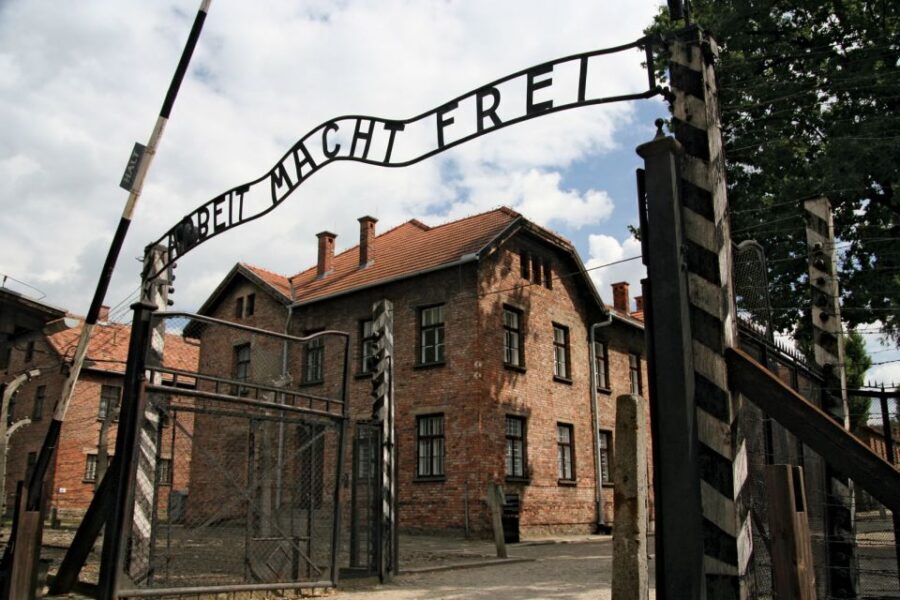
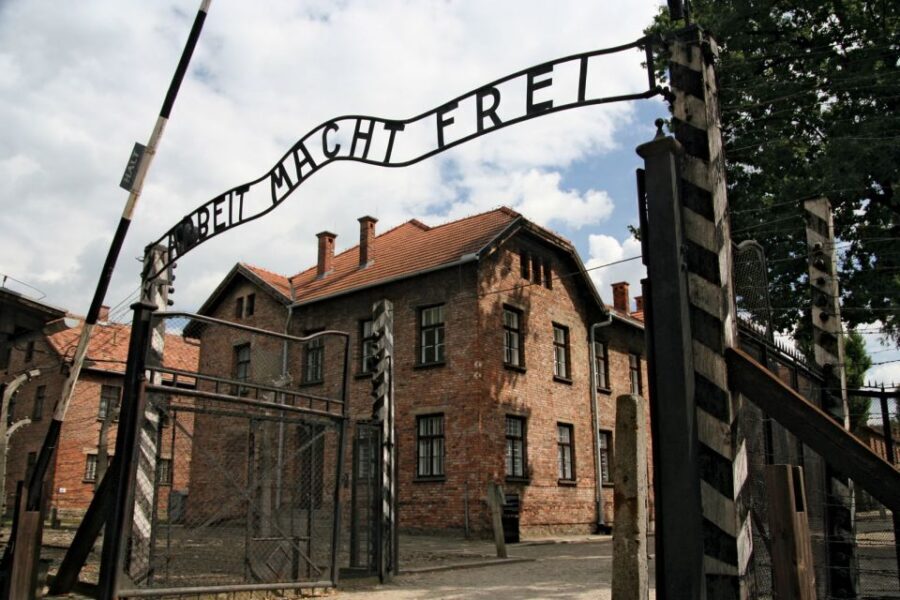
This tour isn’t a sightseeing “tour” in the casual sense. It’s a guided, history-led visit to the largest Nazi concentration camp complex—built around two places that are emotionally and historically inseparable: Auschwitz II-Birkenau and the main Auschwitz camp grounds.
You’re traveling from Katowice (about 25 kilometers / 15.5 miles from the nearby town of Oświęcim area) to the memorial and museum sites in German-occupied southern Poland. The camp complex had three main parts: Auschwitz I (the administrative center), Auschwitz II (Birkenau) (the extermination camp), and Auschwitz III (Monowitz) (a work camp). This specific experience concentrates on Birkenau, then adds time in the Auschwitz main camp for the permanent exhibition and original buildings—so you get both the extermination-camp reality and the museum context you’ll want.
At $114 per person for a 6-hour day, the value is mostly about time and interpretation. You’re not just paying for a bus ride and an entry ticket; you’re paying to (1) get skip-the-line access and (2) have an English-speaking guide tie key original locations together into something you can understand without losing your bearings.
You can also read our reviews of more tours and experiences in Katowice.


Entry without the headache: how skip-the-line helps
Auschwitz isn’t hard to reach. The hard part is time and attention. The longer you spend waiting, the more your mental energy gets drained before you even enter the grounds.
That’s why the skip-the-line ticket piece matters. This tour includes skip-the-line entrance tickets, and your guided visit includes the practical side of getting you in efficiently. Multiple reviews mention that tickets were handled smoothly and that queuing was minimal compared with what people fear might happen. The result: you’re more likely to walk in ready to pay attention, not already irritated.
Another small but important point: this visit uses guided pacing. When you don’t have to spend your first minutes “figuring out where to go,” you can keep focus on what the guide is pointing out—especially at Birkenau, where the scale can feel dizzying.
Transport and meeting in Katowice: choose the version that fits your lodging
You have two main ways to start the day, and your choice changes how smoothly it feels.
- If you choose the hotel pickup and drop-off in Katowice, you’ll be collected and returned to your Katowice hotel.
- If you’re staying in a hostel, Airbnb, or private residence, you’ll need to make your way to the local partner’s office in the city center for the meeting.
This matters because it affects stress. With pickup, you’re out the door with a clear plan. Without pickup, you’re responsible for being at the right meeting point—so arrive early.
Timing matters too. The meeting instructions ask you to arrive at the meeting point 10 minutes before the activity starts. Another note says to arrive 15 minutes before if you’re using the pickup/meeting option. That extra buffer is worth it at a site like this, where delays can ripple through your schedule.
Practical note on timing: reviews mention that pick-up times can be rescheduled due to museum overbooking. If you want the smoothest day, keep your morning flexible.
The emotional structure of the day: Birkenau first, context second
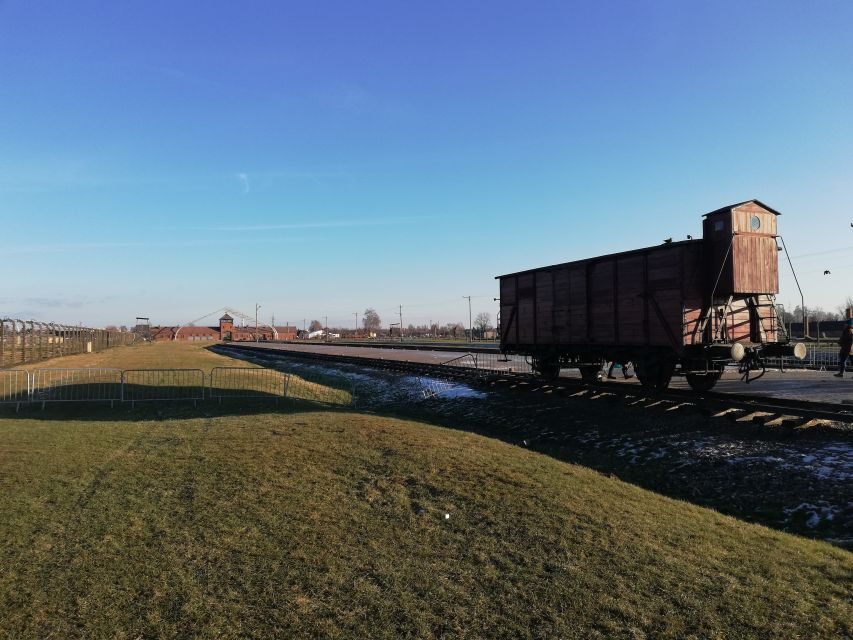
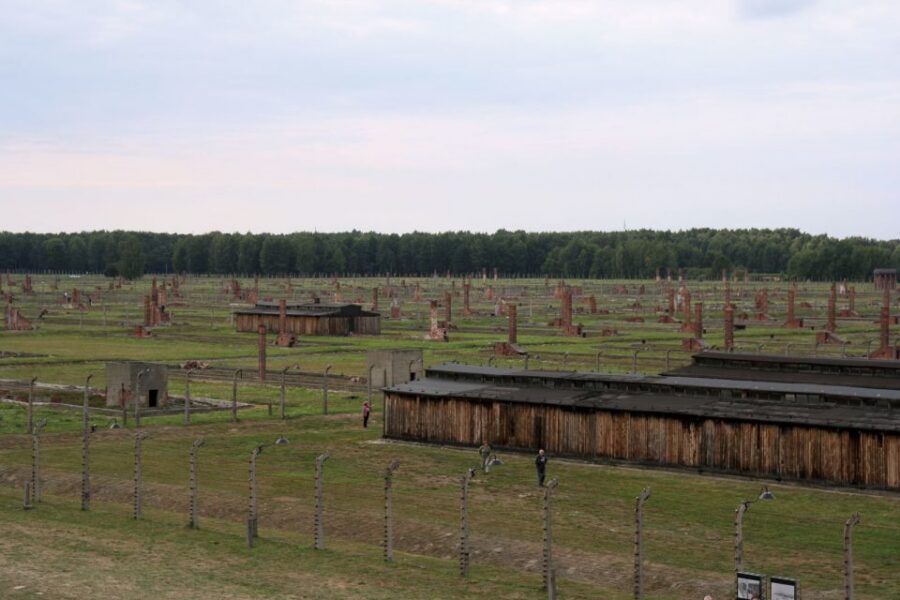
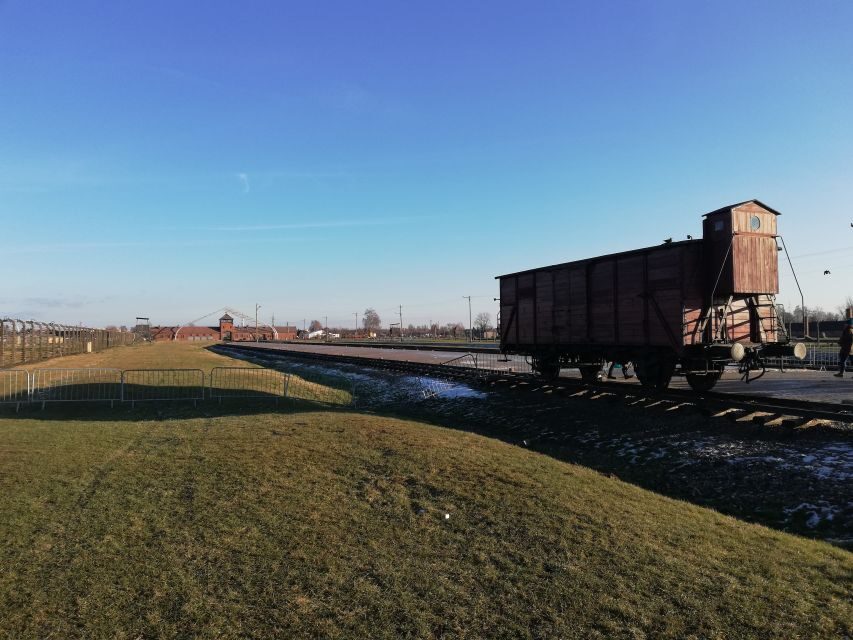
This tour centers on Auschwitz II-Birkenau—the extermination camp—where at least 1.1 million people were killed, and 90% were Jews from almost every European country. Even if you’ve read about it before, walking among original spaces is different. A guide helps you make sense of how the camp operated and what each area was for.
At Birkenau, the tour includes attention to original sites and objects. One of the specific highlights included here is seeing the gas chambers, described in the tour materials as being used for the vast majority of the killings with Zyklon B. The guide’s role is crucial here: the goal isn’t to shock you; it’s to explain the system—how it worked, how victims were processed, and what the remains and preserved areas represent.
Then the day shifts back to the main Auschwitz camp grounds. Here you’ll have time for the permanent exhibition and original buildings. I like this sequencing because it gives your brain a second chance to organize the facts. Birkenau can feel enormous and overwhelming; the main camp’s exhibition helps you anchor what you’ve just seen in clearer documentation and interpretation.
Listening matters: English guidance, audio, and staying oriented
You’ll be with an English-speaking tour leader/guide, and there’s an audio guide included in English. The tour also includes equipment rental needed for sightseeing, which often means you’ll have the tools to hear the guide clearly as you move.
In this kind of visit, hearing the guide matters more than almost anything else. Auschwitz has rules about quiet and respectful behavior, and it’s easy to feel lost if you can’t follow the explanation. Reviews praise guides who managed to keep explanations fact-based while still handling the topic with appropriate care, with examples including names like Wanda and Magda at the Auschwitz site and Sabina in other cases.
You’ll also get moments for reflection. The tour description frames this as a chance to pause in a place laden with historic horrors. That’s not just “nice to have.” It’s part of how the day lands. If you rush through or try to turn it into a checklist, you miss what the memorial is asking of you.



What to do with your own feelings: practical coping tips that don’t feel cheesy
This day is not “fun.” It’s not meant to be. But you can make it easier on yourself and still stay respectful.
Here are a few grounded tips that make a real difference:
- Wear comfortable shoes. Reviews consistently point out the practical comfort angle, and it’s a long walking day.
- Bring water. One review flat-out advises not to forget it, which is good common sense even if you’re not the type to carry snacks.
- Expect rain. There are mentions of pouring rain during the visit. Going prepared keeps you from turning discomfort into distraction.
- Use your audio gear. Don’t let it sit unused. Hearing the guide’s points helps you understand what you’re seeing, and that’s a big part of the value.
Emotionally, a guide helps you stay steady. That doesn’t “fix” the situation. It just keeps the story coherent so you don’t end up staring at plaques and guessing what you’re supposed to connect.
Timing shifts and overbooking: how to plan so the day stays calm
This tour is built around timed entry. That makes it vulnerable to changes when museums adjust schedules.
More than one review notes that the reservation time could move because museum tickets were overbooked. One person saw the pick-up moved from 9:00 to 10:30. Another noted a shift far earlier (around 6:30). The common thread: they got rescheduled, and the operation still worked—just on a different timetable than expected.
So here’s what I recommend:
- Treat the advertised time as a starting point, not a guarantee.
- Keep any “must-do” plans the rest of the day lighter than usual.
- Be ready to move quickly if the day changes.
That flexibility is the trade-off for getting skip-the-line access and a structured guided route.
Price and value: is $114 a good deal?
For a day that includes round-trip transport from Katowice (if selected), skip-the-line entry, an English-speaking guide, plus audio/gear, $114 can be a good value—mainly because it saves you two costly things: time and confusion.
Time: if you show up on your own, you still need timed access and security procedures, and you can easily lose half your “site time” to waiting and re-orienting. Here, the tour format compresses the logistics.
Confusion: Auschwitz can overwhelm you fast, especially at Birkenau. The guide’s job is to give you a framework—where you are, what happened there, and why specific remains and objects matter.
Also, the tour duration (about 6 hours) is long enough to see the main points without turning it into an all-day slog. You’re getting a meaningful arc: Birkenau for the core extermination-camp story, then Auschwitz for exhibition and original buildings.
If you’re traveling from Katowice specifically, pickup availability also reduces stress. You don’t have to solve transit, timed entry, and group coordination by yourself.
Comfort, kit, and rules that affect your day
This is one of those days where small practical details can ruin your mood if you ignore them.
You should bring:
- Passport or ID card (required)
- Comfortable shoes
You also have luggage limits: maximum hand luggage is 12 x 8 x 4 inches (30 x 20 x 10 cm). Larger luggage must be left on the bus during the visit. If you’re traveling with a bigger day bag, plan ahead so you’re not scrambling at the start.
Food and drink aren’t included. That’s not unusual for a memorial day, but it affects how long you’ll want to wait between stops. If you need caffeine or lunch, you’ll have to handle it yourself.
Who this tour is best for (and who should think twice)
This tour is intense. The tour data says it’s not suitable for children under 13. That doesn’t mean no young people should learn about the Holocaust. It means this particular format and content level is not recommended for very young teens.
It’s also ideal if:
- you want an English-speaking guide
- you prefer skip-the-line access to reduce wasted time
- you want a structured route that includes both Birkenau and the main Auschwitz exhibition
- you don’t want to stress about coordinating timed entry from Katowice
It’s less ideal if:
- you hate time changes and want a perfectly locked schedule
- you’d rather wander independently than follow a guided explanation
Accessibility note: the tour is listed as wheelchair accessible. If you’re mobility-limited, the guided structure can actually help, but you’ll still want to plan for long walking and site conditions.
Should you book this Katowice to Auschwitz-Birkenau skip-the-line tour?
I’d book it if you want the most efficient way to do this from Katowice with a guide, timed entry, and an English explanation that connects the original locations. The biggest reasons are the skip-the-line tickets, the structured guide-led route, and the mix of Birkenau focus plus Auschwitz main-camp context.
I’d think twice if you’re the type who can’t handle schedule changes. Rescheduling happens because museum ticket limits can force a different pick-up time. If that throws off your whole day, build extra buffer.
If you do book, treat the day like a solemn, guided education. Wear the shoes you’ll be thankful for at hour three. Bring water. Then let the guide do their job: turning overwhelming spaces into understandable, documented history—without turning it into a “normal” tourist stop.
FAQ
How long is the Auschwitz-Birkenau tour from Katowice?
The tour duration is 6 hours.
Does the tour include skip-the-line entrance tickets?
Yes. The tour includes skip-the-line entrance ticket(s).
Is there an English-speaking guide and audio?
Yes. The tour includes an English-speaking tour leader/guide, and an audio guide included (English).
Is hotel pickup and drop-off included in Katowice?
It’s included if you select the option for hotel pickup and drop-off in Katowice. If you’re staying in a hostel, Airbnb, or private residence, you’ll go to the partner’s office meeting point instead.
Where do I meet if I’m not using hotel pickup?
You’ll meet at the local partner’s office in the city center. The instructions say you must go there to begin your tour if you’re not staying in a Katowice hotel.
Do I need to bring my passport or ID?
Yes. You should bring your passport or ID card.
What should I bring besides ID?
Bring comfortable shoes. Also note the hand luggage limit is 12x8x4 inches (30x20x10 cm); larger luggage must be left on the bus.
Is food and drink included?
No. Food and drink are not included.
Is the tour suitable for children?
The tour is listed as not suitable for children under 13.
Is the tour wheelchair accessible?
Yes. The activity is listed as wheelchair accessible.