REVIEW · KRAKOW
Nowa Huta Steel Mill Administration Buildings and Shelters with local NGO
Book on Viator →Operated by Fundacja Promocji Nowej Huty · Bookable on Viator
Ready to tour Soviet Poland in plain sight? In Krakow, this visit to the Nowa Huta steelworks administration buildings lets you see Socialist Realist 1950s architecture and how power ran on an industrial scale. I especially love the feeling of stepping into a real workplace set, not a polished museum. I also love the stop underground, where Cold War bomb-shelter spaces make history feel physical. One possible drawback: the tour’s story is clearly told through a communist lens, so if you’re hoping for a perfectly even, West-vs-East comparison on every point, you’ll want to come with your questions.
The experience works because it’s organized by a local foundation tied to Nowa Huta, so the guide knows the building’s language and the neighborhood’s mood. Many guides in this program can bring the details to life; in the comments, Mateusz shows up more than once, and the guides tend to mix clear explanations with hands-on, walkaround pacing. You’ll also hear historic audio connected to the steelworks radio station and see spaces linked to worker life, including a theater.
Plan for a slightly brisk walk through a complex site. It’s about 1 hour 30 minutes to 2 hours, there’s a maximum of 15 people, and it’s best if you have moderate physical fitness, since you’ll be moving around inside and underground.
In This Review
- Key takeaways before you go
- Nowa Huta’s steelworks admin buildings: Socialist Realism with real weight
- What you’ll see above ground: offices, worker culture, and radio history
- Going underground: bomb shelters and Cold War practicality
- The NGO side of the story: how preserved it feels, and what to watch for
- Price and value: what you pay for beyond the ticket
- Timing and meeting point: easy to find if you give yourself slack
- Who should book this Nowa Huta steelworks buildings tour?
- Quick practical tips that make the day smoother
- Should you book? My take
- FAQ
- How long is the Nowa Huta steelworks administration and shelter tour?
- How much does it cost?
- Is the tour offered in English?
- What exactly is included in the tour price?
- Where do I meet the tour?
- Is there hotel pickup or drop-off?
- Do I need a mobile ticket?
- Is the tour suitable for children?
- Is there any limit on group size or fitness level?
Key takeaways before you go
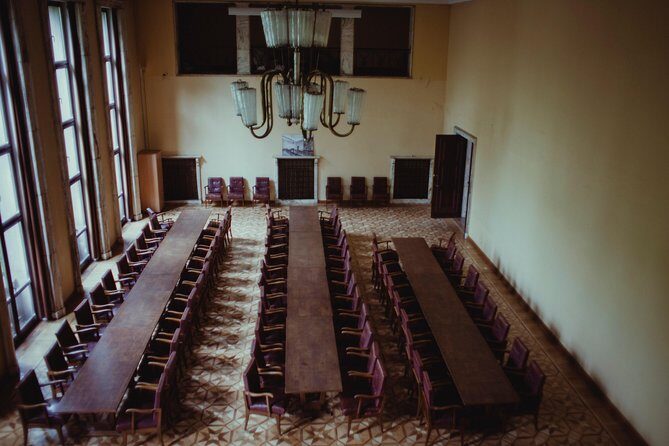
- Socialist Realism that still feels industrial: administration-style grandeur from the 1950s, experienced at building level, not from a textbook.
- An underground Cold War shelter: you’ll see spaces designed for survival, not just bunker props.
- Tapes from the steelworks radio station: audio details add a human layer to the architecture.
- Spaces for worker culture: you may see how life inside the plant wasn’t only about jobs.
- Artifacts placed by an NGO: it can feel authentic, but some items are gathered and arranged, not purely frozen in time.
Nowa Huta’s steelworks admin buildings: Socialist Realism with real weight
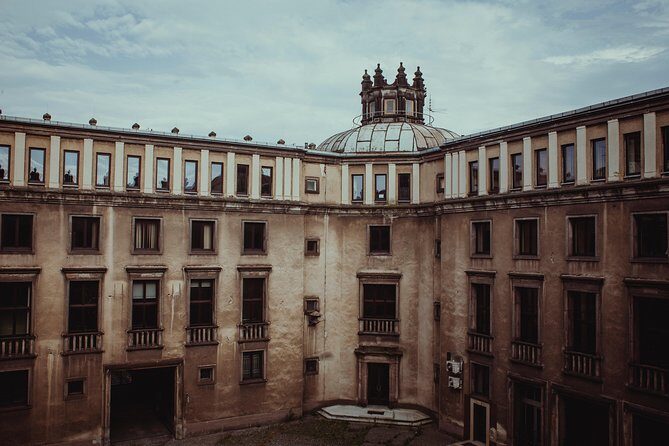
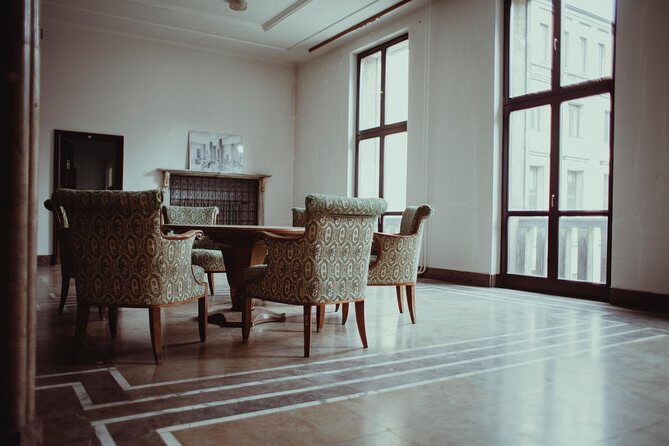
Nowa Huta is one of those places where you can’t separate architecture from politics. This tour focuses on the administration buildings of the Lenin Steelworks, the offices-and-shelter complex where decisions, communication, and control were meant to happen. If you care about how governments use buildings to signal authority, you’ll get a lot here.
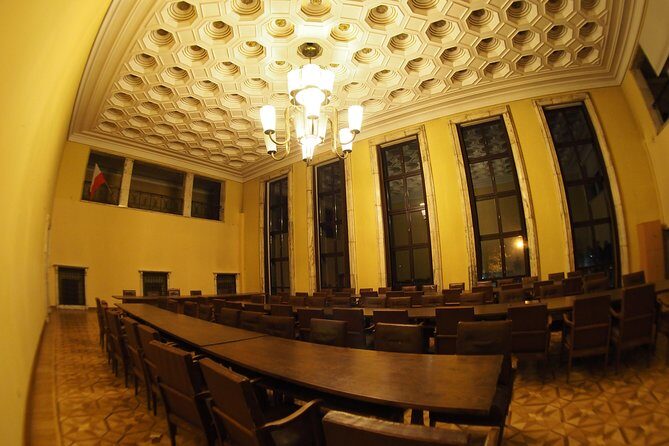
The most satisfying part is seeing the style up close. Socialist Realism isn’t just a label for an art-history page. In these steelworks structures, it shows in the strong lines, the grandness, and the way the spaces are meant to communicate order. One review describes the building as almost untouched and left to age for years, and that matters: you don’t just see the design; you see the patina of time on the design.
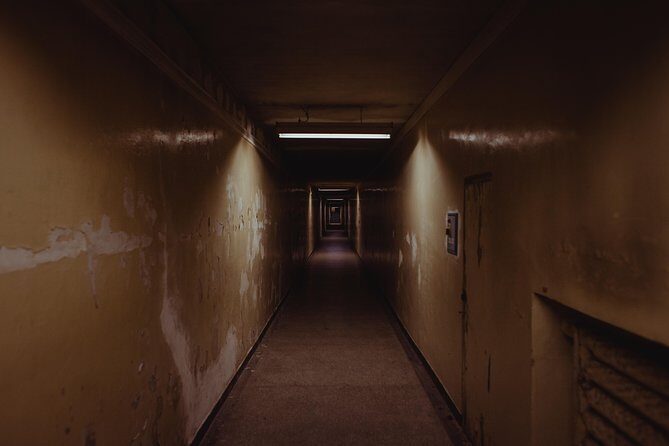
The vibe inside can feel a bit like an urban exploration film set—wide rooms, corridors, and office spaces that seem paused mid-era. That’s part of the attraction. It also explains why people call it a top Krakow highlight: it’s unusual compared with the usual city sightseeing circuit.
You can also read our reviews of more tours and experiences in Krakow.

What you’ll see above ground: offices, worker culture, and radio history
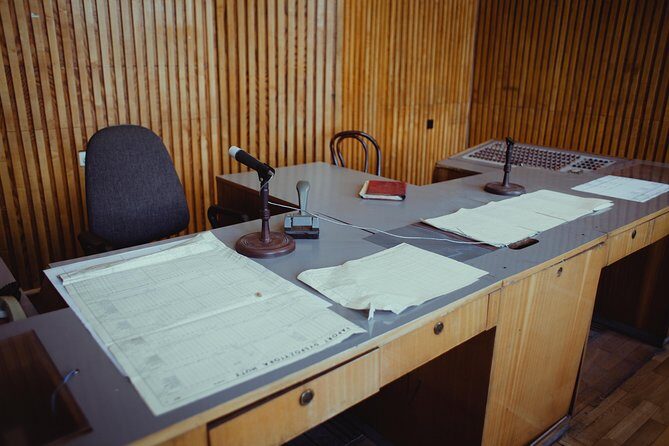
The “above-ground” part isn’t a quick hallway tour. You spend real time moving through the administration buildings, plus you’ll encounter other sections tied to how the plant functioned day to day. Expect a mix of office areas, preserved rooms, and spaces that connect the administration side to worker life.
One of the most interesting details is the audio component. The tour includes historic tapes from the steelworks’ radio station. That’s a big deal, because it shifts the visit away from stone-and-stories only. You’re not just looking at what survived; you’re hearing how communication worked inside the plant’s world.
You may also come across a worker’s theater. That sounds surprising until you remember what these plants were. They weren’t only factories. They were mini-cities with their own schedules, entertainment, and social structures. Seeing even a partial reminder of that culture helps you understand why Nowa Huta feels like a whole system rather than a single landmark.
A neat extra: some older artifacts are preserved in rooms that have been used as movie scenery. Even if you’re not hunting for filming locations, it’s a reminder that these spaces are visually distinctive enough to be recognized beyond Poland.
Going underground: bomb shelters and Cold War practicality
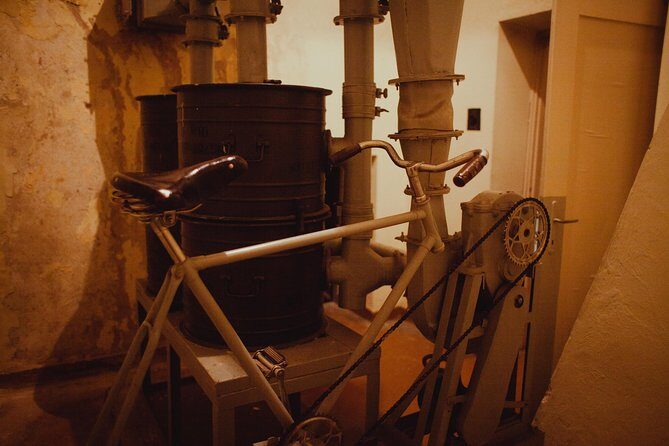
The underground stop is where the tour gets truly memorable. The highlights spell out underground bomb shelters and a cold war-era shelter, and that’s exactly what you’ll experience—spaces designed for protection, not display.
Underground rooms change your sense of scale. Light behaves differently. Sound can feel closer. And suddenly you understand the logic behind all that administrative planning above. These shelter spaces aren’t just props for dramatic history; they’re part of how the system prepared for the worst.
Several visitors specifically call out the tunnels and bunker as the most fascinating parts they’ve seen anywhere. If you like Cold War history, this is the piece that will keep paying off after the tour ends. You’ll remember the feeling of moving through an environment built for emergency.
Practical note: this portion is also a reason to have moderate fitness. The route and the movement underground aren’t described as strenuous in the data, but it’s still a bunker-style site. Wear shoes you trust, and be ready to take your time.
The NGO side of the story: how preserved it feels, and what to watch for
This tour is run with the local foundation Fundacja Promocji Nowej Huty. That matters for two reasons: the organization has a local stake in keeping Nowa Huta visible, and it also shapes how the visit is presented.
Here’s the balance you should keep in mind. One review notes that the NGO gathers objects and organizes an exhibition, so the items aren’t necessarily displayed in exactly the same way they were when the building was in full use. That’s not automatically a bad thing. In fact, it may be the only workable way to interpret the space now that the building has been closed for long stretches.
But it does explain why the timeline can feel broad. You may see items from different periods, spanning from the early steelworks era through later decades. So if you’re the type who wants everything pinned to one year, you’ll need to accept that the building is now a blended archive.
There’s also one more nuance you might notice in the interpretation. One visitor felt that negative associations were pinned mostly on communism. Even if you agree with the overall framing, this is still a good reminder to bring a curious mindset. Ask yourself what you’re learning about the system, and also what you might want to compare elsewhere.
Price and value: what you pay for beyond the ticket
The price is $27.63 per person, and the tour runs roughly 1 hour 30 minutes to 2 hours. On paper, that might sound like a lot for a building visit. In practice, it’s strong value because the cost isn’t just for access—it’s for interpretation.
You get both a local guide and a professional guide. That pairing is what turns a location into an explanation of how the place worked. You’re also paying for access to spaces that feel hard to replicate on your own—especially the underground shelter areas and the rooms tied to administration, worker culture, and audio history.
The itinerary indicates that the admission ticket is free for the main stop. So in other words, you’re not paying an extra site fee on top of the tour. You’re paying for the guided experience and the time.
One more value point: the group size is capped at a maximum of 15 travelers. That usually means you can actually hear the guide without shouting over a crowd, and you can move at a human pace through tighter areas.
If you’re building a one-day Nowa Huta plan, this tour is also a nice anchor. It’s structured, but not rushed, and it gives you a specific slice of history rather than a generic overview.


Timing and meeting point: easy to find if you give yourself slack
The tour starts and ends at Ujastek 1, 31-752 Kraków, Poland, on the opposite site of the street. The site is described as near public transportation, which helps. You don’t need hotel pickup, so you should plan to arrive under your own power.
It’s also offered in English, which is a relief if you don’t speak Polish. The data notes a mobile ticket, and confirmation is received at booking time. In other words: plan ahead, then show up with your phone ticket and some patience for city navigation.
Because the visit includes underground areas and interior walking, I’d recommend dressing for a bit of variation in temperature and wearing comfortable shoes. Even when the tour is “only” a couple of hours, the movement adds up.
Who should book this Nowa Huta steelworks buildings tour?
This is a top fit for you if:
- you’re interested in Poland’s communist-era planning and how it shaped daily life
- you love industrial architecture and don’t mind that the story is tied to heavy subjects
- you want Cold War history you can physically walk through
It’s also a good match if you like small group touring. With up to 15 people, the pace tends to be more watch-and-listen than herd-and-queue.
If you’re coming with kids, the tour data says children must be accompanied by an adult. Since you’ll be moving through offices and underground shelter spaces, make sure the child is comfortable with that kind of environment and follow the guide’s directions closely.
If your goal is a classic “pretty Krakow” day with minimal history weight, you might find this one emotionally heavier than you want. But if you want understanding—not just photos—this experience does that quickly.
Quick practical tips that make the day smoother
- Bring your mobile ticket and confirm details when booking so you aren’t scrambling at the start.
- Wear comfortable, supportive shoes for indoor floors and underground sections.
- Plan to arrive a few minutes early at Ujastek 1, since the meeting point is on the opposite side of the street.
- Expect souvenir photos aren’t included; they’re available to purchase instead.
- If you’re sensitive to tight spaces or low light, take it slow underground and follow the guide.
And a friendly bonus from the local-guide culture: one set of comments mentions Mateusz being genuinely helpful, including an anecdote about offering a ride in his Lada to help a guest. Don’t count on that, but it gives you a sense of how engaged some guides are with making the experience work for people.
Should you book? My take
If you want one Krakow experience that’s truly different—industrial, political, and physical—book it. This tour is built around places that are hard to access casually and hard to understand without a guide. The combination of Socialist Realism above ground plus a real-feeling Cold War shelter underground makes it worth the time, and the $27.63 price lands as reasonable for what you actually get: guides, context, and spaces you can’t easily DIY.
I’d pass only if you dislike history framed through one political system, or if underground spaces make you uncomfortable. Otherwise, this is the kind of tour that gives you something lasting: not just memories, but a clearer sense of how a steelworks shaped an entire society.
FAQ
How long is the Nowa Huta steelworks administration and shelter tour?
It runs about 1 hour 30 minutes to 2 hours.
How much does it cost?
The price is $27.63 per person.
Is the tour offered in English?
Yes, it’s offered in English.
What exactly is included in the tour price?
You’ll have a local guide and a professional guide. Site admission for the main stop is listed as free.
Where do I meet the tour?
Meet at Ujastek 1, 31-752 Kraków, Poland (on the opposite site of the street). The tour also ends at the same place.
Is there hotel pickup or drop-off?
No, hotel pickup and drop-off are not included.
Do I need a mobile ticket?
Yes, a mobile ticket is provided.
Is the tour suitable for children?
Children must be accompanied by an adult.
Is there any limit on group size or fitness level?
The group is capped at a maximum of 15 travelers, and it’s suitable for travelers with a moderate physical fitness level.